REVIEW · HANOI
Coffee, History, and Architecture of the French Quarter
Book on GetYourGuide →Operated by ONETRIP WITH LOCAL TRAVEL CO., LTD · Bookable on GetYourGuide
Coffee starts the story here. This Hanoi French Quarter walk connects French colonial architecture to modern Vietnam, with a guide who treats it like a chat, not a lecture. You’ll move through iconic landmarks, stop for real Hanoi-style coffee in an old French villa, and finish with the sweet payoff at Trang Tien.
What I like most is the pacing: you get 15+ top sights in about 2.5 hours without feeling rushed. I also love the “ask questions anytime” format, so you can steer the conversation toward what you care about—history, buildings, food, or daily life.
One consideration: it’s still a walking tour. If you’re sensitive to heat, crowds, or uneven sidewalks, plan for comfortable shoes and bring rain cover since it runs rain or shine.
In This Review
- Key highlights to expect
- Why Hanoi’s French Quarter walk feels different
- Starting at 6 Au Trieu: the streets before the stories
- Coffee in a secret French villa: your built-in cultural warm-up
- St. Joseph’s Cathedral and the French Gothic look you’ll recognize
- A French Quarter loop: Opera House, Metropole Hotel area, and Hoan Kiem Lake
- The architecture lessons: how to read a facade like a clue
- Photos during the walk: why the Vietnam War context lands harder in person
- Trang Tien ice cream: the classic stop that feels like a victory lap
- Who this tour is best for (and who might want something else)
- Value for money: what $31 buys you in real terms
- What to bring (so the walk feels easy, not annoying)
- Should you book the Coffee, History, and Architecture walk?
- FAQ
- Where does the tour start and end?
- How long is the walking experience?
- Is the tour in English?
- What food is included?
- How many sights will we see?
- What should I wear or bring?
- Does the tour run in bad weather?
- Can I ask questions during the walk?
Key highlights to expect
- Old French villa coffee start: Vietnamese coffee before you hit the streets
- Conversation-style history: Vietnam’s French rule and the Vietnam War explained in plain talk
- St. Joseph’s Cathedral to Hoan Kiem Lake: major landmarks tied to real stories
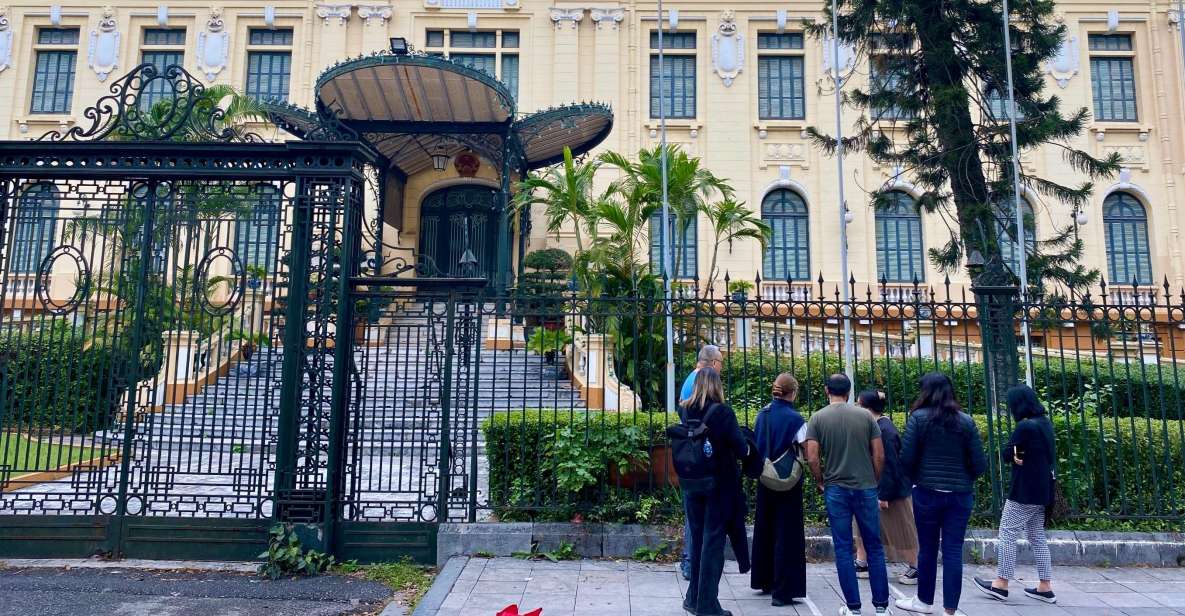
- French Quarter architecture stops: including the Opera House, Metropole Hotel area, and more
- Trang Tien ice cream with seating: a classic ending break
- Guide visuals on the spot: famous photos help make the history click
Why Hanoi’s French Quarter walk feels different
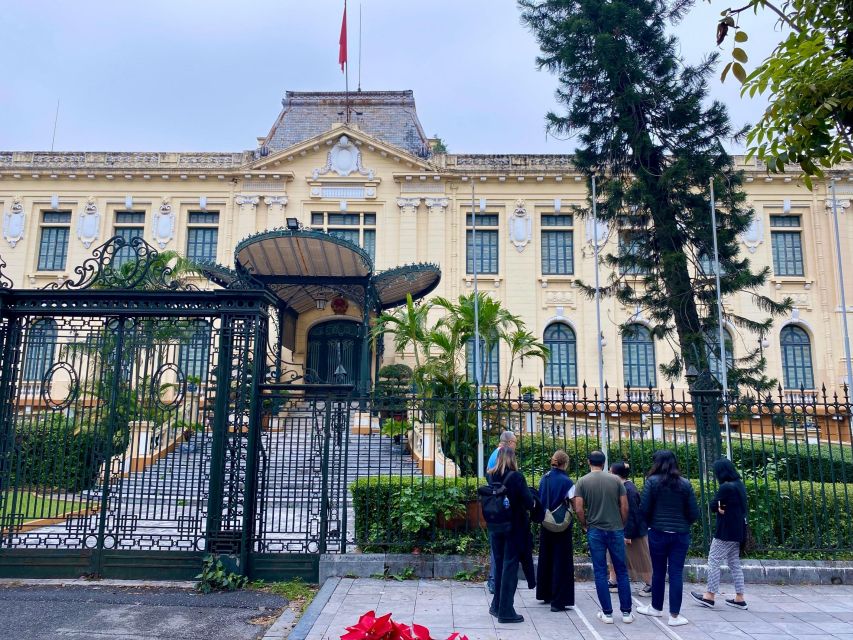
Hanoi’s French Quarter can look like postcard chaos if you wander alone. This experience gives you a thread to follow: how French presence shaped buildings, streets, and daily routines—and how Vietnam carried forward its own identity through all of it.
The best part is how the guide makes the history usable. Instead of a timeline dump, you get cause-and-effect stories: what changed under French rule, what locals gained, what they resisted, and how later conflict left marks you can still read in the city.
And yes, you’ll also get the practical stuff. You’ll see the landmarks people photograph, but you’ll understand why those specific details matter.
You can also read our reviews of more historical tours in Hanoi
Starting at 6 Au Trieu: the streets before the stories
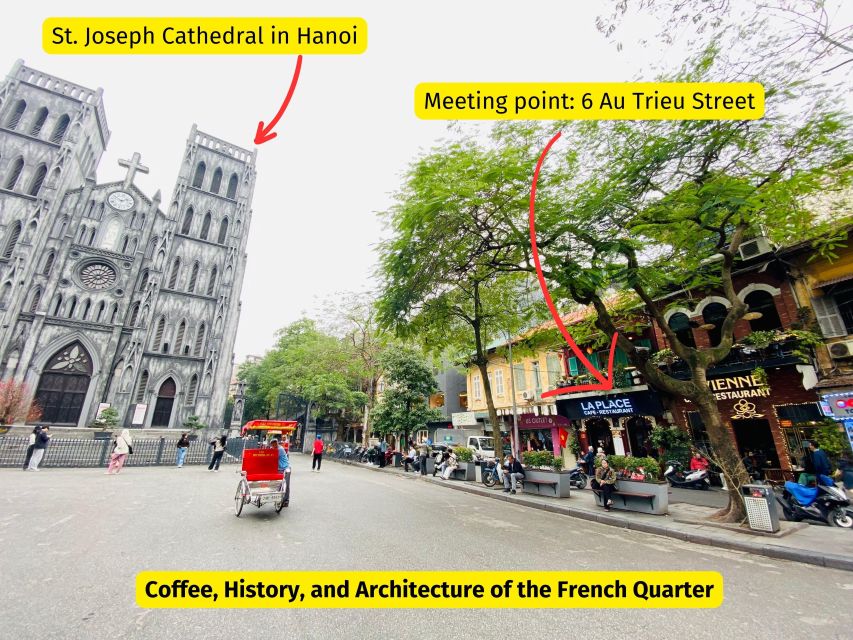
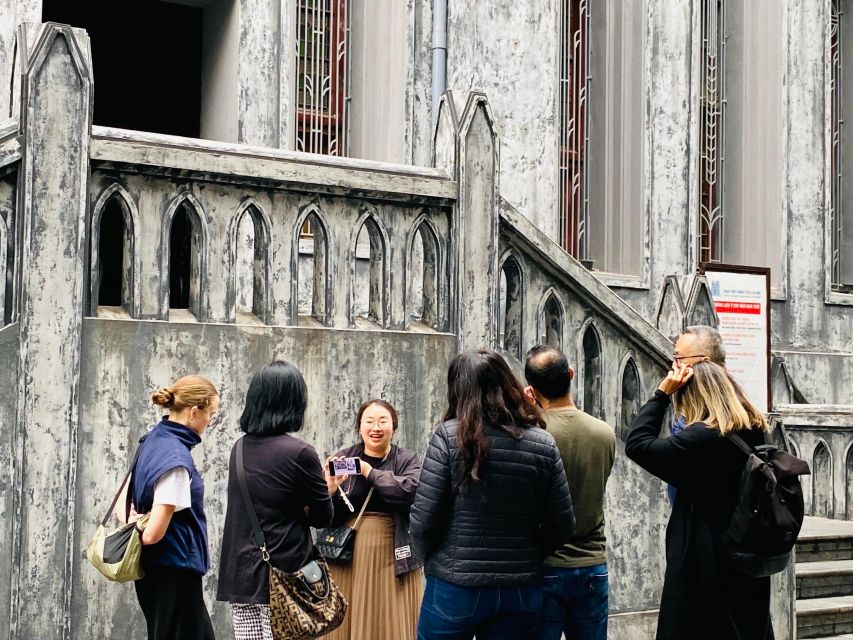
The walk begins at 6 Au Trieu street, right by St. Joseph’s Cathedral of Hanoi. That’s a smart starting point because the cathedral anchors the whole French Quarter theme. It also sets your expectations: this isn’t just sightseeing. It’s architectural storytelling.
From the jump, you’re primed to look at materials, facades, and street layout. Once you’ve got that lens, the rest of the neighborhood reads more clearly—like the city has footnotes.
If you’re arriving a bit early, take a few minutes to just watch the area. Cafés, scooters, and passing foot traffic make the French Quarter feel real, not staged.
Coffee in a secret French villa: your built-in cultural warm-up
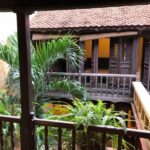
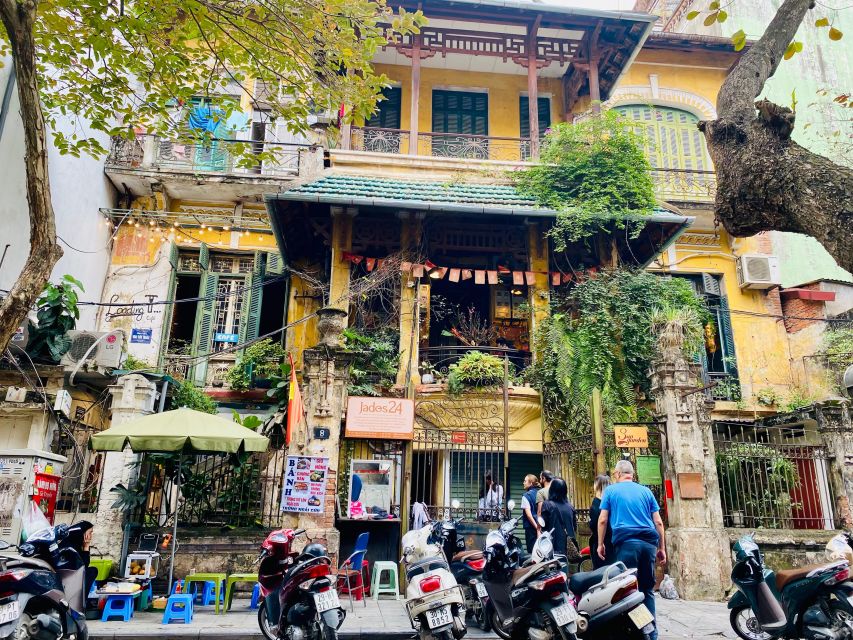
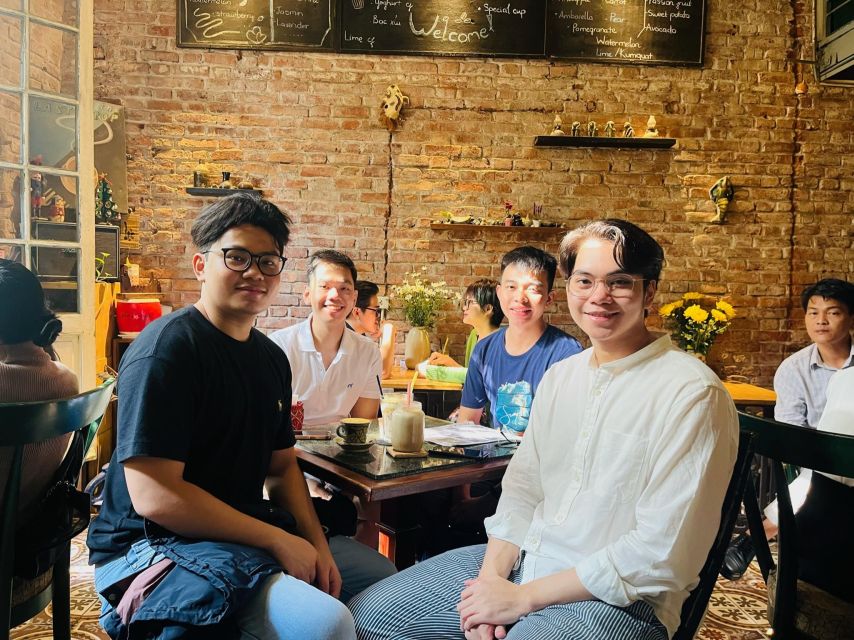
Before you do any major landmark walking, you start with coffee at a local café inside an old French villa. This is where the tour becomes more than architecture: you get Vietnam’s broad context first, in a relaxed setting.
You’ll be served authentic Vietnamese coffee or tea, and depending on how the morning is running, you may try signatures like egg coffee (a Hanoi classic) and other popular variations. One reason this works so well is sensory. Once you’ve tasted the drink, the history stops feeling abstract.
You’ll also learn the guide’s framing for the whole session—French rule, social change, and the Vietnam War—without it turning into a classroom. It’s more like, Okay, now that we’re standing in Hanoi, here’s how to understand what you’re seeing.
Practical tip: treat the coffee stop like your refuel moment. It’s easy to underestimate how hot or humid Hanoi can feel during a short walk.
St. Joseph’s Cathedral and the French Gothic look you’ll recognize
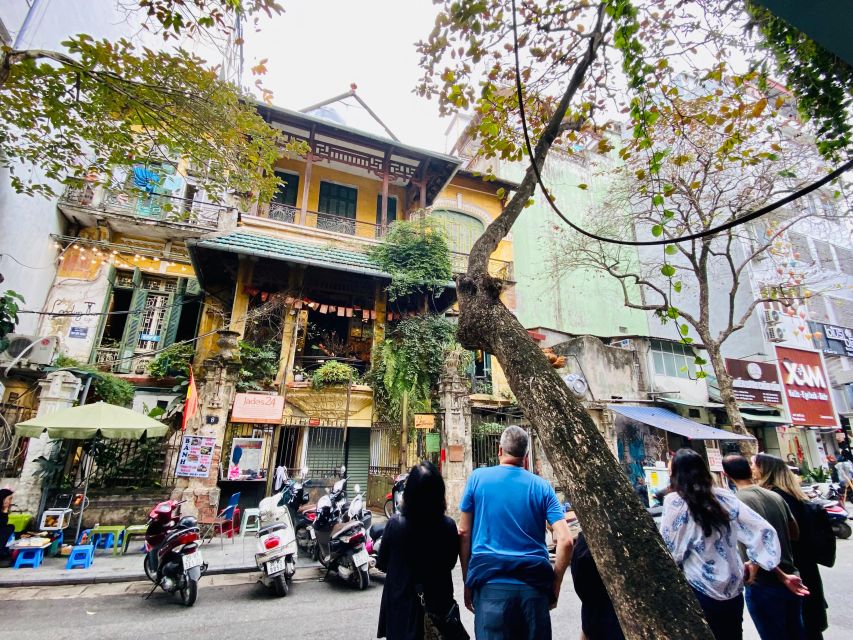
After your coffee start, you head back toward St. Joseph’s Cathedral for a brief stop and guided explanation. Even if you’ve seen photos, you’ll get more from a guide pointing out what makes this landmark distinct in Hanoi.
This cathedral is tied to the French-era story because its presence isn’t just religious—it signals the kind of institutions and styles the French brought into the city. You’ll learn how architecture can act like a claim of identity.
Break time is part of this stage too. So you’re not sprinting through the most photographed site in town. You get a moment to reset your eyes and energy before continuing.
A French Quarter loop: Opera House, Metropole Hotel area, and Hoan Kiem Lake
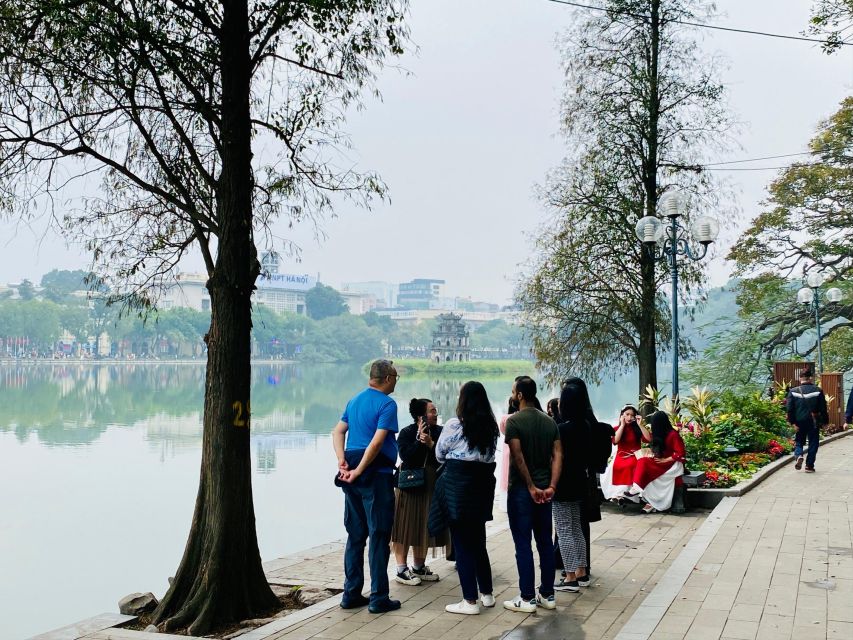
The heart of the tour is a loop through some of the French Quarter’s biggest nameplates. You’ll visit or pass major landmarks and get short guided stops designed to connect history to the built environment.
Expect stops that include:
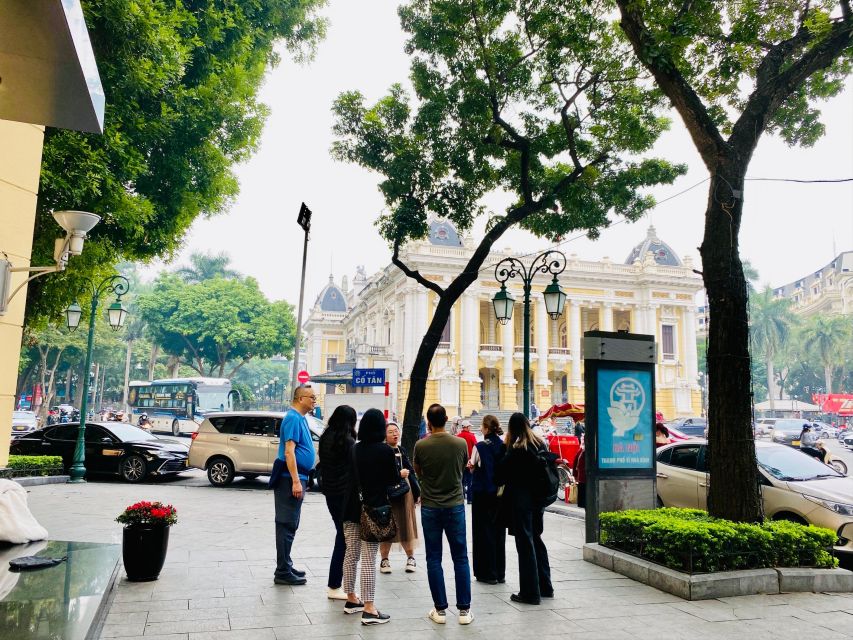
- Hanoi Opera House, where French-era design shows up in a very Hanoi context
- Hoan Kiem Lake, which anchors the city’s center both visually and historically
- Sofitel Legend Metropole Hanoi area, a reminder of how French influence shows up in “grand” hospitality and city prestige
- Trang Tien street and the surrounding French Quarter district streets
Each stop is short, but the guide ties it together. You won’t just memorize what you’re seeing; you’ll understand how the French presence shaped institutions and public life, and how later history changed the meaning of these spaces.
One reason I like this approach: it prevents the common mistake of walking around landmarks with zero context. You’ll still enjoy the visuals, but you’ll come away with a story you can repeat.
A few more Hanoi tours and experiences worth a look


The architecture lessons: how to read a facade like a clue
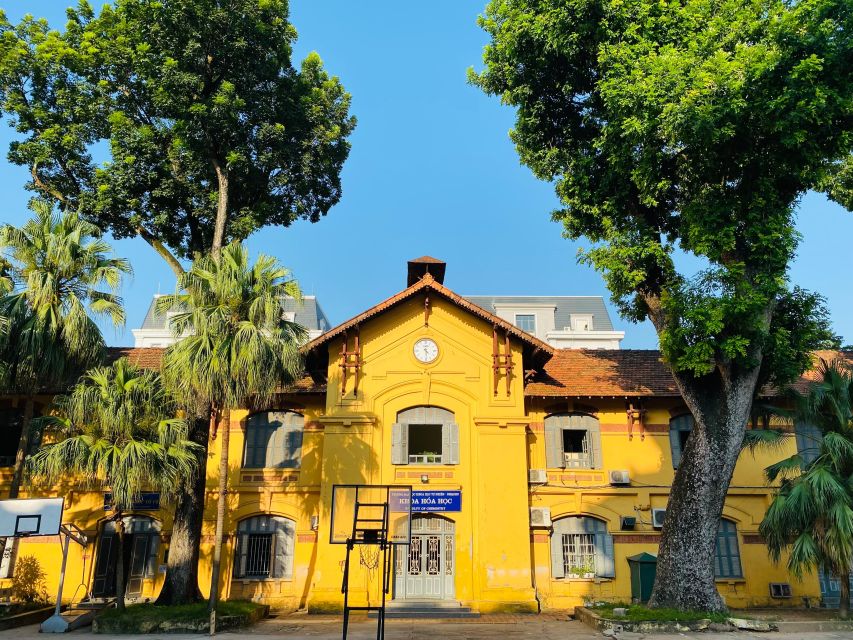
This tour is heavy on architecture in a practical way. Instead of vague “it’s beautiful” talk, the guide helps you notice features that point to French colonial influence.
You’ll learn how styles traveled and took root—how buildings adopted European forms while living in Hanoi’s climate, street rhythms, and local culture. That’s why the tour feels more rewarding than a typical “point-and-photo” walk.
Also, you’ll get help making sense of the city’s layers. Hanoi isn’t frozen in one era; it’s a mix. The French Quarter shows that mixing clearly, and you’ll start to see it even when you’re not on the tour anymore.
If you’re a history buff, this kind of interpretation is catnip. If you’re not, it still works because it’s tied to what’s right in front of you.
Photos during the walk: why the Vietnam War context lands harder in person
One detail I really value here is the use of famous photos during the tour. You’ll see visual references tied to historical events as you walk past related sites. It’s the difference between hearing about history and recognizing its echoes in your surroundings.
The guide also covers Vietnam War context as part of the broader French-era story. That matters because French rule and later conflict aren’t separate chapters in Hanoi—they overlap in how people remember, rebuild, and adapt.
And because the format stays conversational, you can ask follow-up questions. If you want a clearer explanation of how one period affects another, the guide can adjust on the spot.
Trang Tien ice cream: the classic stop that feels like a victory lap
The tour ends with a sweet break at Trang Tien ice cream. This is the kind of landmark stop that could feel random on a different itinerary, but here it works because it’s tied to the French Quarter identity through everyday life—food, routines, and how old influences become local traditions.
You’ll get ice cream included, with seating and a restroom available. That’s a nice detail when you’re done walking. It also gives you a natural moment to decompress and compare notes with your guide’s stories in your head.
Is it a “must-do” dessert? For many people, yes. For me, it’s also a reminder that history isn’t only statues and plaques. It shows up in snacks and street culture too.
Who this tour is best for (and who might want something else)
This experience is a great match if:
- You want French Quarter architecture explained clearly, not just photographed
- You enjoy history that includes the trade-offs—what changed, what stayed, what got contested
- You like food moments built into sightseeing (coffee and ice cream aren’t afterthoughts)
- You want a guide you can question freely, with a more relaxed tone
It might be less ideal if you:
- Want a museum-style deep dive with long indoor stays
- Have limited mobility and need extended rest breaks (the walk includes multiple sites and is rain or shine)
- Prefer a purely chronological history lecture with no conversation format
For the sweet spot: this is a strong first or second-day activity in Hanoi, when you’re still learning the city’s layout and want a map in your head.
Value for money: what $31 buys you in real terms
At $31 per person for about 2.5 hours, the value comes from the mix. You’re not just paying for a guide to point at buildings. You’re paying for:
- A structured route through multiple major landmarks in the French Quarter
- Coffee included at a café inside an old French villa
- Ice cream included at Trang Tien
- Explanations that connect architecture to French rule and later conflict
- Visual aids (photos) that make history easier to grasp
If you’d otherwise pay for a guided explanation somewhere in Hanoi and then still buy coffee and dessert, this package stacks up well. Even if you only care about one part—say, architecture—the coffee start helps you understand the rest.
What to bring (so the walk feels easy, not annoying)
This is a straightforward walking tour, so comfort matters. Bring:
- Comfortable shoes
- Sunscreen, breathable clothing, and a hat
- An umbrella or raincoat if rain is forecast
It runs rain or shine, so you’ll be outside the whole time. The tour is short enough that you can handle it comfortably if you’re prepared.
Also, if you’re someone who likes to ask questions, keep that energy. The guide explicitly invites questions, and you’ll get more out of the experience by using that.
Should you book the Coffee, History, and Architecture walk?
I’d book it if you want a smart, human-sized way to understand Hanoi’s French Quarter—especially if architecture and everyday culture matter to you. The coffee start in an old French villa and the Trang Tien ice cream finish aren’t just perks; they help anchor the history so it stays in your head after the walk.
Pass if you dislike walking, hate conversational Q&A formats, or want long indoor stops and deep-ticket museum time. But if you want a well-paced loop through major landmarks with clear context, this is a solid use of a half-day in Hanoi.
FAQ
Where does the tour start and end?
It starts at 6 Au Trieu street, right next to St. Joseph’s Cathedral of Hanoi. The experience finishes at Hanoi University of Pharmacy.
How long is the walking experience?
The duration is about 2.5 hours.
Is the tour in English?
Yes, the guide provides the tour in English.
What food is included?
A cup of Vietnamese coffee/tea is included, plus ice cream at Trang Tien.
How many sights will we see?
You’ll see 15+ top sights across the French Quarter route.
What should I wear or bring?
Bring comfortable shoes, sunscreen, breathable clothing, and a hat. If rain is expected, bring an umbrella or raincoat.
Does the tour run in bad weather?
Yes. It operates rain or shine.
Can I ask questions during the walk?
Yes. The tour is designed to feel like a conversation, and you’re encouraged to ask questions.