REVIEW · HANOI
Hanoi Artisan Coffee Making Class with Train Street
Book on GetYourGuide →Operated by Vietnamtravelers · Bookable on GetYourGuide
A train beside your cup is the point here. This Hanoi coffee-making class blends hands-on instruction with the famous Train Street backdrop, so you’re not just tasting—you’re learning how Vietnamese coffee works in the real setting where trains rattle past. I especially like the step-by-step coffee coaching and the fact you’ll make multiple signature drinks with ingredients and equipment provided. One thing to consider: the class is centered on Train Street, so it can feel a bit noisy and time-sensitive when the trains come through.
You’ll meet at 65 Railway coffee (65 Ng. 224 Lê Duẩn, Khâm Thiên) and spend about 3 hours learning and tasting. I also like that the place has lots of natural green—it makes the experience feel calmer than you’d expect for a spot known for passing trains. If you’re hoping for a quiet, buttoned-up tasting in a low-traffic café, you might prefer something else in Hanoi.
In This Review
- Quick hits before you go
- Train Street coffee plus a making class: the real appeal
- Getting to 65 Railway Coffee and what the meetup means
- The 3-hour flow: what happens during your coffee-making time
- What you learn: the Vietnamese coffee recipes behind the lesson
- Filtered coffee (the Vietnamese drip style)
- Egg coffee (a Hanoi specialty)
- Coconut coffee (tropical meets coffee)
- Salted coffee (surprisingly harmonious)
- Orange/Banana coffee (a fruity curveball)
- The hands-on format: teacher guidance, tasting, and pacing
- Train Street watching: how to enjoy the moment without missing your coffee
- The cafe setting: natural green where you’d least expect it
- Price and value: what $30 gets you (and what it doesn’t)
- Who should book this class, and who might not
- Quick practical tips to make your visit smoother
- Should you book this Hanoi Artisan Coffee Making Class with Train Street?
- FAQ
- How long is the Hanoi Artisan Coffee Making Class?
- How much does it cost?
- Where does the class meet?
- Is pickup available?
- What recipes will I learn to make?
- Is the class taught in English?
- Do I need to bring anything?
- Is alcohol allowed during the activity?
Quick hits before you go
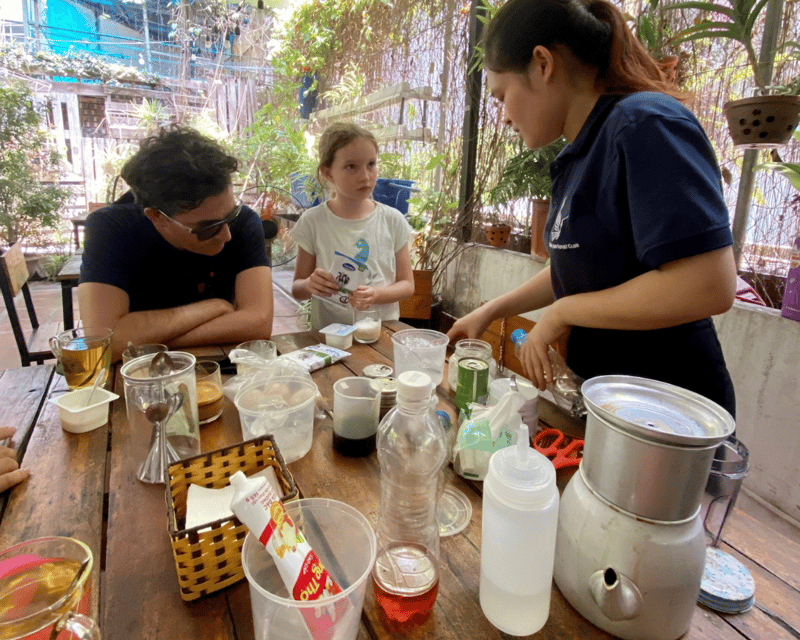
- Five signature Vietnamese drinks are built into the lesson, taught with hands-on help.
- Train Street viewing right next to the café turns making coffee into a live Hanoi moment.
- A green-filled café space makes the experience feel more relaxing than the noise suggests.
- English-speaking teacher and small-group vibe keep it friendly and easy to follow.
- Coffee prep quality matters here: it’s ground to high standards and described as coming from the capital of coffee.
- You’ll leave with practical recipes you can repeat later at home, not just a drink souvenir.
Train Street coffee plus a making class: the real appeal
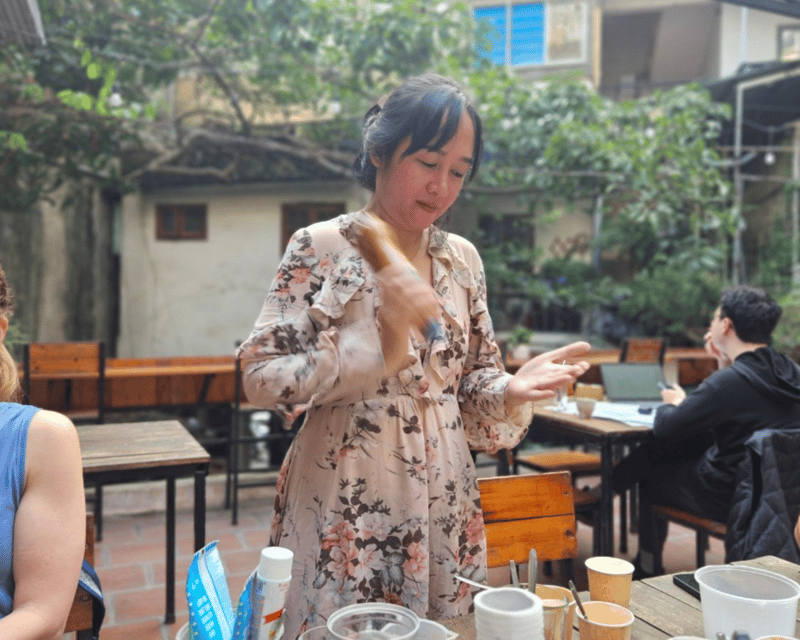
Train Street in Hanoi is famous because it’s unusual. A train runs right by buildings, and the whole street becomes a stage when it’s close enough to hear clearly. This class works because it pairs that spectacle with something useful: you learn to make Vietnamese coffee the way locals expect it.
The best part is that you’re not standing there watching from the sidewalk while someone else pours. You’re working with the coffee while the background happens. That changes the energy. You’re paying attention to grind, timing, texture, and taste—then a train slides past while you’re still in the middle of learning.
You’re also getting a specific slice of Vietnamese coffee culture. Hanoi coffee has its own style and favorites, and this class is organized around signature drinks people actually order: not generic café drinks with Vietnamese names.
A few more Hanoi tours and experiences worth a look

Getting to 65 Railway Coffee and what the meetup means
Your start point is 65 Railway coffee – 65 coffee, located at 65 Ng. 224 Lê Duẩn, Khâm Thiên, Đống Đa, Hà Nội. The activity ends back at the meeting point, so you’re not sent off to another neighborhood afterward.
Pickup is optional. If you choose it, you’ll be collected at your hotel, and you should wait in the lobby about 5 minutes after pickup time. That small buffer helps because in Hanoi, meeting points can be easy to miss if you’re late or still gathering your things.
Why this matters: Train Street locations can be a little confusing at first glance. Starting at a clear address and returning there keeps the experience stress-free. You can focus on the class instead of re-orienting yourself mid-day.
The 3-hour flow: what happens during your coffee-making time
This runs for about 3 hours. Starting times vary, so check availability for the exact schedule before you plan dinner.
In practice, expect a sequence where you:
- get instruction from an English-speaking teacher
- prepare drinks using provided ingredients and equipment
- taste as you go and adjust techniques based on what the teacher shows
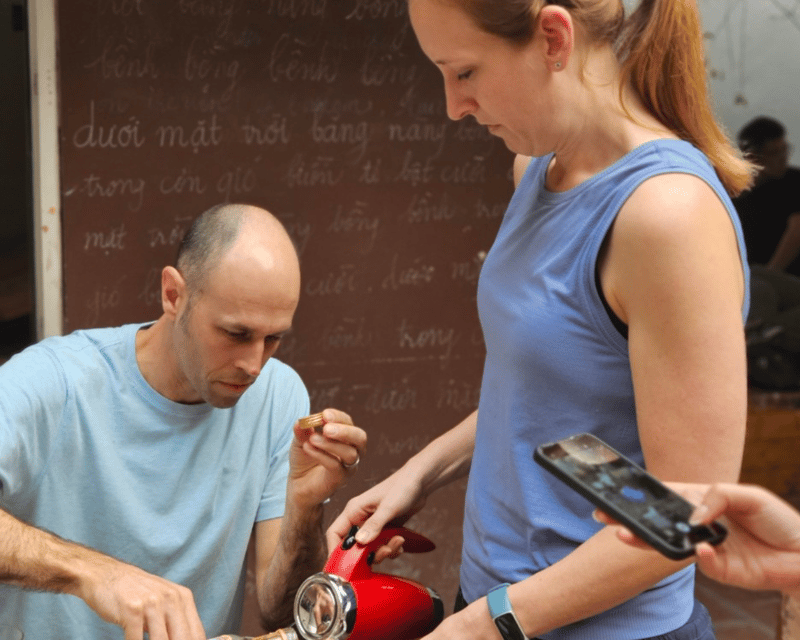
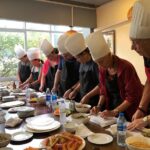
The class is set up for hands-on learning, not passive watching. That’s ideal if you learn by doing—measuring, brewing, whipping, mixing, and tasting. If you prefer purely observation-based experiences, you might find it slightly more active than you expected.
And bring a camera. You’ll want photos not just of finished cups, but of the setup—especially because Train Street is part of the scenery the entire time you’re working.
What you learn: the Vietnamese coffee recipes behind the lesson
This experience centers on five signature recipes, with instruction that stays practical and focused on technique. Here’s what each drink teaches you, and what to watch for as you make it.
Filtered coffee (the Vietnamese drip style)
This is the foundation. Filtered coffee here is taught as the traditional drip method, and it’s built to bring out bold flavors from Vietnamese coffee beans.
What you can expect: people often remark that the filtered drink comes out surprisingly strong. That’s a good sign you’re getting a style that’s meant to be robust, not watery or lightly flavored.
A few more Hanoi tours and experiences worth a look



Egg coffee (a Hanoi specialty)
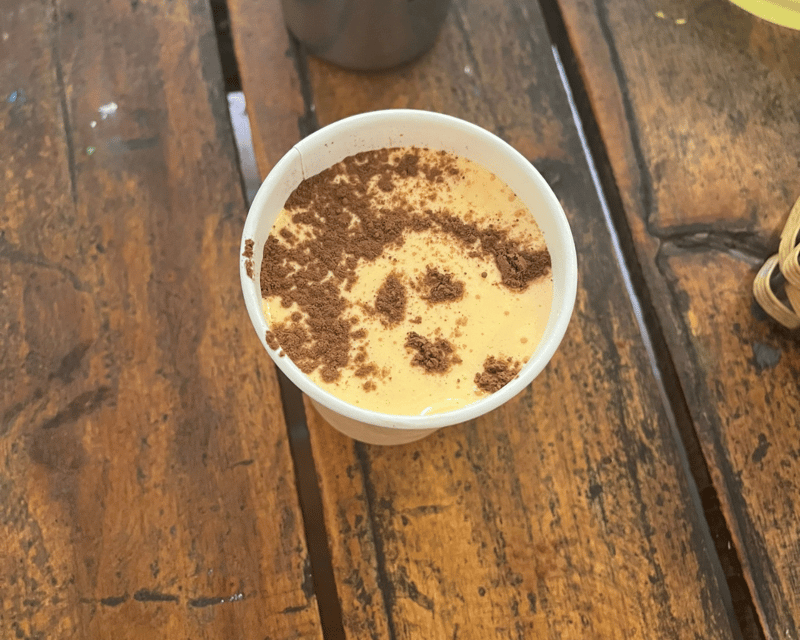
Egg coffee is a classic Hanoi treat: creamy, slightly dessert-like, and built around careful whipping and layering.
A helpful takeaway: you’ll see how richness is created, not added randomly at the end. If you’ve ever liked egg-based custards, you’ll likely enjoy this one more than you expect. Some participants describe it as tasting like tiramisu, which tells you just how dessert-adjacent it can feel.
Coconut coffee (tropical meets coffee)
Coconut coffee is a blend that mixes coconut flavor with the coffee base. The point is balance: coffee depth plus tropical sweetness.
This is one of those drinks where you’ll probably either love the contrast immediately or you’ll spend a few sips deciding what you think. More than a few people find it unexpectedly enjoyable—so it’s worth tasting even if you’re not a big coconut person at home.
Salted coffee (surprisingly harmonious)
Salted coffee sounds odd until you taste it. The lesson teaches how salt changes perception—often making coffee taste more defined instead of simply saltier.
One practical note: some people say it’s good, but they may have tried it elsewhere in Vietnam, so it might not feel totally new to them. Still, learning the technique in this context is the value. You’re figuring out the method, not just consuming a menu item.
Orange/Banana coffee (a fruity curveball)
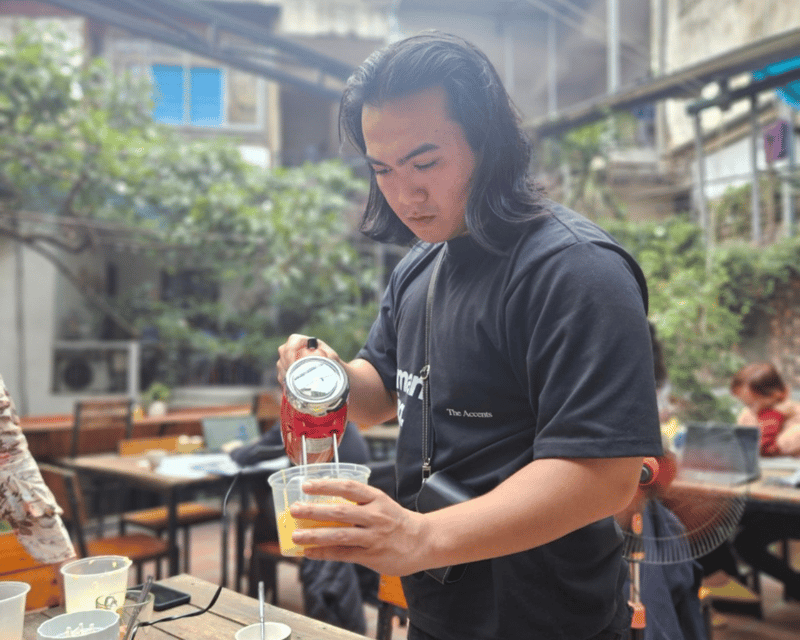
This is the wild card on the list. Orange or banana coffee adds fruit notes to coffee, and it’s built to be unconventional.
If you like mixed drinks where fruit and coffee coexist, you’ll probably enjoy experimenting here. Some people describe this one like a summer drink, and others feel their brains are working overtime—because it can blur the line between juice and coffee flavors. Either way, it’s fun if your goal is variety and technique, not just sticking to what you already know.
The hands-on format: teacher guidance, tasting, and pacing
An English-speaking teacher leads the class and keeps you moving through the process. Since you’re learning multiple recipes in one session, the pacing matters. The best setup for this kind of workshop is one where you’re not waiting too long between steps.
That’s exactly what you want: short guided steps, then you try it. The more you do yourself—whisking, mixing, layering, brewing—the more you’ll remember later.
Also, the class provides ingredients and equipment, which is a big deal for value. Coffee classes in some places feel like you’re paying for a guide while you supply your own tools. Here, you’re given what you need to actually make the drinks during the 3 hours.
Train Street watching: how to enjoy the moment without missing your coffee
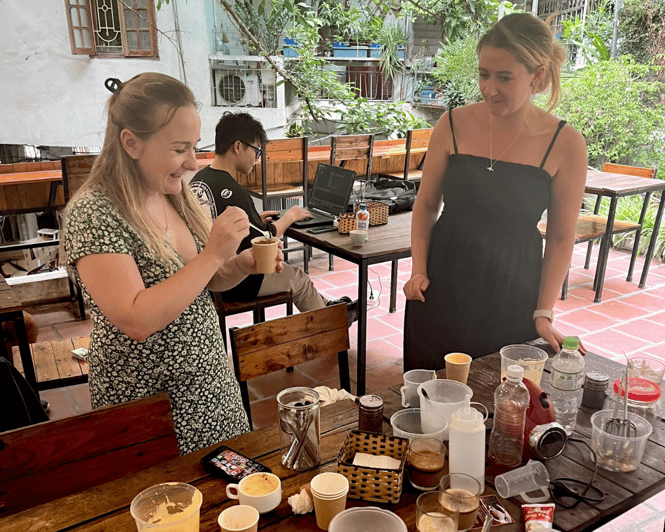
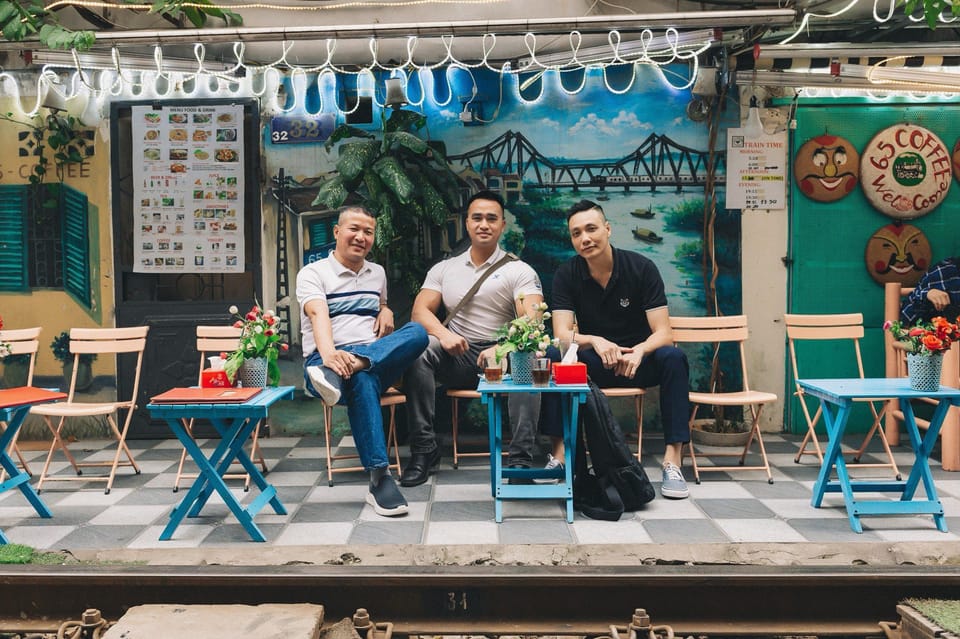
Train Street isn’t just a photo background. It’s an active part of the experience. You’ll lively watch the train pass right next to you while you work.
To enjoy this well:
- Keep your work area organized so you’re not fumbling for cameras when things get loud.
- Pay attention to positioning so you’re comfortable watching without blocking your brewing setup.
- Expect moments where conversation pauses naturally due to train noise.
The advantage of doing this during a class: you’re not stuck waiting around with nothing to do. Your attention shifts between your cup and the street, which makes the time feel memorable rather than chaotic.
The cafe setting: natural green where you’d least expect it
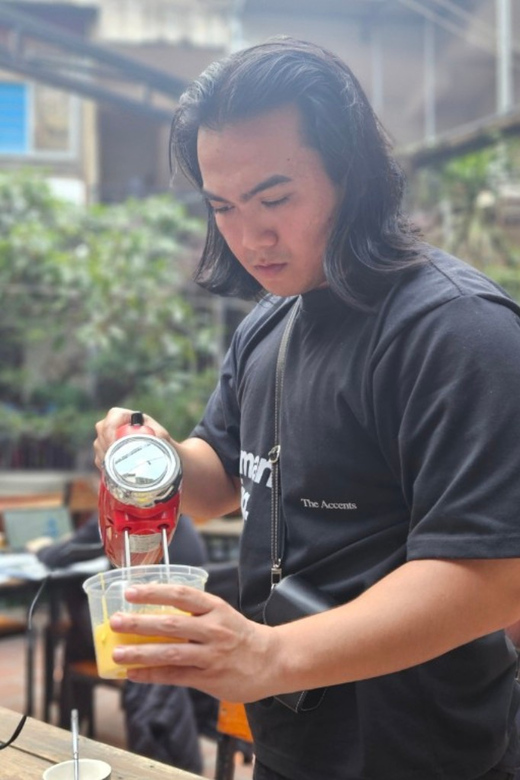
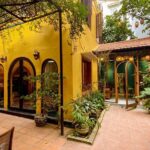
The café space described for this class is full of natural green. That’s not just decoration. It changes how the experience feels.
Train Street can seem intense from the outside. But when the setting includes real plants and a calmer interior atmosphere, you can focus on the coffee making instead of feeling overwhelmed by the street’s fame. It also makes the photos better, because the background isn’t only concrete and tracks.
If you’re pairing this with other Hanoi sightseeing, the green-filled stop is a nice reset. You’re doing an activity that’s sensory—smell, texture, taste—while also seeing Hanoi’s oddball landmark up close.
Price and value: what $30 gets you (and what it doesn’t)
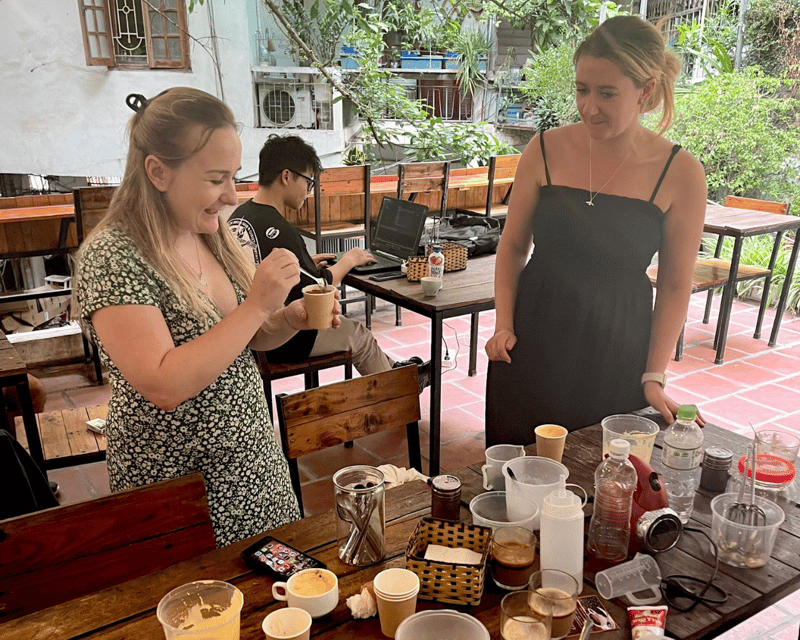
The price is $30 per person for around 3 hours.
Here’s how that holds up for value:
- You get hands-on instruction in English.
- You receive ingredients and equipment, which is often the cost hidden in lower-priced classes.
- You learn a structured set of coffee drinks tied to Hanoi’s favorites.
- You get a built-in Train Street viewing moment, which you’d normally pay extra for as a separate stop.
What you don’t get is also clear. The class doesn’t include additional food or drink, so you’ll need to plan what you’ll do for snacks later. Personal expenses are your responsibility too.
Also note: it’s not suitable for people over 95 years, which matters if you’re traveling with someone less steady on their feet or with limited tolerance for standing and noise. The data doesn’t explain why, so it’s safest to respect that limit.
Who should book this class, and who might not
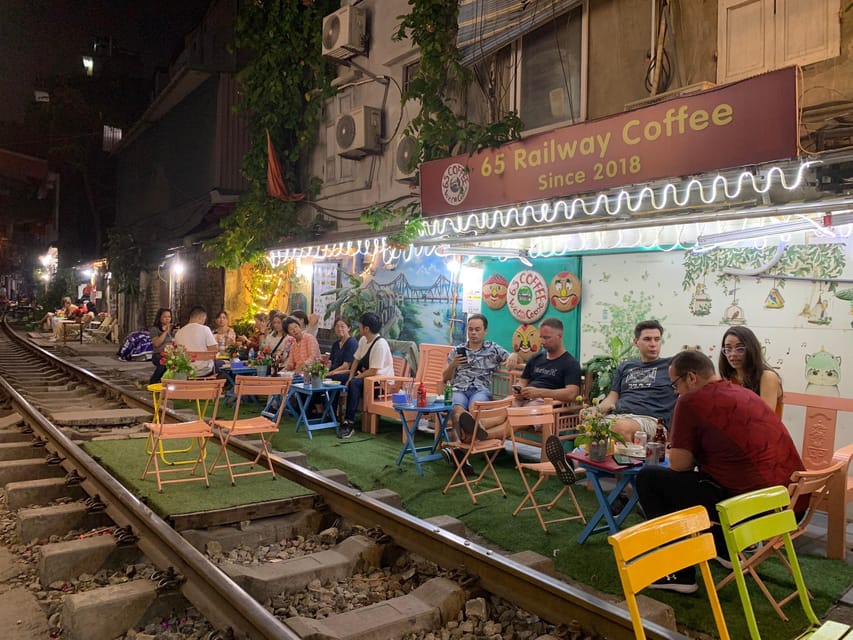
I’d book this if you want:
- a practical way to learn Vietnamese coffee techniques
- an activity that includes both food and an iconic Hanoi moment
- a small-group, friendly setting with English instruction
- a chance to taste and compare multiple styles in one go
You might skip it if your travel style is:
- strictly quiet, low-stimulation sightseeing
- only “one drink max” tasting
- people who get frustrated by active environments where noise and timing matter
It also fits well if you’re traveling solo or as a couple and you want a guided activity that still leaves room for photos and personal taste preferences.
Quick practical tips to make your visit smoother
- Bring a camera (you’ll want it).
- If you select pickup, be ready in the lobby about 5 minutes early.
- Don’t plan on alcohol during the experience. Alcohol and drugs are not allowed.
- Wear something comfortable for a 3-hour session in an active location.
If you’re a coffee person, go in curious. Even if you think you know what you like, the class is designed to push you into egg coffee creaminess and the surprise factor of coconut and salted blends.
Should you book this Hanoi Artisan Coffee Making Class with Train Street?
I think this is a smart booking for anyone who likes hands-on food experiences and wants a reason to pay attention beyond the novelty of Train Street. The combination of English instruction, provided equipment, and a set of Hanoi-style coffee recipes makes the $30 feel purposeful, not just scenic.
Book it if you want to leave with something useful: you’ll know how these drinks are put together, not just that they tasted good. Skip it if you’re chasing a quiet café break or you don’t want a train-and-noise element.
If your schedule allows, this is one of those Hanoi experiences that turns a famous sight into a skill—and that’s a far better souvenir than a photo alone.
FAQ
How long is the Hanoi Artisan Coffee Making Class?
The class lasts about 3 hours. Starting times vary, so you’ll want to check availability.
How much does it cost?
It costs $30 per person.
Where does the class meet?
The meeting point is 65 Railway coffee – 65 coffee, at 65 Ng. 224 Lê Duẩn, Khâm Thiên, Đống Đa, Hà Nội, Vietnam.
Is pickup available?
Pickup is optional. If you choose it, you’ll be picked up at your hotel and should wait about 5 minutes in the lobby.
What recipes will I learn to make?
The program includes learning five special coffee recipes: filtered coffee, egg coffee, coconut coffee, salted coffee, and orange/banana coffee.
Is the class taught in English?
Yes. The teacher and live tour guide are English-speaking.
Do I need to bring anything?
You should bring a camera. Everything else for the class is provided, including ingredients and equipment.
Is alcohol allowed during the activity?
No. Alcohol and drugs are not allowed.