REVIEW · HO CHI MINH CITY
Images of Vietnam In 11 Days – Departure from Ho Chi Minh City
Book on Viator →Operated by Realistic Asia · Bookable on Viator
Busy Vietnam, nicely organized. I like how your arrival in Ho Chi Minh is handled by a private driver, so you get moving fast instead of wrestling with taxis, apps, and time zones. This route also strings together north-to-south highlights in a way that feels efficient, not chaotic.
I also love the mix of big-ticket sights and hands-on time outside the cities: a Tam Coc bamboo boat ride, plus an overnight cruise experience in Halong Bay, so you see more than one postcard moment. And because it is a small group (max 15), you usually get a bit more personal attention than the big cattle-car tours.
One consideration: the itinerary is full. You will do long days, including domestic flights and early starts, so if you hate schedules, this may feel like a sprint rather than a stroll.
In This Review
- Key highlights you should care about
- First Night in Ho Chi Minh City: Private Pickup That Gets You Oriented
- Cu Chi Tunnels: A War-Site Visit With Real Scale
- Mekong Delta From My Tho: Pagoda Stop and Sampan Time
- Flying to Hue: Why the Domestic Flight Matters
- Hue City Day: Perfume River Dragon Boat and the Imperial Citadel Area
- Hoi An by Bike: Paddle Fields, Shrimp Farms, and Tra Que
- Hoi An to Hanoi: Street Food Tour at Night
- Ninh Binh and Tam Coc: Hoa Lu Area and a 1.5-Hour Bamboo Boat Ride
- Halong Bay Overnight: Why Two Days Beats a One-Off Cruise
- Final Day in Hanoi: Markets, Souvenirs, and the Noi Bai Transfer
- How the Route Works: Pace, Group Size, and Practical Comfort
- Price and Value Check: What $1,302 Includes (and What You Still Pay)
- What to Pack and How to Stay Comfortable
- Should You Book This 11-Day Vietnam Route?
- FAQ
- Where does the tour start and end?
- Are domestic flights included?
- What boat and river experiences are included?
- What meals are included?
- How big is the group?
- What do I need to arrange myself?
Key highlights you should care about
- Small group cap of 15 for a calmer pace and more human-scale guiding
- Door-to-door transfers across most legs, including airport pickup and airport transfer at the end
- Water-based sightseeing: sampan on the Mekong Delta plus bamboo boat cruising in Tam Coc
- Two domestic flights included (Ho Chi Minh to Hue, and Da Nang to Hanoi) to cut down backtracking
- Overnight Halong Bay time with a morning return cruise for a second look
First Night in Ho Chi Minh City: Private Pickup That Gets You Oriented
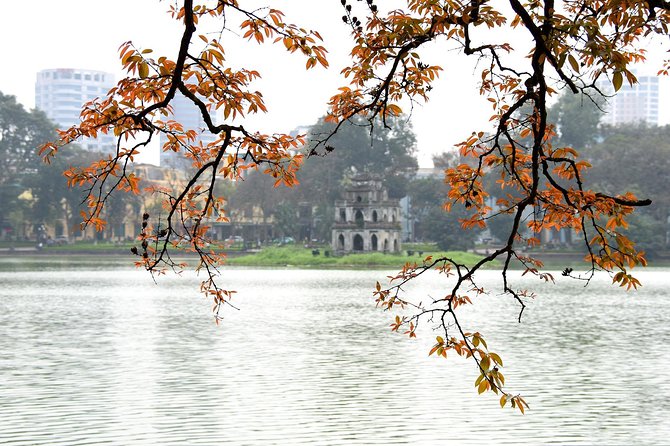
Your Vietnam trip starts in Ho Chi Minh City with what I consider the best kind of welcome: someone is waiting for you. A private driver meets you at the airport holding a sign with your name and escorts you to your accommodation in the city center. For first-time Vietnam visitors, that matters. It helps you get your bearings fast, especially if you land in the late afternoon and you’d rather spend your energy resting than negotiating transport.
The tour also builds in the kind of comfort logistics you appreciate later on. You are not just jumping from one bus stop to another. There are door-to-door services across the itinerary, and on coach days you get tissues and water. That sounds small until you are doing long travel days—then it feels like someone planned for real humans.
If you are sensitive to jet lag, aim to keep your first evening low-key. Day 2 starts with a major historical stop, and you will feel it if you try to cram nightlife into that first night.
You can also read our reviews of more city tours in Ho Chi Minh City



Cu Chi Tunnels: A War-Site Visit With Real Scale
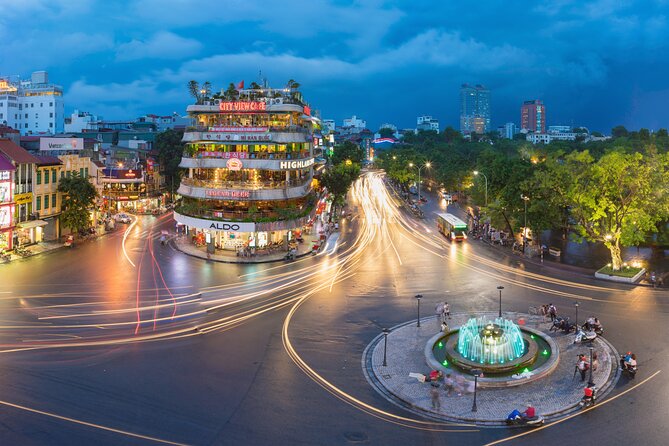
Day 2 takes you to the Cu Chi Tunnels, one of Vietnam’s most important and difficult historical sites. The tour window runs roughly 8:00 AM to 2:30 PM, which is a good length: long enough to absorb the story, but not so long that you lose your attention.
What makes Cu Chi stand out is the sheer scale of the tunnel network—over 220 km. You will come away with a clearer sense of how people lived underground during the conflict, and why the tunnels have become such a lasting symbol of resilience and strategy.
Practical note: this stop can be physically draining, even without doing anything extreme. Wear comfortable shoes and expect uneven ground and indoor cooling that feels different from outside. If you are traveling with mobility concerns, plan on taking it slowly.
Also, because this is a structured day tour, you are not wandering alone. That is a plus here. Sites tied to war history are easy to misread without context, and guided interpretation helps you connect what you see to what it meant.
Mekong Delta From My Tho: Pagoda Stop and Sampan Time
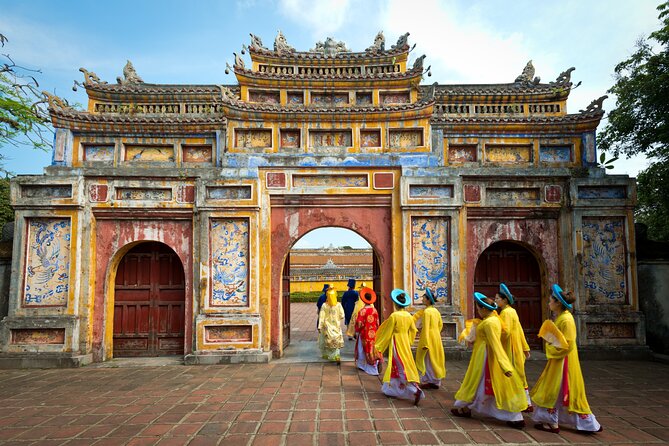
On Day 3, you leave Ho Chi Minh City and head to the Mekong Delta, starting with My Tho on the left side of the river. You are given a blend of culture and water time. First comes Vinh Trang pagoda, a historic temple from the late 19th century. It is a change of mood from the tunnel visit, and it helps you see how spiritual life and river life overlap in this region.
Then you shift onto the water. You board a sampan and cruise around to experience the river as locals use it. Even if you have seen rivers before, the Mekong Delta hits different because it is about movement—waterways as highways, and homes and fields shaped by floods and seasons.
Day 3 is also a longer excursion (about 8 hours). So treat it like a full day: hydrate, and be ready for warm weather. If you tend to snack lightly, bring a small habit of energy. The tour includes some meals, but the day itself is still long enough that you might appreciate extra timing control.
Flying to Hue: Why the Domestic Flight Matters
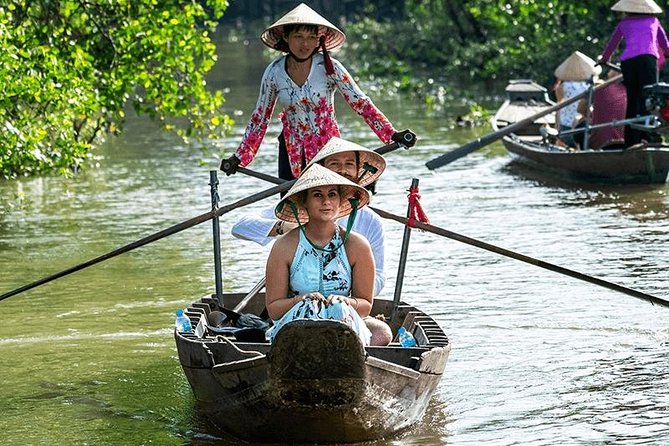
Days 4 and 5 are built around Hue, and the tour uses domestic flights to save you time. Day 4 includes travel from Ho Chi Minh City to Hue with a flight from Ho Chi Minh to Hue operated by Vietjet Air or similar (with 20 kg luggage allowance). That is a practical win. Instead of spending the day on a long overland journey, you arrive in time to settle and get into the Hue rhythm.
When tours include flights, the value is not just speed. It reduces the risk of a travel day turning into a lost sightseeing day. Here, it helps you keep the itinerary focused on experiences rather than traffic and terminal confusion.
When you arrive in Hue, your driver picks you up and transfers you to your accommodation. In tours like this, that last mile is often what makes or breaks the day. You do not want to end a flight tired and then spend extra time figuring out transport.
Hue City Day: Perfume River Dragon Boat and the Imperial Citadel Area
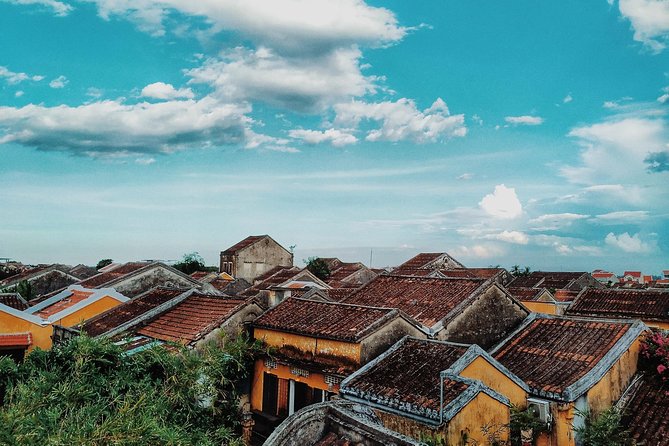
Day 5 is the Hue sightseeing day. You start early with a pickup in Hue city center around 8:00 to 8:30. One of the best ideas here is the mix of transport style and sightseeing style.
First, you take a dragon boat on the Perfume River to visit Thien Mu Pagoda, described as the oldest pagoda in Hue. The river ride gives you a breather after the overland travel patterns earlier in the trip. It also sets the tone: Hue is not just monuments; it is a city where geography shapes culture.
Then you explore the Hue Imperial Citadel, home of the Nguyen dynasty. The Imperial Citadel is a classic Vietnam highlight, but it is also one of those places where guidance matters. Without context, you can end up reading ruins like random stones. With interpretation, the layout makes more sense and you start seeing how power, defense, and ceremony worked together.
After Hue, you transfer to Hoi An. The tour builds in a rest moment on arrival in Hoi An, which is smart. You will walk more than you expect in both cities.



Hoi An by Bike: Paddle Fields, Shrimp Farms, and Tra Que
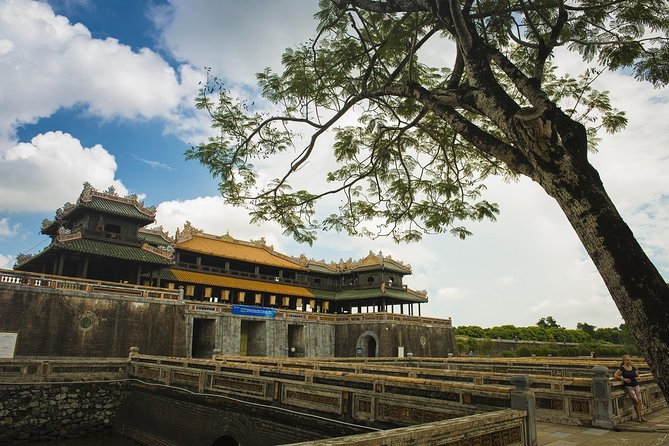
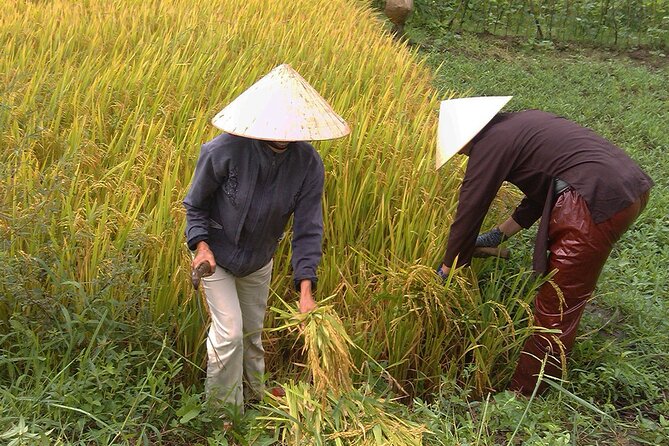
Hoi An is where the trip gets a little more playful, and Day 6 proves it. You depart around 8:00 to 8:30 and start with a bicycle. Your guide meets you at your hotel or the tour office and provides the bike. From there, you cycle through paddle fields and shrimp farms—rural scenery that gives you a different side of Hoi An than the old town streets.
Then you visit Tra Que (the tour description points you toward this village area). This is the kind of experience that works well in a small group because the ride pace is manageable and your guide can explain what you are looking at as you go.
What I like about this stop is that it feels active but not exhausting. You are not doing a huge hike. You are moving through the landscape, and the day is timed for sightseeing rather than pushing endurance.
Practical note: bike days mean sun protection. Bring a hat and sunscreen, and if you get sweaty easily, consider a light change of shirt for the evening. The tour’s included water helps, but comfort is on you.
Hoi An to Hanoi: Street Food Tour at Night
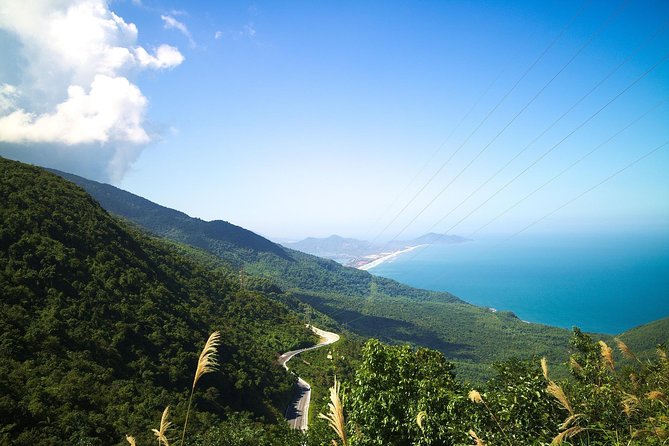
Day 7 changes pace again. You have time in Hoi An before transferring to the Da Nang airport for your flight to Hanoi. Then you arrive in Hanoi and transfer to your accommodation.
That same evening, you get a 3-hour Hanoi street food tour. It starts about 18:00 to 18:15 and meets at your hotel or stay. This is one of the most practical experiences you can add to a short trip. Hanoi street food can feel overwhelming at first—what’s safe, what’s worth trying, what’s too spicy, which stalls are actually busy. A guided walking tour helps you focus on dishes you are curious about and learn how locals eat.
This is also a nice change from daytime sightseeing. After weeks of tours and transfers, you get a more relaxed way to understand the city.
Ninh Binh and Tam Coc: Hoa Lu Area and a 1.5-Hour Bamboo Boat Ride
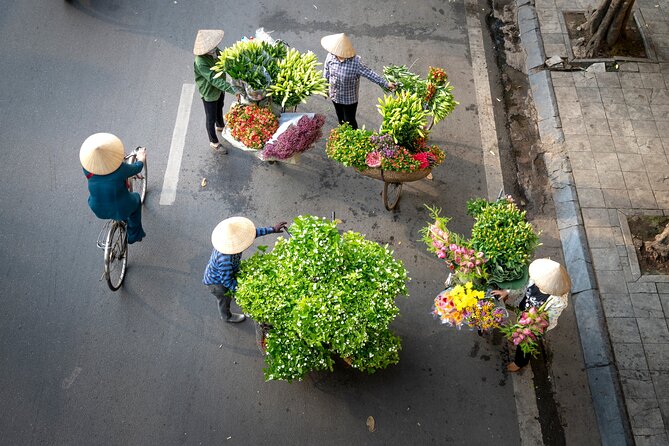
Day 8 takes you to Ninh Binh province, far from Hanoi by about 120 km. The pickup is early, about 7:30 to 8:30, and you get a short break around 20 minutes before the next segment.
The itinerary includes Hoa Lu District as a stop, which typically means you are visiting the sights associated with that area and its historical temple grounds. Because the schedule is laid out in blocks, you are not left trying to figure out what to do first. That helps when you are moving through unfamiliar places.
Then comes the standout nature ride: Tam Coc – Bich Dong. Around 13:00, you take a 1.5-hour bamboo boat. The tour highlights what makes Tam Coc special during the boat trip: paddy fields, river views, cloud and sky, and a cave system. Even if you have seen limestone scenery elsewhere, Tam Coc’s boat pace makes it feel slow enough to actually notice details.
A cave system boat ride can mean moisture and uneven boat movement. Wear shoes you do not mind getting a little damp and keep your phone secure.
Halong Bay Overnight: Why Two Days Beats a One-Off Cruise
Halong Bay is the tour’s big nature set-piece, and the itinerary gives you more than one chance to experience it. Day 9 is about 12 hours, and you set yourself up for an overnight cruise. That matters because Halong Bay changes visually throughout the day. Lights, haze, and crowds all feel different depending on the hour.
On Day 10, you do the classic best practice: wake up for the sunrise moment. Breakfast is served while the vessel cruises slowly back toward the port, and you enjoy an early lunch before arriving and disembarking. Then you transfer back to Hanoi for check-in and an overnight stay.
This two-day structure is a value play. If you only go for a one-day cruise, you spend too much time transferring and not enough time absorbing the place. Here, you trade travel time for calm and better photos. Also, the tour gives you a proper next step: after Halong, you are not immediately thrown into another major activity. You get to rest in Hanoi.
Final Day in Hanoi: Markets, Souvenirs, and the Noi Bai Transfer
On Day 11, you start with breakfast and check out. After that, you can visit local markets for souvenirs before heading to the airport.
Your last transfer is to Noi Bai International Airport, which means you should plan your flight times accordingly. The tour specifically notes that you will be transferred on the last day, so don’t book a flight that leaves too soon. Hanoi can run slower than you hope, and you do not want your trip to end with a frantic sprint through security.
This final day is built to feel lighter than the earlier days. You finish with flexible browsing instead of another scheduled stop, which is a good way to wrap up a trip that already packed a lot in.
How the Route Works: Pace, Group Size, and Practical Comfort
This tour runs from Ho Chi Minh City to Hanoi over 11 days and uses a small group size (maximum 15 travelers). For me, that small cap is more than a marketing bullet. It usually means easier coordination when you split into smaller activities, and it can make you feel less like you are on autopilot.
It also uses door-to-door logistics, including airport transfers and overland transportation. That reduces decision fatigue. You know where to go next, and you do not spend the day learning the local transit system.
The trade-off is the pace. This itinerary hits major regions—south, central, and north—plus boats and flights. If you want a slow travel style with spontaneous stops, you might feel boxed in. But if you want a focused highlights plan with fewer travel headaches, this is the kind of structure that works.
Weather matters too. The experience is noted as requiring good weather. If conditions are poor and the tour is canceled, you are offered a different date or a full refund.
Price and Value Check: What $1,302 Includes (and What You Still Pay)
At $1,302 per person, you are paying for a lot of the stuff that usually costs extra when you plan solo. The big value drivers here are:
- Accommodation shared in double/twin/triple rooms
- Flights between cities: Ho Chi Minh to Hue, and Da Nang to Hanoi (Vietjet Air or similar, 20 kg luggage allowance)
- An overnight Halong Bay cruise
- Multiple boat experiences: Mekong Delta sampan and Tam Coc bamboo boat
- Excursions and entrance fees as listed in the itinerary
- Door-to-door pickup and drop-off services
- Water and tissues on coach, plus a set number of included meals
You still have costs to plan for. Not included items are beverages, personal expenses, tips and gratuities, travel insurance, and the Vietnam e-visa (you apply online). You may also face a public holiday surcharge if applicable, and there are notes about compulsory gala dinners on specific dates.
So the right way to think about the price is this: you are not paying only for sights. You are paying for the friction removal—transport, tickets, and scheduling handled for you. That is often worth it when you want north-to-south coverage in one trip without spending your vacation time coordinating logistics.
What to Pack and How to Stay Comfortable
The tour is clear about essentials: wear comfortable shoes, bring a hat, and use sunblock. That’s not just generic advice. You do boat days, outdoor walking, and long travel stretches where shade is limited.
Also pack for warm conditions and occasional time on the river. Bring a light layer in case indoor spaces feel cooler than expected, but keep the bulk low.
Because domestic flights include a 20 kg luggage allowance, do not bring so much that you exceed it. If you do, extra baggage fees can quickly erase the value you thought you were getting.
Finally, remember hotel timing: check-in is typically 14:00 and check-out is typically 12:00 noon, unless the program says otherwise.
Should You Book This 11-Day Vietnam Route?
I would book this if you want a well-organized way to see a lot of Vietnam in one go: tunnels, river life, Hue’s royal-era landmarks, Hoi An countryside, Tam Coc scenery, and Halong Bay on an overnight schedule.
I would skip it or rethink it if you need lots of free time or you hate early starts and intercity flights. This trip is structured, and it keeps moving.
If you are the kind of traveler who likes a plan that still leaves room to enjoy each stop, this is a strong fit. And with the small group size and real attention to transfers, you should spend less time worrying about logistics and more time watching the world go by—especially on that Tam Coc boat and the Halong Bay sunrise morning.
FAQ
Where does the tour start and end?
It starts with airport pickup at Tan Son Nhat International Airport in Ho Chi Minh City (start time 8:00 am) and ends with a transfer to Noi Bai International Airport in Hanoi for your flight home.
Are domestic flights included?
Yes. You fly from Ho Chi Minh to Hue and from Da Nang to Hanoi, operated by Vietjet Air or similar, with a 20 kg luggage allowance.
What boat and river experiences are included?
You get a sampan boat cruise in the Mekong Delta, a 1.5-hour bamboo boat trip in Tam Coc, and an overnight boat cruise in Halong Bay.
What meals are included?
The tour includes breakfast (9), lunch (6), and dinner (2).
How big is the group?
The experience has a maximum of 15 travelers.
What do I need to arrange myself?
International flights, travel insurance, tips and gratuities, beverages and personal expenses are not included. The Vietnam e-visa is also not included (you can apply online).