REVIEW · HOI AN
Authentic Vietnamese Coffee Making Experience in Hoi An
Book on Viator →Operated by Hoi An Scooter Adventures · Bookable on Viator
Slow coffee, fast lessons. In Hoi An, this class teaches you Vietnamese coffee methods you can actually repeat at home, starting with a Phin filter and then moving into egg coffee and more. You’ll learn what makes each cup taste the way it does, from slow-dripping strength to creamy, sweet, and salty flavor tricks.
I love that you choose two coffees to make, not just watch. It’s hands-on, so you’re standing at the station doing the steps, not only holding a phone.
One thing to plan for: there’s no pick-up or drop-off, so you’ll want to reach the meeting address (88 Đường Đ. Phan Chu Trinh) on your own.
In This Review
- Key highlights worth knowing before you go
- Finding the class: 88 Đường Đ. Phan Chu Trinh is your anchor
- The 2-hour format: what the class feels like day-of
- Phin filter coffee: the slow-drip lesson that changes everything
- Choose your two: egg coffee, coconut coffee, and salt coffee
- Egg coffee: creamy, sweet, and unmistakably Vietnamese
- Coconut coffee: nutty sweetness with a refreshing twist
- Salt coffee: a small pinch that targets bitterness
- What’s included (and what it saves you)
- The instructor and pacing: clear steps, relaxed vibe
- Drinking and taste testing: how to get more out of every cup
- Logistics that matter: group size, timing, and heat
- Who this is best for (and who might want to skip it)
- Should you book the Vietnamese coffee making experience in Hoi An?
- FAQ
- What is the duration of the Vietnamese coffee making experience in Hoi An?
- How much does it cost, and what do I get for the price?
- Do I have to choose which coffees to make?
- Which coffee types are included in the class?
- Is pick-up or drop-off included?
- How large are the groups?
Key highlights worth knowing before you go
- Pick two coffees to make: egg, coconut, salt, and you’ll also see the traditional Phin method demonstrated.
- Real technique, not just tasting: you learn how Vietnamese coffee changes with drip, creaminess, and a pinch of salt.
- Egg coffee is a hands-on specialty: creamy yolk-and-condensed-milk style you won’t find anywhere else in Vietnam.
- Small-group feel: capped at 50 travelers, which usually means less waiting around.
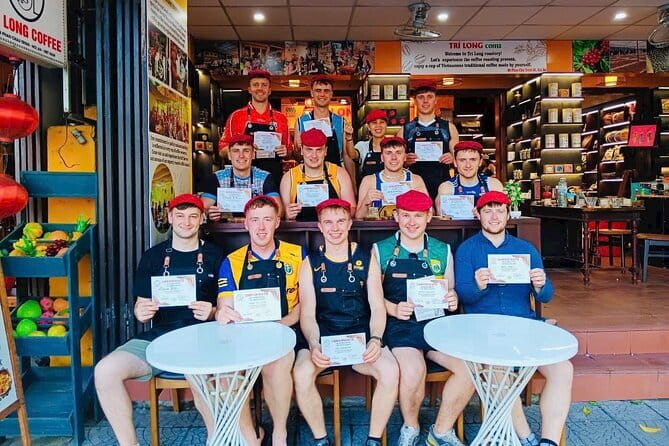
- You take something home: tools are provided, plus a course certificate and the recipes for what you make.
- English-speaking instructor: previous sessions highlight instructors such as Van and David for clear explanations.
Finding the class: 88 Đường Đ. Phan Chu Trinh is your anchor
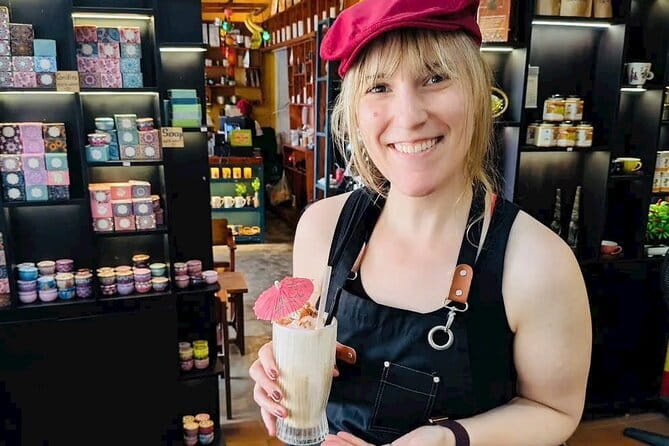
This experience meets at 88 Đường Đ. Phan Chu Trinh, Phường Minh An, Hội An, Quảng Nam, Vietnam. It’s an easy address to plug into your maps app, and the activity is listed as being near public transportation, so you aren’t stuck searching for a private route.
The session ends back at the same meeting point, which is helpful if you’re stacking it with other Hoi An stops later in the day. Since pick-up and drop-off aren’t included, I’d plan to arrive a few minutes early so you can settle in and start on time.
A few more Hoi An tours and experiences worth a look



The 2-hour format: what the class feels like day-of

The class runs about 2 hours and uses a mobile ticket. That matters because it’s usually smooth on arrival—you don’t need to hunt for a paper ticket folder.
The format follows a simple rhythm: you’re welcomed to the Vietnamese coffee making experience, you get a demonstration of the classic style (the Phin), then you move into hands-on prep for the coffees you choose. During that time, the English-speaking instructor guides you through what to do and what to watch for, and you’ll also get to drink the coffees you make.
One practical note from the vibe of the experience: this is a short, concentrated activity. If you want a slow afternoon wandering Hoi An instead, you might prefer a different coffee stop. If you want a focused “learn and taste” session, this fits well.
Phin filter coffee: the slow-drip lesson that changes everything
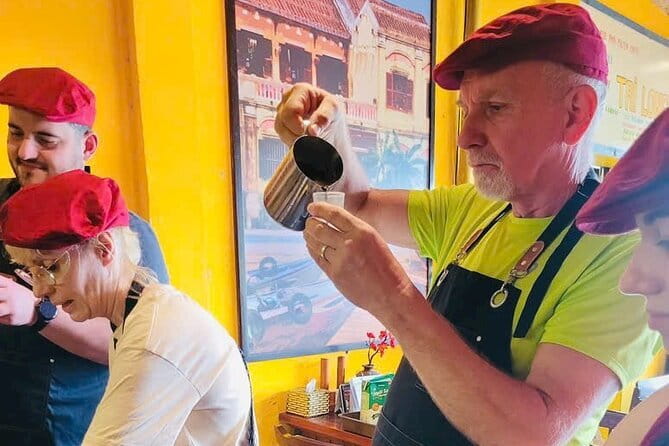
Before you start making your two chosen coffees, you’ll see how Vietnamese Phin filter coffee works. This part is all about the slow-dripping method, where the coffee brewed through the Phin lands as a bold, robust cup.
Why this matters for you: once you understand that slow-drip process, the rest of the class makes more sense. You’ll start noticing that the same coffee can taste different depending on how it’s brewed and what’s added afterward—milk, sugar, coconut flavoring, or a pinch of salt.
The instructor also sets the cultural context around Vietnamese coffee, including why people love these specific textures and flavor balances. Even if you’re not a “coffee nerd,” this demo gives you a solid base, so you can follow along without feeling lost.
Choose your two: egg coffee, coconut coffee, and salt coffee
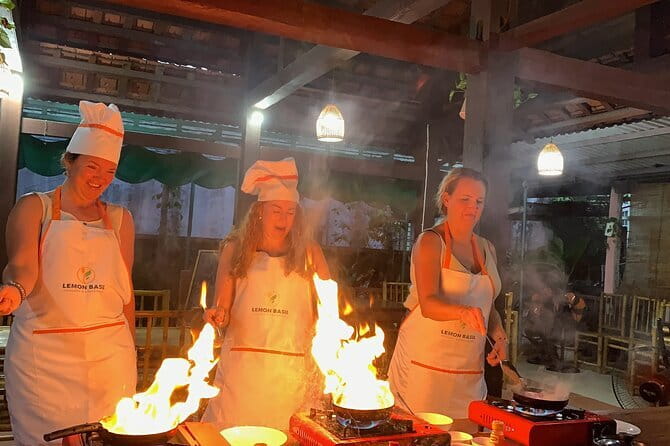
Here’s the fun part: you choose two types of coffee you want to make during the class. That flexibility is a big value—your drink preferences drive the experience, not the other way around.
Egg coffee: creamy, sweet, and unmistakably Vietnamese
Egg coffee is the showstopper for a lot of people because it’s unlike what you’ll order in most countries. In this class, you’ll watch skilled instruction as the mixture is created using coffee, egg yolks, condensed milk, and sugar, producing a creamy, smooth texture.
If you’re curious but cautious, pay attention to how the instructor handles the egg component in the class. The ingredients are clearly stated, but the exact preparation details beyond that aren’t spelled out here—so if you have food concerns, ask the instructor right there.




Coconut coffee: nutty sweetness with a refreshing twist
Coconut coffee brings an aromatic, tropical angle to the menu. You’ll learn how coconut flavor is infused into the coffee, creating a drink that feels lighter and more aromatic than typical coffee with just milk and sugar.
This is the option I’d pick if you want something that feels like a treat but still tastes like coffee. It’s also a great choice if you know you’ll be drinking in warm weather—coconut tends to feel refreshing compared with thicker, heavier mixes.
Salt coffee: a small pinch that targets bitterness
Salt coffee sounds weird at first, then suddenly makes sense once you understand the goal. The class explains that a pinch of salt enhances coffee’s natural flavors and reduces bitterness.
Why this is actually a useful skill: once you taste what happens when salt is added, you’ll understand a simple flavor-balancing technique. It’s not about making coffee taste salty; it’s about nudging bitterness downward so the rest of the coffee notes feel clearer.
What’s included (and what it saves you)
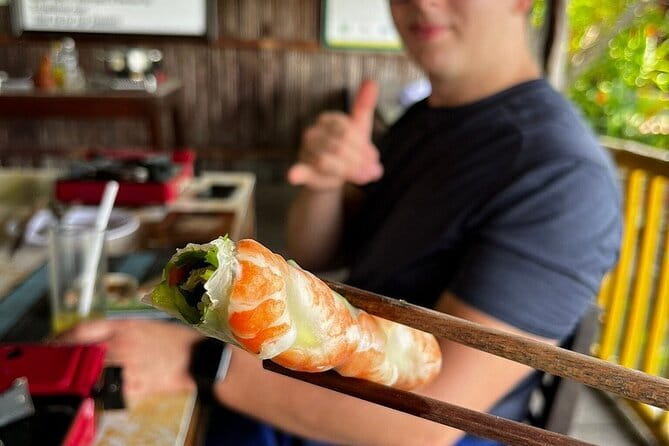
For $18 per person, the included items are where the value really shows. You get:
- Coffee making tools
- An English-speaking instructor
- A Vietnamese coffee making course certificate
- The recipe for the coffee you make
- Coffee and/or tea
That combination matters more than it sounds. Tools and instruction mean you’re not improvising with random kitchen gear at home. The certificate and recipe are also practical—at this price point, it’s nice to get more than a drink and a photo.
The two coffees you make are part of the included experience too. If you enjoy hands-on travel activities, this is one of those “you leave with a skill” deals rather than a pure sightseeing add-on.
The instructor and pacing: clear steps, relaxed vibe
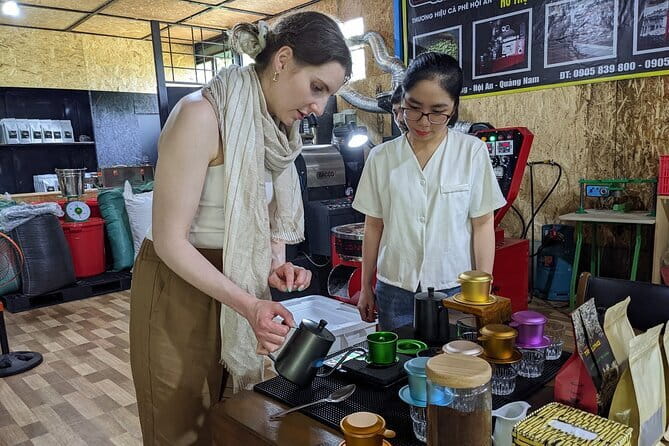
English-speaking instruction is listed as included, and multiple past participants highlight that the host explains calmly and thoroughly. In particular, instructors named Van and David show up in feedback connected to clear explanations and a fun, friendly pace.
I like this style because coffee classes can go two ways: either people feel rushed, or they get lost in jargon. Here, the focus is on you making the coffees you choose, with guidance that keeps the session moving without steamrolling your questions.
Also, you’re not stuck only watching. Since you make two coffees, you’ll spend most of your time doing, tasting, and adjusting. That’s how you learn fastest—without the stress of being “tested.”
Drinking and taste testing: how to get more out of every cup
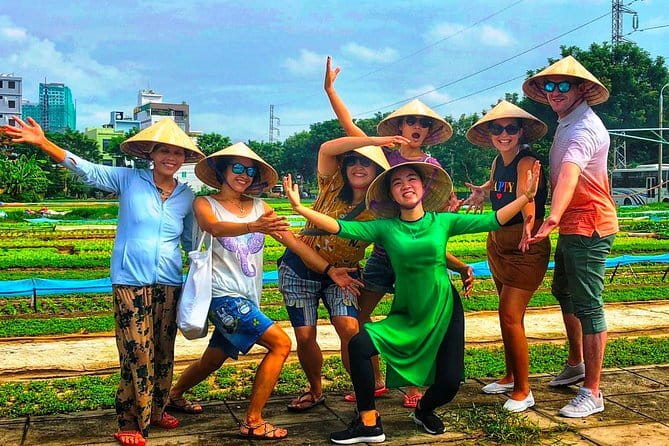
Even if you don’t consider yourself a coffee person, you can make this class more rewarding with a simple approach: compare the coffees as you go.
Here’s an easy tasting method you can use in the moment:
- Start with the flavor profile you like most (egg, coconut, or salt) and note whether it feels sweet, creamy, or balanced.
- Then compare it to the other chosen coffee you make right after.
- Finally, tie both back to the Phin demo, and ask yourself what the drip method added before the mix-ins changed the result.
You’ll probably notice that the class is designed around flavor control: brewing method (Phin), texture (egg coffee’s creaminess), and bitterness adjustment (salt). Once you see that pattern, you can recreate the idea later at home—even if you don’t copy every step perfectly.
Logistics that matter: group size, timing, and heat
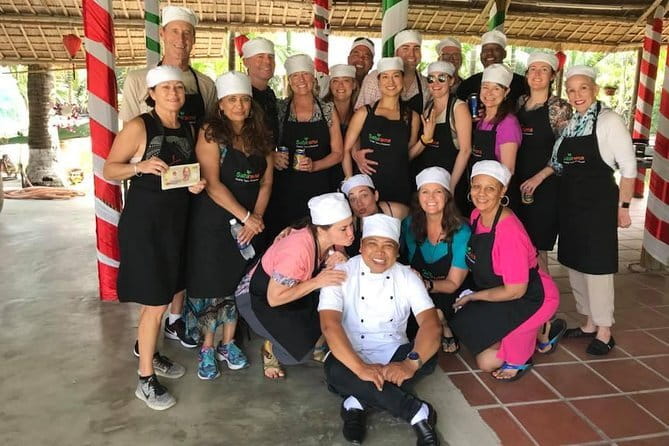
The experience has a maximum of 50 travelers. In practice, that usually helps keep things from turning into a long line-and-wait situation. It’s also a nice size for an interactive class.
Timing is worth thinking about. One of the more practical bits you can take from past feedback: pick a time that isn’t peak heat. If you’re choosing between morning and late afternoon, I’d lean toward the cooler window.
Finally, remember this is at one address and returns there. That makes it easier to plan around it—book it between other Hoi An activities without needing a complicated route across town.
Who this is best for (and who might want to skip it)
This coffee class is a strong fit for:
- Couples or friends looking for a shared activity
- People who want a short, hands-on experience in Hoi An
- Anyone curious about Vietnamese coffee specialties like egg coffee and salt coffee
- Travelers who like getting take-home recipes and a certificate, not just a souvenir
You might consider another option if:
- You only want to taste coffee and don’t care about making anything
- You’d rather spend your time browsing cafés instead of learning a process for two specific drinks
- Food concerns make egg-based drinks a tough sell for you (in that case, ask the instructor directly about how it’s prepared during the class)
Should you book the Vietnamese coffee making experience in Hoi An?
If you want a practical taste of Vietnamese coffee culture in about two hours, I think this is a smart booking. For $18, you’re getting tools, an English-speaking instructor, hands-on making of two coffees you choose, plus recipes you can actually use later.
Book it if you’re the type who likes learning by doing—because that’s the core value here. And when you arrive, take the Phin demo seriously: it’s the base that helps the egg, coconut, and salt flavors click into place.
FAQ
What is the duration of the Vietnamese coffee making experience in Hoi An?
The class lasts about 2 hours (approx.).
How much does it cost, and what do I get for the price?
It costs $18.00 per person and includes coffee making tools, an English-speaking instructor, a certificate, the recipes for the coffee you make, and coffee and/or tea.
Do I have to choose which coffees to make?
Yes. You choose two types of coffee that you want to make during the session.
Which coffee types are included in the class?
You’ll experience a Vietnamese Phin filter coffee demonstration, and you can also make egg coffee, coconut coffee, and salt coffee (choosing two for the hands-on part).
Is pick-up or drop-off included?
No, pick-up and drop-off are not included. The experience starts and ends at the meeting point.
How large are the groups?
The activity has a maximum of 50 travelers.