REVIEW · HUE VIETNAM
Hue: Full-Day Demilitarized Zone Tour
Book on GetYourGuide →Operated by Indochina Unique Tourist Ltd., Co · Bookable on GetYourGuide
DMZ history can feel close to home. This full-day Hue tour follows the Ben Hai River line and then drops you into the tunnels, bases, and bridges that made the 17th parallel a real barrier. I love how clearly your guide ties each stop to how the war actually worked, and I also love the mix of places that are emotional, like Vinh Moc tunnels, and places that explain systems, like Doc Mieu.
One thing to plan for: there’s a lot of time riding between far-apart sites, so you’ll want a comfy mindset for the long road.
In This Review
- Key highlights worth your attention
- Hue DMZ: why this area matters
- The drive out of Hue and the guide effect
- La Vang Church: beginning with faith and identity
- Dong Ha and the US Marine combat base story
- Doc Mieu: when technology tried to stop infiltration
- The Ben Hai River line, Peace Bridge, and Cua Tung Beach
- Vinh Moc tunnels: the war below ground
- Lunch in Quang Tri and learning about ethnic communities
- Ho Chi Minh Trail: movement through Laos and Cambodia
- Dakrong Bridge and the river-crossing reality
- Rock Pile and Khe Sanh: artillery country in rolling terrain
- Price and logistics: is $125 good value?
- What to bring so you feel comfortable all day
- Who this Hue DMZ tour fits best
- Should you book the Hue full-day DMZ tour?
- FAQ
- How do I get from my hotel to the DMZ sites?
- What does the tour price include?
- Is the tour private?
- Is there an English-speaking guide?
- What sites and areas does the tour cover?
- What should I bring, and what isn’t allowed?
Key highlights worth your attention
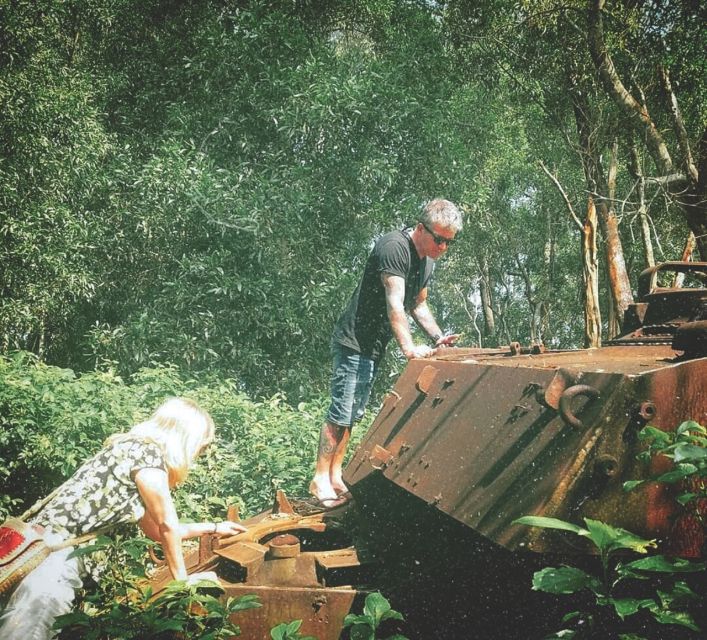
- Ben Hai River DMZ, 17th parallel: the temporary split recognized in the 1954 Geneva Conference.
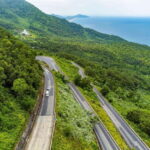
- Quang Tri province viewpoints: forests, mountains, rivers, and real-world geography.
- US combat bases and surveillance: places connected to monitoring across the DMZ.
- Doc Mieu electronic system: an example of tech used to prevent infiltration.
- Vinh Moc tunnels: underground life in the middle of conflict.
- Khe Sanh and Rock Pile: long-range artillery country in rolling terrain.
Hue DMZ: why this area matters
Hue sits like a hinge between North and South Vietnam’s later battle lines, so a DMZ day here doesn’t feel like a random history outing. It’s a guided path through the 17th parallel, the line that split the country after the Geneva Conference on 21 July 1954 and eventually shaped years of fighting.
What you’ll notice fast is that the DMZ wasn’t just a slogan. It was watched, patrolled, engineered, and contested, and the tour shows that through bases, bridges, rivers, and underground shelters. Even if you’re not a hardcore war-history person, the story becomes more concrete once you see where movement was slowed—and where it still happened.
A few more Hue Vietnam tours and experiences worth a look

The drive out of Hue and the guide effect
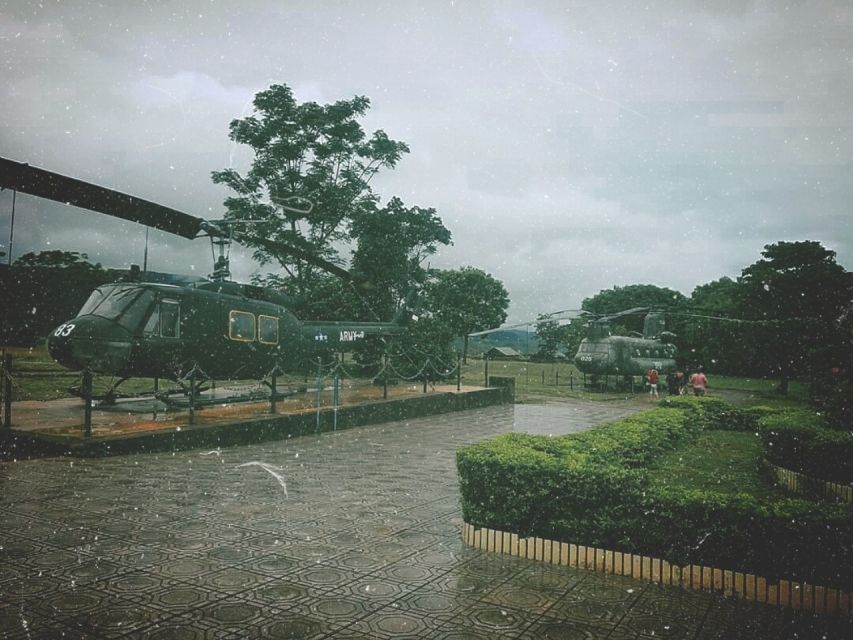
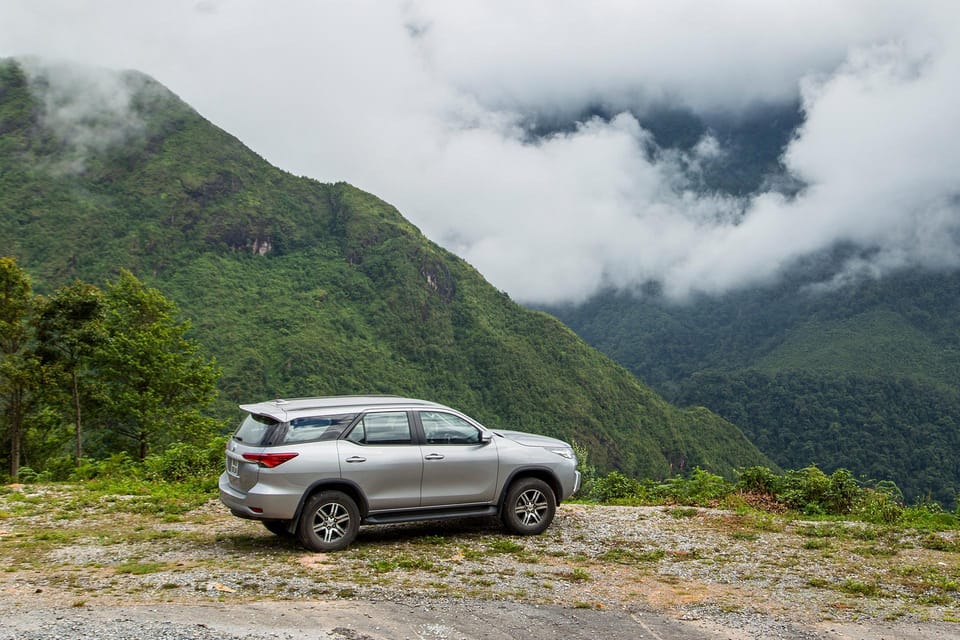
This is a full-day tour with hotel pickup in central Hue, and you’ll move by car between many different locations. The good news: the vehicle is set up for comfort, and you’re not left without help on the road. One practical perk is that you get water and a steady rhythm of stops rather than a chaotic self-guided scramble.
The bigger reason the guide matters here is language. An English-speaking guide—like Ms. Thach, who appears in the experience description—can explain what you’re looking at without turning it into a lecture. She also seems to connect the sites to local attitudes and daily life, which is key in Quang Tri, where the war is always part of the landscape even decades later.
La Vang Church: beginning with faith and identity
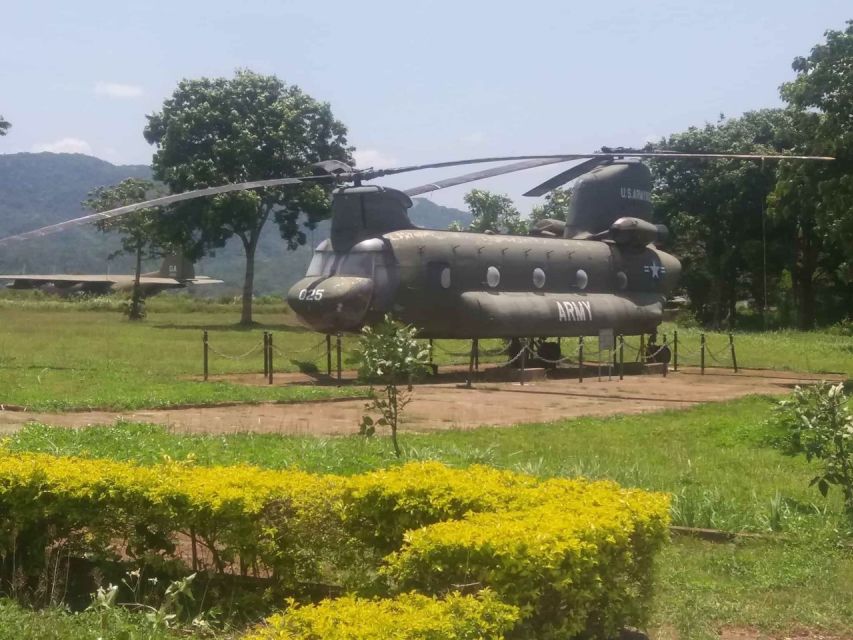
Your tour typically starts with a stop in the Hue region that sets an emotional tone before you head deeper into war zones: the Church of La Vang. La Vang is often described as a spiritual landmark, and visiting it on a DMZ day helps you remember that this region isn’t defined only by artillery and borders.
This also helps you get oriented. When you later stand near river lines, tunnels, and bridges, your brain has an anchor: people here had beliefs, communities, and cultural continuity even during conflict. That balance makes the rest of the tour hit harder, because it’s not just about buildings—it’s about what the conflict tried to break.
Dong Ha and the US Marine combat base story
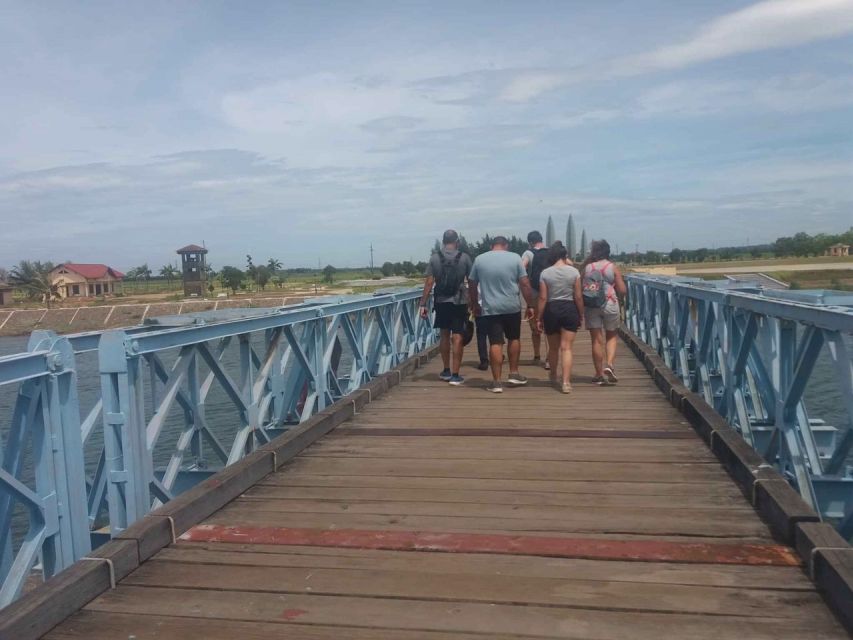
From there, you head toward Dong Ha town, which is tied to an important US Marine Combat Base. This is where the tour’s “how the DMZ worked” theme really starts to click.
The DMZ wasn’t just marked on a map; it was monitored. You’ll learn how surveillance and observation were used to track troops across the divide, and you’ll get context for why certain spots were strategically important even when they didn’t look dramatic. Dong Ha is a useful stop because it shows the war machinery at a practical level—less cinematic than some battlefield scenes, but more realistic.
Doc Mieu: when technology tried to stop infiltration
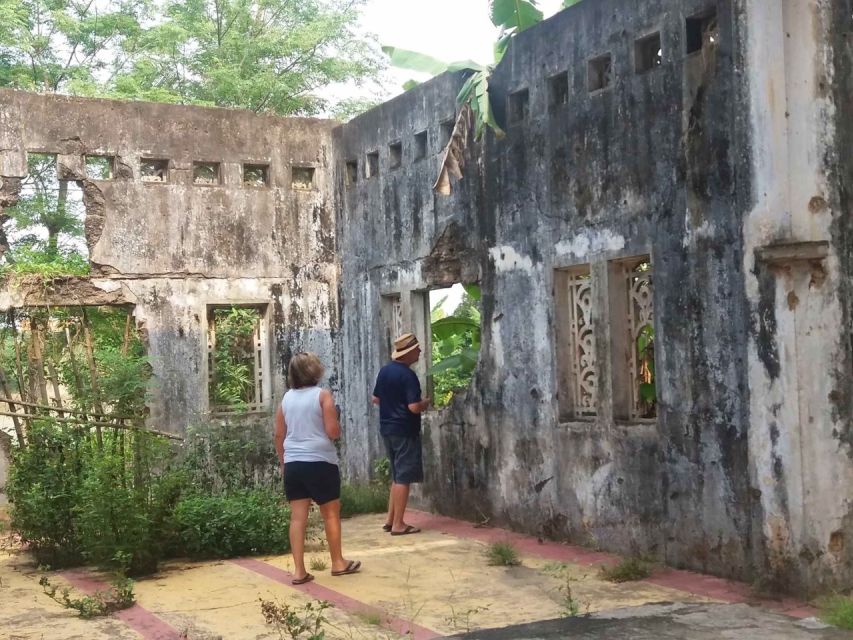
Next comes Doc Mieu base, described as part of an elaborate electronic system designed to prevent infiltration across the DMZ. This stop is valuable because it moves beyond “who fought” and turns toward “how they tried to control movement.”
You might not see a gadget farm or a dramatic wall when you arrive. That’s normal. The point is understanding the concept: the DMZ included planning meant to detect, delay, and discourage. Standing in the area while your guide explains it can make modern visitors realize how much effort went into keeping the border quiet—at least on paper.


The Ben Hai River line, Peace Bridge, and Cua Tung Beach
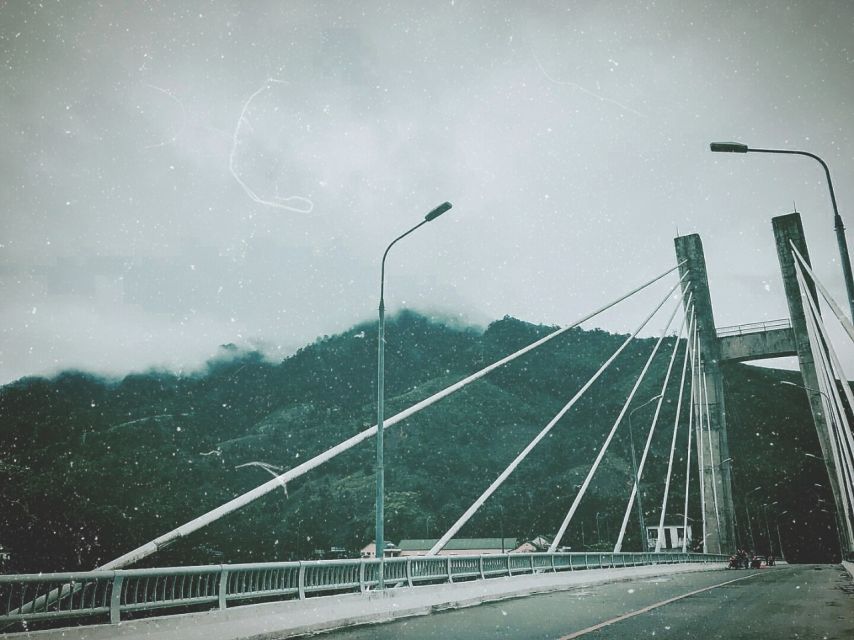
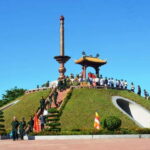
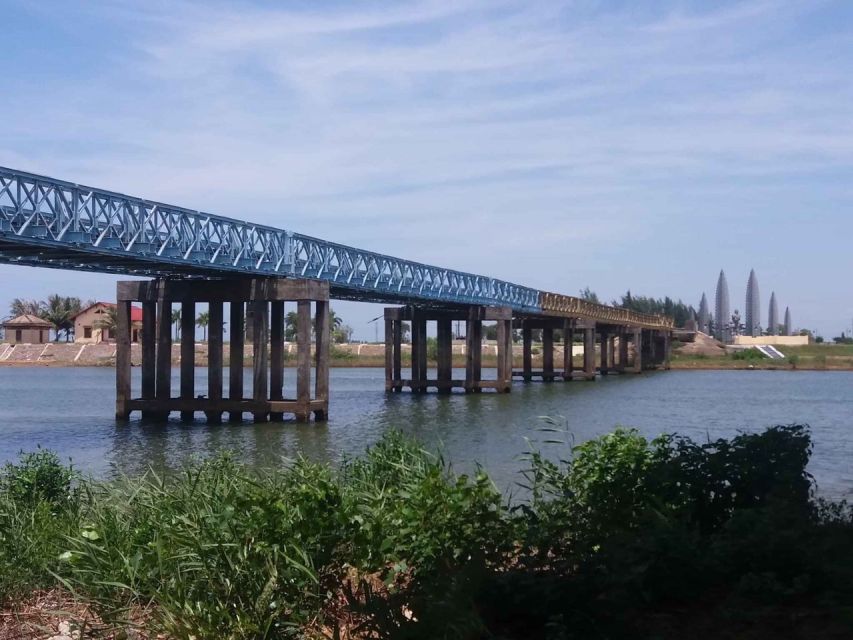
A major moment is reaching the historic DMZ stretch that ran along the Ben Hai River, about 60 miles north of Hue. The tour frames this with the idea of the 17th parallel, and you’ll learn how the river’s geography mattered to the border.
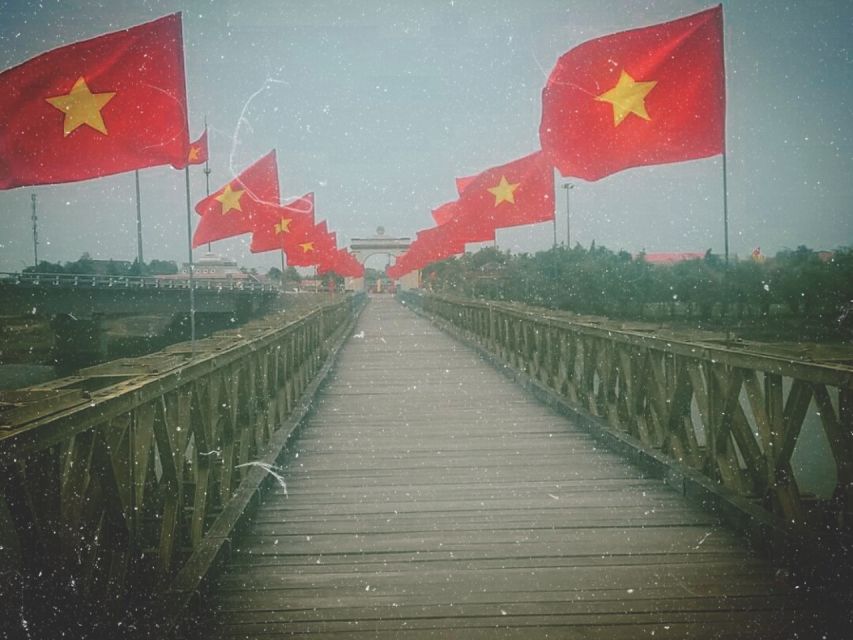
You’ll also see Hien Luong Bridge, often called the Peace Bridge, built by the French in 1950. Bridges are a recurring theme in war history because they compress distance. A river crossing becomes a target, a checkpoint, and a symbol all at once.
Later, you’ll stop at Cua Tung Beach, where the Ben Hai River meets the sea just south of the 17th parallel. This is one of those stops that surprises people: it looks like coastline and weather and wind, not war. But that contrast is the lesson. Borders and battle lines can be temporary, while the land remains—and the sea keeps moving even when history is frozen in time.
Vinh Moc tunnels: the war below ground
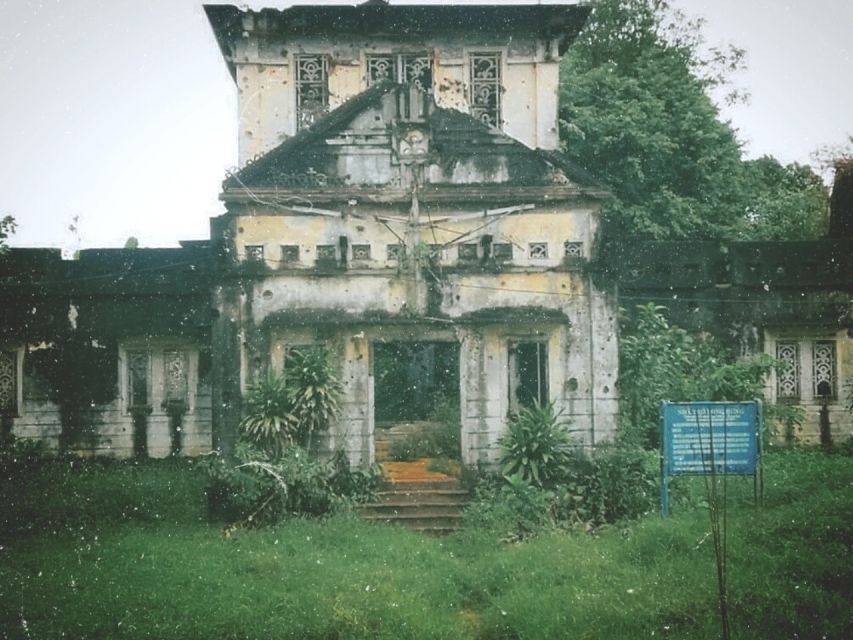
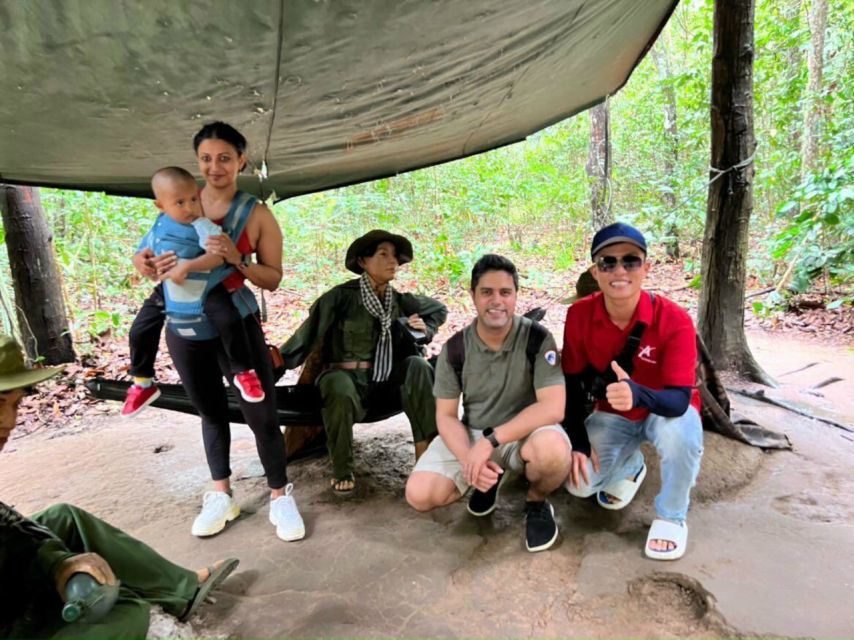
If you remember only one part of the tour, make it Vinh Moc tunnels. You’re exploring a tunnel complex deep inside the Vietnamese DMZ, and the experience shifts from “border watching” to “survival under pressure.”
Tunnels change how you understand warfare. Instead of thinking about a single front line, you start thinking about constant risk, limited space, and the need to endure. Your guide’s explanations help you connect what you’re seeing to why these underground systems mattered for people living near a contested boundary.
One practical tip: wear comfortable shoes you don’t mind getting warm in. Underground areas can feel cooler in spots but also tight and stuffy, so you’ll appreciate footwear with grip.
Lunch in Quang Tri and learning about ethnic communities
After the major DMZ landmarks, you’ll take lunch at a local restaurant. This is more than a break. In Quang Tri, food and conversation bring you back to the human scale, away from the big strategic map.
The tour also includes time to learn about ethnic minority people, which helps you avoid a common trap: treating the region as if it only contains military history. Even when the war dominates your mental picture, the people here keep moving forward, and your guide’s explanations are aimed at showing that reality.
Ho Chi Minh Trail: movement through Laos and Cambodia
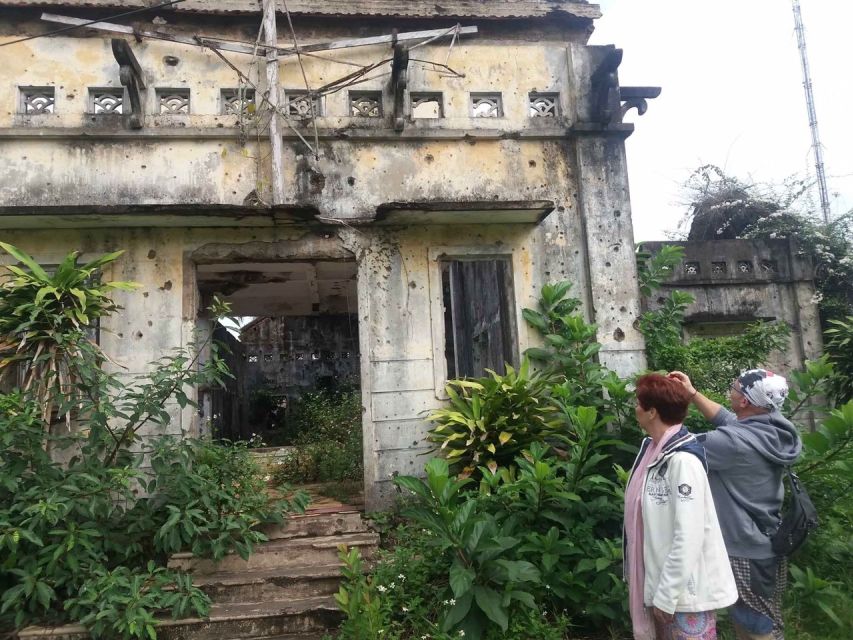
The next phase follows the Ho Chi Minh Trail, which ran from North Vietnam to South Vietnam through neighboring Laos and Cambodia. This stop is useful because it explains conflict as logistics, not just battles.
The Trail represents how routes can be hidden in plain sight, how terrain becomes a tool, and how planning can stretch across borders. Even on a single-day tour, you’ll feel the shift in perspective: it’s no longer only about the DMZ as a line; it’s about the flows of troops, supplies, and pressure that challenged that line.
Dakrong Bridge and the river-crossing reality
You’ll also see Dakrong Bridge across the Dakrong River. River crossings show up repeatedly in this region because controlling water routes can control movement patterns.
Your guide’s framing matters here. A bridge isn’t just an old structure—it’s a choke point, a strategic route, and a place where decisions about defense and attack become physical. It’s the kind of stop that feels simple until you connect it to what you learned about surveillance and infiltration earlier.
Rock Pile and Khe Sanh: artillery country in rolling terrain
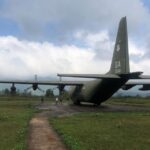
Near the end, the tour moves into the terrain tied to Rock Pile base and then Khe Sanh combat base. Rock Pile is linked to American long-range artillery, and that focus on distance is a key theme.
Then you reach Khe Sanh, described as rolling mountains and forests around a combat valley. This is where you can feel the shape of the geography: hills, sight lines, and access routes matter. The guide’s explanations help you understand why certain areas were fought over even when they weren’t obvious “front row” battlefields.
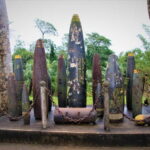
One balanced note for first-timers: today’s scenery doesn’t always look like wartime conditions. Trees have grown, roads have changed, and not every place will feel like a movie set. Sometimes museum pieces can be replicas, even when the locations are real. That’s normal, and it doesn’t ruin the meaning—just keep your expectations grounded. You’re learning from the map and the context, not from a frozen battlefield picture.
Price and logistics: is $125 good value?
At $125 per person, this tour sits in the mid-to-higher range for day trips, so you should judge it by what you get rather than by the sticker shock. You’re paying for a private-group car from central Hue, a live English guide, entrance tickets, lunch, and a drink. In a region spread across multiple sites, that setup can be a big deal.
Is the long car time worth it? If you love history that stays connected to real geography, yes. If you dislike being in transit for hours, you may find yourself wishing for fewer stops. Either way, plan on being active in your attention span: bring water, expect changing weather, and keep your questions ready for the guide during the drive segments.
What to bring so you feel comfortable all day
Keep it practical. The tour asks you to bring a passport or ID card, and you should wear comfortable shoes and comfortable clothes. Since you’re moving between outdoor sites and underground areas, layers help, especially if the morning starts cool and warms up later.
Also note what’s not allowed: alcohol and drugs. It’s one of those rules that makes sense on a day focused on sensitive history and long driving.
Who this Hue DMZ tour fits best
You’ll probably enjoy this most if you want a guided route that explains systems: the 17th parallel as a border, surveillance as a strategy, and underground living as survival. It’s also a good choice if you don’t want to piece together transport across Quang Tri on your own.
If you prefer only museums or only dramatic battle scenes, you might feel the balance is too mixed. But if you like understanding how war reshapes everything—people, roads, rivers, and daily life—this tour gives you that broader picture.
Should you book the Hue full-day DMZ tour?
I’d book it if your goal is to understand the Vietnam War beyond big headlines, with a clear route that connects Ben Hai, Doc Mieu, Vinh Moc tunnels, and Khe Sanh in one day. You also get real value from the guide work—especially when she can make English explanations feel grounded in what you see on site.
I’d think twice if you hate long driving days. The DMZ story covers a wide geography, and this tour commits to that. Still, with comfortable transport, water, and an attentive English guide, the day tends to feel organized rather than stressful.
FAQ
How do I get from my hotel to the DMZ sites?
Pickup and drop-off are included, with pickup available from any hotel in Hue City.
What does the tour price include?
The price includes a guide, hotel pickup and drop-off, a drink, lunch, and entrance tickets.
Is the tour private?
Yes, the tour is listed as a private group.
Is there an English-speaking guide?
Yes, there is a live English guide.
What sites and areas does the tour cover?
You’ll visit places including the DMZ along the Ben Hai River near the 17th parallel, Church of La Vang, Dong Ha, Doc Mieu, Hien Luong Bridge (Peace Bridge), Cua Tung Beach, Vinh Moc tunnels, Dakrong Bridge, the Ho Chi Minh Trail route area, plus Rock Pile base and Khe Sanh combat base.
What should I bring, and what isn’t allowed?
Bring your passport or ID card, plus comfortable shoes and comfortable clothes. Alcohol and drugs are not allowed.