REVIEW · HO CHI MINH CITY
Saigon Night Bites on Foot: Local Vendors, Stories & Sweet Finish
Book on Viator →Operated by Intrepid Urban Adventures - Vietnam · Bookable on Viator
Saigon tastes better at night. This 5 p.m. food walk hits real neighborhood stalls, not just safe tourist plates, and I love the Chinese-Vietnamese mix plus the way the guide steers you to places you’d miss on your own. My other big plus is the saigon coffee ritual and iced coffee stop, capped with beer and a flan finish. The main drawback to weigh: you cover about 2.5 km on foot, and street-food menus can shift a bit from day to day.
The tour runs about 3 hours, capped at 12 people, and you start at the Ho Chi Minh City Museum of Fine Arts. It’s also run by a B Corp certified company that markets the experience as carbon neutral, which I appreciate when I’m choosing between similar food tours.
You’ll nibble your way through markets and small eateries, starting with hu tiếu-style noodles and beef stew, then moving through temple and market sights before coffee and dim sum-style bites. In the end you get a Saigon beer with peanuts and rice crackers, plus flan. Just note: the negative feedback I’ve seen isn’t about the food vibe in general, but about occasional menu choices and the need for clear meet-up communication on the day.
In This Review
- Key things I’d plan around before you go
- 5 p.m. in Saigon: Why this tour timing works
- Meeting at the Museum of Fine Arts: the easiest place to start
- Stop-by-stop: what you actually taste and why each part matters
- Hủ tiếu, bò kho, and xa xiu for your launch
- Chùa Bà Thiên Hậu: food route with cultural context
- Markets and the everyday Saigon rhythm
- Saigon coffee in a hidden alley: the ritual you’ll remember
- More tastings: dim sum-style bites and spring rolls
- Bò cuốn mỡ chài: a Southern classic worth slowing for
- The finish: beer, peanuts, rice crackers, and flan
- Price and value: what $29 buys you in Saigon
- What I’d watch for (so your night goes smoothly)
- Who should book this tour, and who should consider a different plan
- Should you book Saigon Night Bites on Foot?
- FAQ
- What time does the tour start?
- How long is the walking food tour?
- How far do we walk?
- What food is included in the tastings?
- Is this tour always the same exact lineup of dishes?
- What is the minimum age to join?
Key things I’d plan around before you go
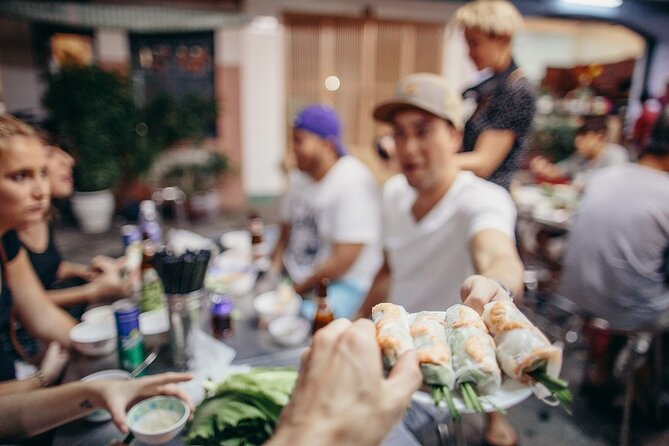
- Small group (max 12): easier chat with your guide and less waiting at each stop
- Street-to-street route: you’ll walk roughly 2.5 km, so good shoes matter
- Saigon coffee in an alley café: you’re not just ordering coffee, you’re watching the ritual
- Chinese influence shows up in the food: expect Cantonese/Chinese-Vietnamese flavors woven through the route
- Beer and flan at the end: not just snacks, you finish with a real sweet payoff
- Menus can change: the tour uses independent family-owned spots, so expect slight swaps
5 p.m. in Saigon: Why this tour timing works
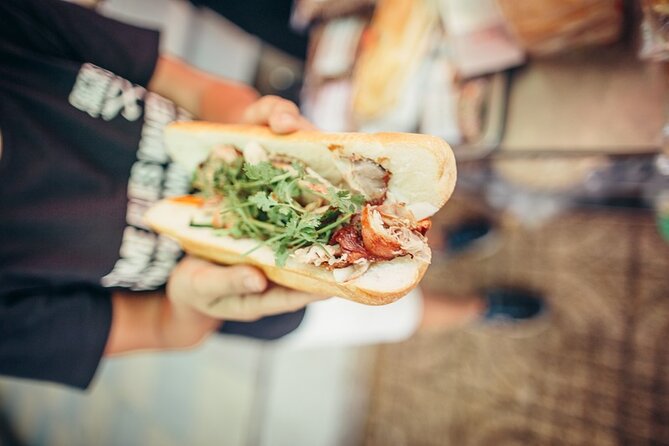
Ho Chi Minh City is built for night eating. The late afternoon start (5:00 pm) helps you avoid the harshest heat and gives you that sweet spot where street life turns on, stalls are ready, and people are already doing their daily runs.
This is also a practical length: about 3 hours. That’s long enough to feel like you ate a full meal’s worth of tastings, but not so long that you lose your whole evening. At the end, you’re still close enough to head back to your hotel by taxi if you want to continue elsewhere.
The other timing win: you finish with a clear sweet note (flan) and a final sip (Saigon beer). If you’ve ever done food tours that end with a bland “okay bye,” you’ll like this one’s structure.
You can also read our reviews of more evening experiences in Ho Chi Minh City
Meeting at the Museum of Fine Arts: the easiest place to start
You meet at the Ho Chi Minh City Museum of Fine Arts (97A Phó Đức Chính, District 1). The plus here is location: it’s central and easy to find, so you’re not scrambling for a hidden alley on arrival.
This start point also sets expectations. The building is a well-known landmark in District 1, and that helps you feel oriented before your guide starts leading you into smaller lanes and side streets.
If you’re the kind of traveler who likes a smooth start, show up a few minutes early. Some people in the feedback I’ve read flagged issues when meet-up details weren’t clear. The tour depends on you being at the right spot at the right time, because street-food schedules don’t stop for delays.
Stop-by-stop: what you actually taste and why each part matters
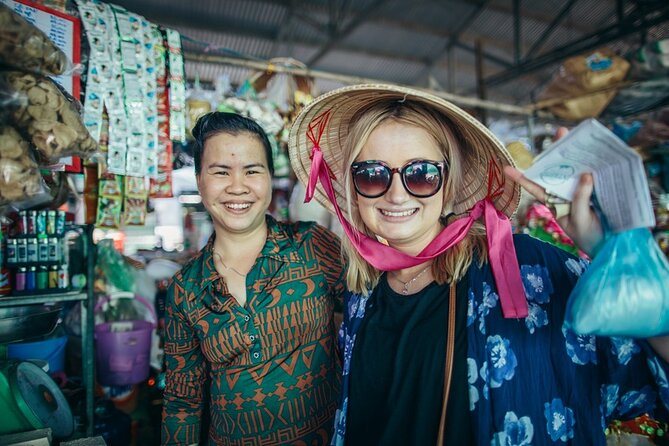
Hủ tiếu, bò kho, and xa xiu for your launch
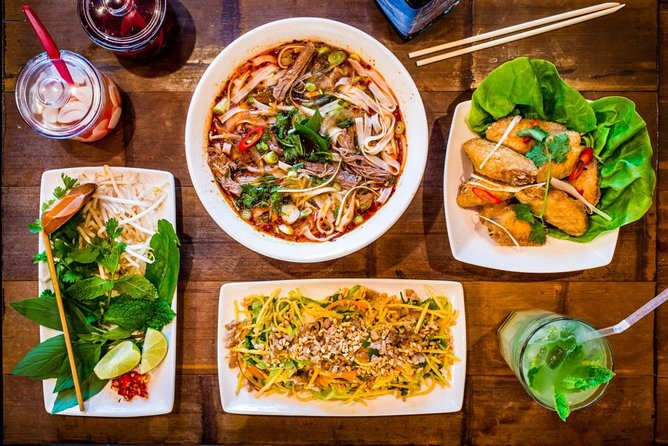
You begin with a local-style noodle and stew lineup at an eatery on Nguyễn Công Trứ. This is where the tour gets you eating quickly: you’re tasting dishes like hu tiếu bo kho (beef stew noodles) and xa xiu (Cantonese-style barbecued meat). The idea is smart. Noodles and savory meats give you a real sense of Southern Vietnamese comfort food before you move on to smaller, more snack-like bites later.
One value tip: start hungry. People mention variety, but the real win is that the flavors build in a logical order—savory first, then lighter bites, then coffee and sweet.
You’ll also hear context about how Chinese flavors shaped Vietnamese cuisine. Even if you’re not a food history nerd, it helps you taste with a purpose: you start spotting the Cantonese-style influences rather than just eating at random.
Chùa Bà Thiên Hậu: food route with cultural context
As you walk toward the next stop, you pass Chùa Bà Thiên Hậu, a historic temple tied to the Goddess of the Sea. It’s one of those places that makes the route feel more grounded. You’re still on a food tour, but you’re also learning why certain communities took root in Saigon and how that affected daily life and flavors.
This part is optional in spirit, but not in practice. Your guide uses it as a pause point so you don’t feel like you’re only moving from one stall to the next.





Markets and the everyday Saigon rhythm
On the way, you also pass Ong Lanh Bridge Market, a busy local area where vendors sell fresh produce and everyday essentials. It’s not a “shopping market tour” where you’re pushed to buy souvenirs. Instead, it’s a sensory reset. You see the kind of place locals use, and it makes the next food stops feel more normal, less staged.
This is also where you’ll get better at reading the street. Traffic is chaotic, sidewalks are uneven, and crossing takes attention. Some guides are praised for showing you safe ways to cross without making it stressful for the group. If you’re already nervous about Saigon traffic, this part can reduce that tension fast.
Saigon coffee in a hidden alley: the ritual you’ll remember
Coffee is a key reason many people pick this tour. Your guide brings you into a neighborhood coffee spot tucked down a small lane, where you can experience coffee the Saigon way.
You should expect the stop to be more than “drink coffee and move on.” You’ll learn how it’s prepared and served, and you’ll likely notice the difference in texture and style compared with what you’ve had in hotels.
If you’re ordering coffee later on your own, this tour gives you a reference point. You start recognizing what locals mean by a good cup, instead of treating it like a generic caffeine break.
More tastings: dim sum-style bites and spring rolls
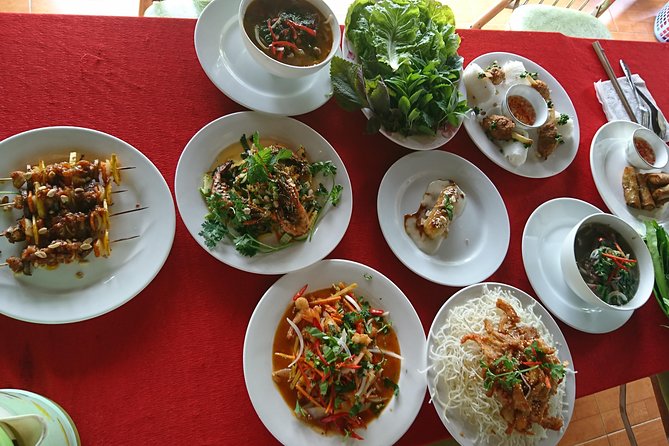
After coffee, the tour keeps the tasting flow going with additional savory items such as ha cao (Chinese-style dim sum), bo bia (a Saigonese spring roll), and bo cuon mo chai (barbecued beef meatballs). These are smaller bites than the earlier stew-and-noodle start, so you stay comfortable even as the walk continues.
This middle section is where the tour’s theme really clicks: Chinese influence isn’t just explained in theory; it shows up in food shapes, sauces, and how flavors are layered.
If you’re worried about overeating, the pacing matters. In feedback I read, multiple guides (including names like Thanh, Tan, and Duy) got credit for explaining dishes clearly and adjusting the flow based on how the group was doing. That can make the difference between a fun night and a rushed checklist.
Bò cuốn mỡ chài: a Southern classic worth slowing for
One of the most distinctive stops is Minh Phượng, focused on bò cuốn mỡ chài (grilled beef meatballs wrapped in caul fat). Caul fat can sound unusual on paper, but the payoff is that the bite comes out juicy and rich, not dry.
This is the kind of dish you could skip if you were self-guiding. The vendor choice and the guide’s explanations help you understand what you’re eating before you take the first bite.
The finish: beer, peanuts, rice crackers, and flan
You end with a Saigon beer plus peanuts and rice crackers, then a flan finale (Vietnamese crème caramel style). This is a strong wrap because it balances salty, crunchy, and sweet.
And yes, it matters that it’s flan. One common complaint about food tours is leaving the best flavors behind. Here, the sweet ending gives your taste buds a final landing pad before you go back to your own evening plans.
Price and value: what $29 buys you in Saigon
$29 for a roughly 3-hour, 12-person-max guided walking food tour with multiple tastings is, in my view, fair value. The key isn’t just the number of stops. It’s what the guide reduces for you:
- You save time picking places.
- You avoid the guesswork of ordering in tiny shops.
- You get local context on why dishes look and taste the way they do.
- You get a structured progression so you don’t end up with three heavy dishes back-to-back.
Also, it’s not just food. The coffee ritual stop and the cultural sight pass add value without turning the evening into a museum detour.
The only caution on value is that if you’re very strict about authenticity, you might see some criticism in how certain items are chosen. I’d treat that as a “your taste, your standards” issue. If you like classic street flavors and you’re open to a few surprises, the price still makes sense.
What I’d watch for (so your night goes smoothly)
1) Menus can change. The tour uses independent, family-owned businesses, and street-food schedules vary. That’s usually a good thing, but it means your exact lineup might not be identical to someone else’s experience.
2) Pace on foot. You’ll walk about 2.5 km. It’s not a marathon, but it’s enough that uncomfortable shoes can ruin the fun.
3) Meet-up clarity matters. The tour is timed. If you’re late or missing instructions, you could lose the start. If you’re flying in that day, be extra careful with confirmations and keep your phone ready.
4) Weather matters. The experience requires good weather. If it’s canceled due to poor conditions, you should expect a reschedule or refund options.
Who should book this tour, and who should consider a different plan
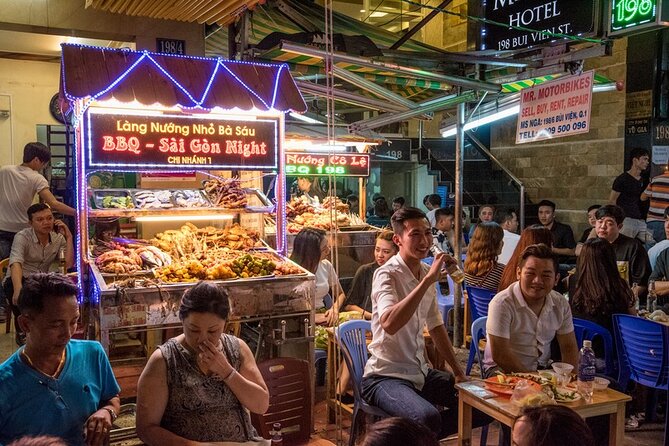
This tour is a great match if you want:
- A guided street-food route without the stress of ordering and navigating alone
- A clear focus on Southern Vietnamese bites plus Chinese-influenced flavors
- A mix of savory snacks, coffee, beer, and a sweet finale
It may not be ideal if:
- You hate walking at night and want a sit-down-only plan
- You only want a very specific shortlist of classic items and no variation at all
- You need strict control over every dish choice because menus can shift
Should you book Saigon Night Bites on Foot?
I think it’s worth booking if you’re going to eat in Saigon anyway and you want a guided, small-group way to do it. The strongest reason is the structure: you get savory tastings early, coffee that teaches you how Saigon drinking works, then the beer-and-flan finish. That’s a full evening meal experience, not just a few bites.
If you’re sensitive to delays or weather, double-check your day plan and be on time for the meeting point near the Museum of Fine Arts. And if you’re a hardcore authenticity purist, go in with a flexible attitude toward the occasional experimental-sounding stop, because this tour is built around independent vendors.
FAQ
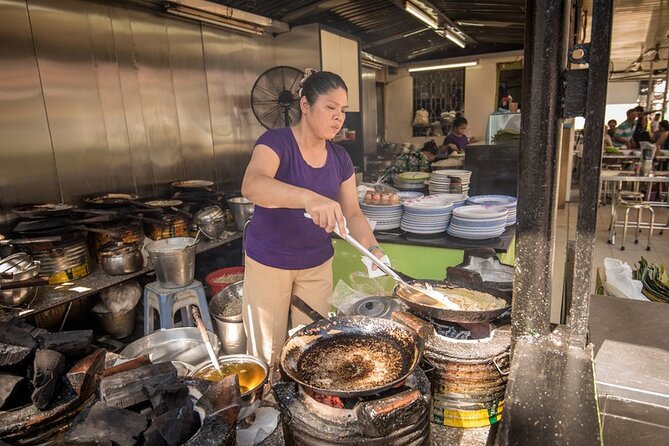
What time does the tour start?
It starts at 5:00 pm in Ho Chi Minh City.
How long is the walking food tour?
It lasts about 3 hours.
How far do we walk?
You’ll cover about 2.5 km (around 1.5 miles).
What food is included in the tastings?
Expect local tastings such as hu tiếu bo kho, xa xiu, bo cuốn mỡ chài, and flan cake, plus other listed items along the route. Additional food and drinks are not included.
Is this tour always the same exact lineup of dishes?
Not always. The tour visits independent, family-owned businesses, and schedules and menus may change. Your guide will make final adjustments.
What is the minimum age to join?
The minimum age is 6 years.