REVIEW · HOI AN
Hoi An: Cooking Class + basket boat (free transfer in Hoian)
Book on GetYourGuide →Operated by Sanna Tour · Bookable on GetYourGuide
Cooking, then floating through coconut water.
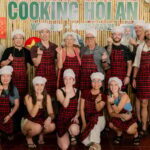
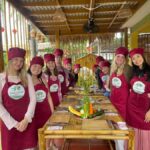
This Hoi An experience mixes hands-on cooking with a real taste of Central Vietnam, where Southeast Asian and French influences show up on the plate. I like that you’re not just watching recipes; you’re cooking Vietnamese dishes and learning the techniques behind them. You also get a guided route that starts at the market and ends in the Bay Mau Coconut Forest, so food and place connect fast. Central Vietnam flavors are the focus, with English guidance and a small-group feel that keeps things friendly and practical.
My other favorite part is the instructor-led format, including a standout English teacher named Jennifer in past sessions, plus the chance to get your recipe card whenever you want. The only real drawback to plan around is that the schedule can feel tight, so if you skip the market/site-seeing step that’s built into the timing, you may end up missing the coconut-boat portion.
In This Review
- Key points before you book
- Hoi An cooking class meets Bay Mau Coconut Forest
- Price and value: what $25 really buys you
- How the day runs: the key timing patterns
- Morning-style (example: 8:30 AM pickup)
- Afternoon-style (example: 1:30 PM pickup)
- Pickup in Hoi An: easy if you’re central, slightly tricky if not
- Market stop: where Vietnamese flavors start making sense
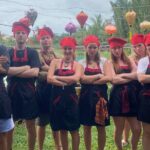
- Bay Mau Coconut Forest boat ride: the calm break between tasks
- In the kitchen: four dishes that teach you different skills
- Spring Roll
- Vietnamese Pan cake
- Papaya salad
- Pho
- The instructor factor: English, energy, and getting unstuck
- Recipe card and takeaway: don’t let it fade after the class
- What to bring (and what to skip)
- Who this experience fits best
- Should you book this Hoi An cooking class and basket boat?
- FAQ
- FAQ
- What dishes will I cook in the class?
- How long is the experience?
- What time slots are available?
- Is lunch included?
- Do I get pickup and drop-off?
- Where is the meeting point if I’m not in central Hoi An?
- What should I bring?
- Is the class taught in English?
- Is it wheelchair accessible?
Key points before you book
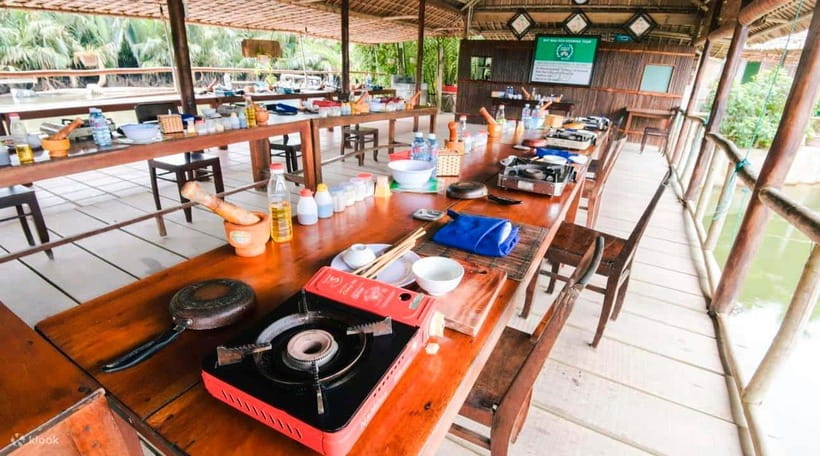
- Four hands-on dishes: spring rolls, Vietnamese pan cake, papaya salad, and pho
- Market time to buy ingredients so you understand what drives the flavors
- Bay Mau Coconut Forest boat ride as the scenic break from the kitchen work
- English instruction with a guide who keeps the class interactive
- Small-group vibe that helps you actually learn and ask questions
- Lunch included, plus a water bottle to keep you comfortable
Hoi An cooking class meets Bay Mau Coconut Forest
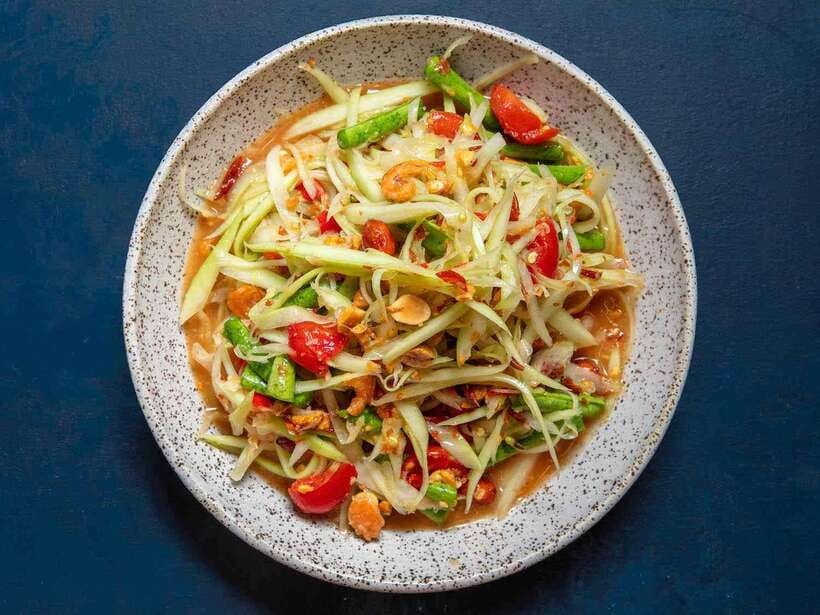
Hoi An is one of the best places in Vietnam to learn to cook, because the food is teachable. You can taste what’s happening—sweet, salty, sour, herbs, and the way textures change from dish to dish. This experience takes that teachable setup and pairs it with Bay Mau’s coconut waterways, so you get a full “food day” instead of a just-a-kitchen workshop.
The cooking portion centers on Central Vietnam style. That matters because it’s not a copy-paste of the cuisine from north or south. Central Vietnam is its own lane: sharper flavors, herbs that show up often, and dishes that feel both Vietnamese and influenced by outside history. In class, you’ll cook four classic dishes that are popular for a reason, and each one teaches a different skill.
On top of that, you’re not stuck in one place. The day moves: pickup, market ingredients, boat ride, cooking, then you’re back at your hotel. That flow is part of the value. It turns the meal-making into something you can remember, not just something you ate.
You can also read our reviews of more boat tours in Hoi An
Price and value: what $25 really buys you
At about $25 per person for a ~140-minute experience, this hits a sweet spot. You’re paying for three things at once: an English-speaking guide, included ingredients and lunch, and transportation support inside Hoi An.
Here’s what you should expect to be included:
- Lunch (what you cook is what you eat)
- Bottle of water
- Cooking ingredients
- English guide
- Pick up and drop off service (if your hotel is in central Hoi An)
What’s not included is mostly personal spending—things like extra snacks or drinks beyond what’s provided.
Is it “cheap”? No. But it’s also not a high-end, luxury setup. For most people, the best value comes from the practical part: you’re making four dishes, not just one, and you leave with a way to repeat them at home via the recipe card you can receive.
How the day runs: the key timing patterns
This activity comes in different time slots, which is handy if you want a morning or afternoon plan. The structure stays similar: you start with pickup, then go to the market (for ingredient shopping), then ride in the Bay Mau coconut area, then cook and eat, then return.
There are two main rhythm styles:
Morning-style (example: 8:30 AM pickup)
You’ll usually start with a hotel pickup in central Hoi An, then:
- Go to the market to buy ingredients for your recipes
- Ride the coconut/basket boat on the Bay Mau Coconut Forest
- Cook and eat your lunch (the class portion)
- Drop back at your hotel
Afternoon-style (example: 1:30 PM pickup)
Same idea, different order depending on the slot. Some afternoons include the earlier market stop first, then you join the cooking later. In at least one schedule pattern, the coconut boat ride is tied to doing that earlier market/site step.
The practical takeaway for you: don’t assume you can skip the market segment and still get every component. If you want both cooking and boat time, follow the plan for your specific start slot.
You can also read our reviews of more cooking classes in Hoi An

Pickup in Hoi An: easy if you’re central, slightly tricky if not
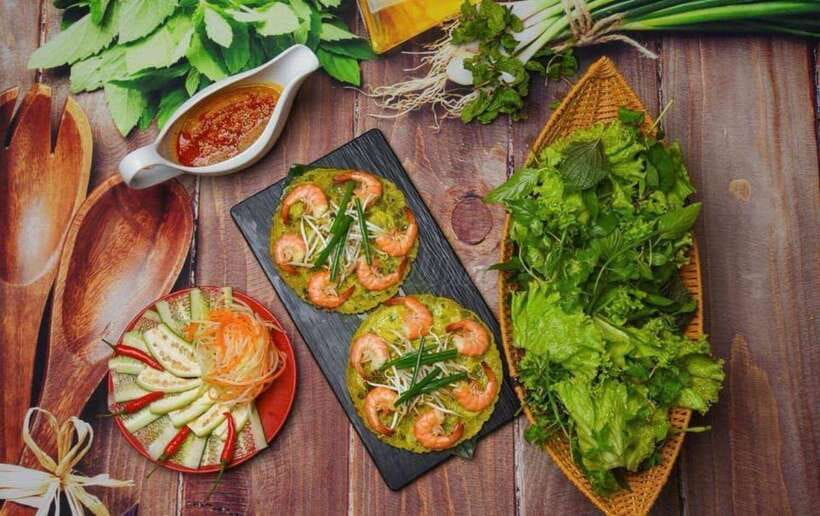
If your hotel is in central Hoi An, pickup and drop off are part of the deal. That’s the smoothest option, since you won’t need to figure out meeting points on your own.
If your hotel is outside Hoi An’s center, the meeting point becomes important. The meeting point listed is Trần Nhân Tông, Cẩm Thanh, Thành phố Hội An, Quảng Nam. So before you book, I’d check Google Maps and make sure you’re comfortable getting there yourself if needed.
One more thing: a past participant reported a rougher pickup moment on arrival. That doesn’t mean it’s common, but it’s a good reminder to be ready—confirm your pickup timing and have your address clearly visible in case your guide asks.
Market stop: where Vietnamese flavors start making sense
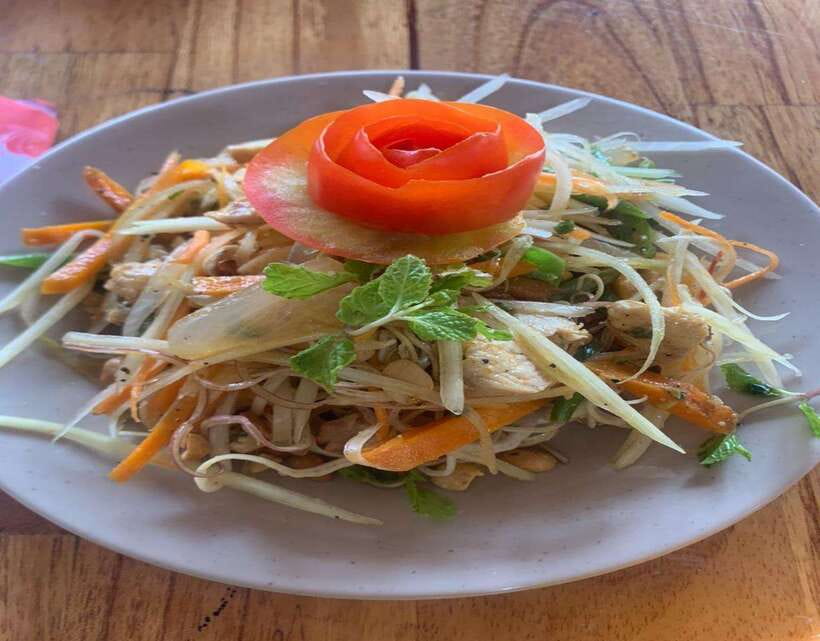
The market portion isn’t just for show. It sets up your cooking because you’re literally selecting the ingredients that build each dish’s taste.
You go to the market to buy ingredients for the recipes you’ll cook. That usually means:
- You learn which herbs and vegetables matter
- You see how key components look before they hit the pan
- You connect the flavors to choices, not magic
For you, this is the moment where the class becomes useful at home. If you’ve ever cooked Vietnamese food and wondered why it didn’t taste right, it usually comes down to ingredients and proportions. Buying the ingredients with a guide—and hearing the guidance in English—makes that easier to recreate later.
Also, you’ll be glad for the heads-up time at the start. You’ll go into the boat ride and kitchen with your food “map” already drawn.
Bay Mau Coconut Forest boat ride: the calm break between tasks
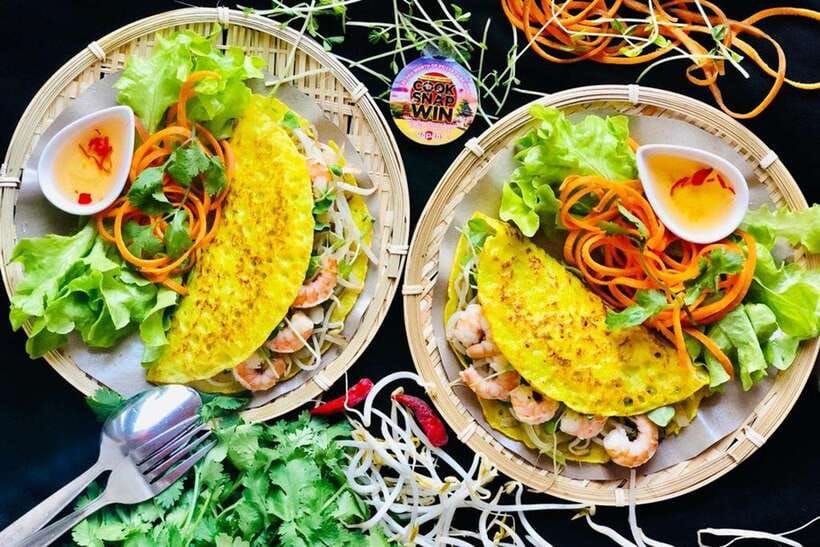
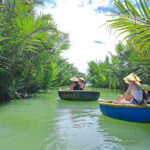
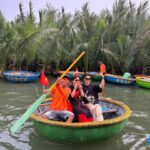
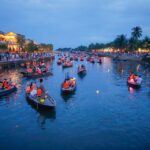
After the market, you’ll head to the Bay Mau Coconut Forest for the boat ride. In this experience, it’s described as a coconut/basket boat ride, which fits the look and feel of the Cẩm Thanh waterways around Hoi An.
Why this part matters: it gives your body a break. Cooking takes focus and fine motions. The boat ride is where you get to reset—look around, take photos, and see the coconut-lined water the way locals experience it.
A useful detail from real feedback: the boat can still be fun in rain. So if you’re booking during wetter months, plan to be okay with damp conditions. Sunscreen still matters even then, because the sun can pop out.
One timing note: the coconut boat part appears to be linked to doing the earlier market/site segment in your schedule. If you’re trying to squeeze the experience with a strict plan, understand that skipping the market step may cause you to miss this boat portion.
In the kitchen: four dishes that teach you different skills
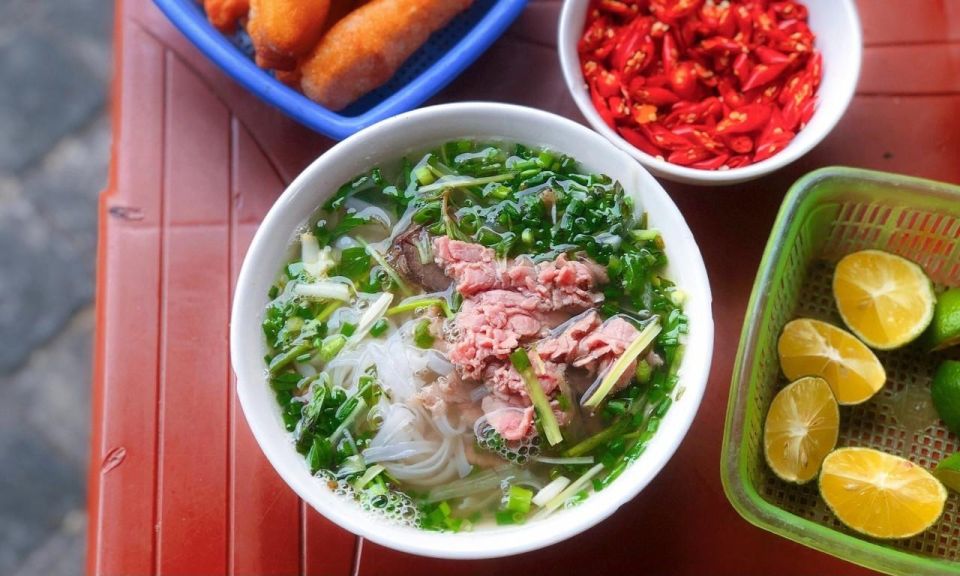
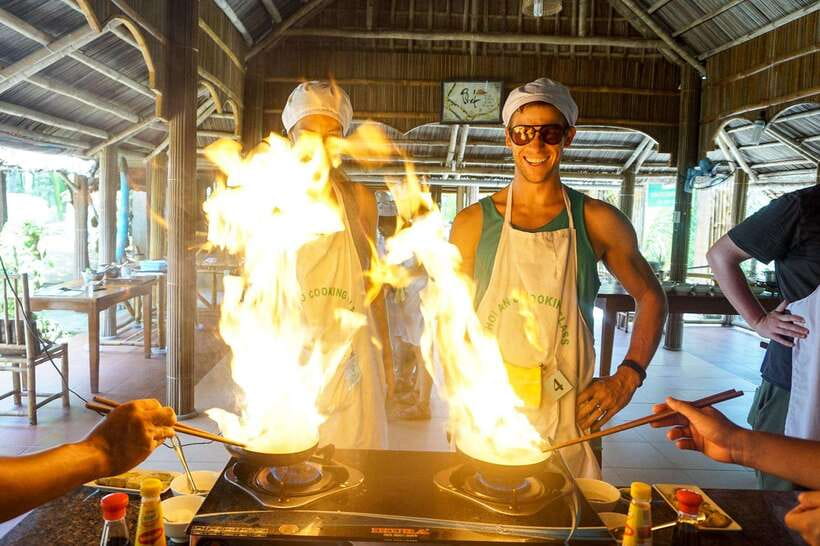
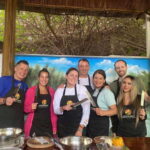
Now for the main event: your cooking class and lunch. The format is hands-on, and you’ll cook four dishes:
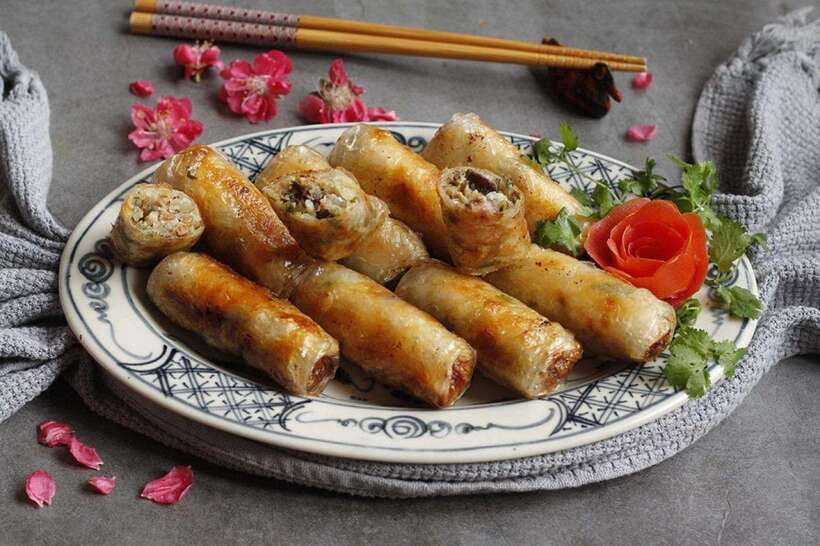
- Spring Roll
- Vietnamese Pan cake
- Papaya salad
- Pho
Here’s what each one helps you learn, beyond just tasting good food.
Spring Roll
Spring rolls teach technique: wrapping, filling balance, and frying or cooking so the texture stays right. You’ll get a feel for how much filling goes in and how to keep the wrap from getting soggy.
Vietnamese Pan cake
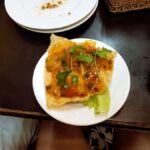
The pan cake is about heat control and texture. You’ll learn how the batter behaves and how to manage timing so it turns out correctly instead of under- or overcooked.
Papaya salad
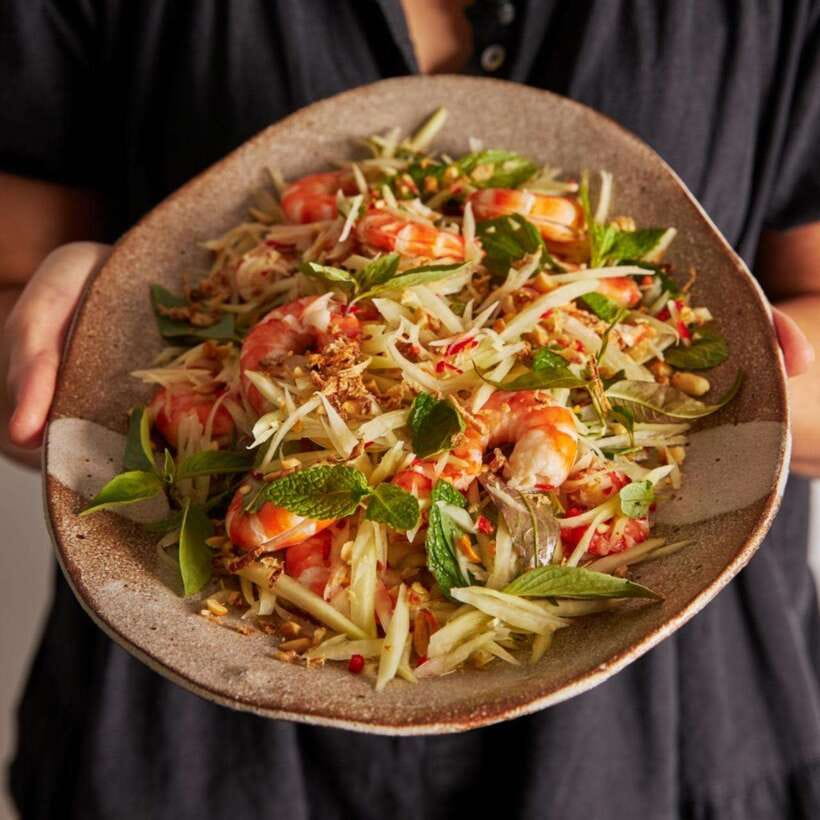
Papaya salad is a flavor lesson. It’s where herbs, acidity, crunch, and seasoning need to click together. If you’ve ever had papaya salad that tasted flat, this is the dish that fixes that—because the balance is the whole point.
Pho
Pho is the comfort dish, but in a class setting it also teaches a practical method. Even when you don’t go through every long broth step you’d do at home, you still learn what makes pho taste like pho: seasoning structure and assembly logic.
You’ll have your lunch included, so you can immediately eat what you worked on. That immediate payoff is part of why the class feels worthwhile. You’re not cooking for later; you’re cooking for your own plate that same session.
The instructor factor: English, energy, and getting unstuck
The class is guided in English, which is a big deal in Hoi An. You can follow along with what matters and ask the quick questions that stop mistakes.
In past sessions, an instructor named Jennifer received high praise for being engaging, and that energy tends to matter in a short, timed class. If you feel rushed at any point, a good instructor helps you focus on what you’re doing right now instead of worrying about the clock.
If you’re the type who likes to learn by doing, this format generally works well. You don’t just watch someone else cook; you handle the work.
Recipe card and takeaway: don’t let it fade after the class
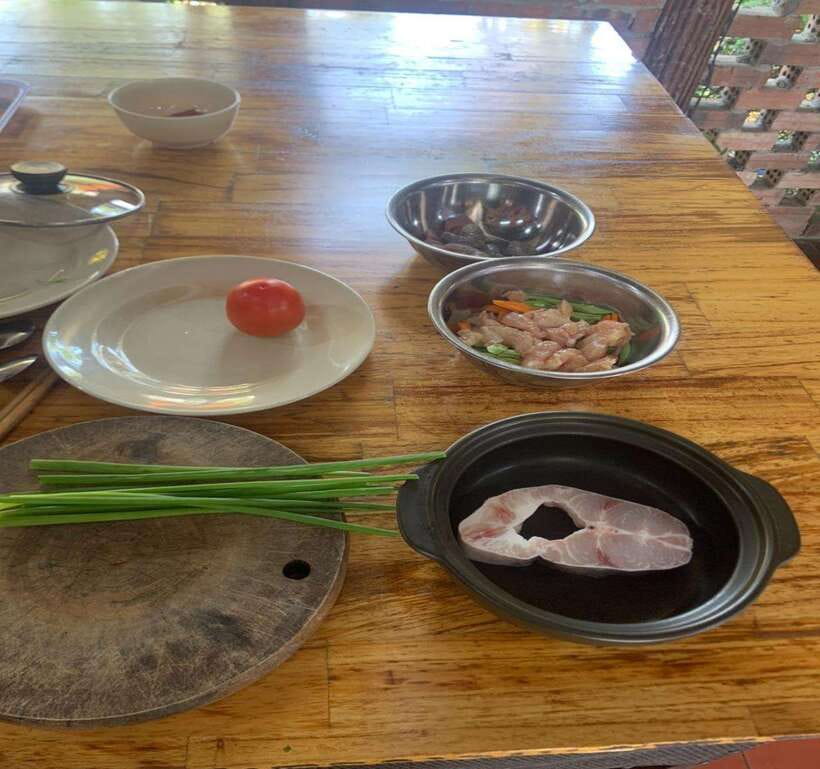
One small detail that’s actually useful: you can receive your cooking receipt/recipe card whenever you like. That helps you hold onto the steps after you leave Hoi An.
For you, that means you can cook later and remember what you made. Vietnamese cooking is ingredient-sensitive, and your recipe card is a practical reminder of the dishes you mastered in the class.
What to bring (and what to skip)
This is a straightforward outing, but pack for comfort:
- Sunscreen
- Comfortable clothes
And skip what’s not allowed:
- Alcohol and drugs are not permitted.
If you know you’ll be on or near water, bring clothes you don’t mind getting a little damp, just in case the weather decides to join the party.
Who this experience fits best
This works best if you want:
- A hands-on cooking session without complicated prep
- An activity that mixes food with a scenic cultural stop
- A short, guided day that includes lunch and transport support
- English instruction so you can understand the techniques
It’s also a good match for couples and solo travelers because the small-group setup can feel social without turning into a crowded scramble.
If you prefer ultra-slow cooking with lots of time for questions, you may find the pacing feels fast. The overall schedule is built to fit market + boat + class into a tight window.
Should you book this Hoi An cooking class and basket boat?
I think this is a good booking for most people visiting Hoi An—especially if you want a practical, repeatable cooking experience plus the Bay Mau boat ride. The value is strong because you get four dishes, lunch, ingredient support, and guided instruction for about $25.
Book it if:
- You want to learn Central Vietnam cooking in an English-led class
- You care about learning ingredients and techniques, not just eating
- You’re okay following the time plan so you get both market and coconut boat time
Skip or rethink it if:
- You’re very schedule-sensitive and hate any sense of rushing
- You’re planning to cut out parts of the morning segment and still expect the full boat experience
FAQ
FAQ
What dishes will I cook in the class?
You’ll cook four dishes: spring roll, Vietnamese pan cake, papaya salad, and pho, and then enjoy the meal after cooking.
How long is the experience?
It’s listed as 2 hours to 140 minutes, depending on the starting time.
What time slots are available?
There are options at 8:30 AM and 1:30 PM, plus options at 10:30 AM and 2:45 PM.
Is lunch included?
Yes. Lunch is included, and it’s part of the time after the cooking session.
Do I get pickup and drop-off?
Pickup and drop-off service are included for hotels in central Hoi An. If your hotel is not located in Hoi An, you’ll need to go to the meeting point.
Where is the meeting point if I’m not in central Hoi An?
The meeting point is Trần Nhân Tông, Cẩm Thanh, Thành phố Hội An, Quảng Nam.
What should I bring?
Bring sunscreen and comfortable clothes.
Is the class taught in English?
Yes, the guide/instructor speaks English.
Is it wheelchair accessible?
Yes, the activity is listed as wheelchair accessible.