REVIEW · HOI AN
Hoi An Cooking Class(Local market,Basket Boat,Fishing & Cooking)
Book on Viator →Operated by Hoi An Family Eco Cooking Tour · Bookable on Viator
Hoi An can be noisy and busy, but this day trip feels hands-on and calm. You’ll start with local market shopping for ingredients and end with basket-boat crab fishing in the Bay Mau nipa palm waterways. I like how the whole flow teaches you how Vietnamese cooks think, not just how to follow steps. One drawback: it’s partly outdoors, so rain (even with a raincoat/umbrella) can change the vibe.
The sweet spot here is the small group size (up to 11), plus an English-speaking chef/guide who explains what to look for as you buy. You can book lunch or dinner, which is handy if your mornings are packed or you want your tank topped up later.
In This Review
- Key Things I’d Pay Attention To
- From Hotel Pickup to Eco-Village Rhythm (4.5 Hours)
- Local Market Time: Buying Ingredients You Can Actually Identify
- Bay Mau Coconut Forest by Basket Boat: Calm Scenery Meets a Real Skill Test
- Coconut House Cooking Class: How You Learn (Not Just What You Cook)
- What You Eat, Why It Matters, and the Recipes You Actually Use
- Price and Value: What $28.21 Buys You in Real Terms
- Who This Tour Fits Best (and Who Might Skip It)
- Should You Book This Hoi An Cooking Class + Basket Boat Day?
- FAQ
- How long is the Hoi An Cooking Class, Market, and Basket Boat experience?
- Is lunch or dinner included, and can I choose?
- Do I get hotel pickup and drop-off?
- What safety gear is provided for the basket boat and water activities?
- How big is the group?
- Will I get recipes after the class?
- What happens if weather is poor?
Key Things I’d Pay Attention To
- Market shopping for ingredient quality: You learn how to spot good produce and herbs before you cook.
- Bay Mau Coconut Forest by basket boat: Expect a real canal ride through nipa palm scenery.
- Crab fishing as the challenge: It’s fun, messy, and not as easy as it looks.
- Cooking lessons in a coconut-house setup: The kitchen portion is hands-on, not lecture-only.
- Recipes to take home: You leave with written recipes so you can repeat the dishes later.
- Small group attention: Up to 11 people means you’re less likely to be stuck watching.
From Hotel Pickup to Eco-Village Rhythm (4.5 Hours)
This is a half-day experience designed to fit into a tight Hoi An schedule without feeling like a whirlwind. The day starts with pickup from your hotel in Hoi An, then you head out toward the Cam Thanh area (Bay Mau Coconut Forest / Coconut Village). The route time matters here: you arrive ready to do stuff, not just sit in a van for hours.
If you’re coming from Da Nang, there’s an extra pickup fee mentioned in the tour details (USD 17 per person, each way). For most people staying in Hoi An, it’s simpler because pickup and drop-off are included.
Timing is built around three main blocks: market shopping and ingredient selection, then the bamboo basket boat + crab fishing portion, and finally the cooking class and meal. Based on what people consistently praise, the handoff between activities is smooth, and your kitchen stations are ready when you return.
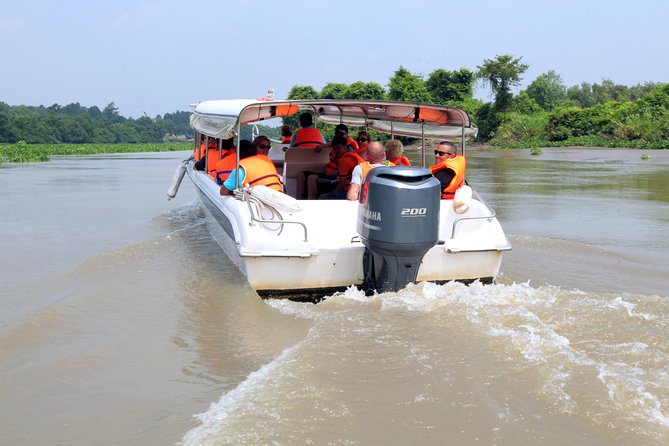
The tour also provides life jacket and raincoat, plus an umbrella. That’s a big deal in this area because the basket boat segment depends on weather. Even if it rains, you’re not left to improvise with a flimsy umbrella and wet clothes.
You can also read our reviews of more boat tours in Hoi An
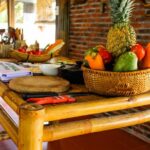
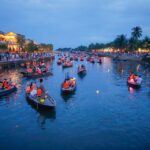
Local Market Time: Buying Ingredients You Can Actually Identify
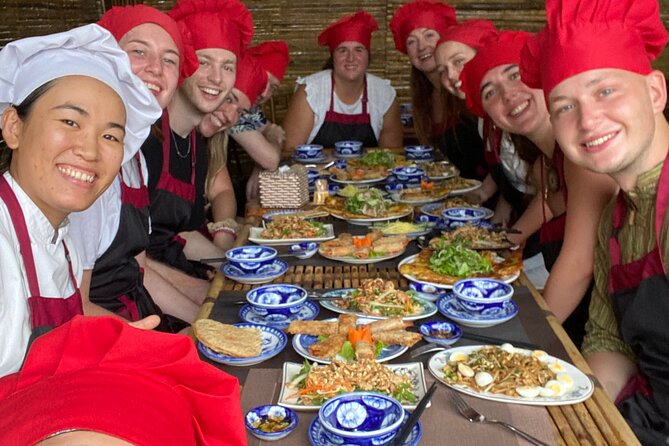
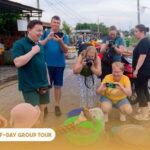
The market stop is often the moment that turns a cooking class from touristy to useful. Instead of a quick look around, you get a real ingredient-buying lesson: you learn what Vietnamese cooks use and how to pick it so the dish tastes right.
In the feedback I saw, guides like Ms. Trâm are praised for explaining how to recognize good ingredients. That’s practical. When you’re back home, you won’t remember every step of every recipe—but you might remember what good herbs look like, or what to check when buying vegetables and aromatics.
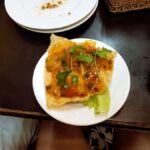
You’ll also get to connect ingredients to flavor. For example, when people mention dishes like bánh xèo, they’re not just naming a plate. You’re seeing the raw materials first, then cooking them later. That order helps you understand why certain flavors work together in central Vietnamese cuisine.
A small note: markets are crowded and the walking can add up. Wear comfortable shoes. You’re going to be moving, judging produce, and likely carrying a few small items back during the shopping portion.
Bay Mau Coconut Forest by Basket Boat: Calm Scenery Meets a Real Skill Test
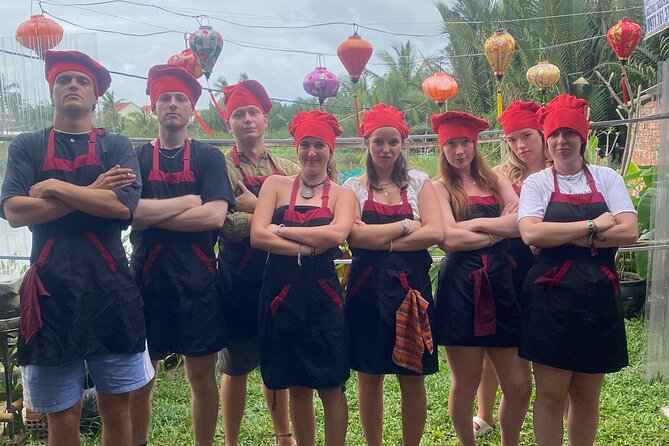
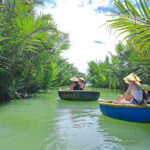
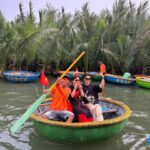
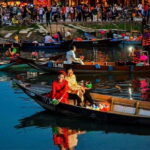
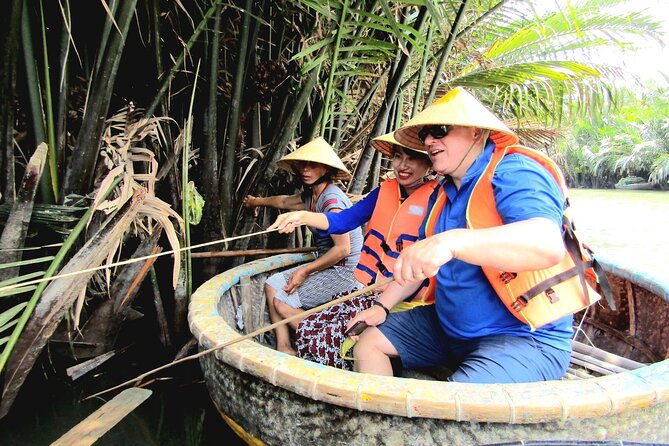
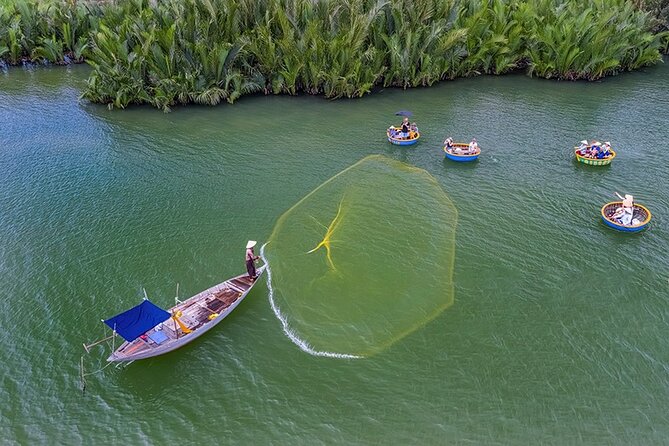
This part is why the tour feels like more than cooking. After the market, you head into the Bay Mau nipa palm waterways for the coconut-forest experience. The basket boat ride is described as a spin/ride with local fishermen rowing you through the canal routes, and there’s also mention of a spinning basket boat performance by locals and fishermen.
Then comes the crab fishing. This is the part that people keep mentioning because it doesn’t behave like a neat activity demo. You’re in the canals trying to catch crabs, and the feedback is consistent: it’s harder than it looks. That difficulty is a good thing. It makes the experience feel real, not scripted for photos.
Safety and comfort are handled with included gear—life jacket and raincoat—so you can focus on the ride and the catching instead of worrying about the basics. Reviews mention that rainstorms can happen, and the rain doesn’t ruin the day so much as make it more chaotic. The raincoat is there for a reason.
If you’re wondering whether this segment is worth it: it’s not just scenery. You’re learning how people use these waterways for daily life and how the rhythm of basket boating works in narrow channels. You also get lots of candid moments that don’t feel like a performance.
Coconut House Cooking Class: How You Learn (Not Just What You Cook)
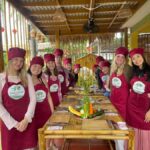
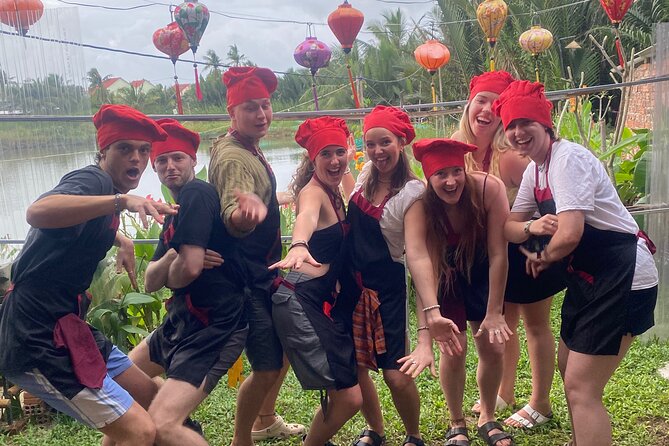
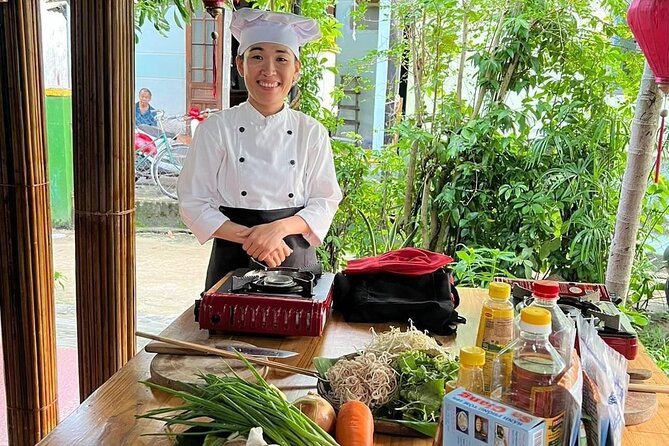
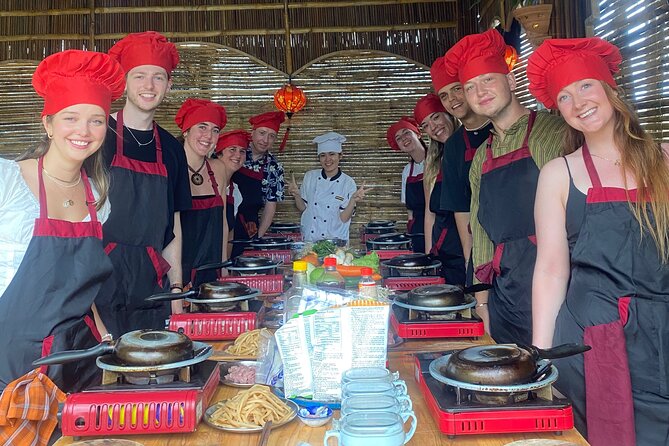
Once you finish the boat part, you shift into the cooking lesson at the coconut-house eco setup. People describe this as a hands-on class with active instruction and a friendly, sometimes humorous teaching style.
Instructors named in the feedback include Ms. Trâm as a key host/chef, plus other cooks like Sonny and Duyên. The common thread is clear: the guide teaches you techniques and explains the ingredients you’re using, and the class doesn’t feel like everyone follows the same steps without help.
You can expect a cooking session where:
- You learn how to prepare traditional Vietnamese dishes.
- You cook at your own station rather than only watching someone else.
- You get guidance on what you’re doing and why it matters.
Several reviews mention making about four dishes. One specifically called out dish is bánh xèo. Since the exact menu isn’t spelled out in the tour data you provided, treat it as a multi-dish class where one dish you may recognize (like bánh xèo) often shows up. The bigger value is that you’ll leave knowing how to build the flavors rather than memorizing one recipe.
Good to know: one review specifically notes allergy accommodation. The tour data only says there’s an English-speaking chef/guide, so I can’t promise what allergies can or can’t be accommodated—but it’s clearly something they’re willing to consider. If you have dietary needs, confirm directly at booking.
What You Eat, Why It Matters, and the Recipes You Actually Use
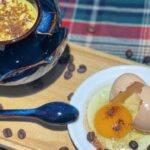
After cooking, you sit down and eat what you made. This is more than a “demo meal.” It’s your reward for ingredient selection and cooking work.
The meal also teaches you something simple: Vietnamese cooking isn’t just about one signature ingredient. It’s about balance—how herbs, aromatics, and sauces work together. Since you bought the ingredients at the market first, you can taste the difference between something fresh and something bland.
One of the best practical takeaways mentioned in feedback: you get recipe cards. That matters because cooking classes fail in one of two ways. Either you take photos and forget the steps, or you take notes but can’t recreate the taste at home. Recipe cards make it easier to repeat the dishes later, even if you don’t fully remember the flow.
Another small value: the guide encourages learning and tasting during the process. That’s the difference between eating a meal and understanding it.
You can also read our reviews of more shopping tours in Hoi An

Price and Value: What $28.21 Buys You in Real Terms
At about $28.21 per person, the price is mainly about bundling three activities you’d otherwise do separately: market shopping time, basket boat + crab fishing, and a cooking class + meal. Many places in Vietnam do one of these well. Here you’re getting all of them into one half-day schedule.
You’re also getting logistics handled: pickup and drop-off in Hoi An, plus safety gear (life jacket and raincoat), plus the meal. If you price that out, it’s easier to see why this gets a strong recommendation rate and a high satisfaction score.
So when is this good value?
- If you want a full cultural-food day without planning multiple stops.
- If you like active experiences (market + boat + cooking) rather than just sitting in a restaurant.
- If you prefer small groups. Up to 11 people keeps it more personal than mass-tour cooking setups.
If you’re only interested in cooking and nothing else, then the boat and crab fishing portion may feel like extra. But even then, the market ingredient lesson can be worth it.
Who This Tour Fits Best (and Who Might Skip It)
This tour is a strong fit for:
- Food-first travelers who want to understand ingredients, not just recipes.
- People who want something outdoors without going full-day trekking.
- Couples, families, and small groups who want guided attention. Reviews specifically mention it works well for different group types.
Consider skipping or comparing options if:
- You hate being in outdoor settings during weather changes. The gear helps, but it’s still an outdoor portion.
- You want a purely classroom-style cooking experience with no market or boat time.
If you’re in Hoi An for just a few days and you want one “do-it-all” food day, this is the kind of booking that saves you time and gives you real skills.
Should You Book This Hoi An Cooking Class + Basket Boat Day?
I’d book it if you want a class that teaches you how to buy and cook Vietnamese food, not just how to plate it. The combination is the point: market ingredient choices lead into cooking, and the basket boat + crab fishing makes the day feel local, active, and memorable.
If you’re on the fence, ask yourself one question: do you want your Hoi An food experience to include market walking and a coconut-forest boat ride? If yes, this is a smart match. If you only want the cooking portion, you might prefer a cooking-only class so you can spend every minute on the kitchen.
In short: this tour is best when you treat it like a full sensory lesson—buy, row, cook, eat—rather than a single activity with extras.
FAQ
How long is the Hoi An Cooking Class, Market, and Basket Boat experience?
It runs about 4 hours 30 minutes.
Is lunch or dinner included, and can I choose?
Yes. The tour offers either lunch or dinner, and you can select which option you want.
Do I get hotel pickup and drop-off?
Pickup and drop-off are included for hotels in Hoi An. If you are picked up in Da Nang, there is an extra fee of USD 17 per person.
What safety gear is provided for the basket boat and water activities?
The tour includes a life jacket, raincoat, and umbrella.
How big is the group?
The maximum group size is 11 travelers.
Will I get recipes after the class?
Yes. You’ll receive the recipes after the cooking class.
What happens if weather is poor?
The experience requires good weather. If it’s canceled due to poor weather, you’ll be offered another date or a full refund.