REVIEW · CAN THO
Group Tour: Floating Market, Rice Noodle, nursery vegatable
Book on GetYourGuide →Operated by CHN Explore Mekong · Bookable on GetYourGuide
Six a.m. on the Mekong is worth it. This 5-hour Can Tho outing strings together a floating market boat ride, a hands-on rice noodle (Hu Tieu) stop, and countryside gardens that feel more local than tourist. You start early enough to catch real river routines, then finish with plants, fruit, and small moments with friendly families along the way.
I especially like how the morning isn’t just scenery—it’s built around making and eating. The plan lets you watch Hu Tieu being produced step by step, try your own noodle-making with help from a noodle expert, and even taste a crispy homemade rice noodle pizza you can’t buy in a shop.
One thing to consider: you’re on the water for a while, with a lot of boat-and-canal time and transport between stops. If you’re hoping the sunrise is the main event, manage expectations—it’s a nice bonus, but the tour is more about the food, boats, and everyday life than a big photo moment.
In This Review
- Key highlights worth waking up for
- Why This Can Tho Morning Feels Practical (Not Just Pretty)
- 6:00 AM Pickup and the Ride Toward Cai Rang Floating Market
- Cai Rang Floating Market: Trading Culture You Can Actually Follow
- Hu Tieu Rice Noodles: From Factory Steps to Your Own Bowl
- Nurseries and Fruit Gardens: Learning How Food Starts
- Sampans, Rowing Time, and the Small Moments With Kids
- Time on the Water: How the 5 Hours Actually Add Up
- What $24 Buys You (And Where the Value Shows)
- Small Group, English Guide, and the Comfort Zone
- Who This Tour Suits Best (and Who Should Skip It)
- Should You Book This Can Tho Mekong Delta Tour?
- FAQ
- How long is the tour in total?
- What time do you get picked up in Can Tho?
- Where is the meeting point?
- Is the guide available in English?
- What’s included for food and drinks?
- What kind of boats do you use?
- What should I bring?
- Who is the tour not suitable for?
Key highlights worth waking up for
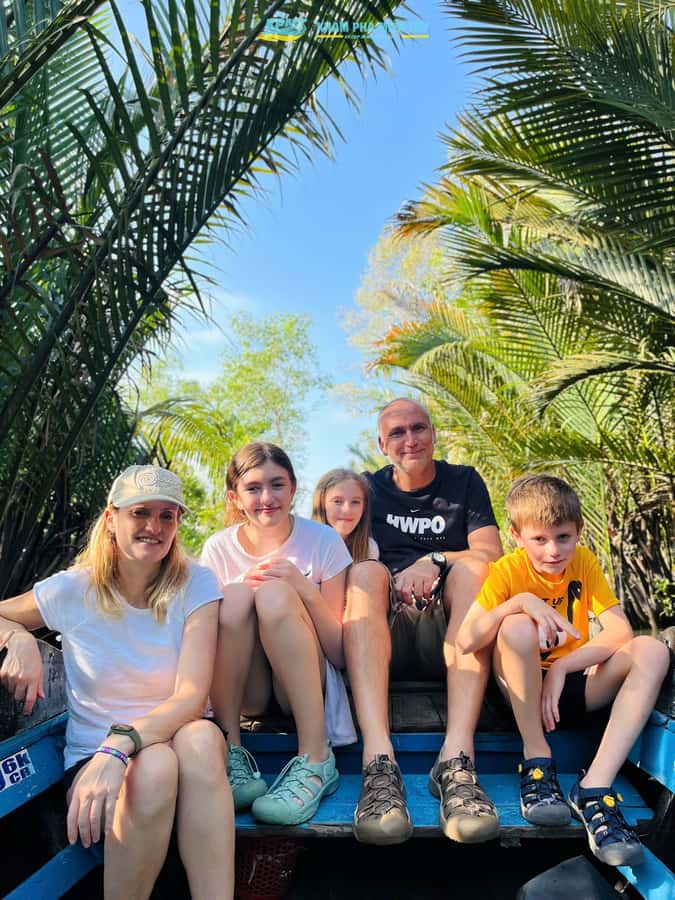
- Early river time to spot real routines like washing clothes, fishing, and kids swimming
- Cai Rang floating market with practical explanations of trading life and local values
- Hu Tieu rice noodle factory where you see the process and get guided noodle-making
- A homemade crispy rice noodle pizza that’s part cooking demo, part snack you’ll remember
- Nursery vegetable village + fruit gardens (plus a dragon fruit stop) with a focus on how food starts
- Small group of up to 6 for better questions and calmer canal moments
Why This Can Tho Morning Feels Practical (Not Just Pretty)
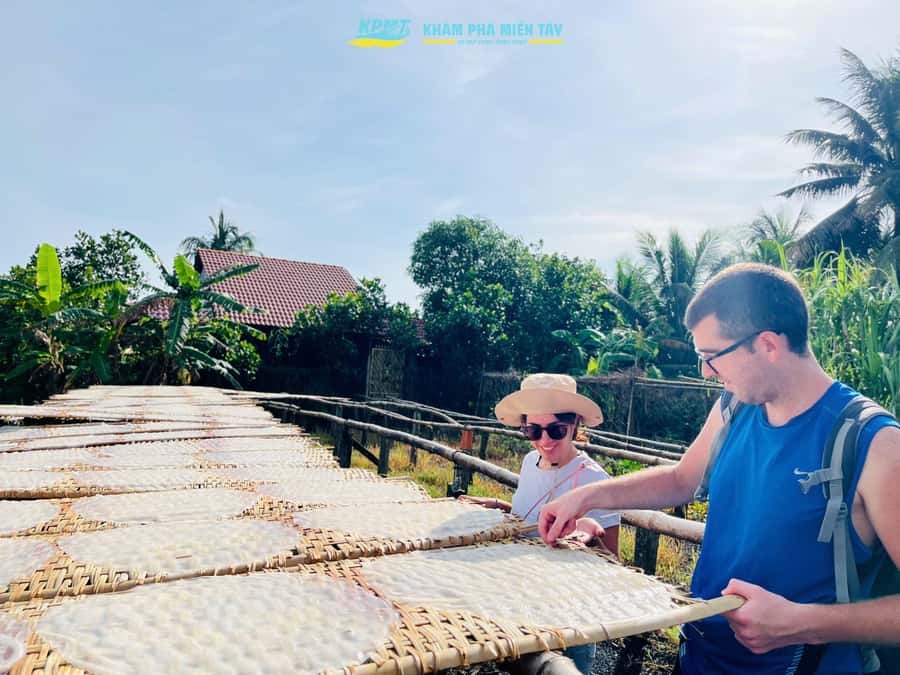
The Mekong Delta can be sold as a photo parade. This tour is more useful than that. You’ll get a structured route—market, noodle making, then vegetables and fruit—so you understand what you’re seeing instead of just passing it by.
I also like the small-group feel. With a limit of 6 people, you’re more likely to actually ask questions when the noodle expert is working through the steps, and it’s easier to hear explanations while you’re on a sampan or near the workshop areas.
The tradeoff is simple: this is a morning schedule built for movement. You’ll spend enough time traveling by boat and canal that it helps to show up ready—water, shoes, and a hat—because there’s limited chance to “pause” the day.
You can also read our reviews of more shopping tours in Can Tho

6:00 AM Pickup and the Ride Toward Cai Rang Floating Market
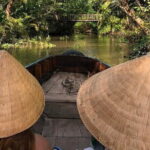
You’re picked up at 6:00 AM at 28 Phan Đinh Phung, Ninh Kieu Ward, Can Tho city. Then you head out toward Cai Rang by a wooden boat.
The most rewarding part of this stretch is that it’s not empty water at first light. You’re moving through the river as locals keep going—washing laundry, catching fish, and kids swimming. That kind of everyday activity is often what makes the Mekong feel real, because you’re not arriving to a staged scene. You’re watching life happen while the boat goes by.
Practical tip: since it’s early and outdoors, plan for sun later even if the morning starts cool. Wear a light layer you can keep on, and bring insect repellent as suggested. Bugs in rural river areas aren’t a “maybe.”
Cai Rang Floating Market: Trading Culture You Can Actually Follow
Arriving at Cai Rang, the tour shifts from “ride time” to understanding. You’ll learn the history and cultural values behind the floating market and what drives the trading scene—who sells, how goods move, and why the river is still the best highway for many communities.
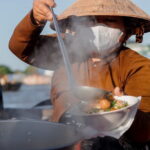
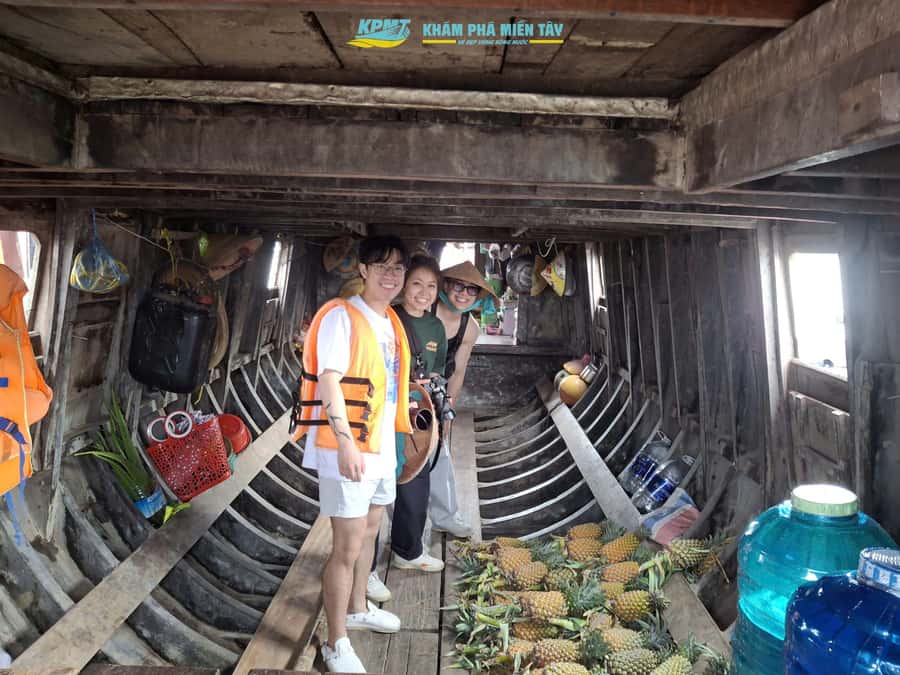
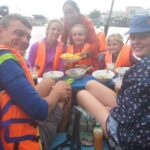
This stop is also where you eat, in a way that matches the location. You can enjoy floating noodle soup onboard and you’ll have coffee (Vietnamese milk coffee is specifically mentioned in the experience). There’s also fresh pineapple served on a pineapple boat—an easy detail, but it matters because it connects the market to real produce, not just souvenirs.
A balanced expectation: Cai Rang is still lively, but the tour description emphasizes “bustling trading scene” and cultural history rather than promising a perfect postcard market at every minute. If you’re the type who wants endless boats at every angle, you might feel the variety is more practical than dramatic. The value comes from food and explanation more than chasing one perfect shot.
Hu Tieu Rice Noodles: From Factory Steps to Your Own Bowl
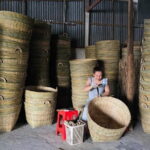
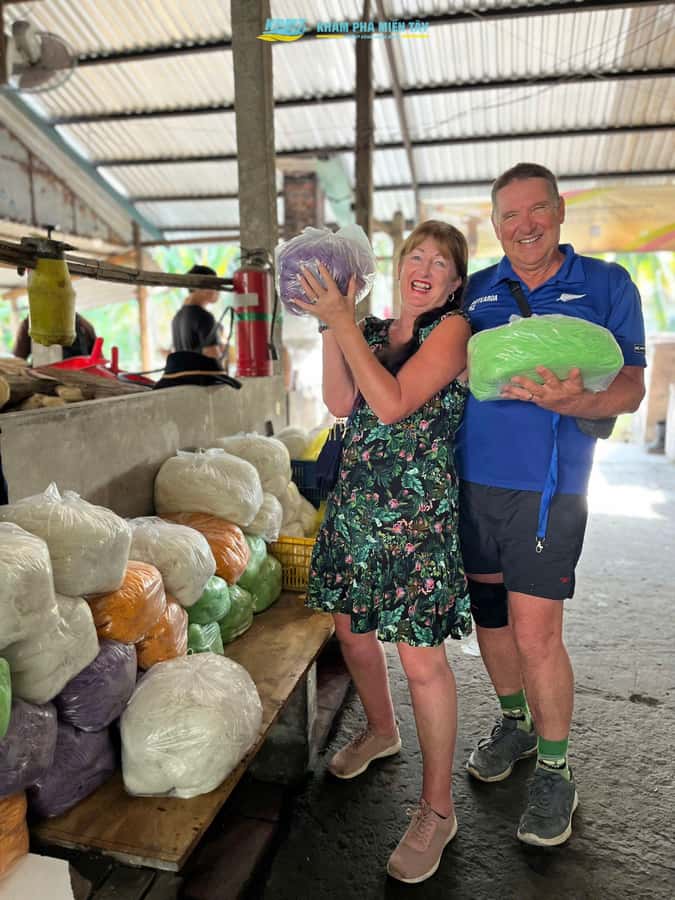
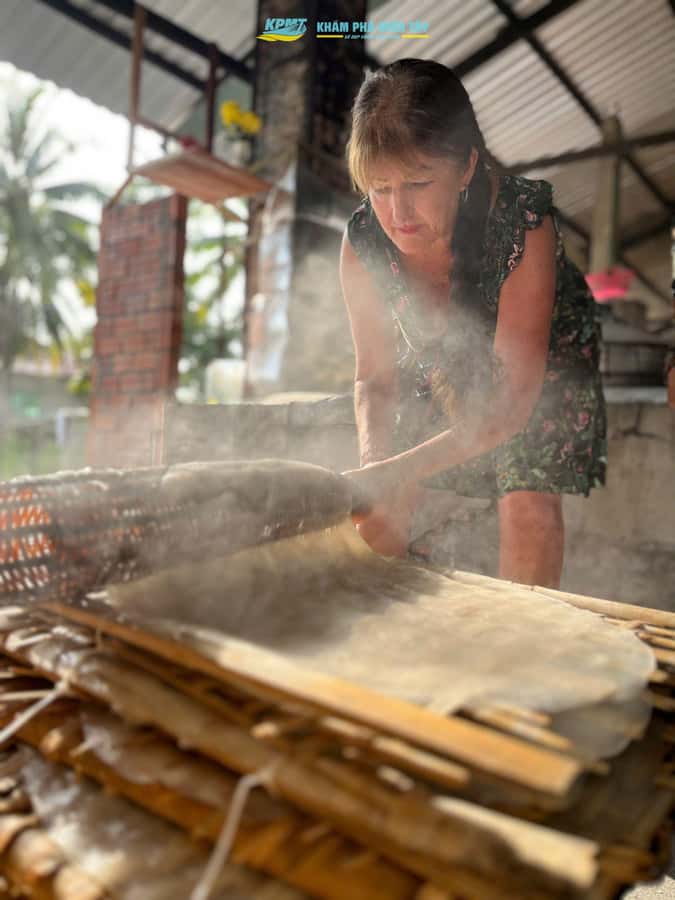
After the market meal, you go to a local traditional rice noodle factory to see how Hu Tieu is made step by step. This is one of the strongest parts of the itinerary because it gives you a clear chain from raw ingredient to finished noodle.
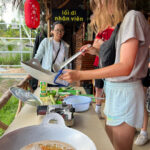
What to look for: rice turning into noodle texture isn’t a magic trick—it’s a process with timing and technique. That’s why the presence of a noodle expert is a big deal. You’re not just watching; you’re getting guided help as you try making noodles yourself.
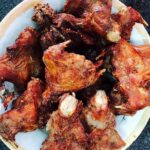
Then you’ll get something playful but genuinely specific: a special crispy homemade rice noodle pizza. Even if you’ve tried different snack foods in Vietnam, this one stands out because it’s homemade from noodle ingredients tied directly to the factory experience. It’s also mentioned as something you can’t buy elsewhere, which usually means it’s tied to the workshop timing rather than a fixed menu you’ll see on every street.
There’s also an additional visit to a local house to see how people make hu tieu. That second look matters. It helps you compare “factory-style steps” with “home-style routine,” so you come away with a more grounded feel for how food traditions spread and survive.
Nurseries and Fruit Gardens: Learning How Food Starts
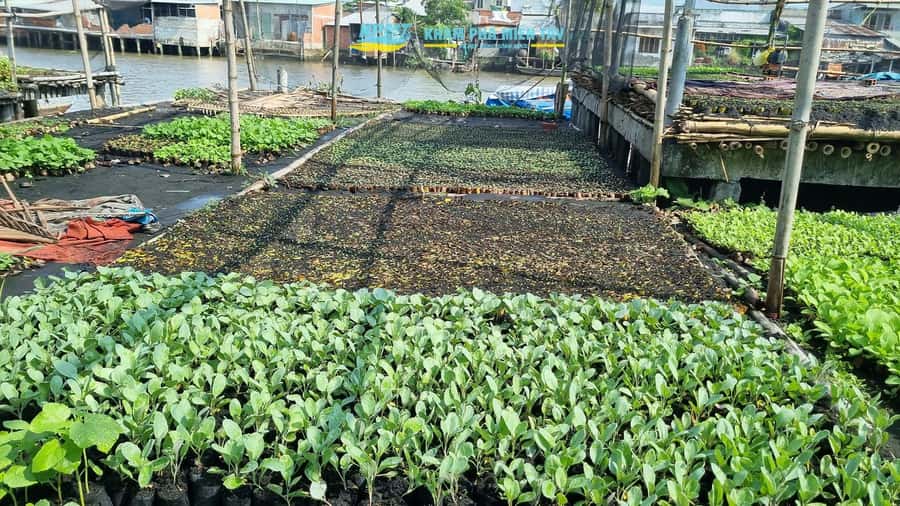
Once the noodle stop wraps, the route turns from eating to growing.
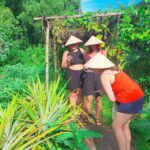
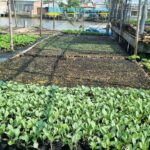
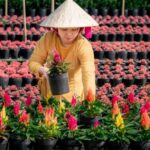
You’ll walk through a nursery vegetable village and learn how locals grow these plants. The phrase “nursery vegetable village” might sound like a simple stroll, but it’s worth more than a quick photo break because it explains the foundation behind what you eat later in Vietnam. Many visitors focus on finished dishes. Here, you see the earlier stage—seedlings, growing methods, and the everyday work that keeps supply moving.
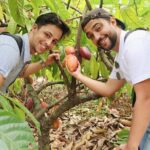
From there, you head back onboard and continue into a beautiful canal lined with lots of coconut trees. You’ll stop at a dragon fruit garden too, where you can try the fruit. Again, this isn’t random fruit tasting for the sake of variety. It supports the theme: agriculture in the Delta is built around long-term planting and careful care, not just quick harvests.
If you’re food-minded, you’ll likely enjoy this section more than the pure shopping parts of many Mekong tours—because it explains how the river landscape becomes dinner.
A few more Can Tho tours and experiences worth a look
Sampans, Rowing Time, and the Small Moments With Kids
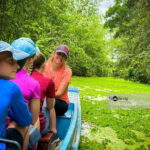
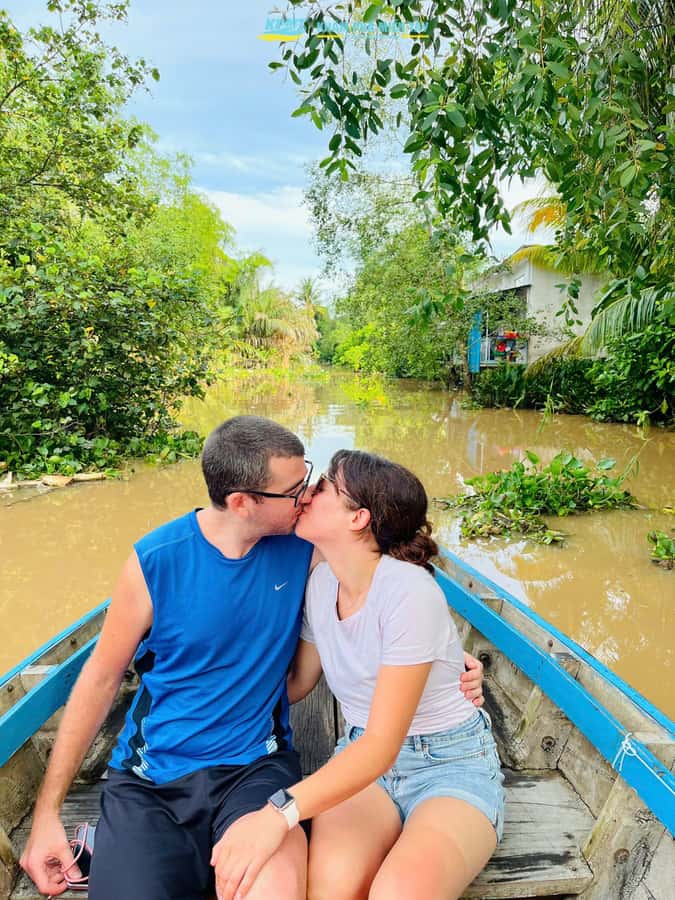
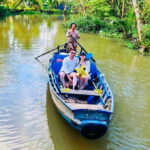
Back on the water, you’ll travel into canals where you can see coconut along both sides. The tour also offers a chance to row the boat, but it depends on the tide and whether you can go through the canal or only a short distance.
That conditional part is worth noting. Don’t plan your day around guaranteed rowing. But do treat it as a bonus opportunity, because when it happens it’s a hands-on way to feel how the waterway shapes movement.
There’s also more walking for plant viewing—short strolls to check out nursery plantations of locals. And an especially human element is the chance to interact with kids and families, including an option to offer small gifts. The wording here is careful—think small, simple, and respectful. The big point is conversation and connection, not handouts.
One more practical note: you’ll want shoes that handle uneven, outdoor surfaces. You’re on boats and then walking, so comfort matters more than looking polished.
Time on the Water: How the 5 Hours Actually Add Up
This is a 5-hour tour, and it feels like that. But it doesn’t feel like a single long cruise. It’s broken into stages: pickup, wooden boat to Cai Rang, market stop, factory + noodle making, nursery village walking, canal cruising with coconut scenery, garden fruit tasting, optional rowing and short extra walking, then return.
That structure is useful because you’re rarely stuck in one mode for too long. Still, there’s no pretending you’ll be outdoors a good chunk of the morning. Bring water even if breakfast is included, because river weather plus movement can dry you out.
Also remember the ending: you’ll be dropped back at your hotel around 11:00 AM. That timing is great if you want lunch plans afterward without losing your whole day.
What $24 Buys You (And Where the Value Shows)
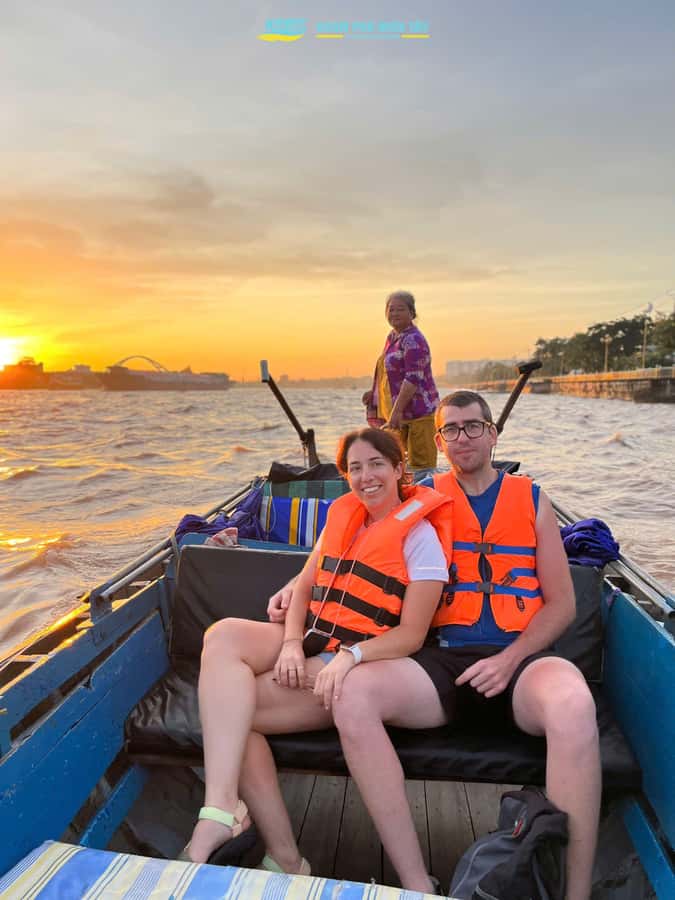
At $24 per person, the value is mostly in two things: transportation and guided food learning.
You’re not just paying for a ride. You’re getting:
- transportation by boat and sampan
- an English-speaking guide
- breakfast, coffee, and fruits
- multiple food stops tied to the market and noodle making
- hands-on participation (making noodles) plus tasting (including the noodle pizza)
For many Mekong Delta experiences, costs can rise quickly once you add a morning itinerary, market access, and workshop time. Here, the price stays low while still including real instruction and more than one food segment. That’s why it feels like good value if your interests match the theme: food process + river culture + countryside growing.
Where value might feel weaker is if you primarily want maximum time at the floating market. This tour spreads your time across several experiences, so you’re not there for hours. The tradeoff is you leave with a fuller story, not just one highlight.
Small Group, English Guide, and the Comfort Zone
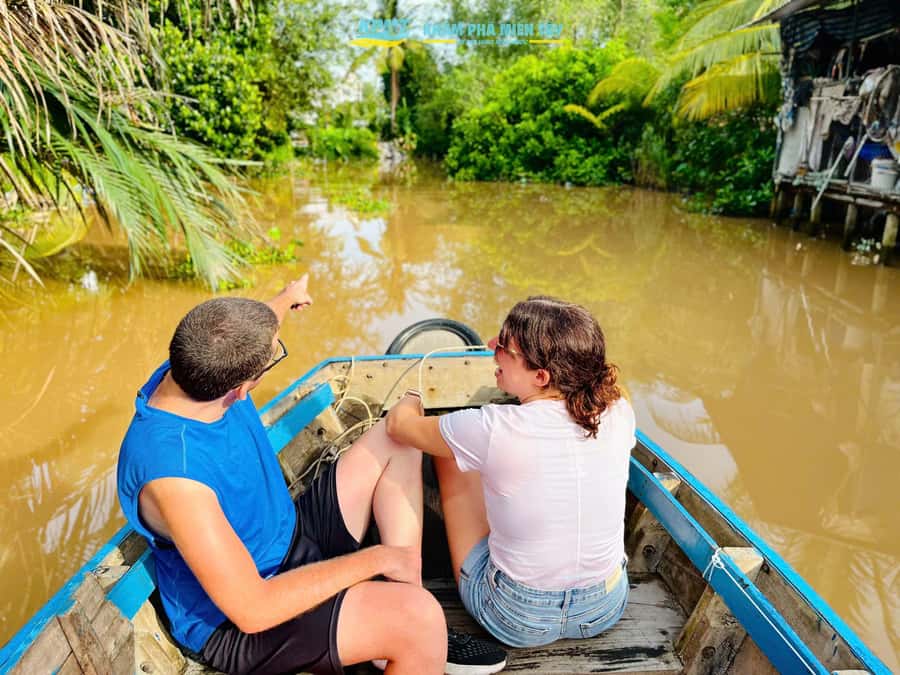
This is a small group limited to 6 participants. That small size usually means two things you’ll feel right away: better communication and less waiting during transitions.
An English-speaking guide keeps the explanations moving, especially at the market and during the noodle-making parts. If you’re the kind of traveler who likes knowing what you’re looking at—why people trade the way they do, how a noodle workshop runs—that matters more than you might think.
One name you might hear in this tour format is Tom, who has been described as a great guide who explained what you were seeing and what was being made. If your guide is someone like Tom, expect clear, practical commentary.
Who This Tour Suits Best (and Who Should Skip It)
This works well for:
- food lovers who want to understand ingredients, not just eat dishes
- travelers who like small boats and canal scenery
- people who enjoy morning starts and short walks as part of the plan
It may not suit you if:
- you’re pregnant
- you have back problems (boats and walking can strain)
- you use a wheelchair
Also, the rural setting means you’ll be outdoors. If you’re sensitive to heat later in the morning, pack sunscreen and a hat, because shade won’t be constant.
Should You Book This Can Tho Mekong Delta Tour?
Book it if you want a morning that mixes river life with hands-on food learning. The Hu Tieu noodle factory segment and the chance to make noodles (plus that crispy rice noodle pizza) are the kind of experiences that stick with you longer than a standard sightseeing cruise.
Skip or reconsider if your top priority is long floating market time or you hate boat travel. The itinerary is active and water-focused, and one of the practical realities is that the day depends on tides for rowing and canal access.
If you’re unsure, make the decision based on this simple checklist: can you handle 5 hours of moving around outdoors, do you enjoy food process experiences, and do you want to see how nursery vegetables and fruit connect to daily life? If yes, you’ll likely find this a satisfying use of a half day in Southern Vietnam.
FAQ
How long is the tour in total?
The tour lasts 5 hours.
What time do you get picked up in Can Tho?
Pickup is at 06:00 AM.
Where is the meeting point?
The guide picks up guests at 28 Phan Đinh Phung, Ninh Kieu Ward, Can Tho city.
Is the guide available in English?
Yes, there is an English-speaking tour guide.
What’s included for food and drinks?
The tour includes breakfast, coffee, and fruits, plus food tastings during the market and noodle stops as part of the experience.
What kind of boats do you use?
You’ll travel by boat and also by a sampan for the canal sections.
What should I bring?
Bring comfortable shoes, a hat, camera, sunscreen, water, and insect repellent.
Who is the tour not suitable for?
It’s not suitable for pregnant women, people with back problems, or wheelchair users.