REVIEW · CAN THO
Mekong Delta Tour 2-Day (SaDec – Can Tho – My Tho – Ben Tre)
Book on GetYourGuide →Operated by VIET FUN TRAVEL COMPANY LIMITED · Bookable on GetYourGuide
Two days in the Mekong can feel like magic. This is a tight 2-day route that strings together flower villages, pagodas, and multiple boat segments—so you’re not just watching the river from land.
I especially like the Sa Dec day: flower-country walking, plus the Huynh Thuy Le Ancient House, with its French look outside and Chinese influence inside. I also like how the tour starts your Can Tho morning with Cai Rang Floating Market, where boats and daily commerce are the main event, not a side show.
One thing to consider: the schedule can run fast, and there’s a chance of last-minute adjustments if the operator needs to rework timing. If you hate surprises, I’d double-check your day plan the evening before and bring sun protection, because time outdoors is real.
In This Review
- Key highlights worth planning around
- A practical look at this Mekong Delta 2-day plan
- Day 1 in Sa Dec: flowers, pagodas, and the Huynh Thuy Le connection
- Sa Dec ornamental flower village and Happy Land Hung Thy Sa Dec
- Lunch and a quick shift into religious heritage
- Kien An Cung Pagoda (Ong Quach Pagoda)
- Huynh Thuy Le Ancient House: French outside, Chinese inside
- More pagodas: Phuoc Kien and La Sen
- To Can Tho for check-in and dinner
- Why the Can Tho overnight helps (even when the plan is busy)
- Cai Rang Floating Market: what you’ll see and how to time your photos
- Boarding a merchant boat (pineapples)
- How daily life shows up on water
- Noodle and rice paper factory stop
- My Tho to Ben Tre by boat: Phoenix Island, Unicorn Island, and the coconut-food stops
- Unicorn Island: creeks, ports, and stilt houses
- Bee farm honey tea tasting
- Small row boat along coconut scenery
- Seasonal orchards and coconut candy village
- Fruits garden and Southern folk music
- Back to Ho Chi Minh City
- Pace, heat, and what to pack for two days in the delta
- Price and value: what $92 covers, and where costs can shift
- Who this tour fits best—and who should pick something else
- Should you book the Mekong Delta Tour 2-Day (Sa Dec – Can Tho – My Tho – Ben Tre)?
- FAQ
- What time does the tour start on Day 1?
- Where do I stay overnight?
- What meals are included in the tour?
- Is the floating market included in the itinerary?
- Are entrance fees included?
- Do boat trips include safety gear?
- What’s included for drinks or food during the trip?
- How many people are in the group?
- What languages is the guide available in?
Key highlights worth planning around
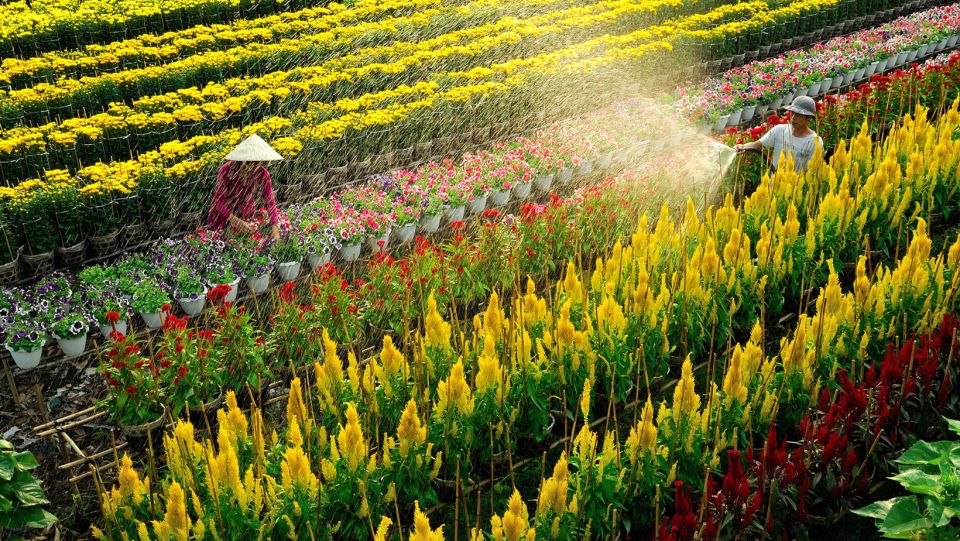
- Sa Dec Flower Village facts: an ornamental flower village about 3 km from the city center, spread over 313 ha with river access on both sides.
- Huynh Thuy Le Ancient House: built by Huynh Thuy Le’s father, with a French-style exterior and Chinese-influenced interior layout.
- Cai Rang Floating Market: the largest floating market in the Mekong Delta, with a chance to board a merchant boat selling pineapples.
- Craft villages in Con Lan and Con Phung: traditional craft villages built into the itinerary so the day doesn’t feel only scenic.
- Ben Tre rhythm: Phoenix Island, Unicorn Island, honey tea at a bee farm, then coconut candy and fruit-garden stops.
- Small group: limited to 15 participants, with an English-speaking guide plus Vietnamese support.
A practical look at this Mekong Delta 2-day plan
This tour is designed for people who want a lot of variety in just 48 hours: Sa Dec’s flower-and-pagoda focus, Can Tho’s floating-market morning, then My Tho and Ben Tre by boat and canals. It’s not a slow, stay-put kind of trip. It’s a move-with-purpose route, with lots of “see it now” moments.
The best part is that the delta’s daily life shows up in multiple ways. You get the market energy at Cai Rang, then you get the craft and food-side details in and around Ben Tre. If your goal is to understand how people live along waterways—not just take photos—this route gives you that context.
Small-group size helps. With up to 15 people, you’re more likely to keep up with timing and ask questions without feeling lost in a crowd. Still, boats and walking happen on a schedule, so think of it as an organized sampler pack.
A few more Can Tho tours and experiences worth a look

Day 1 in Sa Dec: flowers, pagodas, and the Huynh Thuy Le connection
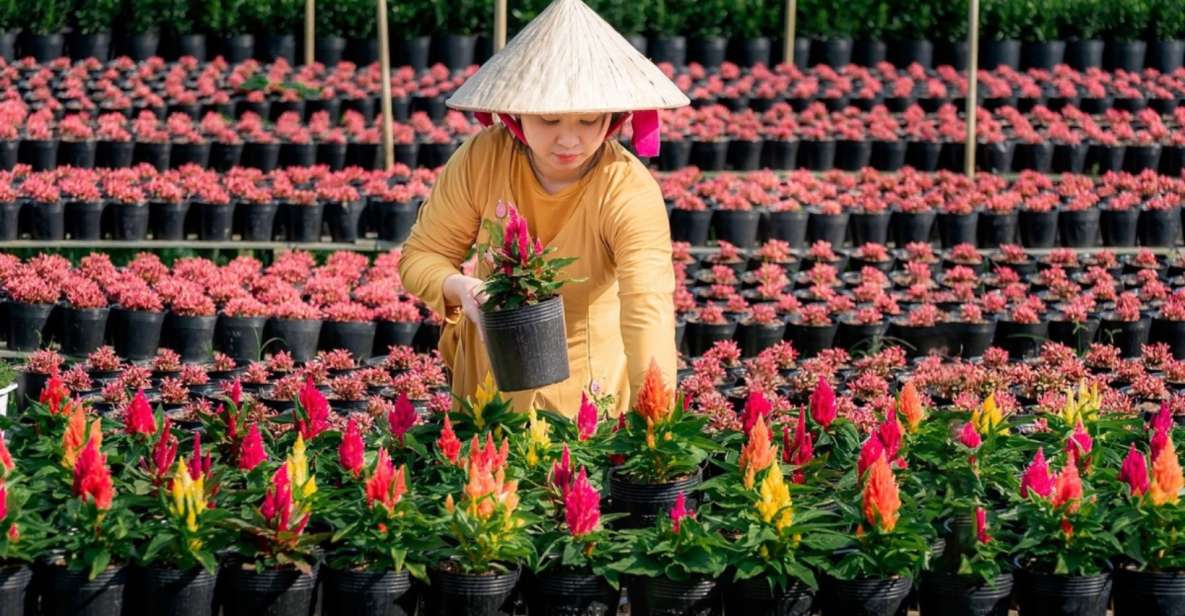
The day starts with a coach ride from Ho Chi Minh City to Sa Dec at 7:30 am (based on the standard schedule; other hotel tiers start 7:35 am or 7:40 am). Once you arrive, you start with the main Sa Dec theme: flowers and heritage.
Sa Dec ornamental flower village and Happy Land Hung Thy Sa Dec
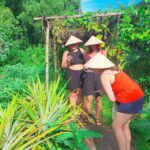
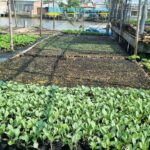
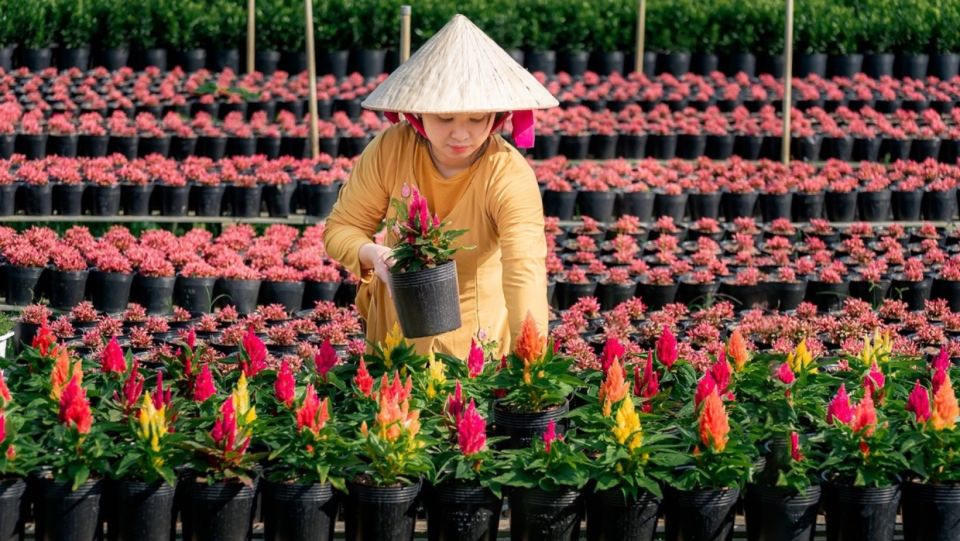
You’ll visit Sa Dec’s ornamental flower village, about 3 km from the city center, covering 313 hectares and organized among roughly 1,968 households. What makes this flower area especially interesting is the layout: it sits on two sides of the Tien and Sa Dec rivers, which makes both water and road access practical.
The tour also brings you to a rustic tourist area connected to Hung Thy Sa Dec. The idea here is simple: river nature + flower village setting, packaged for visitors without pretending to be a big theme park.
Lunch and a quick shift into religious heritage
Lunch is at a restaurant after the flower-area time. Then the itinerary pivots from “pretty gardens” to “deep local place,” with pagodas that reflect cross-cultural community history.
Kien An Cung Pagoda (Ong Quach Pagoda)
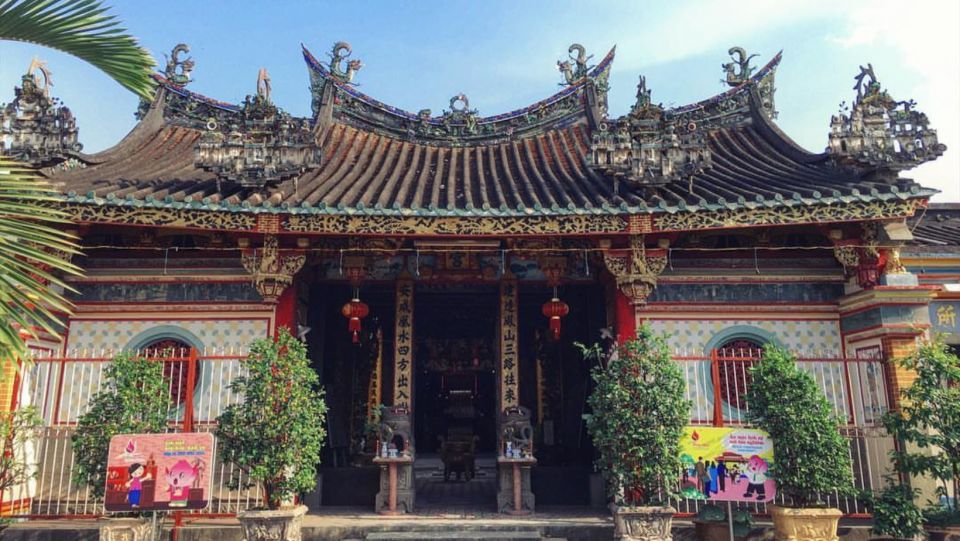
This pagoda is in Ward 2, Sa Dec, tied to a community of Chinese immigrants from Fujian. The story on site is that the pagoda was built to serve as a gathering base for ancestors, community meetings, and trading or exchanging information. Construction started in 1924 and finished in 1927.
For me, the practical value of stops like this is that they explain how river towns worked: people needed meeting places, and religion often doubled as a community hub.
Huynh Thuy Le Ancient House: French outside, Chinese inside
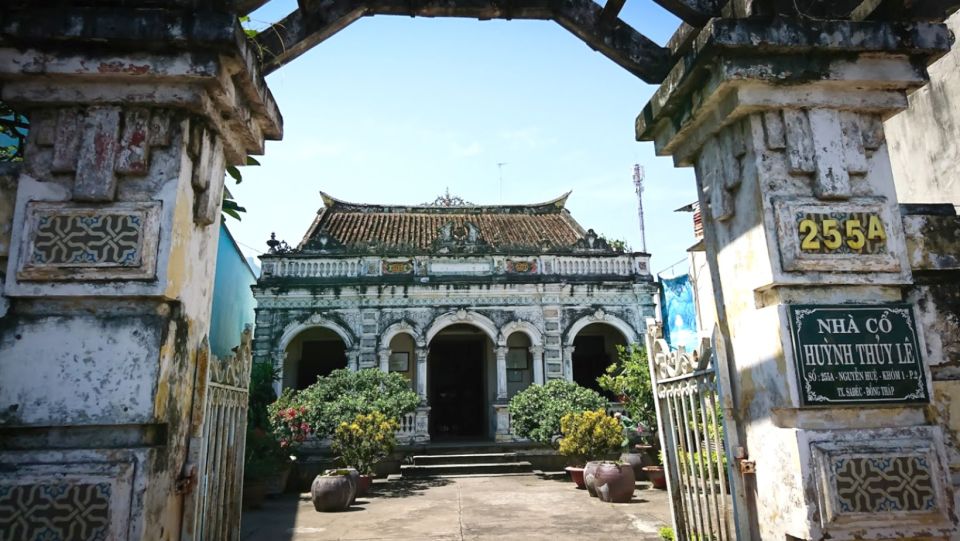
Huynh Thuy Le Ancient House is one of the strongest reasons to pick this tour. The house was built by Huynh Cam Thuan, Huynh Thuy Le’s father, a merchant tied to Sa Dec port life.
The construction details are the real hook:
- mostly wood and shaped like a traditional Southern house
- reconstructed in 1917 by adding solid bricks where wooden pieces had gaps
That mix creates the look described in the tour notes: French-style exterior but Chinese influence inside. The “cross-border love story” angle is part of the tourism framing, but the architectural blend is what gives the stop weight.
More pagodas: Phuoc Kien and La Sen
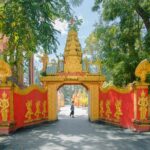
Next, you’ll visit Phuoc Kien Pagoda, known for legends (a crane or a turtle) and for a notable feature called the giant lotus nia. Then you’ll go to La Sen Pagoda as well.
You’re getting several layers of Sa Dec’s spirit in a compact time window. The tradeoff is that you might move from one place of worship to the next without much downtime. If you enjoy slow observation, bring a calm mindset.
To Can Tho for check-in and dinner
After Sa Dec, you travel to Can Tho, check in at your hotel, and then have dinner. You sleep in Can Tho overnight, which matters because it keeps Day 2 from starting too late.
This is one of the best ways to avoid the delta feeling like a two-day sprint out of Ho Chi Minh City. You get to reset before the boat morning.
Why the Can Tho overnight helps (even when the plan is busy)
The tour gives you an actual night in Can Tho, the capital of the Mekong Delta. That’s not just a “hotel included” detail. It’s a pacing choice.
When you sleep there, Day 2 morning doesn’t feel as punishing. You can eat breakfast, then get on the boat for Cai Rang without adding another long coach block.
Also, if you like soaking in atmosphere, Can Tho is typically easier to explore on your own in the evening than a small stop. The itinerary schedules dinner with the group, but you’ll still have a chance to walk around after you settle in.
If you prefer totally free time, this tour won’t be that kind of trip. Still, the overnight is one of the smarter bits of structure here.
Cai Rang Floating Market: what you’ll see and how to time your photos
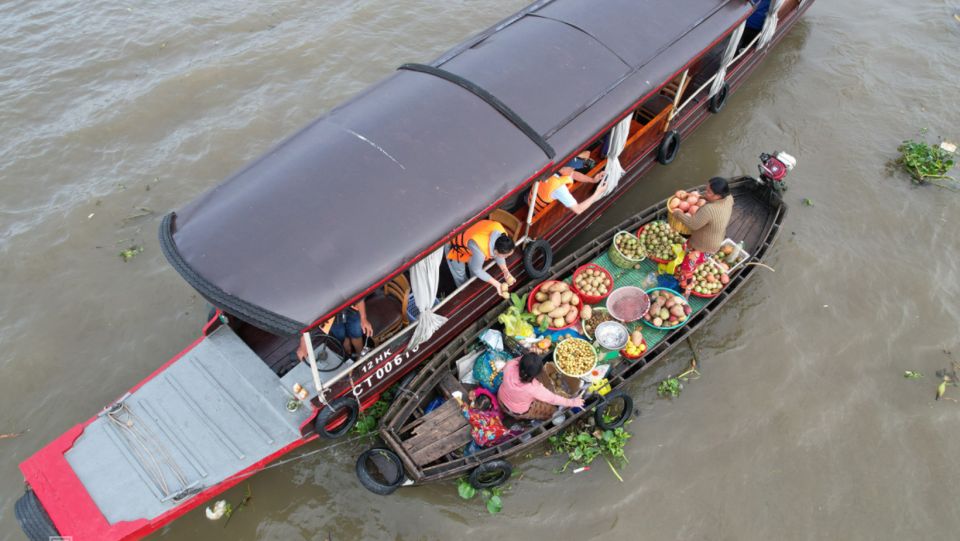
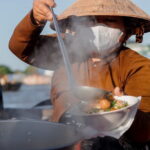
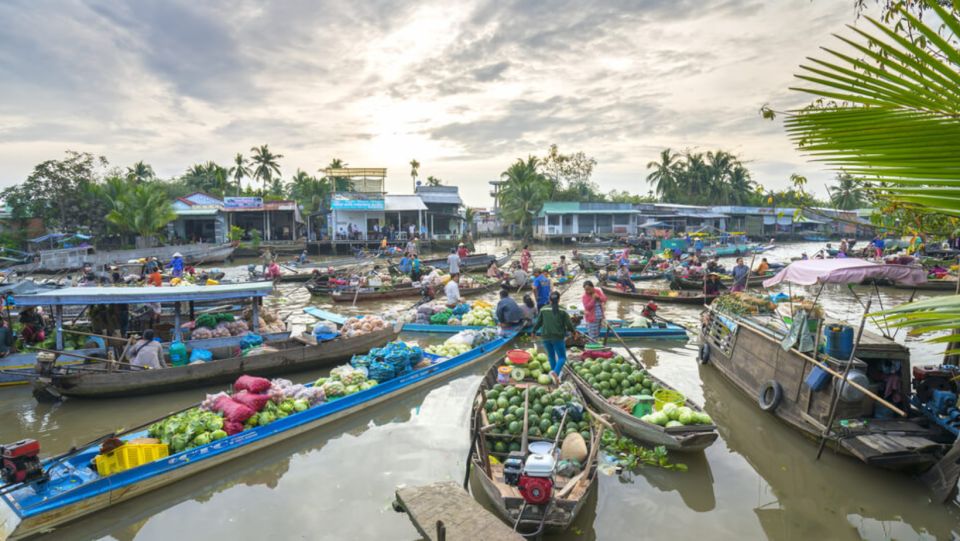
Day 2 starts with breakfast at 7:00 am, followed by a boat ride of about 40 minutes to Cai Rang Floating Market. The market is described as the largest of its type in the whole Mekong Delta, and that size matters: you’re not looking at one narrow floating strip, you’re seeing an active trading system.
Boarding a merchant boat (pineapples)
During the market visit, you may board a merchant boat that sells pineapples from Can Tho City. This is one of those moments that feels more “real” than a stand-and-point photo stop, because you’re physically inside the river commerce flow.
How daily life shows up on water
The tour guide focus here is on daily life in the West. Practically, that means you’ll see how production and distribution connect: goods move, people work, and boats function like both transport and storefront.
Noodle and rice paper factory stop
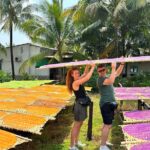
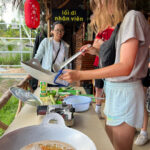
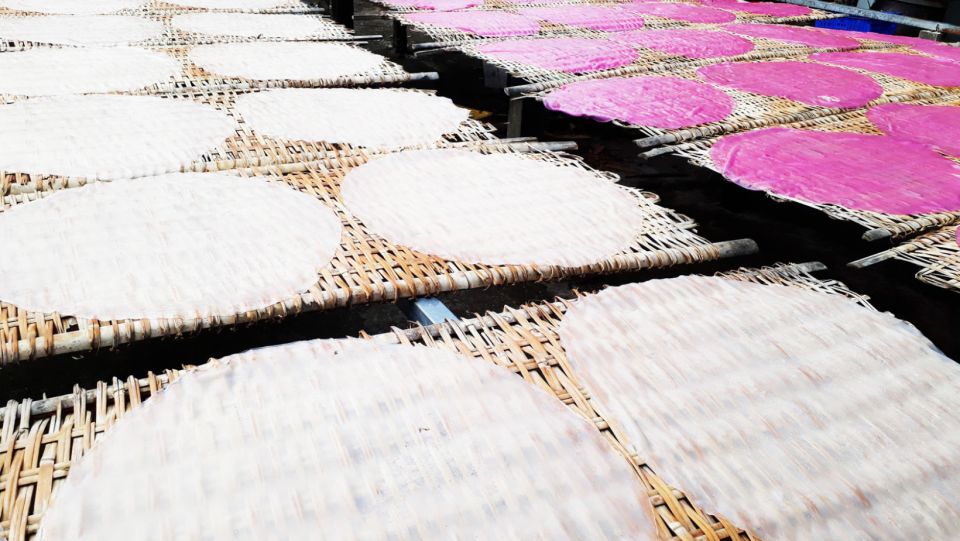
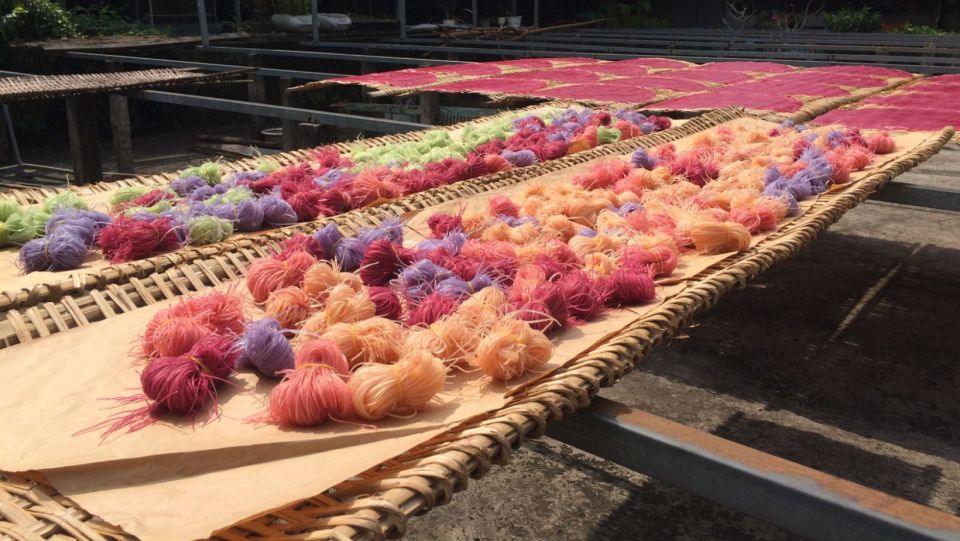
After Cai Rang, you visit a noodle and rice paper factory. The goal is to see staples made as locals do—food that likely shows up on menus and family tables all across the delta.
The benefit of mixing a living market with an ingredients-production stop is balance. Market time shows the movement. Factory time gives you the behind-the-scenes.
My Tho to Ben Tre by boat: Phoenix Island, Unicorn Island, and the coconut-food stops
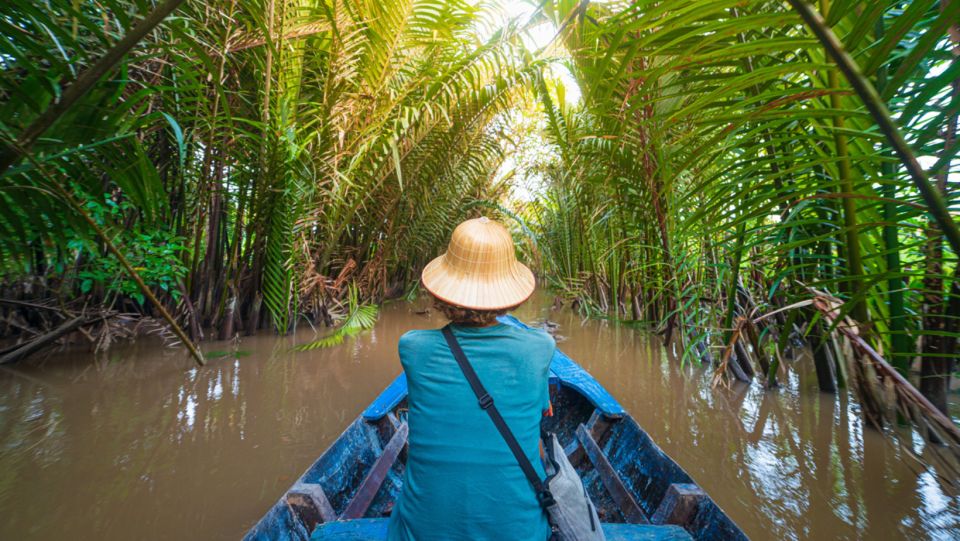
Once you head to My Tho, the tour shifts from market-energy to canal-and-island rhythm.
You move by boat to Phoenix Island for visiting and learning about coconut religion. The phrasing is specific, so expect the tour to frame local belief practices through the lens of coconut-based culture.
Then lunch comes, and after lunch you shift again with the boat ride to Unicorn Island. Here, the itinerary gets more scenic and hands-on.
Unicorn Island: creeks, ports, and stilt houses
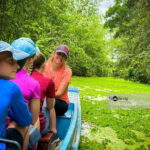
On the wooden motor boat, you pass through natural creeks. You’ll see interesting fishing ports and stilt houses along the water. This is one of the most useful parts of the route if you want to understand how the delta’s architecture responds to the river’s shape.
Bee farm honey tea tasting
Next, there’s a bee farm stop, with a chance to taste honey tea. It’s included, so you’re not stuck searching for a drink in a place where the next shop could be far.
This also gives you a quick, sensory break from only sightseeing.
Small row boat along coconut scenery
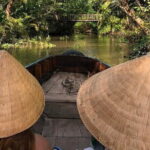
The tour then includes time on a small row boat, focused on fresh air along canals and coconut tree scenery. Your pace slows here. The row-boat segment is often what makes the trip feel less like a checklist.
Seasonal orchards and coconut candy village
After that, you cruise a canal with seasonable orchards along both long sides. Then you go to a village where you can smell coconut candies in the air, and you’ll see small shops making coconut candy and handcrafted items from coconut trees of the Mekong Delta.
This is where the craft-village theme ties in again. Instead of just looking at boats, you’re learning how the region turns what it grows into products.
Fruits garden and Southern folk music
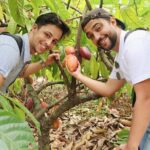
One more stop is a seasonal fruits garden, where you can enjoy many types of tropical fruits. And you get folk music typical to Southern Vietnam as part of the experience.
If you’re sensitive to heat, this segment may feel like a lot because you’ll be outside, but it’s also a good chance to slow your pace and watch daily cultural details at rest.
Back to Ho Chi Minh City
By 18:00–19:00, you arrive back in Ho Chi Minh City.
Pace, heat, and what to pack for two days in the delta
Even when everything goes smoothly, this is an active itinerary. There are multiple boat rides, plus several religious sites and factory-style stops. And since the Mekong Delta is hot and sunny most of the year, you’ll feel the climate.
Bring:
- sun hat or cap and sunscreen
- light long sleeves if you burn easily
- comfortable shoes for pagoda grounds and uneven paths
- a small bottle of water (you’ll have mineral water included, but extra helps)
Also, keep expectations flexible. One downside that shows up with tours like this is speed. If your group becomes larger or smaller, the pacing can change. That’s not automatically bad—it can become more relaxed—but it does mean you should stay calm if timing feels tight on the day.
A smart move: confirm any must-see priorities during the day with your guide, especially for photo time at major stops. If you care about a specific pagoda or house detail, ask early.
Price and value: what $92 covers, and where costs can shift
The published price is $92 per person for the 2-star standard type, with weekly departure around 7:30 am. There are higher tiers too:
- Superior 3-star: $104
- Deluxe 4-star: $118
What makes this price feel more reasonable is what’s packed in:
- air-conditioned tourist coach
- English-speaking guide (with Vietnamese support)
- boat trips with life jackets
- all entrance fees included
- meals included: 2 lunches, 1 dinner, 1 breakfast
- hotel included: 1 night in Can Tho
- fruits and honey tea included
- mineral water: two Aquafina bottles per person across two days
So you’re paying for transportation + guide + core experiences, not just a couple of boat rides.
One watch-out: the tour’s overall flow depends on group size and local scheduling. In the material you provided, there’s evidence that plans can change close to departure and the experience can shift from group to a more individual feel. That doesn’t automatically mean it’s worse. It does mean you should read the fine print in your booking confirmation and ask the operator what the day plan looks like the night before.
Who this tour fits best—and who should pick something else
This tour is a good match if you:
- want a structured 2-day route with boat time and multiple stops
- like markets and also like craft/food production connections
- enjoy heritage sites (pagodas and the Huynh Thuy Le house)
- prefer a small group (max 15) with an English-speaking guide
You might skip it if you:
- hate rushed schedules or tight timing
- want lots of free time in each place
- need a very predictable day plan without any changes
It’s also a nice fit for first-timers to the Mekong Delta. You’ll get a broad overview without needing to string together separate guides for Sa Dec, Can Tho, My Tho, and Ben Tre.
Should you book the Mekong Delta Tour 2-Day (Sa Dec – Can Tho – My Tho – Ben Tre)?
If your goal is practical coverage—flower-and-pagoda heritage in Sa Dec, Cai Rang Floating Market, then boat-and-coconut culture through My Tho and Ben Tre—this itinerary hits a lot of the right boxes in just two days.
My recommendation: book it if you can handle a busy day and you’re comfortable being outdoors in heat. Before you go, think about what you’ll prioritize most: Huynh Thuy Le Ancient House, Cai Rang morning, or the Ben Tre coconut candy and row-boat segments. Then communicate that priority to your guide during the trip.
If your travel style is slow and unstructured, look for a more flexible option. But if you want a guided, value-focused Mekong experience with boats and included meals, this one is worth serious consideration.
FAQ
What time does the tour start on Day 1?
The weekly schedule starts around 7:30 am for the standard 2-star type. For the 3-star and 4-star options, the start time is listed as 7:35 am and 7:40 am, respectively.
Where do I stay overnight?
You stay 1 night in Can Tho.
What meals are included in the tour?
The tour includes 1 breakfast, 2 lunches, and 1 dinner.
Is the floating market included in the itinerary?
Yes. You visit Cai Rang Floating Market on Day 2, after a boat trip of about 40 minutes.
Are entrance fees included?
Yes. The tour lists all entrance fee as included.
Do boat trips include safety gear?
Yes. The tour notes that boat trips in the Mekong delta have life jackets for everyone.
What’s included for drinks or food during the trip?
In addition to meals, you get fruits and honey tea as part of the experience.
How many people are in the group?
The tour is listed as a small group limited to 15 participants.
What languages is the guide available in?
The guide is listed as English and Vietnamese.