REVIEW · HANOI
Sa Pa Trekking 2 Days 3 Nights Homestay by Night Train
Book on Viator →Operated by Vega Travel · Bookable on Viator
Sapa can feel like a postcard, but this one has motion and people. This 2-day, 3-night Sa Pa trek by night train is interesting because you start in Hanoi, ride the overnight train, then spend real walking time in minority villages and a homestay night where morning life is right outside your door. I especially like the small group size (max 8) and the way the route mixes trekking with hands-on community time. One possible drawback: it’s not a sit-and-smile trip, so you need a strong fitness level for several hours of hiking on uneven paths.
The trek is guided and organized by Vega Travel, and names like Tú (often mentioned in feedback) and Tang Thi show up as part of the team behind the experience. Expect a simple schedule that moves on time, plus meal coverage that helps you avoid budgeting surprises.
In This Review
- Key highlights I’d circle first
- Sapa by Night Train: Why This Route Feels Different
- Hanoi Start and the Practical Stuff That Saves Your Day
- Night Train to Lao Cai: Comfort Level vs Realistic Expectations
- From Lao Cai to Sapa Town: Shower Time and Trek-Prep Energy
- Giang Ta Chai Village: Trekking Through 4 Hamlets
- Homestay Night: Food, Family, and Morning Household Life
- Day Three Trek in Sapa: A 3–4 Hour Route With Surprises
- Price and Logistics: What $165 Really Buys You
- Who This Trip Fits Best (and Who Should Skip It)
- Small Cautions Before You Go
- Should You Book the Sa Pa Trekking 2 Days 3 Nights Homestay by Night Train?
- FAQ
- How long is the trek and overall experience?
- Where does the trip start in Hanoi?
- Is pickup included?
- How many people are in the group?
- How challenging is it?
- What meals are included?
- Does the tour include transportation?
- Do I get tickets or a way to access the tour?
- Will I have a guide?
- What happens if weather is bad?
Key highlights I’d circle first
- Night train to Lao Cai: You gain a whole travel day without losing time in the mountains.
- Max 8 travelers: Smaller groups usually mean less waiting and more personal guide attention.
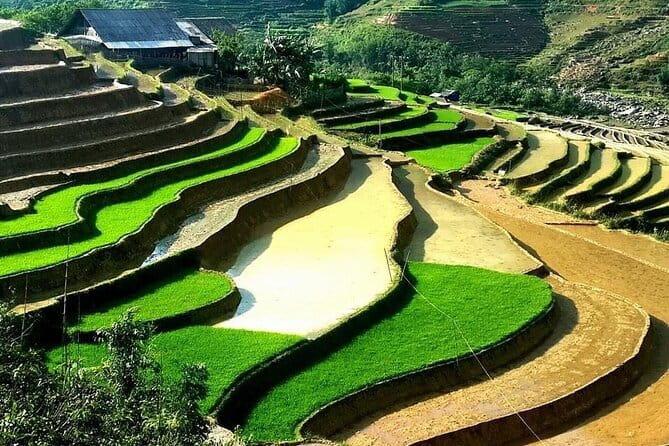
- Giang Ta Chai trek through 4 hamlets: That route length gives you more than a quick village stop.
- Meet two minority communities: The day includes visits to different cultural groups, not just scenery.
- Homestay with local hospitality: You’ll share daily rhythm with the host family.
- Early morning village atmosphere: You’re likely to hear households before you even start walking.
Sapa by Night Train: Why This Route Feels Different
Taking the night train changes the whole mood. Instead of “fly or drive there, then start trekking,” you’re already in transit when most people are asleep. That means you wake up closer to Sapa’s hill-country pace and can start the village day earlier.
It also tends to make the trip feel more like a journey than an attraction. You’re not just ticking boxes. You’re riding through the night, getting deposited in Lao Cai, then walking village paths with a guide who keeps you oriented and moving.
And for a trip that costs $165 per person, the big value is that it bundles transportation plus real time in the hills, rather than selling transport separately and charging extra for everything else.
You can also read our reviews of more evening experiences in Hanoi

Hanoi Start and the Practical Stuff That Saves Your Day
Your day begins with a 7:00 am start time at the meeting point, but the flow starts the night before. In Hanoi, you’ll meet the Vega Travel team at their office first. That stop matters more than it sounds: you can store luggage and freshen up while your group gets organized.
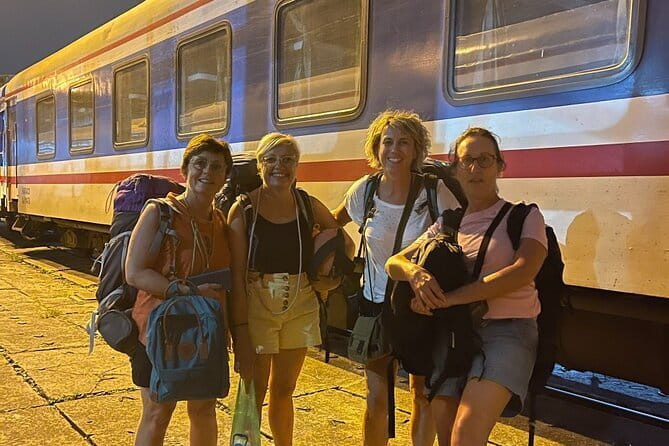
Later, you’re transferred to Hanoi train station around 20:30–20:45, check in to the train around 21:30, and leave about 22:00. The key here is pacing. If you’re the type who likes to “figure things out,” you’ll still feel supported because the timing is tight and the staff handle the handoffs.
Also note: this trip is built for a strong physical fitness level. If you’re recovering from injury or you don’t like long, uneven walks, you should think carefully before booking.
Night Train to Lao Cai: Comfort Level vs Realistic Expectations
The listing calls it a night train experience, and the schedule makes it clear: you’re on the train for a long stretch, then arrive in Lao Cai early the next morning. That day structure keeps you from burning daylight on the ride.
You’ll have meals covered (more on that soon), but remember that a train ride is still a train ride. Bring what helps you sleep: something for comfort, and a plan for staying warm enough. The route depends on weather and operating conditions, so if you’re sensitive to schedule changes, keep your expectations grounded.
The best part is what happens after you arrive: you’re not stuck in transit all day. You get moving into Sapa with time for the trek and village visits.
From Lao Cai to Sapa Town: Shower Time and Trek-Prep Energy
The morning after the overnight train, you arrive at Lao Cai station. Then you’re picked up and taken to Sapa town first. The order is smart: you get access to a shower and luggage storage so you’re not starting your trek tired, damp, and stuck carrying everything.
This is also where you reset mentally. After a night of train travel, you get a clean break before hiking. That makes the day feel manageable even when the walking is not.
If you’re wondering whether the trip is rushed, the schedule suggests it’s efficient. The upside is you pack in more experience. The downside is you shouldn’t plan to linger in town for long shopping breaks before the trek.
Giang Ta Chai Village: Trekking Through 4 Hamlets
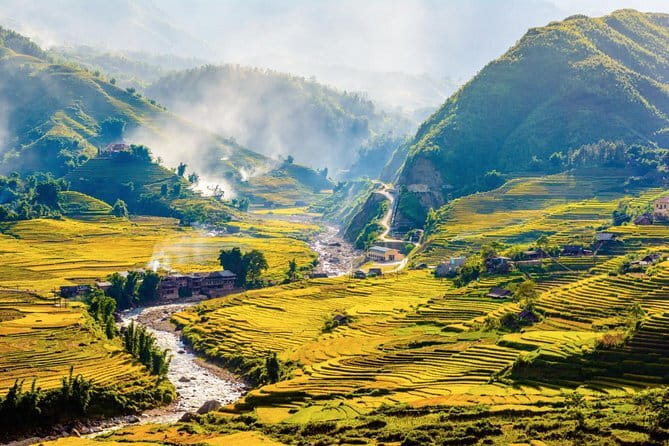
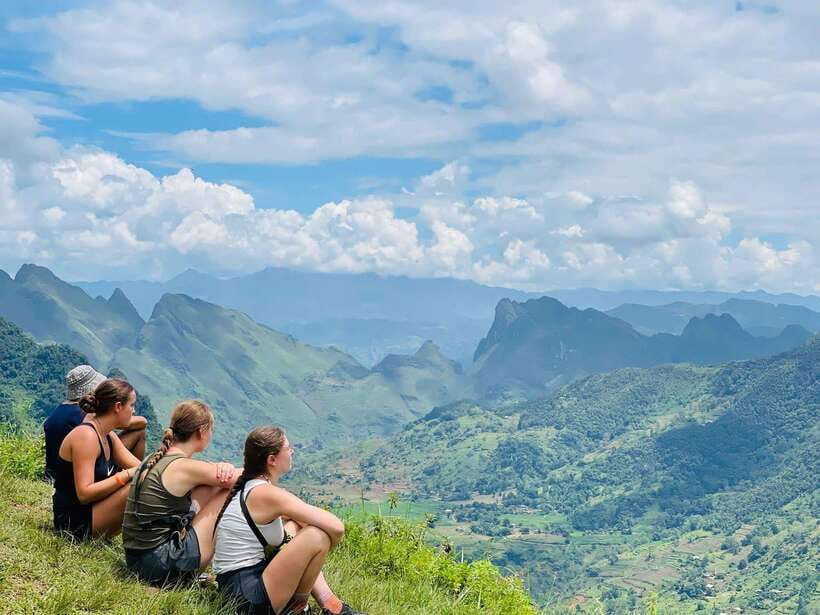
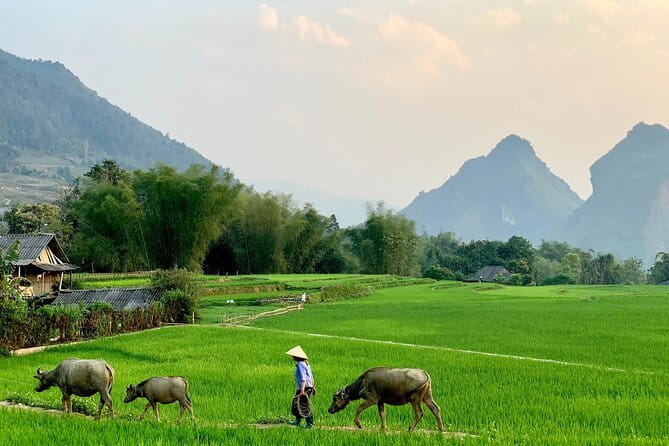
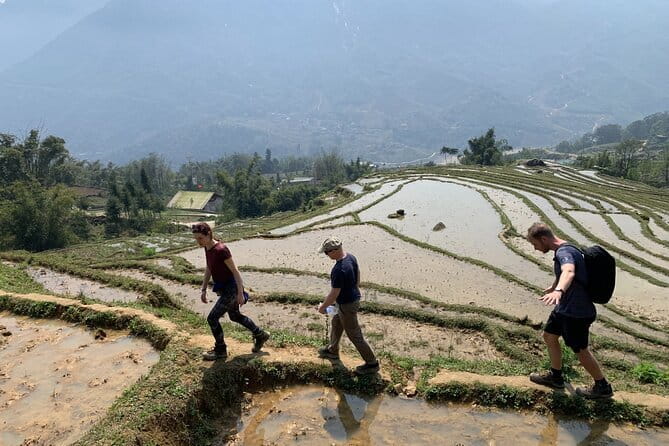
Day two is built around Giang Ta Chai Village and a 5–6 hour trek across 4 hamlets. That detail is important. This isn’t a short stroll with a couple photos. You’re walking enough to feel like you’ve left the road behind.
The trek also includes visits to two different minority groups. The region of Sapa is home to multiple ethnic communities, and the tour experience is designed to show that variety through people and daily life rather than just a market stop.
One thing I’d plan for: communication and pacing. Even if you speak some basics, you’ll still rely on your guide for the flow of village visits, introductions, and translations. In feedback, guides like Tú are described as adjusting the tour to the group’s needs, which is exactly what you want on a long trekking day.
The route through hamlets is where the day’s value lives. It’s the part that gives you an “I walked there” feeling, not an “I drove past it” feeling.
You can also read our reviews of more hiking tours in Hanoi


Homestay Night: Food, Family, and Morning Household Life

The trip is sold with homestay time, and your meals are clearly part of the package: dinner plus two breakfasts and two lunches are included. That’s not just convenience. It also means you can focus on the experience without worrying about meal logistics during the trekking rhythm.
Homestay time is where cultural contact becomes real and not scripted. In feedback, hosts from the H’mong community are specifically called out for treating people warmly—like family, not like a paid stop.
The morning after you sleep in the homestay is also part of the program. The day-three trek description notes that you can be woken by households as the day starts. That’s a small detail, but it’s the difference between a “tour night” and a lived-in night.
Practical tip: choose sleep expectations accordingly. You’re in a village setting, so the experience isn’t trying to mimic a hotel. If you want quiet and predictable routines, you might find this part challenging. If you can roll with it, you’ll likely remember it longer than any viewpoint.
Day Three Trek in Sapa: A 3–4 Hour Route With Surprises
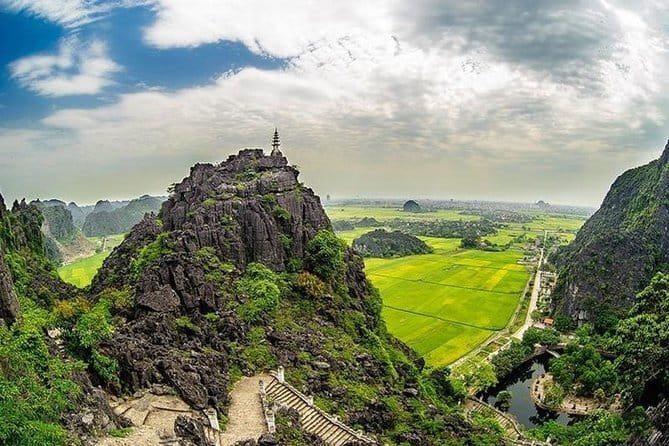
Day three brings a 3–4 hour trekking segment in Sapa with “surprises” and early-morning village atmosphere. This second trek is a good complement to the Giang Ta Chai day because it gives you variety: different paths, different views, and a new set of interactions.
Since the schedule includes those early household sounds and daily life observations, plan to wake up with curiosity, not frustration. That early rhythm is part of why homestay-based trekking is worth it.
Also, the trek is described as including time for photos and quick breaks in spots with good views, guided by local insight. In feedback, Tú is mentioned as taking people along paths away from heavier crowds, which is a big deal if you dislike feeling herded.
The walking time is shorter than day two, but it’s still a trek. Bring layers, good footwear, and water discipline. Don’t treat this like a stroll.
Price and Logistics: What $165 Really Buys You

At $165 per person, this is not a budget add-on. But it’s also not an all-exclusive luxury package. The value comes from what’s included:
- Transportation support (pickup and the night train route structure)
- Air-conditioned vehicle during transfer parts
- Meals: dinner, 2 breakfasts, 2 lunches
- Admission ticket included where noted
- Mobile ticket
- Group discounts (depending on your booking situation)
- A max of 8 travelers, which is less common at this price point for tours with homestays
When I look at value, I don’t just ask what you pay. I ask what it would cost you to replicate it. A proper guided trek with village access, plus homestay logistics, plus meal coverage, plus transportation support, is hard to recreate on your own without spending lots of time coordinating.
So if you want a guided experience that handles the moving pieces, this pricing makes sense.
Who This Trip Fits Best (and Who Should Skip It)
This trip is best for you if:
- you like guided walking experiences that last hours
- you enjoy cultural contact with local families and minority communities
- you’re okay with early starts and a schedule that moves
- you want a small group and a guide who adjusts to your needs
It might not be the right fit if:
- you hate physical hiking on uneven paths
- you need a very quiet homestay night
- you’re expecting a “comfortable hotel base with daily tours”
It also helps if you’re travel-flexible. The experience requires good weather, and that matters for trekking.
Small Cautions Before You Go
Two practical points to keep in mind:
1) Weather matters. The tour notes that the experience requires good weather. If conditions are poor, you’ll be offered another date or a full refund. Either way, don’t book this as the only fixed plan in a tight itinerary.
2) Pace and fitness are real. The requirement for strong physical fitness isn’t marketing fluff. You’re doing 5–6 hours on day two. You’ll want sturdy shoes and a body that can handle elevation and footpaths.
One more thing: keep expectations aligned with group travel. Even with a max of 8 travelers, you’re moving as a group, so you won’t have total freedom to wander off on your own.
Should You Book the Sa Pa Trekking 2 Days 3 Nights Homestay by Night Train?
I’d book it if your goal is to see Sapa in a way that includes walking, people, and real village time, not just viewpoints. The strongest reasons are the combination of the overnight train approach, the multi-hamlet trek at Giang Ta Chai, and the homestay night with warm local hospitality. If you’re the kind of traveler who likes that hands-on feel, this is a strong match.
I’d think twice if you’re injury-prone, dislike overnight train logistics, or want a very quiet, hotel-like homestay experience. Also, because it depends on good weather, you’ll want at least a bit of flexibility in your Vietnam dates.
If you do book, I suggest you pack like you’re trekking and sleeping in a village setting: layers, good footwear, and the patience to enjoy the mornings as they come.
FAQ
How long is the trek and overall experience?
It runs for about 3 days, and it’s offered as a 2-day / 3-night format with a night train and homestay component.
Where does the trip start in Hanoi?
You start with a meeting point in Hanoi at 7:00 am, and the tour also includes time to transfer you to Hanoi train station later that night.
Is pickup included?
Yes. Pickup is offered, and you’re also supported with transfers after arriving in Lao Cai.
How many people are in the group?
The experience has a maximum of 8 travelers.
How challenging is it?
You should have a strong physical fitness level. The schedule includes trekking days of 5–6 hours and 3–4 hours.
What meals are included?
Dinner is included, along with 2 breakfasts and 2 lunches.
Does the tour include transportation?
Yes. You’ll use an overnight train as part of the route, and an air-conditioned vehicle is included for the transfer parts.
Do I get tickets or a way to access the tour?
You get a mobile ticket.
Will I have a guide?
Yes. Vega Travel provides a guide, and names such as Tú and Tang Thi are mentioned in the available feedback.
What happens if weather is bad?
The experience requires good weather. If it’s canceled due to poor weather, you’ll be offered a different date or a full refund.