REVIEW · CAN THO
Largest Floating Market, Wild Small Canal System & Organic cocoa
Book on Viator →Operated by Mekong Realism · Bookable on Viator
Float mornings in Vietnam start on water. This Can Tho trip strings together the largest floating market in Vietnam, narrow jungle canals for a calmer pace, and two very hands-on food stops tied to local families and long traditions.
I really like the way the morning food is handled: you get breakfast right in the market area—noodle soup plus bread—and it’s paired with strong Vietnamese coffee. I also love the end of the day focus on real production, from a rice noodle workshop to an organic cocoa farm with a family story that goes back to plants brought home from Malaysia in 1960.
One consideration: you start early (6:45 am) and you’ll spend time in the sun on the boat, so plan for heat and weather. If it rains, the tour may shift, since it requires good conditions.
In This Review
- Key Highlights You Should Not Miss
- Cai Rang Floating Market: Where Your Morning Comes Alive
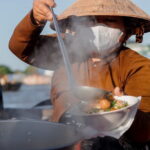
- Breakfast on the Water: Noodle Soup, Bread, and Strong Coffee
- My Khanh Canals: The Quiet Reset After the Market
- Lò hủ tiếu Chín Của: Traditional Rice Noodles in Real Time
- Muoi Cuông Cocoa Farm: Organic Chocolate With a Family Origin Story
- Price and Value: Why $38 Can Feel Fair (Not Just Cheap)
- Logistics That Actually Affect Your Day: Pick-Up and Timing
- Weather reality check
- What to Bring (So You Enjoy It, Not Just Tolerate It)
- Who This Tour Suits Best
- Should You Book This Can Tho Floating Market and Cocoa Tour?
- FAQ
- What time does the tour start?
- Where does the tour meet?
- How long is the tour?
- Is the floating market admission included?
- Are the noodle village and cocoa farm admissions included?
- What food and drinks are included?
- How large is the group?
- Do you offer hotel pick-up?
- What happens if the weather is poor?
Key Highlights You Should Not Miss
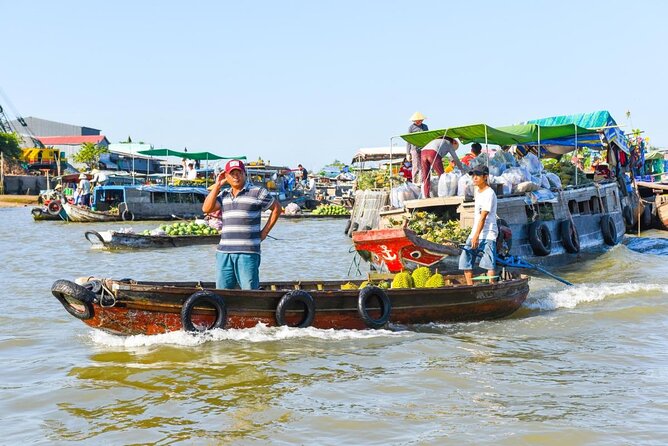
- Cai Rang at first light: you’ll see how produce gets traded from boat to boat on Vietnam’s biggest floating market
- My Khanh canal cruising: small, winding waterways with time to slow down and relax
- Rice noodle production at Lò hủ tiếu Chín Của: watch locals make noodles the traditional way (more than half a century of practice)
- Muoi Cuông organic cocoa farm: learn how a family introduced cocoa plants after a trip to Malaysia in 1960
- Food and drinks are included: noodle soup breakfast, coffee/tea options, and fruits like mango, pineapple, and jackfruit
Cai Rang Floating Market: Where Your Morning Comes Alive
Cai Rang floating market is one of the best ways to understand the Mekong Delta fast. This is where boats act like moving stalls. The trade feels practical—produce, groceries, and everyday items—because that’s what people need and what farmers bring in.
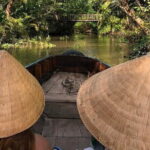
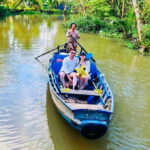
You’ll ride a sampan through the market area and watch trading up close. Expect lots of fruit and vegetables on display (think pineapples and other common Mekong harvest items). The point isn’t shopping. The point is seeing how locals solve daily logistics using the river.
The trip keeps a good rhythm: you’re on the water long enough to see activity build, but you’re not stuck there forever. It’s about a 2-hour stop, and admission is included as part of the tour. That matters because it keeps the experience moving instead of turning into a ticket-hunt day.
Practical tip: if you want photos, pay attention to where your guide asks you to shift on the boat. The best shots are usually from slightly different angles at slightly different moments when boats line up. Bring a phone strap or keep it secure—boat mornings are full of small movements.
You can also read our reviews of more shopping tours in Can Tho

Breakfast on the Water: Noodle Soup, Bread, and Strong Coffee
This tour’s breakfast is a big part of why it works. You don’t eat in a rushed restaurant. You eat while you’re still surrounded by market life.
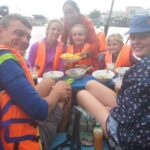
You’ll get noodle soup and bread for breakfast, plus drinks like Vietnamese coffee. The drink list on this trip is broader than most: coffee, and options like orange, chocolate, coconut, and water are included. That’s great if not everyone in your group drinks coffee, or if you want to balance it with something lighter.
The other smart touch is the fruit. You’ll have mango, pineapple, and jackfruit during the morning for snacking. In a place where you’re outside early and moving, that’s not a small detail—it’s fuel.
From a comfort standpoint, mornings in Can Tho can feel intense even when the market is lively rather than frantic. One reason this tour earns top marks is how smoothly the timing supports you. You start eating before you’re fully tired from the early wake-up, which helps the rest of the day feel enjoyable instead of “we’re just surviving.”
Don’t forget sunscreen. Even with shade on the boat, you’ll still catch sun when the ride shifts and stops.
My Khanh Canals: The Quiet Reset After the Market
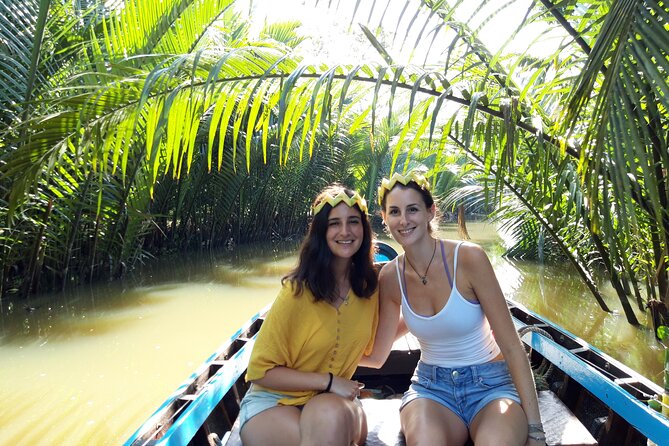
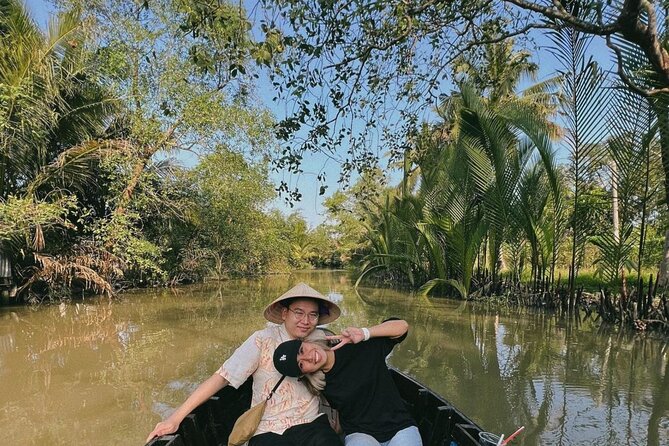
After Cai Rang, the pace changes. You cruise into the jungle area via small, complex canal systems that feel very different from the open market water.
This is the part that gives your brain a break. The canal network is narrower, calmer, and surrounded by greenery. You’ll have time to relax—think of it like a natural pause built into the itinerary, not an optional add-on.
The practical value here is big. If you only see markets, you mostly learn the trading side of the Mekong. Here, you also see the living side: waterways as home, travel route, and workspace all at once. The tour notes that these canals are a serene home to diverse flora and fauna, and in reality that means the scenery stays softer and more watchable.
Stop 2 is about 1 hour 30 minutes, and admission isn’t something you’re paying at the door. The visit is designed around cruising—so your guide can explain what you’re seeing as you go.
Tip for the canal section: keep your camera handy but don’t hold it in one position the entire time. Look around first—motion comes from the boat, not from your arms. Also, if you tend to get motion-sick, take a few deep breaths when the boat turns into tighter channels.
Lò hủ tiếu Chín Của: Traditional Rice Noodles in Real Time
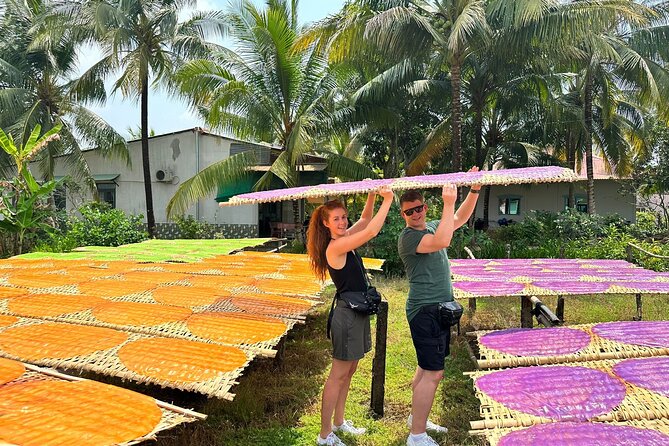
At some point in most Mekong trips, you end up seeing “food” but not the process. This stop goes after the process.
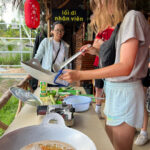
At Lò hủ tiếu Chín Của, you see how local people produce noodles using traditional methods that have been around for decades—over half a century, according to the tour description. This is a strong stop for anyone who likes learning how everyday items are made, not just where they’re sold.
Expect to watch the noodle-making steps in a working setting. You’re not just peeking from the outside. The goal is to show how rice gets turned into noodles in the way locals have practiced for generations.
This stop is about 1 hour, and admission is included. That’s helpful because it signals the tour wants you to focus on the craft rather than navigating entrance fees and rules yourself.
Who tends to love this stop: food lovers, families, and anyone who enjoys food history without the museum tone. It’s hands-on learning that feels connected to real life.
Muoi Cuông Cocoa Farm: Organic Chocolate With a Family Origin Story
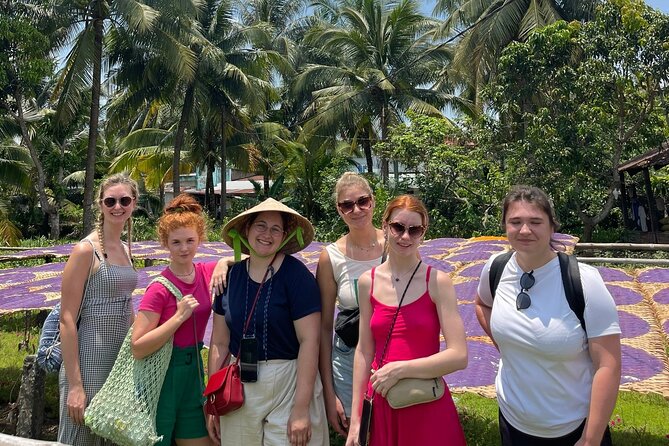
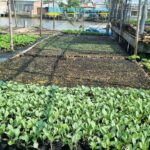
The final food stop is the cocoa farm at Muoi Cuong Cocoa Farm. It’s not presented as a fancy “chocolate experience.” It’s presented as an organic farm with family processing—exactly the kind of place where you understand why products taste the way they do.
Here’s the origin story you’ll hear: the owner’s father brought cocoa plants back from Malaysia in 1960. That date matters because it connects today’s chocolate products to a long, patient effort instead of a brand-new hobby.
The tour also emphasizes that the chocolate goods are handmade and processed, which usually means you get more than just a quick photo stop. You’ll also stroll through nearby village areas in the local community, so it doesn’t feel like a one-room factory visit.
Stop 4 runs about 1 hour, and admission is included. Since the tour includes chocolate options in the drink set and you’re ending with cocoa production, it’s a natural payoff to all the food you’ve already been eating earlier that day.
If you’re a chocolate skeptic: you’ll likely leave with a more practical idea of what goes into cocoa farming and processing—not just what ends up on a store shelf.
A few more Can Tho tours and experiences worth a look
Price and Value: Why $38 Can Feel Fair (Not Just Cheap)
Let’s talk money honestly. At $38 per person for a 5 to 6 hour morning, you’re not paying just for sightseeing.
You’re paying for:
- sampan/boat time covering multiple stops
- a local English-speaking guide to explain what you’re seeing
- breakfast items: noodle soup and bread
- included drinks (coffee plus options like orange, chocolate, coconut, and water)
- fruits such as mango, pineapple, and jackfruit
- included admission for the two production stops (noodle village and cocoa farm)
The floating market and canal cruising stops don’t require additional paid admission within the tour, and the production visits are included. Put together, it’s the kind of package that helps you avoid stacking separate entry fees and transport costs.
Also, the group size is capped at 20 travelers, which matters for two reasons. First, it keeps boat maneuvering and explanations easier for the guide. Second, it generally makes the experience feel less like a conveyor belt.
If you’re already planning to see Can Tho’s market scene and you also want food culture (not just food photos), this is good value.
Logistics That Actually Affect Your Day: Pick-Up and Timing
This tour starts at 6:45 am. That early start is the trade-off for getting market life while it’s still active and easier to navigate.
You’ll meet at An Binh Market (ĐT923, An Bình, Ninh Kiều, Cần Thơ, Vietnam). The good news: if you’re staying at certain hotels, you can get free pick-up. The tour lists options including:
Sheraton Can Tho, Victoria Resort, Wink Hotel, Charmant Suites Can Tho, MEKONG LEGACY RESORT office, Con Khuong Resort, Vam Xang Rustic, Mekong Silt Ecolodge, TTC hotel, Lion Hotel, Iris hotel.
So if you’re in one of those areas, you can often avoid the early scramble across town.
You’ll end back at the meeting point. That’s convenient because it keeps your afternoon open. Can Tho afternoons are usually best spent at your own pace—maybe a local meal, maybe a slower stroll—without needing to plan another transport step.
Weather reality check
The experience requires good weather. If conditions aren’t right, you’ll be offered a different date or a full refund. That’s worth factoring in if your itinerary is tight.
What to Bring (So You Enjoy It, Not Just Tolerate It)
This isn’t a “sit in a car” tour. You’re on boats and around food production spaces, so your comfort kit matters.
Bring:
- sunscreen (most important in the morning sun)
- a hat or cap
- water (even though water is included, it’s still smart to have your own)
- a light rain layer or poncho just in case
In practice, guides often provide hats for sun and help with rain coverage if the weather shifts, so you’re usually not totally on your own—but plan like you are.
If you wear a little motion-friendly mindset—take breaks, keep your phone secure, and stay hydrated—this day feels smoother.
Who This Tour Suits Best
This tour is a strong fit if you want:
- a real Mekong Delta morning with both market life and food making
- a small-group feel (max 20)
- a trip that stays practical: you eat, you move, you learn, you relax on the canals
It may be less ideal if you:
- hate early starts
- want lots of “big monument” sightseeing instead of food and river culture
- prefer long museum-style explanations over active seeing and tasting
One thing I appreciate is how the day balances busy market energy with quieter canal time. That swing keeps the experience from feeling one-note.
Should You Book This Can Tho Floating Market and Cocoa Tour?
Yes—if your goal is an authentic food-and-river day, this is one of the better ways to spend your time in Can Tho. You get a top Mekong market stop, then a calmer canal cruise, and you finish with two production-focused visits that explain how rice noodles and cocoa become part of daily life.
The main reason to book is the combination: breakfast on the water + hands-on food culture. If that matches what you want from the Mekong Delta, you’ll likely feel satisfied even if you’re not a “tour person.” The price also feels fair because you’re not paying extra for the core activities and you leave fed, not just educated.
FAQ
What time does the tour start?
It starts at 6:45 am.
Where does the tour meet?
The meeting point is An Binh Market (ĐT923, An Bình, Ninh Kiều, Cần Thơ, Vietnam).
How long is the tour?
The duration is about 5 to 6 hours.
Is the floating market admission included?
Yes. Admission is free for the Cai Rang Floating Market stop and the My Khanh stop.
Are the noodle village and cocoa farm admissions included?
Yes. Admission is included for Lò hủ tiếu Chín Của (noodle village) and Muoi Cuong Cocoa Farm.
What food and drinks are included?
You’ll have noodle soup and bread for breakfast, plus drinks such as coffee and options including orange, chocolate, coconut, and water. Fruits like mango, pineapple, and jackfruit are also included.
How large is the group?
The tour has a maximum of 20 travelers.
Do you offer hotel pick-up?
Yes, free pick-up is offered from several Can Tho hotels listed by the tour provider. If you’re not staying at one of those, you’ll meet at An Binh Market.
What happens if the weather is poor?
This experience requires good weather. If it’s canceled due to poor weather, you’ll be offered a different date or a full refund.