REVIEW · CAN THO
Can Tho: Floating Market & Mekong’s Legacy( About 6 Pax)
Book on GetYourGuide →Operated by Mekong By Local · Bookable on GetYourGuide
Waking up early changes how you see the Mekong. This half-day tour makes the river feel real, with Cai Rang at sunrise and breakfast on the boat right as the market wakes up. I like that the pace stays human: a quiet canal drift, a village walk, a hammock-and-fruit break, and hands-on cooking with a local family. The main drawback is the early start (around 5:30 AM), so you’ll need to be ready for a slightly sleepy morning.
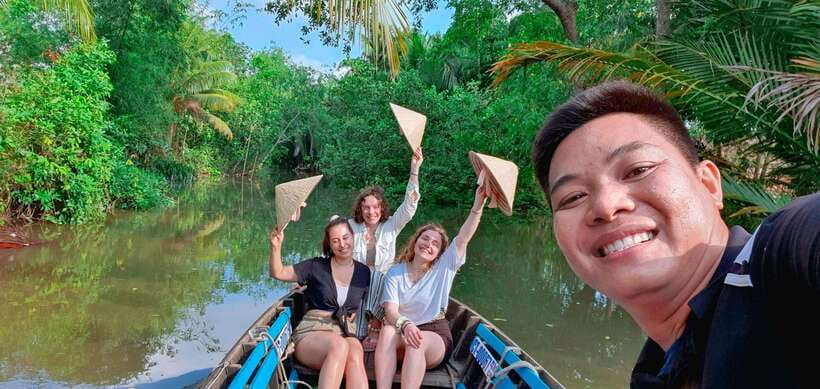
What makes the day click is the guide’s tone. I noticed English-speaking guides like Sophia, Khôi, Cory, Clara, Sunny, and Quyen all seem to mix clear explanations with humor, which helps when you’re surrounded by boats, produce, and fast river talk. For Can Tho, this is the kind of small-group format (about 6 people) where you can actually ask questions instead of shouting over a crowd.
One more reality check: the floating market may feel smaller and calmer than the biggest, older photos you’ve seen. Even so, you’re still in the right place for how people live here—trade at dawn, quieter canals afterward, then a second, more intimate look back on the water.
In This Review
- Key things I’d book this for
- Cai Rang sunrise and boat breakfast: the best moment comes early
- What’s great, and what to watch
- Quiet canals and a village walk where the day moves slower
- The small-group advantage
- Cooking and tea with local families: hands-on beats watching
- Why this matters for value
- Fruit, hammock break, and a real pause by the water
- What to do during the pause
- Back on the river: a second Cai Rang look and life on boats
- A reality check worth knowing
- Price and logistics: what $26 buys, and how to show up ready
- Meeting point and pickup
- What to bring
- When the tour runs long
- Who should book this Mekong by Local style tour
- Should you book Can Tho Floating Market & Mekong’s Legacy?
- FAQ
- What time does this tour start in Can Tho?
- How long does the experience last?
- Is there pickup from hotels in Can Tho?
- Where do we meet the guide?
- What food and drinks are included?
- Do you offer vegetarian options?
- What activity involves cooking?
- What kind of boat transportation is used?
- What should I bring for the trip?
- Who is this tour not suitable for?
Key things I’d book this for
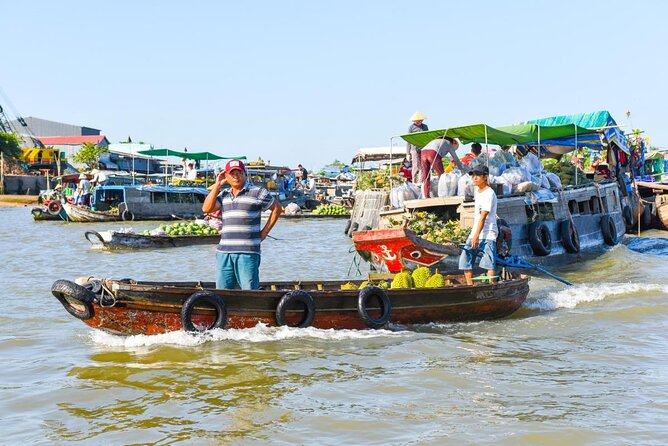
- Cai Rang floating market at dawn with a calmer, less touristy feel
- Breakfast served on the sampan plus Vietnamese coffee and a savory noodle option
- Quiet canals + a short village walk for everyday riverside life
- Hands-on cooking (often traditional pancakes) and tea with local families
- Hammock, fresh fruit, and a slow pause by the river before heading back
Cai Rang sunrise and boat breakfast: the best moment comes early
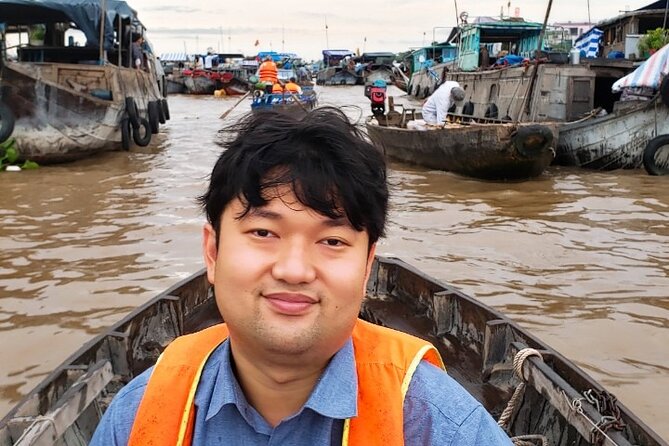
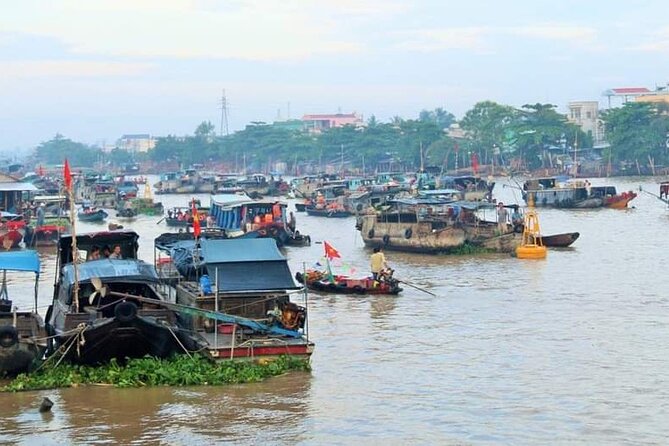
Your morning begins around 5:30 AM in Can Tho. That’s early on purpose. At dawn, Cai Rang Floating Market isn’t just a photo stop—it’s when you see the rhythm of trading before the heat kicks in and before the day gets busier.
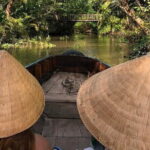
Once you’re out on the sampan boat, the sights and smells start building fast: vendors calling, boats nudging into position, and breakfast steam drifting in the air. The breakfast is part of what makes this work. You’re not eating later in a café; you’re eating where the day actually happens.
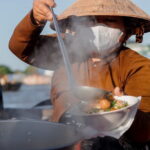
Expect something like a savory noodle soup breakfast on board, plus Vietnamese coffee. Vegetarian options are available, so if you have dietary needs, tell the team in advance. If coffee and soup on a rocking boat sounds like the right kind of chaos, you’ll get it immediately.
You can also read our reviews of more shopping tours in Can Tho

What’s great, and what to watch
I love that the guide doesn’t only point at boats. They share context about why Cai Rang matters and what you’re seeing. Guides such as Sophia and Khôi are often praised for explaining the market in a way that makes the place stick in your mind.
The only thing to watch is sun and comfort. You’ll be on the water early, but you can still feel the tropical sun fast once you’re back near land or when the day warms up. Bring sunglasses, sunscreen, a hat, and water, and wear shoes you don’t mind getting a little dusty.
Quiet canals and a village walk where the day moves slower
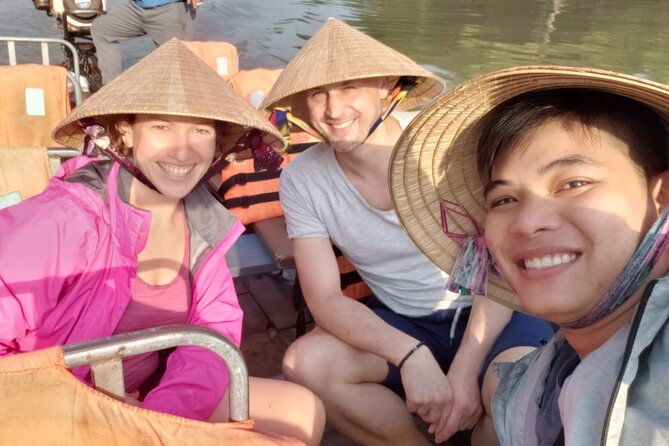
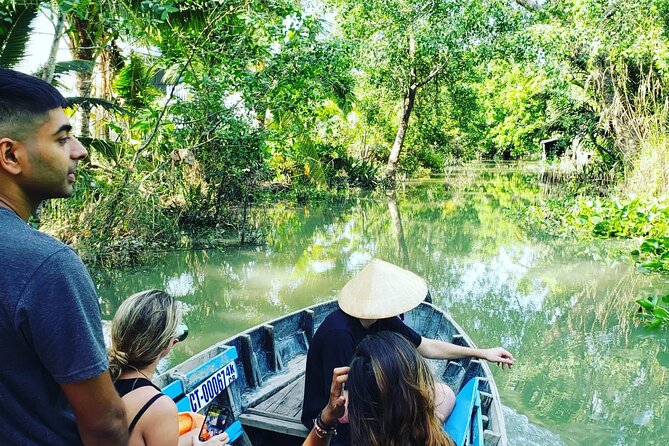
After Cai Rang, the day shifts gears. Instead of staying glued to the busiest water lanes, you drift into smaller, quieter canals and slow down.
This is where the Mekong Delta starts to feel less like a checklist and more like everyday life. You’ll notice the difference right away: fewer sales calls, more birds and breeze, and more riverside views that don’t feel staged for visitors.
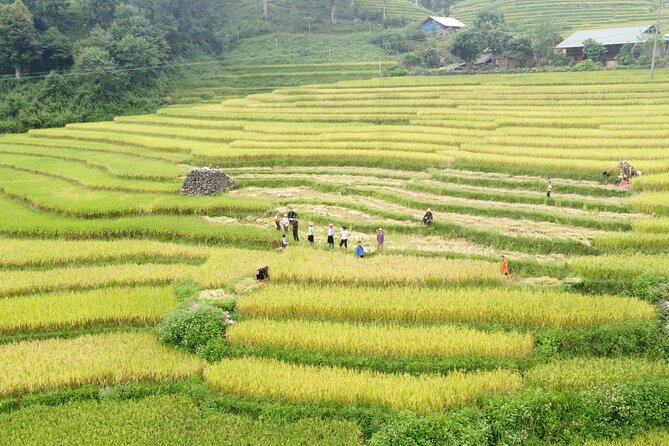
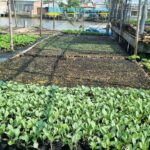
Then you step ashore for a short village walk. This stretch is important because it shows you how river living affects everything: gardens, homes, and the simple fact that many daily routines orbit the water. Far from the crowds, it’s the kind of walk that helps you understand what you’re seeing from the boat.
The small-group advantage
With a group of around 6 people, this part feels comfortable. I like that you can move at an actual walking pace without getting pulled forward like you’re in a line. You can also ask questions when something catches your eye—fruit trees, boat life, everyday chores—without losing your spot.
If you’re the type who likes to look at details and talk to locals, this is the section that usually becomes a highlight.
Cooking and tea with local families: hands-on beats watching
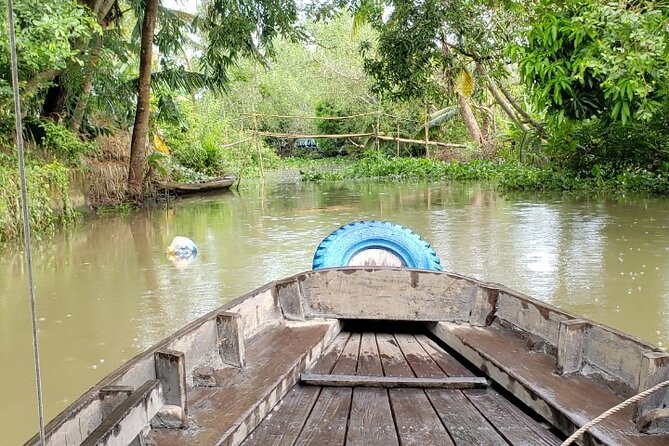
One of the strongest parts of this tour is that you get hands-on local experiences, not just a cooking demonstration from a distance.
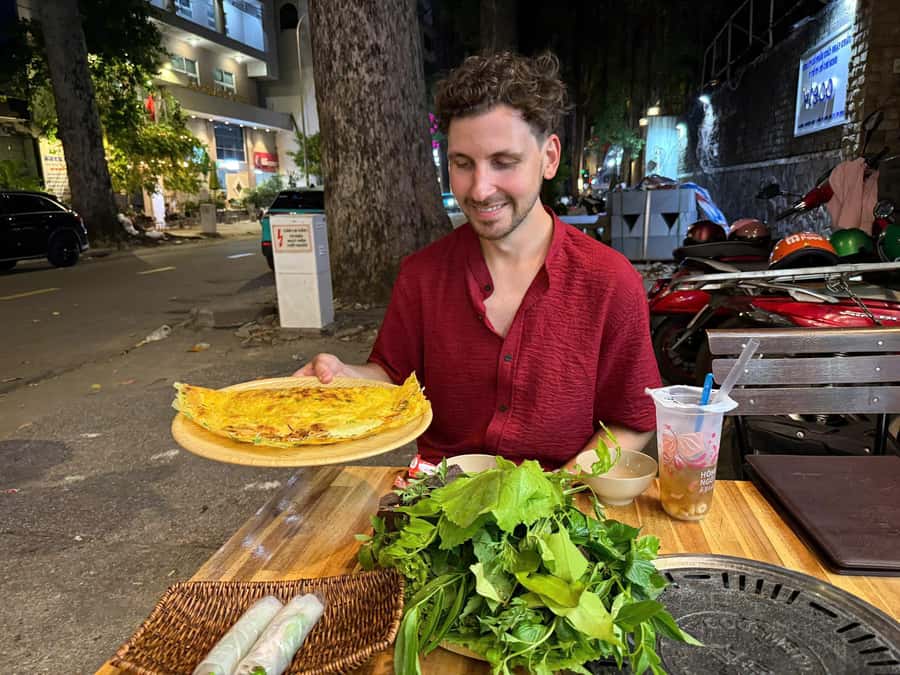
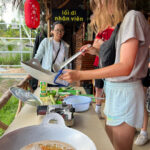
You’ll visit a family home area where the focus is daily life—then you learn cooking techniques using traditional methods. In practice, this often means making traditional pancakes, and in particular I’ve seen people mention banh khot–style savory pancakes as the hands-on element.
You don’t just make the food and leave. The best part is that it’s served as a shared meal, often paired with tea. That tea-and-food rhythm is very Mekong: simple, warm, and meant for conversation.
A few more Can Tho tours and experiences worth a look
Why this matters for value
A lot of tours spend money on extra attractions that feel interchangeable. Here, your value comes from time spent with people: firewood cooking, basic kitchen steps, and the small cultural explanations that make the meal mean more than the recipe.
In the reviews data you provided, guides like Cory and Sophia are frequently described as especially good at connecting food to daily life, not treating it like entertainment. Cory in particular comes up in notes about humor, clear communication, and being helpful with dietary needs.
So if you’re vegetarian (or have stricter needs), you’ll want to message ahead. The tour data says vegetarian options are available, and at least one account notes a vegan option was handled when dietary preferences were shared ahead of time.
Fruit, hammock break, and a real pause by the water
Between the village activities and the second look at the market, you get a hammock and fruit break. This isn’t fluff. It’s the decompression you need after early mornings and active boat time.
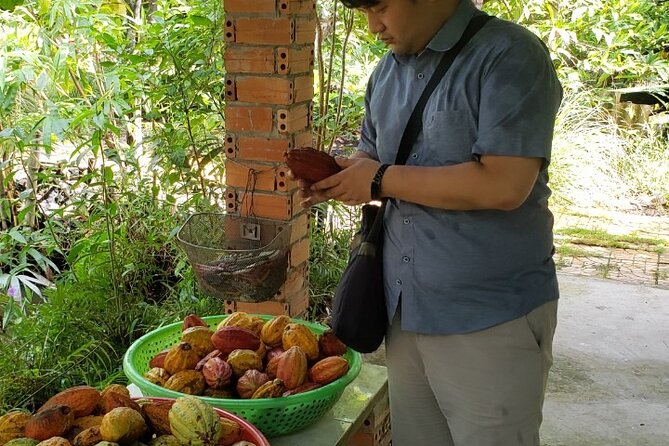
You’ll enjoy fresh seasonal fruits and green tea in a thatched, riverside setting. In weather terms, this break also helps your body. It gives you shade, hydration, and a chance to cool down before heading back out.
What to do during the pause
I treat this as a chance to switch from sightseeing mode to noticing mode. Watch the water, glance at the riverbank routine, and let the morning settle. If you’re traveling with kids or anyone who hates rushed schedules, this hammock time is usually the moment everyone remembers fondly.
Back on the river: a second Cai Rang look and life on boats
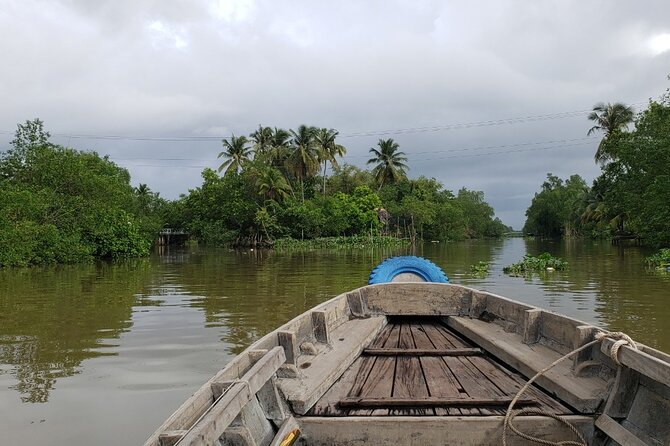
Near the end of the morning, you return for another look at the floating market, when it’s quieter and feels more intimate. This second view matters because it changes the story.
At dawn, Cai Rang is about motion and early trade. Later, you can see more carefully: how people move through their boats, how goods are arranged, and how vendors interact once the peak bustle has eased.
You may also stop at a floating house and spend time observing river life and meeting vendors. That’s one of the reasons the tour has such strong feedback: it gives you a glimpse of how people live on the water beyond what you’d ever see from a dock.
A reality check worth knowing
One honest note from the provided reviews: the floating market may feel less active than in the past, and you might notice environmental issues like plastics in the river area. Even with that, the day’s structure still points you toward daily life—canals, family visits, cooking, and river rhythm—so it doesn’t collapse into disappointment if Cai Rang isn’t as loud as you expected.
Price and logistics: what $26 buys, and how to show up ready
The price is $26 per person, for a 6-hour (about 390 minutes) experience. That’s good value in this part of Vietnam because you’re getting a bundle: early boat time, guide interpretation in English, breakfast on the water, fruit and tea, a hands-on food activity, and multiple river settings (market, canals, village, family visit, then a second market look).
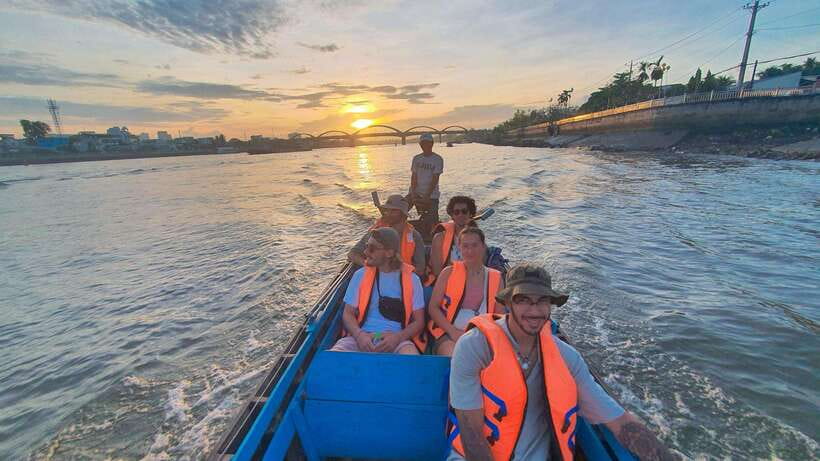
Transportation is included, and it’s done by sampan boat, which is a big part of why the day feels different from standard coach tours.
Meeting point and pickup
For the group tour, there’s no pickup. You’ll meet next to Ben Pha Xom Chai, and your guide waits with a sign. For private tours, pickup can be optional.
Your guide contacts you one day before, and you’ll want to provide a WhatsApp number so that communication is smooth.
What to bring
Pack like you’re going out on a boat in warm weather:
- Comfortable shoes
- Sunglasses
- Sun hat
- Sunscreen
- Water
- Insect repellent
- Comfortable clothes
Also plan to arrive a few minutes early. Starting on time matters when you’re traveling with the river schedule.
When the tour runs long
The duration is around 6 hours, but it can stretch a bit depending on river current. That’s normal in waterways like the Mekong Delta, and it’s one reason this tour is best done when you don’t have tight afternoon plans.
Who should book this Mekong by Local style tour
This tour fits best if you:
- Want real river life more than museum-style sightseeing
- Enjoy early starts and small-group days (around 6 pax)
- Like to eat what you cook and have a conversation at the table
- Prefer quiet canals and village moments over long lists of big stops
It may not be right for you if you:
- Are pregnant, have back problems, or use a wheelchair
- Have concerns with altitude sickness (listed as not suitable)
- Are over 95 years (also listed as not suitable)
Should you book Can Tho Floating Market & Mekong’s Legacy?
Yes, if your goal is a half-day that feels placed on the river, not delivered from a checklist. I’d book it when you want dawn energy, a boat breakfast, quiet canals, and a family-based cooking moment.
Skip it (or manage expectations) if you know you need a high-energy, constant-market bustle the entire time. Cai Rang can be calmer, and you’re also choosing a path that moves away from the most touristy stops. That’s the point, and it’s why the experience tends to land so well.
If you’re flexible, bring sun protection, message dietary needs ahead, and show up ready to listen. The best part of this kind of tour is that it teaches you how to look at the Mekong Delta like a local day would.
FAQ
What time does this tour start in Can Tho?
The tour starts at 5:30 AM.
How long does the experience last?
It lasts about 6 hours (390 minutes), though it can run a little longer depending on river conditions.
Is there pickup from hotels in Can Tho?
For the group tour, there is no pickup. The meeting point is next to Ben Pha Xom Chai. Pickup is available for private tour options.
Where do we meet the guide?
The group meets next to Ben Pha Xom Chai. The guide will wait with a sign.
What food and drinks are included?
You get an authentic local breakfast on the boat (savory noodle soup), plus traditional drinks, tropical fruits, and green tea.
Do you offer vegetarian options?
Yes. Vegetarian options are available for the breakfast.
What activity involves cooking?
You join a hands-on traditional cake making / cooking activity, and the food is then eaten during the experience.
What kind of boat transportation is used?
You travel by sampan boat.
What should I bring for the trip?
Bring comfortable shoes, sunglasses, a sun hat, sunscreen, water, comfortable clothes, and insect repellent.
Who is this tour not suitable for?
It is not suitable for pregnant women, people with back problems, wheelchair users, people with altitude sickness, and people over 95 years.