Tra Su Cajuput Forest feels like a slow breath. You start with a long ride through rice paddies, then glide by boat through wetland canals packed with lotuses and water plants, with birds overhead. What I like most is how the day balances motion (boat) with viewpoints (the bamboo bridge and the tower), and how the guide keeps it personal—especially when food shows up along the way. The only real drawback to plan for is the schedule: you’ll leave early and won’t be back until around 7 pm, and the trip depends on good weather.
This is a small-group outing (up to 10 people), run by Mekong Realism, with pickup at Vincom Plaza Xuân Khánh in Can Tho at 7:30 am. You get a guide, a local boat, water, plus drinks, local fruit, and local food as part of the package. If you want a nature day that stays calm and structured—not a frantic checklist of stops—this one makes sense.
In This Review
- Key moments you’ll remember
- From Can Tho pickup to Tra Su: rice paddies and the long warm-up
- Entering Tra Su by motorboat: the wetlands from water level
- A note on comfort
- Bird sanctuary time: storks, kingfishers, and quiet spotting
- Vietnam’s longest bamboo bridge: a different way to feel the forest
- The 14-meter watchtower: best views happen after you climb
- What to look for from the top
- Food and drinks included: a full day that doesn’t cut corners
- Price and value: what $110 includes, and why it can be fair
- Who this tour is best for (and who should think twice)
- Should you book Explore Trasu Cajuput Forest?
- FAQ
- What time does the tour start?
- How long is the experience?
- Where does the tour meet and end?
- What’s included in the tour price?
- Is alcohol included?
- How big is the group?
- What if the weather is bad?
Key moments you’ll remember
- Motorboat canal cruising through narrow waterways where lotuses, water lilies, and duckweed create a moving “green room.”
- Bird sanctuary time for spotting white storks and colorful species like kingfishers.
- Vietnam’s longest bamboo bridge walking above the forest experience.
- A 14-meter watchtower for wide panoramic views when you’re ready to climb.
- A guide-led culture talk on history, culture, and the economics tied to this landscape.
- Small-group pacing that helps the day feel relaxed, even with a long travel stretch.
From Can Tho pickup to Tra Su: rice paddies and the long warm-up
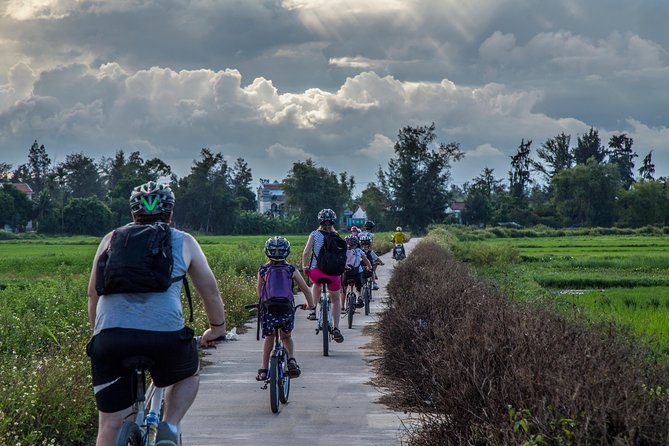
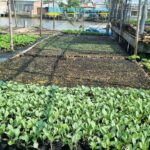
The day starts at 7:30 am at Vincom Plaza Xuân Khánh (209 Đ. 30 Tháng 4, Xuân Khánh, Ninh Kiều, Cần Thơ). Expect the road time to be a big part of the experience: the forest visit begins around 11 am, which means you’re traveling roughly three and a half hours. That sounds like a lot, but it matters because you’re not traveling through nothing—you’re rolling past endless rice paddies and getting context as you go.
This kind of transfer is more than getting there. With the guide on board, you’ll hear stories that connect what you see outside the window to how the region works—history, culture, and the local economics of farming and waterways. It helps you understand why Tra Su matters beyond the postcard look.
One practical consideration: because you’re on a fixed schedule, this isn’t ideal if you prefer to wander at your own pace or you hate early starts. If you’re the type who enjoys settling in and treating a long ride as part of the day, you’ll probably feel calmer once you arrive.
You can also read our reviews of more tours and experiences in Can Tho.
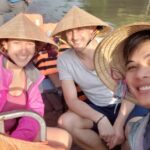

Entering Tra Su by motorboat: the wetlands from water level
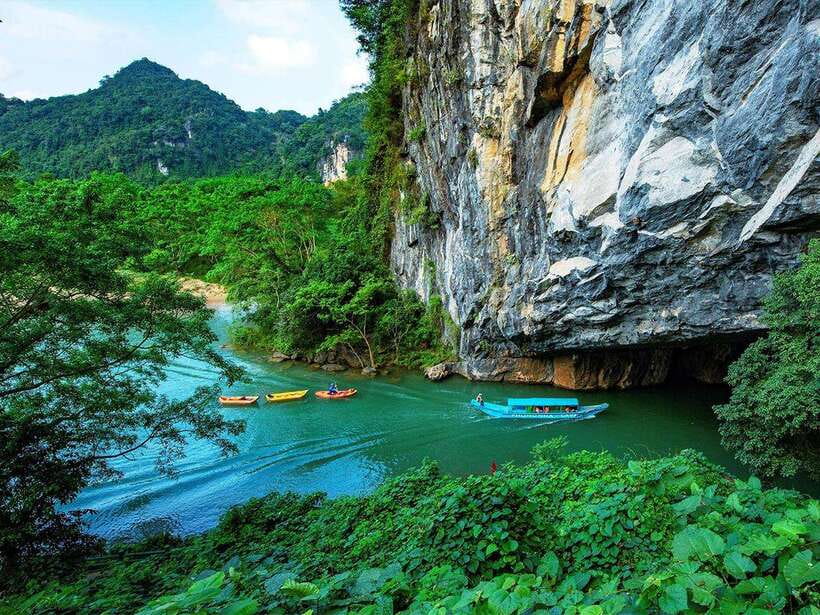
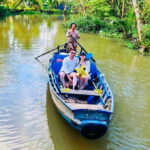
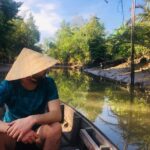
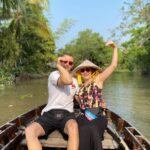
The heart of the trip is the motorboat ride once you reach Tra Su Cajuput Forest. You don’t just walk around dry paths. You move through narrow canals where the plants crowd the water edges—lotuses, water lilies, and duckweed. That shift in perspective is the whole point. From the boat, you get a slower pace and closer views than most land-based sightseeing.
The canals also set the soundscape. You’re surrounded by birds and forest atmosphere, and you end up spending real time letting your eyes do the work. If you’ve ever tried to spot birds from a viewpoint and felt like everything was too far away, the boat changes that. The day gives you multiple chances to look up and scan for movement.
Boat time is often where tours either feel rushed or feel peaceful. Here, the tone leans toward peaceful gliding, and the scenery supports it. The water plants aren’t just decoration; they shape how the wildlife lives and moves through the area.
A note on comfort
You’ll be outside for long stretches, and the boat portion means you’ll want to feel steady and relaxed. Wear comfortable footwear for the day. Also keep in mind that the forest setting is wetland-focused, so you’ll likely want to be prepared for damp conditions.
Bird sanctuary time: storks, kingfishers, and quiet spotting
Tra Su is famous for birdlife, and the tour is built around that. During the boat ride and forest area time, you’ll have chances to spot a range of birds. White storks are specifically mentioned, and you may also catch sight of smaller, colorful species—one review highlights the stunning color of kingfishers.
What I think is smart here is how the tour doesn’t just say birds. It gives you the right environment for bird watching: water-level travel through habitat. Birds won’t cooperate like clockwork, but this format improves your odds compared to trying to spot them from a random roadside pull-off.
If you love photography, look for moments when the boat slows or you’re near open views on the waterway. If you’re going just for wildlife watching, keep your expectations grounded: you might see more when the light is good, and sometimes the birds are there but quiet. That’s normal. A slower boat format is exactly what makes that kind of waiting worthwhile.
Vietnam’s longest bamboo bridge: a different way to feel the forest
After the canal time, you shift gears and explore Vietnam’s longest bamboo bridge. This is a big deal in how you experience Tra Su. On the boat, everything feels low and close to the water. On the bridge, you’re above the forest zone, moving through a different layer of the landscape.
The bridge experience matters because it changes your sense of scale. You get more panoramic sightlines, and you can see how the forest and wetland blend. Bamboo also brings a tactile element that feels less like a typical tourist walkway and more like a functional part of the ecosystem’s human story.
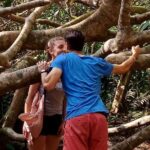
One review also notes that the tree canopy felt wonderful, and they even climbed up the tower—so yes, there’s a bit of physical curiosity encouraged on this day. If you’re comfortable with heights and walking on narrow surfaces, the bridge can be a highlight. If you’re uneasy on elevated walkways, take it slow and choose steady footing.
The 14-meter watchtower: best views happen after you climb
Next comes one of the most memorable parts of the tour: ascending a watchtower that’s about 14 meters tall. This is where you earn the wide views. Up there, you can take in the forest shape, the water channels, and the overall layout in a way the boat can’t fully reveal.
The climb is the kind of “short effort, big payoff” that tends to land well with most people. One review even mentions braving the top of the tower and enjoying the results. If you like viewpoints, don’t skip this part of the day.
Try to go at a comfortable pace rather than rushing. Watchtowers can feel crowded or windy depending on conditions, and your goal here is to enjoy the panorama, not fight for position.
What to look for from the top
Look for the contrast: open water lanes against thicker plant edges. That’s where you’ll understand how the birds use the space and why the canals are so central.
Food and drinks included: a full day that doesn’t cut corners
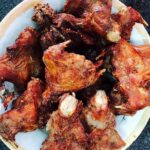
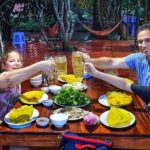
A lot of full-day tours say they include meals, then deliver something small and forgettable. This one is better organized. The tour includes local foods, plus drinks and local fruits. You also get a bottle of water.
That matters because the schedule is long: pickup at 7:30 am, arriving in the forest area around 11 am, and starting the return around 3 pm with arrival near your hotel around 7 pm. Without food and drinks built in, you’d be making extra stops or paying more for basic stuff. Here, at least the essential part is taken care of.
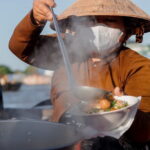
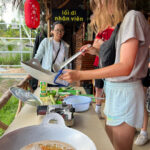
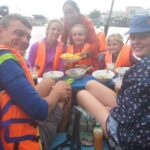
One standout from the reviews: a guide named Nga cooked a sweet and sour dish with fish and fresh vegetables. That kind of touch—food that tastes local and feels part of the day—can turn a nature outing into a full cultural experience, not just sightseeing.
If you have dietary restrictions, the tour data doesn’t specify details, so you’ll want to check with the provider when you book. But if you’re flexible, the included meals are a real part of the value.
Price and value: what $110 includes, and why it can be fair
At $110 per person for roughly 12 hours, you’re paying for more than a ticket to a forest. You’re paying for a day that includes:
- guide time across multiple hours
- boat access on the canals
- local foods, drinks, and fruit
- pickup from Can Tho and a long transfer into the Tra Su area
In other words, you’re buying a structured day with transport and activities stitched together. If you tried to DIY this, you’d likely spend money on separate transport legs and guide/boat coordination. Even without knowing exact DIY costs, the included items reduce stress. You don’t have to negotiate boat arrangements mid-day or hunt for food at the wrong time.
The main tradeoff is that you’re locked into the tour flow. If you’re the type who wants to linger in one spot and skip another, a guided schedule can feel limiting. Still, the itinerary feels designed to give you the big nature hits—canals, birds, bamboo bridge, tower—without turning it into a rush.
Who this tour is best for (and who should think twice)
This trip is a strong match if you want:
- nature and wildlife time in a wetland setting
- a calm, scenic experience with photo opportunities
- a small group and a clear plan for the day
- a guide who explains how the landscape connects to life there (history, culture, and economics)
It may not be the best fit if you hate early starts, don’t like boats, or get stressed when weather affects outdoor plans. The tour also specifically requires good weather, and if it’s canceled for poor conditions, you’ll be offered a different date or a full refund.
If you’re traveling with kids, note that children must be accompanied by an adult. The tour also mentions that a child rate applies only when sharing with two paying adults.
Should you book Explore Trasu Cajuput Forest?
I’d book this if you want a full day that’s more “slow nature with a plan” than “speed run through highlights.” The biggest reasons are the boat-through-canals format, the chance to spot birds like storks and kingfishers, and the two standout structures—the bamboo bridge and the 14-meter tower—that give you different angles on the same environment.
I’d pause before booking if weather reliability is a big issue for your trip days, or if you’re sensitive to a long schedule starting at 7:30 am. Otherwise, the included food, drinks, boat, and guide time make the price feel like it’s built for an all-in experience rather than a bare ticket.
FAQ
What time does the tour start?
The tour starts at 7:30 am with pickup at Vincom Plaza Xuân Khánh in Can Tho.
How long is the experience?
It runs for about 12 hours.
Where does the tour meet and end?
It meets at Vincom Plaza Xuân Khánh, 209 Đ. 30 Tháng 4, Xuân Khánh, Ninh Kiều, Cần Thơ, Vietnam, and ends back at the meeting point.
What’s included in the tour price?
The tour includes a tour guide, a bottle of water, drinks and local fruits, local foods, and a local boat.
Is alcohol included?
No. Alcoholic beverages are not included.
How big is the group?
The group size is limited to a maximum of 10 travelers.
What if the weather is bad?
This experience requires good weather. If it’s canceled due to poor weather, you’ll be offered a different date or a full refund.
If you want, tell me your travel dates in Can Tho and whether you’re more into birds, photography, or food—I’ll suggest the best time window and how to pace the day around the 3 pm return.