REVIEW · MU CANG CHAI
Full Day Private Trekking Mu Cang Chai
Book on Viator →Operated by Indigenous Adventure · Bookable on Viator
Rice terraces change your sense of time. This full-day trek in Mu Cang Chai and La Pán Tẩn pairs major viewpoints with real village moments, led by an English-speaking Hmong guide. I especially liked two things: the small cap of 12 people for easier conversation, and the way the route blends terraced fields with daily-life details, from fieldwork to village routines.
The main thing to weigh is effort. You’re out about 7–8 hours on uneven paths and you’ll want moderate fitness, plus the experience is weather-dependent in the mountains.
In This Review
- Key highlights at a glance
- Mu Cang Chai and La Pán Tẩn: What Makes This Trek Worth a Full Day
- Price and Logistics: Is $80 Per Person Good Value?
- Your Hmong Guide Does More Than Point
- The Walking Route: From Pickup to Đồi Mâm Xôi (Raspberry Hill)
- Village Time Between Viewpoints: Real Daily Life, Not a Performance
- Headwater and Waterfall Moments: A Breather in the High Country
- Lunch Included: Fuel That Fits the Day
- Timing, Fitness, and Weather: Plan for an Outdoor Reality
- Who This Trek Is Best For (and Who Might Want Something Else)
- Booking Smart: Popular Timing and What to Expect
- Should You Book Full Day Private Trekking Mu Cang Chai?
- FAQ
- How long is the Mu Cang Chai trekking experience?
- Is lunch included?
- Do I get hotel pickup and transfers?
- What is the group size like?
- Is it suitable for everyone fitness-wise?
- What happens if weather is bad?
Key highlights at a glance
- Small group cap of 12: more time with your guide, less time stuck in a crowd
- English-speaking Hmong guide: culture and farming context, not just photo stops
- Lunch in the field: authentic local meal plus bottled water to keep your energy steady
- 2-way transfers from La Pán Tẩn: you start and finish with stress-free riding from your accommodation area
- Iconic viewpoint route: including Đồi Mâm Xôi (Raspberry Hill) and La Pán Tẩn viewpoint areas
- Weather matters: the day depends on conditions, since this is an outdoor trek
Mu Cang Chai and La Pán Tẩn: What Makes This Trek Worth a Full Day
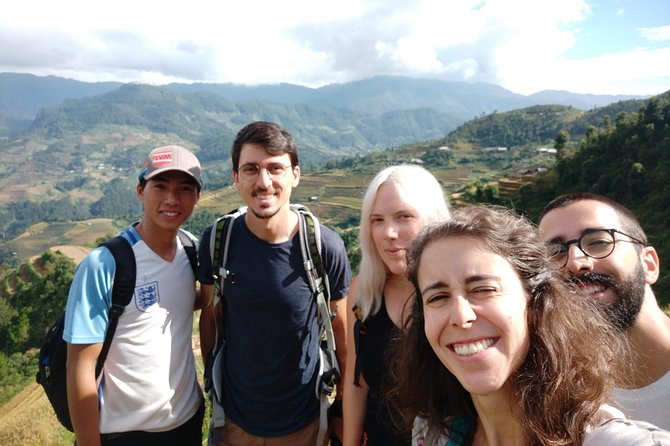
Mu Cang Chai is the kind of place where rice terraces look engineered by hand, because in a way they are. In the right light, the stacked paddies wrap across hillsides like steps, and the views stretch toward higher mountains. What makes this trek feel different from a quick drive-by is that you don’t just stop at viewpoints. You walk through the terrace system itself, so the scale and the work behind it become obvious.
La Pán Tẩn also matters here. It’s part of the same highland world, and it changes the feel of the day: you move through ridges, terraces, and village areas that help you understand how people live alongside the farmland. You’re not only looking at rice. You’re seeing the human rhythm that keeps it going.
Price and Logistics: Is $80 Per Person Good Value?
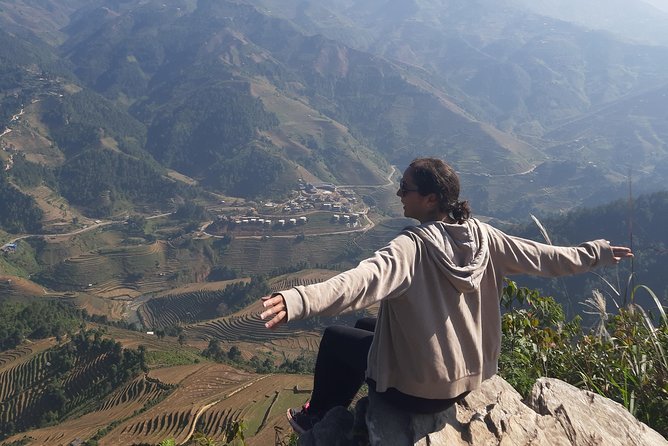
$80 per person sounds simple, but the value comes from how the day is built. You’re not paying just for views. You’re paying for a guided trek, lunch, bottled water, and entry/admission. You’re also paying for the time-saving part: 2-way transfers from La Pán Tẩn hotels and homestays. In a region where roads and signs can be limited, having a local setup matters.
The tour is described as private for your group, with overall numbers capped at 12. That combination is what you’re really buying: a day that feels personal without turning into a one-person navigation challenge. For most people, the math works out because you’re not also spending your own time figuring out where to go, how to get there, and what you’re actually looking at.
Your Hmong Guide Does More Than Point
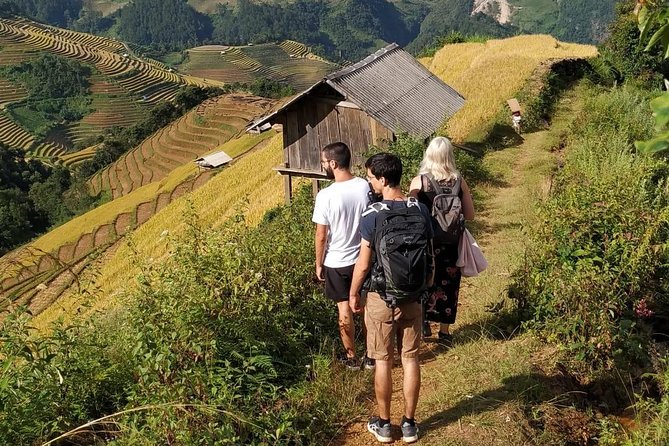
The best part of a trekking day is often the explanation you don’t know you need yet. That’s where the guide comes in. This trek uses an English-speaking Hmong guide who talks about daily life, culture, food, and seasonal traditions. You’ll get context while you walk, which makes every stop easier to appreciate.
One practical advantage: with little by way of roads and signage, you can waste time wandering or missing the best angles. Your guide keeps the day moving with purpose. And when the conversation turns to field routines, sewing, buffalo tending, or village life, it stops being only a landscape mission and becomes a cultural one.
In the reviews, people connect strongly with guides like Yien, who leads the hike and adds personality to the day. That matters because you’ll remember the small details more than the logistics.
The Walking Route: From Pickup to Đồi Mâm Xôi (Raspberry Hill)
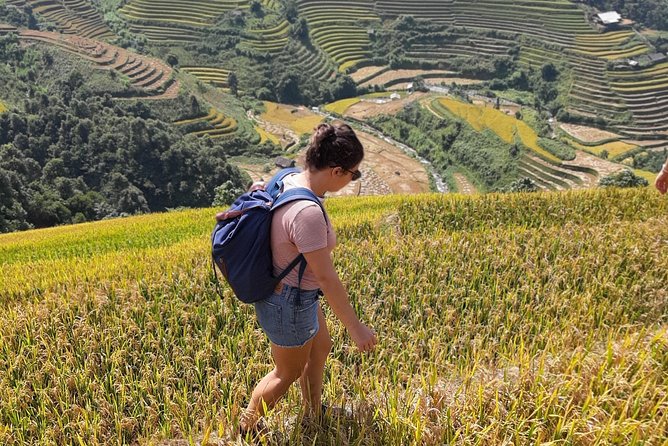
You start with pickup in the Mu Cang Chai area and transfer to the trekking point. From there, the route is built around terraces and viewpoints, with iconic stops like Đồi Mâm Xôi (Raspberry Hill) and viewpoint areas associated with La Pán Tẩn.
Expect a slow, steady rhythm rather than a fast march. Terraces can be steep in places, and the ground can be uneven. You’ll likely spend time at lookout points long enough to understand what you’re seeing: how the paddies step along the slopes, and how the terrain shapes the farming.
The Raspberry Hill viewpoint is one of those names that tells you what to expect: a ridge-and-terrace perspective that’s ideal for photos. But the real payoff is how you approach it from the village-and-field side. You get the feeling of climbing through the work itself, not just arriving at an overlook.
Village Time Between Viewpoints: Real Daily Life, Not a Performance
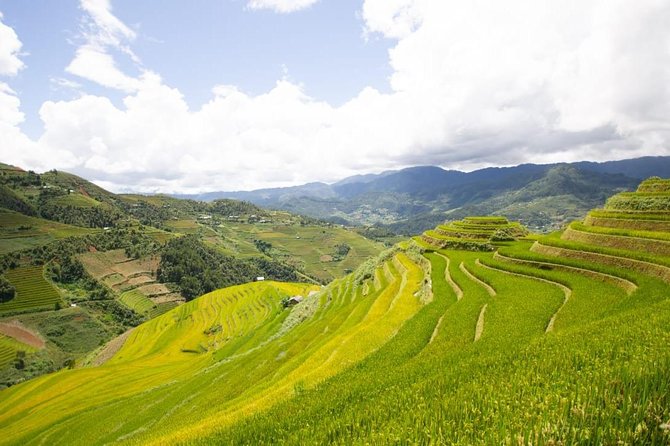
This is one of those treks where village moments show up naturally in the walking flow. You’ll pass through H’mong villages and see people working in and around the fields. Depending on the season, you might even see hands-on farming activity like planting or harvesting rice.
The goal isn’t a staged show. You’re moving along paths where daily work continues. That makes the experience more grounded. If you’re the type who likes to understand how a place functions, this part will click quickly.
You may also notice details like sewing at home or tending buffalo. Those small images help you connect what you see on the terrace slopes back to everyday labor and family life in the high mountains. For many people, those moments are what turn a photo day into a story day.
Headwater and Waterfall Moments: A Breather in the High Country
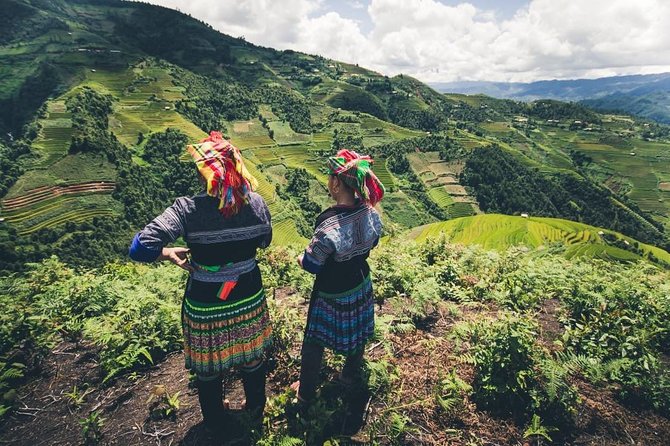
Beyond the big viewpoint stops, the route includes time around the headwater and a waterfall. These segments tend to change the pace of the day. After hours of stepping along terrace edges and ridge paths, you get a different kind of scenery and a reset for your attention.
It also helps you understand the system behind the terraces. Rice paddies depend on water management, and seeing headwater areas gives you a clearer sense of where water comes from in mountainous terrain. The waterfall segment is the visual payoff—water moving through the landscape in a way you can actually feel.
This is not described as a long river hike or a swim stop. Think of it as a scenic and context-rich part of the route: a pause that keeps the trek from feeling repetitive.
Lunch Included: Fuel That Fits the Day
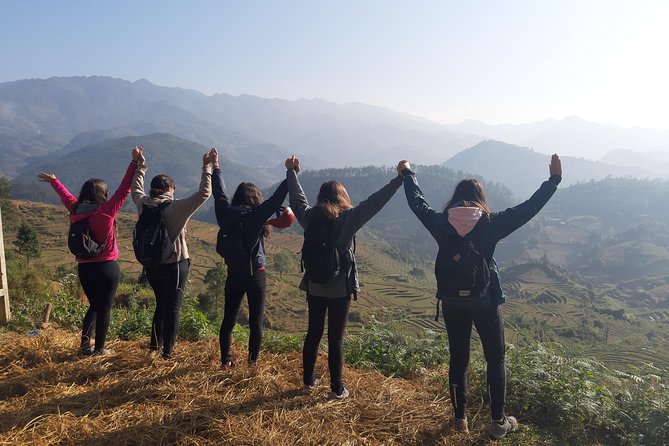
A lot of tours say lunch is included. Here, the important part is that it’s an authentic local lunch plus bottled water. That means you’re not stuck with a generic meal that doesn’t match the region you’re in.
You’ll want that food. A full day trekking rice terraces is energy-heavy, especially in a mountainous area. Lunch is what lets you enjoy the afternoon views instead of counting minutes to exhaustion.
If you like local flavors, this meal is one of the easiest “yes” items of the day. If you’re picky, you’ll still benefit from the predictability: you don’t need to hunt for food in a place where options can be limited while you’re already out on the path.
Timing, Fitness, and Weather: Plan for an Outdoor Reality
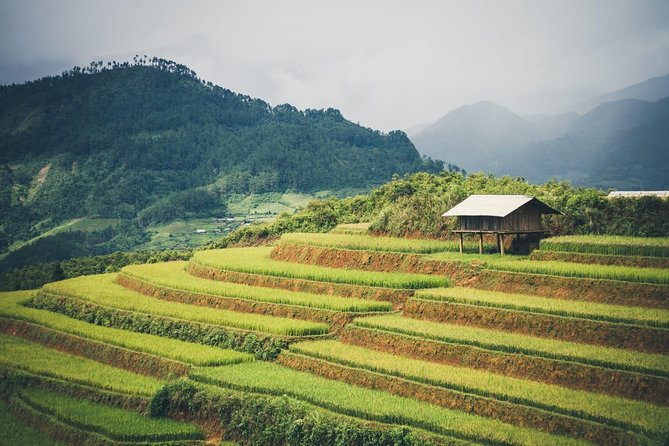
This trek lasts about 7 to 8 hours. The physical standard is listed as moderate fitness, which is a helpful way to think about it: you don’t need to be a trail athlete, but you shouldn’t book it if you’re expecting flat, easy walking.
Also, the experience requires good weather. In mountain regions, visibility and trail conditions can change quickly. If weather is too poor, the activity may be canceled and you’ll be offered a different date or a full refund. That’s the right kind of policy for an outdoor day where the scenery depends on conditions.
If you’re going in shoulder season, expect the day to be less about predictable comfort and more about flexible timing. Your schedule will live or die by the weather window.
Who This Trek Is Best For (and Who Might Want Something Else)
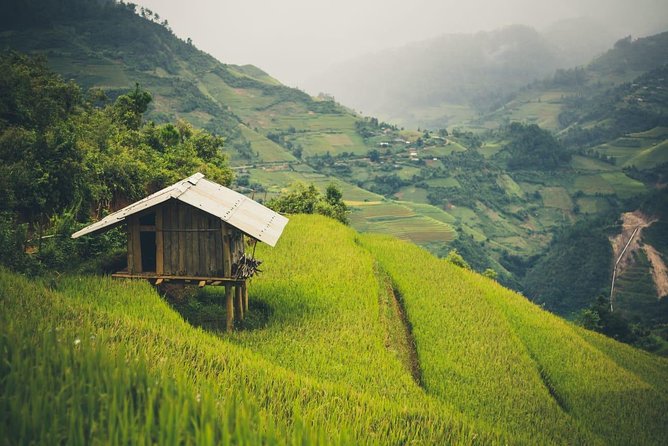
You’ll likely love this if you want more than terraces-as-a-photo. This is a good fit if you:
- enjoy guided cultural context, not just scenic stops
- like walking through villages and field areas where daily work is part of the scenery
- value a small group cap so you can ask questions and keep a slower pace
You might skip it if you want a light half-day stroll or if you don’t feel comfortable with a moderate, full-day hike. Since it’s a longer outdoor activity, it’s best approached as your main plan for the day, not something to slot between other sightseeing.
Booking Smart: Popular Timing and What to Expect
On average, this experience is booked about 77 days in advance, which tells you it’s in demand. If you’re traveling during peak terrace seasons or around popular dates, booking ahead is a smart move.
When you book, you should receive confirmation at the time of booking. The meeting point is the Mu Cang Chai Center homestay & Tours area in the Mu Cang Chải District, and the tour also includes pickup and 2-way transfers from La Pán Tẩn hotels and homestays.
If you like knowing what’s happening start-to-finish, this is built to feel orderly: pickup, transfer, guide-led trek, lunch, and then back to the meeting point.
Should You Book Full Day Private Trekking Mu Cang Chai?
I think you should book it if you want the terraces and the people behind them, in one day, with minimal hassle. The standout value is the combination of small-group attention, an English-speaking Hmong guide, and a day structure that includes rice terraces plus village life, viewpoint time, and water features.
It’s not the right fit if your priority is rest and convenience over walking. It’s also weather-dependent, so don’t plan it as the only “must-do” on a tight itinerary unless you can shift plans if conditions change.
FAQ
How long is the Mu Cang Chai trekking experience?
It runs about 7 to 8 hours.
Is lunch included?
Yes. Lunch is included, along with bottled water.
Do I get hotel pickup and transfers?
Pickup is offered, and you get stress-free 2-way transfers from La Pán Tẩn hotels and homestays.
What is the group size like?
Numbers are capped at 12 for quality guide interaction, and it’s private in the sense that only your group participates.
Is it suitable for everyone fitness-wise?
It’s recommended for travelers with a moderate physical fitness level.
What happens if weather is bad?
The experience requires good weather. If it’s canceled due to poor weather, you’ll be offered a different date or a full refund.