REVIEW · HOI AN
Farming & Cooking Class in Hoi An – Small Group Tour
Book on Viator →Operated by Cooking Class in Tra Que Organic Vegetable Village · Bookable on Viator
The best cooking class isn’t just about recipes. It also includes a real farm day, market shopping, and a traditional foot massage. I especially loved the market-to-kitchen ingredient shopping and the hands-on farming at Tra Que with Min-style local instruction; the only thing to consider is the tour needs good weather since it’s outdoors most of the way.
You’ll be active from the start: biking through rice fields and villages, walking the vegetable gardens, and doing farming tasks like hoeing and transplanting. You also finish by eating what you made—papaya salad, spring rolls, banh xeo, and fish in clay pot—so it feels like you learned the whole system, not just how to follow steps. One possible drawback: this is a 5-hour schedule, so if you want a slow, late-afternoon pace, pick the morning slot.
In This Review
- Key moments that make this class worth your time
- Market Shopping First: Why This Class Starts With Your Basket
- A note on your role
- Cycling Through Rice Fields to Tra Que: The Part Most Classes Skip
- What you’ll get out of the countryside segment
- Tra Que Hands-On Farming: Hoeing Soil Beats Just Watching
- The practical side: get ready for real farm hands
- Garden-to-Kitchen Break: Foot Massage With Medicinal Herbs
- Cooking Class Menu: What You’ll Actually Learn to Make
- How the teaching tends to work
- Why this menu is a great choice
- Eating What You Made: Lunch That Feels Like a Finish Line
- Vegetarian and special diets
- Price and Time: Is It Worth $38 for 5 Hours?
- Logistics You’ll Actually Notice: Pickup, Small Groups, and Weather
- Who Should Book This (And Who Might Skip It)
- FAQ
- Is hotel pickup included?
- How long is the cooking class?
- What dishes will we cook?
- Is lunch included?
- Can the class accommodate vegetarian or special diets?
- How big is the group?
- Should You Book This Hoi An Farm and Cooking Class?
Key moments that make this class worth your time
- Market shopping in Hoi An: pick your own produce and herbs before you cook
- Tra Que Organic Vegetable Village: see how herbs and vegetables are grown before chopping them
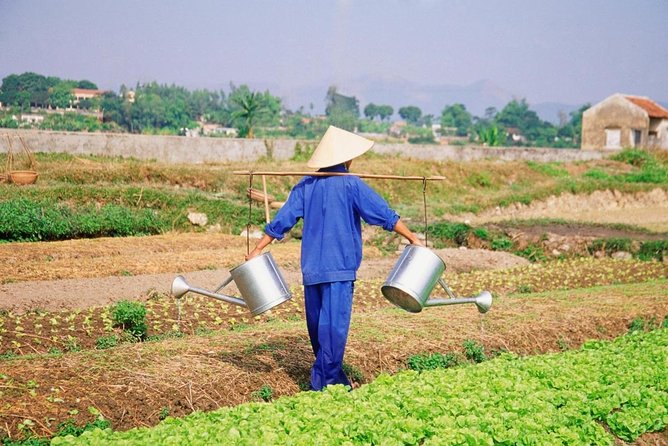
- Hands-on farming: hoeing soil, transplanting, watering, and even collecting seaweed
- Traditional foot massage: a break using medicinal herbs before you cook
- Small group energy (max 15): individualized attention without feeling lost
- Make-and-eat menu: green papaya salad, spring rolls, banh xeo, fish in clay pot, and more
Market Shopping First: Why This Class Starts With Your Basket
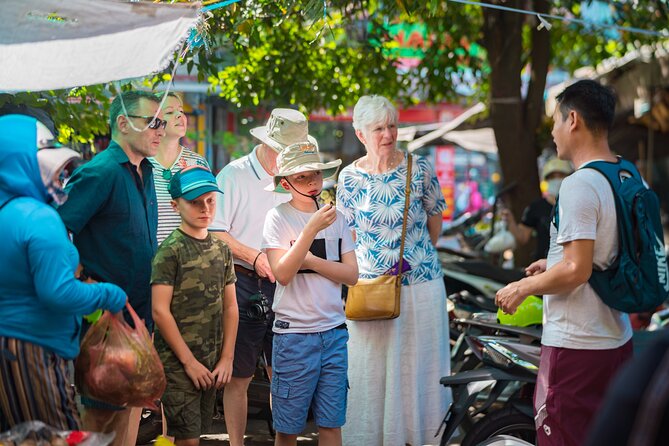
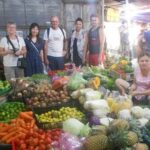
The day begins with a local guide meeting you at your hotel, then heading out to the Hoi An market to choose ingredients. This matters more than you’d think. If you learn Vietnamese cooking only in the kitchen, you miss the logic behind it. Start with the market and you start understanding why certain herbs, vegetables, and aromatics show up again and again.
In practice, you’re not just watching someone buy things. You’re learning what’s available and how ingredients connect to dishes. In the experience style of chefs like Min (and other family-run hosts), you’ll get plain explanations of vegetables, fruits, and herbs and what they do in the final flavors. That’s the kind of knowledge you can reuse later when you’re cooking at home and staring at a grocery shelf.
You’ll also appreciate that the tour is designed for English-speaking guidance and includes a local chef who teaches you the cooking steps. Even if you’ve never made Vietnamese dishes before, the teaching structure is built around understanding ingredients first, not memorizing confusing measurements.
You can also read our reviews of more cooking classes in Hoi An
A note on your role
You’ll do more than take photos. You’re expected to participate in the day—shopping decisions, garden walking, and then cooking. If you’re the type who enjoys learning by doing, you’ll click with this format right away.
Cycling Through Rice Fields to Tra Que: The Part Most Classes Skip
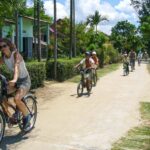
After the market, you’ll travel onward by cycling through rice fields and peaceful villages to Tra Que Vegetable Village. This is a quiet, slower change of scenery that helps you shift from “tour mode” into “local rhythm.” You’re not stuck inside a classroom for five hours.
The ride also sets context. When you later see herbs growing in garden rows, or do hands-on work in the vegetable fields, your brain already understands where the food comes from. It’s not just a cooking class. It’s a food system lesson—plus a scenic one.
Along the way, you’ll reach the Tra Que area, then walk through the garden where the herbs and vegetables used in cooking are grown. That walk is where many dishes stop being abstract. A herb you handled earlier in the garden becomes a real ingredient with a real job.
What you’ll get out of the countryside segment
- You’ll start to recognize Vietnamese cooking flavors as “farm flavors,” not “restaurant flavors.”
- You’ll have a little physical movement before the cooking steps begin.
- You’ll feel like you arrived somewhere lived-in, not manufactured for tourists.
Tra Que Hands-On Farming: Hoeing Soil Beats Just Watching
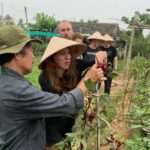
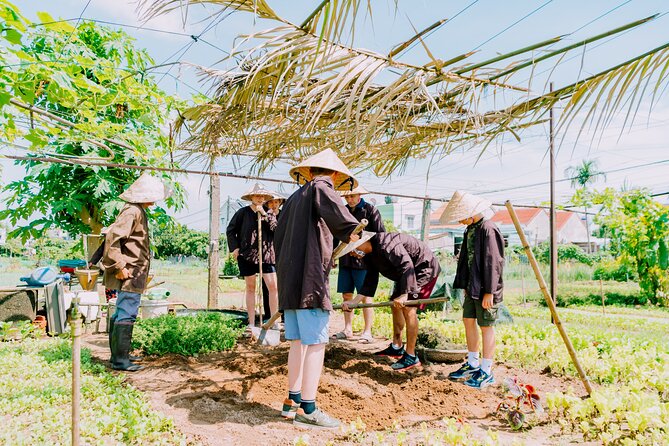
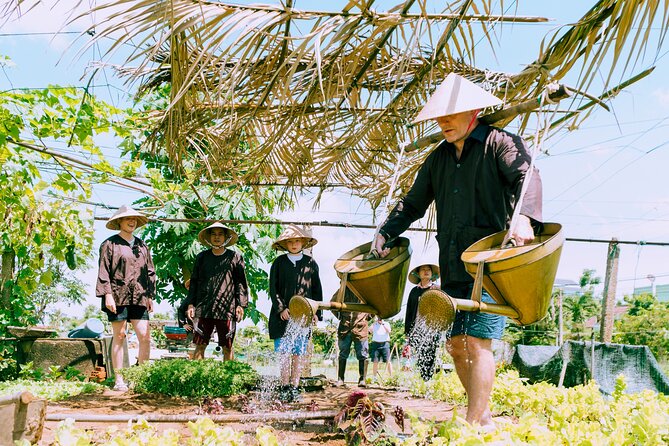
At Tra Que, you’ll turn into a farmer for a bit. The tasks you do are practical: hoeing soil, collecting seaweed, and doing things like transplanting and watering. This is one of the most praised parts of the experience for a reason. Watching someone plant is fine. Doing it—even for a short time—helps you remember the details later.
There’s also a big mindset shift here. Vietnamese cuisine is heavy on fresh herbs and vegetables. When you’ve touched the soil and dealt with plants firsthand, you understand why freshness is not optional. It’s not “nice if you have it.” It’s the foundation.
You’ll learn from a local farmer, not a distant demo expert. And because it’s a small group (maximum 15), you’re less likely to feel like cattle being moved from station to station. You can ask questions without fighting the crowd.
A few more Hoi An tours and experiences worth a look

The practical side: get ready for real farm hands
I’d plan for dirt, sun, and basic outdoor conditions. Even though the tour structure is friendly and guided, this part is still farming. If you come in expecting a spotless, museum-clean experience, you’ll be disappointed. If you come in ready to be a little messy, you’ll love it.
Garden-to-Kitchen Break: Foot Massage With Medicinal Herbs
Before the cooking begins, you take a break and enjoy a traditional foot massage with medicinal herbs. It’s not just a nice extra. It’s smart pacing.
Farming and walking add strain to your feet and legs. Then you shift into a cooking station where you’ll chop, mix, and stand while learning steps. The massage helps reset your body so you can focus. And it’s also culturally interesting: you’re not only learning food; you’re learning a traditional health practice tied to local life.
This stop also gives you time to digest what you just learned outdoors. After the massage, the kitchen feels less like a separate world. It feels like the next step in the same story.
Cooking Class Menu: What You’ll Actually Learn to Make
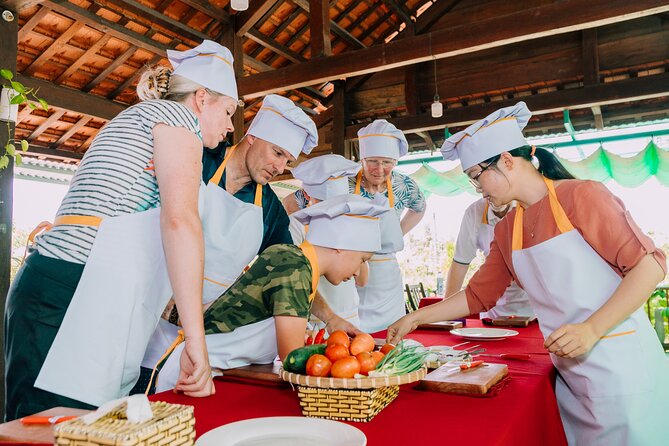
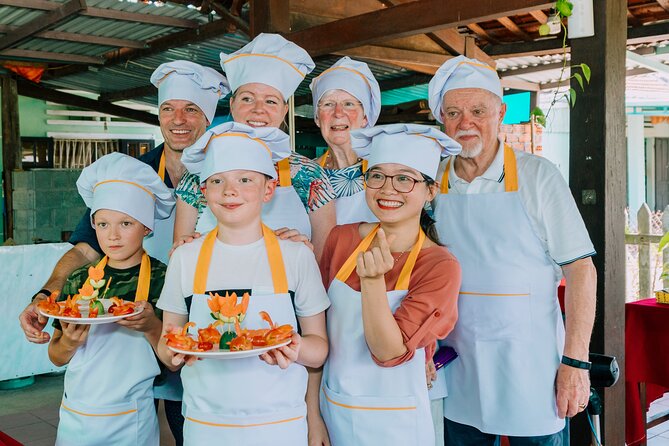
Now comes the part you’ll brag about back home: you cook, you eat, and you learn multiple dishes. The class is built around learning how to prepare key Vietnamese favorites, including:
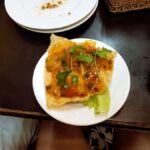
- Green papaya salad
- Bánh xèo (Vietnamese crispy pancake)
- Spring rolls
- Fish in clay pot
You’ll also make other dishes during the session. The menu is designed to cover different cooking styles—fresh-and-sharp salads, crispy batter-based pancakes, wrapped rolls, and clay pot cooking that brings out slow, savory depth.
How the teaching tends to work
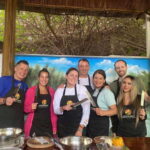
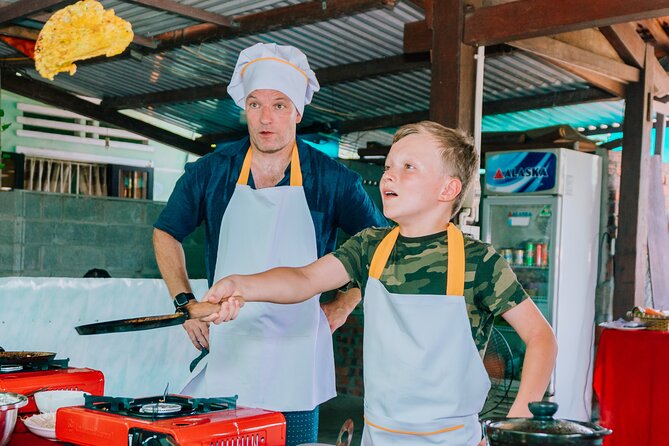
From the way the class is described and how it’s consistently praised, the instruction is hands-on. You’re not only watching the chef. You’re chopping and cooking alongside the team, with an English-speaking guide and local chef. In smaller groups, that support is easier to deliver. Many people love that the teacher’s explanations make sense even if you don’t know Vietnamese cuisine yet.
Why this menu is a great choice
If you’re trying to learn Vietnamese cooking with limited time, you want variety. This menu gives you variety:
- Papaya salad teaches balance: sour, crunchy, herb-forward.
- Bánh xèo teaches texture: crispy outside, tender inside.
- Spring rolls teach technique: wrapping discipline and filling flavor.
- Clay pot fish teaches how Vietnamese cooking handles heat, aroma, and timing.
And then the best part: you eat what you cooked. No awkward moment where you wonder what you got wrong. You get the payoff.
Eating What You Made: Lunch That Feels Like a Finish Line
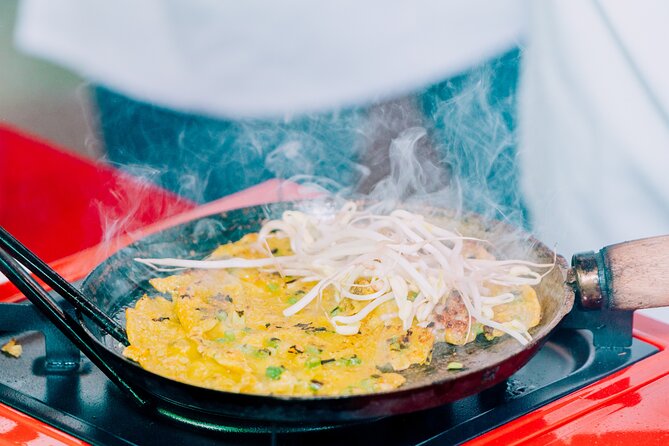
Lunch is included, and you’ll enjoy the meal after you finish cooking. That included meal isn’t just a bonus. It completes the learning loop.
When you eat the food you made, you can connect flavors and techniques to the steps you did earlier. If your papaya salad tastes sharper than you expected, you remember what you did. If your pancake is slightly thicker, you learn how batter consistency affects crispness. This is how real cooking knowledge sticks.
Also, because you’ve farmed and picked ingredients, the meal feels personal. It’s not “someone else’s food, served to you.” It’s your basket turning into your plate.
Vegetarian and special diets
Vegetarian options and special diets can be supported if you request them. That’s important for planning. If you have dietary needs, communicate them ahead of time so the kitchen can adapt properly.
Price and Time: Is It Worth $38 for 5 Hours?
At $38 per person for about 5 hours, this is priced in the sweet spot for Hoi An culinary activities—especially because it includes a lot beyond cooking. You get:
- hotel pickup
- market ingredient shopping
- cycling through rice fields and villages
- a farm session with a local farmer
- garden walking for herbs
- a traditional foot massage
- lunch
- English-speaking guide/local chef
- bottle of mineral water
- mobile ticket format and group discount availability
The practical value here is the “ingredients + farming + cooking + eating” bundle. Many classes focus on just one piece: recipe demo, or cooking practice, or food tasting. This one stitches the steps together, so your money buys context, not only instructions.
Is it cheap? No cooking class in Vietnam is “free.” But for what’s included and the fact that it runs about half a day with real activities, it tends to feel like a solid deal.
Logistics You’ll Actually Notice: Pickup, Small Groups, and Weather
This tour offers pickup from your hotel and runs with up to 15 travelers. In a city with lots of half-day tours, that small group limit is meaningful. It supports real interaction during the market and kitchen time, instead of you fading into the background.
The experience also requires good weather since key parts are outdoors. If the weather is poor, you’ll be offered a different date or a refund. In plain terms: check forecasts, and don’t plan it as your only outdoor activity on a day when the sky looks sketchy.
If you’re the type who gets annoyed by long waits, the structure helps. You’re moving through segments: market, ride and village travel, garden and farm activity, massage break, then cooking and lunch.
Who Should Book This (And Who Might Skip It)
I’d recommend this class if you want a cooking lesson that’s connected to where food grows. If you enjoy fresh markets, herb gardens, hands-on activities, and learning multiple Vietnamese dishes—this fits your style.
It’s especially good for:
- couples and small groups who want something active but not strenuous
- food lovers who want real context for Vietnamese flavors
- people who learn best by doing rather than just watching
- anyone curious about Tra Que Organic Vegetable Village culture
You might choose something else if:
- you want only a kitchen-based cooking class with no outdoor components
- you dislike being outside for a good chunk of the morning or afternoon
- you have mobility limits that make farming tasks and garden walking hard (the class does offer a guided, supportive format, but it’s still a farm visit)
FAQ
Is hotel pickup included?
Yes. You’ll be picked up from your hotel and brought along for the market and farm segments.
How long is the cooking class?
It runs for about 5 hours (approx.).
What dishes will we cook?
You’ll learn to prepare green papaya salad, bánh xèo (crispy Vietnamese pancake), spring rolls, fish in clay pot, and additional local dishes as part of the menu.
Is lunch included?
Yes. Lunch is included, and you eat the dishes you help prepare.
Can the class accommodate vegetarian or special diets?
Yes. Vegetarian and special diets can be arranged if you request them.
How big is the group?
The experience has a maximum of 15 travelers, which helps keep the instruction more personal.
Should You Book This Hoi An Farm and Cooking Class?
If you want the best “Vietnam in one day” feeling, this is a strong choice. You’re not only learning recipes—you’re buying ingredients at the market, seeing the garden where they grow, doing hands-on farming, and then cooking dishes like green papaya salad and bánh xèo before eating your work. For about $38 and a half-day time block, it offers a lot of real-world value.
Book it if you’re excited to be involved. You’ll chop, cook, and likely get a little muddy in the best way. Skip it if you’re looking for a strictly indoor, low-activity class or if your schedule can’t handle weather-dependent outdoor time.