REVIEW · HOI AN
Early My Son Sanctuary Private Tour From Hoi An/Da Nang !
Book on GetYourGuide →Operated by Hoi An Life Cycle · Bookable on GetYourGuide
A quiet start makes My Son feel personal. This early private tour gets you to the ancient Champa sanctuary with time to walk, learn, and see the Hindu-style temples and towers before the busiest hours. I love that you get private transportation plus admission and a guide, so you’re not stuck figuring it out on your own. I also like the way your guide connects the ruins to the living worship culture of the region and shares practical context along the route. One thing to consider: it can start very early (often around 5am or earlier), and you’ll spend a couple of hours walking around the site.
You’ll be in good hands with an English-speaking guide, and names like Hai, Quang, Vin, and Tina show up in past experiences. The visit is built around a 2–3 hour exploration window, so it’s long enough to understand what you’re seeing, but not so long that you’re exhausted. If you’re sensitive to heat or you don’t do well with walking in the morning, plan accordingly and wear sunscreen from the start.
In This Review
- Key things I’d watch for
- Why My Son Works Best as an Early Private Tour
- Pickup From Hoi An or Da Nang and the Real Timing Game
- A Private English Guide Makes Champa Temple Meaning Click
- Walking the Sacred Site: What Your 2–3 Hour Explore Time Is Really For
- The 6th-Century Fire and 7th-Century Restoration Story
- Architectural Diversity and Champa Building Materials You Can Notice
- Optional Thu Bon River Boat Ride on the Way Back
- Price and Value: What $49 Per Person Buys You
- Who This Tour Fits Best (and Who Might Want a Different Plan)
- Practical Tips So Your Morning Feels Easier
- Should You Book This Early My Son Private Tour?
- FAQ
- How long is the My Son private tour?
- Where do you get picked up?
- Is this a private tour?
- How much time do I spend exploring My Son?
- What language is the guide?
- What’s included in the $49 price?
- What optional return option is available?
- What should I bring for the visit?
- Is food included?
Key things I’d watch for
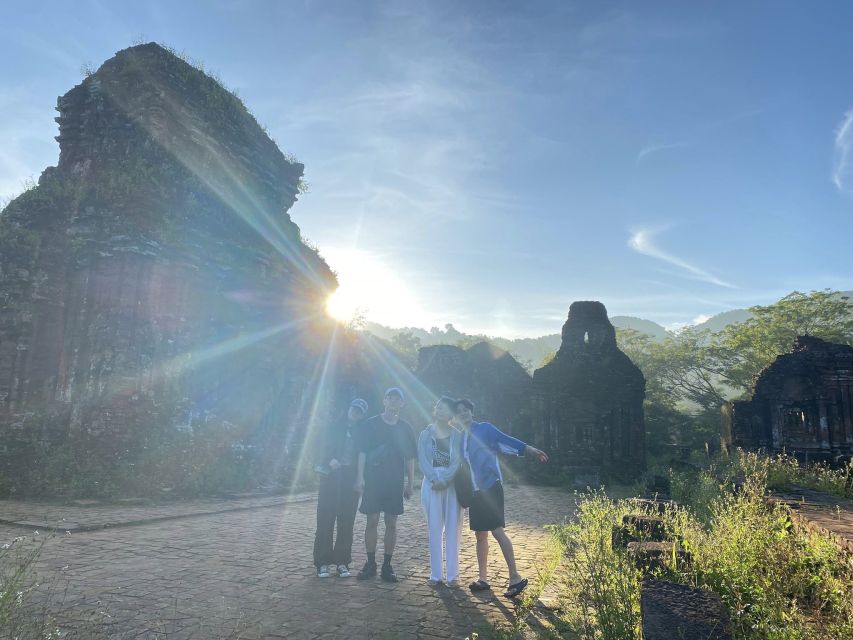
- Early departure helps you beat the heat and the heavier tour crowds.
- Private guide means you can ask questions about Champa temples, rituals, and what’s different across structures.
- A 2–3 hour walk gives you time to actually read the site with your guide, not just pass through.
- Wood temple history matters because the 6th-century fire and 7th-century restoration explain what survived and why.
- Optional boat return on Thu Bon is available for an extra fee if you want a calmer ride back.
Why My Son Works Best as an Early Private Tour
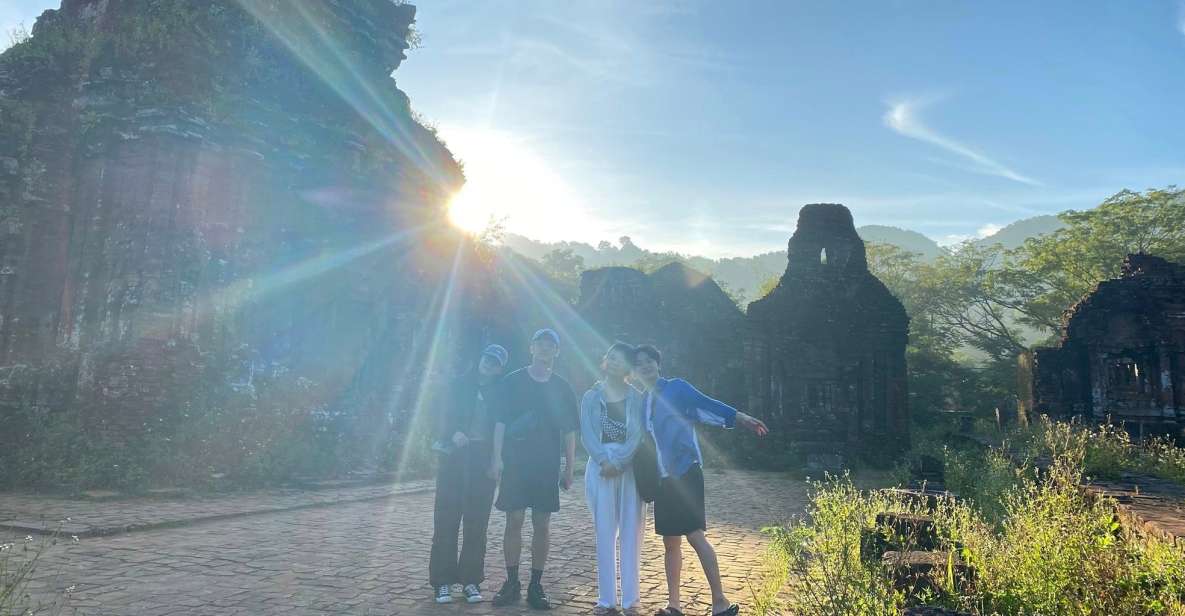
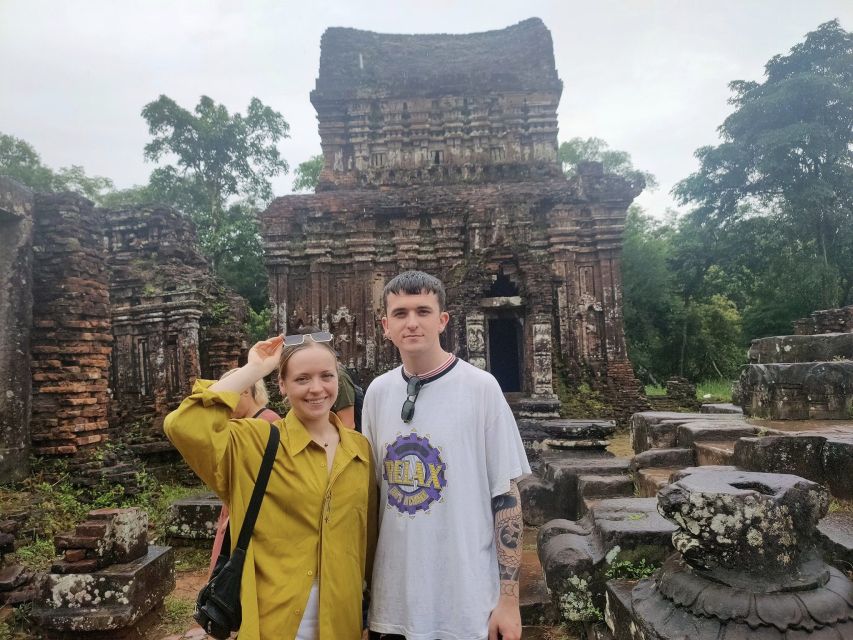
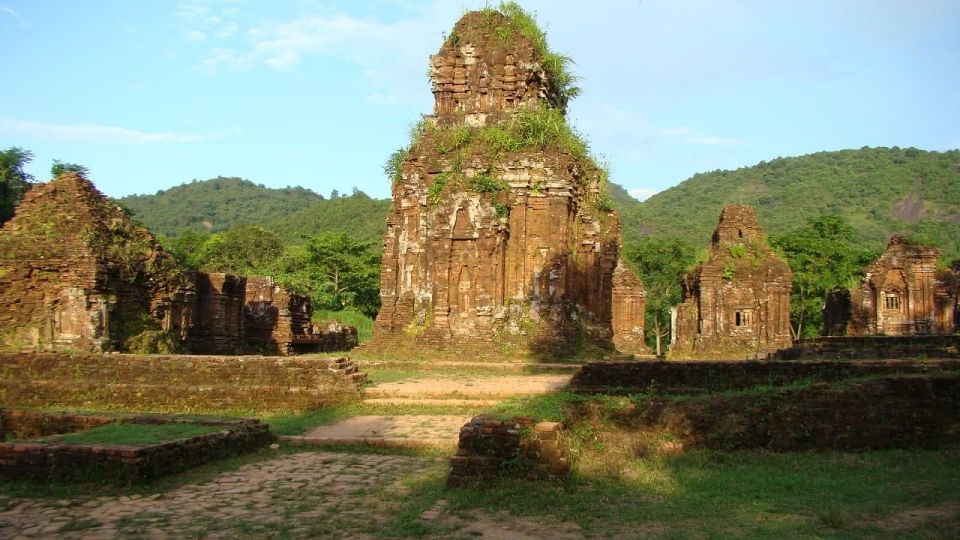
My Son is one of Central Vietnam’s most important reminders that the Champa kingdom once shaped this coastline. The site is UNESCO-listed and famous for its Hindu-inspired temple complexes—especially the tower and sanctuary forms that feel both grand and fragile at the same time.
What makes this tour smart is the timing and the format. Going early with a private setup means you can slow down when you need to, and your guide can pace the story of the Champa people without being rushed by other groups. I also like that you’re not just looking at stone and brick—you’re learning why these places mattered religiously and how the worship culture ties back to the region.
The main drawback is simple: early starts are early. If you’re the type who likes a late breakfast on vacation, set your alarm and get ready for a morning that begins before you’d probably choose.
You can also read our reviews of more private tours in Hoi An

Pickup From Hoi An or Da Nang and the Real Timing Game
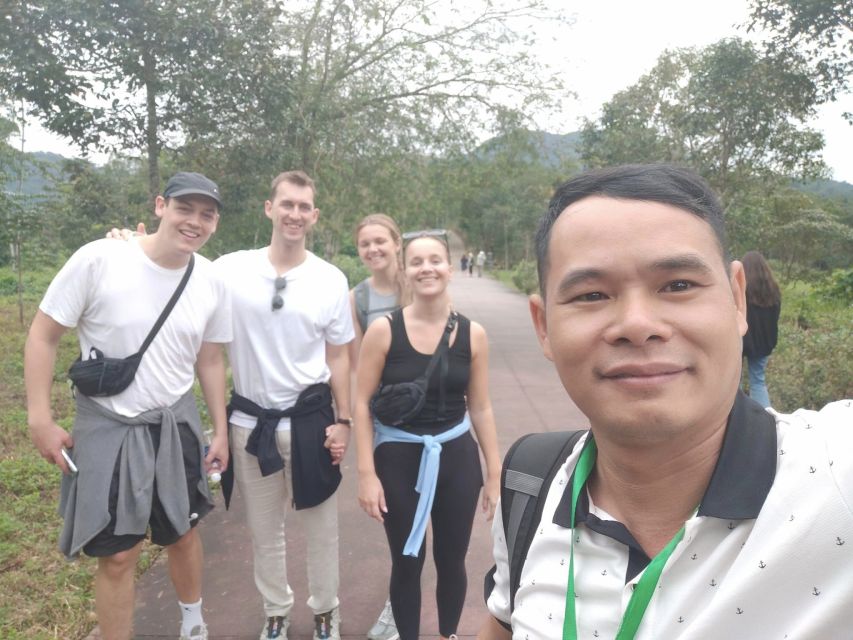
The plan is built around convenience. Your guide picks you up at your hotel, then you depart by private car toward My Son Sanctuary. Total duration is about 5 hours: roughly 2 hours on the road (each way), plus around 3 hours on-site.
In practice, that on-site time is what you’ll care about most. You get about 2–3 hours to explore My Son by walking through the area, with your guide explaining history and what you’re seeing. That’s a workable pace for couples, families, and larger groups because it’s enough time to understand the basics without turning the visit into an all-day slog.
One more useful detail: the tour may depart earlier from 5am to avoid the heat. And if timing gets disrupted with transport, the start can be adjusted slightly later. So if your travel day is messy, you still have some flexibility rather than a rigid clock that never moves.
A Private English Guide Makes Champa Temple Meaning Click
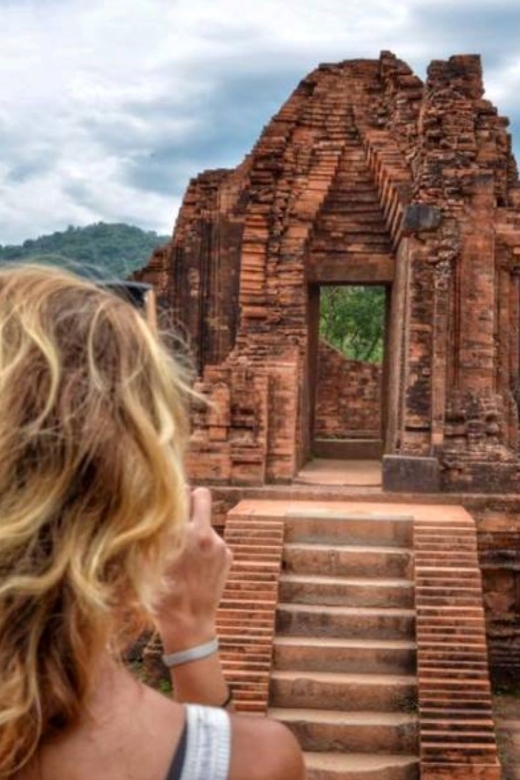
This tour isn’t just about seeing temples—it’s about understanding what you’re looking at. With a private guide in English, you get structured explanations about the history of the ancient Champa people, the holy role of My Son, and the rituals that have been practiced for centuries.
In past private experiences with Hoi An Life Cycle, guides such as Hai and Quang have been described as friendly and detailed in their explanations. Others like Vin and Tina have also led private tours with lots of context about the place and Vietnam in general. The pattern is clear: you’re not only standing in front of ruins—you’re getting the story in a way that connects the buildings to worship and local culture.
I also appreciate that the guide experience doesn’t stop at the historical site. One past guide (Hai) added food recommendations for Hoi An, which is exactly the kind of practical extra help that makes a guided day feel like more than a drive-and-pay attraction.
What to do with this: ask one or two questions during the walk, not at the very end when you’re tired. If you’re curious about what the different structures represent or why materials matter, tell your guide early.
Walking the Sacred Site: What Your 2–3 Hour Explore Time Is Really For
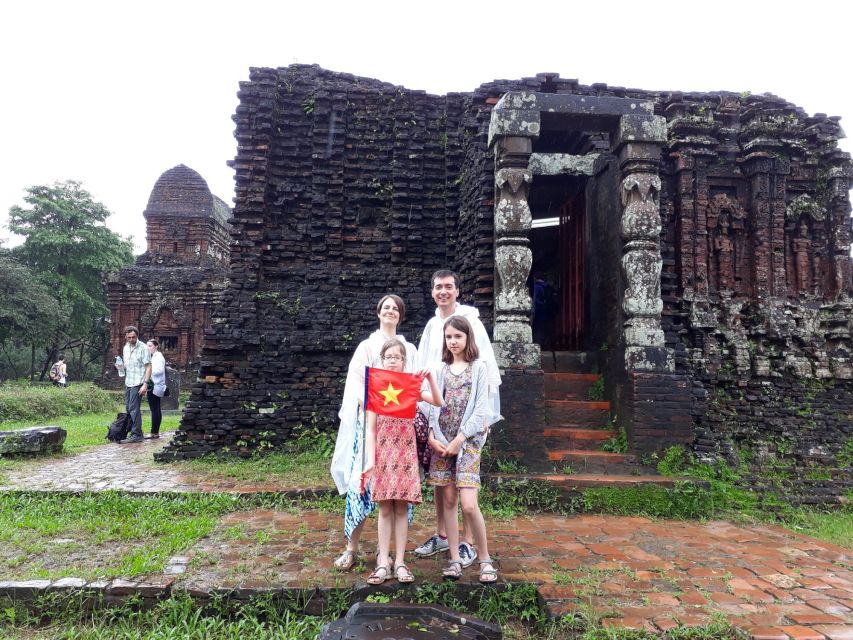
You’ll arrive at My Son and have time to explore the holy land on foot with your guide. The intention is that you walk through the area rather than just view it from one quick spot. That’s why the visit window is around 2–3 hours.
During that time, you’re focusing on three things:
- identifying the main temple and tower structures,
- understanding how the site developed as a religious center,
- learning the story behind what you see today.
The tone of the experience is religious and historical. You’ll hear about My Son as a key relic of the Champa kingdom and a place with Hindu-style temple architecture. Since you’re walking, you’ll want to treat it like a morning hike with cultural stops—comfortable shoes are a must, and sunglasses plus sunscreen help because the early start doesn’t eliminate daylight glare or heat.
For families, this “walk-with-explanations” approach tends to work because it breaks up the day. For couples, it’s also a better pace than rushing. The only caution: if you dislike walking or struggle with long periods on uneven ground, the 2–3 hour walking portion may feel like a lot.
The 6th-Century Fire and 7th-Century Restoration Story
One of the most important facts about My Son is what happened to earlier structures. The temples were originally built of wood, but they were completely destroyed by fire in the 6th century. The site was restored in the 7th century, and that restoration period strongly shaped what visitors experience afterward.
Why does this matter for you? Because once you know that the earliest phase wasn’t stone-and-brick forever, you start noticing how the present structures represent a rebuilt religious center rather than an untouched snapshot. In other words, the site isn’t just old—it’s historical in motion, with the story of destruction and rebuilding built into the meaning.
Your guide will use this kind of timeline to explain why My Son gained such status. Until the 13th century, more than 70 similar temples were built, helping turn My Son into the holy place of Hinduism in the Champa kingdom.
So when you stand in front of the major temple and tower work, you’re looking at part of an evolving religious complex. That context can transform what feels like “nice ruins” into something much more specific and worth your time.

Architectural Diversity and Champa Building Materials You Can Notice
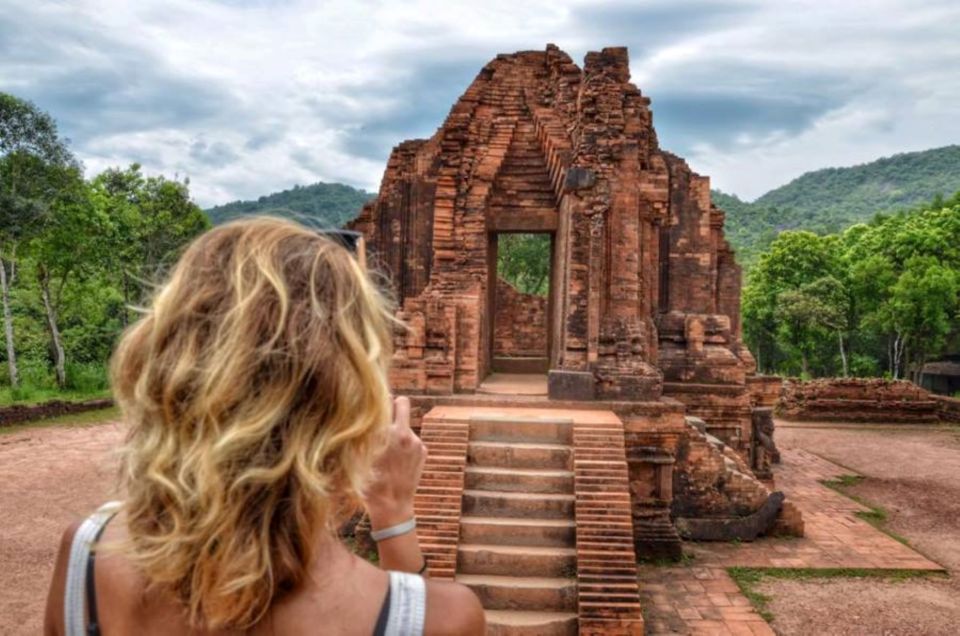
The highlights promise architectural diversity and unique building materials of the Champa people, and that’s exactly the kind of thing I’d suggest you actively look for. Instead of treating the structures like a single uniform monument, pay attention to how towers and temple areas differ in form.
With a good guide, you’ll learn to read the site as a collection of structures with distinct roles and styles. That matters because My Son isn’t one building. It’s a sanctuary complex that reflects how Champa religious practice expressed itself through architecture.
Even if you’re not the type to analyze details, the key is to slow down at the major temple and tower areas. Ask your guide what makes one section different from another, and you’ll start seeing patterns rather than just repeating the same wow moment.
And since this tour is private, you can take a few extra minutes where you feel drawn in—without trying to keep up with a group that’s already moving on.
Optional Thu Bon River Boat Ride on the Way Back
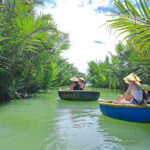
On the return trip, you’ll go back to the car toward Hoi An or Da Nang. The tour can also include a boat return along the Thu Bon River for about 1 hour, but only if you request it. There’s an additional fee of VND 600,000 for the boat ride.
This option is for you if you like your day to have a softer landing. Driving back can feel like a long stretch after walking in the heat. A boat segment breaks the day, even if you don’t treat it like a full sightseeing cruise.
Just plan around the extra cost and the time involved. The rest of the tour timing stays centered on those 3 hours visiting My Son.
Price and Value: What $49 Per Person Buys You
At $49 per person, the real question is value: what are you paying for, and what do you avoid?
This price includes:
- a private tour guide,
- private transportation,
- admission tickets,
- and a bottle of water for each person.
You’re also getting a targeted experience at a UNESCO World Heritage Site, with the time structure that supports a proper guided walk (not a rushed one-hour drop). For many people, the biggest value of this setup is that you control the pace. With private transport and a private guide, you spend fewer minutes waiting and more minutes learning.
What you should budget separately:
- food, drinks, and snacks,
- personal expenses,
- souvenirs.
So if you’re thinking this is a full-day meal plan, it isn’t. The tour is designed around the morning and the site visit, and then you’ll handle food on your own after.
If you’re comparing to cheaper group options, the private part is the difference-maker. You’re paying for early access timing, language support in English, and explanations tied to what you see on your walk.
Who This Tour Fits Best (and Who Might Want a Different Plan)
This experience is designed for couples, families, and even larger groups, and the structure supports that. The tour is only about 5 hours total, and the site time is broken into that 2–3 hour walking window. That makes it manageable for a wide range of ages and vacation styles, as long as everyone is comfortable doing some walking.
It’s also a great fit if you want:
- a UNESCO stop with context (not just photos),
- the early start to reduce discomfort in the heat,
- and an English-speaking guide who can explain Champa rituals and the meaning of the temple complex.
The main mismatch is if you absolutely hate mornings that start around 5am or earlier. Another mismatch is if walking for 2–3 hours is tough for you. The tour itself doesn’t suggest shortcuts through the site—it’s a walk-with-guide experience by design.
Practical Tips So Your Morning Feels Easier
These are the small things that make a big difference for My Son.
Bring:
- comfortable shoes (you’ll be walking for 2–3 hours),
- sunglasses (strong morning light is common in this region),
- sunscreen (the tour may depart very early, but sun exposure still happens).
Also, keep expectations realistic: you’re not taking a slow afternoon stroll. This is an organized visit centered on temples and explanations. If you show up ready—sun-protected and foot-comfy—you’ll enjoy the guide’s storytelling more, because you won’t be distracted by discomfort.
And if you want extra help during the day, ask your guide for practical ideas in Hoi An too. Past guides have shared food recommendations, which can be a nice bonus after the site visit.
Should You Book This Early My Son Private Tour?
I’d book this tour if you want My Son in a way that feels structured and meaningful. The combination of early timing, private transport, English guidance, and admission included makes it a solid value—especially if you’d rather not fight for information or try to interpret temple architecture alone.
Choose it with a little caution if early mornings are a problem for you, because departure may start around 5am or even earlier. Also be honest about your comfort with walking on the site for roughly 2–3 hours.
If your goal is to see UNESCO My Son and actually understand the Champa rituals, temple history, and why the site was rebuilt after major setbacks, this private format is one of the most straightforward ways to get there.
FAQ
How long is the My Son private tour?
The tour duration is about 5 hours total, with around 2 hours going and returning and about 3 hours visiting My Son.
Where do you get picked up?
Your guide picks you up at your hotel in Hoi An or Da Nang, then you depart by private transportation to My Son.
Is this a private tour?
Yes. It’s a private tour with a private guide and private transportation.
How much time do I spend exploring My Son?
You’ll have about 2–3 hours to explore the site on foot with your guide.
What language is the guide?
The tour is offered with an English-language guide.
What’s included in the $49 price?
Included are the private tour guide, private transportation, admission tickets, and a bottle of water for each person.
What optional return option is available?
The tour may return by boat along the Thu Bon River for about 1 hour if you request it, with an additional fee of VND 600,000.
What should I bring for the visit?
Bring comfortable shoes, sunglasses, and sunscreen.
Is food included?
No. Food, drinks, and snacks are not included, so you’ll want to plan on eating separately.