REVIEW · HOI AN
Hoi An: Ancient Town Guided Walking Tour
Book on GetYourGuide →Operated by Freetour Vietnam · Bookable on GetYourGuide
Hoi An can feel like a movie set—if you know where to look. This guided walk is a smart first-day move: you’ll hit the headline sites and still get local context that makes the streets make sense fast. The tour runs with an English-speaking team using a Heart-Head-Hand style, mixing stories with practical recommendations so you can keep exploring after you’re done.
What I like most is the mix of major icons and small-side details. You also get a PDF full of local food and drink ideas plus discounts, which turns the tour into a mini planning kit for the rest of your stay.
One thing to plan for: the Old Town is outdoors, and it can get hot. The route includes indoor stops, but you’ll still want sun protection and a water refill mindset.
In This Review
- Key moments that make this tour worth your time
- Why this is one of the easiest ways to start Hoi An
- Price and what you should budget for
- Meeting point: find the guide fast, then relax
- How the 3 hours usually flow (and why it works)
- Stop-by-stop: what you’ll see and why it matters
- 1) Starting at the Red Seal Ship Model (your orientation kickoff)
- 2) Hoi An Ancient Town (the quick “get your bearings” walk)
- 3) Japanese Culture Gallery (how the influences connect)
- 4) Japanese Covered Bridge (the icon you’ll remember)
- 5) Công viên Kazik (a breather in the middle of the walk)
- 6) Quan Thang Ancient House (how merchants and families lived)
- 7) Fujian Assembly Hall (community power in architecture)
- 8) Dumplings stop (food break that ties the tour to real life)
- 9) Hoi An Central Market finish (spend your new instincts)
- The PDF recommendation guide: the real post-tour value
- What kind of person this tour suits
- Small details I’d watch for (so you don’t lose time)
- Should you book Hoi An: Ancient Town Guided Walking Tour?
- FAQ
- FAQ
- How long is the Hoi An Ancient Town guided walking tour?
- What language is the tour guide?
- Is the UNESCO entrance ticket included?
- Does the tour help with ticket lines?
- What’s included in the tour price?
- Where do I meet the guide?
- How do I identify my guide at the start?
- Where does the tour end?
- Is there free cancellation?
- Is the tour wheelchair accessible?
Key moments that make this tour worth your time

- Japanese Covered Bridge plus the story around why it matters in Hoi An’s trading-era mix
- A hands-on local guide who answers questions and keeps you moving at a no-rush pace
- Indoor breaks for heat, so you don’t cook through every stop
- Quan Thang Ancient House and Fujian Assembly Hall for a real look at how communities lived
- Hoi An Market finish, so you can translate what you learned into what you buy and eat
- A PDF of recommendations with discounts (spas, tailors, craft beer, and more)
Why this is one of the easiest ways to start Hoi An
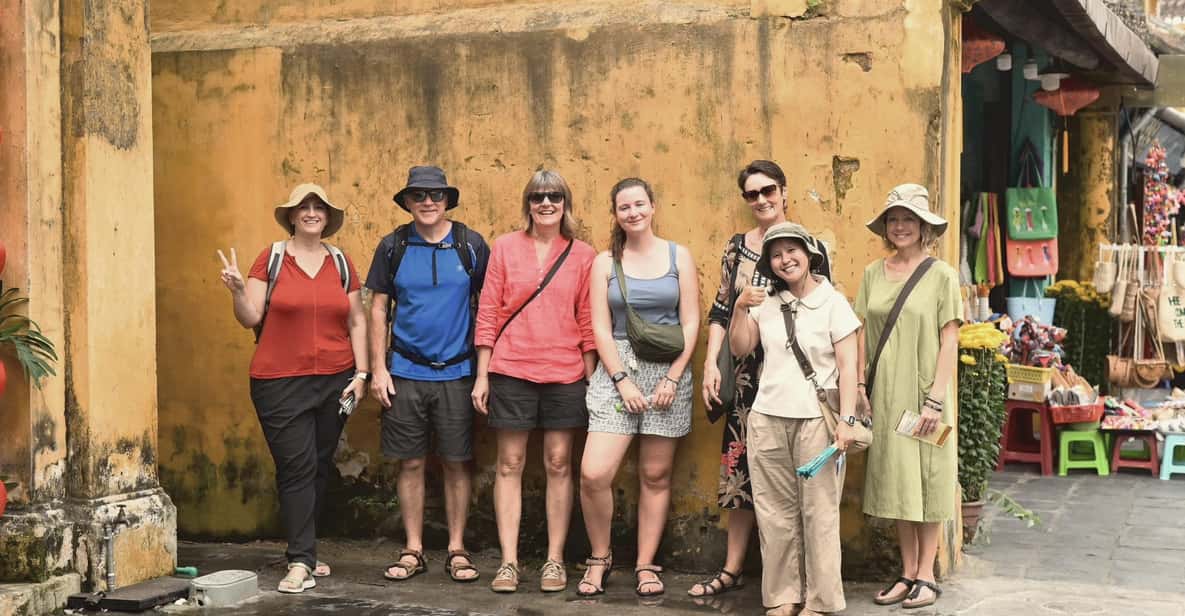
Hoi An works best when you understand the “why” behind the “what.” This tour gives you that quickly. The city’s roots trace back to the 16th century, when it grew into a global trading hub. You’ll hear that context, but you’ll also learn how that blend of cultures shows up in buildings, streets, and everyday life.
A huge plus is that the guides aren’t just reciting facts. In reviews, guides like Karla, Kun, June, Minh, Tom, and Vy get praised for being fun, friendly, and quick to connect with the group. One guide (Minh) even shared an extra tips link after the tour, which shows the goal: get you oriented, then send you off with momentum.
The pricing is another eye-opener. At about $2.01 per person (plus any small booking fee), you’re paying for a real guided experience, not a “walk and point” setup—especially since you also get a PDF guide. Just remember that the UNESCO site ticket isn’t included, so your final cost depends on whether you need that entry fee for the specific stops.
You can also read our reviews of more walking tours in Hoi An



Price and what you should budget for

The tour lists a low base price, and that’s the headline. But here’s how I’d think about value in real life:
- What you get is a 3-hour, English-guided walking route through major Old Town highlights.
- You also get a PDF of local recommendations with discounts, which can offset costs if you plan to eat out, do a tailor, or book a massage/spa.
- The UNESCO entrance ticket is not included (120,000 VND per ticket). The tour also notes you’ll skip the ticket line, which saves time when you reach that point.
So if your plan includes at least a couple meals out and maybe a craft or tailors visit, the PDF discounts can easily make the tour feel “free.” If you’re the type who hates paying extra fees for ticketed sites, then budget that UNESCO entry up front and you’ll feel less surprised.
Meeting point: find the guide fast, then relax
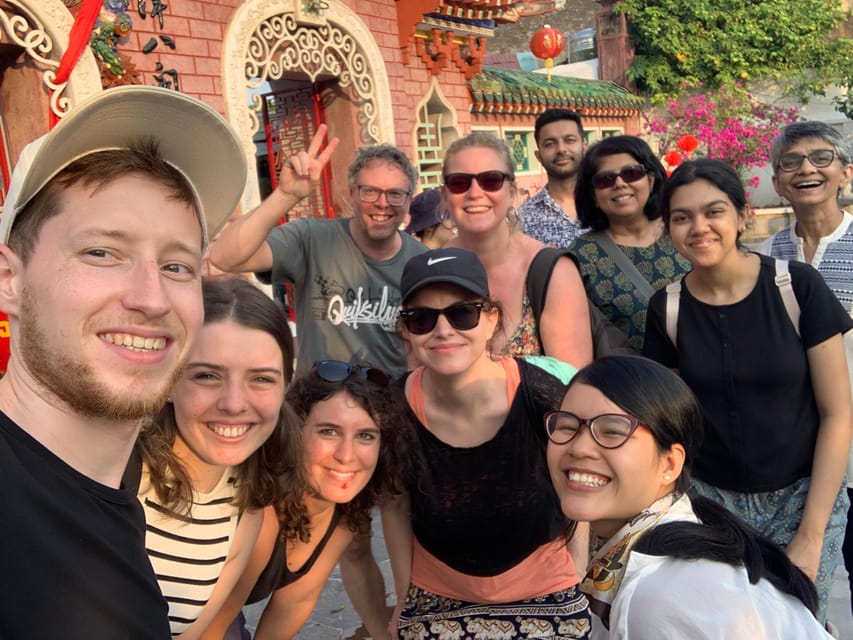
You’ll start at 79 Nguyen Thi Minh Khai Street, at the Red Seal Ship Model. The instructions are very practical: look for a guide from the Momo team holding a blue paper fan.
That sounds small, but it matters. In hot places like this, you don’t want a 20-minute scavenger hunt before the tour even starts. Once you connect with your guide, the pace feels organized.
The tour ends at Hoi An Market, and the activity notes it wraps back at the meeting point as well. Either way, plan to finish your day with browsing time nearby, because a market stop is not a quick glance—it’s the “keep going on your own” moment.
How the 3 hours usually flow (and why it works)
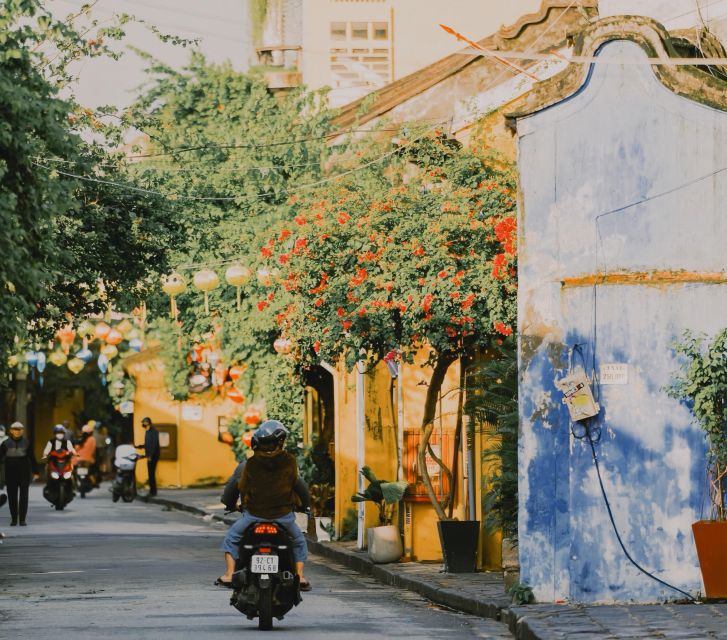
You’re looking at about 3 hours total, with short stops that keep attention from drifting. The itinerary is structured enough that you won’t miss key sights, but it’s still flexible enough for questions. Reviews frequently praise guides for remembering names and keeping everyone involved, not just pushing the fastest people onward.
Heat is handled with a pattern you’ll recognize:
- a walk segment between sites
- a shaded stop or indoor segment
- then back outside
That rhythm is a big reason this tour gets high marks. You get history without suffering through the worst parts of the afternoon sun.
Stop-by-stop: what you’ll see and why it matters
You can also read our reviews of more guided tours in Hoi An






1) Starting at the Red Seal Ship Model (your orientation kickoff)
Your tour starts at the Red Seal Ship Model on Nguyen Thi Minh Khai Street. This is a strong opening because it points you toward Hoi An’s trade-story right away. Even before the buildings, you’re mentally set up for the idea that this town was shaped by long-distance routes, not just local farmers and fishermen.
Practical tip: arrive a few minutes early, because the guide needs a moment to gather everyone and confirm you’re in the right group.
2) Hoi An Ancient Town (the quick “get your bearings” walk)
The tour then gives a guided walkthrough of Hoi An Ancient Town for about 10 minutes. This segment is short for a reason: it helps you understand where you are in the layout and how the main sights connect.
I like this kind of early structure. It means the later stops don’t feel random. When you stand in front of a bridge or an assembly hall, you already know what role it played in the larger story.
3) Japanese Culture Gallery (how the influences connect)
Next is Nhà trưng bày Văn hóa Nhật Bản / Japanese Culture Gallery. Expect a 15-minute guided visit focused on how Japanese presence and connections shaped the town.
This stop works as a bridge between “pretty buildings” and “real history.” You’ll understand why certain architectural details show up later, especially around the bridge area. If you’re the type who likes context, this is one of the most useful stops.
4) Japanese Covered Bridge (the icon you’ll remember)
Then it’s off to the Japanese Covered Bridge for a guided segment of about 20 minutes. This is one of Hoi An’s most photographed places, but the value here is what your guide connects it to.
Instead of treating it like a postcard, you’ll see it as part of the town’s trading-era identity. The tour also builds time around it so you’re not just pushed past for the next photo.
Drawback to consider: it’s a famous stop. Even with pacing, you may have to share space. If you want calmer photos, ask your guide for the best angle while the group is paused at key moments.
5) Công viên Kazik (a breather in the middle of the walk)
After the bridge, you’ll stop at Kazik Park (about 15 minutes). This isn’t a “major monument” stop, and that’s exactly why it helps.
Parks are reset buttons. You get a moment to cool down, regain focus, and look around with fresh eyes. When heat is involved, these small pauses can make the difference between a tour you enjoy and a tour you just endure.
6) Quan Thang Ancient House (how merchants and families lived)
Next up: Quan Thang Ancient House (about 15 minutes). Ancient houses are where Hoi An shifts from street-level atmosphere to daily-life reality.
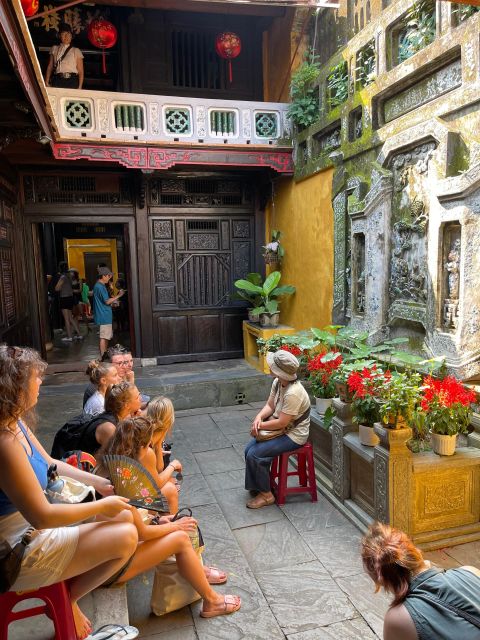
You’ll learn what the space likely meant for people who lived and worked there. This kind of stop is ideal if you like visual clues—doorways, layouts, and the way houses relate to the street. It turns the city from a collection of landmarks into a place where people once ate, traded, rested, and hosted visitors.
7) Fujian Assembly Hall (community power in architecture)
Then comes Fujian Assembly Hall for about 20 minutes. This is a key cultural stop because assembly halls reflect how communities organized themselves—especially immigrant communities in trading ports.
This is where your guide’s stories tend to land. You start seeing the town as a network, not just a sequence of sites. The stop is long enough to make it feel meaningful, not rushed.
Practical note: assembly halls often involve indoor or semi-indoor time. That’s another reason the tour handles heat well.
8) Dumplings stop (food break that ties the tour to real life)
You’ll have a dumplings stop (about 15 minutes). The tour doesn’t spell out a meal plan, so treat this as a guided food moment rather than a full included lunch.
What’s great here is how it connects the history stops with something you can taste. Even if you just observe what locals order, you’ll leave with a better idea of what kinds of flavors and snacks fit the area.
9) Hoi An Central Market finish (spend your new instincts)
You end around Hoi An Market. This finish is a smart move: you’ll already have context from the cultural stops, so you can browse with purpose.
This is also the easiest moment to ask one last question: what should I eat next, where should I go after this, and what should I avoid? With the PDF guide, you’ll have backup choices ready.
The PDF recommendation guide: the real post-tour value
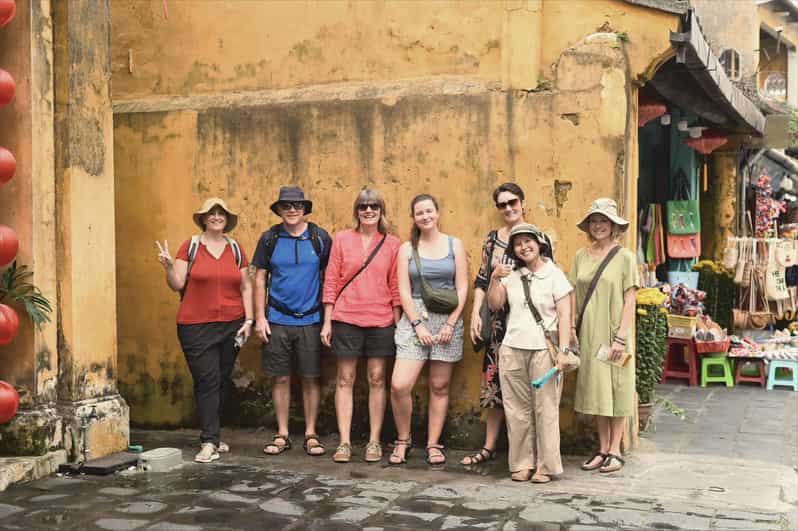
The most practical “souvenir” here is the PDF. It’s filled with local recommendations for food, drink, activities, and it includes discounts for things like spas, tailors, and craft beer.
If you’ve ever struggled with decision fatigue—too many options, not enough time—this kind of curated guide helps. It’s also useful for solo planning. You don’t need to match your taste to a generic list. You can use it as a shortlist and adjust based on what you’re in the mood for.
What kind of person this tour suits
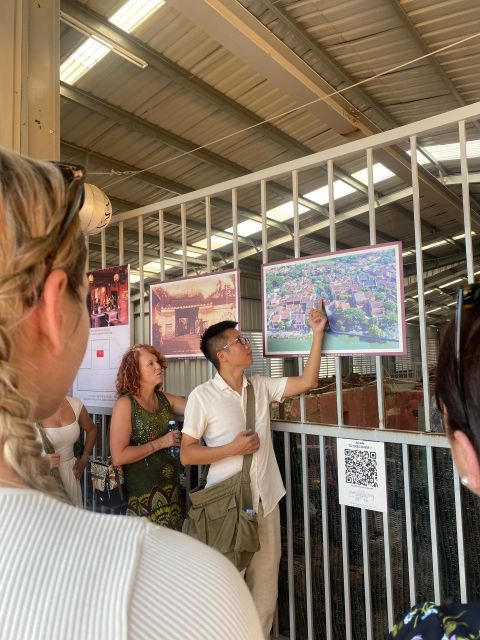
This is a strong fit if you:
- want a first-day orientation so you don’t waste your limited time
- like learning through a local guide’s stories, not just reading plaques
- value cultural context alongside the main sights
- want a low-cost tour that also helps you plan meals and activities
It may be less ideal if you hate walking in heat even with indoor stops, or if you’re looking for a slow, museum-style pace. This tour is built to cover a lot in a short window.
Small details I’d watch for (so you don’t lose time)
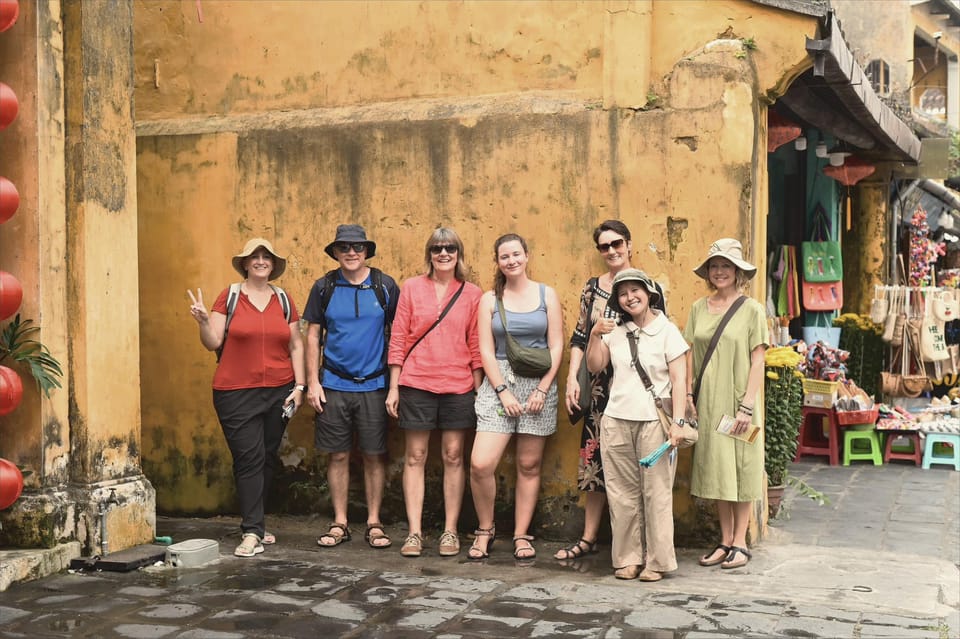
- Bring sun protection. The itinerary includes indoor breaks, but you’ll still be outside for stretches.
- Wear comfortable shoes. The whole route is walk-based.
- Have a plan for the UNESCO ticket. Since it’s not included, check how it affects your day and decide when you’ll want that entry.
Should you book Hoi An: Ancient Town Guided Walking Tour?
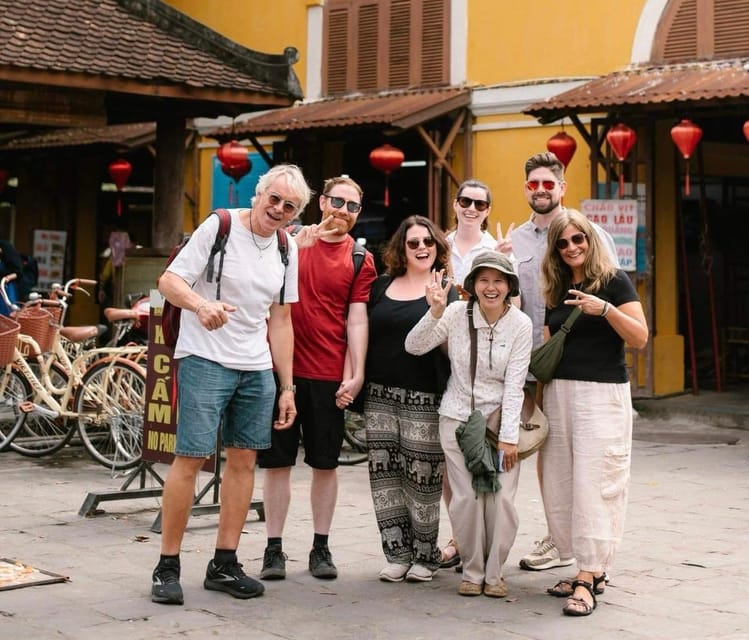
I think you should book it if you want an efficient, friendly entry into Hoi An. The combination of major highlights (Japanese Covered Bridge and key assembly/ancient-house stops), quick heat-management, and a practical PDF with discounts makes it feel like more than a basic sightseeing walk.
If you’re traveling with limited time, this tour can help you turn “seeing the town” into “understanding the town.” If you already know you’ll do UNESCO ticketed sights anyway, the included skip-the-line help is an extra bonus.
FAQ
FAQ
How long is the Hoi An Ancient Town guided walking tour?
The tour is listed as 3 hours. Starting times vary, so check availability for the schedule.
What language is the tour guide?
The tour includes an English-speaking live guide.
Is the UNESCO entrance ticket included?
No. The UNESCO entrance ticket is listed as 120,000 VND per ticket.
Does the tour help with ticket lines?
Yes, it notes that you can skip the ticket line.
What’s included in the tour price?
Included are the English-speaking guide, the walking tour, and a PDF of local recommendations with discounts (such as spa/massage, craft beer, and tailor options).
Where do I meet the guide?
Go to 79 Nguyen Thi Minh Khai Street, at the Red Seal Ship Model.
How do I identify my guide at the start?
Look for the Momo team guide holding a blue paper fan.
Where does the tour end?
It ends at Hoi An Market, and the activity notes it ends back at the meeting point area as well.
Is there free cancellation?
Yes. Free cancellation is listed up to 24 hours in advance for a full refund.
Is the tour wheelchair accessible?
Yes, wheelchair accessibility is listed.