REVIEW · HOI AN
Da Nang: Half-day Hoi An Heritage Walk
Book on GetYourGuide →Operated by Hoi An Express · Bookable on GetYourGuide
Hoi An on foot feels like time travel. This half-day heritage walk is interesting because you see how Vietnamese, Chinese, and Japanese influences overlap in the same streets, not like separate museum rooms. I especially love the Japanese Covered Bridge stops and the way the tour uses the Hoi An Market to show how locals shop and live, not just what to photograph. One thing to consider: parts of Hoi An are tourist-heavy, so you’ll get the most from having a guide to explain what you’re looking at and where to slow down.
This is built as a guided route with short photo and walkthrough breaks—so you cover the big sights without getting stuck in endless lines. You start with hotel pickup in Da Nang and end back in the city, usually with enough time to do something else later the same day. Expect a mix of architecture visits (like old houses and assembly halls), a short museum-style stop, and a 40-minute traditional dance show that breaks up the walking.
In This Review
- Key highlights worth your attention
- Why a half-day Hoi An Heritage Walk makes sense
- Da Nang pickup and how the 5-hour schedule really feels
- Hoi An Market: where the town teaches you how to look
- Fujian Assembly Hall and the Chinese influence you can spot
- A 40-minute dance show break (and how to make it worth your time)
- Hoi An folk museum stop: the short museum moment that adds meaning
- Old House of Tan Ky: the part you’ll remember later
- The Japanese Covered Bridge: not just a landmark, a shortcut in time
- Finishing photo stops: why the last minutes matter
- Price and value: is $42 a fair deal?
- Who should book this tour in Da Nang
- Should you book the Hoi An Heritage Walk from Da Nang?
- FAQ
- How long is the Hoi An Half-day Heritage Walk?
- What does the tour include?
- What stops are included during the walk?
- Where is pickup in Da Nang?
- Is it okay to bring kids?
- Can I cancel or pay later?
Key highlights worth your attention
- Japanese Covered Bridge: the most famous stop, timed for photos and a guided explanation of why it matters
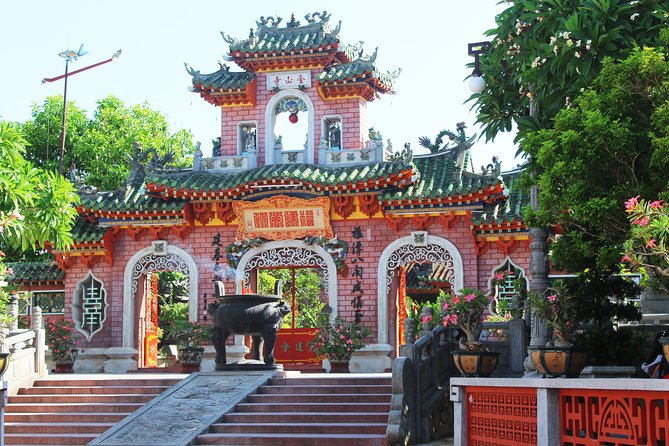
- Fujian Assembly Hall: Chinese cultural influence shown through the details of the building
- Hoi An Market: a practical taste of daily life, not just a scenic stop
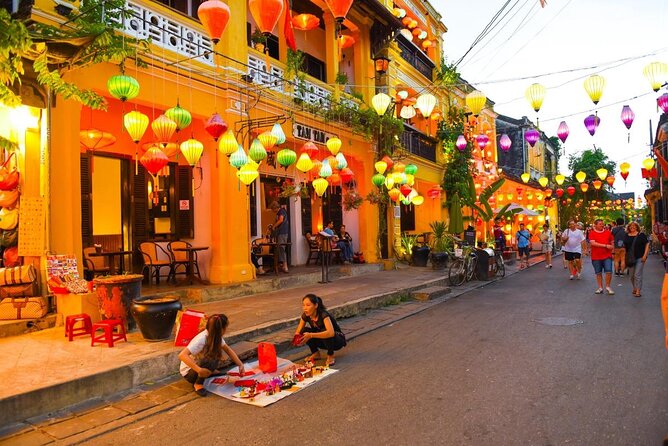
- Tan Ky Old House: an iconic traditional house with architectural features you can actually notice up close
- A schedule with built-in pacing: short visits keep energy up, even if the heat or rain changes plans
Why a half-day Hoi An Heritage Walk makes sense

If you’re using Da Nang as your base, Hoi An can eat a whole day fast. You can do it alone, sure—but you’ll miss the shortcuts that a good guide gives you: what each building type was used for, why certain halls look the way they do, and which streets connect to older neighborhoods. This tour is designed to solve that problem. In about five hours, you get a structured walk through the Ancient Town’s most important touchpoints.
The best part is the cultural overlap. Hoi An is one of those places where Vietnamese life, Chinese merchant communities, and Japanese connections all show up in architecture and street layout. When you’re walking, it becomes obvious. A covered bridge isn’t just a photo—it’s a clue. An assembly hall isn’t just old stone—it’s a record of who came here and why.
You also get the town’s calmer feel during the quieter stretches. Even if you hit busy corners, there are enough small lanes and house-front details to remind you that this isn’t a theme park. The tour leans into that by repeatedly stopping for guided looks at ancient homes, halls, and landmark structures, rather than rushing past everything.
You can also read our reviews of more walking tours in Hoi An



Da Nang pickup and how the 5-hour schedule really feels
This one starts with pickup in Da Nang City Center and returns you to Da Nang at the end. Pickup is included, and it specifically notes that it’s not from Son Tra Peninsula, so plan your lodging around the city center if you want this to be smooth.
On a walking tour like this, the biggest value is the balance between coverage and stamina. The itinerary is built from smaller chunks—think 15 to 30 minutes at many stops, then a longer break at the dance show. That matters because Hoi An weather can swing, and walking under strong sun (or in a sudden drizzle) can drain you quickly. The guided approach helps you keep moving without feeling like you’re sprinting.
Another small but real benefit: entrance fees are included, plus bottled drinking water. If you’ve ever been halfway through a historic area while hunting down the right ticket booth, you know how much time that can steal. Here, you’re set up so the guide can focus on the route and the stories, not the logistics.
Hoi An Market: where the town teaches you how to look
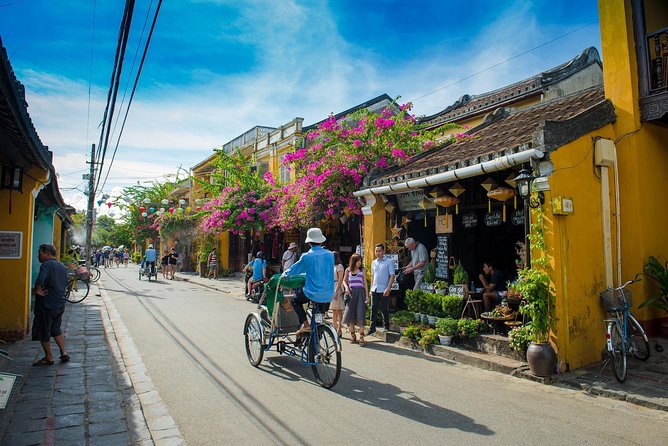
The tour’s first major stop after getting settled is Hoi An Market, with about 30 minutes for a photo stop, sightseeing, and guided walking. Markets like this are one of the fastest ways to understand Hoi An beyond postcards. You see daily routines—what people buy, how the streets feel when they’re in use, and how the town’s older structures hold modern life.
I like this stop because it gives your eyes context. After you’ve walked through a market, the later architecture visits click. You start noticing things like shopfront layouts, the relationship between doorways and foot traffic, and how commercial life shaped the town. It also helps you get your bearings fast, since you’re orienting yourself to the direction and flow of Ancient Town.
What to watch for: the market area can be busy and a bit chaotic. Since this is a guided walk, you’ll benefit from staying close to the group during the tight sections. If you want photos, bring your camera prep before you step into the densest parts—otherwise you’ll spend the best moments adjusting settings instead of taking shots.
Fujian Assembly Hall and the Chinese influence you can spot
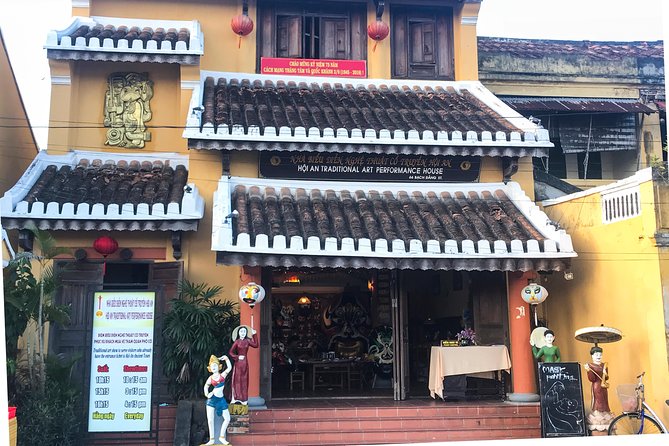
Next up is Fujian Assembly Hall, with a guided visit and photo stop around 20 minutes. Assembly halls are a signature in Hoi An, and this one is tied to Chinese cultural presence. Even if you don’t know the terminology, you can see why these places mattered. They weren’t random temples—they were community spaces linked to identity, mutual support, and merchant life.
This is the kind of stop where a guide earns their fee. A building can look beautiful in still photos, but the details are easy to miss when you’re on your own. In a short visit, the guide points you toward the features that explain the hall’s purpose and style.
Practical tip: take a moment to slow down after the guide finishes the main explanation. Look at the facade, then look again at how people move in and out. That simple comparison helps you understand what felt public and what felt formal.
A 40-minute dance show break (and how to make it worth your time)
About midway through, you’ll get a traditional dance show stop that lasts around 40 minutes. For some travelers, this is the “wait, is this really heritage?” moment. In a well-paced itinerary, it works because it gives you a break from walking and refocuses you on culture in motion, not just architecture.
Even if you’re not an expert in the style, the show can help connect the dots between community gatherings and cultural expression. Assembly halls and old homes weren’t only about trade—they were also about social life. A performance is a quick way to understand that human side without needing hours of extra reading.
The trade-off: it does take time where you might otherwise spend another 15 to 20 minutes on extra streets or shops. So go in with the right mindset. Treat it like a scheduled pause that keeps your day balanced.
You can also read our reviews of more historical tours in Hoi An






Hoi An folk museum stop: the short museum moment that adds meaning

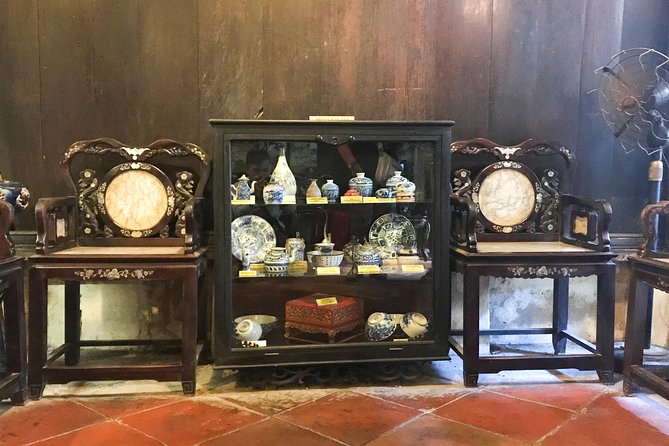
After the dance show, the tour includes a stop at the Hoi An folk museum (about 15 minutes). This is a smaller, quicker museum-style visit in the flow of walking. Those short museum segments can be hit-or-miss on other tours, but here it’s placed after major architecture stops, so it’s more likely to feel like it adds context rather than repeating what you already saw outside.
In practical terms, this is where you can pick up background that helps you interpret what you’re seeing in the streets: everyday life, local crafts, and how residents understood their world. Since you’re only there briefly, your best move is to skim with intention—watch what the guide points out, then use that information while you’re walking again in the next segment.
If you’re someone who loves reading every sign, you might wish this stop was longer. If you prefer seeing more outdoor sights, the short duration is actually a plus.
Old House of Tan Ky: the part you’ll remember later
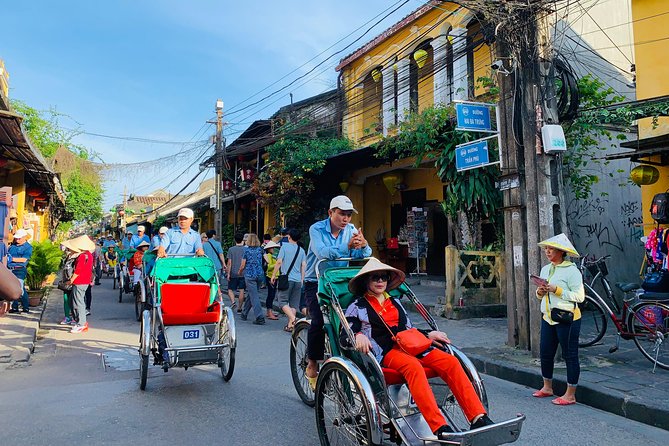
One of the most satisfying stops on the route is the Old House of Tan Ky, with a guided walk and photo stop around 25 minutes. Traditional houses in Hoi An are not just pretty. They’re functional, designed around climate, family life, and the town’s older social patterns.
Tan Ky is iconic, and it’s easier to appreciate when you’ve already seen the market and the assembly hall. You understand that Hoi An wasn’t one single culture blueprint—it was a blend, and each group left visible traces.
A helpful way to enjoy this stop: don’t only stare at the exterior. Look at how openings relate to the street, and notice any transitions between more public and more private areas. Those small shifts tell you how daily life was organized.
Also, keep your expectations realistic: you’re not touring a sprawling estate with rooms the size of a hotel. The time is guided and focused, so you’ll get the core highlights without getting lost.
The Japanese Covered Bridge: not just a landmark, a shortcut in time
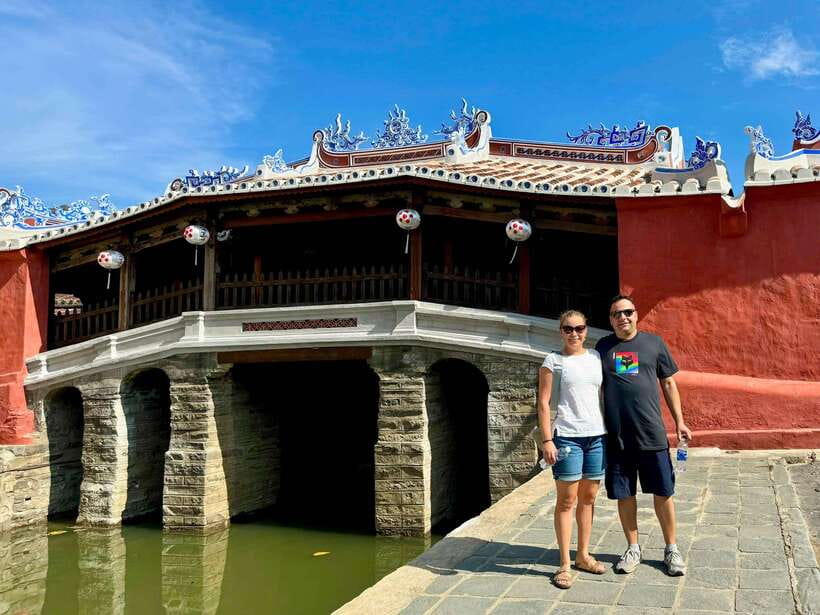
Then comes the big one: the Japanese Covered Bridge, with about 20 minutes for photo and guided sightseeing. This is the stop most people recognize instantly. The value of having a guide here is that it becomes more than a famous silhouette.
Covered bridges in old towns often served as practical connectors as much as symbols. In Hoi An, this bridge carries meaning tied to the town’s Japanese connections. When you hear the context while you’re standing there, it helps you understand why this structure became a lasting reference point in the town’s identity.
The bridge photo is obvious. What’s less obvious—and what I’d encourage you to look for—is what it feels like underfoot and around it. Notice the flow of foot traffic, the way the bridge interacts with nearby storefront edges, and how the surrounding architecture frames it. That’s where the heritage picture becomes real.
Finishing photo stops: why the last minutes matter
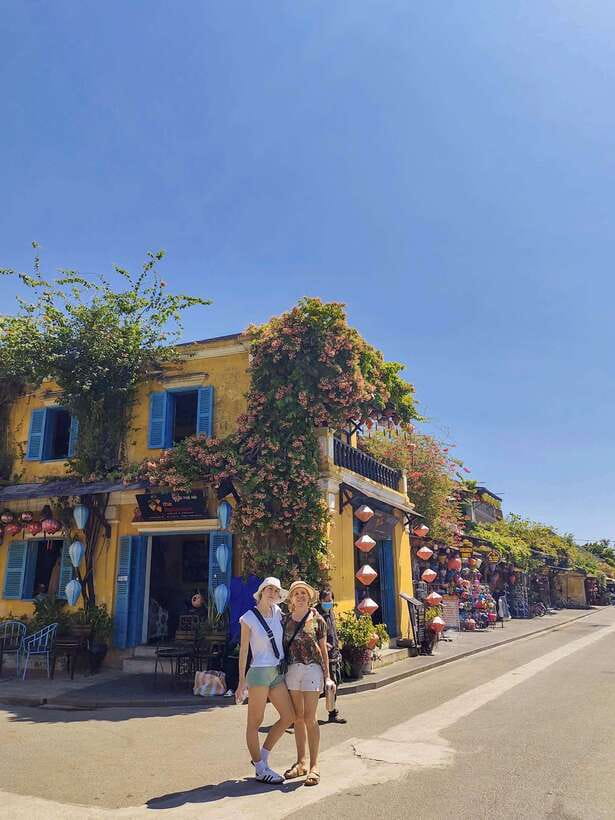
Toward the end, you’ll have additional short photo/sightseeing stops—around 15 minutes in the itinerary—before you return to Da Nang. These final segments often get overlooked because they’re quick. But in a walking tour, those last minutes can be the ones that let you correct earlier photo choices or catch a viewpoint you didn’t notice at the start.
Also, if you’ve been thinking you want more time in certain spots, this is where you’ll feel the limitation. Some parts of Hoi An are better enjoyed when you slow down further than a guided timetable allows. One of the practical takeaways from tour experience is that a guide helps you hit the right landmarks fast, but you may still want extra personal time later, especially if the lighting is better later in the day.
Price and value: is $42 a fair deal?
At $42 per person for a 5-hour half-day, this tour is priced like a classic “guided highlights” experience: transport, guide, entrance fees, bottled water, and travel insurance are included.
Here’s the value math I’d use:
- Entrance fees alone can add up when you’re hopping between multiple sights.
- Hotel pickup and drop-off reduces friction. You don’t have to coordinate transport to and from your Da Nang hotel.
- A guide reduces wasted time. With architecture and culturally specific sites, the difference between looking and understanding is real.
The main reason this feels like good value is that it’s not only a sightseeing walk. It’s a route with structured stops, including the market, assembly hall, an old house, and the Japanese Covered Bridge—plus a museum and a dance show. If you’d otherwise try to string together the same landmarks on your own, you’d spend time figuring out sequence and paying separate entry costs.
If you’re the type who loves drifting without a plan, you might find the schedule slightly tight. In that case, consider using the tour as your “orientation day” and then returning later on your own for the longest, slowest wandering you want.
Who should book this tour in Da Nang
This works best if you want:
- a guided route through Hoi An Ancient Town without spending extra time planning
- architecture that connects Vietnamese, Chinese, and Japanese influences
- a mix of outdoor sights plus one cultural performance break
It may not be the best fit if:
- you want long free time at each stop
- you dislike structured schedules or don’t want any scheduled indoor/museum time
- you’re traveling with unaccompanied minors, since unaccompanied minors are not allowed and every child must be accompanied by an adult
On the guide side, I’ve seen strong praise for a guide named Hung, described as fun and talented. Even without assuming you’ll get the same guide, it’s a good sign that the provider puts emphasis on an engaging English-language experience.
Should you book the Hoi An Heritage Walk from Da Nang?
I think it’s a smart booking if Hoi An is a must-do and you’d rather spend your time learning the stories instead of guessing the best route. For the price, you’re getting transport, entrances, and a guided walkthrough across the town’s most recognized landmarks—especially the Japanese Covered Bridge, Fujian Assembly Hall, and Tan Ky Old House.
If you’re short on time in Central Vietnam, this tour gives you a solid first look. If you have extra hours later, treat it as your orientation day, then come back for slower wandering after you’ve learned what to look for.
FAQ
How long is the Hoi An Half-day Heritage Walk?
It runs for about 5 hours. Starting times vary, so you’ll need to check availability.
What does the tour include?
It includes hotel pickup and drop-off in Da Nang City Center (except Son Tra Peninsula), transportation, entrance fees, bottled drinking water, an English-speaking guide (other languages may be available with a surcharge), and travel insurance.
What stops are included during the walk?
You visit Hoi An Market, Fujian Assembly Hall, a traditional dance show, the Hoi An folk museum, Old House of Tan Ky, and the Japanese Covered Bridge, plus additional short photo stops.
Where is pickup in Da Nang?
Pickup is included from Da Nang City Center. Pickup is not included from Son Tra Peninsula.
Is it okay to bring kids?
Unaccompanied minors are not allowed. The info also says every child must be accompanied by an adult, and you should book adult tickets for any additional children.
Can I cancel or pay later?
Yes. You can cancel up to 24 hours in advance for a full refund, and the listing offers a reserve now & pay later option.