REVIEW · HO CHI MINH CITY
Saigon Street Photography Experience
Book on Viator →Operated by Secret Experiences · Bookable on Viator
A camera in Ho Chi Minh City is basically a cheat code. This morning Saigon street photography experience pairs street-practical teaching with local architecture and daily-life scenes, hosted by professional photographers like Frederik Wissink (Fred) or Kevin Lee. I especially like the way it teaches how to work your camera in real street conditions, not just how to take a pretty picture. One thing to consider: it’s a 7:00 am start and you’ll be walking in the open, so good shoes and weather flexibility help.
What I like most is the mix of subject matter in one compact route. You’ll move through French colonial and war-era apartment settings, hit a local hardware market, and finish with a Buddhist temple visit—plus you’ll spend time in the alleyways where Vietnamese family life actually happens. The possible drawback is that a street-focused morning can feel intense if you’re shy about photographing people, even though the hosts specifically coach you on approach and respect.
In This Review
- What makes this Saigon morning photo walk worth your time
- The photo coaching you can actually use at 7:00 am
- Your route through Saigon: colonial edges, alley life, and temple quiet
- 1) French colonial and war-era apartment buildings
- 2) A local hardware market
- 3) Alleyways and daily family life
- 4) A Buddhist temple stop
- Coffee start, photo rules, and how to approach people
- Who should book this street photography walk in Saigon?
- The real value of $73 for 2.5 hours with pro instruction
- Logistics that matter: distance, timing, and comfort
- Weather and why it changes the plan
- My take: should you book this Saigon street photo experience?
- FAQ
- What time does the Saigon Street Photography Experience start?
- Where do I meet for the experience?
- How big is the group?
- Is this tour suitable for beginners and smartphone users?
- What locations and subjects will I photograph?
- What happens if the weather is bad?
What makes this Saigon morning photo walk worth your time
- Pro hosts with real credits: Frederik Wissink (17 years in Vietnam) and Kevin Lee bring commercial and editorial experience to everyday street skills.
- Small group feel (max 10): You get coaching without the crowd chaos.
- Practical street technique: You’ll get tips on angles, exposure, light, and how to compose fast.
- Non-touristy subjects: Alleyways, everyday errands, and access-minded locations like apartment-building interiors.
- Iconic but used in context: Colonial-era and war-era architecture, a Buddhist temple, and a hardware market—each used as a photographic story, not just a backdrop.
The photo coaching you can actually use at 7:00 am
If you’ve ever tried to photograph a city right when it wakes up, you know the truth: light changes fast and people don’t pause for your composition. This walk is built around that reality. You start at Cafe Linh77 (Hàm Nghi, District 1) at 7:00 am, where you begin with coffee or tea and a quick setup of what to look for.
Then the teaching starts immediately. Expect photo guidance on how to work with street scenes—how to notice shapes and lines in narrow spaces, how to think about what’s in the frame versus what’s distracting, and how to approach people in a way that keeps things friendly. One of the strongest patterns in the feedback is that people didn’t just get random tips. They came away with a new way of seeing—angles, light choices, and composition decisions that they can repeat later in the day.
And yes, you don’t need a fancy setup to benefit. A review specifically mentions tips for getting the most from an iPhone. If your phone is your camera, that’s fine. The skill being taught is how to look and how to react—not how to own the most expensive gear.
You can also read our reviews of more photography tours in Ho Chi Minh City

Your route through Saigon: colonial edges, alley life, and temple quiet
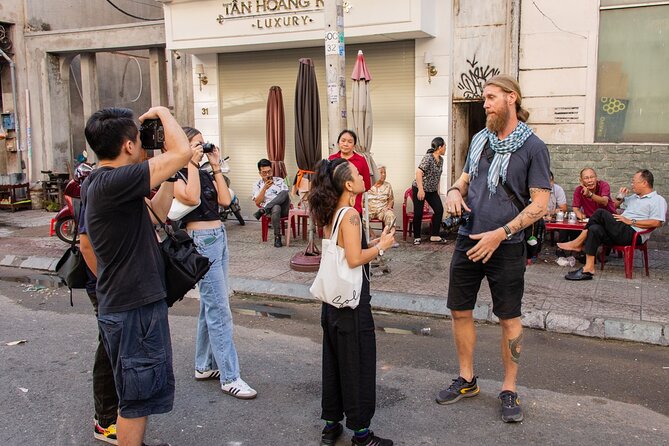
This experience is designed to give you multiple types of “street photography problems” in one morning. That’s what makes it useful: you practice adapting as the scene changes.
1) French colonial and war-era apartment buildings
Saigon’s downtown has layers. This walk takes you past French colonial and war-era apartment buildings, then uses that architecture for photo practice. The big value here is texture: peeling walls, repeating windows, corridors, and stairs that give you patterns to frame quickly.
One review highlights access to unique spots inside apartment buildings. That matters because you can’t always get those angles from the sidewalk. Even when you’re outside, the teaching helps you translate “this looks interesting” into “this angle tells a story.”
A practical consideration: stairwells and passages can be darker. That’s where exposure and light tips become more than theory. You learn to work with what’s there, rather than waiting for perfect conditions.
2) A local hardware market
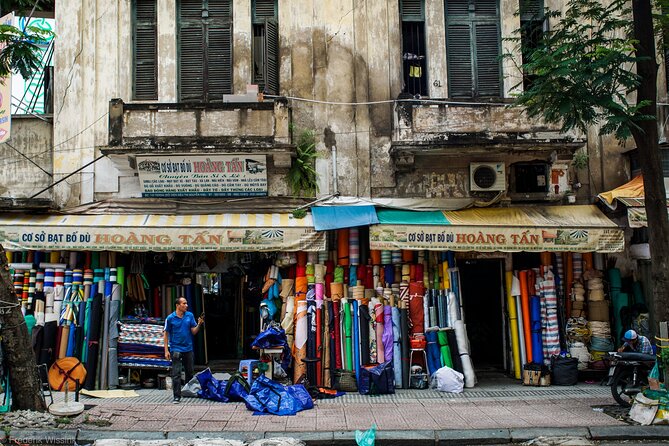
Markets are where street photography stops being about monuments and starts being about people’s rhythms. During the walk, you visit a local hardware market, which naturally gives you shapes, hands at work, and honest everyday clutter.
The coaching here is the difference between shooting “stuff” and shooting moments. You’re encouraged to look for small actions—how vendors arrange items, how people interact with tools or materials, and how to compose so the frame isn’t visually noisy. If you like photos that feel lived-in, this stop is a strong anchor.
3) Alleyways and daily family life
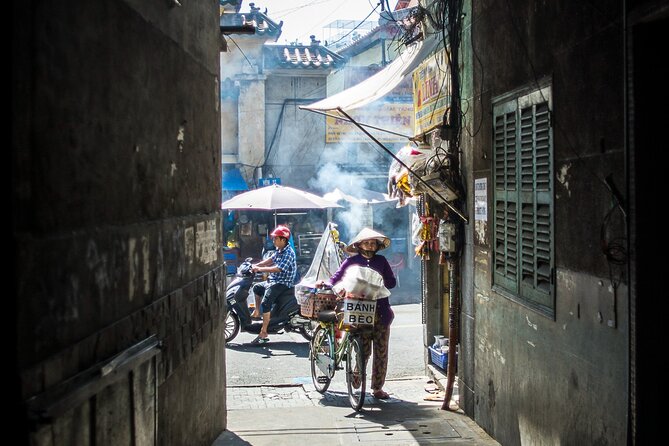
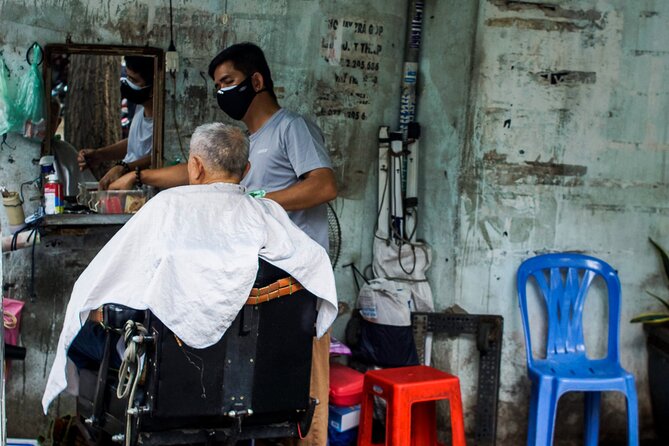
This is a big theme of the experience: spending time in the alleyway network where daily life unfolds. It’s where you’ll see families, routines, and the informal beauty of neighborhood spaces.
In street photography, alley scenes can be tricky. Too far away and it looks empty. Too close and you risk awkwardness. That’s why the hosts talk about approach—how to be respectful, how to ask or signal naturally when needed, and how to keep your attention on the scene without turning it into a performance.






4) A Buddhist temple stop
You also visit a beautiful Buddhist temple, which adds a different tone to the morning. Temples bring calm, symmetry, and light that feels softer and more controlled than street corners. You’ll likely find more opportunities for slower compositions—details, movement near entryways, and respectful portrait-like moments without pressure.
Even if you don’t usually shoot spiritual spaces, it helps your photo thinking. It teaches you to shift gears: from fast candid street moments to more intentional framing.
Coffee start, photo rules, and how to approach people
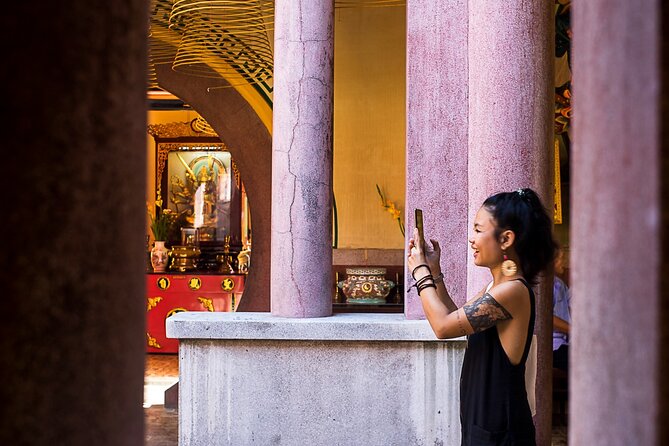
The format starts simply: morning coffee or tea, then the host sets expectations and gives photo tips before you fan out through the streets.
The most praised element across the experience is guidance on how to shoot streets without being a nuisance. The hosts share practical ways to approach people and capture candid scenes while keeping your interaction respectful. That matters because in Saigon, people notice everything. If you look lost with a camera held up too high, you’ll draw attention for the wrong reason.
What I’d watch for in your own execution:
- Try to shoot from eye level rather than over your head.
- Move with purpose. Stop, look, and then shoot.
- If you’re unsure, focus on environment-first frames—doors, stairs, signage, patterns—then wait for a person to enter naturally.
If you want photos that feel real, these rules help you get there faster.
Who should book this street photography walk in Saigon?
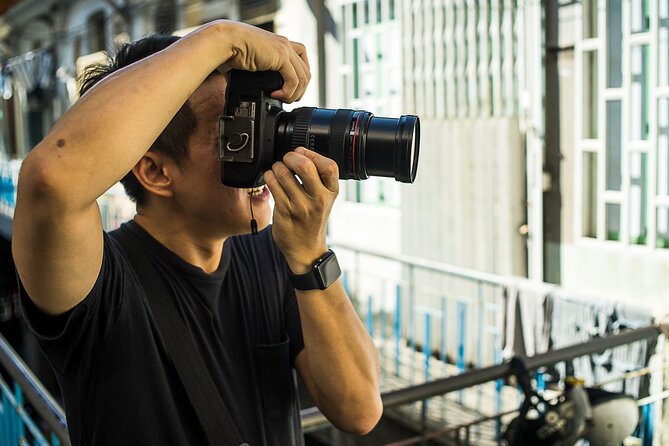
This tour fits a wide range of photographers. The experience is explicitly described as suitable for aspiring and professional photographers of any level. That’s believable because street skills transfer.
It’s a great fit if:
- You want to learn street basics (angles, exposure, light, composition).
- You want to expand beyond landscapes and set yourself a “real city” challenge.
- You love getting outside the main tourist routes.
- You shoot with a camera or a phone and want better results quickly.
It’s also ideal for people who like city facts. Along the walk, you hear historic facts about Saigon’s downtown and how the architecture evolved, so your photos aren’t just pretty—they have context.
The real value of $73 for 2.5 hours with pro instruction
At $73 per person for about 2 hours 30 minutes, this sits in a reasonable range for a small-group, skill-based photo lesson. The value isn’t just the time. It’s the focus: you’re not wandering with a generic guide. You’re doing a guided route built around photographic practice.
You also get several value boosters:
- Small group size (max 10) keeps attention personal.
- Mobile ticket keeps things simple.
- Morning timing reduces some harsh lighting issues and can help with street congestion compared to later hours (and it’s when street scenes are often most active).
In other words, you’re paying for someone to help you turn visual ideas into shots—not just to transport you between viewpoints.
Logistics that matter: distance, timing, and comfort

This is a walking experience with multiple stops, and the locations are positioned so the walk feels manageable rather than marathon-long. Still, you’re out for about 2.5 hours, and the photo sessions mean you’ll pause, look, and repeat settings.
So plan like a photographer:
- Wear comfortable shoes with grip.
- Bring a small towel or tissue. Saigon mornings can surprise you.
- If you’re carrying a camera, consider a strap you can quickly adjust when you move close.
The start time is 7:00 am, which can be a deal if you like cooler mornings and more relaxed street flow, but it’s also a dealbreaker if you hate early wake-ups.
Weather and why it changes the plan
The experience depends on good weather. If it’s canceled due to poor weather, you’ll be offered a different date or a full refund. That’s not unusual, but it’s worth treating seriously because street photography walks fall apart when the ground is slick or visibility drops.
My take: should you book this Saigon street photo experience?
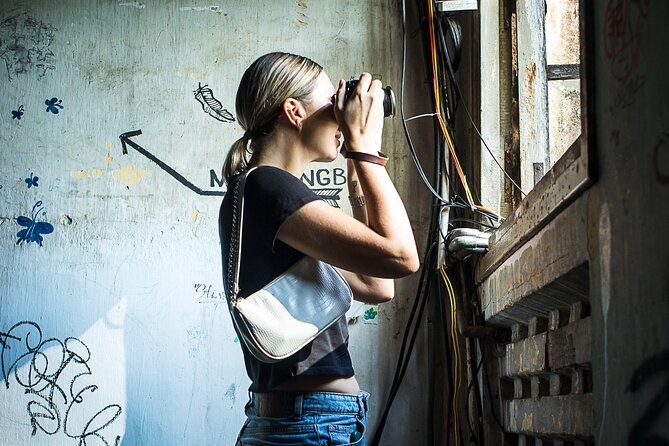
Book it if you want a morning in District 1 that helps you get better fast. The teaching on angles, exposure, and light, plus practical coaching on how to approach people, is the core reason this works. Add in the route that moves from colonial and war-era apartment buildings to a hardware market and a Buddhist temple, and you’ve got a satisfying mix of subjects without needing a private driver or a multi-day plan.
Don’t book it if early starts and walking stress you out, or if you absolutely refuse to photograph close-up street scenes. You can still shoot architecture and environment, but the whole point is capturing real daily life. For that, you need at least some openness.
If you’re ready to practice with a pro and trade sightseeing laziness for actual picture-making, this is a strong pick.
FAQ
What time does the Saigon Street Photography Experience start?
It starts at 7:00 am and runs for about 2 hours 30 minutes.
Where do I meet for the experience?
Meet at Cafe Linh77 Hàm Nghi, Phường Nguyễn Thái Bình, Quận 1, Thành phố Hồ Chí Minh, Vietnam. The tour ends back at the meeting point.
How big is the group?
The experience has a maximum of 10 travelers, which helps keep the photo coaching more personal.
Is this tour suitable for beginners and smartphone users?
Yes. The experience is described as suitable for any level, and reviews mention using tips with an iPhone camera as well.
What locations and subjects will I photograph?
You’ll photograph and learn from stops that include French colonial and war-era apartment buildings, a local hardware market, and a Buddhist temple, plus street scenes in the nearby alleyways and daily-life areas.
What happens if the weather is bad?
The experience requires good weather. If it’s canceled because of poor weather, you’ll be offered a different date or a full refund.