REVIEW · HO CHI MINH CITY
Private Sunrise Photography Tour – Down in Chinatown
Book on Viator →Operated by Saigon Photography Tours · Bookable on Viator
Sunrise turns Ho Chi Minh City into a photographer’s playground. I love the soft early light and the chance to shoot Cho Lon with real technical coaching from Adrien, not generic sightseeing. This private tour is built for street photography, so you’re working markets, temples, and back-alley scenes while the city is still waking up.
I also like that the pacing is guided but flexible. Your guide can work with beginner or advanced photographers and give feedback you can actually use on the next frame. The one thing to consider is timing: you start at 6:00am, and you’ll be moving at a steady walk pace in active neighborhoods.
In This Review
- Key Highlights at a Glance
- Why a 6:00 am Cho Lon Photo Walk Works
- Private Tour, Real Coaching: What You Get for $89
- Stop 1: Quan Am Pagoda and Street-Photo Settings
- Stop 2: Phố Tau Sai Gon in Chợ Lớn (Quận 5)
- Stop 3: Ba Thien Hau Temple and Diffuse Ceiling Light
- How to Prepare Your Camera for Sunrise Street Photos
- Who This Tour Fits Best (Beginner to Advanced)
- Making the Most of Hotel Pickup and a Private Group
- Should You Book This Private Sunrise Photography Tour?
- FAQ
- What time does the tour start?
- How long is the private sunrise photography tour?
- Is this tour private?
- Do you get hotel pickup and drop-off?
- What places are included?
- Are admission tickets included?
- What if the weather is poor?
Key Highlights at a Glance
- Street-photo coaching before you shoot, including settings for early-morning city scenes
- Cho Lon focus (Chinatown) so your photos look different from the usual tourist route
- Quan Am Pagoda, Phố Tau Sai Gon, and Ba Thien Hau Temple with practical composition practice
- Private group experience, so the guide can adjust to your camera level and pace
- Hotel pickup and drop-off to keep the morning smooth and camera-friendly
Why a 6:00 am Cho Lon Photo Walk Works
That early start matters more than you’d think. In Ho Chi Minh City, sunrise gives you calmer streets, gentler contrast, and that thin band of daylight that makes faces, shop fronts, and temple details feel dimensional instead of flat. It’s also when the city’s energy is building—loud enough to feel alive, not so loud that you can’t direct your shot.
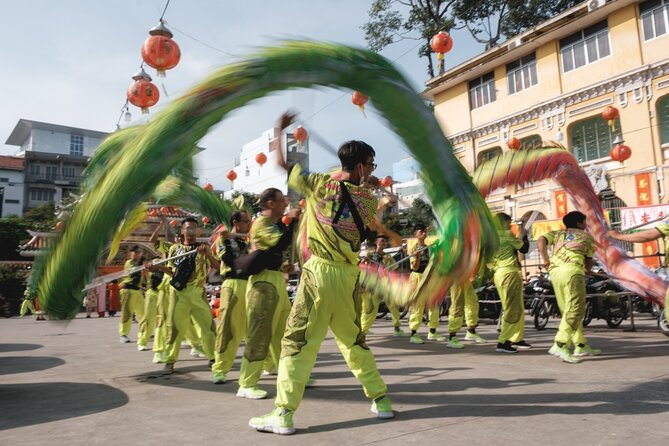
This is a private sunrise photography tour that targets Cho Lon, the city’s Chinatown. That choice is practical: you get more texture per minute—small stalls, route-like alleyways, household-scale life—compared with the big, famous stops that many people hit later in the morning.
And because it’s a photography tour, the point isn’t just to “see” the neighborhood. You’re guided through scenes with a purpose: capture portraits, find strong compositions, and learn how to set your camera for street shooting in mixed-light environments.
You can also read our reviews of more private tours in Ho Chi Minh City
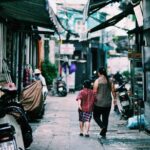


Private Tour, Real Coaching: What You Get for $89
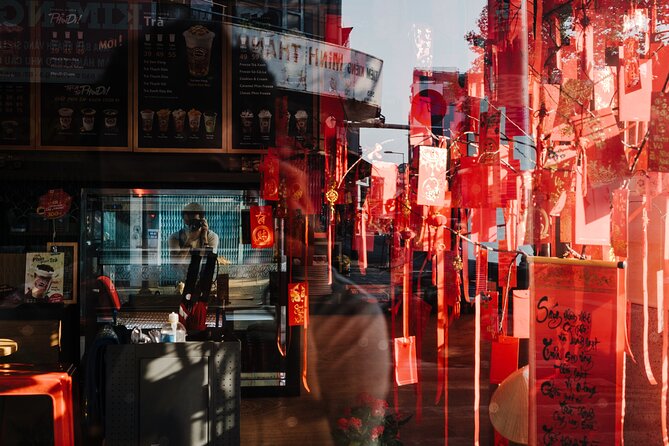
At $89 per person for about 3 hours 30 minutes, this isn’t a bargain “just show up” tour. You’re paying for two things: access to the right places at the right time and personal instruction that matches your level.
The “personal” part is where the value shows. In the reviews, people singled out how Adrien takes time to understand what they want to photograph and their technical skill. That means if you’re brand-new, you get help you can use immediately; if you’ve shot street photos before, you’re not just watching someone else work—you’re getting feedback you can apply quickly.
You also get hotel pickup and drop-off, plus a mobile ticket. That sounds like logistics fluff, but on a 6:00am start it’s real convenience. Less scrambling means more energy for shooting, and less time fussing with transit while your best light disappears.
One more value point: the tour is private, so it’s only your group. That matters for photography because you’re not stuck with a crowd pace, and it’s easier to ask questions, adjust timing, and regroup.
Stop 1: Quan Am Pagoda and Street-Photo Settings
Your morning begins with an intro and a photography-focused discussion before you head out into the first scenes. The tour doesn’t treat camera settings like homework. It’s framed around street photography—how you’ll approach subjects, what to watch for, and how to think about what you want your image to communicate.
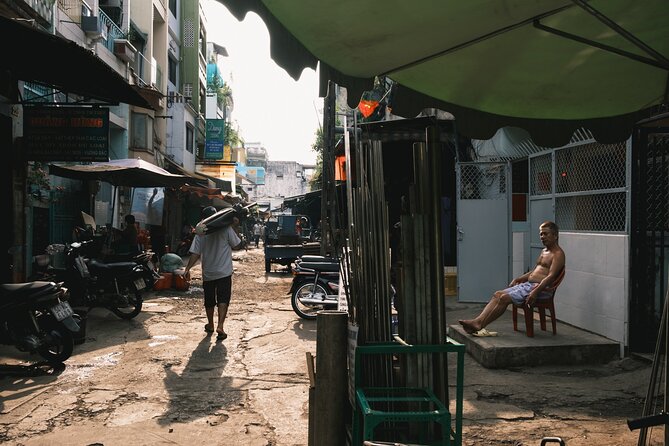
From there, you move into the area around Quan Am Pagoda and a local market environment. The goal is to blend into the crowd while still being intentional with your framing. Markets are tricky for cameras: light changes fast, backgrounds compete for attention, and people shift position constantly. This is exactly the kind of setting where a guide’s coaching can save you time. You learn what to prioritize—often it’s simpler than people expect, like focusing on one subject and building your composition around the nearby shapes instead of trying to capture everything.
What I like about starting here is that it teaches you a street workflow. You’re not walking for an hour and hoping you’ll figure it out later. You’re learning how to shoot while you’re shooting.
Possible drawback to plan around: if you’re the type who wants a slow, leisurely stroll, this stop is structured for action. You’ll likely be shooting on a rhythm: look, set, frame, shoot, review, repeat.
Stop 2: Phố Tau Sai Gon in Chợ Lớn (Quận 5)
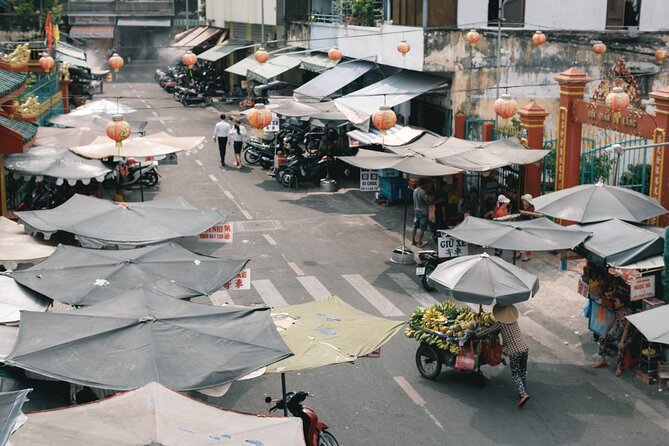
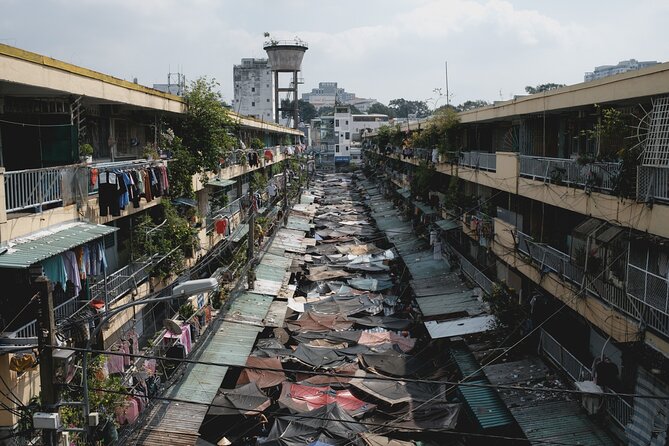
The second stop is where the tour leans hard into Chinatown atmosphere: Phố Tau Sai Gon, in Chợ Lớn (Quận 5). This part of Cho Lon is described as off the beaten path, with chaotic boulevards and maze-like alleyways—so the texture is there, but the way you see it is up to you.
Why it’s a strong photo stop: alley networks and street corners force you to choose. You can’t rely on one big monument shot. Instead, you’ll work with layers—foreground objects, mid-ground faces or shop scenes, and background lines that pull the eye. It’s a classic street photography problem, which makes it a good place for a guided session.
Also, you’ll get the neighborhood story while you move. The tour is built to help you understand why this area looks and feels the way it does, which changes how you frame. When you know what you’re looking at, your photos stop feeling random.
A practical note: in alleyway shooting, your biggest challenge is not your camera—it’s spacing. You’ll want to keep your movements efficient so you don’t bump people or block walkways. A private group setup helps here because you’re not fighting through a large mass of tourists while trying to compose.
Stop 3: Ba Thien Hau Temple and Diffuse Ceiling Light
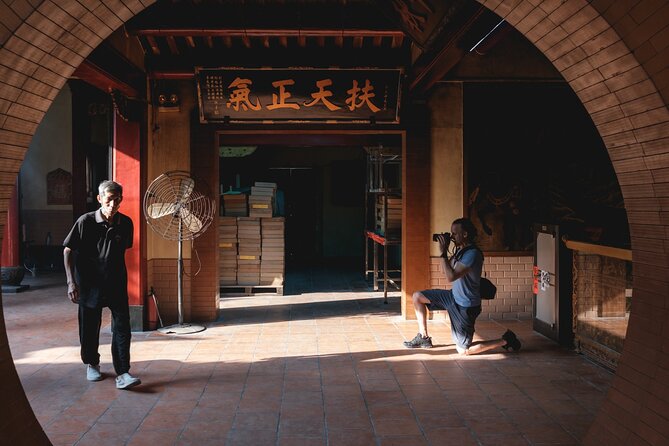
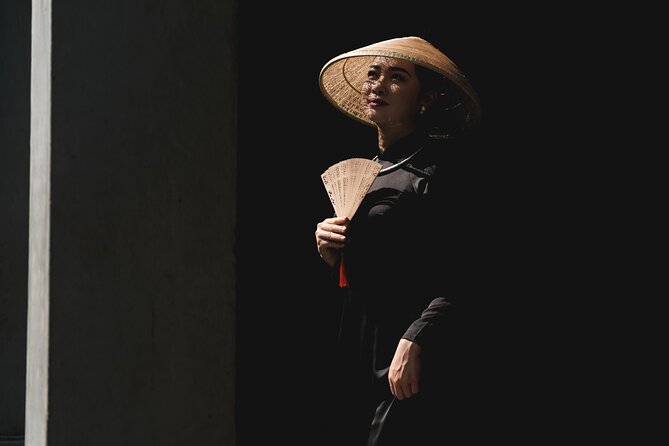
The final stop is Ba Thien Hau Temple, and the lighting here is a gift. The tour highlights diffuse light entering through the ceiling, which is the kind of light that flatters faces and reduces harsh shadows. For sunrise photography, that’s huge. You don’t have to fight the sun. You can focus on composition.
This is also where the tour shifts more into “how to make the photo” rather than just “how to capture the moment.” You practice composition and framing subjects—basically learning how to control what the viewer’s eye lands on first.
If you’ve ever taken street photos that look technically fine but feel cluttered, this is the kind of environment where you can clean up your images fast. Diffused light helps, but composition habits do most of the work:
- choose a subject,
- simplify the background where you can,
- use lines or architectural shapes to lead the eye,
- and shoot a few frames from slightly different angles instead of one and done.
The last hour is important because you can apply what you learned in stop one and two. This is where your earlier settings choices start paying off.
You can also read our reviews of more photography tours in Ho Chi Minh City
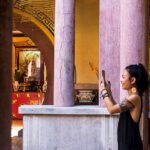
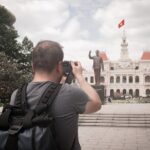


How to Prepare Your Camera for Sunrise Street Photos
You’ll be out for about 3 hours 30 minutes, moving through active areas at sunrise. That means preparation isn’t about buying anything fancy. It’s about making it easy to shoot well quickly.
Here’s what you should plan:
- Camera strap discipline: a secure strap makes you less frantic while stepping around people.
- Battery management: sunrise sessions go fast; bring an extra battery if you can.
- A lens you can use handheld: you’ll likely shoot close and medium distances, not just wide scenic views.
- Comfort first: wear shoes you trust for walking.
For settings, the tour includes a discussion on technique and street-photo settings. Still, you should think ahead about your usual shooting style:
- If you shoot in low light, you’ll want to be ready for camera stability and exposure adjustments.
- If you prefer to move quickly, set a mode that lets you react fast without constant menu diving.
If you’re a beginner, you’ll get help with the basics for how to approach street scenes. If you’re more advanced, you’ll get coaching that targets your specific photo goals and technique level.
Who This Tour Fits Best (Beginner to Advanced)
This tour is designed to work across skill levels. That’s not marketing fluff—your guide can accommodate the class for beginners or advanced photographers. You won’t feel like you’re either drowning in jargon or stuck waiting for inspiration.
It’s especially a good fit if:
- you want street photography practice in a real neighborhood,
- you want Cho Lon photos that feel local rather than copy-paste,
- you like the idea of learning settings and composition while you’re actively shooting,
- you can handle a moderate walking pace.
It might not be ideal if you dislike very early mornings. With a 6:00am start, you’ll want to be ready the night before and have breakfast plans sorted. Also, bring a realistic attitude: street photography is part luck, part timing, and part how you frame what you see.
Making the Most of Hotel Pickup and a Private Group
Hotel pickup and drop-off is one of the smartest parts of this plan. On a sunrise shoot, time is light. If you waste 20 minutes locating your meeting point, you lose that slice of the morning that makes everything look better.
Because it’s private, you can move at a camera-friendly pace. That helps you:
- ask questions without feeling rushed,
- get feedback while it’s still fresh,
- and adjust your shooting plan based on the guide’s direction.
And since the tour is designed around your photography level, don’t be shy about telling Adrien what you want your photos to look like—portraits, street scenes, temple details, or something more personal. The guiding approach is built around adapting to those aspirations.
Should You Book This Private Sunrise Photography Tour?
Book it if you want sunrise photos in Cho Lon with structured coaching, not just a walk with a camera. At $89, you’re paying for early timing, hotel convenience, and a guide who takes time to match your technical level—especially if you’re serious about improving your street photography.
Skip it (or at least rethink) if you can’t do early mornings or you prefer a sightseeing-first style. This is photo-first. The route makes sense for photographers, and the pacing reflects that.
One last decision tip: if you’re traveling with a camera and you’ve been wondering how to stop taking “almost good” street shots, this is the kind of focused session that can level you up quickly.
FAQ
What time does the tour start?
The start time is 6:00am.
How long is the private sunrise photography tour?
It lasts about 3 hours 30 minutes.
Is this tour private?
Yes. It’s private, and only your group participates.
Do you get hotel pickup and drop-off?
Pickup is offered, including hotel pickup and drop-off.
What places are included?
You visit Quan Am Pagoda, Phố Tau Sai Gon in Chợ Lớn (Quận 5), and Ba Thien Hau Temple.
Are admission tickets included?
Admission tickets are listed as free for the included stops.
What if the weather is poor?
This experience requires good weather. If it’s canceled due to poor weather, you’ll be offered a different date or a full refund.