REVIEW · HO CHI MINH CITY
Saigon Railway Village Photo Tour
Book on Viator →Operated by Vietnam in Focus - Day Tours · Bookable on Viator
A great morning starts with train tracks. This photo tour turns Saigon Railway Station into your classroom and railway village life into your subject, all in that early golden light when people are most ready for candid moments. I like the small-group setup (up to 5) and the hands-on coaching from a professional photographer guide. One consideration: the start is early (5:30am), so if mornings make you cranky, plan for it.
What makes this tour worth your time is the mix of technique and real-world practice. You’ll get settings and shooting guidance, then you’ll use it immediately as trains move and locals go about their day. The result is a photo walk that’s more than sightseeing with a camera.
If your goal is to return with photos that tell a story—not just random shots of tracks—this kind of structured morning helps a lot. Just remember: food & drinks aren’t included, so treat breakfast as a planned add-on rather than a guarantee in the ticket price.
In This Review
- Key highlights you’ll feel right away
- Why 5:30am at Saigon Railway Station makes the whole tour work
- Coaching street photography with real technical focus (Eileen, Paul, Juan, Adrien, Victor)
- The old steam locomotive stop: a friendly way to practice framing
- Following the tracks: photographing railway village life as trains roll in
- Breakfast and what to budget for (coffee, noodles, or banh mi)
- Price and value: does $119 buy enough to be worth it?
- What to bring for a sunrise rail shoot (and how to avoid common mistakes)
- Who this tour suits best in Ho Chi Minh City
- Should you book the Saigon Railway Village Photo Tour?
- FAQ
- What time does the Saigon Railway Village Photo Tour start?
- How long is the tour?
- Is pickup from hotels included?
- What’s the group size?
- Is food included?
- What happens if the weather is bad?
Key highlights you’ll feel right away
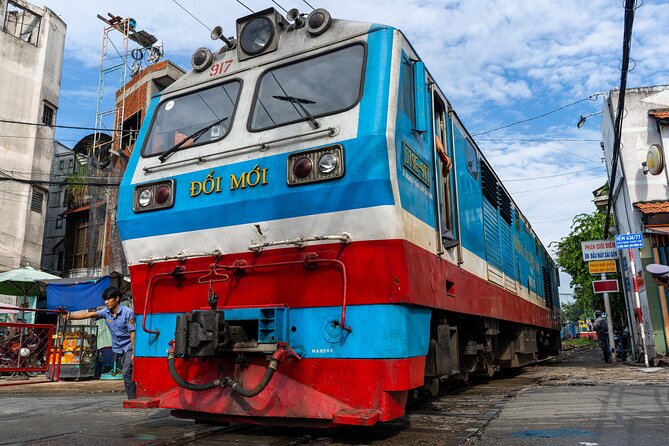
- 5:30am sunrise timing for softer light and early action
- Hotel pickup and 2-way transfers from central HCMC areas to skip the self-drive hassle
- Max 5 people so you’re not lost in a crowd
- Coach-led street photography with camera settings and practical composition tips
- Saigon Railway Station’s steam locomotive as an easy first framing subject
- A picture-story approach so your shots connect from start to finish
Why 5:30am at Saigon Railway Station makes the whole tour work
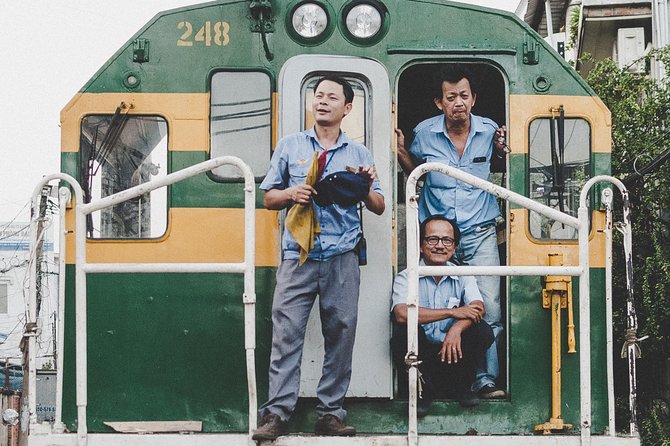
The meeting time says it all: you’re starting at 5:30am at Saigon Railway Station. That’s not just for convenience. It’s for light, mood, and timing—when the area is waking up and the pace is still controllable for shooting.
At this hour, you can work faster. Shadows are softer, colors look more natural, and you’ll get fewer harsh highlights on faces and metal. You’re also more likely to catch people in that transition moment between home life and the first wave of morning activity.
This tour also uses the station as a real warm-up space. You’re not jumping straight into intense street chaos. You start with an introduction, then you review camera settings, then you begin shooting right away. That flow helps you stop guessing and start creating.
Finally, the early start gives you the best chance to photograph trains as they appear during your time on location. If you try to do this on your own later in the morning, the light and rhythm won’t be the same.
You can also read our reviews of more photography tours in Ho Chi Minh City
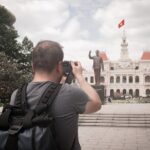

Coaching street photography with real technical focus (Eileen, Paul, Juan, Adrien, Victor)
This isn’t a “show up and follow” tour. It’s taught like a workshop that happens to be outside—fast, practical, and photo-first.
A big theme in the coaching is technical instruction: guides focus on camera settings and how to apply them, not just where to stand. People doing the tour note that the lessons can be more technical than expected, and that’s a good sign if you want your photos to improve in a measurable way.
Different guides have different styles, but several names come up: Eileen and Paul are described as detail- and composition-focused, while Juan, Adrien, and Victor are praised for teaching shooting choices and guiding people to places they might not find on their own. The common thread is that you’re learning how to see—angles, portrait possibilities, and how to frame scenes around motion.
One more useful detail: the tour emphasizes making a picture story. That means you’re thinking beyond one “perfect shot.” You’re collecting images that connect—station → people waking up → the railway rhythm → the moments that make the neighborhood feel real.
If you’re a beginner, that structure still helps. If you’re more advanced, it’s a chance to sharpen execution under real conditions.
The old steam locomotive stop: a friendly way to practice framing
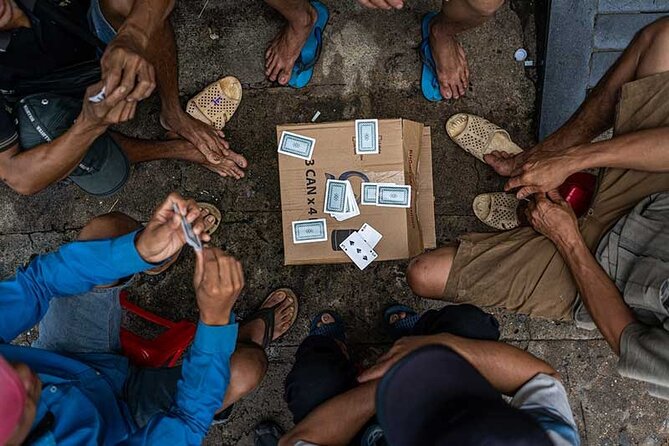
Before you chase action deeper into the railway area, the tour starts at the station entrance and uses an old steam locomotive as an early subject. It’s a clever starter.
Why it works: you get a detailed subject with shapes, textures, and lines that are easy to frame. You can practice composition without constantly reacting to crowds. You can also test your settings before the real street motion ramps up.
This first stop also helps you calibrate your camera for the whole morning. You’re likely moving between brighter surfaces (tracks, metal) and darker areas (under structures, shaded faces). A coach-led review at the beginning gives you a better chance of keeping your exposure consistent as the scenes change.
And because the locomotive is already posed in the environment, it’s a solid way to learn how your framing choices affect the photo’s mood—tight details versus wider context, and portraits versus environmental storytelling.
Following the tracks: photographing railway village life as trains roll in
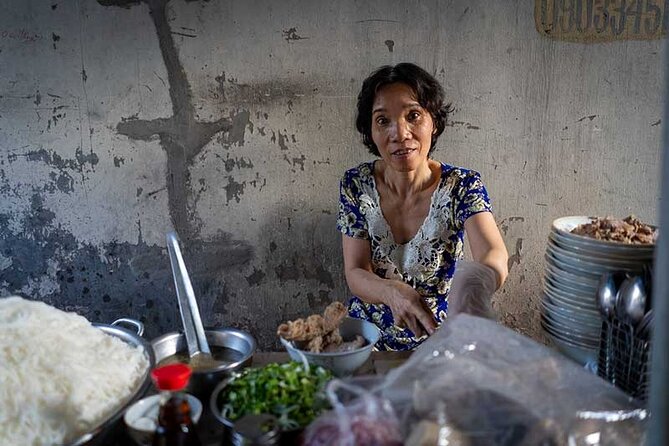
The heart of the experience is shooting life along the tracks while trains are part of the scene. This is where the tour shifts from classroom to “make it happen” photography.
Street photography here is about timing and positioning:
- You need to anticipate when movement will matter—people crossing, looking up, carrying items, or pausing for a second.
- You need to work with train timing, since that mechanical movement changes the whole frame.
- You need to decide whether your best shot is a portrait moment, a pattern of daily life, or a dynamic track view.
The coaching style helps because you’re not left alone with a vague goal. You’re being directed toward a method: use your settings, build shots in sequence, and capture both the human side and the infrastructure side of the neighborhood.
The tour’s early timing matters again here. Golden light and a quieter start make it easier to blend into the scene and to react without panicking. Even if you’re new, you’ll likely feel more confident once you’ve taken a few successful frames with guidance.
One practical note: this area can be busy and the tracks demand attention. Keep your safety awareness high. It’s not the kind of place where you want to sprint around chasing the “one shot.” The best results usually come from steady positioning and smart waiting.
Breakfast and what to budget for (coffee, noodles, or banh mi)
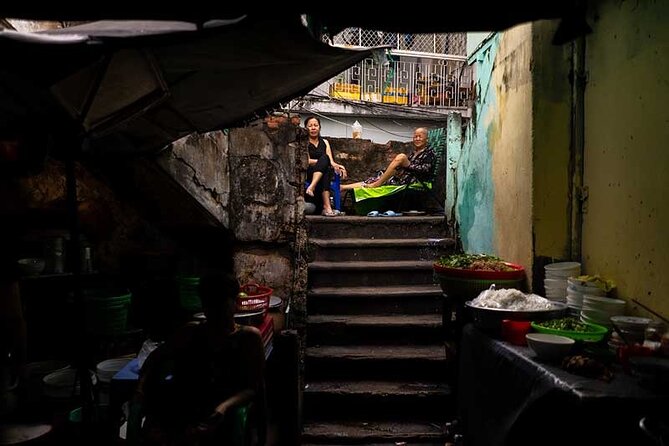
The morning plan is built to include a local breakfast stop—think coffee and noodles or banh mi. But here’s the important part for value: the tour listing says food & drinks aren’t included.
So treat breakfast as part of the day’s flow, not as something magically covered by the $119. If you’re used to tours where snacks are baked into the price, adjust your expectations. Bring some cash or use a payment method you can count on, just in case.
This also affects how you pack. If you drink coffee or eat early, you’ll want to be ready for it before you head into the shooting portion so you don’t feel sluggish during peak action.
If you’re watching your budget, you can still get a lot from this tour without adding much. But I’d plan at least a small extra amount for breakfast, since the morning is designed around that rhythm.






Price and value: does $119 buy enough to be worth it?
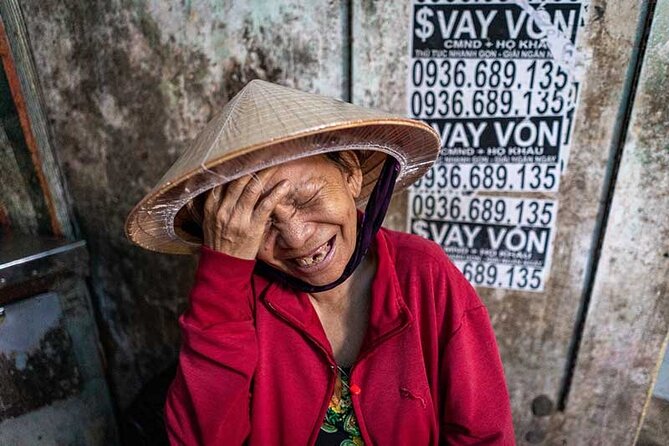
At $119 per person for about 4 hours, the value comes from what’s included—not just the photography idea.
What you’re paying for:
- A professional photographer guide who coaches technique and composition
- Pickup and 2-way transfers from central HCMC hotels, so you’re not stressed about logistics
- A small group size (up to 5 people), which usually means more attention and less waiting for direction
- A focused morning plan aimed at practice (settings review → shooting locations → train-timed moments)
- Mobile ticket for smoother check-in
If you tried to recreate this alone, you’d still need to solve the same problems: timing, where to stand, what settings to use, and how to build a consistent set of photos. This tour bundles those variables into one structured session.
There’s also a practical value in learning early in your trip. If you’re spending the rest of the days walking around HCMC with a camera, that morning coaching can change how you shoot for the rest of your visit. Even if you don’t become a street-photography wizard overnight, you’ll probably take home more keeper photos than you would from a random self-guided walk.
One balancing point: if you’re the kind of photographer who hates instruction and only wants to wander freely, the structured coaching might feel a bit “managed.” But if you want direction and feedback, $119 can feel pretty fair.
What to bring for a sunrise rail shoot (and how to avoid common mistakes)
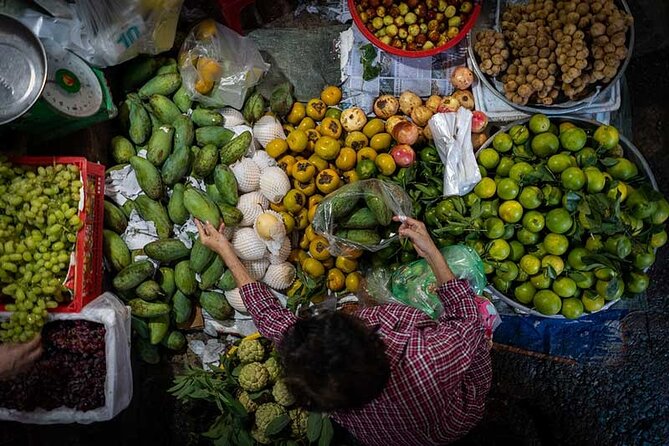
Since this is a morning street shoot in a rail-side area, pack like you’re working, not like you’re sightseeing.
Bring:
- A camera you can control (or at least one with manual-ish options). You’re there for settings review, so this matters.
- A way to keep your gear secure while moving around. Tripods aren’t mentioned, so base your plan on what you already use comfortably.
- Comfortable shoes. You’ll be out for about 4 hours, and the pace can include short waits for moments.
Consider leaving:
- Anything bulky that slows you down. When trains and people create quick opportunities, small, efficient movements help.
- Any “I’ll figure it out later” attitude about settings. The tour starts with a settings review for a reason.
Also, start thinking in sequences. A good result here isn’t just one dramatic frame—it’s a set that tells how the area wakes up.
Who this tour suits best in Ho Chi Minh City
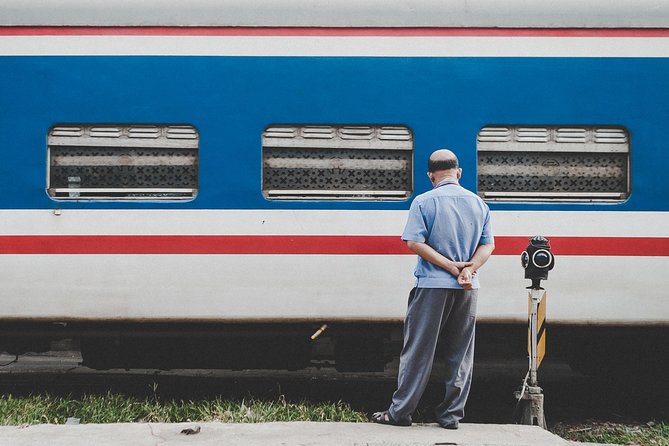
This tour fits best if you:
- Want street photography instruction, not just a route
- Like photographing people in real daily moments
- Want practical guidance you can use immediately
- Appreciate a small group where a guide can correct your framing choices and settings
It may feel less ideal if you:
- Want a relaxed, no-pressure walk with no coaching
- Are uncomfortable with early mornings
- Don’t plan to bring a camera or don’t care about settings at all
On the other hand, even if you’re not a hardcore camera nerd, you’ll likely enjoy it if you like the idea of telling a visual story. This tour’s structure is built around that.
Should you book the Saigon Railway Village Photo Tour?
I think it’s an easy yes if your goal is better photos, faster. The combination of sunrise timing, professional guidance, and the chance to shoot the railway area with a “picture story” mindset is exactly how you improve quickly.
Book it especially if you want to start your HCMC time with momentum—learn how to see, then apply it to the rest of your trip.
One final decision tip: check whether you’re comfortable with an early start at 5:30am and plan for breakfast that may cost extra since food & drinks aren’t included. If that fits your style, this is one of the more focused ways to get railway photos that feel human, not generic.
FAQ
What time does the Saigon Railway Village Photo Tour start?
The tour starts at 5:30am.
How long is the tour?
The duration is about 4 hours.
Is pickup from hotels included?
Yes, pickup is offered, and the tour includes 2-way transfers from central HCMC hotels.
What’s the group size?
The tour has a maximum of 5 travelers.
Is food included?
Food and drinks are not included. The morning concept includes a local breakfast such as coffee and noodles or banh mi, but you should plan to pay for it.
What happens if the weather is bad?
The tour requires good weather. If it’s canceled due to poor weather, you’ll be offered a different date or a full refund.