REVIEW · HO CHI MINH CITY
Cu Chi Tunnels & Mekong Delta: Full‑Day Discovery From HCM
Book on GetYourGuide →Operated by Duy Amma · Bookable on GetYourGuide
One day, two very different worlds. This full-day tour strings together Cu Chi Tunnels and the Mekong Delta so you see war history and river life in the same daylight window. It starts with a morning pickup from Ho Chi Minh City, then you spend the day traveling between these two southern Vietnam icons, finishing back in town late afternoon.
What I like most is the hands-on feel of the Cu Chi experience, especially the chance to crawl through a real tunnel (optional). Then I love the contrast on the Mekong side, where you trade traffic for water—boat time, coconut canals, and slow village scenery.
One thing to consider: this is a packed day, and the tunnel area can feel tight and claustrophobic. Also, one part of the river sightseeing (the sampan rowing ride) isn’t included, so you’ll want to know that before you go.
In This Review
- Key highlights at a glance
- From Ho Chi Minh City Pickup To Cu Chi Tunnels: the morning pace
- Crawling the Cu Chi Tunnels: what you’ll actually see
- The guide’s role: why a good narration changes everything
- Heading to the Mekong Delta: the “breathing room” part
- Mekong River cruise and coconut canals: where the scenery does the work
- Workshops on coconut and rice paper: tastings with a story
- Price and value: what $45 gets you, and where costs can surprise you
- Who this day trip suits best
- Should you book this Cu Chi plus Mekong day?
- FAQ
- What’s included in the Cu Chi Tunnels and Mekong Delta tour price?
- Do I get to ride a sampan rowing boat?
- Is lunch provided during the day?
- Will I have an English-speaking guide?
- Does this tour include both Cu Chi Tunnels and the Mekong Delta?
- Are there extra costs for holidays or specific languages?
- When do you start and finish?
Key highlights at a glance
- Real Cu Chi tunnel crawling (optional) plus trapdoors, bunkers, and weapons explanations
- English-speaking guide is included (other languages available, with possible surcharges)
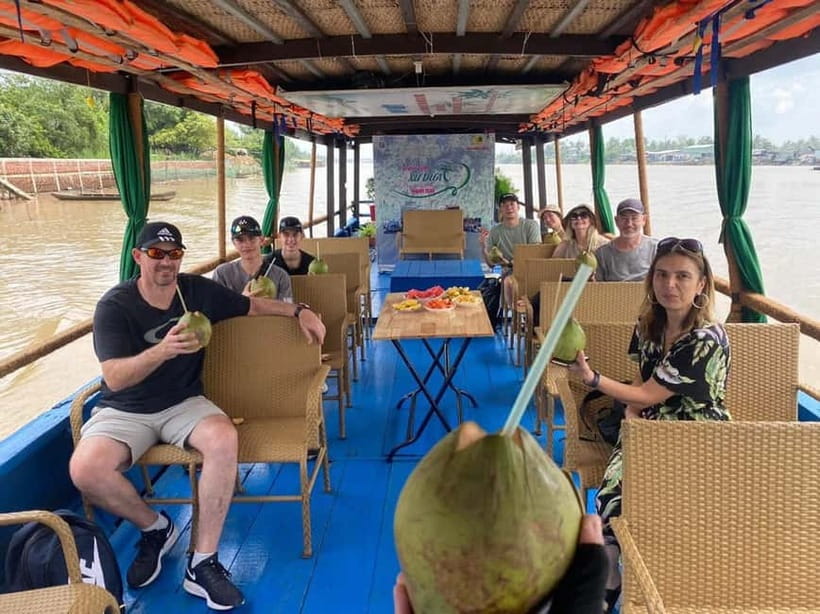
- Mekong boat cruise along the river and through coconut canals
- Lunch with local dishes included, not just a quick snack stop
- Coconut candy, rice paper, honey tea, and fruit tastings at local workshops
From Ho Chi Minh City Pickup To Cu Chi Tunnels: the morning pace
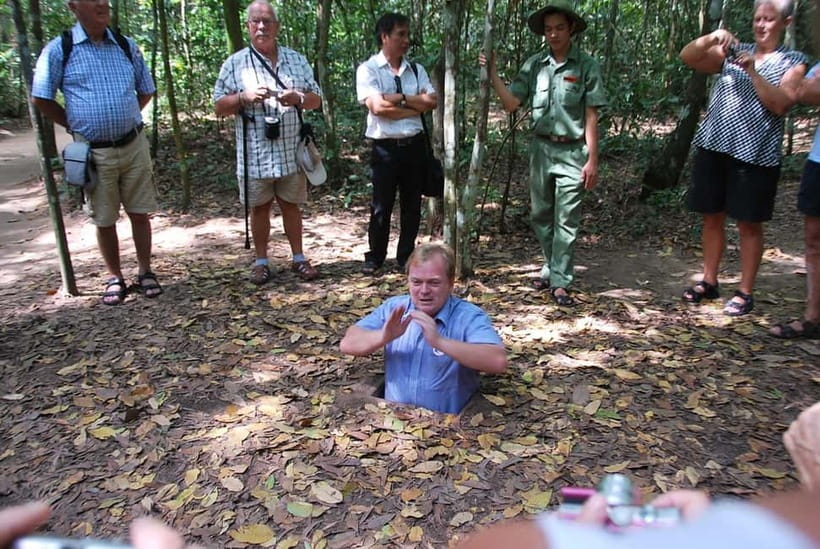
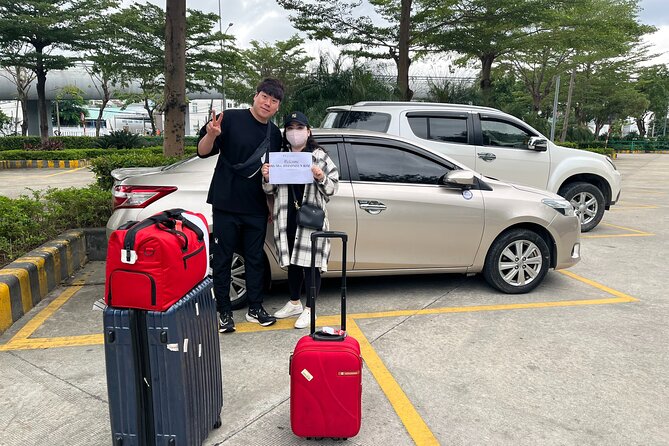
The day starts with hotel pickup in Ho Chi Minh City. You’re looking at classic “early and efficient” touring: you get out of the city, ride toward the Cu Chi area, and settle into a guided format before you ever see the first tunnel entrance.
This matters because Cu Chi isn’t a quick roadside photo stop. It’s an experience built around guided explanation, specific features to look for, and time to move at a slower, more careful pace underground. When you start early, you’re less likely to feel rushed during the tunnel portion.
Also, your guide is part of the value here. The tour is designed around an English-speaking guide (with other languages listed as options). When a guide can keep the story clear—guerrilla tactics, how the network worked, and what you’re looking at—you get more out of it than just the visuals.
You can also read our reviews of more tours and experiences in Ho Chi Minh City.



Crawling the Cu Chi Tunnels: what you’ll actually see
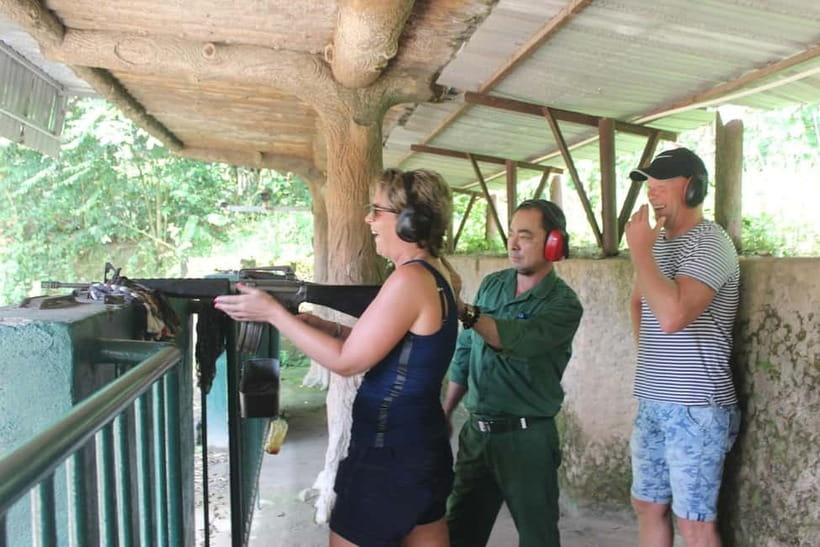
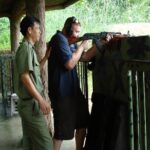
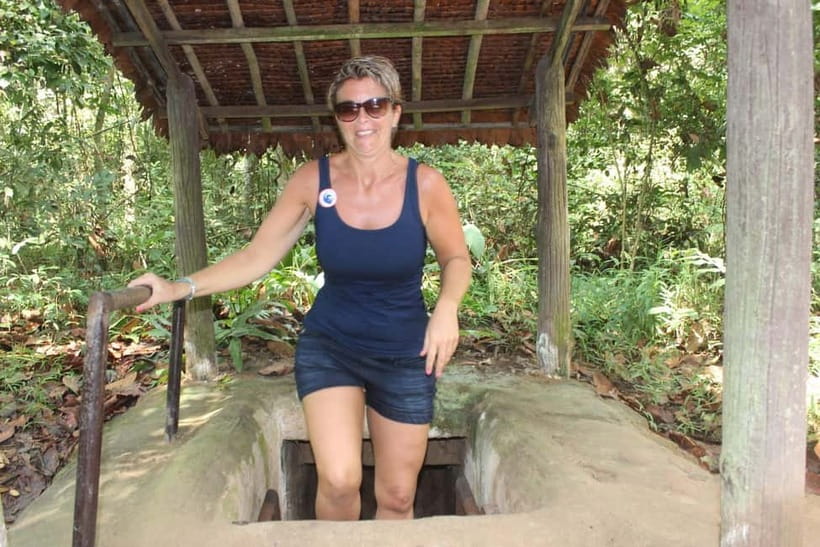
Cu Chi Tunnels is one of those places where history becomes physical. The core of the visit is the underground network that was used during the Vietnam War, and the guide walks you through what the space was for and how people survived and operated in it.
Here’s what makes this stop more than a “dark cave” experience:
- You’ll learn guerrilla tactics tied to the underground design.
- You’ll see hidden trapdoors and bunkers, not just an open tunnel.
- You get the option to crawl through a real tunnel.
That optional crawl is the make-or-break moment for many people. Even if you skip it, you’ll still get the guided explanation, and you’ll still see the features that help you understand how the tunnel network was used. If you do the crawl, plan for a cramped, low-ceiling feeling and move slowly. It’s not just about bravery—it’s about comfort and safety.
A practical tip: wear clothes you’re happy to get a bit dusty or sweaty, and keep expectations realistic. You’re not doing an adventure obstacle course; you’re getting a brief, controlled look at a space that was built for survival and secrecy.
The guide’s role: why a good narration changes everything
This tour lists English as an included language, and it also offers German, Italian, Chinese, Japanese, French, and Korean. That language variety is useful if you want your group to stay together comfortably and keep explanations clear.
In a place like Cu Chi, it’s the explanation that turns “tunnels and dirt” into understanding. The guide helps connect what you’re seeing—trapdoors, hidden access points, weapons displays—to the larger story of guerrilla warfare and everyday underground life. If your group wants photos, you’ll still get those moments, but the real value is learning what you’re looking at before you start moving through it.
One more note from real-world experience: some bookings have had confusion around what’s included and what additional costs pop up. I’d treat this as a basic checklist item: confirm that your schedule includes Cu Chi tunnels, and ask if there are any extra charges beyond what’s advertised. If the tour is truly running as a Cu Chi + Mekong day, you should be able to get a straightforward answer fast.
Heading to the Mekong Delta: the “breathing room” part
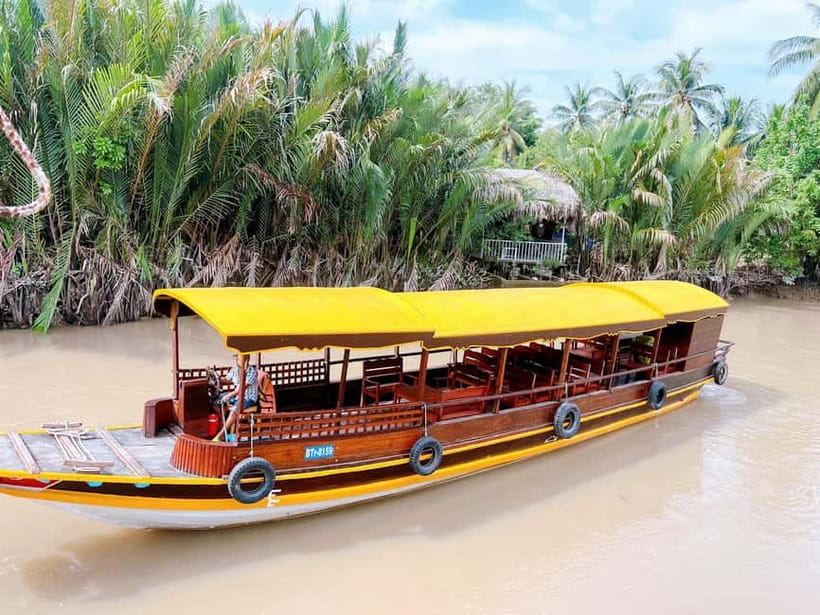
After Cu Chi, you drive toward the Mekong Delta, where the tempo changes. The contrast is big: you leave a site built around tension and secrecy and arrive in a region defined by water routes, small riverside communities, and slow-moving daily rhythms.
You’ll stop for Vietnamese lunch with local dishes at a local restaurant on the river journey. Lunch is included, which is a win on a full-day tour because it reduces the number of decision points you’d otherwise face. And in the Mekong context, lunch isn’t just food—it’s part of the “settle in” feeling before the boat time.
Then you reach the river and shift from road viewing to water viewing. This is where the day stops feeling like logistics and starts feeling like travel.
Mekong River cruise and coconut canals: where the scenery does the work
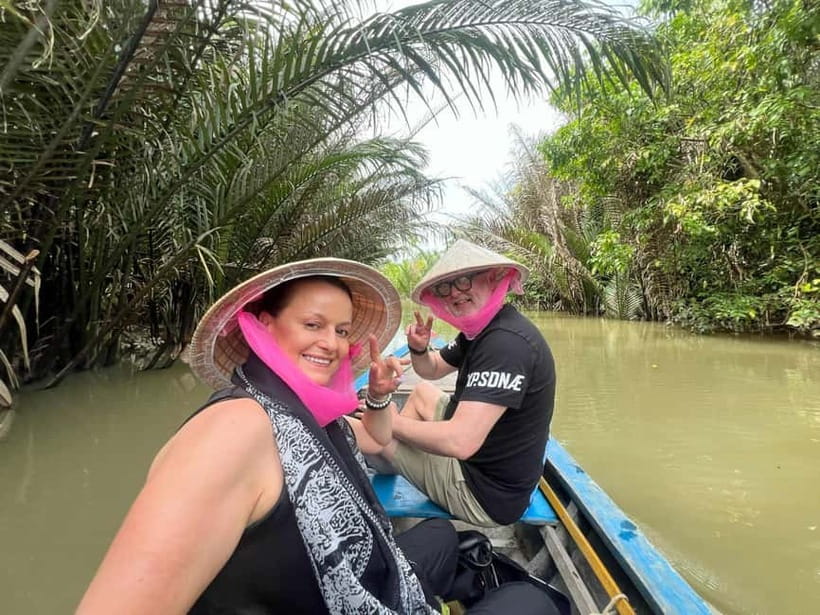
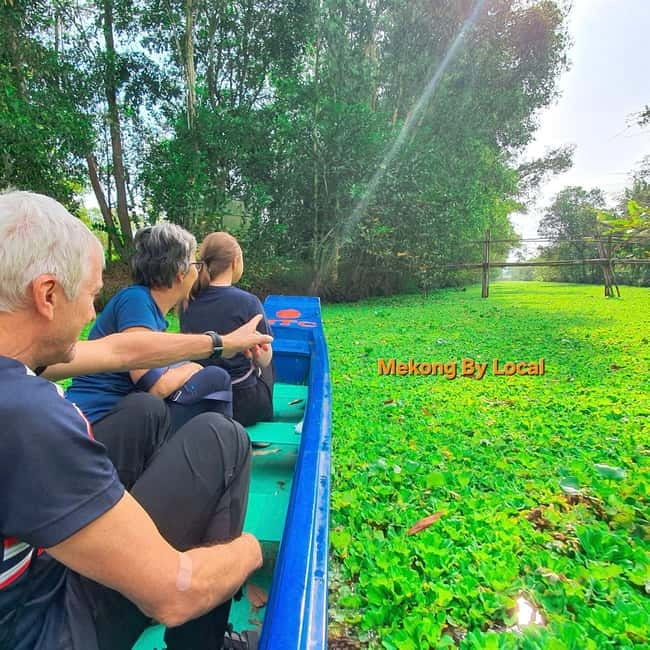
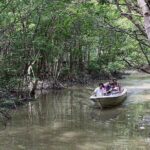
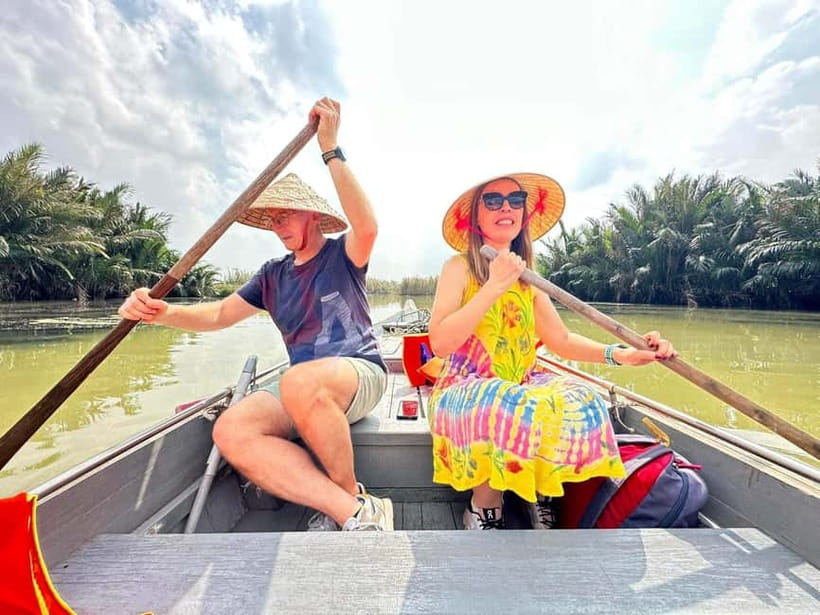
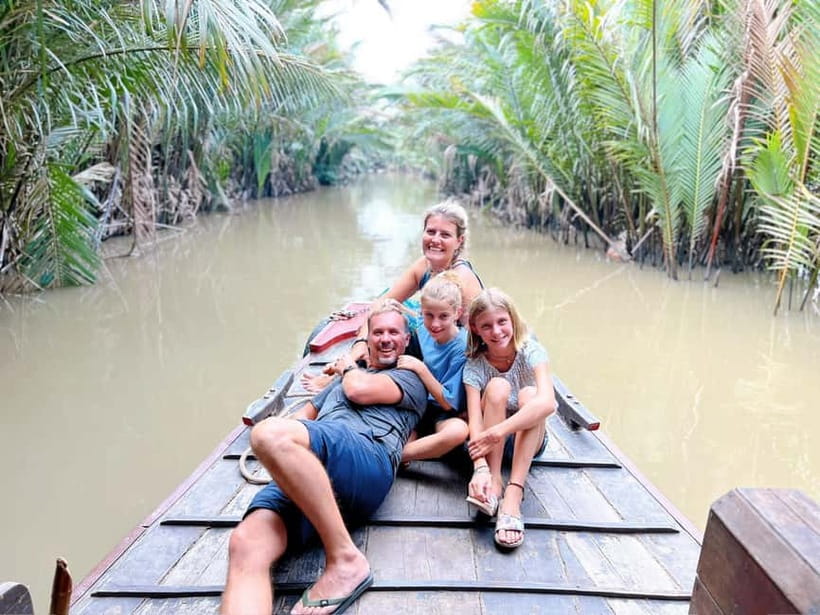
The centerpiece on the Mekong side is the boat ride on the Mekong River. You’ll cruise past water coconut trees, small stilt houses, and lush riverbanks—plus you’ll spend time through the coconut canals, which helps you see why this region lives on narrow waterways instead of wide roads.
What you’re really buying with the boat portion is perspective:
- You see how communities are set up around water access.
- You get a calmer vantage than you would from a bus window.
- You get that slow, gliding feeling that makes a full day feel worth it.
One thing to keep straight: a sampan rowing boat ride is not included. You may be offered the option during the river portion, but the rowing ride itself isn’t part of the included package. If you want that closer, human-powered canal experience, confirm how it works and what you’d be paying (if anything) before you get pulled into a decision mid-activity.


Workshops on coconut and rice paper: tastings with a story
After the cruise, the day turns into something more sensory and less scenic. You’ll visit local workshops where you can see how coconut candy is made and how rice paper is produced. These stops are built around watching, tasting, and listening.
What I like here is that the tastings aren’t random. You’ll get tropical fruit tasting and honey tea, and you’ll hear traditional Southern folk music while you’re there. That combination makes the workshops feel like a cultural moment rather than a sales stop.
You’ll also spend time learning the practical side:
- coconut is everywhere in the Mekong economy
- rice paper production is labor-heavy
- honey tea is a regional-style refreshment
Even if you don’t buy anything, the value is in understanding the ingredients you’re seeing in the landscape outside—then tasting them later.
A small reality check: workshops can be short and can have a shopping element. That’s normal for this kind of visit. If you keep your wallet ready and treat purchases as optional, you’ll enjoy the best parts: the food, the music, and the hands-on look at everyday production.
Price and value: what $45 gets you, and where costs can surprise you
At $45 per person, this tour sits in the midrange for a full-day combo. The value comes from stacking multiple paid elements into one price: hotel pickup and transportation, a Cu Chi entrance fee, lunch, and a guided Mekong boat ride. On a day like this, transportation plus admissions are the “hidden math” that can make cheaper-looking half-days end up costing more.
Included items that matter:
- Transportation
- English-speaking guide (surcharge if you choose a non-English guide)
- Entrance fee to Cu Chi Tunnels
- Vietnamese lunch with local dishes
- Boat ride on the Mekong River
- Tropical fruit tasting and honey tea
- Visits to coconut and rice paper workshops
- Bottled water
What isn’t included, and can affect your final total:
- Sampan rowing boat ride
- Surcharge for non-English speaking guide
- Holiday surcharges (New Year, Lunar New Year, Labor Holiday, Independence Day, New Year’s Eve)
Also, the rating data is mixed (3.7 out of 5 based on 7 ratings). That’s not a deal-breaker, but it tells me you should book with a simple, practical mindset: confirm the core stops and any possible add-ons before you pay. If your booking source has multiple versions of the same description, the fastest way to avoid frustration is to ask exactly which sites are visited and whether Cu Chi tunnels are guaranteed.
Bottom line: $45 can be a good deal if the day runs smoothly and includes the core experiences you’re expecting.
Who this day trip suits best
This tour fits you if you want:
- a one-day sampler of southern Vietnam
- a guided explanation at Cu Chi, not just a self-walk
- boat time in the Mekong, plus tastings and workshops
- a group format that handles transport and timing for you
It may not fit you if:
- you hate tight spaces and aren’t comfortable with cramped underground crawling (even though it’s optional)
- you want total flexibility to roam without structure
- you’re hoping the sampan rowing ride is automatically included (it isn’t)
If you like contrast—war history followed by river calm—this is built for that mood shift.
Should you book this Cu Chi plus Mekong day?
I’d book it if you want a practical, guided full-day that covers two major southern Vietnam stops without forcing you to plan transit between them. The mix of Cu Chi Tunnels, Mekong boat cruising, lunch, and workshop tastings is exactly the kind of efficiency that works well from Ho Chi Minh City.
But I’d also book with one extra step: before you commit, confirm the tour truly visits Cu Chi tunnels and ask about any additional charges beyond the listed inclusions—especially if you’re seeing multiple similar listings. With that checklist done, this can be a memorable day that earns its cost.
FAQ
What’s included in the Cu Chi Tunnels and Mekong Delta tour price?
The tour includes transportation, an English-speaking guide (with a surcharge for non-English guides), entrance fee to Cu Chi Tunnels, Vietnamese lunch with local dishes, a Mekong River boat ride, tropical fruit tasting and honey tea, visits to coconut and rice paper workshops, and bottled water.
Do I get to ride a sampan rowing boat?
No. The sampan (rowing) boat ride is not included.
Is lunch provided during the day?
Yes. You’ll have a Vietnamese lunch with local dishes.
Will I have an English-speaking guide?
An English-speaking guide is included. If you choose a non-English guide, there’s a surcharge.
Does this tour include both Cu Chi Tunnels and the Mekong Delta?
Yes, the tour is designed to visit Cu Chi Tunnels and then move on to the Mekong Delta for the boat ride and workshops.
Are there extra costs for holidays or specific languages?
Yes. The tour notes holiday surcharges (New Year, Lunar New Year, Labor Holiday, Independence Day, New Year’s Eve) and a surcharge for non-English speaking guides.
When do you start and finish?
You’re picked up in the morning from Ho Chi Minh City and dropped off back at your hotel in the late afternoon.