REVIEW · HO CHI MINH CITY
Sundown in the Colony Photo Tour
Book on Viator →Operated by Vietnam in Focus - Day Tours · Bookable on Viator
Golden hour turns alleys into a camera. This Sundown in the Colony Photo Tour is built around street scenes in Ho Chi Minh City as the light drops, starting in apartment stairwells, moving through the Ho Thi Ky Flower Market, and ending on a rooftop for long-exposure night views.
I particularly like the private photographer guidance, because it translates what you see into better framing and cleaner shots. I also like the pacing: you get street food snacks and a café drink, so you can keep shooting without feeling drained.
One thing to consider: you’re working in low light and climbing stairs at the apartment stop, so wear comfy shoes and be ready for slower, more deliberate shooting (and rain can happen in Saigon, so a light layer helps).
In This Review
- Key takeaways before you go
- Why the Colony area is perfect for sundown photos
- Private photographer coaching that actually helps your shots
- Timing and logistics: what a 3:30 pm start really means
- The only logistical note I’d flag
- Stop 1: Nguyen Thien Thuat apartment buildings and stairwell photography
- Stop 2: Ho Thi Ky Flower Market under fluorescent dusk lights
- Eat while you shoot
- Stop 3: Rooftop long exposures with night street life and a pagoda
- What the rooftop part feels like
- The practical drawback
- Price and value: is $119 worth it?
- Who this tour suits best (and who should skip it)
- Small mindset tweaks that make your photos better
- Should you book Sundown in the Colony Photo Tour?
- FAQ
- How long is the Sundown in the Colony Photo Tour?
- What time does the tour start?
- Where are the stops during the tour?
- Is pickup from my hotel included?
- What photography support do I get?
- Are there admission fees for the stops?
- Does the tour include food?
- What is the cancellation policy?
Key takeaways before you go
- Private, small-group setup (max 6): you get real help, not just a rushed walk-through.
- Stairwells + street-level life: you’re photographing daily living, not staged sights.
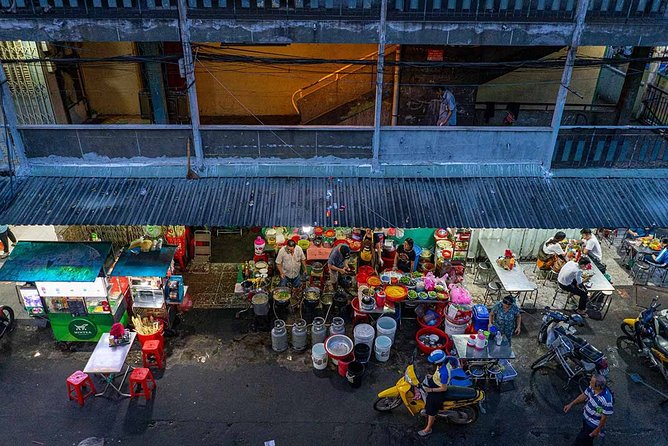
- Ho Thi Ky Flower Market at dusk: fluorescent market lighting creates strong color and contrast.
- Rooftop long exposures: you finish with tripods and night street scenes, including a pagoda.
- Energy built in: street food snacks and a drink keep you steady through the session.
Why the Colony area is perfect for sundown photos
The magic of this tour is timing. You’re going out at 3:30 pm, which lines up with golden hour and then the slide into night. That shift matters for photography. As shadows lengthen, apartment blocks and narrow streets stop looking flat and start looking graphic. People move differently under lower light too, so you get more natural street moments instead of overly posed scenes.
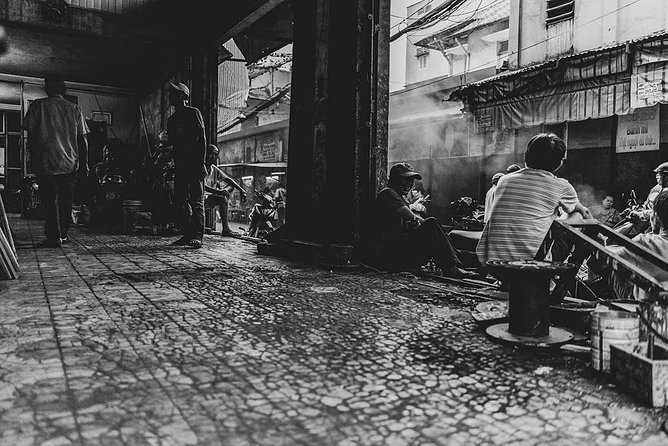
The Colony area itself is the point. It’s the kind of neighborhood where the background isn’t a single landmark—it’s everyday life: stairwells, balconies, alley edges, market activity, and the constant motion of people doing normal things. That makes it ideal for documentary-style street photography, especially when a guide helps you see composition beyond “point camera, press shutter.”
I also like that the tour doesn’t treat golden hour as a quick photo stop. It uses the light transition three different ways: first with the apartment stairwells, then with the flower market glow, and finally with night long exposures from above the streets.
You can also read our reviews of more photography tours in Ho Chi Minh City
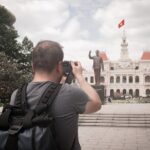

Private photographer coaching that actually helps your shots
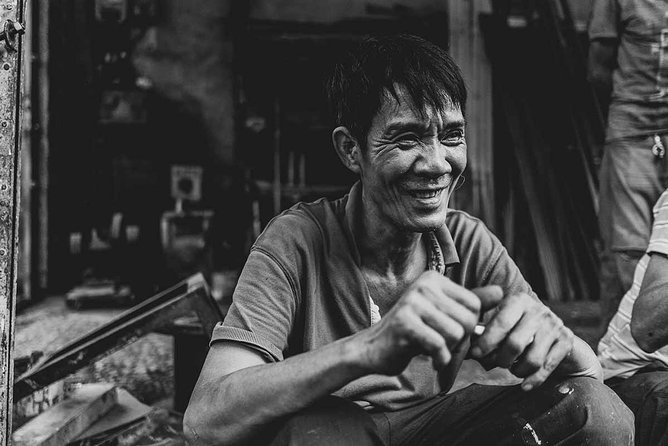
This is not a sightseeing tour with a camera strapped on. You’re guided by a professional photographer/guide, and the focus is technique: how to think about framing, composition, and timing as you shoot. That’s the difference between collecting random images and coming home with a set that looks intentional.
In particular, multiple guide names show up in feedback for doing this well. People talk about Eileen for practical tips and encouragement to notice what’s happening around you. They also highlight Paul for local knowledge that reduces the stress of photographing somewhere new. Other names that get praise include Billy (William) and Adrien, described as enthusiastic and helpful for street photography.
You can expect the guide to do more than tell you where to stand. You’ll spend time working the scenes: where light falls, how to simplify a messy street view, and how to frame people without pushing past them. That local guidance is especially valuable in a neighborhood like this, where the best angles often aren’t obvious from street level.
And because the group size is capped at 6 travelers, you’re more likely to get personal attention. That matters if you shoot different styles—street portrait, documentary motion, or more structured composition.
Timing and logistics: what a 3:30 pm start really means
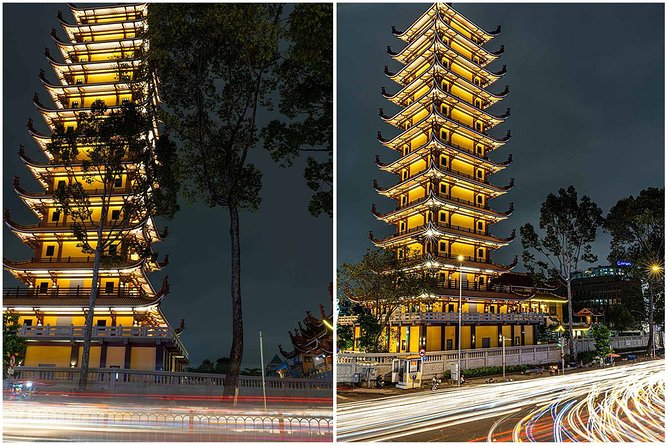
The tour runs about 4 hours 45 minutes, which is long enough to build a rhythm but not so long that you feel fried. The schedule is also designed for light. You start in the late afternoon, then the camera work shifts as the sun drops.
A big plus is how the tour handles getting you there. You get pickup offered and 2-way private transfers from central hotels. In a city like Ho Chi Minh City, that’s not a small detail—it keeps the focus on shooting instead of negotiating buses or taxis when you’d rather be timing the next exposure.
You’ll also use a mobile ticket, and confirmation is provided at booking. Admission fees aren’t a headache here either: each stop is listed as admission ticket free, so you’re paying mostly for the guide time, photo coaching, and the photo-specific route.
The only logistical note I’d flag
You should expect practical street conditions. You’ll be moving between locations, working in stairwells at the first stop, and then switching to tripod shooting on a rooftop at the end. If you’re planning very delicate gear or you hate carrying a camera bag, think ahead.
Stop 1: Nguyen Thien Thuat apartment buildings and stairwell photography
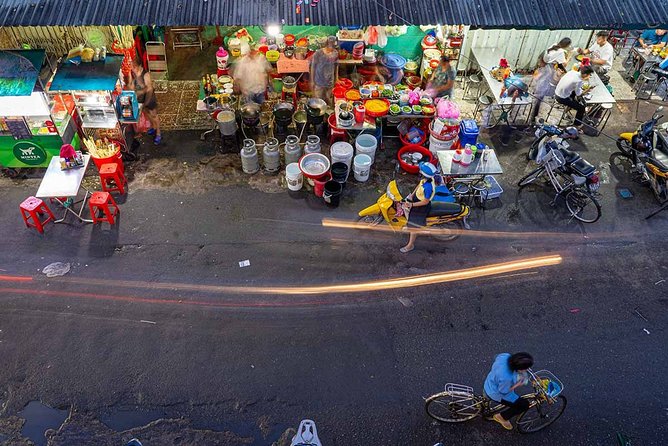
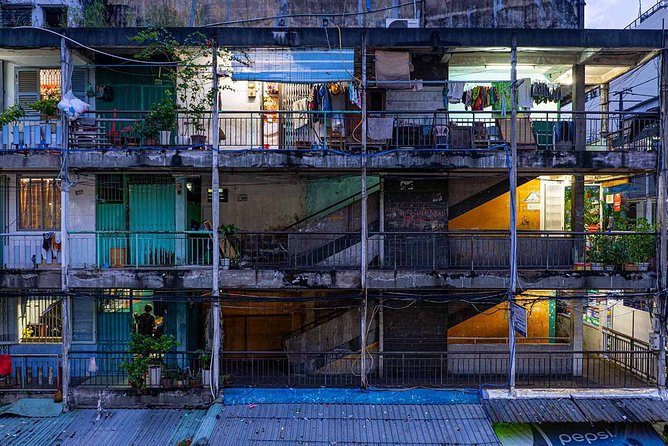
The first stop is the Nguyen Thien Thuat apartment buildings, and it’s where the tour starts feeling like real street photography. Instead of a broad plaza, you get vertical space—stairwells, steps, and views that look down into the “everyday rooms” of the neighborhood.
You’ll explore the area and even venture up several stairwells for unique angles. That’s a strong setup for photos because stairwells create natural lines. They also force you to work with layers: near walls, midground balconies, and street life beyond. A guide’s job here is to help you turn that into composition choices that feel deliberate, not accidental.
What’s special here
- You’re photographing life in a vintage apartment setting, where textures and aging surfaces add character.
- Stairwells give you a built-in frame for candid moments.
- The lighting at this hour is often forgiving enough to capture detail before it gets too dark.
What to watch
- Stairs mean slow movement. If you rush, you’ll trip your own photo plan.
- You may feel like you need to ask yourself about respectful photography. This tour is about everyday life, so keep it calm, be mindful, and let people keep doing what they’re doing.
If you want a street-photo “starter set,” this is where you get it.






Stop 2: Ho Thi Ky Flower Market under fluorescent dusk lights
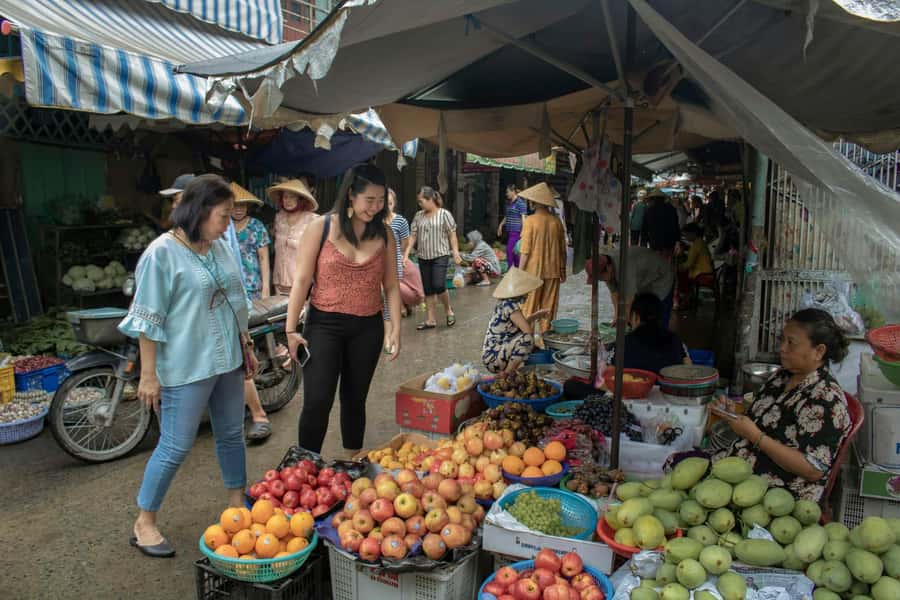
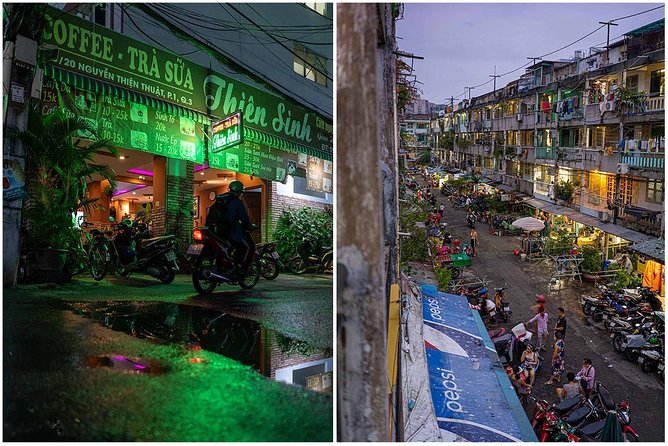
Next you move to the Ho Thi Ky Flower Market as the sun goes down. The scene changes quickly. Market lighting turns from natural sunset to fluorescent illumination, and that’s where you can start making strong color-and-contrast images.
The market is described as illuminated with fluorescent lights and “a hive of action.” Translation: you’ll be photographing a working space, not a quiet gallery. Flowers fill the frame, but the nearby stalls and food areas add another layer—more color, more motion, and plenty of little photo moments.
This is also one of the tour’s best places to shoot documentary street images because people are actively buying, arranging, carrying, and chatting. Even if you focus on flowers, you’ll get hands, faces, and movement around them.
Eat while you shoot
A key part of the experience is that you stay fueled. At the market area and café stop portions of the day, you get street food snacks and a drink. That sounds simple, but it changes your photography. When you’re hungry, you shoot less carefully and you stop sooner. When you’re comfortable, you keep working a scene instead of running out of patience at the wrong time.
Photo-friendly advice that fits this stop
- Expect bright highlights and mixed lighting (fluorescent plus fading daylight).
- Focus on how the guide helps you simplify a busy frame. This market can get visually loud, so learning how to pick one clean composition is the real win.
Stop 3: Rooftop long exposures with night street life and a pagoda
The final stop is a rooftop setup high above the city streets. This is where you shift from “street photos” to long-exposure night scenes. The tour specifically calls out long exposure images including night street life and a traditional pagoda.
The reason rooftops work for photos is obvious once you do it: you gain separation. Instead of photographing at street level with clutter everywhere, you can frame city movement with a cleaner horizon line. Long exposure then gives you time—light trails, smoother motion, and a night atmosphere that looks different from what your eyes see.
What the rooftop part feels like
You’ll set up tripods and take time with the scene. This is not “take one shot and move on.” You’ll have a window where you can experiment: change shutter duration, adjust framing, and work out what looks sharp versus what turns into a smoky blur.
The practical drawback
Tripod shooting takes patience. If you’re expecting a nonstop sprint, this last part will feel slower than the earlier stops. Also, rooftops can be cooler or breezy in the evening. Bring a light layer so you can stay comfortable while you wait for the next exposure.
Still, it’s a great way to end the tour. You finish with images you likely couldn’t get by simply wandering on your own, because you’re working with a planned night view and a guide who understands how to photograph it.
Price and value: is $119 worth it?
The price is $119 per person for roughly 4 hours 45 minutes, which is not cheap, but it’s also not trying to be cheap. You’re paying for a professional photographer/guide, a small group cap of 6 travelers, and the structure that makes the light and locations work together.
Here’s what you get that adds value beyond the obvious
- Private transfers from central hotels (2-way): you’re buying time and stress reduction.
- Photo coaching at each stop: the guide isn’t just pointing; you’re learning how to shoot.
- Built-in food and drink: street food snacks and a café drink help you keep shooting.
- A rooftop long-exposure setup: that kind of structured final shot can be hard to replicate solo.
If your goal is casual snapshots, you might question the cost. If your goal is better street photography—composition, storytelling, and night technique—then the price starts to make sense fast.
Who this tour suits best (and who should skip it)
This tour is ideal if you want street and documentary photography and you enjoy learning while you shoot. It also works well if you’re a travel photographer who wants local context to reduce stress. Feedback emphasizes how guides help you avoid feeling lost and how they encourage seeing the scene in layers.
It can also suit most people in general: the tour lists most travelers can participate, and no specific health restrictions are noted.
You might skip it if
- you only want quiet sightseeing with minimal stairs,
- you hate working in low light or setting up a tripod,
- you want a purely cultural tour with no photography emphasis.
If you’re not sure, ask yourself one question: do you want your camera to come home with a stronger story? This tour is designed for that.
Small mindset tweaks that make your photos better
This is one of those experiences where the biggest improvements often come from how you behave, not what you buy.
Try these mindsets:
- Shoot in “stages.” First find the composition, then wait for movement, then take your shot.
- Let the guide’s local knowledge guide your pacing. In markets and residential stairwells, the best moment often appears right after you think it won’t.
- Treat the night rooftop as an experiment. Long exposure rewards trying, failing quickly, and adjusting.
If you come with patience for stairwells and tripod time, you’ll get more than images—you’ll get a cleaner way to see.
Should you book Sundown in the Colony Photo Tour?
Book it if you want a structured street photography session in Ho Chi Minh City with a private guide, built-in snacks, and a strong ending: rooftop long exposures with night street life and a pagoda. The small group size helps the guide actually tailor feedback to you, and the hotel transfers keep you focused on shooting instead of logistics.
Skip it if you want a typical sightseeing route, or if stairs and tripod shooting sound like a hassle. Also consider your comfort with low light, since the tour is timed for sundown into night.
If your travel style includes photographing real places as they change through the day, this is a very workable use of an evening.
FAQ
How long is the Sundown in the Colony Photo Tour?
It runs for about 4 hours 45 minutes (approx.).
What time does the tour start?
The start time is 3:30 pm.
Where are the stops during the tour?
You’ll visit the Nguyen Thien Thuat apartment buildings, the Ho Thi Ky Flower Market, and finish at a rooftop above the city streets.
Is pickup from my hotel included?
Pickup is offered, and the tour includes 2-way private transfers from central hotels.
What photography support do I get?
You’ll have a professional photographer/guide who helps you with craft and composition techniques while you shoot street scenes.
Are there admission fees for the stops?
Admission tickets are listed as free for the stops.
Does the tour include food?
Yes. You’ll have street food snacks and a drink in a café during the tour.
What is the cancellation policy?
Cancellation is free up to 24 hours in advance for a full refund. If you cancel less than 24 hours before the start time, the amount paid isn’t refunded.