REVIEW · HUE VIETNAM
Hue Imperial city walking tour and optional royal tombs
Book on GetYourGuide →Operated by Huebymatthew · Bookable on GetYourGuide
Hue’s imperial walls make Vietnam’s past feel close. This 2.5-hour walking tour takes you through the Imperial and Forbidden City with a historian guide who explains how the Nguyen Dynasty shaped (and controlled) daily life, ceremony, and space.
I especially like how the tour turns big dates into clear stories, and how you get a small-group pace instead of getting swept along. If you want the “why” behind the architecture, you’ll appreciate the way guides connect design choices to politics and place.
One small consideration: the price you see (starting at $26) covers the guide fee, but the main site entrance ticket is extra at 200,000 VND per person. And Hue can be hot and humid in summer, so bring more water than you think you need.
In This Review
- Key things that make this tour worth your time
- Why Hue’s Imperial City Feels Like a Time Machine
- Meeting at the Nine Holy Cannons: Simple, Clear Start
- The 2.5-Hour Walk Through the Imperial and Forbidden City
- Hien Lam Cac Pavilion: Where grandeur meets purpose
- Mieu Temple: A lesson in ancestral duty
- Queen Mother Residence: Power with different rules
- Purple Forbidden City: Kien Trung Palace and the Royal Garden
- Nguyen Dynasty Architecture: The Stories You’ll Remember
- Morning Bonus: Changing Guard Ceremony at Ngo Mon Gate (8 am)
- Royal Tombs Option: When It Makes Sense to Add It
- Price and Entrance Fees: Getting Value Without Surprises
- What to Bring and When to Go in Hue’s Heat
- Who This Tour Fits Best (and Who Might Skip It)
- Should You Book This Hue Imperial City Tour and Optional Royal Tombs?
- FAQ
- How long is the Hue Imperial City walking tour?
- Is the entrance ticket included in the tour price?
- What language is the tour guide’s language?
- Where do we meet the guide?
- Where does the tour end?
- What can I see inside the Imperial City on this tour?
- Is there a morning bonus with the Changing Guard Ceremony?
- What should I bring for Hue’s weather?
Key things that make this tour worth your time
- Small-group pacing so you can ask questions and actually follow the story.
- A historian guide who explains Nguyen Dynasty architecture and court life in practical, plain language.
- Specific stops you can’t appreciate as well alone, including Hien Lam Cac Pavilion and the Mieu Temple.
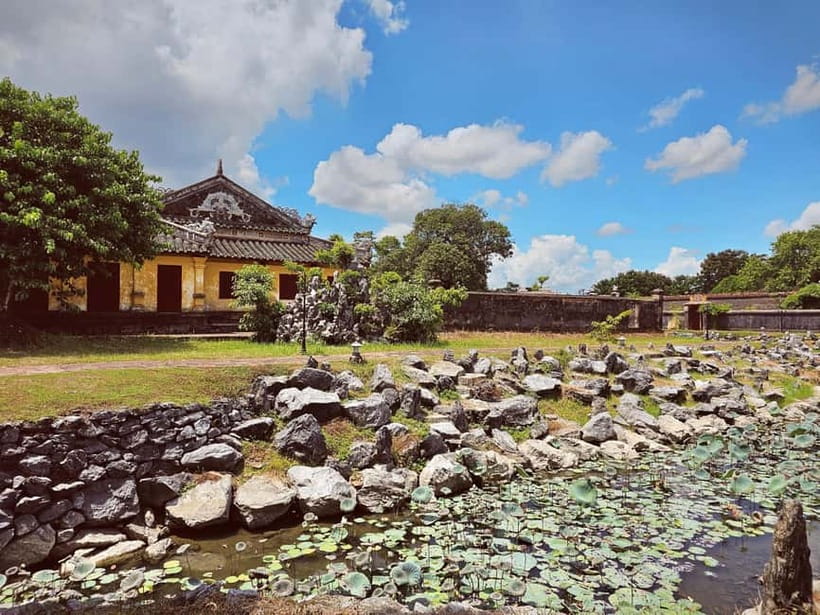
- Forbidden Purple City areas like Kien Trung Palace and the royal garden—more than just photos and gates.
- Morning bonus option: Changing Guard Ceremony at 8 am in front of Ngo Mon Gate (for the morning departure).
Why Hue’s Imperial City Feels Like a Time Machine
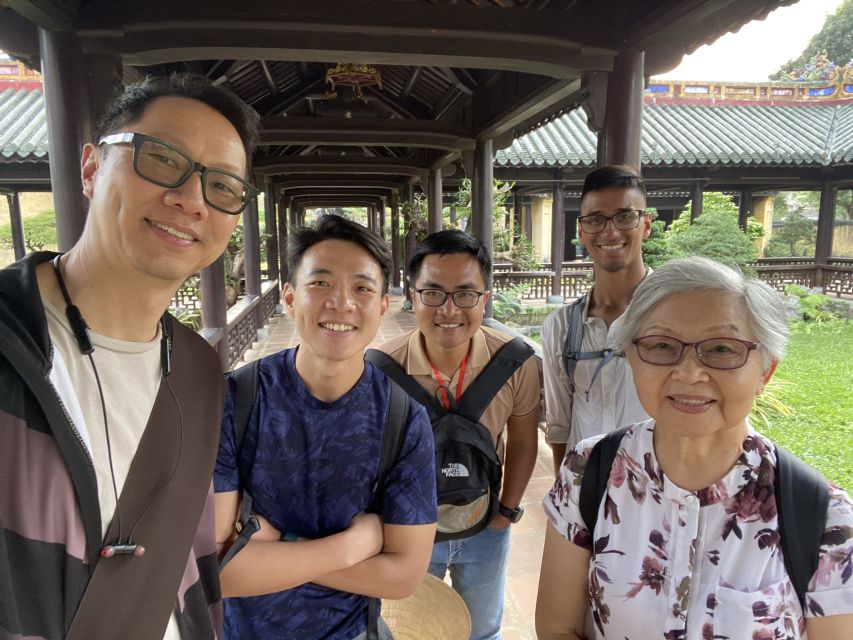
Hue’s Imperial City is UNESCO-listed for a reason, and it’s not just because the buildings are impressive. The layout makes you understand control—who had access, where ceremonies happened, and how the court used design to project power. When you walk, you’re moving through a system, not just seeing monuments.
This tour leans hard into the “human scale” of history. You’ll hear why Hue was chosen as the capital under the Nguyen Dynasty (1802–1945), and how that choice shaped construction, hierarchy, and daily routines. I like that the guide doesn’t treat this as a checklist. You’re given a narrative you can hold in your head while you move from pavilion to temple to palace zones.
You can also read our reviews of more walking tours in Hue Vietnam



Meeting at the Nine Holy Cannons: Simple, Clear Start
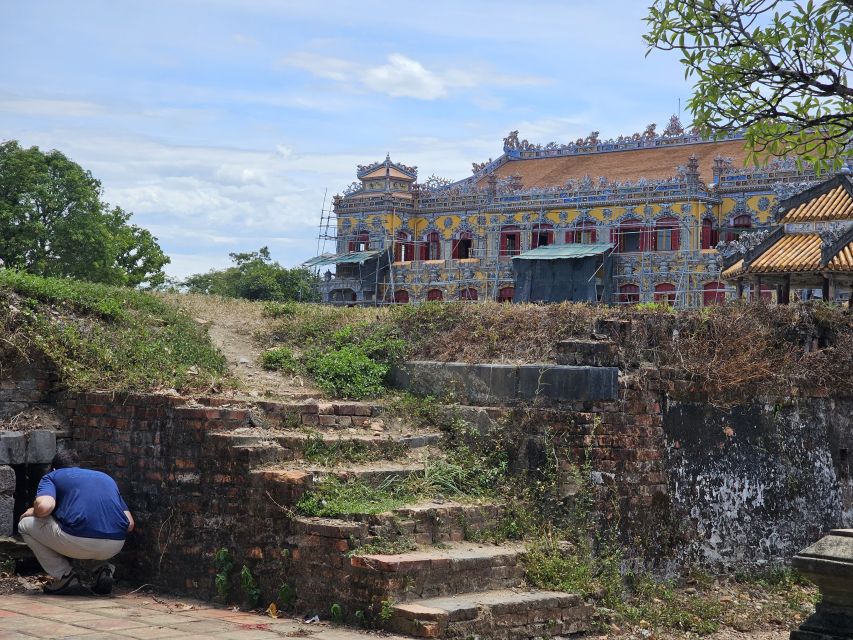
You start at the Nine Holy Cannons area, specifically at the 4-cannon side. The guide waits there, and the opposite side is the 5-cannon, so it’s hard to miss once you know what to look for. The guide texts you via WhatsApp before the tour to help you confirm the meeting spot.
This matters more than it sounds. Hue’s center can feel busy and confusing, and a clear meet point keeps your morning smooth—especially if you’re trying to time the optional Changing Guard Ceremony.
The 2.5-Hour Walk Through the Imperial and Forbidden City
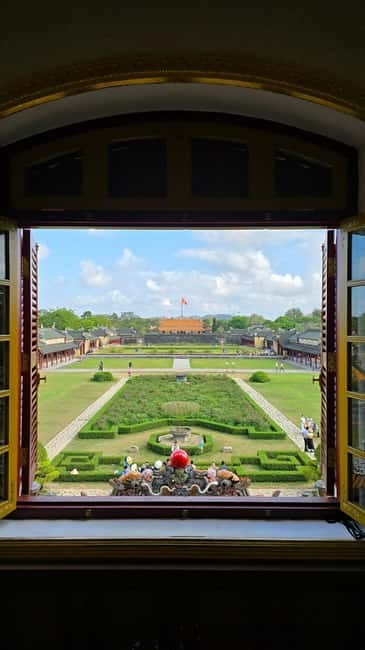
The core experience runs about 2.5 hours on foot, built for understanding rather than rushing. Expect a steady walking pace with time for explanations at key points inside the citadel. The tour stays focused on the Imperial City and the Forbidden City zones, where the court’s power was displayed—and where outsiders were expected to stay out.
If you’ve visited other historic complexes in Asia, you might be tempted to treat palaces like scenery. Here, the guide keeps bringing you back to function: what each area was for, who used it, and how the court used ceremony and architecture to reinforce authority.
Hien Lam Cac Pavilion: Where grandeur meets purpose
One of the featured stops is the Hien Lam Cac Pavilion. What makes this place interesting is that it helps you see the court’s aesthetic rules—symmetry, formal spatial planning, and the sense that every view was meant to “frame” authority. Even from the outside, it’s the kind of structure that makes you slow down, because it looks designed for ritual more than everyday life.
Mieu Temple: A lesson in ancestral duty
Next comes the Mieu Temple. This is where the Nguyen Dynasty’s worldview becomes more than politics. You’ll learn how temples connected rulers to ancestry and legitimacy, so worship was also governance in disguise. The guide’s job is to connect the stones to the ideas behind them—why the court treated these spaces with such seriousness.
You can also read our reviews of more city tours in Hue Vietnam

Queen Mother Residence: Power with different rules
You’ll also see the Queen Mother Residence. This is a smart stop because it reminds you that court power wasn’t only about kings. The residence helps you understand how rank worked inside the palace system and why proximity to leadership mattered.
Purple Forbidden City: Kien Trung Palace and the Royal Garden
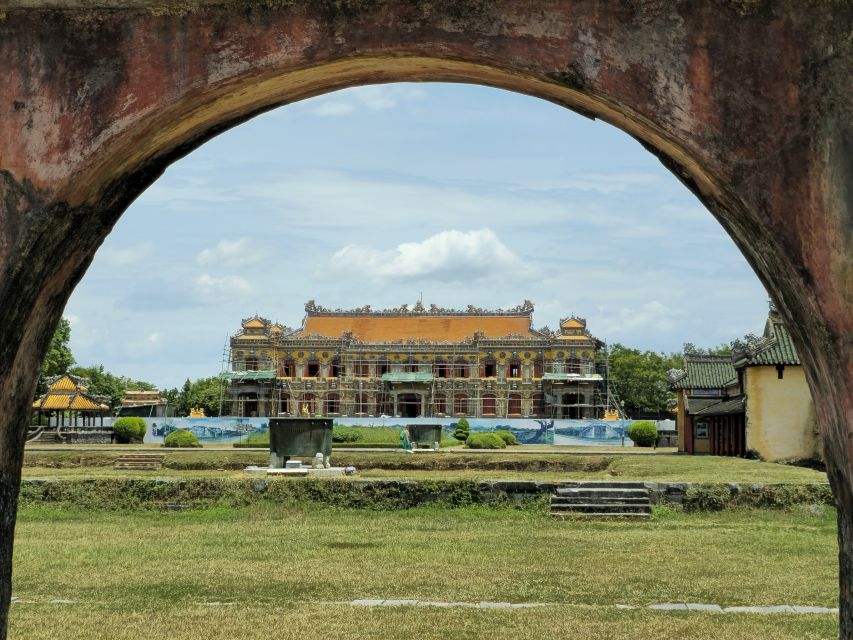
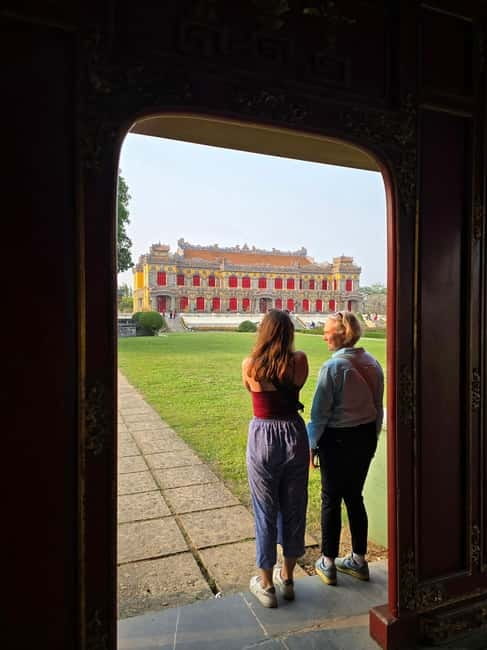
The tour highlights the Purple Forbidden City, including Kien Trung Palace and the Royal Garden. The phrase Forbidden City sounds dramatic, and the guide makes it concrete: the restricted zones were about control—who could enter, where ceremonies happened, and how access reinforced the dynasty’s hierarchy.
The royal garden section is a useful breather. You get a calmer, more reflective space, which helps you reset your attention after walking through structured ceremonial areas. If you’re the type who likes architecture, you’ll also appreciate how gardens and court spaces weren’t “left to nature.” They were part of the palace plan.
Nguyen Dynasty Architecture: The Stories You’ll Remember
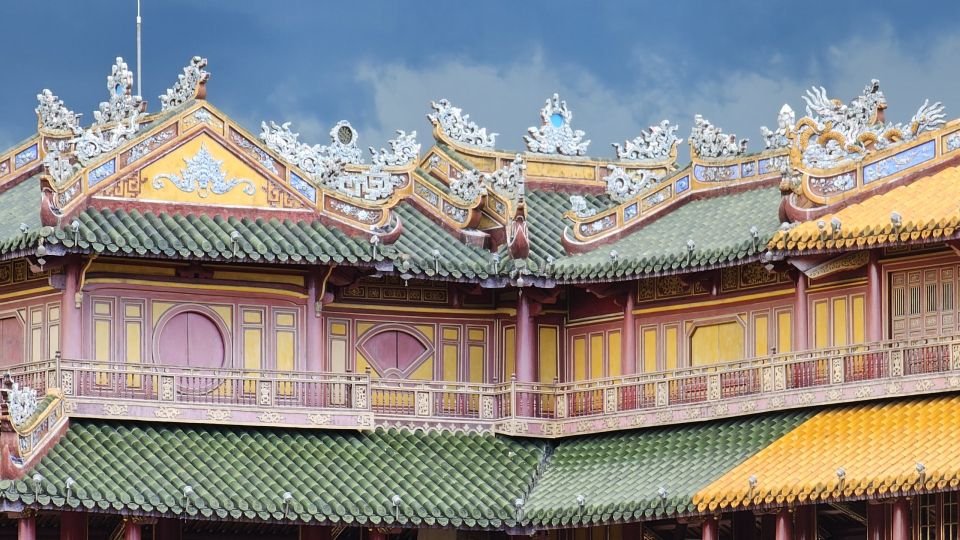
What I like most about the tour approach is how the guide connects architecture to cause and effect. You’ll get explanations about the unique architecture of the Nguyen Dynasty’s royal court, plus the influences behind the constructions.
The guide talks about how choices may relate to things like feng shui or weather conditions, and it doesn’t stop at theory. You’ll also hear the guide’s interpretation of how the dynasty’s built environment supported the court’s needs—ceremony, order, and protection.
Then there’s the storyline of the dynasty’s downfall. You’ll hear reasons behind the decline of the Nguyen Dynasty and the consequences that followed. That part is important because it keeps the tour from feeling like a museum display. You leave with the sense that history is shaped by decisions, not just by monuments.
And one extra detail that makes the experience click: in guides’ explanations, you may hear how engineering helped manage practical problems like flood waters and wind currents—the kind of behind-the-scenes thinking that turns a palace complex into an impressive technical achievement, not only a pretty postcard.
Morning Bonus: Changing Guard Ceremony at Ngo Mon Gate (8 am)
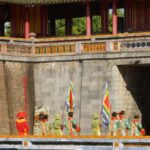
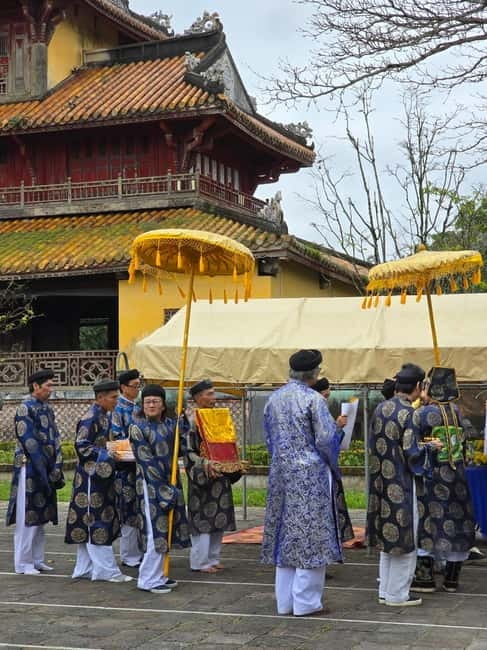
If you book the morning tour, you can watch the Changing Guard Ceremony at 8 am in front of Ngo Mon Gate.
This is a rare payoff. Many palace tours show you buildings but not the rhythm of court life. Seeing a ceremony (even from a visitor viewpoint) adds energy to the tour and helps you place what you’re learning about the court into a living context. If you’re a morning person, this is the version to pick.
If you’re not a morning person, don’t stress—you’re still getting the full Imperial and Forbidden City walking experience. The ceremony is a bonus, not the foundation.
Royal Tombs Option: When It Makes Sense to Add It
The experience includes an optional add-on to visit royal tombs. This is a smart choice if you want the Nguyen story to continue beyond the palace walls. Tombs are where dynasties often spell out beliefs about rule, order, and legacy—so the theme matches the Imperial City well.
The trade-off is simple: you’ll be adding time and heat exposure to your day. If you’re on a tight schedule or traveling with strong “I need a break” energy, you might choose the Imperial City tour only. If you’re history-focused and want more time in Nguyen spaces, adding the tombs option can make your Hue day feel longer and more connected.
Price and Entrance Fees: Getting Value Without Surprises
The tour is priced from $26 per person, but the important detail is what that includes. The guiding fee is included, while the entrance ticket is not included (200,000 VND per person).
Here’s how to think about value. A walking tour with a historian guide costs more than a basic self-guided ticket-only visit, so the question is whether the guide’s explanations save you frustration. They do—because you’re not left guessing which part matters and why. The tour structure points you to key areas like Hien Lam Cac Pavilion, Mieu Temple, and Queen Mother Residence, and it gives you the context to understand what you’re looking at.
So your best “total cost” approach is to budget for:
- $26 for the guided walking portion (the guide fee)
- 200,000 VND entrance ticket per person (paid separately)
If you’re comparing tours, don’t just compare the headline price. Compare what the tour includes besides a guide—like the specific locations inside the complex and the time spent making sense of them.
What to Bring and When to Go in Hue’s Heat
Hue is often hot and humid in summer (May to August). You’ll be outside walking, and explanations tend to keep you lingering at points of interest. Bring more water than you think you need, and consider planning your day so you’re not doing multiple long outdoor activities right afterward.
Even outside the hot months, the ground can feel warmer than you expect, and humidity can sneak up. Lightweight clothing helps, and having a water bottle ready makes the whole experience more comfortable.
Who This Tour Fits Best (and Who Might Skip It)
This walking tour is a strong fit if you want:
- Meaning, not just sights
- A structured pace for a big UNESCO complex
- History tied to what you see, including Nguyen Dynasty architectural and court explanations
- Small group benefits (more time for questions and clearer listening)
You’ll probably enjoy it most if you like walking through places with a story attached—especially court life, ceremony, and how rulers used architecture to manage access and power.
If you only want casual photos and don’t care much about who built what and why, you might find a self-guided visit more your speed. But if you’re choosing between “see it” and “understand it,” the guide-led version usually wins.
Should You Book This Hue Imperial City Tour and Optional Royal Tombs?
Yes, you should book it if you want the Imperial and Forbidden City to make sense while you’re standing in front of it. The historian-style explanations, the focus on specific sites inside the complex, and the optional 8 am Changing Guard Ceremony make this tour more than a sightseeing walk.
I’d add the royal tombs option if you want Hue to feel like a complete Nguyen storyline, not just a few palace stops. Skip the tombs add-on if you’re short on time, sensitive to heat, or you prefer a calmer day.
Either way, budget for the separate 200,000 VND entrance ticket, bring extra water, and you’ll get a smooth, high-value visit.
FAQ
How long is the Hue Imperial City walking tour?
The walking tour lasts about 2.5 hours.
Is the entrance ticket included in the tour price?
No. The entrance ticket is not included and costs 200,000 VND per person.
What language is the tour guide’s language?
The tour is available in English.
Where do we meet the guide?
You meet at the 4-cannon side of the Nine Holy Cannons. The guide will wait there, and will text you via WhatsApp before the tour.
Where does the tour end?
The tour ends back at the meeting point.
What can I see inside the Imperial City on this tour?
You’ll visit key areas including Hien Lam Cac Pavilion, the Mieu Temple, the Queen Mother Residence, and the Purple Forbidden City (including Kien Trung Palace and the Royal Garden).
Is there a morning bonus with the Changing Guard Ceremony?
Yes. If you book the morning tour, you can watch the Changing Guard Ceremony at 8 am in front of Ngo Mon Gate.
What should I bring for Hue’s weather?
Hue is often hot and humid in summer (May to August), so bring extra water.