REVIEW · HUE VIETNAM
Hue Customizable Tour with Imperial Citadel & Forbidden City
Book on GetYourGuide →Operated by Adventure Journey Vietnam · Bookable on GetYourGuide
Court power shows up in every stone. In Hue, I like the way the story clicks into place once you’re standing by the Nine Holy Cannons and inside the Forbidden Purple City. The best part is how guides such as Ha and Misa turn names like Gia Long and Khai Dinh into real, visitable locations, with explanations you can actually follow. One thing to plan for: Imperial City entry tickets are not included in the tour price.
I also like the flexibility. You can do the walking tour for a focused 2.5-hour circuit through the Citadel and Forbidden Purple City, or choose a private car day where you set the pace between Hue’s major sights. And it’s not only about palaces and gates—you’ll learn how Vietnamese emperors lived through the world around them: wives, minor wives, concubines, and even eunuchs.
At about $12 per person, this is strong value for Hue’s most symbol-heavy heritage site. The experience runs from 150 minutes up to 8 hours, so you can match it to your schedule, whether you want a short orientation or a longer Hue day.
In This Review
- Key things you’ll love about this Hue Imperial City tour
- Choosing Your Hue Plan: Walking Citadel vs Private Car Day
- Starting at Cửa Ngăn: Finding the Four Bronze Cannons Meeting Point
- Nine Holy Cannons: Bronze Art That Stages the Entrance
- Ngọ Môn Noon Gate and the Flag Tower: Ceremonies You Can Still See
- Thái Hòa Palace to Hien Lâm Pavilion: The Place Where the Country Was Centered
- Nine Dynastic Urns and Miếu Temple: Emperors Named in Metal and Worship
- Stepping Into Đại Nội and the Forbidden Purple City (Tử Cấm Thành)
- Pavilions, Gardens, and Royal Theater: Learning the Citadel’s Hidden Code
- Private Car Add-Ons: Thien Mu Pagoda and Royal Tombs on Your Schedule
- Tickets, Time, and Comfort: The Small Stuff That Makes or Breaks Your Day
- Who This Tour Suits Best (and Who Might Want a Different Setup)
- Should You Book This Hue Imperial City Experience?
- FAQ
- How long is the Hue Imperial City tour?
- Where do we meet for the walking tour?
- Is an Imperial City entrance ticket included?
- What are the main walking tour highlights?
- Do you get an English guide during the private car option?
- Can I customize the itinerary?
- What attractions can be added on the private car route?
- Is the tour in English?
- Is pickup available?
- What if the weather changes?
Key things you’ll love about this Hue Imperial City tour
- Nine Holy Cannons with a real backstory: bronze art cast in 1803, moved later under Khai Dinh
- Thái Hòa Palace as coronation ground: the place connected to 13 Nguyen kings
- Forbidden Purple City focuses on daily court life: kings, queens, minor wives, and concubines
- Small-group energy and strong English: guides like Duy, Nhi, Nhien, and Misa are repeatedly praised for clear storytelling
- Optional add-ons make it a full Hue day: Thien Mu Pagoda and royal tombs on a private car route
- Tickets matter: the Imperial City entry fee is separate, and combo tickets can save money if you add tombs
Choosing Your Hue Plan: Walking Citadel vs Private Car Day
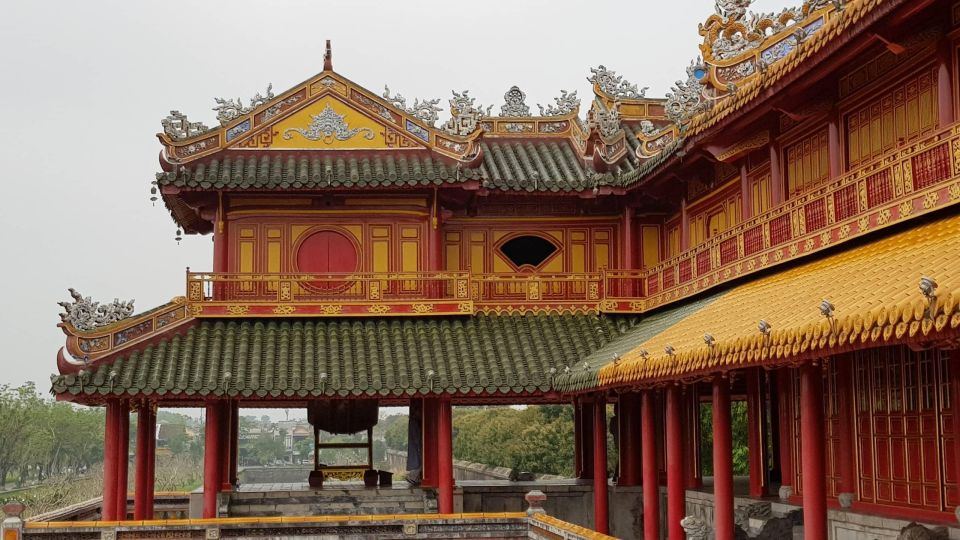
This experience is built for choice. If you pick the walking option, you get a guided circuit that concentrates on the Hue Imperial City and the Forbidden Purple City, with time for photos and short pauses along the way.
If you pick the private car option, you can customize a longer day. An English-speaking driver handles transportation, and you can pick classic Hue stops like Thien Mu Pagoda and the Minh Mang, Tự Đức, and Khải Định tombs. Just note the driver isn’t presented as a licensed guide, so the “talking history” part is mainly handled when you choose the walking tour with a local guide.
The duration range also helps your planning. It’s listed from 150 minutes all the way up to 8 hours, which means you can do a half-afternoon if you’re in a hurry, or stretch it into a full sightseeing day.
You can also read our reviews of more city tours in Hue Vietnam

Starting at Cửa Ngăn: Finding the Four Bronze Cannons Meeting Point
For the walking tour, you meet your guide at the Four Bronze Cannons area near the Ngan Gate (Cửa Ngăn). Your guide will be holding an A4 paper with your name, which helps a lot if you’re arriving in Hue and haven’t figured out the citadel side streets yet.
There’s a small detail worth knowing: there are also five cannons on the opposite side. That’s useful for two reasons. First, it means your bearings will look a little different depending on which cannon row you’re standing near. Second, it matches the broader theme of the tour: Hue’s royal space is designed for order, symmetry, and meaning.
If you’re arriving early, do a quick walk-around before your group forms. It’ll make the first “big story moment” start smoother.
Nine Holy Cannons: Bronze Art That Stages the Entrance
The Nine Holy Cannons are where the tour’s “this place matters” feeling becomes real. Hue artisans cast the nine cannons in Gia Long’s second year, 1803, and they’re treated as some of the most valuable bronze works of art.
What I appreciate is the way the guide frames them as more than decoration. These weren’t random objects. They were placed at the foot of the Imperial Citadel at the entrance of the Ngô Mon Gate, and later, during the reign of Khải Định, they were relocated to their current position.
During the walk, you’ll get time for a break and photo stops, not just a quick look. Guides also use these markers to set up the bigger idea of the citadel: power, rank, and order are built into the layout, even down to bronze objects at the threshold.
Ngọ Môn Noon Gate and the Flag Tower: Ceremonies You Can Still See
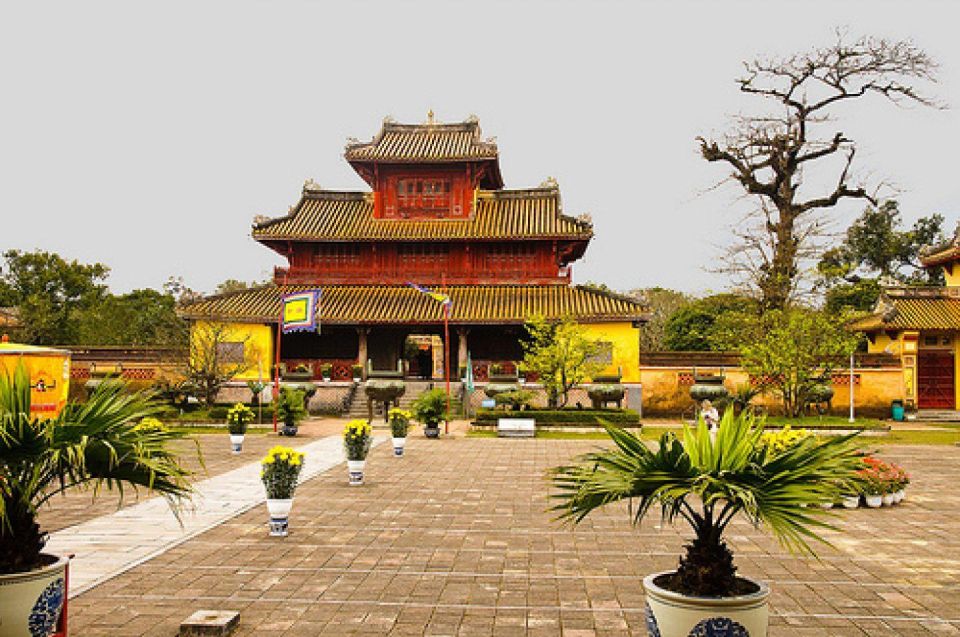
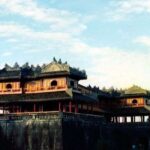
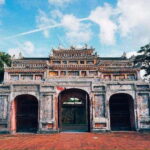
Next up is the South Gate area, often called Ngọ Môn (Noon Gate). The gate was built in 1833 in traditional Vietnamese style under King Minh Mang, and it was used by kings for troop movements and ceremonies.
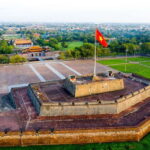
Then you’ll move toward the Flag Tower (Kỳ Đài), which sits in the middle of the south face of the Hue citadel within the Nam Chanh fortress. This is the kind of stop where you can feel how the Nguyen court expected both visibility and control. Your guide can help you connect why the tower’s position mattered and why ceremonies needed clear stage space.
For me, this section is where the tour becomes less “museum walk” and more “how power worked.” If you like understanding the practical side of history—who did what, when, and why—this part delivers.
Thái Hòa Palace to Hien Lâm Pavilion: The Place Where the Country Was Centered
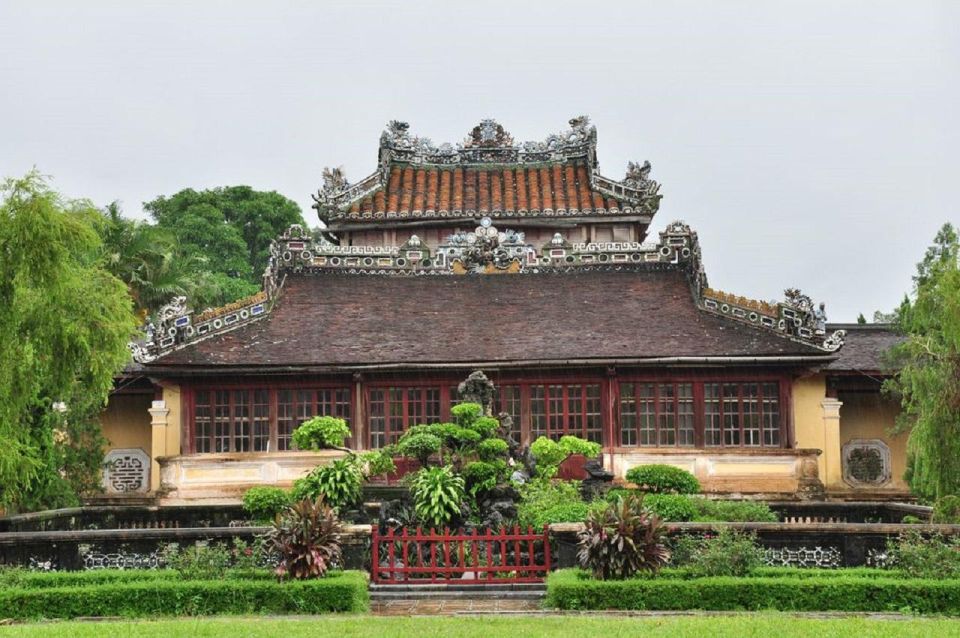
The tour’s centerpiece is often Điện Thái Hòa (Supreme Harmony Palace). This palace is located in the Imperial City area of Hue citadel and is tied to coronation ceremonies: it’s described as the coronation place of 13 Nguyen kings, from Gia Long to Bao Dai. It also gets framed as the center of the country in feudal terms.
Even if you don’t get swept up by royal pageantry, the building still does its job. It’s the kind of architecture that communicates authority without needing a speech. Your guide will typically connect it to court rules and symbolic thinking, so the site becomes easier to remember afterward.
From there, you’ll see other major points within the ceremonial core, including Hien Lâm Pavilion. The tour itinerary includes both guided explanation and time to look around on your own, which matters here because details can be subtle. If you want better photos, use your free moments to step back, then look again from a different angle.





Nine Dynastic Urns and Miếu Temple: Emperors Named in Metal and Worship
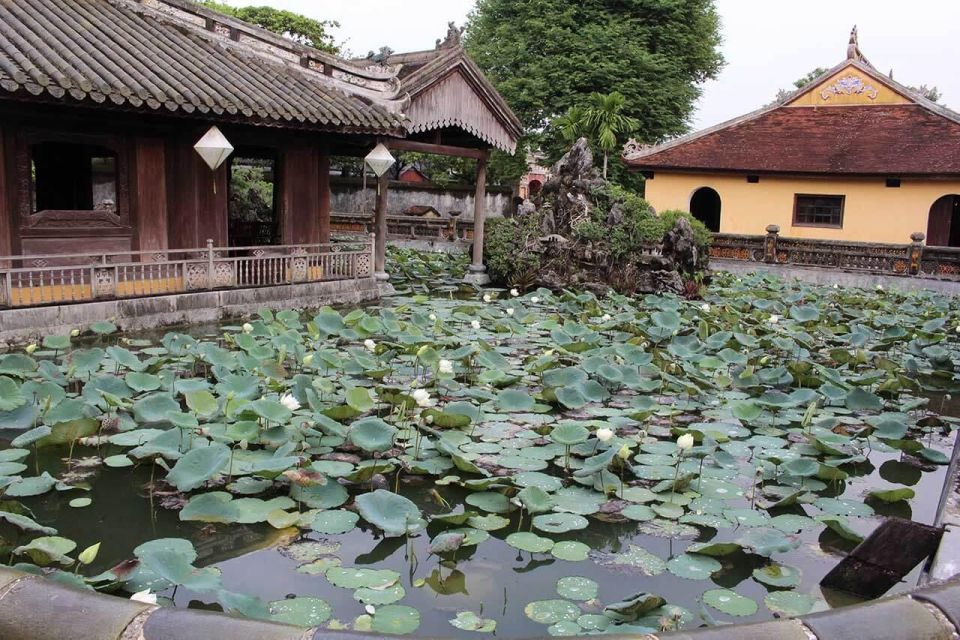
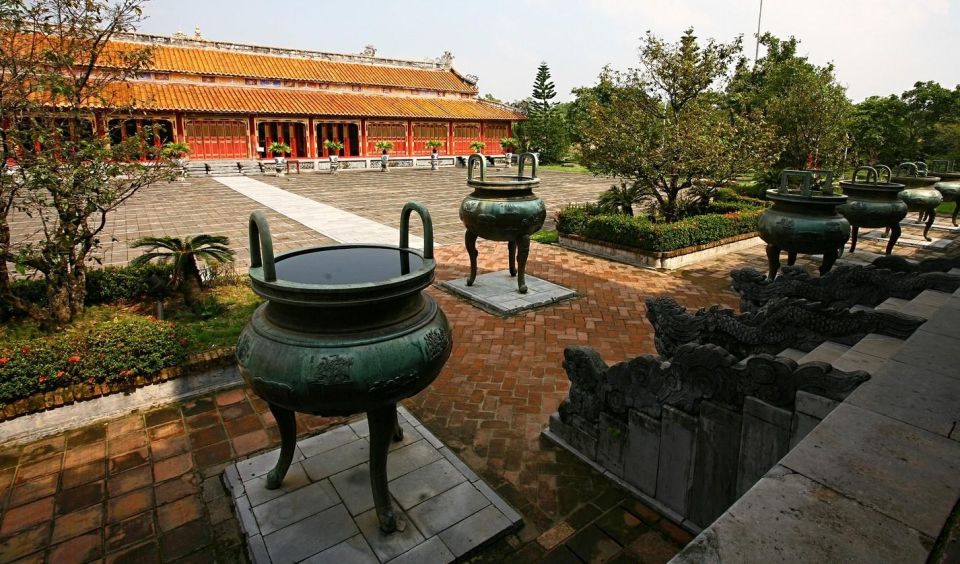
Then comes the Nine Dynastic Urns (Cửu Đỉnh Huế). These are nine bronze urns located in front of the Mieu Temple in Hue Imperial Citadel. Emperor Minh Mang commissioned them in the winter of 1835, and they were inaugurated on March 1, 1837.
It’s a great stop for people who like “small object, big meaning.” The urns are close enough to feel personal, but they’re also part of a ceremonial system that connects the present to the imperial past.
Right after that, you’ll visit Thế Miếu Temple (The Mieu Temple). It’s also called Thế Miếu Huế, built in 1821 by Minh Mang, and it’s described as a temple to worship 10 Nguyen kings. Since the tour is already about court hierarchy, this stop helps you understand the space as a place of remembrance and legitimacy, not just past architecture.
Stepping Into Đại Nội and the Forbidden Purple City (Tử Cấm Thành)
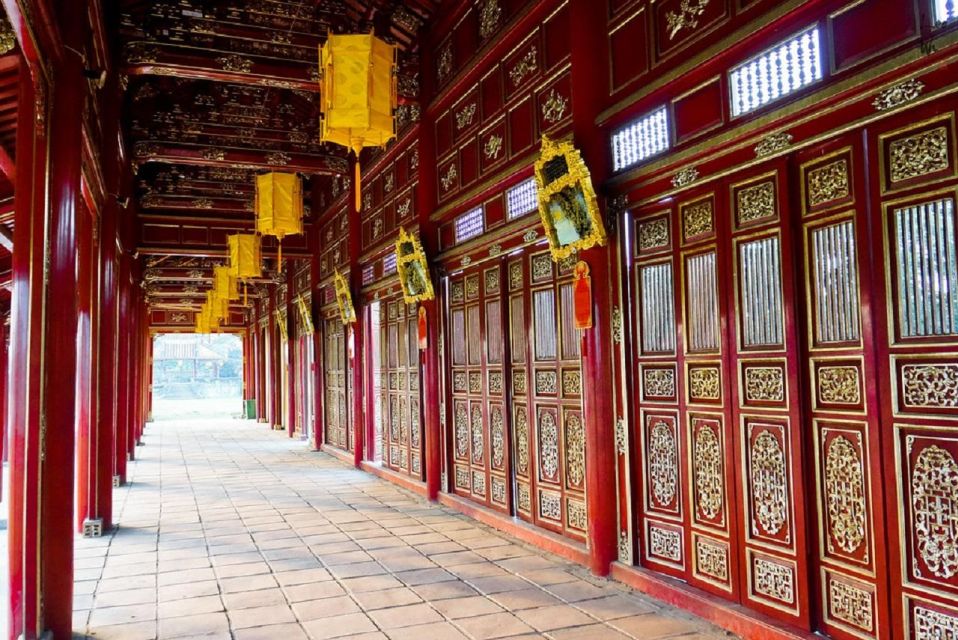
One of the biggest shifts in the tour happens when you reach Đại Nội (Imperial City / inner imperial zone) and then the heart of court life: the Forbidden Purple City (Tử Cấm Thành).
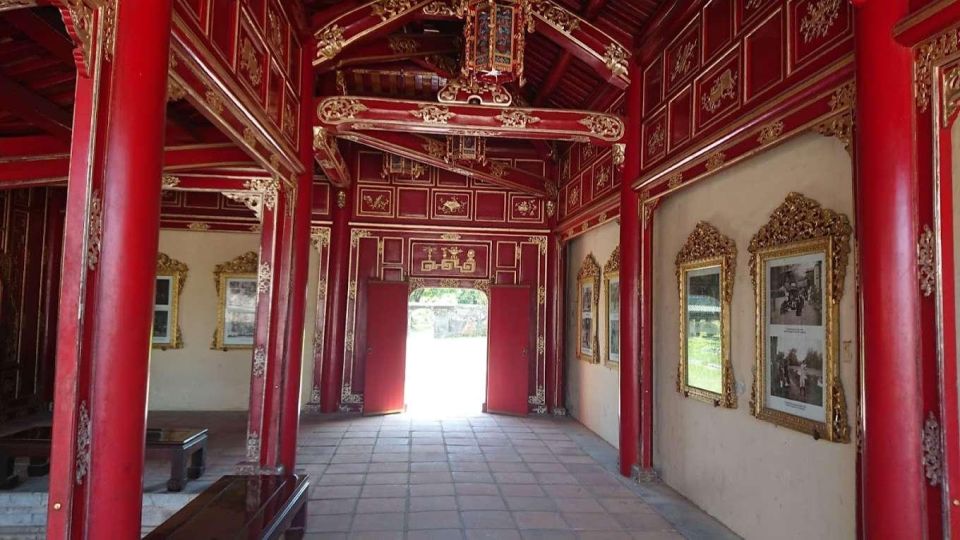
The Forbidden Purple City sits behind the Thái Hòa palace. It’s described as the center of daily life for kings, queens, minor wives, and concubines of the Nguyen emperors. The Forbidden Purple City was first built by Gia Long in 1804, and later, in the third year of Minh Mang’s reign (1822), the name was changed to Forbidden Purple City.
This section is where the tour’s human angle really pays off. You’re not only seeing gates and halls. You’re learning how the court functioned as a system, including the people who lived within it.
It also helps that the guide keeps the pacing practical. The itinerary includes breaks and photo stops, and the tour is designed so you’re not just rushing point to point in the heat.
For the walking tour option, your local guide then finishes after the Forbidden Purple City. You get your own time afterward to look around and discover more about the areas nearby at your own speed.
Pavilions, Gardens, and Royal Theater: Learning the Citadel’s Hidden Code
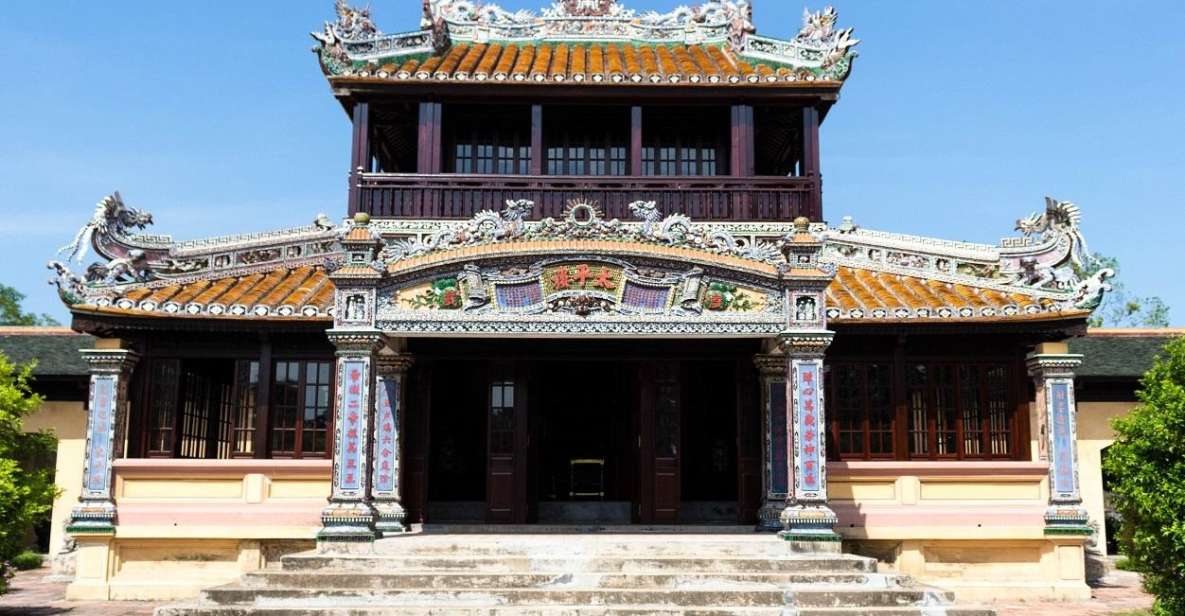
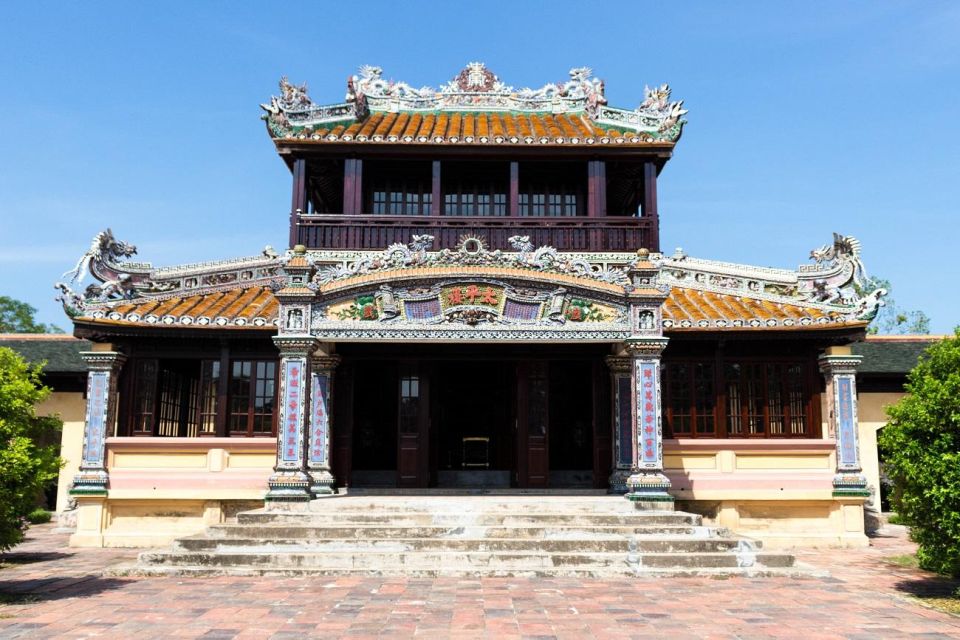
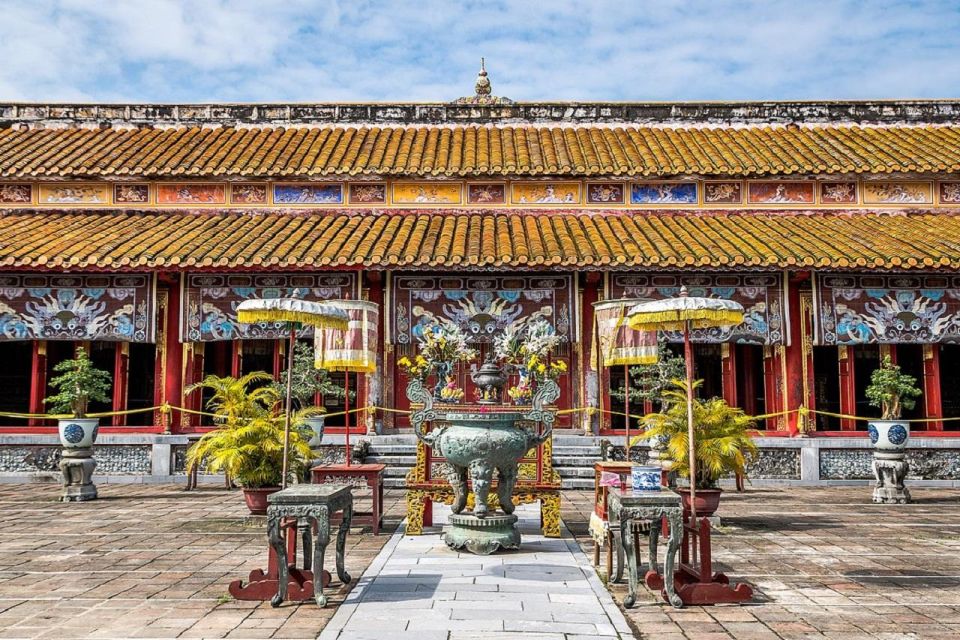
Between the major “anchor” sites, you’ll pass through or stop at additional buildings and areas that make up the complex. The itinerary includes places like Kiến Trung Palace, Thai Binh Pavilion, Thiệu Phương Garden, and Duyệt Thị Đường Royal Theater, plus other temples and gates such as Triệu Tổ miếu and Cửa Hiển Nhơn.
Because detailed descriptions aren’t listed for each item, the value here is how the guide ties them together. In the experiences people describe, guides often explain symbolism tied to numbers and animals, and connect the architecture’s logic to broader Vietnamese thought systems (including Confucianism, feng shui, and Buddhism). That kind of interpretation is what turns a list of names into a place you can actually read.
It also means you should come with questions. If you’re wondering why a gate sits where it does, or what a courtyard layout suggests, this is the part where your guide’s explanations can click. Many guides keep the group engaged with interactive check-ins, too, so it doesn’t feel like you’re being talked at for hours.
Private Car Add-Ons: Thien Mu Pagoda and Royal Tombs on Your Schedule
If you choose the private car option, you’ll build a Hue day around the stops you select. The common add-ons listed include:
- Thiên Mụ Pagoda
- Minh Mang Tomb
- Tự Đức Tomb
- Khải Định Tomb
- Thủy Tiên abandoned water park
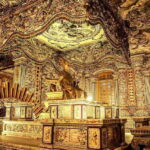
This list is a smart mix. Pagoda gives you the religious and cultural anchor. The royal tombs add the “dynasty afterlife” angle, where power becomes stone, layout, and landscaping. And the abandoned water park adds a very different Hue mood—less royal, more real-world change over time.
The private car approach is best if you want flexibility. You can spend longer at the tomb that grabs you, and skip the one you’re less interested in. Just keep in mind: your driver is described as English-speaking for communication, not as a licensed guide, so your “deep explanation” may be lighter than on the walking tour.
Tickets, Time, and Comfort: The Small Stuff That Makes or Breaks Your Day
Here’s the practical reality: the tour price doesn’t include entrance tickets. Imperial City entry is listed as 200k/adult. If you’re also planning to add tombs, combo tickets can matter. The combo options listed are 420k for Imperial City with 2 tombs, or 530k for Imperial City with 3 tombs, valid for two days.
If you’re going to do the private car route with multiple tombs, this is where you can save money by planning ahead. If you’re doing only the walking tour focus inside the citadel, you’ll likely just buy the base entry you need.
Food and drinks aren’t included, either. That’s normal, but it affects timing. Give yourself a little buffer for water and a snack, especially if you’re visiting in warmer months.
Finally, comfortable shoes are not optional here. This is real walking across an imperial complex with outdoor exposure. One of the best pieces of advice from the experiences people share is that early starts help. Guides also often pay attention to shade breaks when it’s hot, and some tours adapt even when weather turns.
Who This Tour Suits Best (and Who Might Want a Different Setup)
This tour fits you best if you want a guided way to understand Hue’s royal system. If you like context—how the layout connects to ceremony and symbolism, and how the court worked behind the walls—your visit will feel less like “I saw buildings” and more like “I get the logic.”
It’s also a good choice if you’re traveling solo or in a small group. The tour is offered as private or small groups, and the overall style is designed for questions rather than speed.
It may be less ideal if you want a totally self-guided day. The private car option provides transportation and communication, but not a licensed guide-style commentary. If you want someone talking history at every stop, stick with the walking option or pair it with a separate guided component.
Should You Book This Hue Imperial City Experience?
I’d book it if Hue is high on your list and you care about understanding what you’re seeing. The best argument is simple: the Forbidden Purple City and the ceremonial core are hard to interpret alone, and the guides named across the experiences tend to focus on clarity, friendly conversation, and pacing that doesn’t feel rushed.
Choose the walking option if you want the concentrated “big picture” route through the Imperial Citadel and Forbidden Purple City in about 2.5 hours, plus time to look around after.
Choose the private car option if your ideal day includes more than the citadel—especially Thien Mu Pagoda and the royal tombs—so you can stretch it into a longer Hue sightseeing plan.
Either way, plan your ticket budget, wear good walking shoes, and bring questions. If you do that, Hue’s royal story won’t stay behind the walls. It will follow you home.
FAQ
How long is the Hue Imperial City tour?
The experience is listed as lasting from 150 minutes up to 8 hours, depending on the option and the attractions you choose.
Where do we meet for the walking tour?
For the walking tour option, the guide meets you at the Four Bronze Cannons area near the Ngan Gate (Cửa Ngăn). The guide holds an A4 paper with your name.
Is an Imperial City entrance ticket included?
No. Entrance tickets are not included. The Imperial City ticket is listed as 200k/adult, and combo tickets are available if you add tomb visits.
What are the main walking tour highlights?
The walking tour focuses on key parts of Hue Imperial Citadel and the Forbidden Purple City, including Nine Holy Cannons, Ngọ Môn (Noon Gate), Flag Tower, Thái Hòa Palace, Nine Dynastic Urns, Thế Miếu Temple, Đại Nội, and the Forbidden Purple City.
Do you get an English guide during the private car option?
If you choose the private car option, you get an English-speaking driver for communication, but the tour guide is only included for the walking tour option.
Can I customize the itinerary?
Yes. The tour is described as customizable, with many options to choose your preferred attractions and pacing.
What attractions can be added on the private car route?
The private car options listed include Thien Mu Pagoda, Minh Mang Tomb, Tự Đức Tomb, Khải Định Tomb, and Thủy Tiên abandoned water park.
Is the tour in English?
Yes. The tour guide language is listed as English.
Is pickup available?
Pickup/drop-off is optional and included for private car trips in city-centered hotels in Hoi An/Hue, and also at train stations and Phu Bai Airport in Hue. Extra charges may apply if pickup is outside city center.
What if the weather changes?
The tour is designed with breaks and a set walking route. If weather is a concern, you can still plan with the given schedule, but your guide may adjust the flow as needed based on conditions.