REVIEW · HUE VIETNAM
Hue City Full-Day Tour
Book on GetYourGuide →Operated by A Travel Mate Co. Ltd · Bookable on GetYourGuide
Hue has a way of slowing you down. This full-day tour ties together UNESCO Imperial Hue sights with a Perfume River boat ride so the day feels less like ticking boxes and more like following the royal story.
Two things I really love: first, the rhythm—river views in the morning, then land touring at your own pace with an English-speaking guide like Hong. Second, the coverage of the key royal “spaces,” from the Flag Tower and Noon Gate to the Forbidden Purple City, then out to Khai Dinh and Tu Duc. The main drawback to consider is that the Perfume River boat portion can include on-board selling that may distract from the scenery for part of the ride.
In This Review
- Key highlights you’ll feel right away
- Why Hue’s imperial circuit works so well on a full-day tour
- Perfume River dragon boat and Thien Mu Pagoda: start with views, not crowds
- The Imperial Citadel: Flag Tower to Forbidden Purple City
- Lunch break in Hue, then two contrasting tomb experiences
- Khai Dinh’s East-West blend and Tu Duc’s symmetry in plain terms
- Conical hat village and incense-stick making: craft time with a purpose
- Getting around Hue: comfort, pace, and what to pack
- Price and value: what you get for $73 in Hue
- Who should book this tour—and who might prefer a different plan
- Should you book the Hue City Full-Day Tour?
- FAQ
- What’s included in the Hue City Full-Day Tour?
- Does the tour include hotel pickup?
- What are the main sights on the itinerary?
- Is lunch included?
- What should I bring or wear?
- Is the tour suitable for people with mobility impairments?
Key highlights you’ll feel right away
- Perfume River dragon boat ride with river-based views and stops tied to Hue’s best-known religious spot, Thien Mu Pagoda
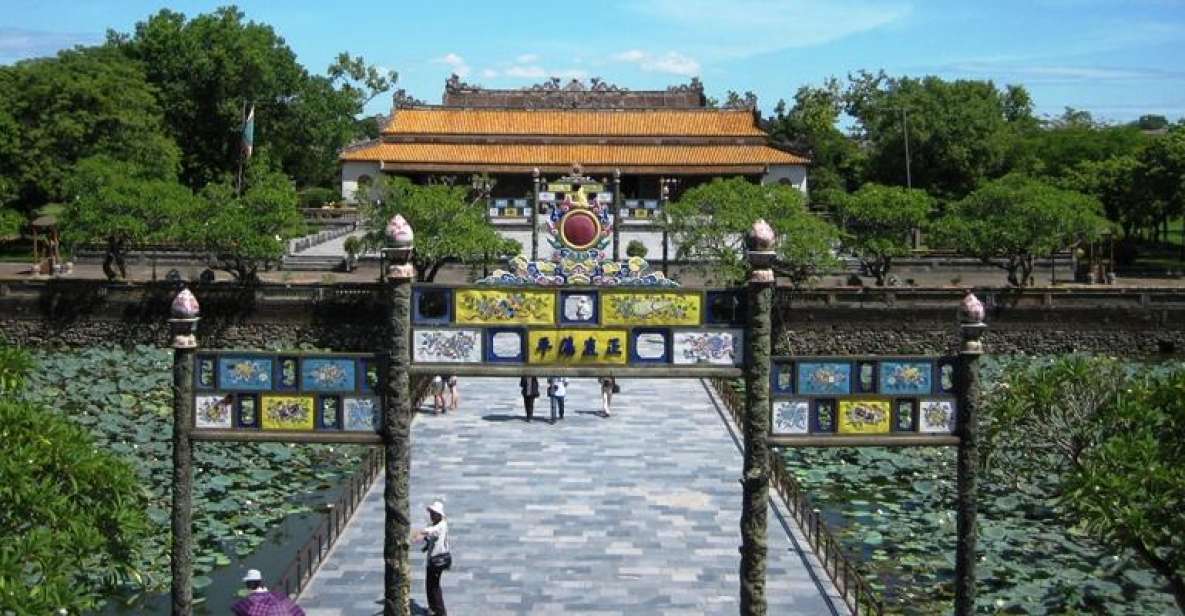
- Imperial Citadel walkthrough including the Flag Tower, Noon Gate, Thai Hoa Palace, and the Forbidden Purple City
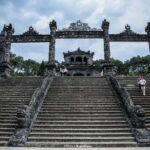
- Khai Dinh King’s Tomb where Western and Eastern architectural styles mix in a single royal statement
- Tu Duc’s Tomb impressed by symmetry and the “planned” feeling of the complex
- Conical hat + incense-stick making village time with explanations around geomancy and how it shaped royal life
Why Hue’s imperial circuit works so well on a full-day tour
Hue isn’t a place you visit once and forget—it’s a place you revisit in your head. That’s because so much of the city’s layout and culture connects back to the Nguyen Dynasty, when Hue served as Vietnam’s imperial capital from 1802 to 1945. This tour makes that connection feel logical, not random.
I like how the day flows like a story: first the river and spiritual anchor, then the power center, then the royal “afterlife” spaces. You’re not stuck hopping between far-flung sights with no context. An English-speaking guide helps you connect what you’re seeing with why the royals built it that way.
One more practical plus: a minivan with air-conditioning handles the driving between sites. In central Vietnam’s heat, that matters. You also get lunch and entrance fees included, so your day stays predictable instead of turning into a snack hunt and ticket scramble.
You can also read our reviews of more city tours in Hue Vietnam
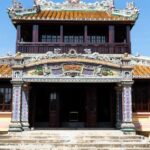

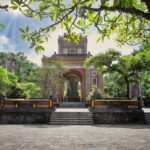
Perfume River dragon boat and Thien Mu Pagoda: start with views, not crowds
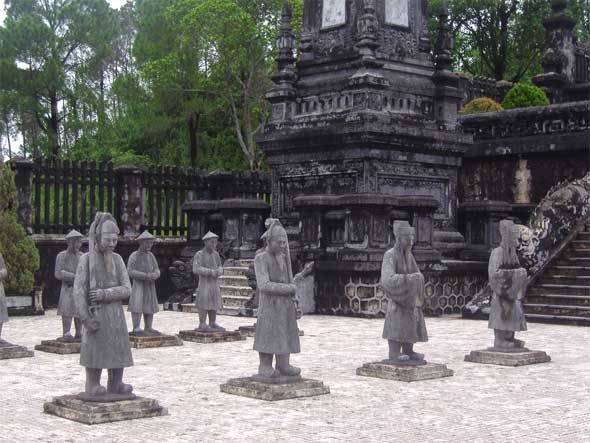
The morning begins with pickup from your hotel in Hue (only hotels within the city). Then you head down to the river for the dragon boat trip. The boat portion is one of those “why this tour exists” parts, because you see Hue’s religious and riverfront relationship from the water instead of from behind a street barrier.
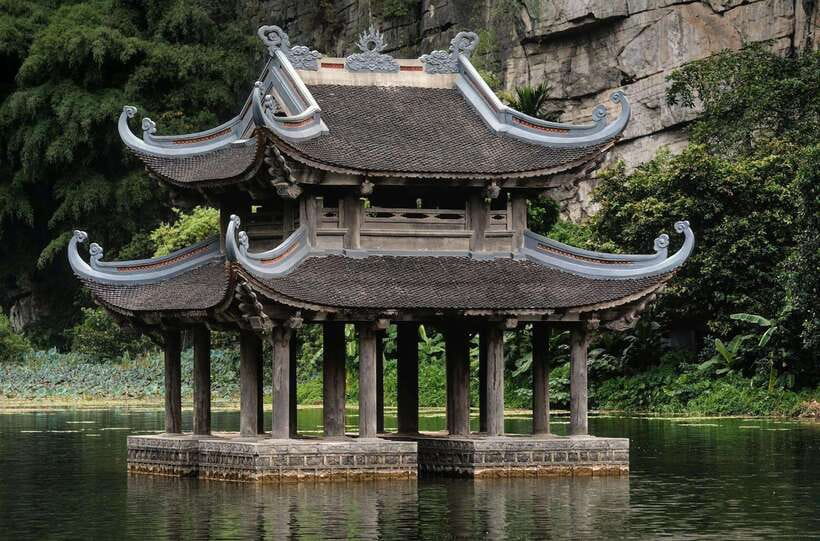
Your cruise follows the romantically named Perfume River, with religious sights along the way—especially the Thien Mu Pagoda. Thien Mu is one of Hue’s most recognizable spiritual landmarks, and placing it early in the day helps you get oriented. When you later walk through the imperial grounds, you’ll understand the contrast between sacred calm and royal power.
Here’s the one note to keep in mind. On the boat, you might run into sales attention from a vendor inside the boat area. If you’re the type who hates being interrupted mid-view, bring your patience—or position yourself to keep your eyes on the river as much as possible.
The Imperial Citadel: Flag Tower to Forbidden Purple City
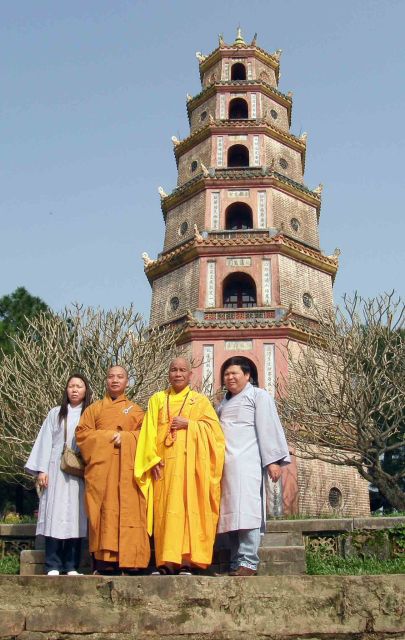
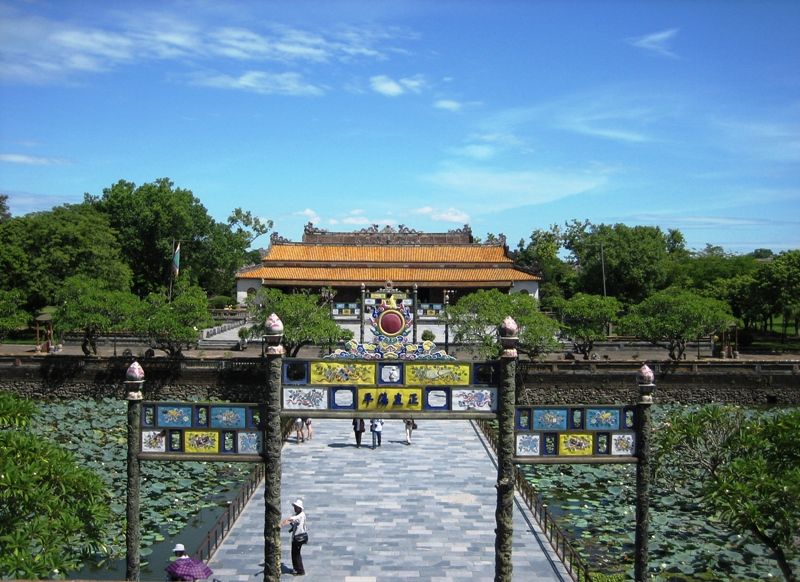
Next comes the main event on land: the Imperial Citadel, the center of Nguyen rule. If you’ve ever looked at a UNESCO site and thought, I need someone to translate this—this is that moment.
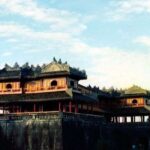
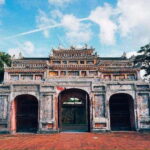
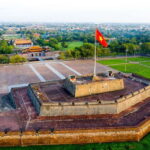
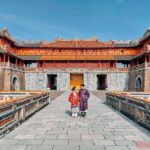
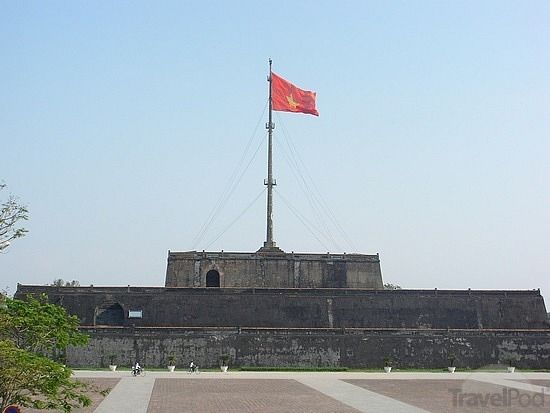
You’ll see a sequence of symbols that helps you understand how the court worked. The Flag Tower sets the tone. Then you step into the formal gate system with the Noon Gate, a name that signals the ceremonial heart of the compound. After that, the route continues through standout elements that visitors usually can’t “read” on their own.
Some of the specific stops included make the day feel structured rather than vague:
- 9 Dynastic Urns
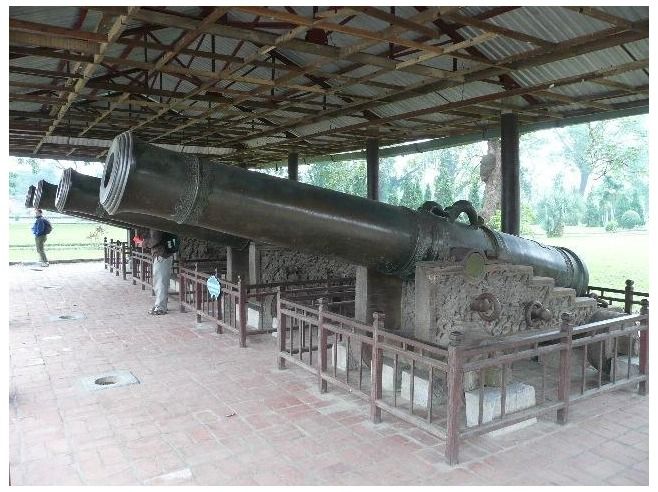
- 9 Holy Cannons
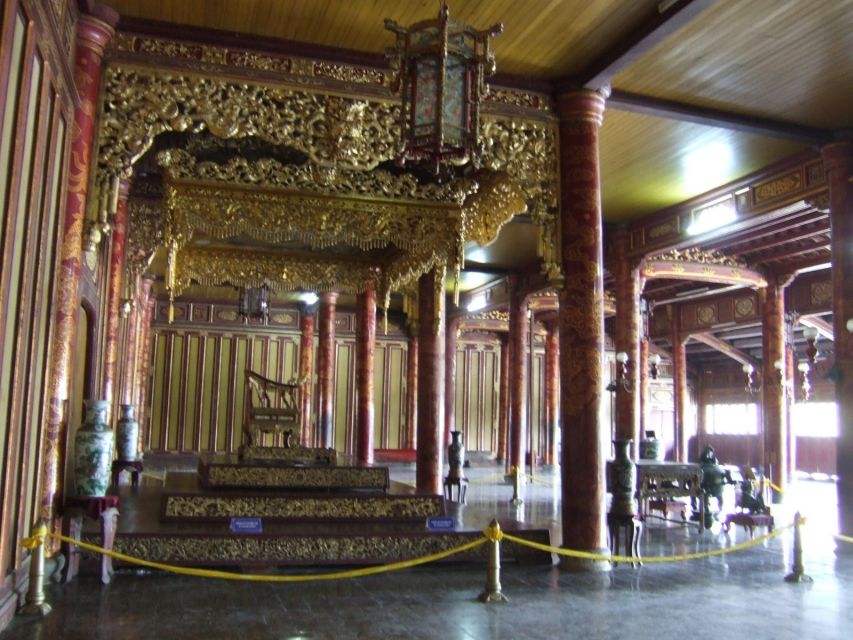
- Thai Hoa Palace
- Forbidden Purple City
That last one is a big deal. The Forbidden Purple City is where the royal story tightens—this is the space tied to inner authority and restricted court life. Even without going too technical, you’ll feel the difference between public-facing ceremony and the more guarded spaces of rule.
Also, I appreciate that the guide doesn’t just list objects. With Hong (and other guides in the same style), the best moments are the explanations: why a feature was placed there, how people moved through the compound, and what the court cared about visually. It’s history with structure, not history as an endless lecture.
Lunch break in Hue, then two contrasting tomb experiences
After the citadel, you take a break for lunch. Lunch is included, which is a quiet win because it prevents your day from stretching longer than it needs to. In a full-day itinerary, that matters.
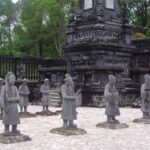
Then the tour shifts from living power to royal legacy with two different tomb styles: Khai Dinh King’s Tomb and Tu Duc’s Tomb. This pair is a smart choice. One tomb shows a different direction in design thinking, and the other emphasizes order and symmetry.
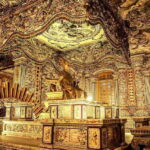
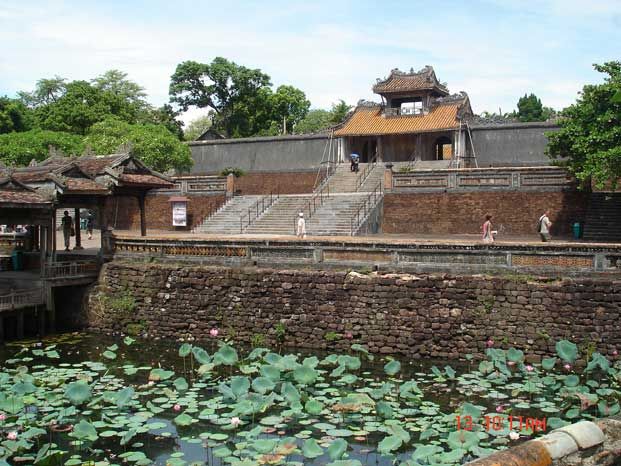
At Khai Dinh, the big takeaway is the architectural mix. The tomb is known for blending Western and Eastern styles. You’ll see how that combination shows up in the look and feel of the structure. It’s not just a “pretty tomb stop.” It’s a window into how rulers imagined their place in a changing world.
Then Tu Duc brings you to a more disciplined, carefully arranged complex. The standout feeling here is symmetry. If you like places that look planned down to the details, Tu Duc is likely to leave you staring for a while longer than you planned.
Khai Dinh’s East-West blend and Tu Duc’s symmetry in plain terms

I love when tomb architecture tells you something without needing a map app. Khai Dinh’s tomb does that with its mix of influences. When you’re standing there, you can usually spot what feels different—materials, shapes, and styling cues that don’t belong to a single tradition. The experience makes the “blend” concept easy to grasp in real life.
Tu Duc’s tomb works differently. Instead of surprise through mixed styles, it impresses through balance. Symmetry can sound boring on paper, but in person it creates a feeling of control. You look at one section and your eyes naturally move to the matching counterpart. It’s royal design that tries to control the viewer’s rhythm.
The best guides make these tomb stops more than sightseeing. They explain how royals planned their spaces with belief systems in mind—especially geomancy, the king’s philosophy of site selection and how it shaped royal life. Even if you don’t know the terms, you can leave understanding that the placement and layout weren’t random. They had meaning.
A few more Hue Vietnam tours and experiences worth a look

Conical hat village and incense-stick making: craft time with a purpose
After the tombs, you head to conical hat village, with an included stop tied to incense stick-making. This isn’t a generic “buy a souvenir” detour. It’s part of the tour story about royal life—because crafts and daily practices connect to culture, ritual, and how people lived around the court’s influence.
You’ll also get guided explanation about the king’s geomancy thinking and how it affected royal life. The pairing makes sense: tombs and citadel show rule and ideology, while the craft village shows the human side—objects that supported daily living and spiritual practice.
From what I’ve seen work well in this stop, it’s the way the guide turns watching into understanding. You’re not just staring at hats being made. You learn enough to know what you’re looking at and why it matters in Hue’s identity.
One practical tip: wear comfortable shoes. This part of the day tends to involve walking and standing. If you’ve got stiff feet already from citadel steps, you’ll feel it here.
Getting around Hue: comfort, pace, and what to pack
The tour includes transportation in a minivan with air-conditioning. That’s useful between the river area, the citadel, and the tombs, where travel time adds up fast. The structure also helps: you’re not bouncing between sites with no schedule. You follow a route that aims to keep the day smooth.
The day lasts about a full one-day outing, with start times varying by availability. That matters if you’re managing your Hue lodging plans and dinner reservations later.
Packing is simple but important:
- Bring comfortable shoes
- Avoid luggage or large bags, since the tour doesn’t allow them
If you’re traveling with more than a small day bag, plan for what you carry during the tour. A lighter setup keeps you comfortable in vehicles and easier to move through entrances.
Also, don’t underestimate weather comfort. One recurring theme in good touring here is staying comfortable despite the heat. Even with an organized schedule, you still spend time outside around major sites. Bring water habits you can manage and plan to pace yourself.
Price and value: what you get for $73 in Hue
At $73 per person, this is priced like a full-service cultural day rather than a quick sight tour. What makes it feel like value is what’s bundled:
- Minivan transportation with A/C
- Dragon boat trip
- English-speaking guide
- Bottle of mineral water
- Lunch
- Entrance fees
When you price those items separately, the tour starts to make sense. You’re paying for coordination (the route and timing), interpretation (your guide), and access (entrance fees). You also save mental energy by not juggling tickets, directions, and timing between scattered UNESCO and royal sites.
If you’re in Hue for a short stay, this is especially efficient. You hit the citadel, both major tomb experiences, the river cruise, and the craft stop in one day. That’s hard to replicate easily on your own without turning your day into a logistics project.
Who should book this tour—and who might prefer a different plan
This tour is a great fit if you want the big UNESCO and royal highlights of Hue without spending your whole day figuring things out. It’s also ideal if you enjoy guided context, especially explanations of royal life themes like geomancy and court symbolism.
You might also like it if you’re the type who wants a steady pace. The itinerary is built to keep you moving forward through a logical sequence: river to religion, citadel to court, tombs to legacy, crafts to culture.
On the other hand, if boat selling would genuinely ruin the experience for you, you may want to mentally prepare for the possibility of in-boat sales attention. It won’t change the route, but it can affect how much of the scenery you actually enjoy during that segment.
If you have mobility concerns, note that the tour is not suitable for people with mobility impairments. The route includes walking and uneven site areas.
Should you book the Hue City Full-Day Tour?
I’d book it if your goal is to understand Hue’s imperial story in one day—river views, citadel power symbols, two major tomb experiences, and a craft stop tied to Hue’s culture. The inclusion of the Perfume River boat ride, the Imperial Citadel highlights, and both Khai Dinh and Tu Duc makes it a strong “greatest hits” day with guided interpretation.
If you hate being distracted during boat rides, consider that one potential snag up front. Otherwise, the setup is solid, the English guidance is a highlight, and the day feels designed for people who want meaning, not just stamps on a ticket.
FAQ
What’s included in the Hue City Full-Day Tour?
It includes a minivan with air-conditioning, a dragon boat trip, an English-speaking guide, bottle of mineral water, lunch, and entrance fees.
Does the tour include hotel pickup?
Yes. Pickup is available from hotels within the city of Hue only.
What are the main sights on the itinerary?
You’ll see the Perfume River boat cruise, Thien Mu Pagoda, the Imperial Citadel (including Flag Tower, Noon Gate, 9 Dynastic Urns, 9 Holy Cannons, Thai Hoa Palace, and the Forbidden Purple City), Khai Dinh King’s Tomb, Tu Duc’s Tomb, and a conical hat/incense stick-making village.
Is lunch included?
Yes. Lunch is included in the tour.
What should I bring or wear?
Wear comfortable shoes.
Is the tour suitable for people with mobility impairments?
No. The tour is not suitable for people with mobility impairments.