REVIEW · HOI AN
Hoi An: Hand-on Making Vietnamese Coffee Class & Culture
Book on GetYourGuide →Operated by Dich vu du lich lang que Cam Thanh · Bookable on GetYourGuide
Coffee in Hoi An, made by your hands. This one-hour class at a local small-batch coffee roastery turns tasting into a skill, with hands-on Vietnamese coffee making plus stories about why coffee bars feel so Vietnamese. I like that you don’t just watch—you actually make and drink your own cup at the end.
The format is simple: you meet at 88 Phan Chau Trinh street, learn the crop-to-cup basics, then choose a traditional style like phin filter, egg coffee, salt coffee, or coconut coffee to prepare and taste. One possible drawback: it’s only 1 hour, so if you’re hoping for a long, in-depth coffee tour, you’ll feel slightly time-compressed.
In This Review
- Key points to know before you go
- Inside the small-batch roastery on Phan Chau Trinh
- What you learn: from crop to cup, minus the fluff
- Choosing your style: phin filter, egg, salt, or coconut coffee
- Hands-on brewing: making the coffee you’ll actually drink
- Small-group attention and an easy pace
- Price and logistics: $15 for technique, not just a sip
- What to expect when you arrive (so you don’t overthink it)
- Who this class is best for (and who it isn’t)
- Should you book this Hoi An coffee class?
- FAQ
- Where is the meeting point for the class?
- How long does the Vietnamese coffee class last?
- How much does it cost?
- What kinds of Vietnamese coffee can I choose to make?
- Is hotel pickup and drop-off included?
- How many people are in the group?
- Can I cancel or book with flexible payment?
Key points to know before you go
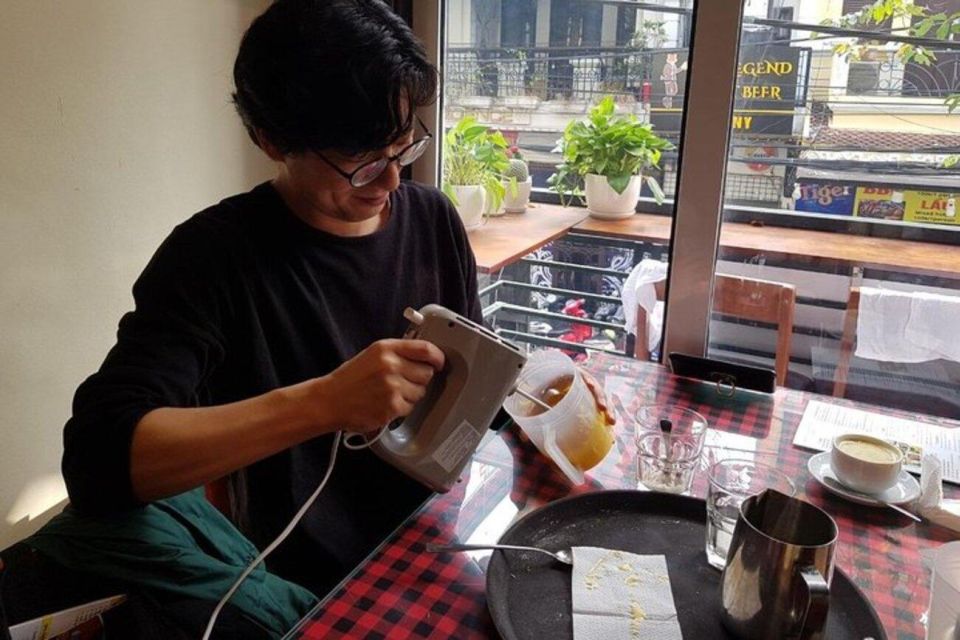
- Small-group class capped at 10 means you get real help instead of hovering in the back.
- Small-batch roasted beans from Vietnam-focused sourcing gives the class more flavor than a generic demo.
- You choose your coffee style: phin filter, egg coffee, salt coffee, or coconut coffee.
- English host/greeter keeps the story and technique easy to follow.
- Coffee expert/specialist included, so your questions don’t disappear into the void.
- No hotel pickup, so you’ll plan your own trip to 88 Phan Chau Trinh.
Inside the small-batch roastery on Phan Chau Trinh
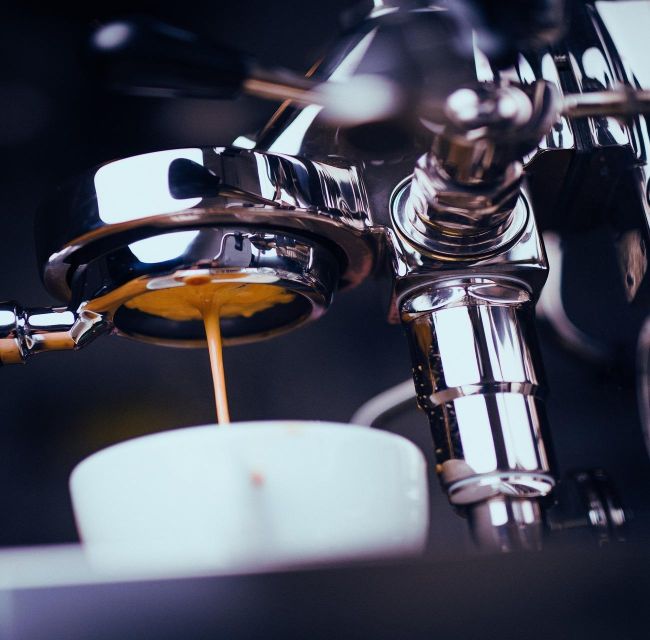
Hoi An is full of good coffee, but this class gives you the behind-the-scenes angle. You start at 88 Phan Chau Trinh street, in a spot tied directly to a local roasting operation, not a “performance kitchen” set up just for tourists.
The big value here is that the coffee isn’t treated like an abstract product. It’s presented as something made in stages—beans, roasting, then brewing—so you learn what to look for when you later order coffee around town. And since the group is limited to 10, you’re usually not stuck waiting your turn while the instructor moves on.
The host or greeter is English-speaking, which matters in Vietnam where coffee jargon can get fast. If you’ve ever felt lost in a busy café conversation, this kind of structured, guided explanation is a real help.
A few more Hoi An tours and experiences worth a look



What you learn: from crop to cup, minus the fluff
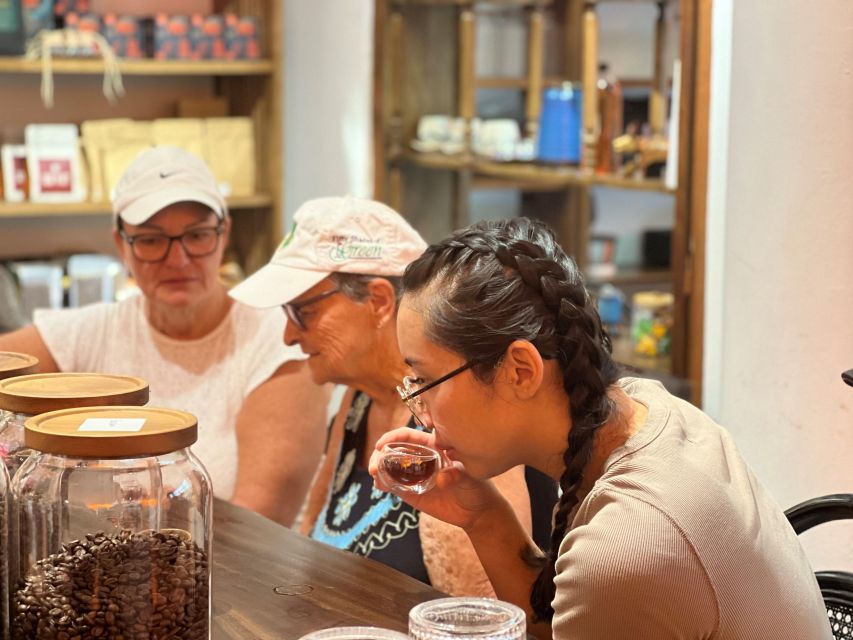
In a typical coffee tasting, you sample a few cups and hope you can describe the difference. Here, the instruction is built around the idea that good Vietnamese coffee has a chain of choices behind it—how beans are grown, how they’re roasted, and how the drink comes together in the glass.
You’ll hear stories from your instructor about popular Vietnamese cafés and how they connect to coffee’s place in culture and everyday life. That isn’t just trivia. It helps you understand why Vietnamese coffee is often served strong, sweet, and designed for slow sipping, especially with the classic brewing tools.
You’ll also get the basics of Vietnamese coffee making before you start working with the equipment. The lesson is tailored for learning by doing, not memorizing.
Choosing your style: phin filter, egg, salt, or coconut coffee
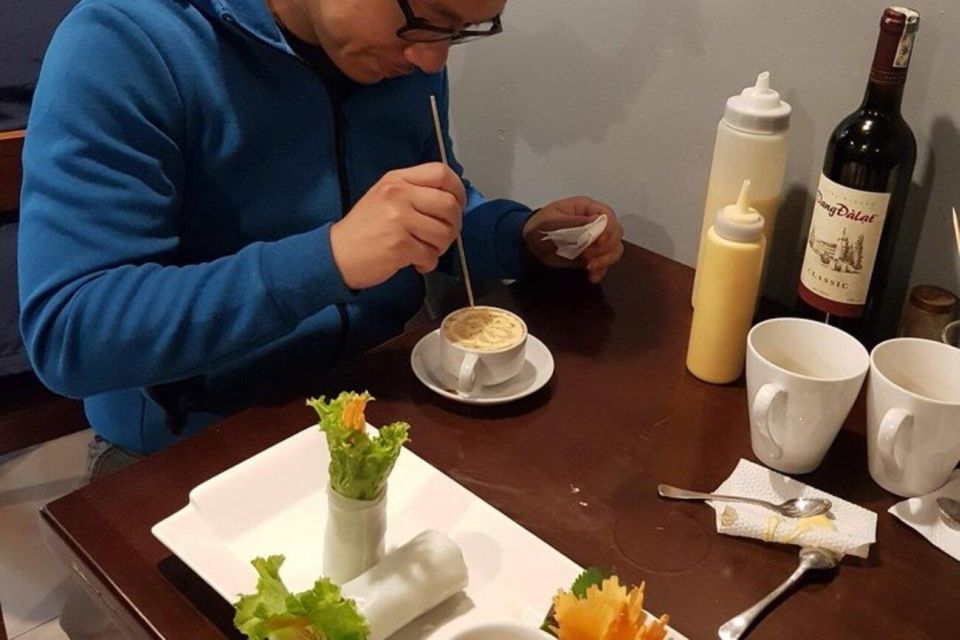
One of the smartest parts of this class is that you don’t have to fake interest in a single drink. You can choose the traditional coffee you want to make and taste, including:
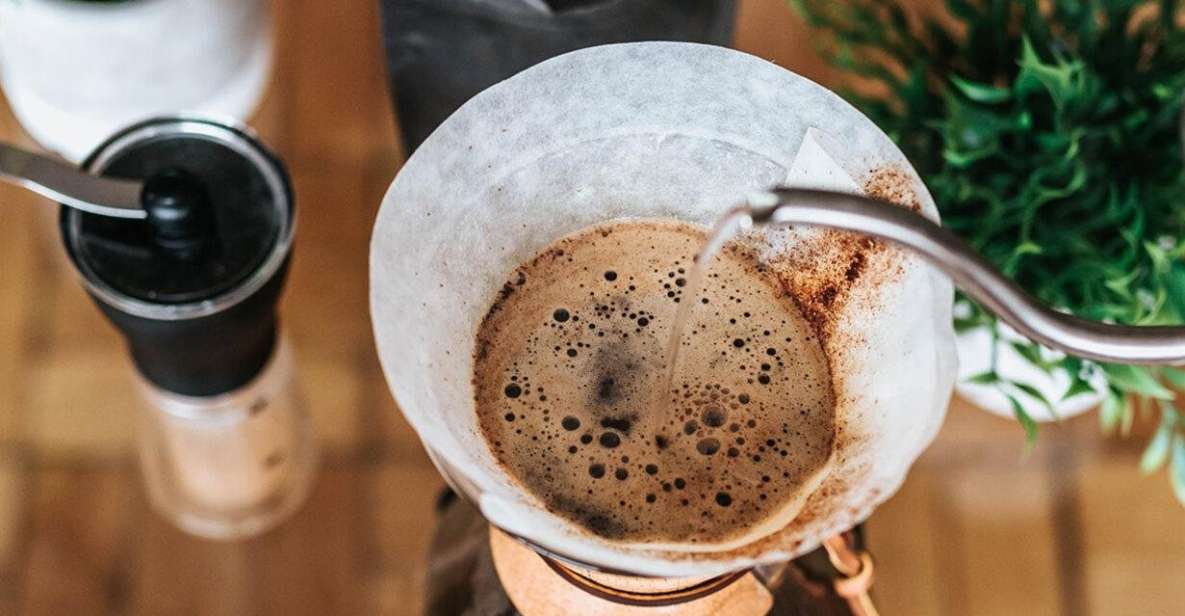
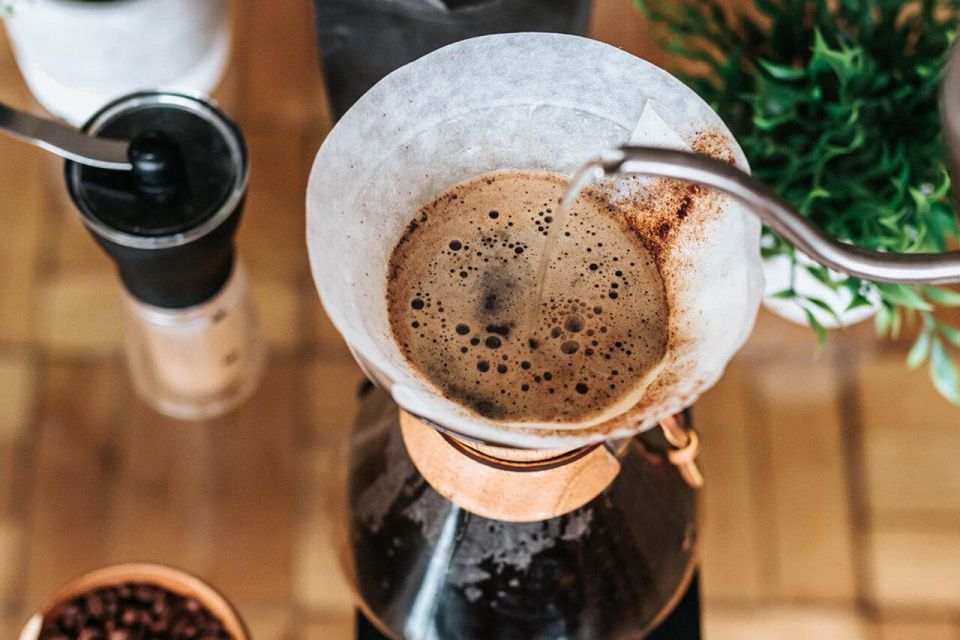
- Vietnamese phin filter coffee
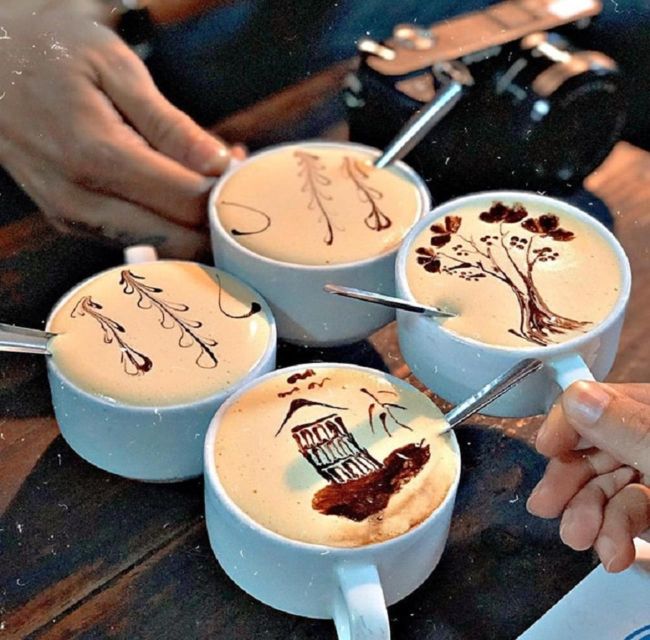
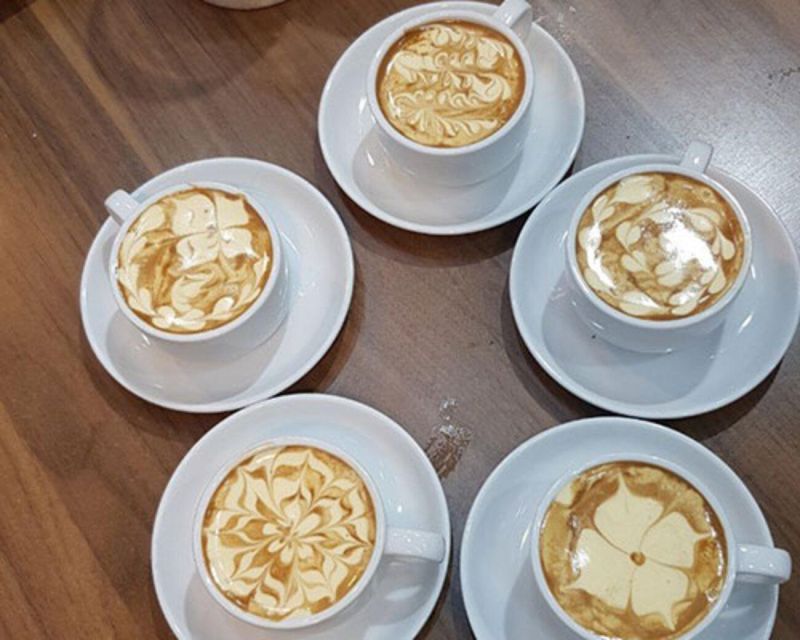
- Egg coffee
- salt coffee
- coconut coffee
If you’re new to Vietnamese coffee, the phin filter style is usually the clearest way to connect technique with flavor. If you want something playful and iconic, egg coffee is the big draw because you’re not only brewing—you’re working with a distinctive topping style.
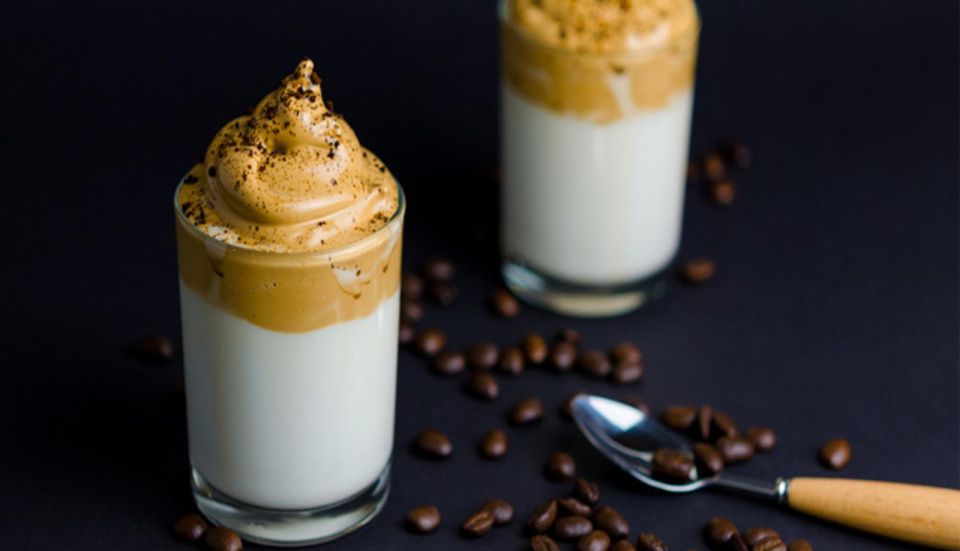
Salt coffee and coconut coffee are for the curious. They help you notice how sweetness, texture, and balance can be shaped with small changes. Even within Vietnamese coffee culture, these variations show how flexible the drinks can be without losing their core identity.
Practical tip: choose the option you actually want to drink at the end. Since you’ll taste what you make, this decision affects the whole hour.
Hands-on brewing: making the coffee you’ll actually drink
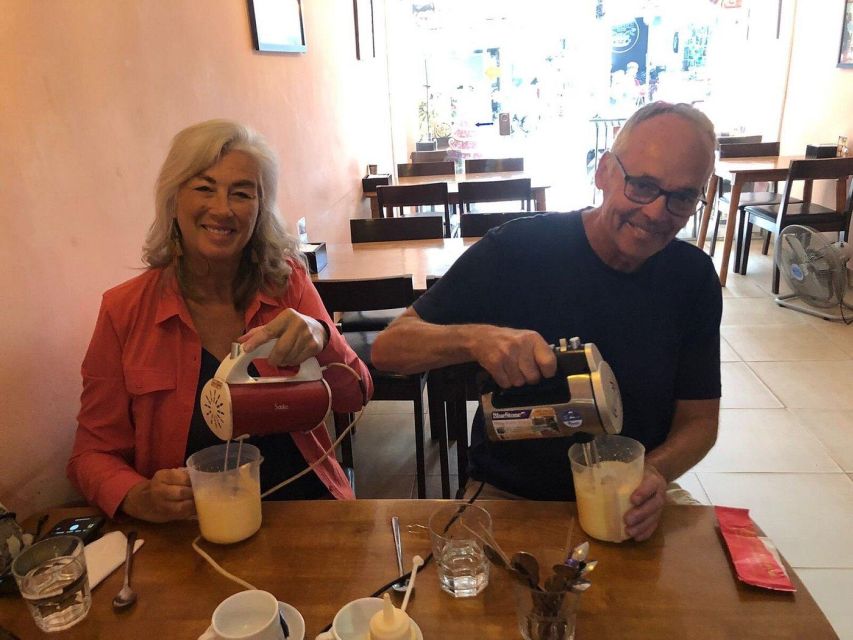
This is not a passive class. You get all ingredients and equipment, then you learn how to prepare your chosen traditional coffee, finish it, and taste your final cup. The “hands-on” piece matters because Vietnamese coffee is all about method—how heat and extraction behave, how sweetness is managed, and how texture changes as it comes together.
The class is set up like a guided workshop. You’ll listen as the instructor explains the process, then follow along while you do the work. In a setting like a roastery, that practical experience tends to stick because you can connect what you see (beans and roasting) with what you smell and taste (the drink itself).
Also, the room has comfortable music in the background. It’s a small detail, but it makes the workshop feel relaxed instead of rushed or overly formal. You end by sipping your own coffee, which is exactly how a short class should land.
Small-group attention and an easy pace
Limited to 10 participants, the group size here is built for questions. That’s a big deal in cooking-style classes, because if too many people crowd in, you spend the time waiting for help instead of learning the technique.
You’ll also get an English-speaking host or greeter, plus a coffee specialist. The combination matters: it means you can ask normal travel questions—what to order later, what’s worth trying in Hoi An, what makes one style different from another—without a language wall.
The duration is 1 hour, which keeps the pace tight. If you’re the type who likes efficient experiences (and who doesn’t want a half-day plan), this fits well. If you love slow, long, multi-stop tours, you might wish it stretched beyond one session.
A few more Hoi An tours and experiences worth a look

Price and logistics: $15 for technique, not just a sip
At $15 per person for a 1-hour class, the value equation depends on what’s included—and here, the inclusions are the whole point. You’re paying for:
- a local coffee roastery experience
- hand-on making and tasting
- all ingredients and equipment
- a coffee expert/specialist
That’s different from a basic tasting flight where you might pay for drinks but not get the tools, coaching, or hands-on learning. In other words, you’re not just buying caffeine—you’re buying a repeatable skill. After this, you’ll have a better sense of what you’re actually ordering when you see phin-style coffee, egg coffee, or sweeter coconut variations on menus.
Now, the logistics catch: there’s no hotel pickup or drop-off. That means you need to get yourself to 88 Phan Chau Trinh street. Also, meals and other drinks aren’t included, so plan for coffee as the main event, not as your entire food plan.
If you’re on a tight schedule in Hoi An, that’s a fair trade: one hour, focused payoff, and you end with something you made.
What to expect when you arrive (so you don’t overthink it)
The meeting point is clearly set: 88 Phan Chau Trinh street. Since there’s a separate entrance for skipping the line, you can usually avoid the kind of waiting that eats time.
Once inside, expect a guided setup: introductions, short explanation and stories, then the practical part. You’ll work with your chosen coffee style, guided by an English-speaking specialist. The class ends with you tasting the coffee you made while music plays in a comfortable atmosphere.
Because it’s limited to 10, the room should feel calm rather than chaotic. And because it’s a workshop, you’ll want to come ready to participate, ask questions, and not treat it like a quick photo stop.
Who this class is best for (and who it isn’t)
I’d put this class at the top of the list if you:
- love Vietnamese coffee and want to understand what you’re tasting
- learn best by doing, not by reading menus
- want a short, high-signal activity in Hoi An
- prefer small groups where you can interact
It’s also a strong fit if you want a cozy, friendly hour with a real technique component. The overall tone is practical and approachable, and people tend to like that it mixes explanation with hands-on trial.
One clear limitation: it’s not suitable for children under 10. If you’re traveling with younger kids, you’ll need a different activity during this time window.
Should you book this Hoi An coffee class?
If your goal is to leave Hoi An with a better coffee brain—not just a full stomach of caffeine—then yes, book it. The short format works in your favor because you’re guided through roasting context, Vietnamese coffee culture, and the actual making process, then you drink what you made.
I’d skip it only if you want a long walking tour, multi-stop sightseeing day, or a lesson focused on deep specialty-brewing theory rather than traditional Vietnamese styles. Also factor in that there’s no hotel pickup, so your plans should make it easy to reach 88 Phan Chau Trinh street.
Overall, this is a good value $15 workshop because you get technique, a roastery setting, and a finished cup at the end—within a tight one-hour window.
FAQ
Where is the meeting point for the class?
The meeting point is 88 Phan Chau Trinh street, Hoi An.
How long does the Vietnamese coffee class last?
The class lasts 1 hour.
How much does it cost?
The price is $15 per person.
What kinds of Vietnamese coffee can I choose to make?
You can choose traditional options such as Vietnamese Phin Filter coffee, Egg Coffee, salt coffee, or Coconut Coffee.
Is hotel pickup and drop-off included?
No. Hotel pickup and drop-off are not included.
How many people are in the group?
The group is small, limited to 10 participants.
Can I cancel or book with flexible payment?
You can cancel up to 24 hours in advance for a full refund. You can also reserve now and pay later.