REVIEW · HANOI
From Hanoi to Pu Luong: 2-Day Trip in Ethnic Villages
Book on GetYourGuide →Operated by Vietnam Nomadtrails · Bookable on GetYourGuide
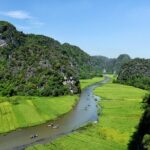
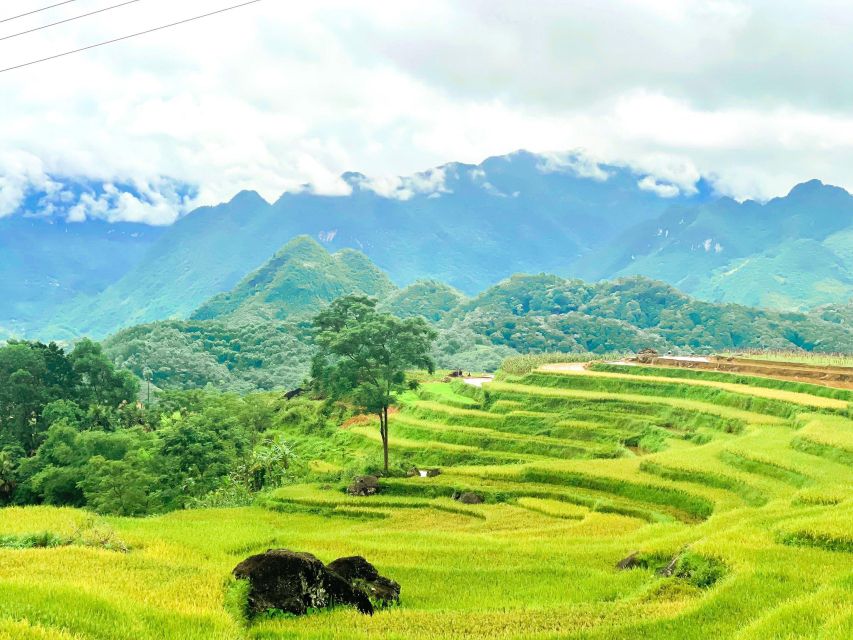
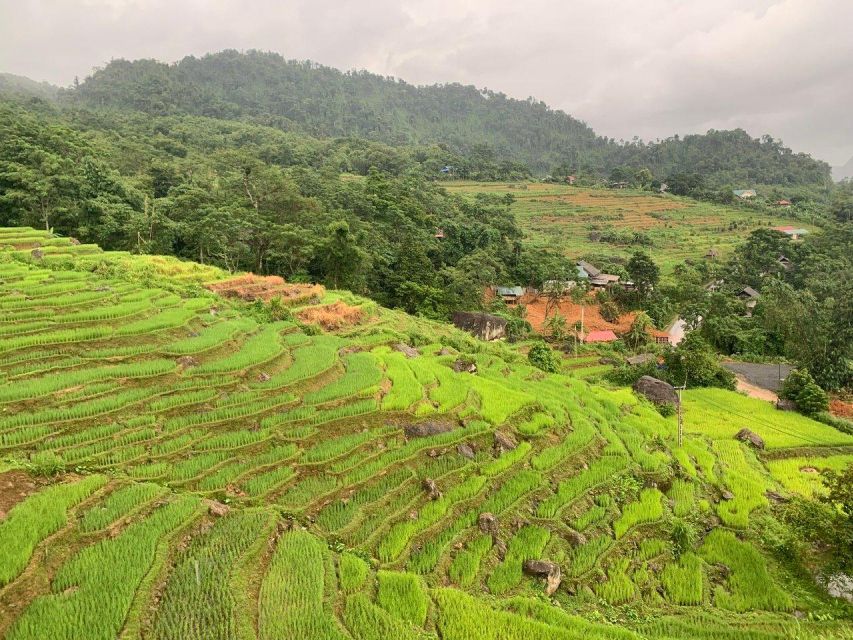
Rice terraces and limestone peaks steal the show. I love the Thai bamboo waterwheels and the calm bamboo boat ride that slows everything down. One thing to consider: the early start and long road time can feel tiring.
You get a real sense of daily life in Dong Bac, not just photo stops. The plan is paced with walking, viewpoint time, and quiet moments at a bungalow with an infinity pool. You’ll be with an English-speaking local guide in a small group (limited to 15), which helps keep the trip personal.
For $180 per person, the value is strong if you like guided nature walks plus ethnic village culture, and if you’re okay with some parts depending on weather. You also travel with included meals and transport, so you’re not constantly making decisions on the fly.
In This Review
- Key Things I’d Remember From This Pu Luong Trip
- From Hanoi to Pu Luong Nature Reserve: The Long Ride That Sets the Tone
- Thung Khe Pass and Com Lam: A Welcome Pause on Route
- Afternoon Trek Start: Hanging Bridge to Ba Village
- Thai Bamboo Waterwheels: More Than a Photo Op
- Bamboo Boat Ride: Quiet Water, Local Use
- Overnight in Pu Luong: Bungalows, Infinity Pool, and Down Time
- Day 2 Morning Trek: Kho Muong Village and Rice Terraces
- Bat Cave Visit: Worth the Walk, But Weather Matters
- Return to Hanoi: Pool Time, Lunch, and a 13h00–13h30 Departure
- Price and Value: Is $180 a Fair Deal?
- Group Size and Guide Style: Small Group Helps
- Practical Tips Before You Go
- Should You Book This Pu Luong Two-Day Ethnic Villages Trip?
- FAQ
- Where is the tour meeting point in Hanoi?
- How do I get picked up if I’m staying outside Hanoi Old Quarters?
- What time does the tour depart on Day 1?
- What time do you leave Pu Luong on Day 2?
- How long is the trip?
- What is the price per person?
- What language are the guides?
- What meals are included?
- Is Bat Cave definitely included on Day 2?
- Is there a Lunar New Year surcharge?
Key Things I’d Remember From This Pu Luong Trip
- Thai bamboo waterwheels: an impressive, practical irrigation system you can actually see at work
- Bat Cave morning trek: a village-to-cave walk with viewpoints over rice terraces
- Bamboo boat ride: local-style movement on calm water between houses and fields
- Cham River hanging bridge + Ba village: a small taste of how paths connect communities
- Thung Khe Pass break: a scenic stop looking toward Mai Chau Valley
- Infinity pool downtime: a real chance to rest after trekking
From Hanoi to Pu Luong Nature Reserve: The Long Ride That Sets the Tone
This starts early from Hanoi—pick-up is arranged in the Old Quarter, and if you’re not staying there you’ll meet at the Opera Trang Tien (within the Old Quarter area). The departure window is 6h30 to 6h55, so yes, you’ll be up before the city is fully awake. That’s the trade for getting into Pu Luong while the days are still fresh and clear.
On the road, you’ll do a planned stop at Thung Khe Pass. It’s the kind of viewpoint stop that feels worthwhile because it gives you a wide sense of where you’re going—Mai Chau Valley comes into view from up high, and local street stands sell typical items you might want to snack on. This is also where you can try Com Lam, sticky rice cooked in bamboo. It’s simple food, but it’s the kind you only really get in the countryside.
This first day’s drive does two jobs. It gets you to Pu Luong Nature Reserve in time for lunch and check-in, and it helps you mentally switch from city mode to mountain mode. In a trip like this, the scenery is not the only highlight—the rhythm matters too.
A few more Hanoi tours and experiences worth a look
Thung Khe Pass and Com Lam: A Welcome Pause on Route
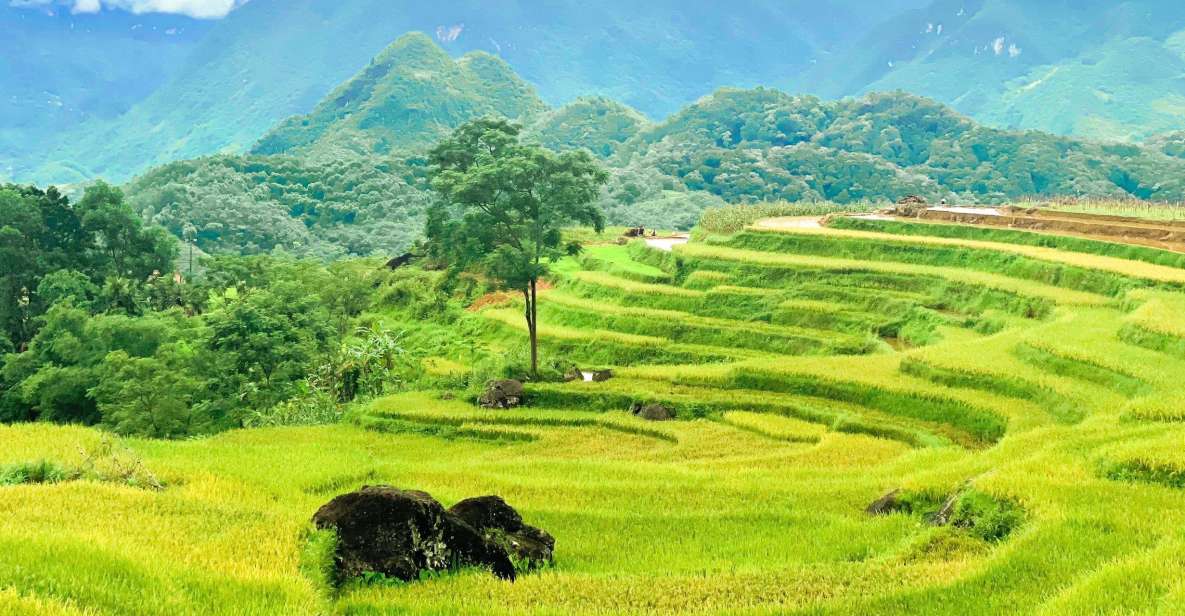
The Thung Khe Pass stop is short, but it’s a key part of the day. It breaks the trip up so you’re not just staring out a window for hours. You’ll also get a chance to walk around a bit, stretch your legs, and see how roadside life works in this region.
If you like eating your way through travel, Com Lam is worth making time for. Sticky rice cooked in bamboo usually tastes smoky and comforting rather than sweet. Even if you’re not a big “snack person,” it’s a good warm-up before you start the day’s walking.
The only drawback with a pass stop is that it can be brief. If you’re expecting a long photo session, you might feel a bit rushed. But if you’re more interested in getting to Pu Luong and pacing yourself, this works.
Afternoon Trek Start: Hanging Bridge to Ba Village
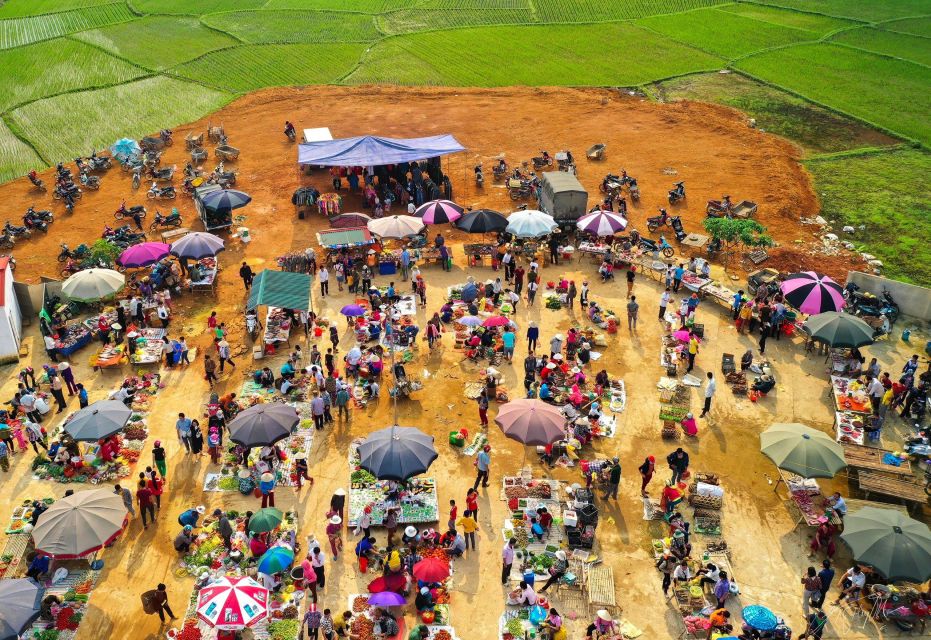
After arriving and having lunch, you’ll check in and get some free time to relax before the afternoon trekking starts. That free time matters more than people think. Pu Luong is scenic, but it’s also active—so you’ll want your energy for what comes after.
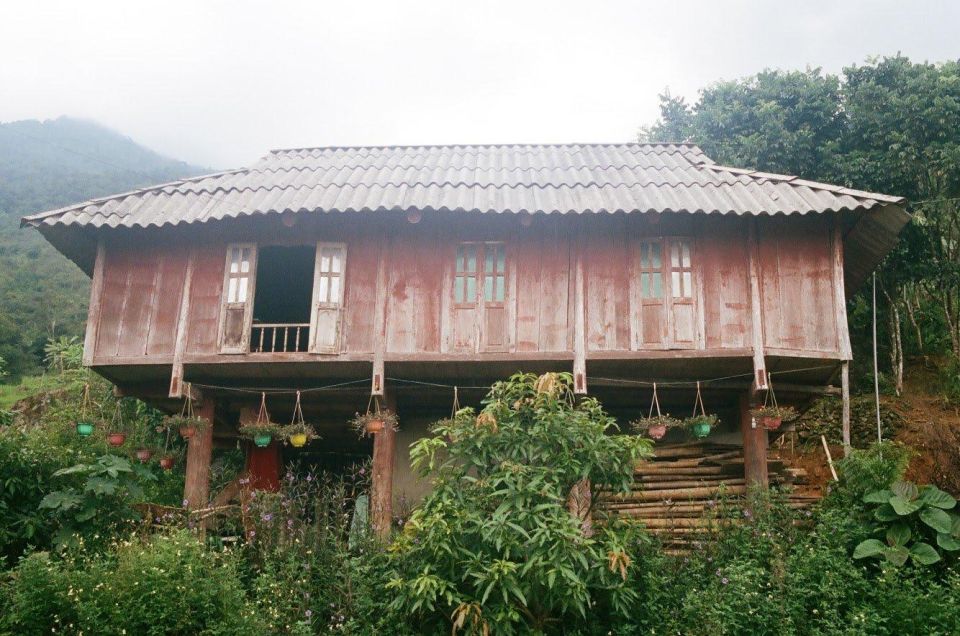
The trekking begins near traditional Thai stilt houses, then leads you toward a hanging bridge over the Cham River. That bridge crossing changes the feel of the walk immediately. You’re not just in a trail corridor—you’re moving between small points in the landscape, with the river adding motion and sound.
You’ll also pass through Ba village and see old traditional houses. This is one of those “slow down” moments. It’s easy to take a quick picture and move on, but if you watch how the village layout connects paths, you’ll get a better sense of where everyday life happens.
This part of the trek is not about extreme distance. It’s about context—how people live in the hills, how water shapes the fields, and how communities link by footpaths and bridges.
Thai Bamboo Waterwheels: More Than a Photo Op
One of the strongest reasons this trip stands out is the Thai bamboo waterwheels in Pu Luong. These are part of the Thai irrigation system, and they’re described as among the most impressive in Vietnam. Even if you’ve seen similar water technology elsewhere, it’s worth paying attention here because the setting is so dramatic—limestone peaks, misty air, and fields that actually benefit from the water flow.
What you’re really seeing is engineering that fits the land. The waterwheels aren’t decorative. They’re functional, adapted to local conditions, and linked to where fields are located. This makes the culture piece more real. You don’t just hear about tradition—you see a working system tied to daily farming.
If you enjoy practical travel—how people solve problems with what’s around them—this stop will click. It’s also a great place for slower walking and respectful looking. You’re passing through active areas tied to livelihoods.
Bamboo Boat Ride: Quiet Water, Local Use
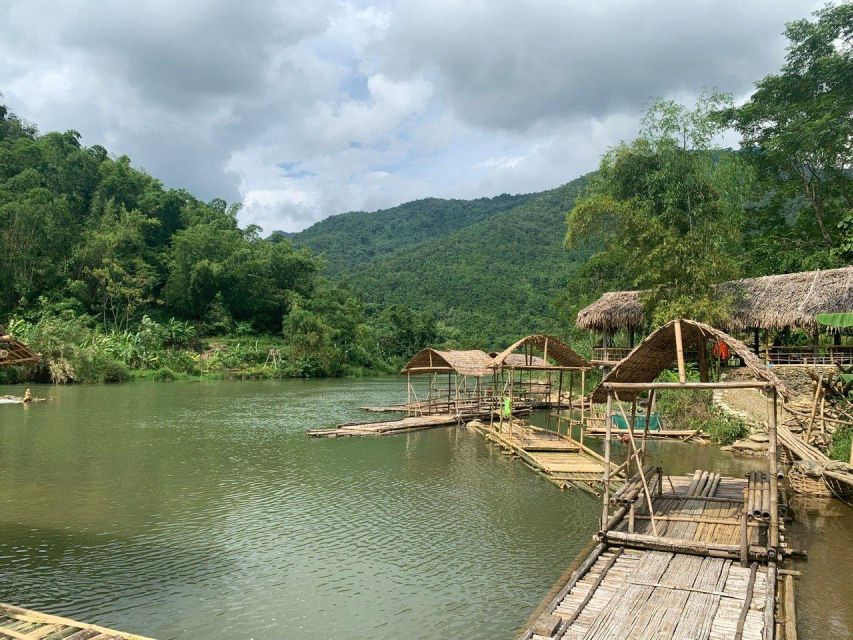
By the end of the day, you shift from walking to floating. The bamboo boat ride is described as relaxing and tranquil, and the key detail is that it’s adapted for tourism but still used by locals to move between houses or to go to the fields.
That means the boat isn’t just a ride-for-show. You’ll often feel the difference in how people handle it—calm, steady, and practical. You’re moving through a more intimate view of the landscape: rice fields and village life seen from water level instead of a viewpoint hill.
If you’re traveling with kids or you’re not looking for a second big hike, this is a smart balance. It gives you a mental reset while still feeling connected to rural life.
A few more Hanoi tours and experiences worth a look
- Doris Cruise 5 star cruise 2 days visiting Halong Bay Lan Ha Bay private balcony
★ 5.0 · 2,338 reviews




Overnight in Pu Luong: Bungalows, Infinity Pool, and Down Time
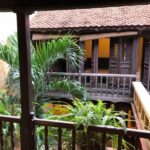
You’ll stay in Pu Luong for the night, with the bungalow and meals included. Free time after dinner is part of the experience, and the setting is designed for that. There’s also mention of an infinity pool—so this is one of those trips where you can actually rest without needing another activity.
After a long travel day plus a trek, downtime becomes a feature, not a filler. You’ll have time to relax in your room, swim if you want, and eat dinner at the on-site restaurant.
One note: cooking quality can vary on tours and seasons, and one past traveler described a disappointing meal and service at the overnight location. So if food quality is a top priority for you, it’s wise to keep expectations flexible and plan to balance meals with the fact that this is primarily a nature-and-culture trip.
Day 2 Morning Trek: Kho Muong Village and Rice Terraces
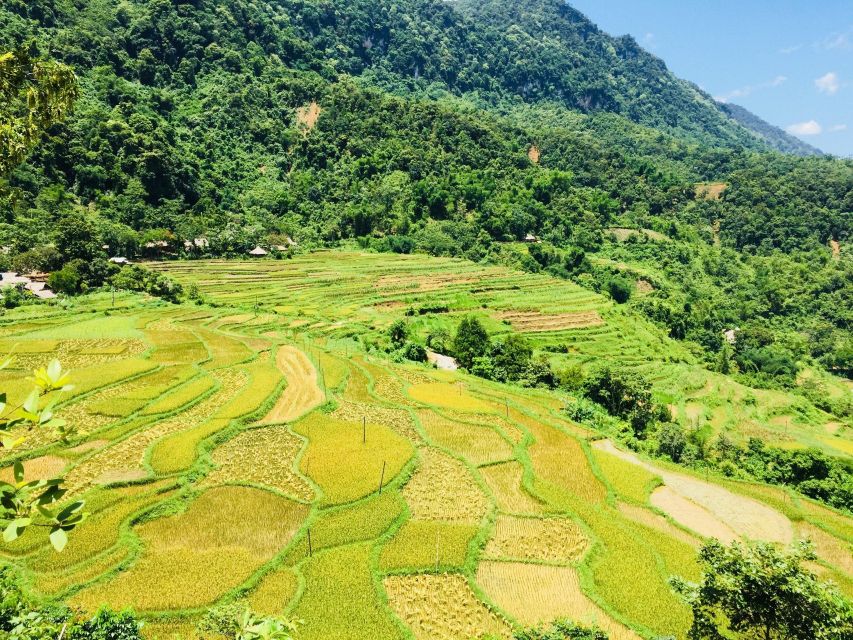
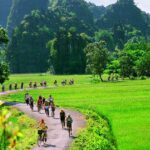
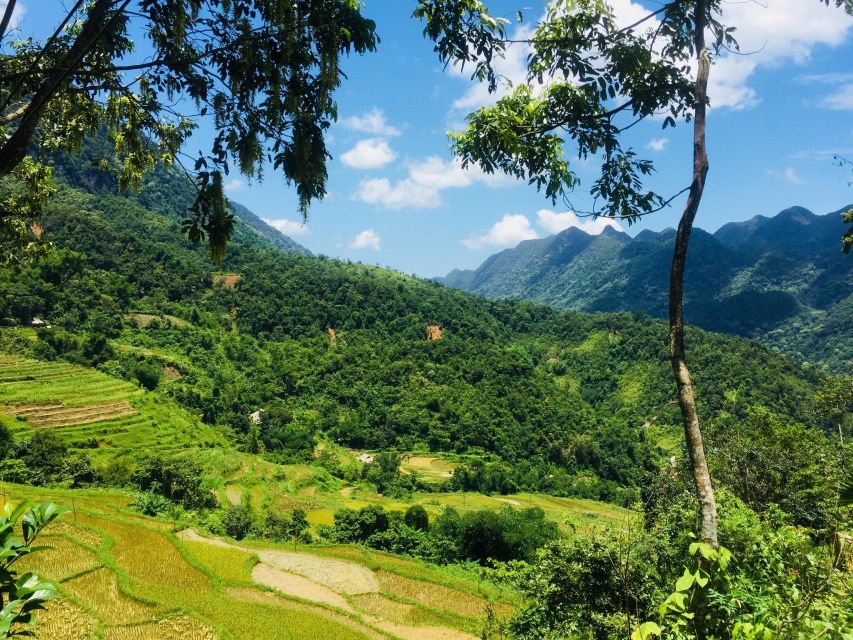
Day 2 starts with breakfast, then you’ll begin trekking toward Kho Muong Village and the Bat Cave. The walk begins along a small alley near traditional Thai stilt houses, then moves toward viewpoints overlooking infinity rice terraces.
As you climb and approach the top viewpoints, you get a gradual reveal. From the higher ground, you can slowly see the village of Kho Muong below, and that “arrival from above” moment helps you understand why people settled where they did. You’re not just looking at scenery—you’re seeing how village life fits into a farming landscape.
Then you’ll walk around Kho Muong Village. This is another “slow, look, and learn” section. If you want to take photos, do it respectfully, and be ready for the fact that you’re in the middle of ordinary life, not a theme park.
Bat Cave Visit: Worth the Walk, But Weather Matters
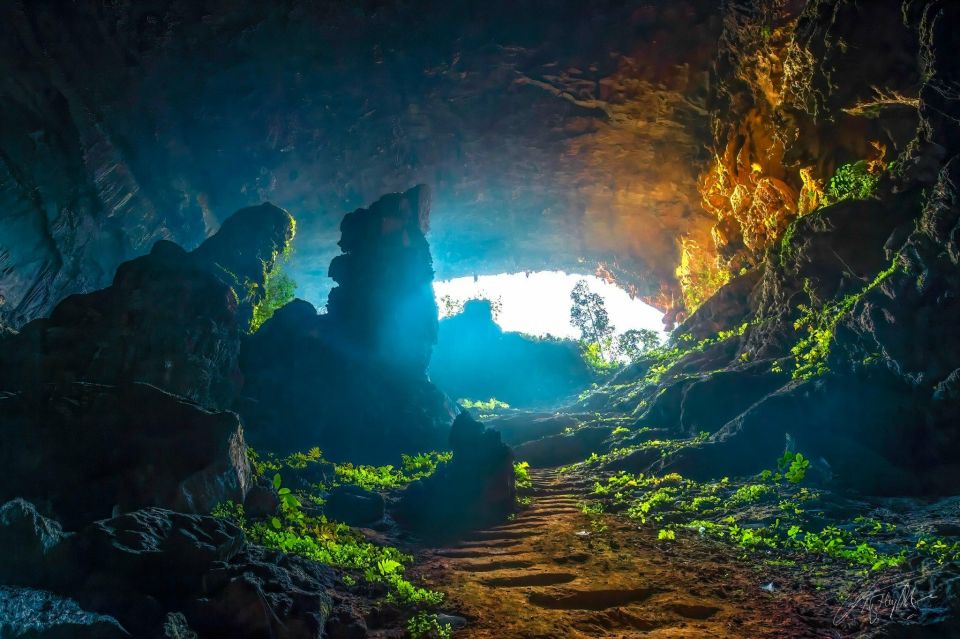
After walking through the village, you’ll head toward the cave entrance. There’s the possibility to visit Bat Cave, but it depends on weather conditions. That’s a key expectation to keep in mind.
If conditions allow it, you’ll get a guided cave experience that adds contrast to the rice-and-river feel. Caves also tend to regulate temperature, so even on warm days it can feel cooler underground.
If weather doesn’t cooperate, you may not get the cave portion. For me, that’s the biggest “maybe” element of this itinerary. It doesn’t mean the day is wasted. The trek, village, and terrace viewpoints still have value. But if Bat Cave access is your number-one reason for booking, plan for flexibility.
Return to Hanoi: Pool Time, Lunch, and a 13h00–13h30 Departure
After the morning trek, you’ll return to the bungalow for check-out and lunch. Then you’ll have free time before boarding the bus back to Hanoi. The bus departure is set for 13h00 to 13h30, so you’re not stuck in a late-afternoon wait.
This window is perfect for one last swim in the infinity pool or a slow walk around the property. It’s also the easiest time to pick up your bearings after the cave and village time.
Your end point is back at the meeting point, which keeps the experience simple.
Price and Value: Is $180 a Fair Deal?
At $180 per person for a 2-day Hanoi to Pu Luong trip, you’re paying for several things at once:
- Round-trip transport between Hanoi and Pu Luong
- An English-speaking local guide
- Accommodation in Pu Luong for one night
- Included meals (L/D on Day 1, B/L on Day 2)
- Entrance tickets and included activities (tied to the itinerary)
- One 500ml bottle of water per day per person
What makes this price feel reasonable is the all-in nature. You’re not paying separately for transport, guides, and base meals. If you tried to copy this trip independently, you’d spend time and money lining up a driver, entry fees, and a guide for the treks.
Where value can feel weaker is if you’re expecting a perfectly smooth logistics experience every single time. One earlier traveler noted a transport reservation mix-up and that the actual route didn’t match expectations. That’s not something you can predict from the general description, but it’s a good reminder to confirm your group details and any special needs ahead of time.
Overall, I think this price makes sense for people who want guided ethnic village visits, Thai irrigation culture, and nature walks without coordinating all the pieces.
Group Size and Guide Style: Small Group Helps
This is a small group tour limited to 15 participants, with English-speaking local guides. That size matters on a trek. You’re less likely to get lost in a crowd, and it’s easier for a guide to adjust the pace or answer questions.
A major plus for a trip like this is that the guide can add context to what you’re seeing. And the cave portion—when it happens—also benefits from having someone explain what you’re walking through.
Even if you’re not a “story” traveler, guide support makes it easier to move confidently through villages and trails.
Practical Tips Before You Go
A couple things can make your experience smoother:
- Start time is early. Plan for a real pre-dawn morning from Hanoi.
- Bring a light layer for the cave and early morning air. Caves can feel cooler.
- Wear shoes you don’t mind getting a bit dusty. Village paths and rural trails can be uneven.
- If Bat Cave matters to you most, mentally accept the weather condition.
If you’re sensitive to travel time, treat the first day as a journey day. The pay-off arrives in the rice terraces, village atmosphere, and the calm boat ride.
Should You Book This Pu Luong Two-Day Ethnic Villages Trip?
Book it if you want a structured, small-group Pu Luong experience with Thai culture at the center—especially the bamboo waterwheels—and you like a mix of trekking and relaxing. This is also a good choice if you’d rather have a guide handle the logistics of transport, village visits, and cave access timing.
Skip it or go in with caution if you’re extremely picky about food or you need a perfectly predictable itinerary. Bat Cave depends on weather, and road travel can be tiring. If you have concerns about comfort during the drive, it’s worth asking questions up front and confirming vehicle and pickup details.
Bottom line: if you’re chasing the quiet countryside feel—rice terraces, ethnic villages, river life—this itinerary is a strong fit for a short break from Hanoi.
FAQ
Where is the tour meeting point in Hanoi?
The start meeting point is Hanoi Opera Trang Tiên street. Pick-up from hotels in Hanoi Old Quarters can be offered, but if your hotel is outside that area, you’ll meet at the Opera house in the Old Quarter.
How do I get picked up if I’m staying outside Hanoi Old Quarters?
You’ll go to the meeting point at the Opera house in Hanoi Old Quarter to board the bus.
What time does the tour depart on Day 1?
It runs with a departure window of 6h30 to 6h55 from Hanoi.
What time do you leave Pu Luong on Day 2?
You board the bus back to Hanoi at around 13h00 to 13h30.
How long is the trip?
The trip duration is 2 days.
What is the price per person?
The price is $180 per person.
What language are the guides?
Guides are English speaking.
What meals are included?
Meals are included as Lunch and Dinner on Day 1, and Breakfast and Lunch on Day 2. Drinks are not included.
Is Bat Cave definitely included on Day 2?
Cave visiting is possible, but it depends on weather conditions.
Is there a Lunar New Year surcharge?
Yes. There is a surcharge of 55 USD per person for Lunar New Year dates from 26th Jan 2025 to 2nd Feb 2025, paid directly on the trip.


More 2-Day Experiences in Hanoi
- Doris Cruise 5 star cruise 2 days visiting Halong Bay Lan Ha Bay private balcony
★ 5.0 · 2,338 reviews