REVIEW · HANOI
Hanoi: Maya Traditional Cooking Class & Market Tour
Book on GetYourGuide →Operated by Crossing Vietnam Tour · Bookable on GetYourGuide
Market smells meet kitchen hands. This Hanoi class pairs a quick trip to Yen Thai market with a step-by-step cooking session for classic dishes and Ca Phe Trung egg coffee. I love that you learn Vietnamese flavor building blocks in the place where the ingredients actually live, not just in a lecture.
I also love the small-group feel and the practical flow of the lesson, with instructors like Lee, Devin, and Ruby commonly praised for clear English and easy-to-follow guidance. One catch to plan around: if you book an afternoon session, the market stop may be limited since local markets usually run in the morning.
In This Review
- Key things I’d highlight before you go
- Yen Thai Market: The Fast Track to Real Vietnamese Ingredients
- From Pickup-Free Office to Working Kitchen: How the 3–4 Hours Really Work
- Nem Ran (Fried Spring Rolls): Where Technique Gets Fun
- Pho Tron and Pho Cuon: Mixed Pho and Pho Rolls, Explained in Steps
- Papaya Salad (Gỏi Đu Đủ): Sour-Sweet Balance You Can Taste
- Ca Phe Trung (Egg Coffee): The Hanoi Signature Drink Moment
- Eating Your Work: Portion Sense, Fruit Dessert, and Local Wine
- What This Really Costs (and Why It’s a Good Deal at $22)
- Who Should Book Maya Cooking in Hanoi
- Should You Book This Class?
- FAQ
- How long is the Hanoi Maya Traditional Cooking Class & Market Tour?
- What dishes are included in the class?
- Where does the market tour take place?
- Is local wine tasting included?
- What is the group size?
- What languages are the instructors?
- Will I eat during the class?
- Where do I meet the tour?
- Is hotel pickup or drop-off included?
- What about afternoon sessions and the market?
- Is there a cancellation option?
Key things I’d highlight before you go
- Yen Thai market time to spot ingredients and learn what to swap when something isn’t available
- Four hands-on dishes plus Hanoi’s iconic egg coffee, Ca Phe Trung
- Nem ran spring-roll practice with guidance that helps you keep rolls even
- Sour-sweet lessons in papaya salad that you can recreate at home
- All food and drinks included, plus a local wine tasting and seasonal fruit dessert
Yen Thai Market: The Fast Track to Real Vietnamese Ingredients
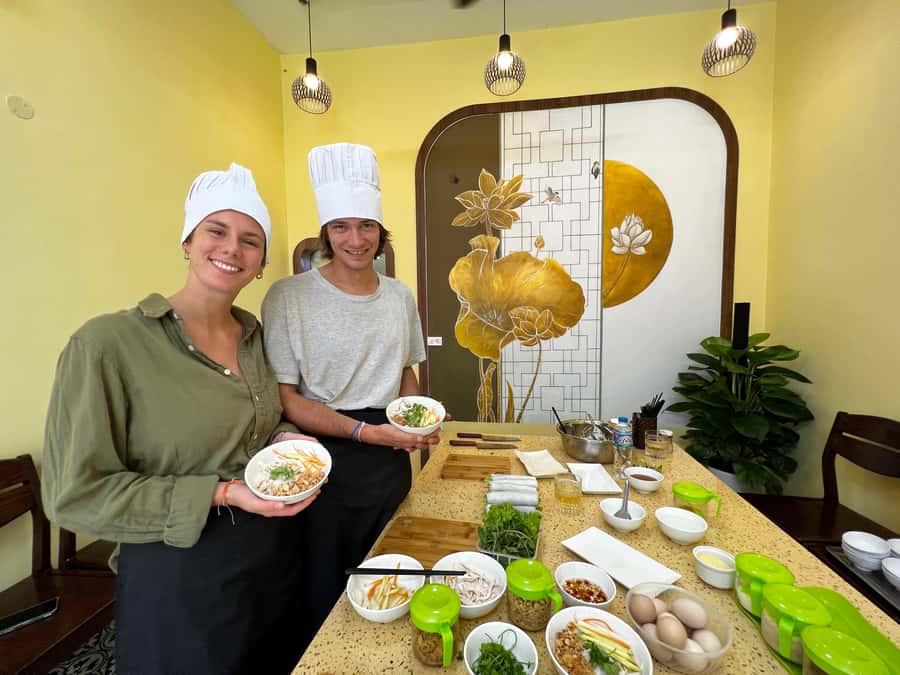
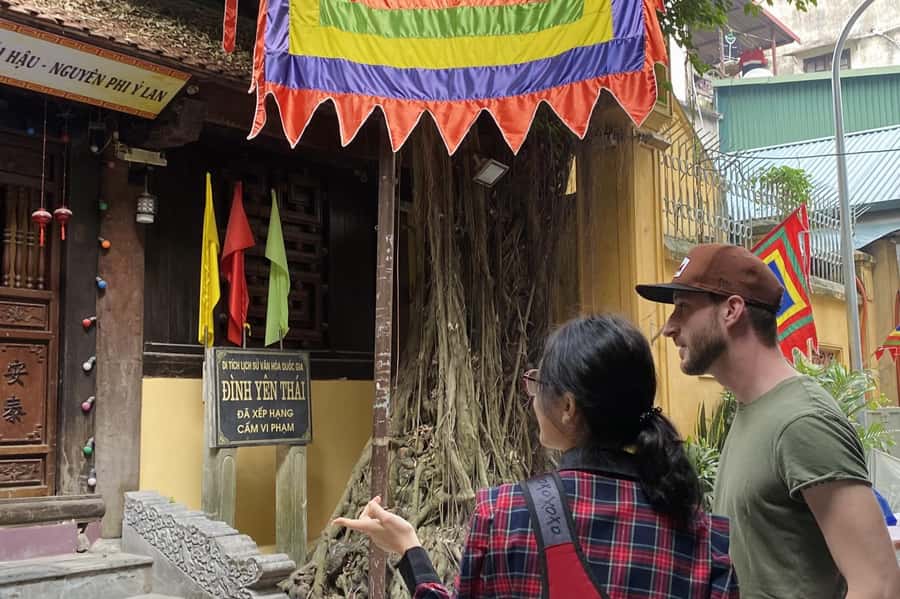
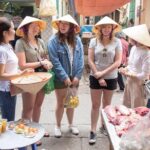
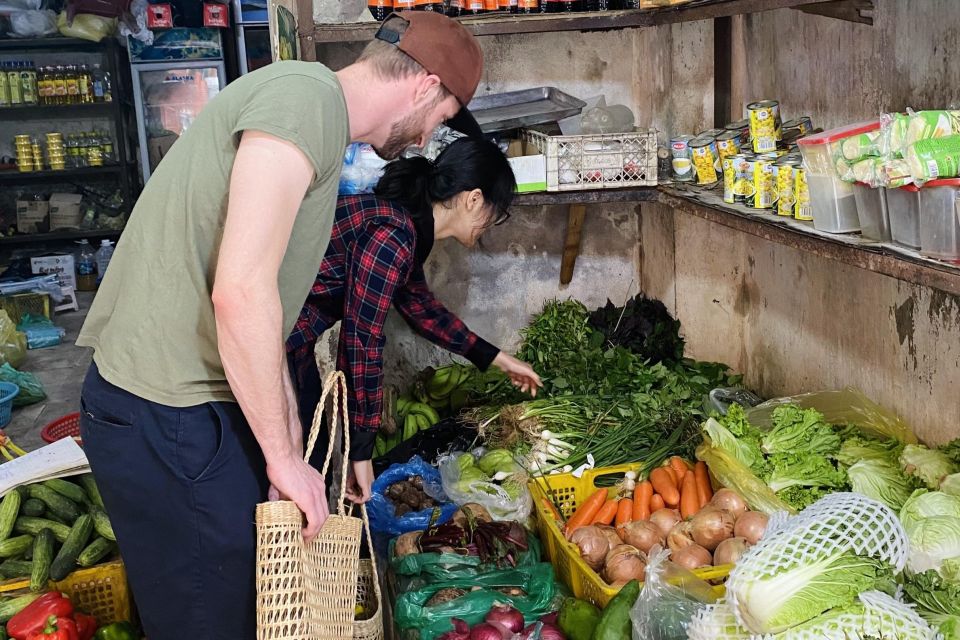
Your class starts with a welcome at the Maya office setup through the Crossing Vietnam Tour partner, then you head to Yen Thai market. This stop is more than a photo break. It’s where you start learning how Vietnamese cooking thinks: sour, sweet, salty, aromatic, and how fresh produce changes the whole dish.
I like the way the market tour connects to the kitchen work right afterward. You’re not just looking at vegetables and herbs; you’re learning what they do and how to recognize substitutes if you cook later at home. A bunch of people also remember fruit sampling as a standout, because you’ll likely try varieties you’ve never bought before and get quick context for how they taste and how they fit into meals.
Practical note: the cooking part is time-efficient, so don’t expect the kind of long wandering you’d do on your own. If your market access is important to you, morning sessions usually make that easier.
You can also read our reviews of more shopping tours in Hanoi
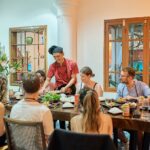

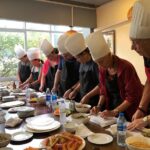
From Pickup-Free Office to Working Kitchen: How the 3–4 Hours Really Work
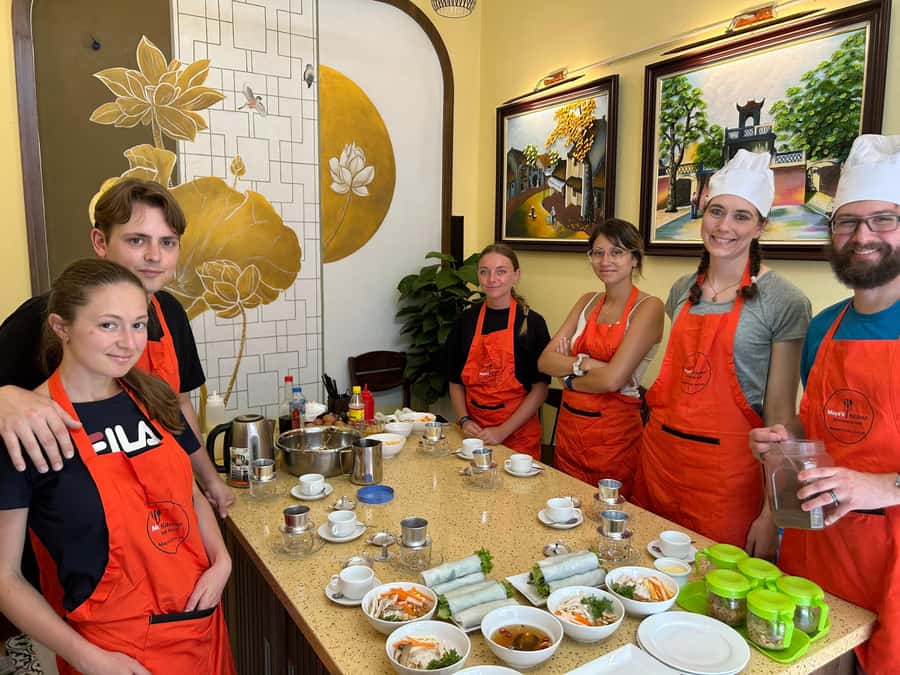
This experience runs about 3–4 hours, and it’s designed for a small group (up to 10 participants). There’s no hotel pickup, so you’ll want to plan how you’ll get to the meeting area near the Crossing Vietnam Tour office. Aim to arrive a few minutes early so you don’t start behind.
Inside, the pace stays hands-on. The instructor shows, you try, and you adjust. That matters because Vietnamese food often depends on small technique details—wrappers, balancing acids, and getting textures right—things you can’t fully learn from a recipe card alone.
Also, you typically cook first and eat after. One helpful heads-up from past classes: plan your day so you aren’t counting on an early bite. Since the meal is the payoff, you’ll want to keep your schedule flexible enough to enjoy it at the end.
Nem Ran (Fried Spring Rolls): Where Technique Gets Fun
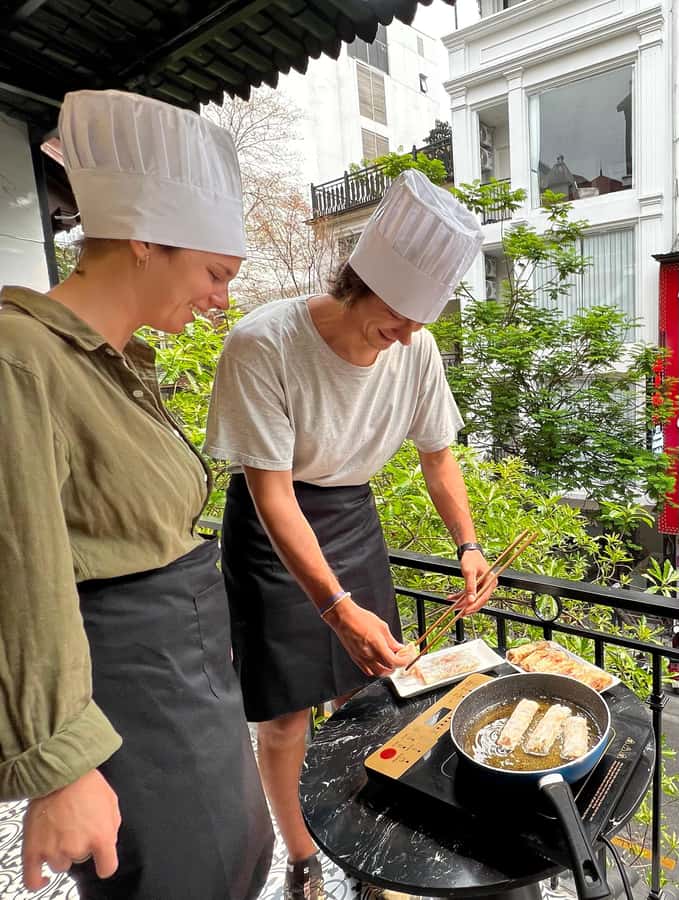
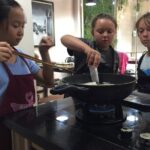
Nem ran is a Vietnamese classic you’ll likely see during holidays and bigger family gatherings. In the class, it’s usually the first dish you make, and that’s on purpose. Spring rolls are a skill you build layer by layer: preparing filling, portioning it, and then rolling so it holds together when frying.
I like that you get step-by-step instruction rather than a vague, do-it-yourself vibe. With spring rolls, the main challenge is consistency. You want rolls that are similar size so they fry evenly, and you want a roll that stays sealed without turning into a messy fryer experiment.
You’ll also get a sense for how the kitchen handles timing. Even though you’re learning, the class is still structured so you don’t end up waiting around. A few people mention the kitchen setup can feel comfortable and practical, including being inside rather than fully outdoors, with enough space to work without elbow-to-elbow chaos.
Pho Tron and Pho Cuon: Mixed Pho and Pho Rolls, Explained in Steps
Pho in Hanoi isn’t just one dish. In this class you’ll make two variations that show different sides of the same idea: pho flavor in different formats.
You’ll tackle Pho Tron (mixed pho) and Pho Cuon (pho rolls). That combination helps you see how Vietnamese cooks use the same core flavors—broth-style seasoning, herbs, and aromatics—but adapt the texture and presentation. It’s a good lesson in why Vietnamese food tastes so layered: flavor doesn’t only come from broth; it also comes from how ingredients are combined and balanced.
What you’ll appreciate is the way the instructor breaks tasks into manageable steps. Pho rolls especially benefit from guidance. The wrapper needs the right handling, and filling amount matters. Too much and it won’t roll cleanly; too little and you lose the bite. Once you get the technique, you can replicate it with similar wrappers and fillings later.
Papaya Salad (Gỏi Đu Đủ): Sour-Sweet Balance You Can Taste
After spring rolls, the class often shifts to something fresher and more hands-on with flavor: papaya salad, made with the main flavors of sour and sweet. If you’ve ever wondered why papaya salads taste sharp but not harsh, this is where you learn the balancing act.
I like this dish because it teaches you a mindset, not just a meal. You’re practicing how sourness is controlled, how sweetness rounds it out, and how herbs bring it all back to a clean finish. It’s the kind of skill that translates to other Southeast Asian salads and quick pickled-style sides.
And it’s not just about eating something bright. In a cooking class, learning how to season correctly is the real value. When you make papaya salad, you understand what you’re tasting and why.
A few more Hanoi tours and experiences worth a look

Ca Phe Trung (Egg Coffee): The Hanoi Signature Drink Moment
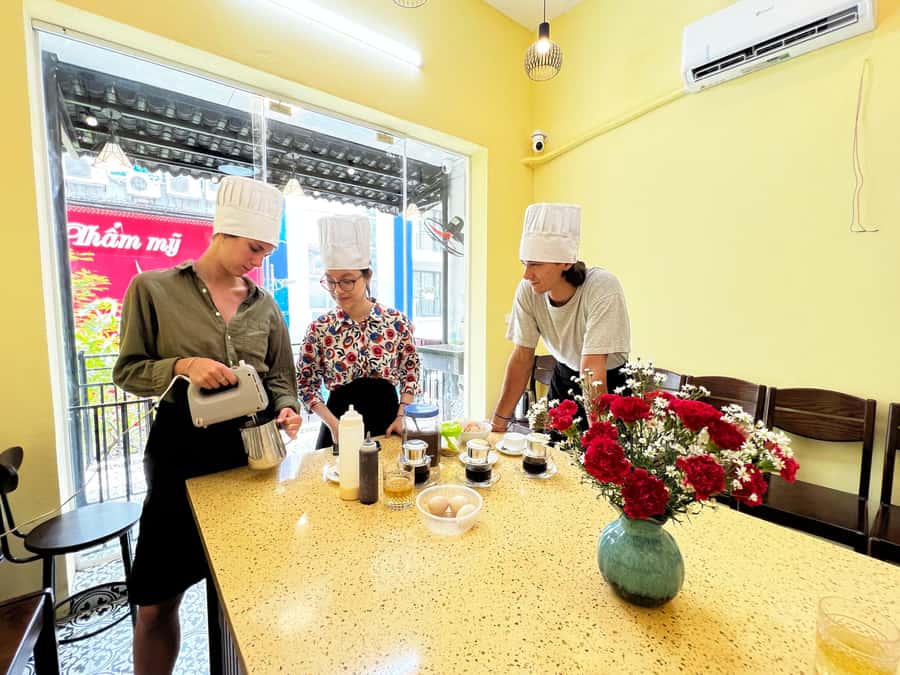
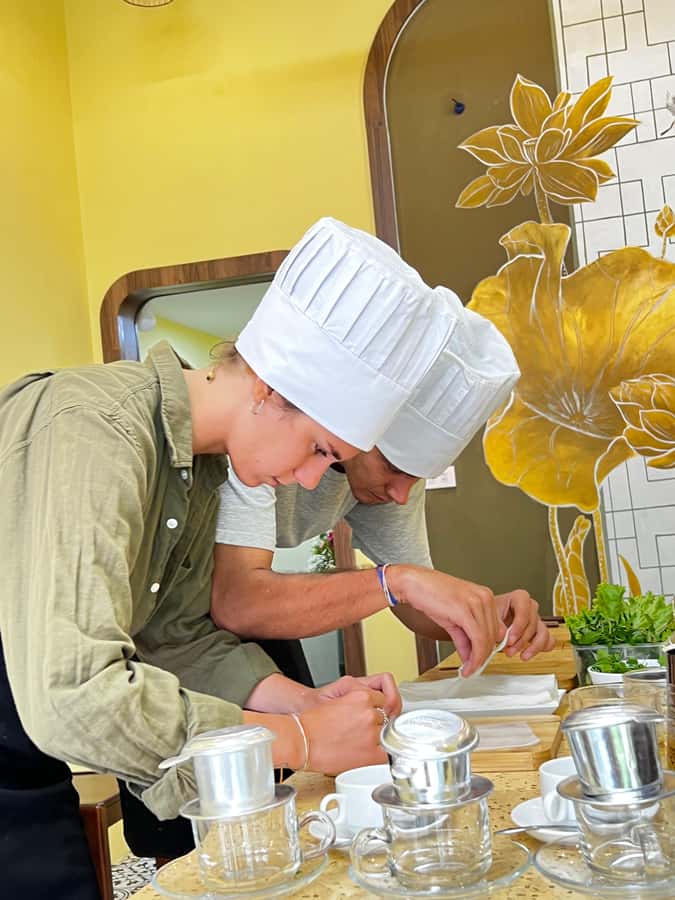
Then comes the drink that makes people smile even before the first sip: Ca Phe Trung, egg coffee. Hanoi’s egg coffee has a reputation because it’s both creamy and slightly caramelized, and it feels very specific to Vietnamese café culture.
In a cooking class format, egg coffee is a perfect “aha” lesson. You’re not only watching how it’s built; you’re learning the method so you know when it thickens and how to get that silky finish. If you’ve had egg coffee before and thought it tastes like magic, this is the part where it starts to feel repeatable.
Past classes led by instructors such as Devin, Lee, and others have been praised for making this part approachable in English, with plenty of time for questions. That matters because egg coffee can look intimidating until someone shows you what to watch for.
Eating Your Work: Portion Sense, Fruit Dessert, and Local Wine
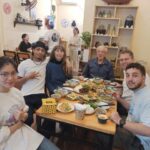
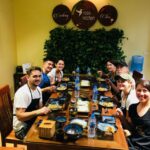
When it’s time to eat, you’re usually sitting down with everything you cooked. Many classes keep portions to a manageable size so you don’t feel stuffed after only a couple dishes. That’s useful because you want to enjoy the flavors and taste each one, not just survive the meal.
You’ll also get seasonal fruits for dessert, which ties back to the market visit. This is a nice moment because it reminds you that Vietnamese flavors aren’t locked into savory dishes. Fruit is part of how meals finish, and tasting it after the cooking makes the whole day feel connected.
One more included touch: local wine tasting. It’s not a dinner party, but it’s enough to add variety to the experience and give you a small cultural extra without turning the class into a long bar crawl.
What This Really Costs (and Why It’s a Good Deal at $22)
At $22 per person for about 3–4 hours, this class is priced in the “seriously worth it” zone. Here’s why: you’re getting a market tour, ingredient purchases for the class, an instructor, all food and drinks, seasonal fruit dessert, drinking water, and recipes. On top of that, there’s the local wine tasting.
If you tried to recreate this on your own, you’d spend time figuring out what to buy, where to buy it, and how to handle technique mistakes—especially for spring rolls and egg coffee. Paying for instruction is where the value lands.
Small-group size also matters for value. With a maximum of 10 participants, you’re more likely to get real attention when your roll won’t cooperate or your seasoning needs adjustment.
Who Should Book Maya Cooking in Hanoi
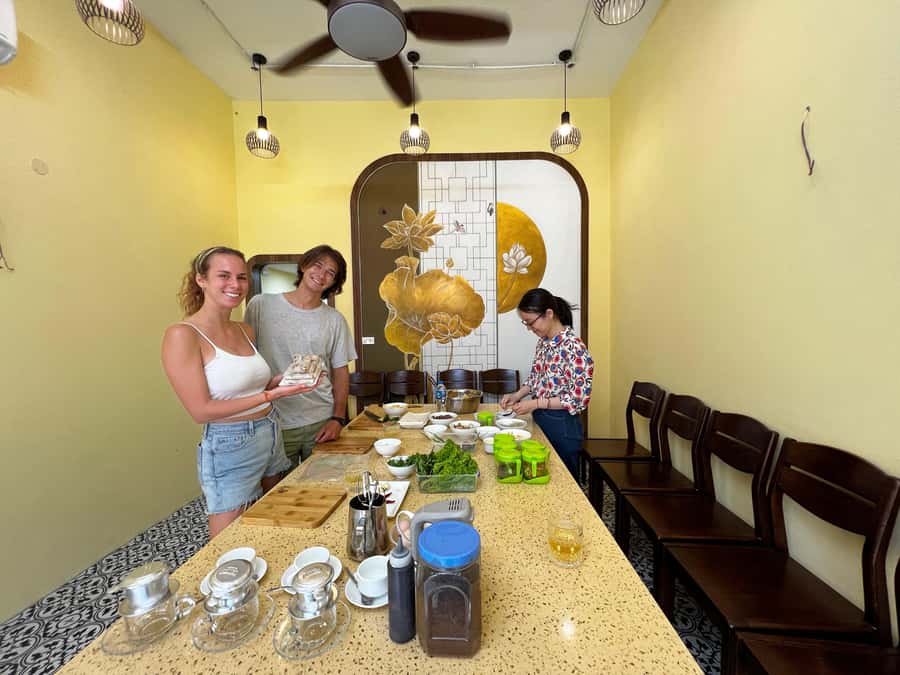
This is a strong pick if you want more than tasting. You want the method. You also want a calmer group setting where you can ask questions and actually work the food yourself.
You’ll likely enjoy this most if you:
- Like hands-on activities more than museum-style sightseeing
- Want a practical way to learn Vietnamese ingredients, herbs, and substitutions
- Plan to cook later and want recipes plus technique
- Enjoy trying dishes that go beyond basic pho
It’s also a good fit for dietary needs. Some past participants noted the menu can be adjusted for allergies, including nut allergies, and that the instructor handled it with no drama. If you have dietary restrictions, message ahead so the kitchen can plan.
Should You Book This Class?
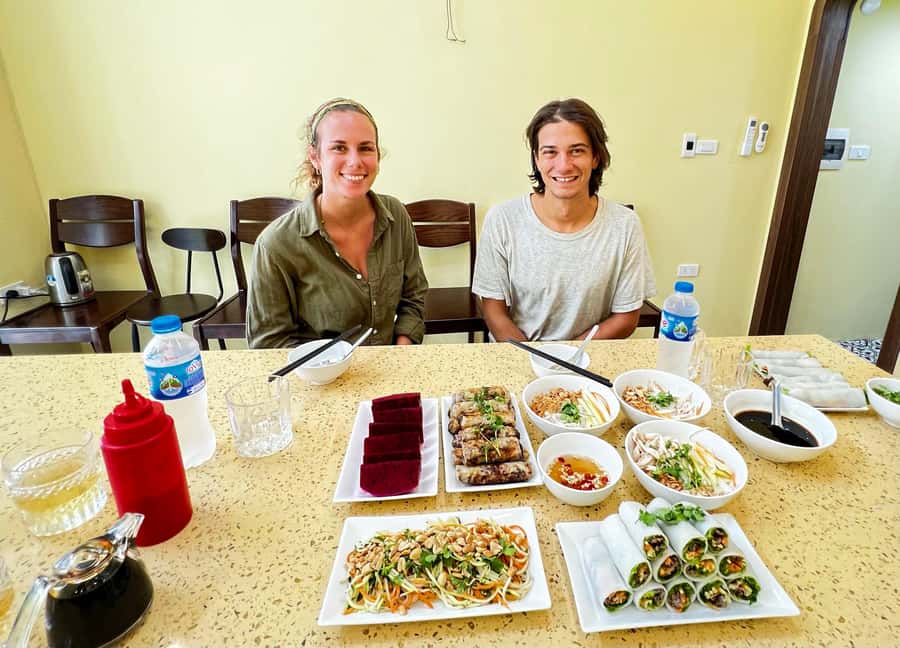
Yes, I’d book it if your goal is to leave Hanoi with both better taste and better technique. The market stop at Yen Thai gives you context, and the hands-on cooking (spring rolls, papaya salad, Pho Tron, Pho Cuon, plus egg coffee) gives you repeatable skills.
Skip it only if you hate being in a kitchen for a few hours or if you’re tightly scheduled for an early meal. If you’re choosing a time slot, consider booking a morning session so the market is more likely to happen as expected.
If you do go, do two simple things: come hungry enough to enjoy the final meal, and ask your instructor for ingredient substitutions you can use back home. That’s how the day turns into something you remember when you’re cooking, not just something you ate.
FAQ
How long is the Hanoi Maya Traditional Cooking Class & Market Tour?
It runs about 3 to 4 hours.
What dishes are included in the class?
You’ll learn to make Pho Tron (mixed pho), Pho Cuon (pho rolls), Nem Ran (fried spring rolls), Nom Du Du (papaya salad), and Ca Phe Trung (egg coffee). Dessert includes seasonal fruits.
Where does the market tour take place?
You’ll visit Yen Thai market.
Is local wine tasting included?
Yes. Local wine tasting is included, along with all food and drinks and drinking water.
What is the group size?
It’s a small group limited to 10 participants.
What languages are the instructors?
The instructor speaks English and Vietnamese.
Will I eat during the class?
You generally eat at the end of the course, so it helps to plan your day around that timing.
Where do I meet the tour?
The meeting point is the Travel agency Crossing Vietnam Tour.
Is hotel pickup or drop-off included?
No. Hotel pickup and drop-off are not included.
What about afternoon sessions and the market?
For afternoon sessions, the market may not be available because local markets usually happen in the morning.
Is there a cancellation option?
Yes. You can cancel up to 24 hours in advance for a full refund.