REVIEW · SOUTH CENTRAL COAST
Da Nang: Traditional Cooking Class and Pho with Local Girl
Book on GetYourGuide →Operated by Dich vu du lich lang que Cam Thanh · Bookable on GetYourGuide
Cooking at a local home feels like cheating.
This Da Nang class pairs hands-on Vietnamese cooking with a real home kitchen, taught in English by Jenny. You’ll make two dishes, including beef pho, and then eat what you cook with unlimited passion fruit juice. One thing to consider: there’s no hotel pickup, so you’ll need to get yourself to the meeting point.
I really like that the class is small and casual. Jenny is patient, keeps the pace friendly (even if you’re new to cooking), and breaks down the steps in a way that makes pho and spring rolls feel doable.
The only real snag is logistics. The meeting point is listed on Mai Đăng Chơn Street, but the actual home venue can be slightly different from the pin, so plan to message or ask on arrival so you don’t waste time.
In This Review
- Key Highlights You’ll Actually Feel During the Class
- A Local Kitchen in Da Nang: What This Really Feels Like
- Getting There Without Stress: Meeting Point and Small-Group Setup
- What You Cook: Fried Spring Rolls, Beef Pho, and Passion Fruit Juice
- Fried Spring Rolls: Learn the Wrapping Rhythm
- Beef Pho: Building a Bowl You Can Actually Replicate
- Passion Fruit Juice: The Sweet Finish
- The Lunch/Dinner You Earn: Eating Like a Local
- Learning Value: English Guidance, Patient Pacing, and Recipes to Take Home
- Price and Value: Why $30 Often Feels Fair Here
- Dietary Options and How Flexible the Menu Can Be
- Who This Class Is Perfect For (and Who Might Prefer Something Else)
- Tips to Make Your 2.5 Hours Go Smoothly
- Should You Book This Cooking Class?
- FAQ
- How long is the Da Nang cooking class?
- Where is the meeting point, and do you return there?
- Is hotel pickup and drop-off included?
- What dishes and drinks are included?
- Can I request a vegetarian or vegan menu?
- Are children allowed?
- Is there an extra fee on Vietnamese public holidays?
- What is the cancellation policy?
Key Highlights You’ll Actually Feel During the Class
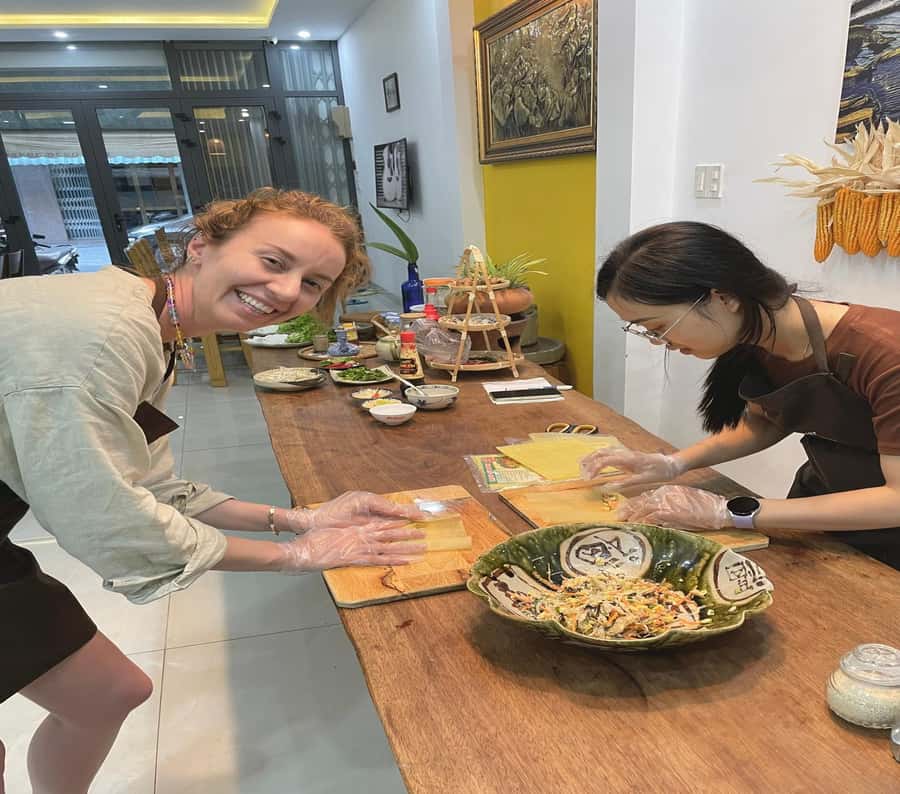
- English-first cooking with Jenny, explained clearly and patiently
- Fried spring rolls + beef pho you cook yourself, then you sit down and eat
- Unlimited passion fruit juice, often made from scratch in the kitchen
- Small group (up to 10), so you’re not stuck watching from the back
- Recipes sent at the end, so you can recreate your favorites at home
A Local Kitchen in Da Nang: What This Really Feels Like
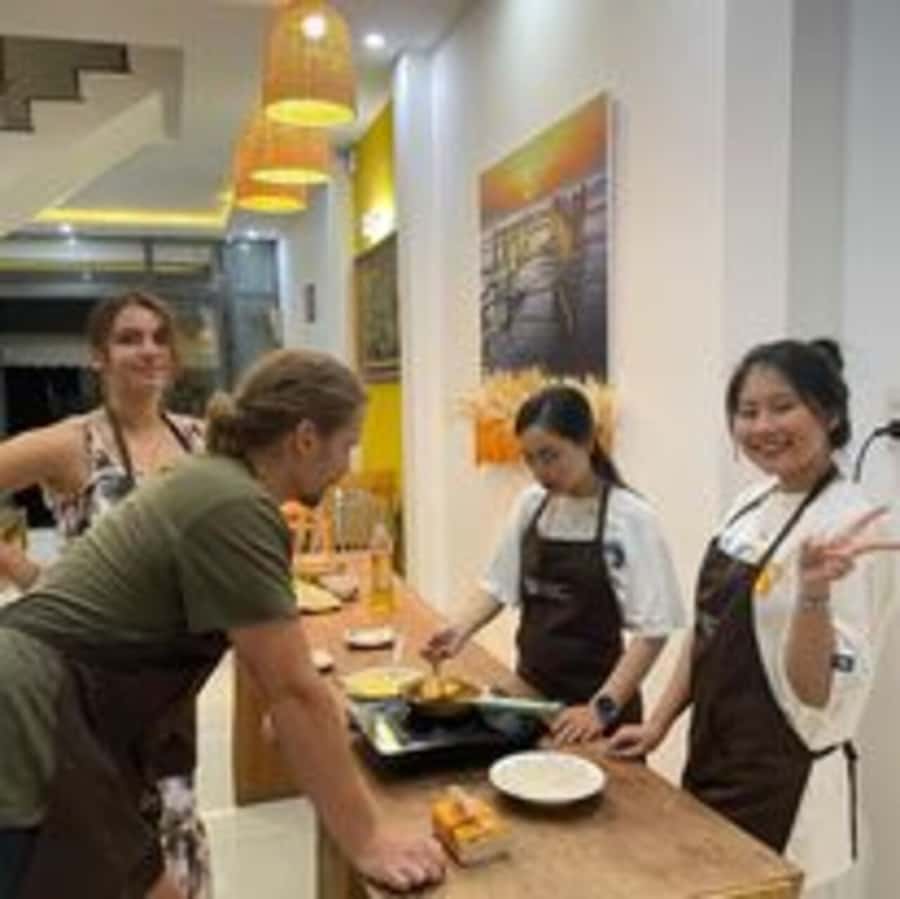
This isn’t a glossy cooking show with plates lined like a restaurant. It’s a home-based class where you learn by doing—hands getting involved early, questions encouraged, and food treated like food, not a performance.
The vibe is warm and practical. You’re not just collecting “Vietnam tips,” you’re learning how Vietnamese dishes are built—texture, balance, and that small moment when you realize your bowl looks like it belongs on a street corner.
Jenny’s role matters here. Multiple people highlight her English and her patience, which makes a big difference when you’re trying to follow steps while juggling a pan, a chopping board, and the language barrier. It’s the kind of class where your confidence grows instead of shrinking.
And yes, there’s a menu focus on pho and spring rolls. That’s a great choice because those dishes teach you the two core Vietnamese cooking skills travelers often miss: how to manage dipping/sauce flavor, and how to get the right noodle-and-meat rhythm in a bowl.
You can also read our reviews of more tours and experiences in South Central Coast.

Getting There Without Stress: Meeting Point and Small-Group Setup
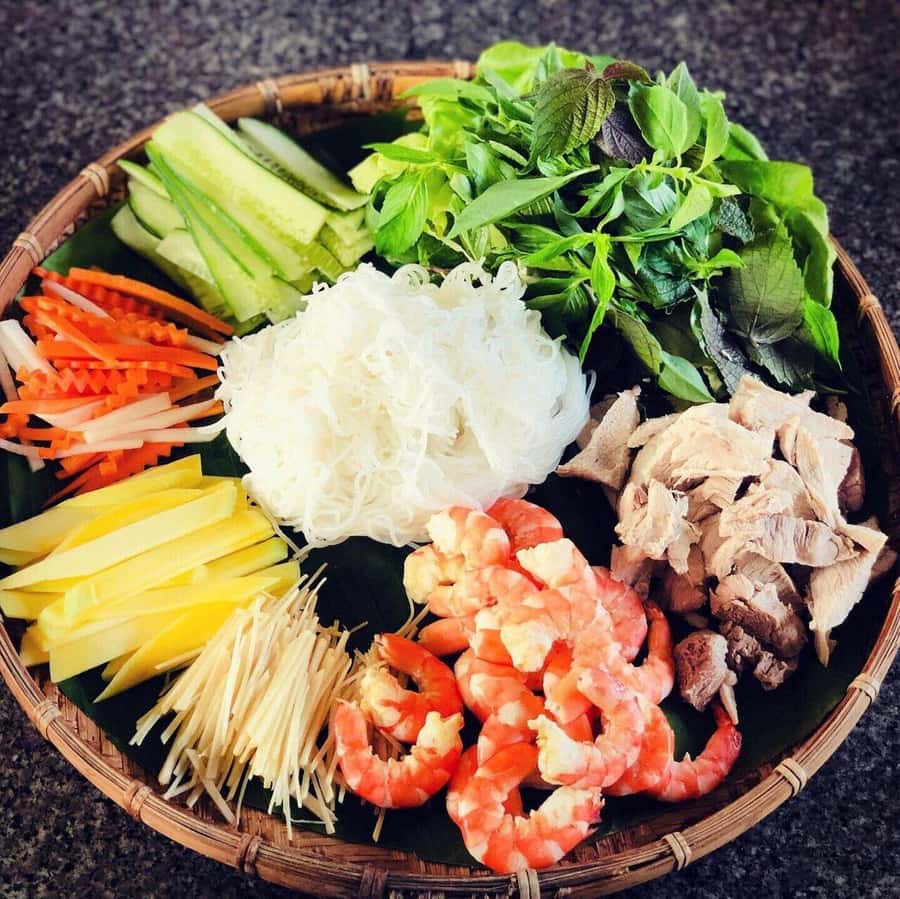
The activity starts back at the meeting point. The listed spot is 279 Mai Đăng Chơn Street, Da Nang, and you’ll also end there—so you can plan your day around a clear before-and-after window.
No hotel pickup is included. That’s normal for small home classes, but it changes your planning: you’ll want a Grab/taxi option ready, and you may want to arrive a bit early so you can locate the correct home venue.
One more practical note: the pin location can be a little off compared to where you’ll actually enter. It’s not a disaster, but it’s worth treating the meeting point as “start here, then confirm with the greeter.”
The group is capped at 10 participants, so you’re in a shared kitchen environment rather than a crowd. You’ll likely have more time to ask questions, and you won’t feel like you’re waiting your turn while everyone else goes.
What You Cook: Fried Spring Rolls, Beef Pho, and Passion Fruit Juice
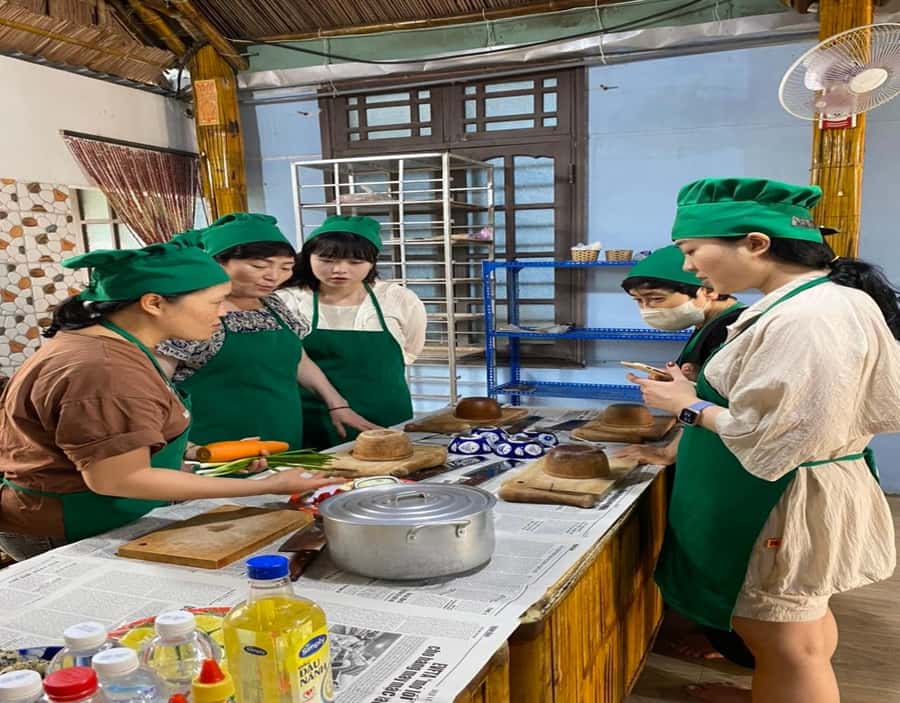
This is a two-dish learning class with a drink that steals the show for many people. The menu is built around Fried Spring Roll and Beef Noodles (Pho), plus unlimited passion fruit juice.
Fried Spring Rolls: Learn the Wrapping Rhythm
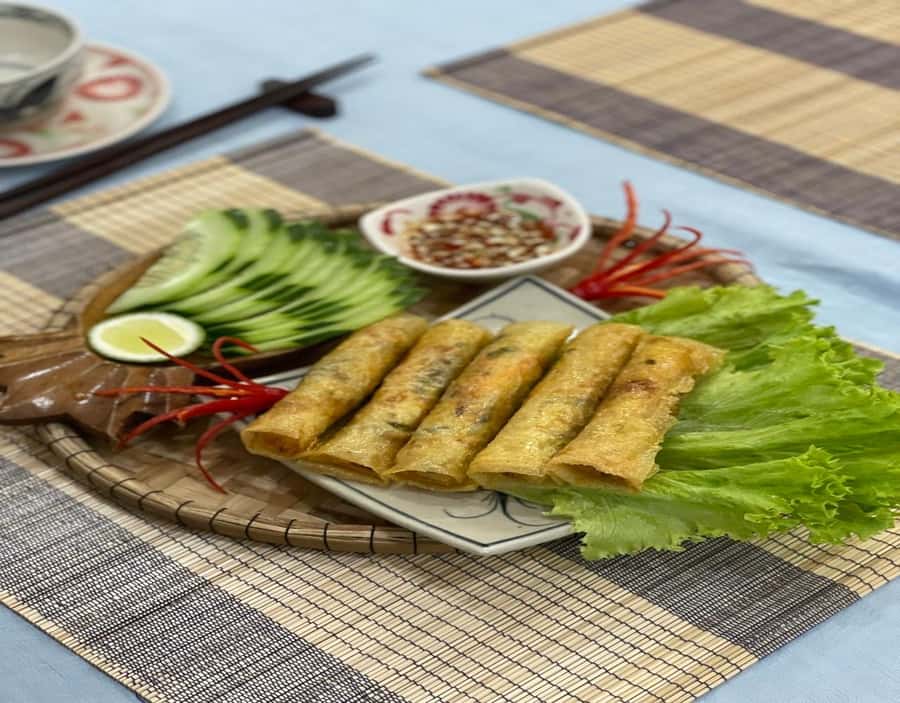
Spring rolls look simple until you try to wrap one with filling moving around. In this class, you’ll handle the real process—rolling, getting the fold right, and managing the point where oil meets batter-like expectations.
The payoff is immediate. Fried spring rolls are all about crisp edges and the right amount of filling. Once you’ve done it yourself, you’ll stop assuming they’re “just snacks” and start understanding why technique changes everything.
Beef Pho: Building a Bowl You Can Actually Replicate
Pho is the reason this class makes sense for first-timers. You get taught how to prepare the beef pho so it becomes something you can rebuild later, not just something you order.
Pho teaches you balance. Even without getting overly technical, you’ll learn how ingredients work together for that savory-sweet feel and how the bowl comes together when you assemble it.
Multiple people loved this part because it doesn’t feel like a mystery. You’re not left with vague instructions. You follow steps, you get a taste of what “right” looks like, and you finish with a dish you can compare to what you’ve had in restaurants.
Passion Fruit Juice: The Sweet Finish
The unlimited passion fruit juice is one of the most praised pieces of the experience. Several reviews mention it being made from scratch, which makes the drink feel more like a kitchen creation than a bottled add-on.
This drink also makes the whole experience feel more complete. You’re not just eating twice; you’re pairing the meal with something that tastes like it belongs in Vietnamese daily life—cool, tangy, and refreshing.
The Lunch/Dinner You Earn: Eating Like a Local
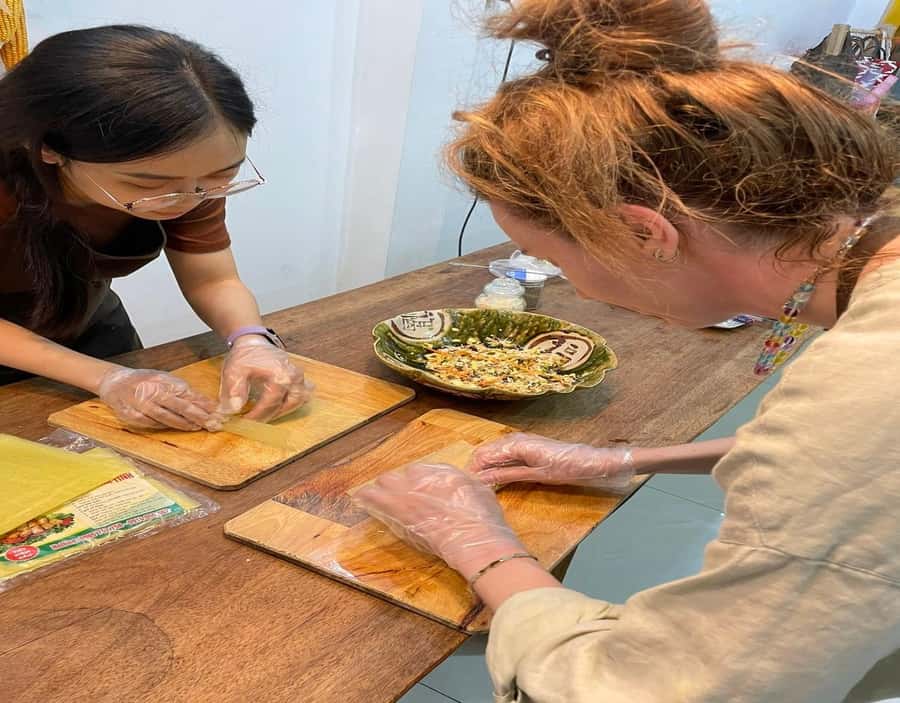
You don’t snack and run. You cook, you sit down, and you eat what you made. That matters because cooking class meals can sometimes feel like a formality, but here the meal is part of the learning.
The portions can be generous, and you’ll usually end up with enough food to enjoy without rushing. People mention taking extra spring rolls home, which tells you the class isn’t about waste control at the expense of your experience.
The best part is psychological. Once you’ve cooked pho and spring rolls yourself, the flavors don’t just taste good—they make sense. You start noticing what you did that influenced the outcome, and your next meal in Da Nang feels smarter.
Also, this is a good place to practice “slow down.” In a busy city, you can spend hours hopping from one spot to the next. Here you trade that for one focused block of time, warm conversation, and a kitchen routine you’ll remember.
Learning Value: English Guidance, Patient Pacing, and Recipes to Take Home
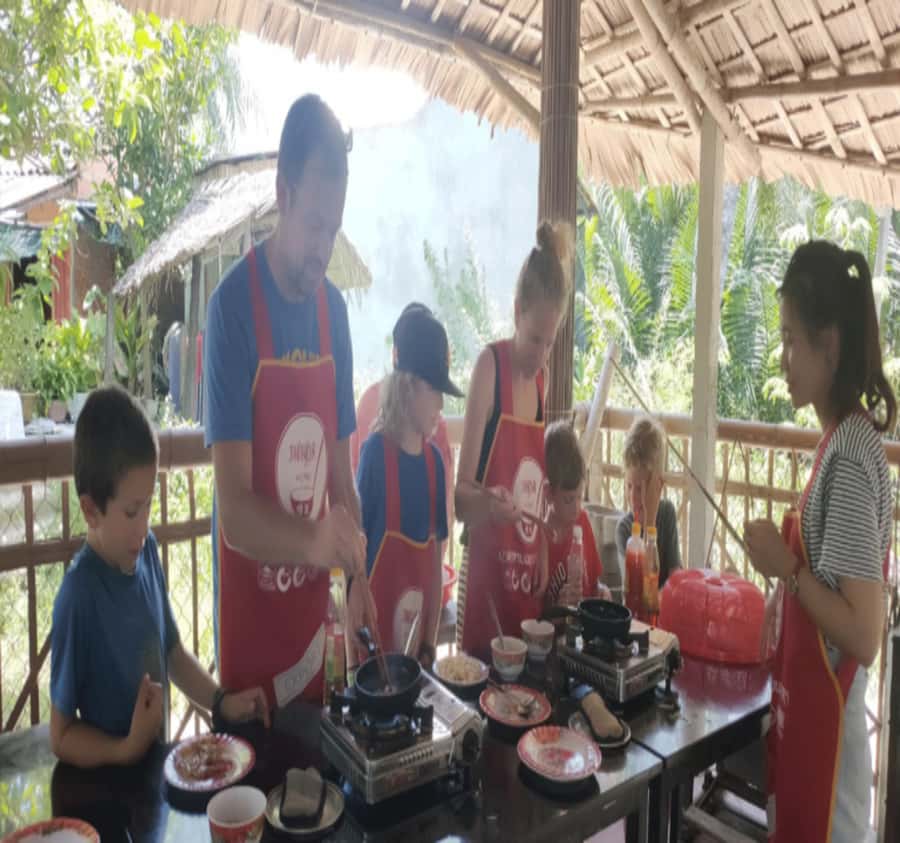
If you’re worried about cooking classes being too fast or too vague, this is the kind of class that usually avoids that problem. Jenny’s English is repeatedly called out, and her teaching style is patient.
Pacing matters because you’re learning at the same time you’re doing. If you’re new, you need time to understand hand position, folding order, and why one small adjustment changes the final texture.
A nice detail is how the class handles small groups. One review described a situation where the host planned ingredients for at least two people, even when the booking count was low. That kind of planning can mean you get a fuller experience rather than “we’ll skip half because it’s just you.”
At the end, you’ll receive recipes so you can recreate the dishes later. That turns the class into something you carry beyond photos. You’re not only paying for the meal—you’re paying for a reference you can use when spring rolls or pho cravings hit at home.
Price and Value: Why $30 Often Feels Fair Here
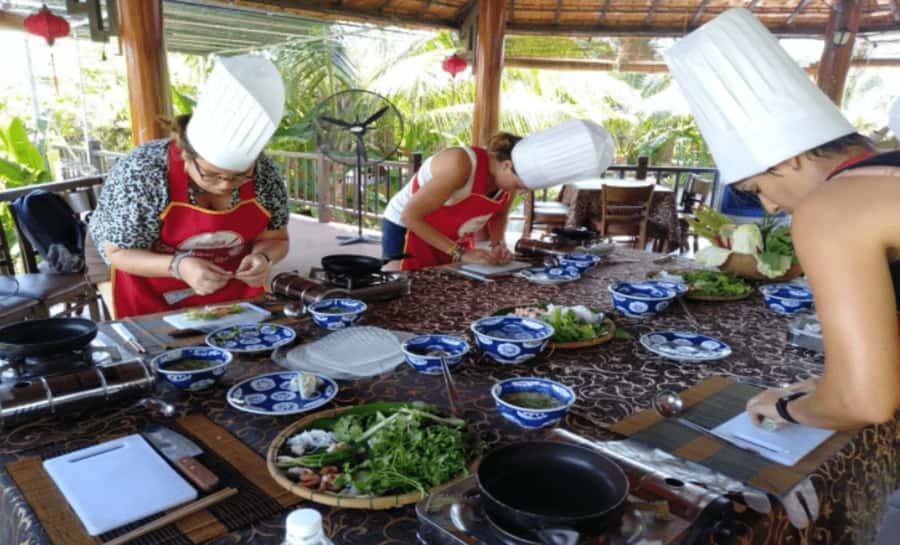
At $30 per person for roughly 2.5 hours, the value is mostly in what’s included: ingredients, an English-speaking chef/host, unlimited passion fruit juice, and the meal of what you cook.
In plain terms, you’re getting three things in one package:
- instruction in how to make two real dishes
- a sit-down meal with drinks included
- a take-home recipe guide
If you’ve ever paid for “cooking class” experiences where you chop a few things then eat store-bought food, this setup is the opposite. The focus stays on doing and eating what you made, in a home kitchen setting.
One pricing wrinkle: on Vietnamese public holidays there’s an extra 100,000 VND per person, paid in cash for bookings on those days. If your dates overlap a holiday, factor that into your budget so it doesn’t feel like a surprise.
Also, the menu can shift slightly depending on ingredient availability. In practice, that can be a good thing. You’re learning what locals actually cook when the market supplies what it supplies.
Dietary Options and How Flexible the Menu Can Be
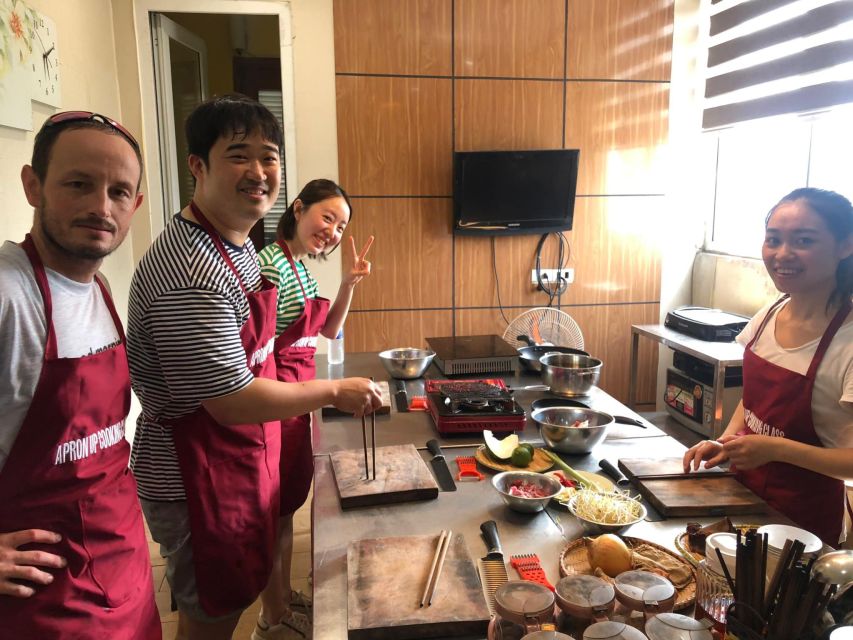
Vegetarian/vegan options are available upon request. That’s important because Vietnamese food can be adapted, but not every cooking class staff is set up to do it properly.
The menu may change slightly depending on local ingredient availability. That means you shouldn’t expect every ingredient to match exactly what you’ve seen online. The upside is you learn the “local logic” behind substitution—what can change and what shouldn’t.
If you have strict dietary needs, you’ll want to communicate ahead of time when you book. The class is hands-on, and you’ll be mixing ingredients, so clear guidance early prevents confusion later.
Who This Class Is Perfect For (and Who Might Prefer Something Else)
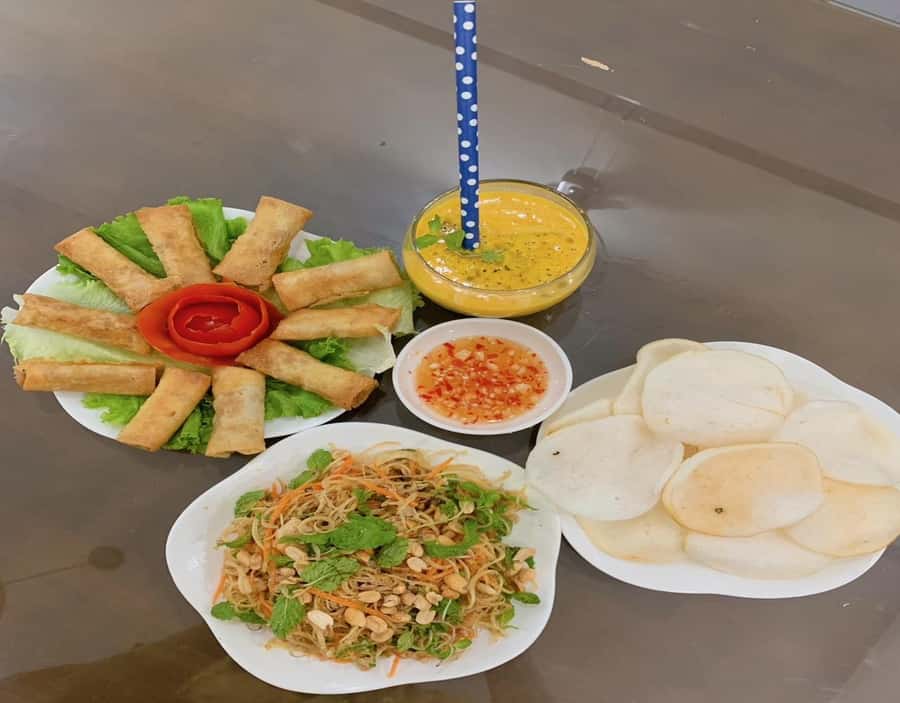
This cooking class is ideal if you want food as your main activity in Da Nang, not just a stop on the way to something else. It works well for first-timers who feel overwhelmed by menu choices and want a grounded way to understand pho.
It also fits couples and solo travelers. Small group size means you’re not stuck with a big crowd, and you get enough interaction to ask questions.
Families can do it too. Children under 4 are free, but they don’t join the cooking and share the meal with parents. So if you’re traveling with very young kids, plan around them being observers rather than participants.
Who might skip it? If you’re the type who only wants to eat street food and never cook, you might find the hands-on portion a bit work-like. But if you enjoy learning by doing—even casually—this is a strong choice.
Tips to Make Your 2.5 Hours Go Smoothly
Keep it simple and show up ready to cook. Bring a good attitude, expect to get a bit involved, and don’t stress if your first roll isn’t perfect.
A few practical moves help:
- Arrive a touch early so you can confirm the exact home venue at the start
- Ask questions while you’re cooking, not after you’re full
- If you’re doing photos, do it briefly. Focus on the process first
- If you have dietary needs, request them clearly ahead of time
And here’s the fun part: after you eat, you’ll have a better mental map of what makes pho taste like pho. That makes your next meal in Da Nang less guessing, more recognizing.
Should You Book This Cooking Class?
Book it if you want an authentic-feeling Da Nang experience that’s practical, not performative. You get two Vietnamese dishes, unlimited passion fruit juice, an English-speaking host, and recipes to take home—inside a real home kitchen.
Skip it only if you can’t handle the “no hotel pickup” reality and you dislike any cooking at all. For most people, though, it’s a smart use of time: you leave with food memories, new technique, and a drink recipe in your head you’ll want to recreate.
If your schedule allows, this is one of the easiest ways to turn a normal day into a meaningful one—without needing to travel far from the city center.
FAQ
How long is the Da Nang cooking class?
The class lasts about 2.5 hours. Starting times vary, so you’ll want to check availability.
Where is the meeting point, and do you return there?
You meet at 279 Mai Đăng Chơn Street, Đà Nẵng, Viet Nam. The activity ends back at the same meeting point.
Is hotel pickup and drop-off included?
No. Hotel pickup and drop-off are not included, so you’ll need to make your own way to the meeting point.
What dishes and drinks are included?
You’ll cook and enjoy Fried Spring Roll and Beef Noodles (Pho). Unlimited passion juice is included with the meal.
Can I request a vegetarian or vegan menu?
Yes. A vegetarian/vegan menu is available upon request.
Are children allowed?
Children under 4 are free of charge, but they do not join the cooking and share the meal with parents.
Is there an extra fee on Vietnamese public holidays?
Yes. There is an extra-charged 100,000 VND per person paid in cash for bookings on Vietnamese public holidays.
What is the cancellation policy?
You can cancel up to 24 hours in advance for a full refund.