REVIEW · HANOI
3-Day Sapa Real Valley View Homestay & Fansipan–Roof of Indochina
Book on Viator →Operated by BCFamilyTour.com · Bookable on Viator
A three-day hike can feel short when the scenery hits hard. This trip pairs Sapa village walking with a Fansipan summit day and includes your homestay sleep, meals, and transfers. I love the chance to see terrace rice fields and visit Black Hmong and Tay villages like Lao Chai and Ta Van. I also like that the group stays small (max 15), so your guide can actually manage the pace. The one drawback to plan for: you’ll need decent shoes and physical readiness, and the homestay experience can vary by house and comfort level.
You start with a smooth drive out of Hanoi on the newer Noi Bai–Lao Cai highway, then spend your days in the Hoang Lien Son mountains where waterfalls and stream crossings are part of the rhythm. In the homestay, guides such as ZerZer can make a big difference—she’s been noted for speaking good English and helping guests feel at home, with clean rooms and even home-cooked meals you’ll remember. Another guide named Lala has also been credited for hosting well, even when conditions weren’t perfect.
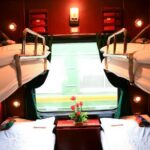
For logistics, I’d treat the bus as functional, not fancy. One person flagged that the sleeper bus had no Wi-Fi and no toilet paper, so bring your own small comfort kit. If you want reliable amenities and a soft landing every night, you might feel the “mountain reality” on this one.
In This Review
- Key reasons this Sapa trek is worth your attention
- The big picture: Hanoi to Sapa to the Roof of Indochina
- Day 1 in Sapa: terraces, waterfalls, and Black Hmong village walking
- Day 2: homestay breakfast, then the 600-step Fansipan climb
- Day 3: free time in Sapa, then back to Hanoi
- Homestay reality check: the comfort range is real
- What to pack (based on what matters on this trek)
- Transport and timing: the drive is smooth, but plan for bus comfort
- Guides and group size: why names matter on a trek
- Price and value: what $179.90 buys (and what you might pay outside)
- Weather and altitude: when the trip needs flexibility
- Sapa shopping time: use Day 3 for real choices
- Should you book this Sapa trek with homestay and Fansipan?
- FAQ
- Where does the tour start and end?
- How long is the experience?
- How much does it cost?
- What’s included in the homestay and hotel nights?
- What meals are included?
- Does the tour include Fansipan?
- Is round-trip transport from Hanoi included?
- What’s the group size limit?
- What should I know about weather?
- Can I cancel for a full refund?
Key reasons this Sapa trek is worth your attention
- Homestay in a local house for 1 night, not just a photo stop
- Village hiking across multiple ethnic communities, including Black Hmong and Tay areas
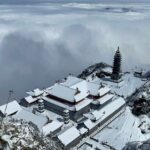
- Fansipan day with the 600-step climb, plus pagoda time and views around 2,800 meters
- Meals included for the full trip (B/L/D), which matters on a remote schedule
- Small group size (max 15) for a more controlled trek pace
- Two-night stay split between a village homestay and a hotel in Sapa town
The big picture: Hanoi to Sapa to the Roof of Indochina
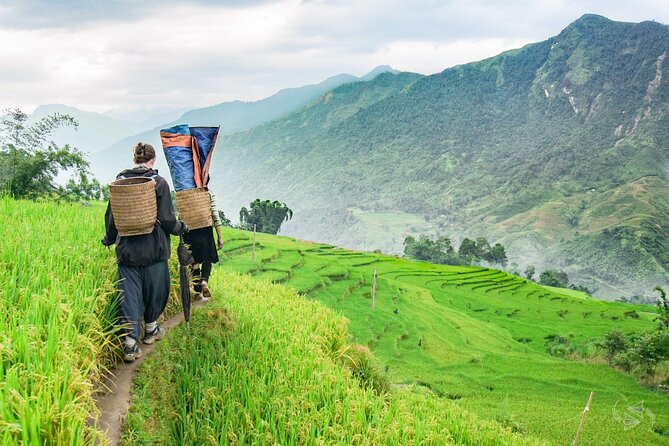
This is a classic “get out of the city and into the mountains” route, built for people who like walking but also want their basics covered. You leave Hanoi early, ride into the Hoang Lien Son region, then spend two nights sleeping as locals do (one night with a family, one night back in Sapa town).
The trip is also built around two different kinds of altitude time. You’ll gradually work into mountain weather and trail walking with daily hikes, and then Day 2 becomes the big vertical push: Fansipan at about 2,800 meters, finishing with a climb of 600 steps to the peak area. If you’re okay with “active sightseeing,” this format works.
At $179.90 per person, the value is strongest because it bundles transport from Hanoi, a guide, meals, and both sleeping nights. That matters in Sapa, where half the cost of piecing things together yourself usually shows up in transport and guide time.
A few more Hanoi tours and experiences worth a look


Day 1 in Sapa: terraces, waterfalls, and Black Hmong village walking
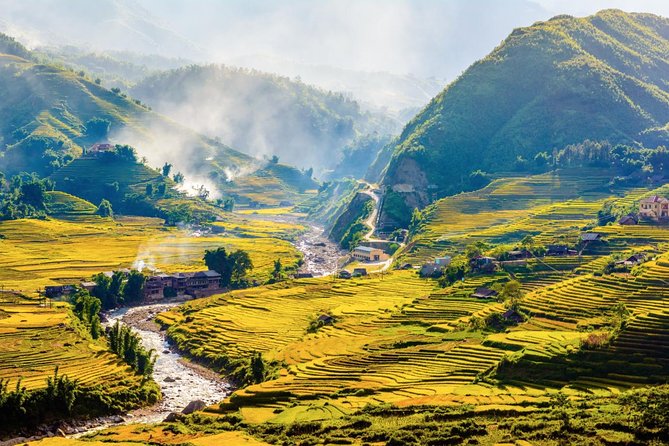
Your first morning starts in Hanoi at the Hanoi Opera House meeting point (1 Tràng Tiền, Hoàn Kiếm). From there, you take the bus toward Sapa using the new Noi Bai–Lao Cai highway—about 245 km, and under five hours on the express route, with a break included.
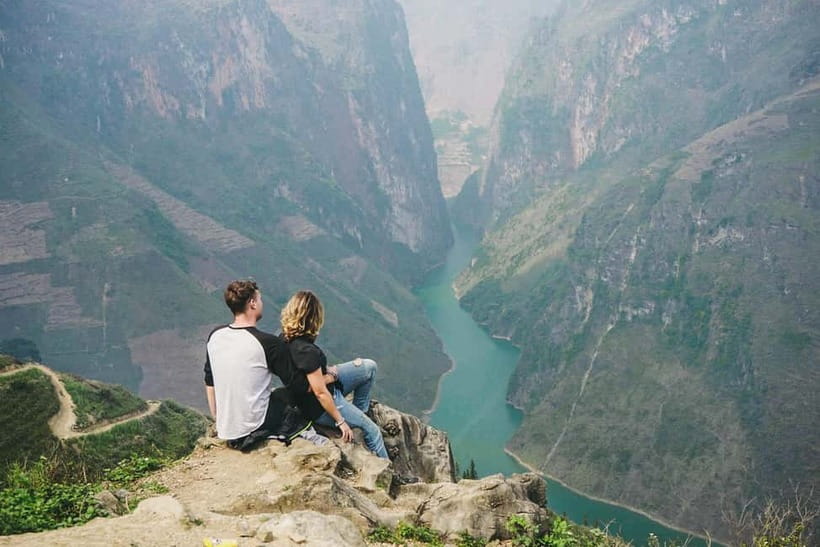
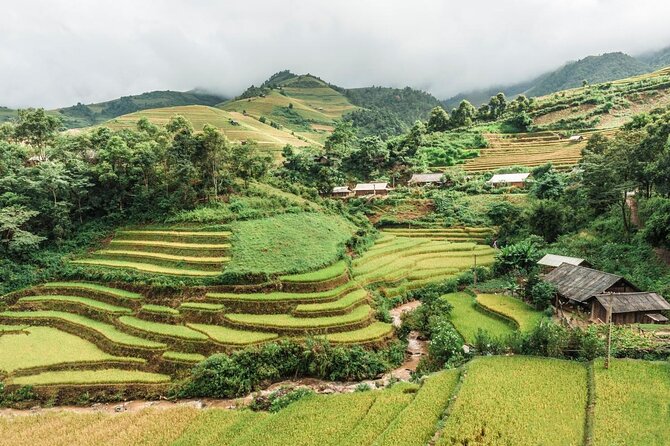
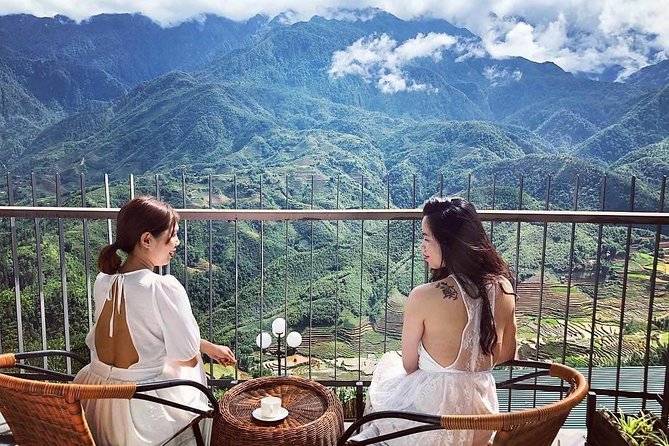
When you arrive, you grab lunch at a local restaurant before you head out trekking. This is your culture + scenery day: you’ll hike through parts of the valley where terraced rice fields and waterfalls show up in the views, and you get to visit or walk through villages tied to the Black Hmong and ethnic Tay communities.
The villages named for this trek include places like Lao Chai and Ta Van, and you may also connect through areas such as Giang Ta Chai, Ban Ho, Sin Chai, and Cat Cat depending on the day’s route and conditions. The point isn’t to “collect stamps.” It’s to spend enough time on the ground that the valley stops feeling like a postcard.
A practical note: the trails here are not theme-park flat. Plan for uneven footing, mud spots, and the kind of climbs where you slow down without realizing you’re slowing down. One useful piece of advice from people who’ve done it: bring proper trekking shoes and be physically ready.
Day 2: homestay breakfast, then the 600-step Fansipan climb
Day 2 starts quietly with breakfast prepared by the family at your homestay. That early meal is part of why this trip works—your day begins from within the village rhythm, not from a hotel buffet.
After breakfast, you head back toward Sapa town. The homestay-to-town distance is listed as about 17 km, with around a 30-minute ride by motorbike or taxi that the local side can arrange for you. In other words: you get the walking experience, but you’re not forced to turn every stage into a full marathon.
Then comes Fansipan—the Roof of Indochina. You’ll visit the mountain, reach around 2,800 meters, and have time for views and photos. There’s also pagoda time (a spiritual stop), followed by the trek up to 600 steps to reach the peak area.
Even if you’re fit, treat the steps as their own event. Bring water, pace yourself, and plan on that “work but rewarding” feeling in your legs.
Day 3: free time in Sapa, then back to Hanoi

You wake up for breakfast at the hotel in Sapa, then you get free time to explore on your own. This is where you can slow down after the trekking days and actually browse.
Next you check out, clear any bills, and handle lunch independently. After that, you board the bus back to Hanoi. The return ride is about six hours, and the tour ends back at the meeting point near Hanoi Opera House.
This day is intentionally less scheduled. It’s there so you can shop, wander, or just sit with a coffee without thinking about your next set of socks drying in the wind.
Homestay reality check: the comfort range is real
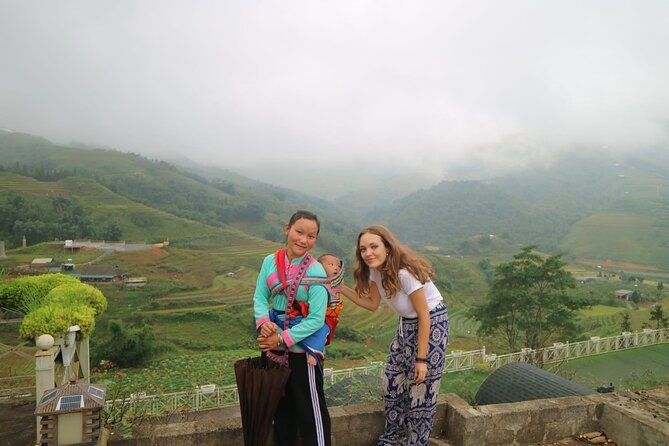
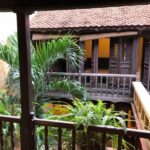
Homestays are a big deal on this route because you’re sleeping in a shared space at a local house for one night. That can mean simple bedding, basic bathroom setups, and a room that feels more “home” than “hotel.”
The good news: strong hospitality has been reported. One guide experience highlighted ZerZer’s hosting—clean room, a great view from the house, and cooking that guests really enjoyed. Another experience mentioned Lala’s role in making the homestay work well, even when the overall comfort level was not what someone hoped for.
So here’s the practical takeaway: treat this as a cultural stay first, comfort stay second. If you’re the type who needs hotel-standard bathrooms or thick mattresses every night, this is the part to think through carefully. If you can roll with basic conditions and focus on people, food, and setting, it’s usually worth it.


What to pack (based on what matters on this trek)
You can’t control the trail, but you can control your comfort.
- Proper trekking shoes (seriously)
- A small water bottle or habits for hydration
- Light layers for mountain weather swings
- A small personal kit in case your bus/stop doesn’t provide basics (one person noted no toilet paper on the bus)
Transport and timing: the drive is smooth, but plan for bus comfort
The schedule is built around getting you to the mountains quickly. The drive uses the newer Hanoi–Lao Cai highway, and the total travel time is under five hours on the express route, with a break added along the way.
Still, bus comfort isn’t the selling point. One experience flagged that the sleeper bus lacked Wi-Fi and toilet paper. That’s not about safety or skill—it’s about convenience. Bring what you need so you’re not stuck improvising.
Also, you’re traveling as a group of up to 15. That’s small enough for flexibility, but it still means you’ll be on a shared timetable. If you like total freedom, choose your expectations: you’ll have personal free time in Sapa on Day 3, but the trek days run on group rhythm.
Guides and group size: why names matter on a trek

A big part of whether a Sapa trek feels smooth is your guide. This tour uses a local expert guide, and in real-world experiences, specific guides can stand out.
ZerZer has been credited for good English and a warm hosting style during the homestay—helpful if you want to ask questions and learn without guessing. Lala has also been mentioned as key support during the homestay stay, making the experience feel more personal even when comfort wasn’t perfect.
That’s the real value of having a local guide: they handle route choices, explain village life, and help you move through a landscape that can otherwise feel confusing.
Price and value: what $179.90 buys (and what you might pay outside)

For $179.90 per person, you’re not just paying for walking. You’re getting:
- Air-conditioned vehicle transport from Hanoi and back
- Local expert guide support
- Bottled water
- Meals included (breakfast, lunch, dinner as listed)
- Accommodation: one night shared homestay + one night hotel in Sapa town
- Fansipan day included (with admission and the 600-step climb time)
Not included items are also important:
- Food and drinks beyond what’s listed
- Festival surcharges if your dates fall on Independent Day, Christmas, or New Year periods
- A single-room option if you request it (double/twin sharing is standard unless a single room surcharge applies)
For value, the big win is that meals + lodging + guided mountain time are built in. If you try to piece this together on your own, you usually end up paying for the same things anyway—just with more hassle.
Weather and altitude: when the trip needs flexibility
This experience requires good weather. If conditions aren’t right, you’ll be offered a different date or a full refund. That’s especially relevant in mountain areas where visibility, rain, and trail conditions can change quickly.
As for altitude, Fansipan puts you at about 2,800 meters. You won’t live at that height for days, but you should still take the climb seriously. Go slow, drink water, and don’t treat the steps like a sprint.
Sapa shopping time: use Day 3 for real choices
One of the nice things about this tour is that it doesn’t trap you in a souvenir schedule. You get free time in Sapa town after breakfast on Day 3 to discover the area on your own.
That’s the best moment to browse for textiles, small crafts, and local items if you want them—because you’re not rushing between villages. If you’re picky, use this time to compare prices and quality without the pressure of the trekking timetable.
Should you book this Sapa trek with homestay and Fansipan?
I’d book it if you want a well-paced mix of village life, real walking, and one big scenic objective (Fansipan), and you’re comfortable with basic homestay conditions for one night. The itinerary makes sense: a day for village hiking and valley scenery, a day that combines culture + summit views, and a lighter Day 3 for Sapa town and recovery.
I’d think twice if you hate uncertainty about comfort. The homestay setup can vary by house, and you should go in knowing it’s not a hotel. Also, don’t treat the trek as a casual stroll—shoe choice and physical readiness matter.
If you’re the kind of person who likes talking with people, watching everyday mountain life, and earning your views with your own feet, this one fits.
FAQ
Where does the tour start and end?
It starts at the Hanoi Opera House (1 Tràng Tiền, Hoàn Kiếm, Hà Nội) and ends back at the same meeting point.
How long is the experience?
The tour runs for about 3 days.
How much does it cost?
The price is $179.90 per person.
What’s included in the homestay and hotel nights?
You get 1 night in a village homestay with shared accommodation, plus 1 night in a hotel in Sapa town (double/twin sharing by default).
What meals are included?
Meals are included as listed: breakfast, lunch, and dinner (B/L/D).
Does the tour include Fansipan?
Yes. Fansipan is included, and you’ll reach about 2,800 meters and trek up to 600 steps.
Is round-trip transport from Hanoi included?
Yes. Round-trip hotel transport from Hanoi is included.
What’s the group size limit?
This activity has a maximum of 15 travelers.
What should I know about weather?
The experience requires good weather. If it’s canceled due to poor weather, you’ll be offered a different date or a full refund.
Can I cancel for a full refund?
You can cancel up to 3 days in advance of the experience for a full refund. If you cancel within 3 days of the start time, the amount paid is not refunded.