REVIEW · HANOI
Hanoi: Make 6 Iconic Coffees in a Heritage Home with Locals
Book on GetYourGuide →Operated by VietnamXperience · Bookable on GetYourGuide
Hanoi coffee gets hands-on in a heritage home workshop. I like that you learn from Old Quarter locals raised on Hanoi’s coffee culture, and you build your cups at a calm pace in a private French colonial house. One thing to consider: it’s an indoor experience, so it’s not the best choice if you’re craving lots of walking or skyline views.
My favorite part is how the class is both structured and forgiving. You’ll make six Vietnamese coffee styles by hand, but you can still adjust each cup to your taste while keeping traditional balance, from the egg coffee to the creamier coconut and the more savory options.
In This Review
- Key things I’d circle before you book
- Entering a 100-year French colonial home in Hanoi’s Old Quarter
- The 1–2 hour workshop flow: relaxed, sensory, and practical
- Six iconic Vietnamese coffees, made by hand and tuned to you
- Egg coffee: why it’s worth the attention
- Coconut and salty coffee: where the flavor education happens
- Other styles: learn the pattern, not just the product
- Old Quarter locals, family methods, and the stories behind the cup
- The open-bar vibe: watching, tasting, and making at your pace
- Coffee beans and five-sense tasting: learning what to notice
- What you take home: skill, recipes, and more than a photo
- Pricing and value: why $22 can make sense in Hanoi
- Practical logistics: who it works for, and what to expect
- Indoors, air-conditioned, and straightforward
- Language and guidance
- Small group pacing
- Wheelchair and kids
- What you need to bring
- Who should book this Hanoi coffee class
- Should you book this Hanoi coffee class or skip it?
- FAQ
- How long is the Hanoi coffee workshop?
- What coffee styles will I make?
- Do I need coffee brewing experience?
- Is the activity indoors?
- What’s included in the price?
- How big is the group?
- Can I cancel or pay later?
Key things I’d circle before you book
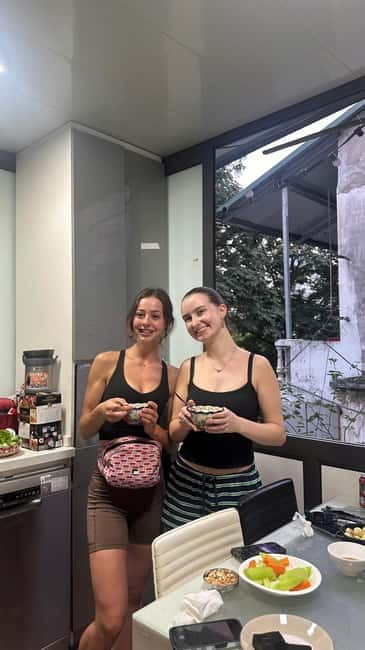
- A 100-year-old French colonial home in the Old Quarter, peaceful and intimate
- Small group (max 10) so you get close guidance, not a rushed factory line
- Six coffees by hand, including egg coffee, coconut coffee, and salty coffee
- Open-bar setup for watching, tasting, and learning in a relaxed rhythm
- Five-sense tasting practice, plus learning to work with beans along the way
- Take-home value: full, detailed recipes for all six coffees
Entering a 100-year French colonial home in Hanoi’s Old Quarter
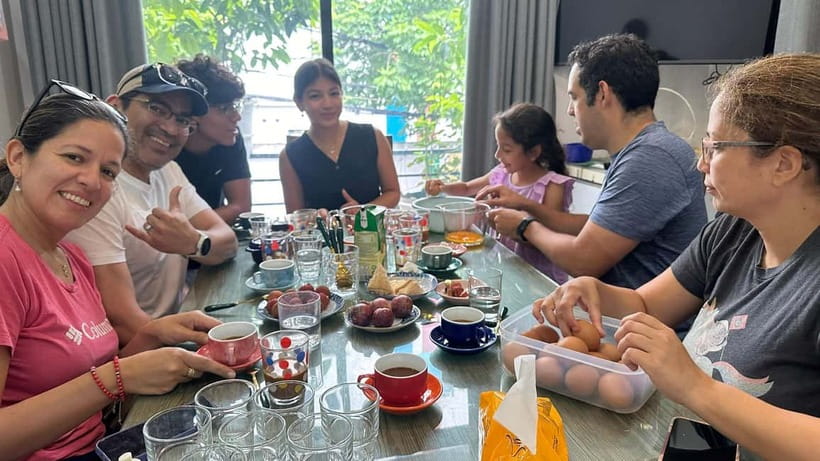
This experience starts in a century-old French colonial home tucked away in the Old Quarter. From the outside, you’d expect noise and scooters. From inside, it’s different. The space is calm, cozy, and set up for slow discovery, with room to wander a bit before you start making coffee.
What you’re really stepping into is a home where coffee and everyday Vietnamese culture overlap naturally. The rooms are filled with cultural details and traditional art pieces collected and preserved by the family across generations. You’ll see everyday objects alongside art, and that matters, because it explains why this class doesn’t feel like a performance. It feels like learning a craft in a place where the craft lives.
There’s also an outdoor note, even though the workshop is indoors. You’ll have access to a pet-friendly garden space if you need a breath of air, plus the house is air-conditioned, which is a real plus in Hanoi’s heat.
You can also read our reviews of more historical tours in Hanoi

The 1–2 hour workshop flow: relaxed, sensory, and practical
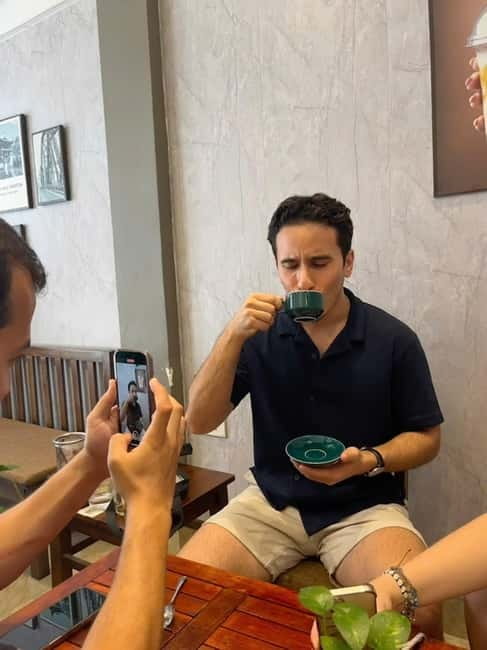
The plan is simple: arrive, settle in, taste, then make. The duration is listed as 1 to 2 hours, so it’s easy to fit into a busy Hanoi day.
Here’s what the experience is designed to feel like:
First, you get oriented in the home setting. The atmosphere is described as intimate and open for you to explore, with an open-bar setup available throughout the workshop. That open-bar angle is more useful than it sounds. It means you’re not forced to sit silently until your turn. You can watch what’s happening, ask questions, and keep your brain in learning mode.
Next comes the tasting portion tied to the coffee beans. You’ll discover Vietnamese speciality coffee beans that the family has carefully collected, and you’ll taste them while you learn. This part is about training your palate and vocabulary, not just drinking coffee.
Then you move into the hands-on segment. Every step is explained clearly, and the pace is intentionally relaxed. The group stays small, so your instructor can correct technique without steamrolling the room. If you’re the type who wants to understand why something works, this setup fits you better than a big group class where everyone gets the same quick instructions.
Throughout, you’re not just making coffee. You’re learning the stories behind different styles—how they came to be and how they’re part of Hanoi’s daily coffee culture.
Six iconic Vietnamese coffees, made by hand and tuned to you
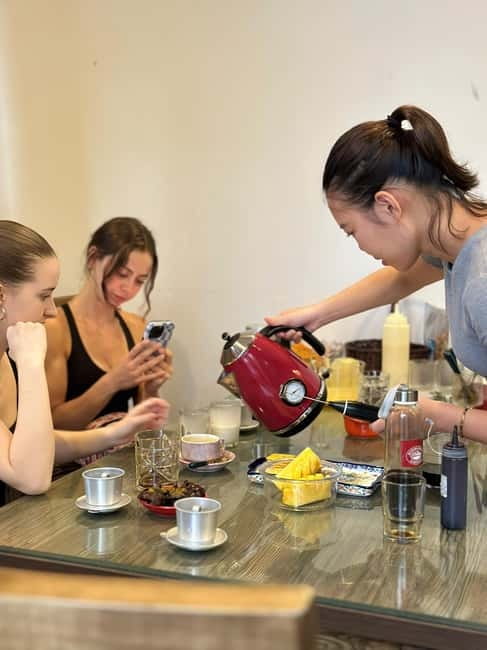
The highlight on paper is making six Vietnamese coffees by hand. In real terms, the value is that you learn the technique behind each style, and then you build muscle memory you can repeat later at home.
The six styles include:
- Egg coffee (often the one people get excited about)
- Coconut coffee
- Salty coffee
- Plus other Vietnamese coffee styles as part of the full six-cup set
You’ll be guided through each one, with attention to the balance that defines Vietnamese coffee. The experience emphasizes tradition, but it also lets you personalize. That’s important. Coffee is personal, and Hanoi coffee isn’t one-size-fits-all. You’ll learn how to adjust your cup to your taste while still keeping the traditional balance that makes each style recognizable.
Egg coffee: why it’s worth the attention
Egg coffee is singled out as a favorite type in the experience description and in the feedback you’ll see from others. It’s also a great “skills check.” You can’t fake it with shortcuts. If you learn egg coffee here, you’re learning a controlled method: timing, texture, and mixing matter.
Even if you’re not an egg-coffee person right now, I’d still take the class for this one. It’s the clearest example of why hands-on instruction beats reading a recipe online. You’ll understand the feel and the logic behind the method, not just the steps.
Coconut and salty coffee: where the flavor education happens
Coconut coffee gives you a creamier, sweeter direction. Salty coffee shifts the conversation into a more savory balance, which helps you understand that Vietnamese coffee styles aren’t only about sweetness. The “traditional balance” language isn’t marketing fluff. It’s a reminder that each style has a role and a flavor target.
If you like tasting broadly and you’re open-minded about coffee beyond the sweet café routine, these two styles are where you’ll feel the class expand your coffee instincts.


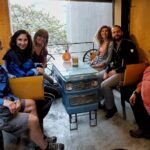


Other styles: learn the pattern, not just the product
Because you’re making a total of six, you’re not only learning how to make one famous cup. You’re learning patterns: how bean taste changes when combined with different ingredients, and how technique changes the final result. When you leave with six recipes, you can see what’s consistent across styles and what’s different.
Old Quarter locals, family methods, and the stories behind the cup
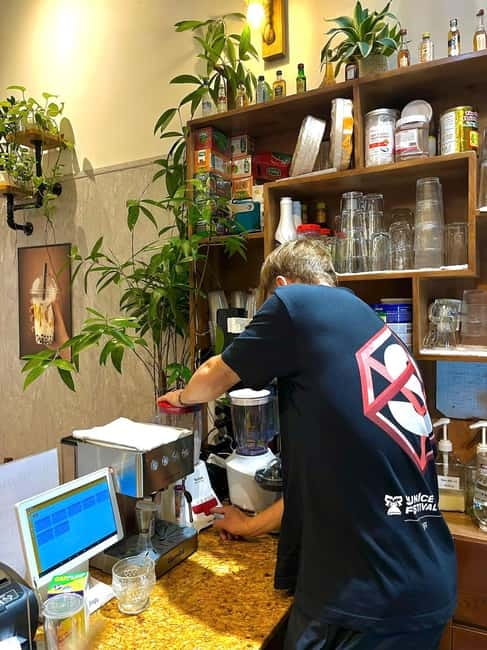
A big part of the appeal here is that the instruction comes from locals who grew up with Hanoi’s coffee culture. That background matters because they aren’t teaching coffee as trivia. They’re teaching it as daily practice.
As part of the experience, you’ll also hear stories behind how the coffee styles came to life. Those stories are practical context, too. They help you understand why the ingredients and balance are what they are, so when you recreate the recipes later, you’re not just copying. You’re understanding.
This is also where the warm reception from local elders comes in. The class isn’t framed as you sitting in front of an expert. You’re welcomed as a curious learner, and that tone keeps the workshop relaxed. Small group size helps a lot here, because you’re not performing curiosity in front of a crowd.
In the feedback for this experience, the hosts are often praised for being friendly and for giving step-by-step explanations. The common thread: you’re not left guessing.
The open-bar vibe: watching, tasting, and making at your pace
One detail I really like is that the setting stays open and you can observe while you work. The workshop includes an open-bar setup so you can watch demonstrations and keep tasting while learning.
Why that’s useful:
- If you’re a visual learner, you can see the process multiple times without feeling awkward.
- If you’re slower, you won’t feel trapped waiting for everyone to finish.
- If you’re unsure what you should taste for, you’ll have repeated chances to compare as the coffee progresses.
Pair that with the small group limit—10 participants—and you get a classroom that feels like a home craft session instead of a timed show.
Coffee beans and five-sense tasting: learning what to notice
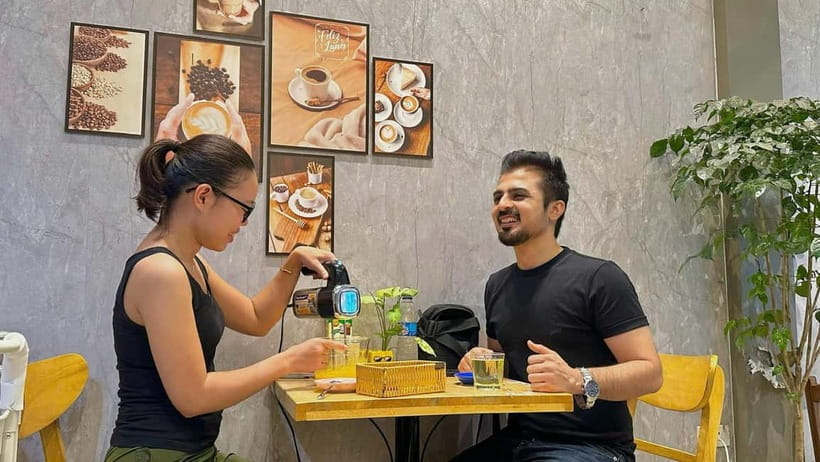
This isn’t just about brewing. The experience explicitly focuses on using all five senses to taste coffee like a local.
That’s a smart way to learn, because coffee can be mysterious if you only pay attention to one thing. If you practice with guidance, you start to notice:
- aroma changes as ingredients combine
- texture cues that affect how the coffee feels in your mouth
- how sweetness, creaminess, and salt change your perception of “strength”
- how the same base beans can taste different depending on the style
You’ll taste Vietnamese speciality coffee beans collected by the family, so the class is also about connection to place, not generic “coffee education.”
What you take home: skill, recipes, and more than a photo
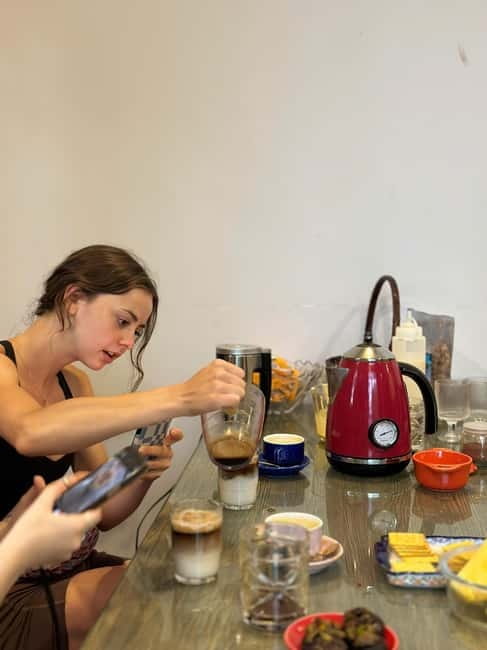
The take-home piece is where a short, hands-on class earns its keep.
You’ll leave with:
- A practical skill you can recreate
- Full, detailed recipes for all six coffees
- Plus more recipe content
You’re also set up with photo coverage. The instructor also acts as the photographer, so you get images of your creations without needing to delegate your device to someone else.
For value, that combination is strong. Many activities give you a memory and a vague recipe scribbled from memory. This gives you a system: six methods you can repeat, and recipes you can trust because they’re built around the teaching you received.
Pricing and value: why $22 can make sense in Hanoi
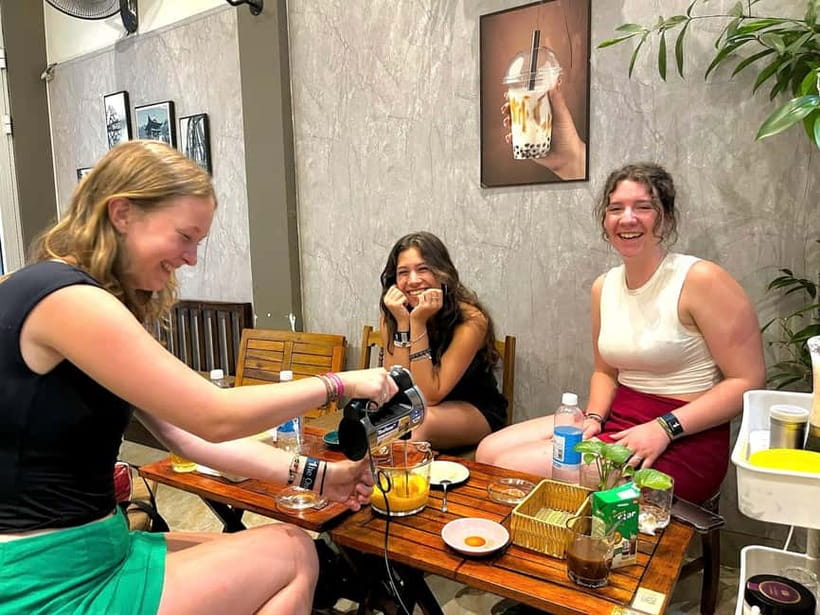
The price is listed as $22 per person for about 1 to 2 hours, and it includes a lot beyond the coffee itself.
Included items:
- coffees and teas
- full recipes and more
- passionate local instructor
- photographer (the instructor)
- warm welcome from local elders
- air conditioning
- clean restrooms
- dishwasher and sterilized utensils
- pet-friendly garden space
- childcare service available
When I look at value, I think about what you’d otherwise pay for: ingredients, equipment, and the cost of learning the correct technique. Here, you’re paying for guidance plus the recipes, not just for drinks.
It also helps that the group stays small. A small group class usually costs more for the instructor time, but here the duration is short and the price stays reasonable.
If you’re staying in Hanoi for a few days, this is also a good “anchor activity.” It’s hands-on, cultural, and it gives you something to do with your time besides walking and eating.
Practical logistics: who it works for, and what to expect
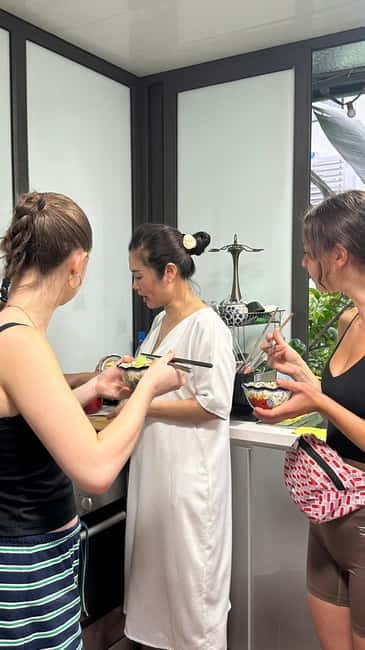
Indoors, air-conditioned, and straightforward
The workshop is conducted indoors. The house has air conditioning, plus clean restrooms and sterilized utensils. That makes it comfortable and makes the experience feel cared for, even if you come in sweaty from the street.
Language and guidance
The instructor is listed as Vietnamese and English. Based on the way the hosts are described in feedback, you’ll likely get clear step-by-step teaching, plus plenty of chances to ask questions while you make your cups.
Small group pacing
Because the group is limited to 10, you’re not competing for attention. If you like slow learning, this is a win.
Wheelchair and kids
It’s wheelchair accessible, and childcare service is available. There’s also a pet-friendly garden space. If you’re traveling with kids or you need flexibility, these details can make the difference between a trip plan that works and one that doesn’t.
What you need to bring
No prior coffee brewing experience is required. All ingredients and equipment are provided, so you can show up like a tourist and still leave with a repeatable skill.
Who should book this Hanoi coffee class
I’d point you toward this if:
- you want a quieter, more local experience than a big tour
- you’re curious about Vietnamese coffee styles beyond ordering one drink
- you like hands-on learning where you can ask questions
- you’d rather leave with recipes and technique than just photos
I’d think twice if:
- you need outdoor sightseeing or a lot of walking as your main activity
- you dislike tasting and want only one or two drinks with no structured learning
Should you book this Hanoi coffee class or skip it?
Book it if you want a short, high-satisfaction experience that mixes hands-on craft, local context, and take-home usefulness. The price-to-content ratio is strong because you’re not just drinking coffee. You’re learning how to reproduce six styles and leaving with detailed recipes.
Skip it only if you’re chasing outdoor time and big views. For a calm Old Quarter afternoon, a heritage home workshop with locals is exactly the kind of activity that turns a trip into something you can actually repeat later.
FAQ
How long is the Hanoi coffee workshop?
The duration is listed as 1 to 2 hours, depending on the starting time and how the session runs.
What coffee styles will I make?
You’ll craft six iconic Vietnamese coffees by hand. The set includes egg coffee, coconut coffee, and salty coffee, plus other Vietnamese coffee styles.
Do I need coffee brewing experience?
No prior coffee brewing experience is required. The instructor provides guidance and all necessary equipment and ingredients.
Is the activity indoors?
Yes, the workshop is conducted indoors.
What’s included in the price?
Coffees and teas are included, along with full recipes for all six coffees and more. You also get an instructor, photographer service (the instructor), air conditioning, clean restrooms, and sterilized utensils. There’s also a pet-friendly garden space and childcare service available.
How big is the group?
It’s a small group with a maximum of 10 participants.
Can I cancel or pay later?
Free cancellation is available up to 24 hours in advance for a full refund. You can also reserve now and pay later to keep your plans flexible.