REVIEW · HANOI
Hanoi Coffee Workshop: Crafting Your Perfect Brew
Book on GetYourGuide →Operated by Vietnam Vivid Travel · Bookable on GetYourGuide
Six cups, one phin, big coffee lessons. This Hanoi workshop is hands-on from the first minute, and I love learning the phin-filter method the right way, plus getting recipes to take home for repeat brews. You’ll taste every drink you make, choose your own caffeine menu (4, 5, or all 6), and get plenty of coaching so you’re not just watching from the sidelines.
One consideration: the coffee is strong. The class has a note to eat beforehand, and you’ll feel why once you’re pulling espresso-dark Vietnamese brews.
In This Review
- Quick reasons this workshop is easy to love
- Hanoi coffee workshop: what the 1–2 hours is like
- The phin filter lesson that makes Vietnamese coffee click
- Your coffee menu: 4, 5, or all 6 styles to brew
- Option 1: 4 coffees
- Option 2: 5 coffees
- Option 3: all 6 coffees
- Egg coffee and salt coffee: flavor is the lesson, not the label
- Egg coffee: why it’s creamy instead of heavy
- Salt coffee: the short science of a big surprise
- Coconut coffee: cooling the bite
- English-speaking guides: Jay, Moon, Gene, and Ashley
- What’s included (and what you’ll still need to plan)
- Price and value: why $12 can make sense here
- Where to go: Lotus Hanoi Hostel, 1st floor
- Who should book this workshop (and who should skip it)
- Tips to get better results (and avoid a caffeine hangover)
- Should you book the Hanoi Coffee Workshop?
- FAQ
- How long is the Hanoi Coffee Workshop?
- How much does it cost?
- What coffee styles can I brew?
- Does the class include egg and coconut coffee?
- Is instruction available in English?
- What’s included in the price?
- Is food included with the workshop?
- Where is the meeting point?
- Is the workshop suitable for everyone?
- Can I cancel and get a refund?
Quick reasons this workshop is easy to love

- Phin filter practice: you’ll brew with the iconic Vietnamese drip tool, not a demo cup
- A choose-your-own menu: 4, 5, or all 6 styles, including egg and coconut
- Tasting as you go: you evaluate your own brew, then adjust
- English instruction in a small group: limited to 10 people, with guides who explain clearly
- Take-home recipes: you leave with instructions to recreate the drinks later
- Cooling comfort: air-conditioned workshop space keeps it pleasant while you learn
Hanoi coffee workshop: what the 1–2 hours is like
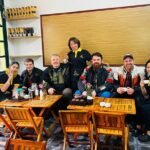
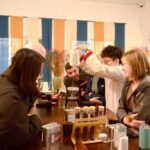
This is a focused, practical class built around one goal: you should be able to brew Vietnamese coffee at home without guessing. The pacing is usually relaxed but active. You start by learning the tools and the basic flow, then you brew, taste, and tweak as you go.
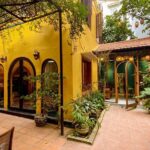
The setting is a small, air-conditioned workshop inside the Lotus Hanoi Hostel building (1st floor). That matters. In Hanoi, heat and humidity can turn “coffee lesson” into “coffee sweat.” Here, you can concentrate on the brew instead of fighting the weather.
You also get a small-group format (up to 10). That’s a big deal for quality. When foam volume, grind size, and syrup balance matter, it helps to have space to ask questions and get feedback.
A few more Hanoi tours and experiences worth a look

The phin filter lesson that makes Vietnamese coffee click
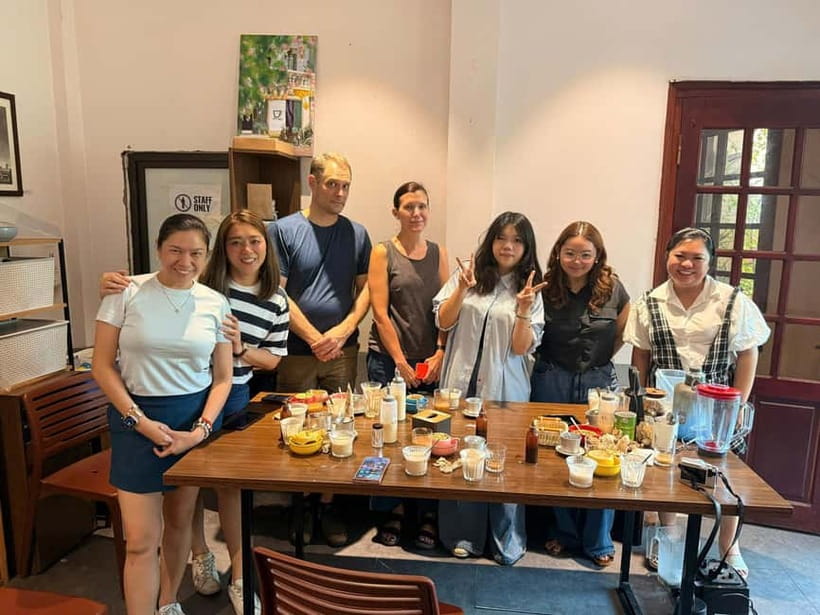
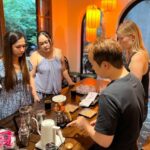
If Vietnamese coffee has a signature move, it’s the phin filter. It looks simple, but the results depend on what you do with it—especially water temperature, how you pack the grounds, and how long you let it drip.
In your session, you’ll learn the workflow using traditional methods and then taste your results. The workshop doesn’t treat it like a mystery. Instead, it teaches you the cause-and-effect:
- If the drip slows too much, your drink can turn harsh.
- If it runs too fast, you may miss flavor and body.
- If the foam and mix-ins aren’t balanced, the drink can taste flat.
You also get a lesson on ingredients and flavor choices so you understand what you’re building. That’s why this works well even if you’re not a die-hard coffee person. You’re learning a system.
Your coffee menu: 4, 5, or all 6 styles to brew

You choose your caffeine adventure up front. The workshop options are designed so you can match your curiosity and time.
Option 1: 4 coffees
You’ll brew and taste:
- Black Coffee (Cà phê đen): strong, aromatic, phin-filter brewed
- Brown Coffee (Cà phê nâu): sweetened, typically balanced with condensed milk
- Egg Coffee (Cà phê trứng): creamy and rich with whipped egg yolk
- White Coffee (Bạc xỉu): a milkier, lighter option than the darker drinks
This option is great if you want the “core set” without overthinking it. You’ll cover the big Vietnamese style categories: bold black, sweet milk-forward, and the famously indulgent egg coffee.
Option 2: 5 coffees
Everything in Option 1, plus:
- Coconut Coffee (Cà phê cốt dừa): chilled coffee mixed with coconut cream
This adds a refreshing twist. Coconut can mute bitterness and make the drink feel smoother, which is ideal if you’re trying to find a Vietnamese coffee that works for your palate.
A few more Hanoi tours and experiences worth a look



Option 3: all 6 coffees
Everything in Option 2, plus:
- Salt Coffee (Cà phê muối): a surprising mix of bitterness, sweetness, and a hint of salt
Salt coffee is the “wait, really?” drink. The salt doesn’t make it salty like chips. It changes how sweetness and bitterness land on your tongue. If you like food experiments, this is the one you’ll talk about later.
Egg coffee and salt coffee: flavor is the lesson, not the label
What makes this workshop fun is that it trains your senses. You’re not just collecting names of drinks; you’re learning why they taste the way they do.
Egg coffee: why it’s creamy instead of heavy
Egg coffee is all about texture. The whipped egg yolk creates a thick, custardy body that carries coffee notes without tasting like straight coffee. You’ll get to see (and taste) how the foam-like richness changes the drink compared with black coffee.
Salt coffee: the short science of a big surprise
Salt coffee works because salt can enhance sweetness and round off sharp edges. In practice, it often feels like the drink becomes more balanced, even though the coffee itself is still doing the heavy lifting.
Coconut coffee: cooling the bite
Coconut cream can turn down the intensity. It’s a nice option if you want Vietnamese coffee flavors but not the full punch of condensed-milk sweetness or the boldness of black coffee.
And yes, you’ll taste every coffee you make. That simple rule keeps the class honest. If your brew is off, you’ll feel it immediately, then you’ll adjust with guidance.
English-speaking guides: Jay, Moon, Gene, and Ashley
A big part of the value here is how the instructions land. Multiple guides are reported to run the class in clear English and to teach in a way that matches your taste.
From past sessions, you’ll see names like:
- Jay, who explains well and makes the class easy to follow
- Moon, described as polite, with good English, and able to adjust to your flavors
- Gene, friendly and welcoming
- Ashley, fun and hands-on
That matters because Vietnamese coffee is picky. Foam consistency, sweetness level, and brew timing can swing the final cup. When the guide can adapt, you don’t leave with a fridge full of ingredients and no idea what went wrong.
Some people also mention learning practical ways to handle foam and pour techniques. Even if you don’t go full latte-art mode, you’ll likely pick up small skills that make your coffee look and taste better.
What’s included (and what you’ll still need to plan)
This is a straightforward package.
Included:
- All coffee ingredients and tools
- Guided instruction in English
- Tasting of each coffee you prepare
- Recipes to take home
- Air-conditioned workshop space
- Vegan/dairy-free options available upon request
Not included:
- Food or a meal
That last point ties directly into the workshop note about caffeine. If you show up hungry, you may feel that first strong phin cup faster than you expect. Eat beforehand, then enjoy the caffeine ride.
Price and value: why $12 can make sense here
At $12 per person for a 1–2 hour, hands-on workshop, the value comes from what you’re actually getting.
You’re not paying just for coffee. You’re paying for:
- Tools and ingredients (so you’re not sourcing a bunch of gear)
- A guided process where you can correct mistakes in real time
- Multiple tastings, not one sample
- Recipes you can use again later
If you like Vietnamese coffee enough to try more than one style, this can be a cheaper way to sample and learn than buying several drinks around town. If you’re new to it, it’s still good value because you’ll leave with a map of flavors and a method you can repeat.
Where to go: Lotus Hanoi Hostel, 1st floor
The meeting point is simple: the 1st floor of the Lotus Hanoi Hostel building. That’s helpful because you’re not hunting through a maze of markets or guessing which alley hides the class.
If you’re arriving in a rush, give yourself a little extra time to get to the 1st floor and settle in. Small classes move quickly.
Who should book this workshop (and who should skip it)
This class is best for:
- Coffee lovers who want a real method, not just a tasting
- Curious travelers who like learning how local food and drinks are made
- Anyone who enjoys trying unusual flavors like egg and salt coffee
You might want to skip or ask questions if:
- You’re using a wheelchair (it’s not suitable for wheelchair users)
- You have diabetes (it’s not suitable for people with diabetes)
Also, the workshop notes that alcohol and drugs are not allowed, and it lists rules against fireworks. So keep it clean and focus on coffee.
Tips to get better results (and avoid a caffeine hangover)
Here’s what I’d do before class, based on the strong-caffeine reality:
- Eat first. It’s explicitly recommended, and it makes a noticeable difference.
- If you’re sensitive to caffeine, consider choosing the 4-coffee option rather than all 6.
- Be ready to taste as you brew. Don’t rush the steps. Slow down just enough to notice what changes when you adjust.
Also, come with a mindset of learning. Vietnamese coffee style is less about perfection and more about finding the balance you like.
Should you book the Hanoi Coffee Workshop?
If you want an easy, authentic Hanoi experience that you can’t replicate just by ordering from a café, I think you should book it. The combination of hands-on phin filter brewing, tasting multiple styles, and taking home recipes gives you more than a one-time drink.
Pick it especially if you:
- like experimenting (egg, coconut, and salt coffee are the fun tests)
- want clear English instruction in a small group
- care about learning a real method you can repeat at home
If you’re extremely caffeine-sensitive or you fall into the workshop’s not-suitable categories, you’ll probably feel better passing this one.
Overall, this is one of those small-ticket activities that pays you back fast—because you’re leaving with both knowledge and recipes, not just photos.
FAQ
How long is the Hanoi Coffee Workshop?
The workshop runs for 1 to 2 hours, depending on availability and the start time.
How much does it cost?
It costs $12 per person.
What coffee styles can I brew?
You can choose from three options: 4 coffees, 5 coffees, or all 6 coffees. The set includes black coffee, brown coffee, egg coffee, white coffee, plus coconut coffee and salt coffee depending on the option you select.
Does the class include egg and coconut coffee?
Yes—egg coffee is included in the 4-coffee option, and coconut coffee is included when you choose the 5-coffee option.
Is instruction available in English?
Yes. The workshop is guided in English.
What’s included in the price?
The price includes all coffee ingredients and tools, tasting of each coffee you make, guided instruction, take-home recipes, and an air-conditioned workshop space. Vegan/dairy-free options are available upon request.
Is food included with the workshop?
No. Food or a meal is not included, and it’s recommended that you eat beforehand because the coffee can be strong.
Where is the meeting point?
Meet on the 1st floor of the Lotus Hanoi Hostel building.
Is the workshop suitable for everyone?
No. Wheelchair users are not suitable for this workshop, and people with diabetes are also not suitable.
Can I cancel and get a refund?
Yes. You can cancel up to 24 hours in advance for a full refund.