REVIEW · HANOI
Hanoi Coffee Workshop Crafting the Perfect Brew
Book on Viator →Operated by Vietnam Village Vibes · Bookable on Viator
Vietnamese coffee has a built-in twist. In Hanoi, this hands-on workshop shows you how Vietnamese brews work at home and why they taste so different, starting with the phin filter and ending with a cup you can customize your way. You’ll learn to make classics like egg coffee, plus modern favorites such as salt and coconut coffee.
I like that the class is practical: you don’t just watch. You work through multiple brewing styles and leave with recipes for each drink, so the fun can continue after your flight.
One thing to consider: the experience requires good weather, so if conditions are poor, you may have to reschedule.
In This Review
- Key highlights worth your time
- Getting to GẠO CAFE and what the 2-hour format means for you
- Vietnamese coffee basics you’ll use right away: robusta to arabica
- Black coffee and the phin filter: learning the strength behind the style
- Brown coffee with condensed milk: why sweetness feels different here
- Egg coffee: the custard-like drink that people remember
- White coffee: a middle road between bold and sweet
- Coconut and salt coffee: two flavors you might not expect
- Coconut coffee
- Salt coffee
- Latte art and simple designs: your cup gets a makeover
- Your personalized finale: turning recipes into a drink you’ll repeat
- Instructors, language, and why you’ll likely enjoy the vibe
- Price and value: why $17.73 can be fair for what you get
- Who should book this Hanoi coffee workshop
- Quick practical tips before you go
- Should you book this Hanoi coffee workshop?
- FAQ
- How much does the Hanoi Coffee Workshop cost?
- How long is the workshop?
- How many types of Vietnamese coffee will I make?
- What coffee styles are included?
- Is there an English-speaking instructor?
- Where is the meeting point?
- What’s included in the price, and what’s not?
- What if I need to cancel or the weather is bad?
Key highlights worth your time
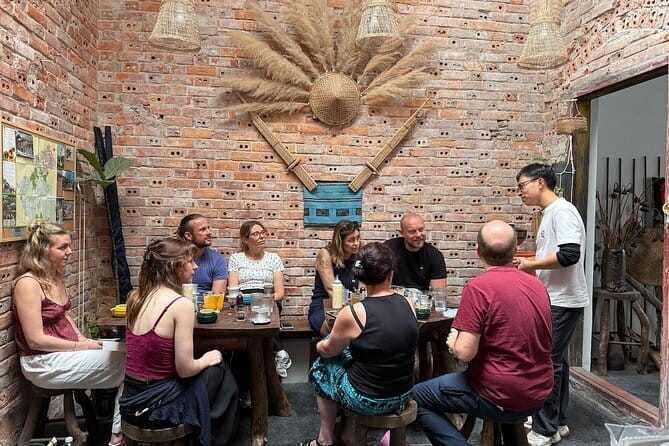
- Phin filter training: you learn the mechanics of Vietnamese drip brewing, not just the names.
- 4 to 6 coffee styles in one session: black, brown, egg, white, coconut, and salt coffee.
- Condensed-milk flavor logic: you see how sweetness changes the same coffee base.
- Custard-like egg coffee and two less-common drinks: coconut and salt coffee.
- Latte art basics: you’ll try simple designs on top, not just stir-and-hope.
- Small group size: max 15 people, which usually means more hands-on time.
Getting to GẠO CAFE and what the 2-hour format means for you
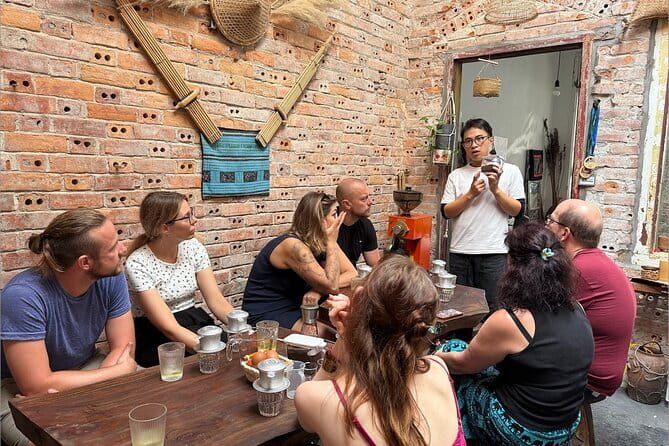
This workshop starts at GẠO CAFE, 10 P. Chợ Gạo, Hàng Buồm, Hoàn Kiếm, Hanoi. It ends back at the same spot, so you can build it into a day without a lot of extra logistics. You’ll need to plan for about 2 hours (approx.), which is a sweet spot: long enough to make several drinks, short enough that you won’t feel like your whole afternoon disappeared.
The setting is cafe-based and mobile-ticket friendly, and it runs with an English-speaking instructor. A small group limit of 15 travelers matters more than it sounds. With less crowding, you get clearer instruction while you’re assembling the phin, pouring at the right moments, and tasting the results without waiting forever.
Also, the class is designed to be approachable for all ages, which tells you it’s not a lab course. It’s hands-on, social, and built around making and tasting the drinks you actually came to learn.
A few more Hanoi tours and experiences worth a look

Vietnamese coffee basics you’ll use right away: robusta to arabica
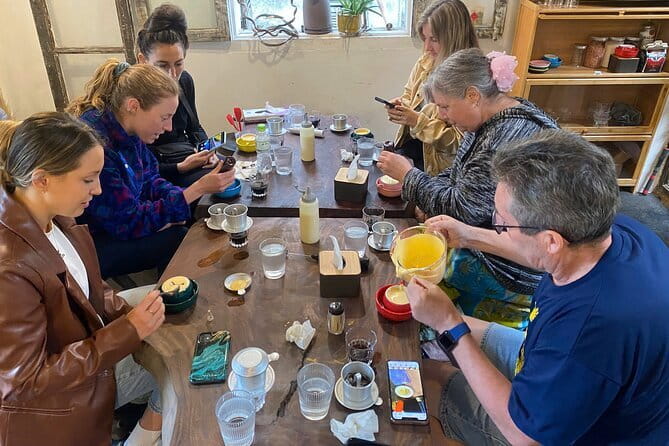
Before you start brewing, you get an intro to where Vietnamese coffee comes from and what makes it different. The big takeaway is understanding the beans behind the flavors—especially the contrast between robusta and arabica.
Why that matters: many famous Vietnamese drinks start from a strong, concentrated base. Robust puts bold bitterness on the table, while arabica tends to taste more delicate. When you know that, the rest of the class makes sense. Sweetened versions aren’t magic; they’re built by combining a strong base with condensed milk, milk foam, coconut milk, or other additions.
This matters for value too. If you can explain your own results, you’re more likely to repeat them later. The goal isn’t just collecting recipes—it’s learning how to control taste.
Black coffee and the phin filter: learning the strength behind the style
The core technique is Vietnamese phin brewing. This is a small metal drip filter that steeps and drips coffee in a concentrated way, which is why Vietnamese black coffee often tastes stronger than what many people expect from drip coffee back home.
During the workshop, you’ll practice the phin method so you’re not guessing at grind size, packing, and timing. You’ll also get a clear sense of how the finished cup builds flavor: thick aroma first, concentrated taste next, and bitterness that shows up fast if your process is off by even a little.
If you’re a first-timer, black coffee is a useful anchor. It gives you the baseline for everything that follows. When you later add condensed milk or foam, you’ll taste the change instead of wondering what happened.
Brown coffee with condensed milk: why sweetness feels different here
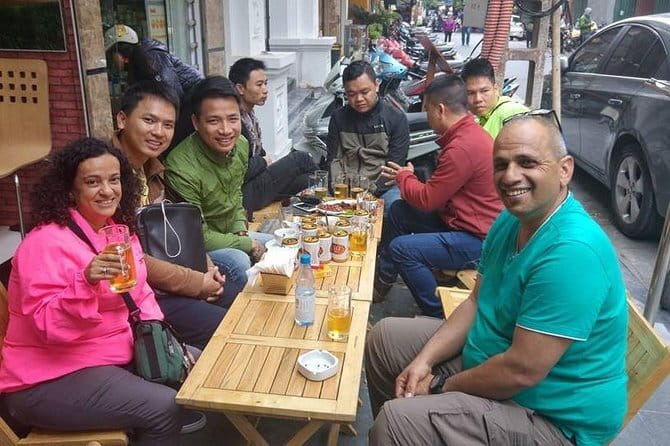
Next up is brown coffee, one of the most popular variations in Vietnam. The key idea is simple: condensed milk creates a creamy, sweet counterpoint to the coffee’s strong and bitter character.
What I like about learning this style is the cause-and-effect. You’re tasting how sweetness and creaminess reshape bitterness rather than masking it. If you’ve ever had sweet coffee that felt like it was just hiding flavors, you’ll probably notice a difference here. The condensed milk doesn’t erase the coffee; it balances it.
This is also a useful skill for home brewing. Once you understand brown coffee’s structure, you can adjust sweetness to your own level. That flexibility comes up again later when you’re encouraged to tailor the coffees to your taste.
Egg coffee: the custard-like drink that people remember
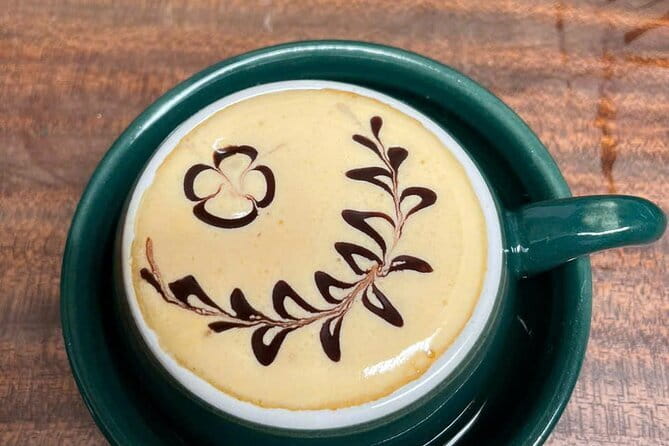
Then comes the one that always gets people curious: egg coffee. It’s described as creamy and dessert-like, with a custard texture that blends with the bitterness of robusta coffee.
What makes this worth your attention is technique and balance. Egg coffee isn’t just about sweetness. The “custard” feel means the drink lands smoother on your palate, even when the coffee base remains bold.
You’ll likely find that egg coffee turns coffee from a beverage into a small dessert. And yes, it’s a memorable way to experience Vietnamese coffee culture because it explains how locals turned strong coffee ingredients into something richer and more indulgent.
A few more Hanoi tours and experiences worth a look




White coffee: a middle road between bold and sweet
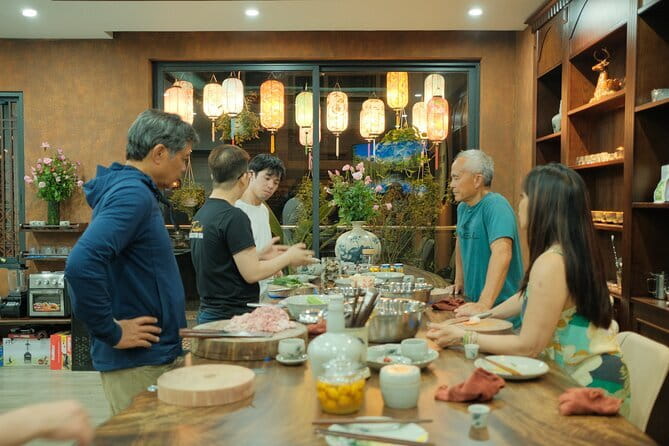
White coffee in Vietnam isn’t the same as what many Western menus call “white coffee.” Here, the workshop frames it as a balance between robusta’s bold bitterness and condensed milk sweetness.
This makes white coffee a smart choice if you want Vietnamese flavors without going all-in on bitterness. It also helps you understand the role of condensed milk beyond just “make it sweet.” It’s creating a specific balance where bitterness remains but feels controlled.
If you like the idea of coffee with dessert-like softness but want a less heavy finish than egg coffee, white coffee is often a strong match.
Coconut and salt coffee: two flavors you might not expect
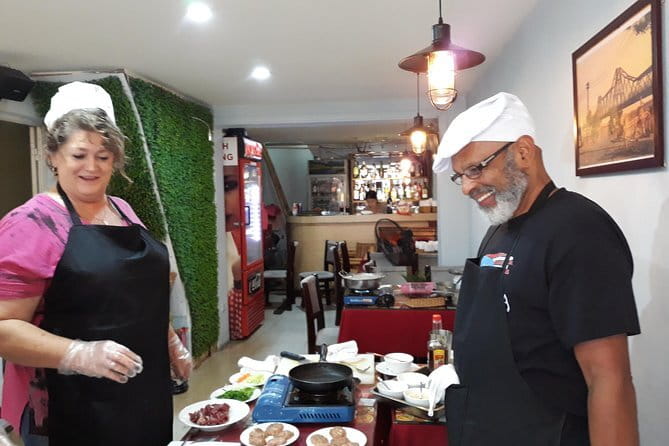
Two of the more interesting styles on the list are coconut coffee and salt coffee. Together, they show how Vietnamese coffee goes beyond just coffee + condensed milk.
Coconut coffee
Coconut coffee blends strong black coffee with creamy coconut milk. The result is a more tropical profile while keeping that Vietnamese coffee punch. It’s refreshing, and it changes how the coffee aroma reads in your cup. If you tend to like coconut flavors in general, this is an easy one to get excited about.
Salt coffee
Salt coffee is described as a rising star. It combines sea salt with milk foam and coffee for a mix that’s sweet, salty, and bitter in harmony.
The practical value here is that salt is not usually something people think of in coffee. Learning it in a structured workshop helps you taste the difference instead of just hearing about it. Salt can sharpen flavor and make sweetness feel more defined. In the class setting, you’ll be able to compare it side-by-side with the other styles, which makes the oddness turn into understanding.
Latte art and simple designs: your cup gets a makeover
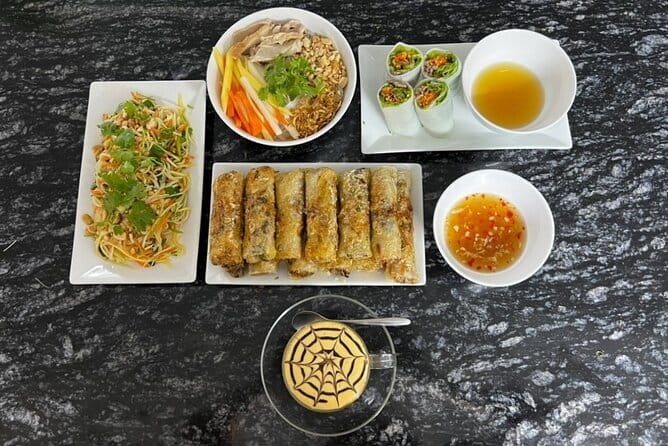
The overview also includes latte art practice. Some reviews note learning simple designs on coffee, with instructors helping adjust coffees to match personal preferences.
You don’t need to be artistic for this part. Treat it like a skill sprint. The goal is to learn how to pour and how foam texture affects what you can draw. Even if your first attempt isn’t perfect, the fun is in watching how small changes change the pattern.
And it’s a nice way to finish the class because you’re not only learning flavor—you’re learning presentation too.
Your personalized finale: turning recipes into a drink you’ll repeat
At the end, you craft a personalized coffee creation to enjoy. That final step is more than a souvenir moment. It forces you to apply what you learned about balance: coffee strength, sweetness from condensed milk, creaminess from egg or coconut, and the flavor-shaping roles of salt and foam.
This is where the class starts to pay off for real life. When you leave with recipes for each type, you’re not stuck copying someone else’s taste. You can use the structure and then modify it.
In the workshops, instructors also help you adjust coffees to your taste. That’s a big deal if you’re sensitive to bitterness or you prefer sweetness toned down.
Instructors, language, and why you’ll likely enjoy the vibe
The workshop is led by English-speaking instructors, and the name Dat shows up in multiple accounts, with others like Devin, Claire, Ashley, and David also mentioned as instructors. Since language clarity is part of the offering, you should feel comfortable asking questions during the process.
The best part isn’t just that someone can explain. It’s that the instructors connect coffee with Vietnamese context—how it fits into the culture—while still keeping the class moving. If you like travel that teaches you something you can actually do later, this hits that sweet spot.
And because the class includes tastings of multiple styles—often 4 to 6—you’re not gambling on one drink. You’ll get enough variety to find a favorite even if you’re picky.
Price and value: why $17.73 can be fair for what you get
At $17.73 per person for about 2 hours, this workshop looks budget-friendly when you consider what’s included. You get:
- ingredients for making the coffees
- recipes for each type you make
- an English-speaking instructor
- multiple drinks through tasting and hands-on brewing
You’re essentially paying for guided practice plus take-home instructions. Many coffee tastings charge for sipping only, with no real method included. Here, you learn how the phin works and how Vietnamese milk-and-coffee combinations create the signature flavors.
Also, group size helps. With a maximum of 15, the class is more likely to stay hands-on, which is what you want for value.
Who should book this Hanoi coffee workshop
This works especially well if you:
- love coffee and want to learn Vietnamese methods, not just try a cup
- want a fun couples or friends activity with clear steps and lots of tasting
- like hands-on travel where you leave with recipes you can use at home
- enjoy learning food history and context along the way
- want an all-ages activity that doesn’t require long travel or intense hiking
If you’re only interested in a single classic coffee and you hate experimenting, you might find that six styles is more than you need. But if you like tasting and comparing, this is a strong use of time.
Quick practical tips before you go
A few small things can make the workshop smoother:
- Show up on time so you get full practice on each style and tasting.
- Expect multiple coffee drinks; plan it for a time when you can enjoy them.
- If you’re sensitive to bitterness, tell your instructor early so they can help you balance recipes to your taste.
- Have your mobile ticket ready when you arrive at GẠO CAFE.
Should you book this Hanoi coffee workshop?
I think you should book it if you want a hands-on Hanoi activity with real payoffs: a method you can repeat (phin brewing), a lineup of 4 to 6 Vietnamese styles, and recipes you’ll actually use. The price is also hard to argue with given the ingredient and instruction package.
Skip it only if you already know you won’t like trying milk-heavy or custard-like coffee styles, or if you can’t handle the possibility of a weather-related reschedule.
If you’re in Hanoi and you want a memorable coffee lesson that feels practical—not just performative—this is a great bet.
FAQ
How much does the Hanoi Coffee Workshop cost?
The price is $17.73 per person.
How long is the workshop?
It lasts about 2 hours.
How many types of Vietnamese coffee will I make?
You’ll make four to six distinct coffee styles during the workshop.
What coffee styles are included?
The styles listed include black, brown, egg, white, coconut, and salt coffee.
Is there an English-speaking instructor?
Yes. The workshop includes an English-speaking instructor.
Where is the meeting point?
The start point is GẠO CAFE, 10 P. Chợ Gạo, Hàng Buồm, Hoàn Kiếm, Hanoi, Vietnam, and it ends back there.
What’s included in the price, and what’s not?
Included: ingredients for making coffee, recipes for each type, and an English-speaking instructor. Not included: additional food or drink, personal expenses, and tips.
What if I need to cancel or the weather is bad?
You can cancel for a full refund up to 24 hours in advance. The experience requires good weather, so if it’s canceled due to poor weather, you’ll be offered a different date or a full refund.