REVIEW · CAN THO
floating market boat trip everyday
Book on GetYourGuide →Operated by TPN EDUCATION INVESTMENT AND DEVELOPMENT CORPORATION · Bookable on GetYourGuide
Waking up before sunrise pays off fast on the Mekong. This Cai Rang floating market boat trip is built around the real morning scene—wooden boat, river light, and the way life runs on the water at first light. I love how close you get to the action without fighting for a spot on shore, and I love the hands-on rice noodle workshop that turns the whole market into something you can taste and understand.
The only real drawback is the early start. Plan on a very early pickup (the trip is described around 5:30 a.m, and some departures can mean waking closer to 4:00 a.m depending on where you’re staying).
In This Review
- Key things to know before you go
- Entering Cai Rang Floating Market at Dawn: the part you’ll remember
- What you’ll see on the river (and what it means)
- A very “real life” detail: the sellers’ bamboo display
- Coffee on the water
- From the boats to the people: how the market actually works
- Seasonal note: fish jumping and rainy season action
- Rice noodle workshop and shaking soup: turning sights into flavor
- Shaking rice noodle soup on the boat
- Green tea and extra snacks
- What to pay attention to
- Small canal cruise: nature sounds, slow speed, and real scenery
- Walking into village life (with guided context)
- Fruit garden and cocoa/chocolate with an old tool
- Tasting is the point
- Timing, pickup, duration, and how to make the morning easier
- Pickup details: what’s included, what might cost extra
- What to bring
- English guidance and private-group feel: value in the details
- Price and value (what you should actually consider)
- Who this trip is best for
- Should you book this Mekong Delta floating market boat trip?
- FAQ
- What time does the floating market trip start?
- How long is the boat trip?
- Where is pickup available?
- What’s included in the tour food and drinks?
- Do I need to speak Vietnamese?
- Is the tour wheelchair accessible?
Key things to know before you go
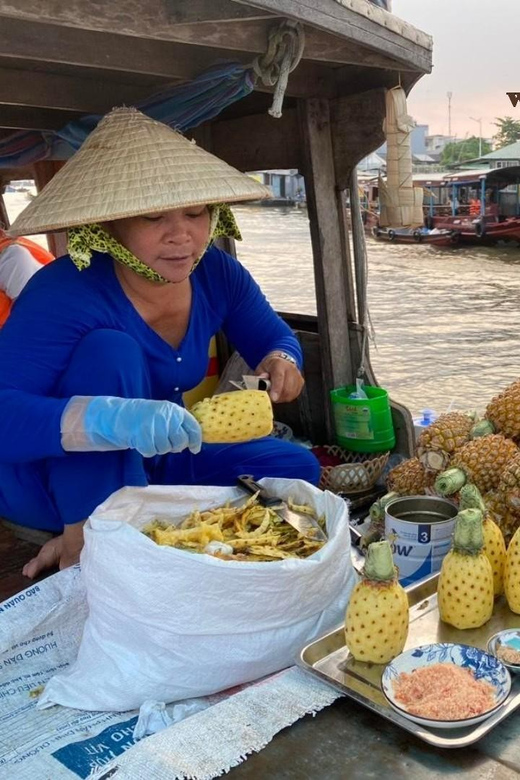
- Real Cai Rang at dawn: you’re on the water when the market is getting going, not after it settles down
- How sellers display food: long bamboo and goods lifted overhead so you can skim and point
- Shaking rice noodle soup on the boat: included food that matches the river setting
- Hands-on rice noodle steps: old family methods, much of it done by hand
- Small canal wildlife time: slow cruising past coconut palms, with ducks and fish activity depending on season
- Village-style tastings: fruit picking, plus a cocoa garden and chocolate-making with an old tool
Entering Cai Rang Floating Market at Dawn: the part you’ll remember
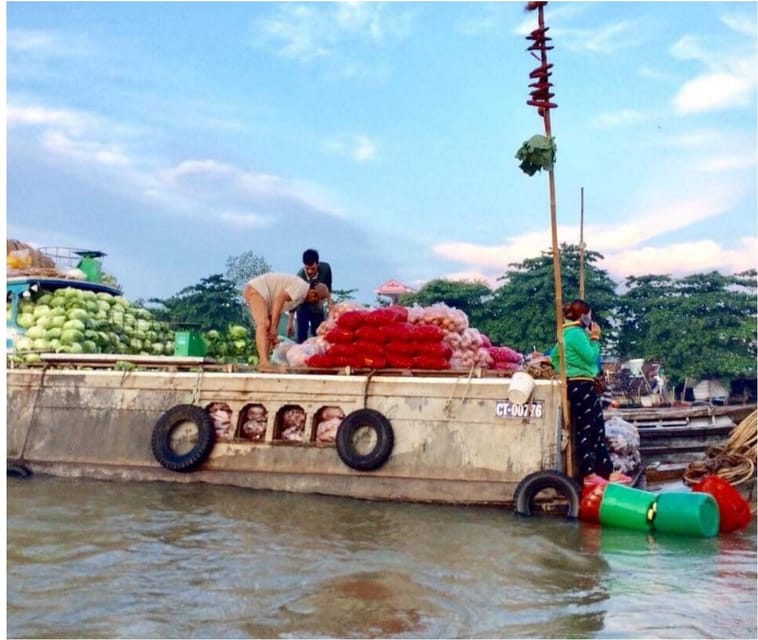
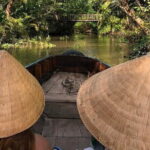
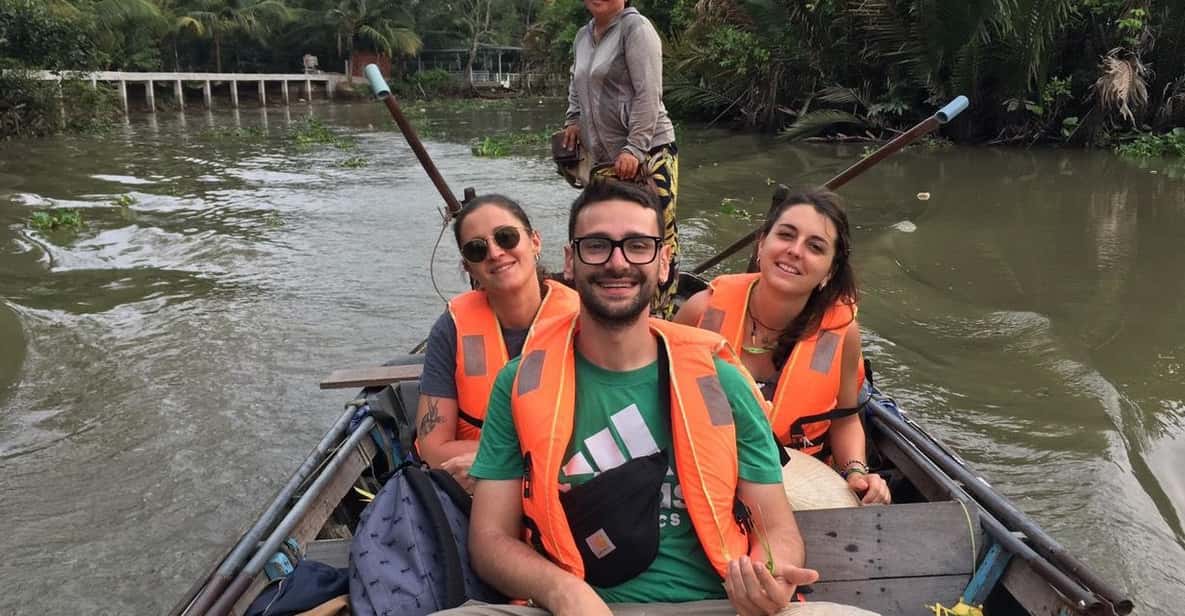
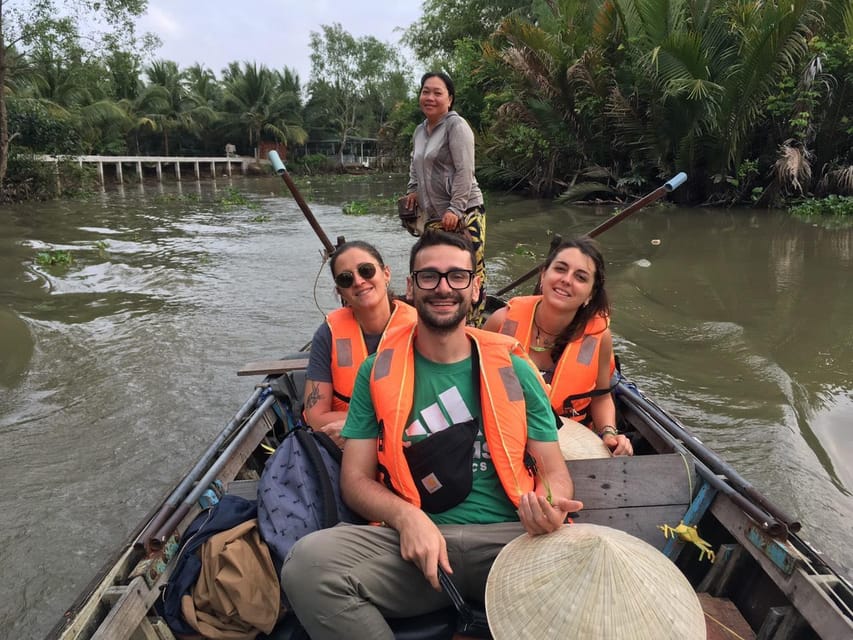
This trip is all about timing. Cai Rang looks different at sunrise than it does later in the morning. Early on, you get that mix of soft light, early boat traffic, and sellers focused on getting product arranged and moved. The boat ride is on a wooden boat, so it feels grounded and local rather than like a “tourized” cruise.
If you’re the type of traveler who likes to see how people actually work, you’ll appreciate the way the guide sets the scene—why the floating market starts so early, and what you’re watching as boats arrive. And if you’re just in it for the photos, the dawn colors and the layered river activity make it easy to get good shots without needing a drone or a long lens.
You can also read our reviews of more boat tours in Can Tho
What you’ll see on the river (and what it means)
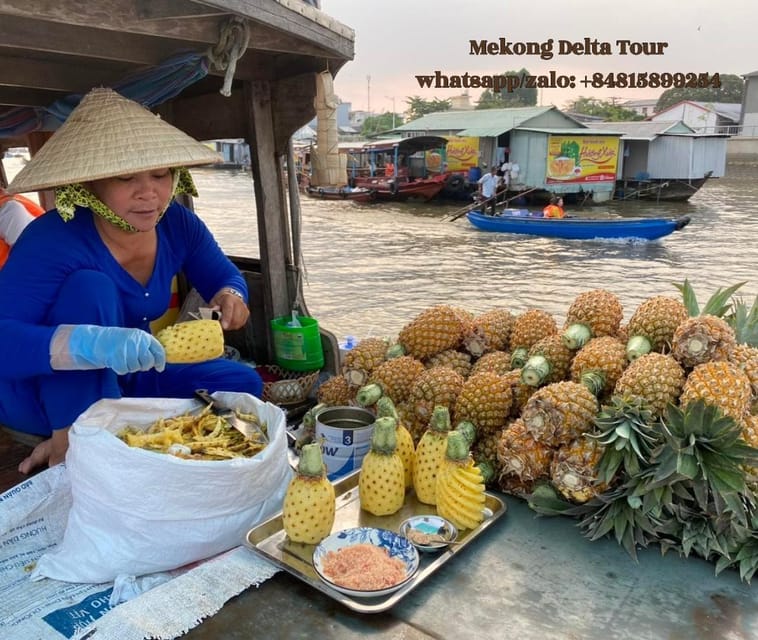
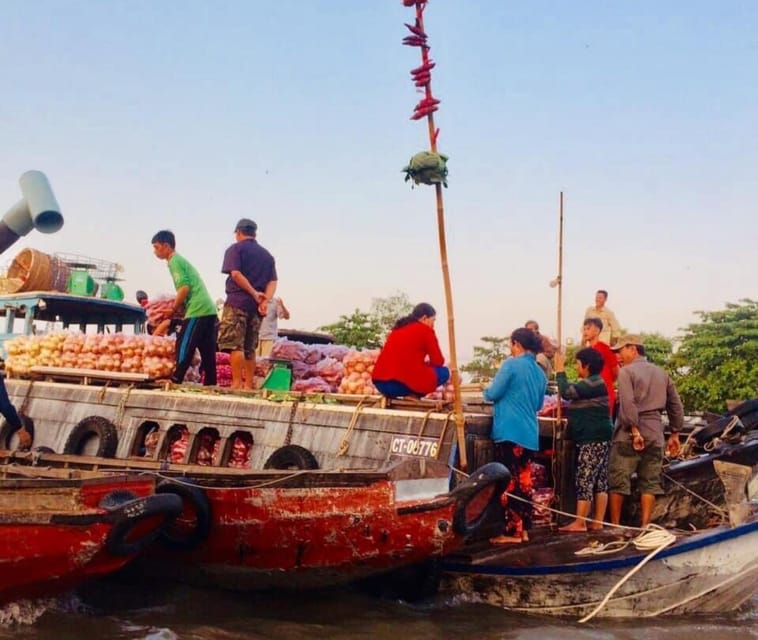
Cai Rang is a wholesale-style market on the waterways. You’ll see lots of agricultural goods stacked and offered from boats—items like mango, watermelon, turnip, pineapple, jackfruit, sweet potato, yam, pumpkin, cabbage, tomatoes, carrots, and water chestnut, depending on the season. That “depending” part matters. The Mekong changes what’s available by month, and that’s half the point of going in the morning: you’re seeing that day’s working rhythm.
You’ll also notice something that’s easy to miss if you only look at pictures: the floating market isn’t one single event. It’s hundreds of small decisions—how sellers arrange items, how customers compare prices quickly, and how everything stays moving. You can feel that energy on the boat, even when you’re just sitting and watching.
A very “real life” detail: the sellers’ bamboo display
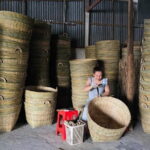
One of my favorite practical things about the market setup is how sellers show what they have. They set up long bamboo in front of the boat and hang their goods up top. Customers can skim their eyes across the bamboo and pick what they want right there from the river level. It’s simple, fast, and it makes the whole market feel like a working system instead of a performance.
Coffee on the water
You can also drink coffee right from the boat with a reasonable price (the trip info notes about half a dollar per cup). This is one of those small touches that makes the morning feel complete—hot drink, river air, and the market activity all happening around you.
From the boats to the people: how the market actually works
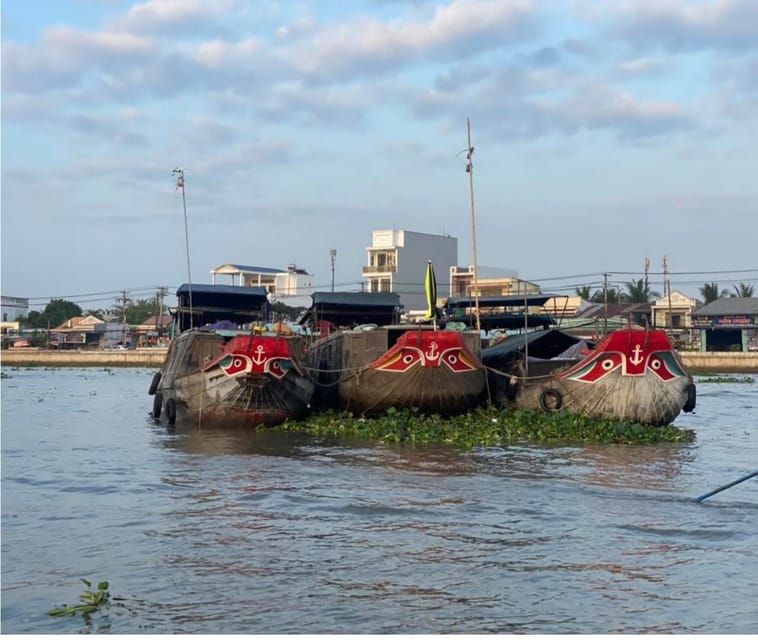
You don’t just pass by boats. You observe them up close. In the background, you’ll see how sellers and families live on their vessels. Some boats have a small sleeping/cooking area toward the back of the boat. That space can double for daily life: cooking meals, washing clothes, drying clothes, and sleeping. It’s not glamorous, but it is honest.
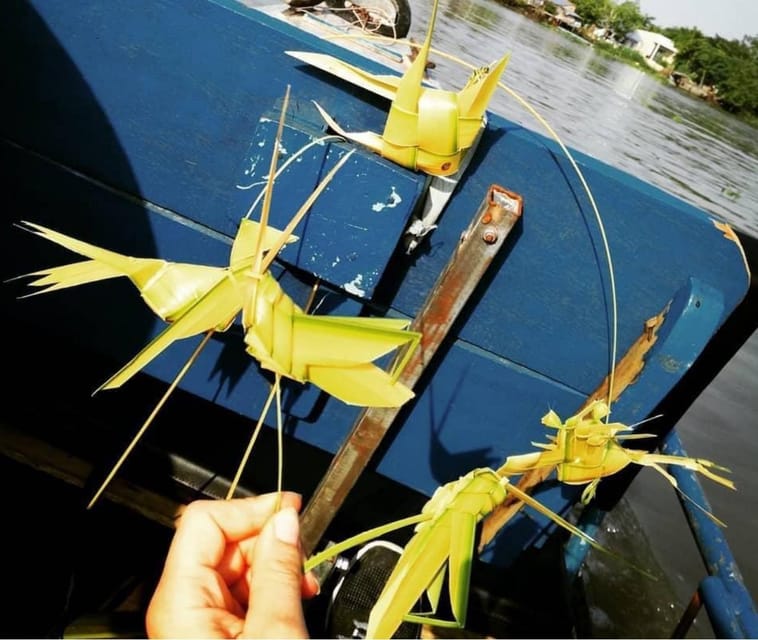
There’s also a craft side that shows up in the morning scene. The trip description includes handmade animals and flowers made from water-coconut leaf. Whether you’re interested in crafts or not, it adds another layer: people aren’t just selling produce. They’re shaping presentation with the materials around them.
You can also read our reviews of more shopping tours in Can Tho

Seasonal note: fish jumping and rainy season action
In rainy season, the trip info says you might even see fish jump into the air. If you go during another season, you might not get that exact moment—but you’ll still get lots of natural movement on the water.
Rice noodle workshop and shaking soup: turning sights into flavor
After Cai Rang, you move into food craftsmanship mode, which is where this trip does something smart. It doesn’t only show you products; it shows you the work behind them.
The first food-focused stop is a Traditional Rice Noodle Factory. The idea here is simple: many steps are done by hand, and families keep older methods alive. You’ll see how rice noodles are made, including steps described as making rice paper that’s used for noodles. This is the part where you start understanding why rice-based products taste the way they do.
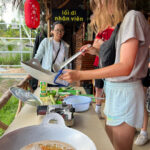
Shaking rice noodle soup on the boat
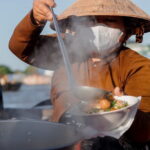
Before or around the market segment, the trip includes a signature bite: special shaking rice noodle soup on the boat on the Cai Rang floating market. For me, it’s a smart inclusion because it links the market with a specific local dish you can recognize. It also breaks up the morning so you’re not just watching—now you’re tasting what you’re surrounded by.
Green tea and extra snacks
The included menu also mentions Vietnam coffee and green tea. And at the rice noodle factory area, you can try grill banana pancake. That snack fits the rhythm of the stop: you’re learning, watching the process, then tasting something right away.
What to pay attention to
When you’re on a workshop like this, don’t only watch the hands. Listen for what your guide explains about the steps and why they matter. If you get an English-speaking guide who’s comfortable answering questions, you’ll get much more out of it than a quick photo stop. In past trips, guides like Thu and Nhu have been noted for speaking good English and walking people through the history and meaning of what you’re seeing.
Small canal cruise: nature sounds, slow speed, and real scenery
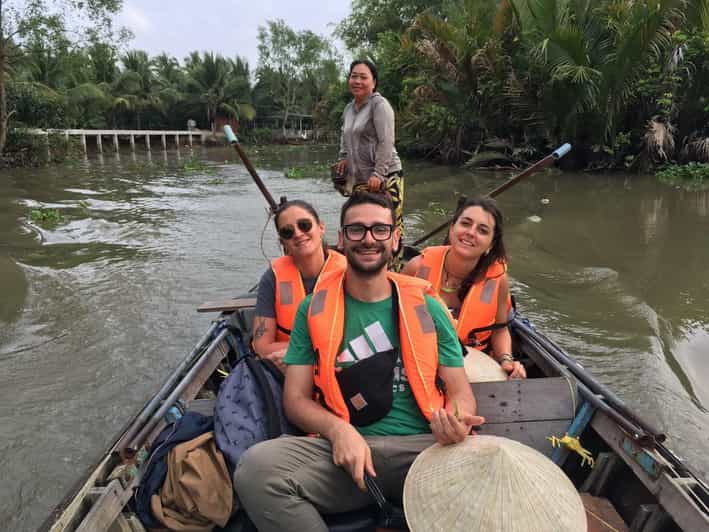
This part of the trip shifts from market energy to the “Mekong in quiet mode.” After the factory, the boat moves into the small canal system. The boat driver runs slowly through countryside waterways, and you’ll pass water-coconut growing along both sides.
This is where you can start to notice the ecosystem you’re traveling through. You might spot ducks swimming and foraging on the river, and you’ll often see the kind of bird-and-water movement that’s hard to catch if you’re only doing city sightseeing.
Walking into village life (with guided context)
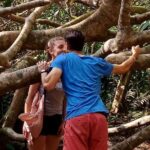
The trip includes a stop where visitors walk in a peaceful village area. Here, the guide shows things like how bananas grow, how to distinguish herbs and trees by smell, and fruit moments such as tasting bilimbi star-fruit. You may also learn about honey directly from flower and get some time for rice field browsing, water-lily views, and crossing foot-on monkey-bridge.
These stops are short, but they add texture. They’re not just “look at the scenery.” They’re “watch how people live, eat, and use plants.”
Fruit garden and cocoa/chocolate with an old tool
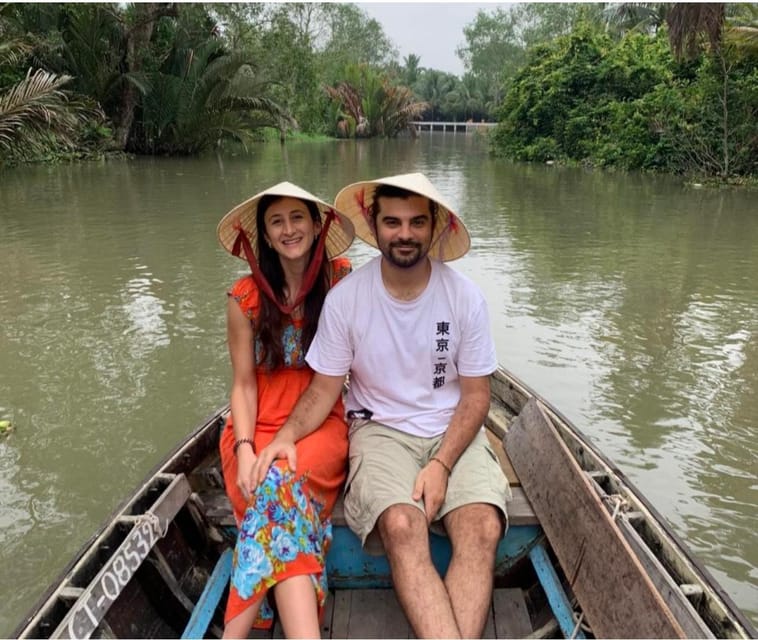
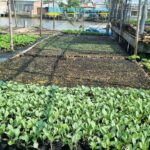
The highlights specifically mention a fruit garden experience where you learn how to create new plants and then pick fruit to enjoy under the shade. That kind of activity helps you move from spectator to participant. Even if you don’t consider yourself a “garden person,” it’s a memorable way to experience the Delta as a place that grows food every day, not as a backdrop.
The trip also includes a cocoa garden visit, including the secret of making chocolate by an ancient tool. I like this because it adds variety to the morning plan. You go from river produce to processing food by hand, then to chocolate making—three different food stories in one compact outing.
Tasting is the point
If you enjoy trying flavors where they’re made—fruit picked on site, ingredients explained by your guide, and food served in context—you’ll get a lot out of these stops. If you’d rather keep the day light and only see the most famous sights, you might find the amount of “hands-on” activity tiring. But the upside is that it feels real and agricultural, not staged.
Timing, pickup, duration, and how to make the morning easier
This experience runs for about 4 hours, timed around dawn. Exact start times depend on availability, and pickup options are broad across Can Tho—many hotels and hostels, plus locations like bus stations and parking areas appear in the pickup map.
One thing to plan carefully: wake-up time. The trip description points to pickup around 5:30 a.m, while reviews also mention waking up around 4:00 a.m being worth it. That spread usually comes from where you’re staying and which starting time you get.
Pickup details: what’s included, what might cost extra
Pickup is listed as included, and the guide contacts you before pick-up time via WhatsApp/Zalo/Viber. However, the info also notes that free pickup isn’t included for guests in Ninh Kieu District, Can Tho City, and other areas may have a picking fee. So it’s smart to confirm pickup terms with your operator after booking—especially if you’re staying outside the central hotel zone.
What to bring
Bring sunglasses and a sun hat. If you’re even mildly sensitive to morning sun on the water, those two items make a big difference.
English guidance and private-group feel: value in the details
This tour runs with a live guide in English (and also French/Vietnamese). An audio guide in English is included too. Most importantly, the guide rides with you through the key stages so you’re not stuck translating your own way through the market.
The format can be a private group. That matters because Cai Rang can get chaotic if you’re moving independently. With a guide, you know where to look and when to shift from market viewing to workshop viewing to canal cruising.
Price and value (what you should actually consider)
The price is listed as $80 per group up to 2. For a 4-hour morning trip that includes boat time, guide, market food like shaking rice noodle soup, plus several structured stops (factory, canal, village walk, fruit, and cocoa/chocolate highlights), it often works out as solid value—especially if you’re comparing it to multiple separate taxi rides plus market entry and food.
If you’re solo, the per-person cost can feel higher depending on your group-size setup. If you’re two people traveling together, it tends to be the sweet spot.
Who this trip is best for
- You want a morning in the Mekong that feels hands-on and food-focused
- You like guides who answer questions and keep the story straight (names like Thu and Nhu have been mentioned for strong English)
- You’re okay with an early start for a real dawn market experience
Should you book this Mekong Delta floating market boat trip?
If you’re choosing between a “quick photo” floating market stop and a longer, structured morning with food and nature, I’d pick this style. The combination of dawn Cai Rang, a rice noodle workshop, and the quieter canal/village pieces gives you variety without feeling like you’re running around all day.
Book it if:
- you can handle very early wake-up times
- you want to taste and learn, not only watch
- you’re traveling with one other person and can make the per-group price work
Skip it if:
- early mornings are a deal-breaker
- you only care about the market itself and would rather spend your time elsewhere after sunrise
If you do book, send your pickup contact info promptly for the WhatsApp/Zalo/Viber check, and pack that hat and sunglasses the night before. You’ll thank yourself when the boat hits dawn light.
FAQ
What time does the floating market trip start?
The trip is scheduled around dawn. The description notes an early start around 5:30 a.m, and some departures may require waking closer to 4:00 a.m depending on your pickup time.
How long is the boat trip?
The duration is about 4 hours.
Where is pickup available?
Pickup is offered from many hotels and locations around Can Tho, and the guide contacts you before pick-up time via WhatsApp/Zalo/Viber. Free pickup isn’t included for guests in Ninh Kieu District, and other areas may involve a picking fee.
What’s included in the tour food and drinks?
You can enjoy shaking rice noodle soup on the boat at Cai Rang, plus Vietnam coffee and green tea. The rice noodle factory area also includes an opportunity to try grill banana pancake.
Do I need to speak Vietnamese?
No. The guide provides live support in English (with other language options like French and Vietnamese), and an English audio guide is included.
Is the tour wheelchair accessible?
Wheelchair accessibility is listed as available for this activity.