REVIEW · HOI AN
Farming with the Local Famers
Book on Viator →Operated by Tra Que Water Wheel · Bookable on Viator
A working farm lesson, not a show. I love how this small-group visit keeps you close to real farm life at Tra Que. You get hands-on work with seaweed fertilizer and beds, not just photos from the sidelines. I also like that lunch is included, so the whole half-day (about 3 hours) feels effortless.
One thing to consider: you’ll likely get wet or muddy during the farming and water-based activities. Wear shoes and clothes you’re happy to send home a little dirtier than you arrived.
In This Review
- Key Things You’ll Notice Right Away
- Why Tra Que Herb Village Feels Different From a Typical Tour
- Getting There Smoothly: Pickup, Timing, and Group Size
- Welcome Drinks and the Village Tour Starter
- Tra Que Water Wheel: Why This First Stop Matters
- Buffalo Ride and Bamboo Basket Boat: The Day Speeds Up
- The Real Star: Farming With Local Families (Seaweed to Fertilizer)
- What “Hands-On” Actually Feels Like (So You Know What to Wear)
- Relax Time: Head-Shoulder-Foot Massage Before Lunch
- Lunch and the Village Meal: Why Included Food Changes the Value
- Price and Value: Is $40 Worth It?
- Who This Tour Is Best For (And Who Might Want Something Else)
- Practical Tips to Make Your Day Smoother
- Should You Book This Farming Day in Hoi An?
- FAQ
- How long is the Tra Que farming experience?
- What does the tour include for food?
- Is pickup from Hoi An included?
- How big is the group?
- Do I need to pack my own food?
- What kind of activities are part of the visit?
- Where does the tour begin?
- What happens if the weather is poor?
Key Things You’ll Notice Right Away
- Small group (max 15): You get space to follow instructions and actually join in.
- Welcome drinks + included lunch: You don’t waste time hunting food or snacks.
- Sea-to-garden farming: Seaweed becomes fertilizer for vegetable beds, ponds, and gardens.
- Animals and water time: Buffalo riding and bamboo basket-boat rowing change the pace fast.
- Massage before lunch: It’s a smart reset after physical farm activities.
Why Tra Que Herb Village Feels Different From a Typical Tour
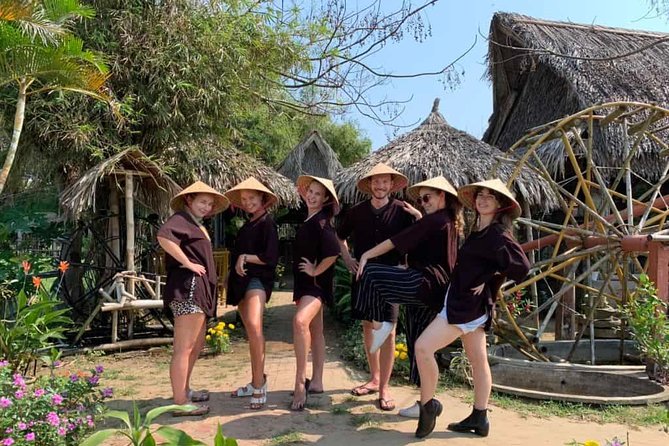
Hoi An is great at history, lanterns, and tailored clothing. This experience is different because it’s about food systems, not souvenirs. You’re on the outskirts in a working herb and vegetable village where people explain how the land and water connect.
The best part is the mix of quiet farm scenes and active participation. You’ll see ponds and gardens, then you’ll get pulled into practical work—digging, making beds, transplanting, and watering. It turns farming from an abstract idea into something you can understand with your hands.
Also, the tone is human. Guides like Spring, Xuan, Trang, and Kun are known for patient teaching and clear explanations. That matters when you’re doing hands-on tasks and don’t speak Vietnamese.
A few more Hoi An tours and experiences worth a look


Getting There Smoothly: Pickup, Timing, and Group Size
This tour runs about 3 hours and keeps the group to 15 people maximum. That small number is one reason the day feels manageable. You’re not stuck waiting behind a line of people for the next activity.
If pickup is offered for your area, take it. It saves time and removes the little stress of coordinating transport on a short visit. If you’re closer to public transportation, you may find it easier to connect too, but pickup is the simple option.
One timing detail to expect: you’ll move through several activity blocks—village tour, water-based time, farming participation, and then a traditional meal. The schedule is busy, but it’s paced with rest stops like the head-shoulder-foot massage.
Welcome Drinks and the Village Tour Starter
The day kicks off with welcome drinks. It’s a small touch, but it helps you settle in right away, especially in the heat. After that, you’ll get a guided introduction to the village and what makes it a herb-farming community.
You’ll also tour parts of the village: farms, ponds, and vegetable gardens. This is where you get your bearings. You learn how the farms are arranged and why the water features are essential for growing herbs and vegetables.
If you like learning how people live and work, this opening sets the foundation so the hands-on tasks make sense. If you just want movement, you’ll still get enough structure to enjoy the day without feeling lost.
Tra Que Water Wheel: Why This First Stop Matters
Stop 1 is the Tra Que Water Wheel, and it’s a smart place to start. Water management is a big deal in this kind of farming landscape, and seeing the water system early helps you understand what you’re about to experience.
Even without a technical lecture, a water wheel gives you a visual model: water flows, water feeds, and the fields depend on consistent irrigation. Later, when you visit ponds and work near the growing areas, the whole process clicks faster.
Think of it as the day’s “map in one object.” You can glance at how the water’s handled, then carry that understanding into each next activity.
Buffalo Ride and Bamboo Basket Boat: The Day Speeds Up
After the tour pieces, you’ll shift into activities that change the rhythm. A buffalo ride is part of the experience, and it’s one of those farm moments that feels instantly real. You’re not just watching animals—you’re riding and experiencing the countryside pace.
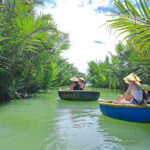
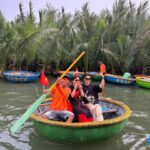
Next comes the bamboo basket boat. You’ll row through water channels tied to the farming area. This is where you’ll notice how “farm” here isn’t limited to fields. Ponds and channels are part of the working system, not side scenery.
A practical note: you’ll feel the movement—bamboo boats and riding can be bumpy. It’s not extreme, but it’s active enough that you’ll want decent balance and comfortable clothes.



The Real Star: Farming With Local Families (Seaweed to Fertilizer)
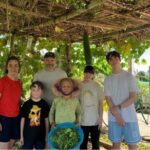
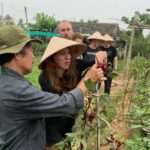
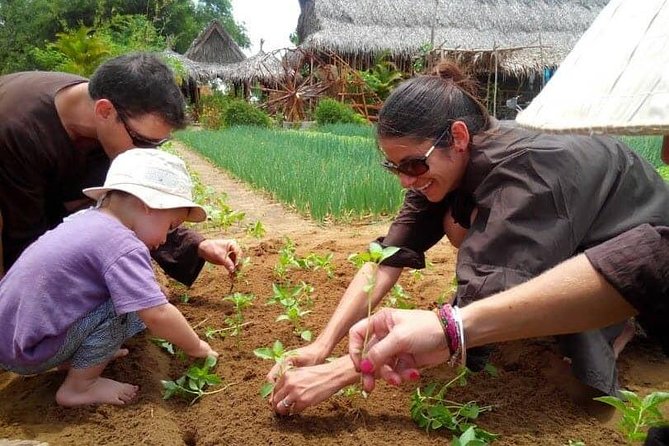
This is the heart of the tour: join in farming with local people. You’re not just standing and listening. You’ll be guided through tasks like digging, getting soil ready, making beds, transplanting vegetables, and watering.
One of the most memorable concepts is the seaweed-to-garden cycle. The village uses seaweed (collected and prepared locally) as fertilizer for vegetable growth. You’ll hear how seaweed and the surrounding water ecosystem link to what ends up on the beds.
You may also see how the village supports a mixed ecosystem: ponds with fish, plus animals like buffalo, chicken, and duck. That blend matters because it shows how the farm functions as a small system rather than separate, isolated areas.
If you’ve ever wondered where “local food” starts, this is the answer. The farm is work, and it’s organized work. It also teaches respect. When you put in a little effort—real effort—you see why farmers pay attention to timing, soil, and water.
What “Hands-On” Actually Feels Like (So You Know What to Wear)
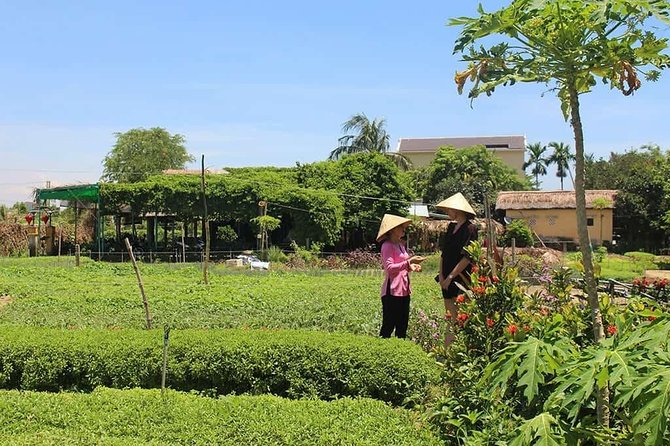
Hands-on doesn’t mean hard labor for hours. It means you get guided tasks that match the setting. You might be working near damp soil or in areas where water management affects the ground.
Because of that, plan for getting a bit wet or muddy. Wear clothes that you can wash later without guilt. If you’re wearing sandals, consider that you might prefer footwear that holds up better in wet farm areas.
Bring a change of clothes if you’re heading straight to dinner or back to town. A little preparation makes a huge difference in comfort once your day includes water and soil.
And if you travel with kids: this tends to work well because it’s structured and multi-sensory. You’re constantly switching between activities, and that keeps attention.
Relax Time: Head-Shoulder-Foot Massage Before Lunch
Right after the physical part, you get a head-shoulder-foot massage. This stop is a smart counterbalance. You’ll likely feel it most in your shoulders and lower back after the work and movement around the farms.
It’s also a culture moment. Massage isn’t treated as a spa add-on here. It feels like part of farm-day life—cooling down, resetting, and then moving into the meal.
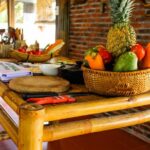
Then comes lunch, traditional and filling. This is another reason the $40 price feels fair. You’re not paying for activities and then paying again for food. The meal rounds out the experience, so you leave feeling nourished, not just entertained.
Lunch and the Village Meal: Why Included Food Changes the Value
Tour prices can feel high when you have to add lunch on top. Here, lunch is included, and that changes the math.
Beyond the savings, included food also changes the timing. You’re not scrambling around Hoi An at a random hour. Your schedule stays intact, and you can actually taste what the day is about.
The meal is a traditional-style experience after you’ve worked the land and spent time around the farm’s water systems. That order matters. It helps you connect the food to the effort behind it.
If you’re the kind of traveler who likes eating as part of culture (not just as fuel), you’ll appreciate how this tour closes the loop.
Price and Value: Is $40 Worth It?
At $40 per person, you’re paying for a lot of “included labor and access,” not just a ticket to walk around. Here’s what you’re getting for that price point:
- Transportation from Hoi An (pickup offered)
- A small-group environment (max 15)
- Multiple guided activities: village tour, water-based time, buffalo ride, farming participation
- Lunch included
- Head-shoulder-foot massage included
- A mobile ticket experience with quick confirmation
If you tried to recreate this day yourself, you’d spend time coordinating transport, finding a local guide, and piecing together the farm and water activities. You’d also struggle to find a guided setup where you can actually participate in planting tasks.
The only tradeoff is that this isn’t a long, slow farm stay. It’s a packed short visit. If you want hours of quiet observation only, you might feel rushed. If you want a hands-on sampler that teaches you fast, the value is strong.
Who This Tour Is Best For (And Who Might Want Something Else)
You’ll love this tour if you want more than sightseeing. It’s ideal for travelers who like active learning and don’t mind getting a little dirty.
It’s also a good fit for families. The activities are varied—garden work, boat time, buffalo ride, and massage—so kids and adults can stay engaged without it turning into one long lecture.
You might choose something else if you’re very sensitive to mess, struggle with basic physical tasks, or want a fully relaxing day. The farming and water components are part of the point.
Practical Tips to Make Your Day Smoother
- Wear clothes that can handle water and dirt, since farm work and boats may get you wet.
- Bring a small towel or plan to dry off before leaving the area.
- If you’re planning photos, aim for the calm farm areas rather than only the active water moments.
- Listen carefully at the start. Once you understand the seaweed-to-fertilizer concept, the rest feels easier and more meaningful.
Should You Book This Farming Day in Hoi An?
I think this is a great booking for first-timers who want an authentic, hands-on taste of how Tra Que farming works. The combination of small-group access, included lunch, and real participation makes it feel like a full experience for the price.
If you’re the kind of traveler who loves quiet culture but hates physical activities, you might find the farming participation a bit much. On the other hand, if you want to leave with new respect for how food is grown—and with a day that doesn’t feel like yet another Hoi An checklist—this is exactly the kind of outing that pays off.
FAQ
How long is the Tra Que farming experience?
It runs about 3 hours.
What does the tour include for food?
Lunch is included, and there are welcome drinks at the start.
Is pickup from Hoi An included?
Pickup is offered.
How big is the group?
The experience has a maximum of 15 travelers.
Do I need to pack my own food?
No. Lunch is included, so you don’t need to bring food.
What kind of activities are part of the visit?
You’ll visit farms, ponds, and gardens, ride in a bamboo basket boat, take part in planting vegetables with local farmers, and enjoy a buffalo ride. A head-shoulder-foot massage is also included.
Where does the tour begin?
Stop 1 is the Tra Que Water Wheel.
What happens if the weather is poor?
This experience requires good weather. If it’s canceled due to poor weather, you’ll be offered a different date or a full refund.
If you’d like, tell me your travel dates and whether you prefer early or later tours in Hoi An—I can help you decide if this fits your day plan.