REVIEW · CAN THO
Can Tho: Floating Market, Cacao & Canals with French Guide
Book on GetYourGuide →Operated by Local Mint Travel · Bookable on GetYourGuide
The morning in Can Tho starts early, but the view on the river makes it worth it. This tour pairs a French-speaking guide with a sunrise Cai Rang floating market and keeps the day moving through real Mekong life: breakfast on a boat, canals, a noodle workshop, and an organic cacao stop with tastings. Two things I especially like are the small-group feel (limited to 6) and the practical “hands-on” moments, like learning how rice becomes noodles and getting cacao drinks to try.
The main drawback is the early start. Pickup is at 5:45 AM, and you’ll be out on boats and walking, so it’s not the best choice if you hate mornings or you want a slow, late breakfast day.
In This Review
- Key things to know before you go
- Sunrise at Cái Răng: why this Mekong moment matters
- 5:45 AM pickup, 6-hour pacing, and what you’ll actually be doing
- Breakfast on board: noodle soup, bánh mì, or bánh bao plus fruit
- Sampan cruise to canals: the calmer Mekong after the market
- Rice noodle workshop: from rice to paper to noodles
- Village walk in the countryside: why it feels different from a tour stop
- Organic cacao farm: cacao milk and homemade cacao wine
- Price and value: does $34 make sense for what you get?
- Who this tour is best for (and who should skip it)
- Should you book this Mekong Delta floating market and cacao tour?
- FAQ
- What time does the tour start?
- Where do you meet and where do you get dropped off?
- What language is the guide?
- What is included in the price?
- Is breakfast included, and what type is it?
- Is the tour suitable for wheelchair users or older travelers?
Key things to know before you go
- French-speaking guide: you’ll get explanations in French, from market life to how cacao is used in products.
- Cái Răng at sunrise: the Mekong feels more local and less crowded early in the morning.
- Small group (max 6): easier questions, more attention, less waiting around.
- Boat plus canals: you’ll cover distance by sampan and see the Delta’s water-land rhythm.
- Hands-on rice noodle time: you learn the step-by-step process, and some people get to try making noodles.
- Organic cacao farm tastings: you’ll sip cacao milk and taste homemade cacao wine.
Sunrise at Cái Răng: why this Mekong moment matters
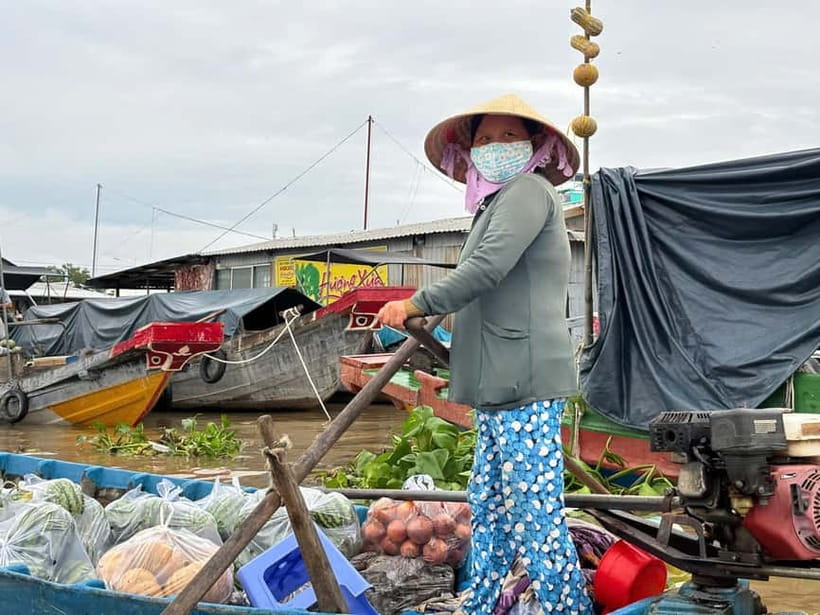
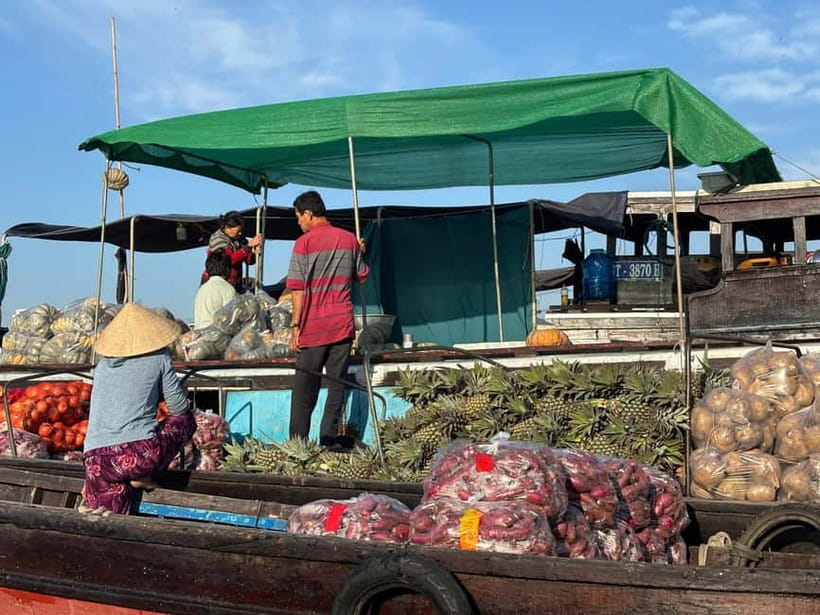
Cái Răng Floating Market is the big river show in the Can Tho area, and doing it at sunrise changes the whole vibe. Early light makes the water look gold, boats look sharper, and you get a clearer sense of how trading works when the day is just starting. You’re not just snapping photos—you get a guide-led walk through what you’re seeing and why it matters for daily life.
What I like here is that the tour doesn’t treat the market like a theme park. The market is presented as a working place: sellers, buyers, and the logistics of moving goods on the water. Then you’re quickly taken away from the busiest moment so you can shift gears from commerce to quiet canal life.
There’s also a practical upside: sunrise tours tend to beat the heat. Even with Vietnam’s morning coolness, by late morning you can feel the sun. Your day is planned so the most intense outdoor viewing happens before the weather turns heavy.
You can also read our reviews of more guided tours in Can Tho
5:45 AM pickup, 6-hour pacing, and what you’ll actually be doing
The day begins with hotel pickup in Can Tho around 5:45 AM. The meeting point is the Kim Long Hotel (9 Châu Văn Liêm, P. Tân An, Q. Ninh Kiều, Cần Thơ). Expect about 6 hours total, with the ending time around 11:30 AM, though it can shift slightly with river conditions.
This pacing is one reason the tour feels efficient. You get sunrise at the floating market, then a sequence of activities that progressively slow down: boat, workshop, village walk, and finally the cacao farm. That means you’re not stuck in one place for hours, and you’re not bouncing between stops with long, uncomfortable gaps.
One more thing: the tour is limited to 6 participants and runs with a live French guide. Based on past experiences with guides like Nick and Nhung (calm, flexible, and strong on river culture), you’re likely to get more than a script. The day can include small “extra” moments such as stops for fresh pineapple and coffee/tea on the river, which make the schedule feel less rigid.
If you don’t like early mornings, plan your night carefully. Go to bed on time and consider bringing a light layer for the boat ride.
Breakfast on board: noodle soup, bánh mì, or bánh bao plus fruit
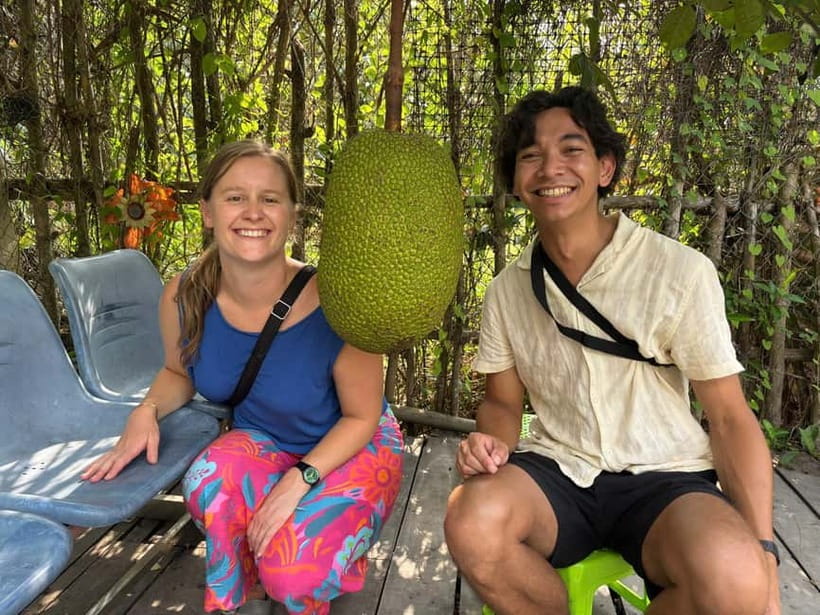
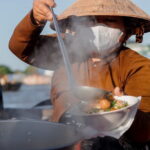
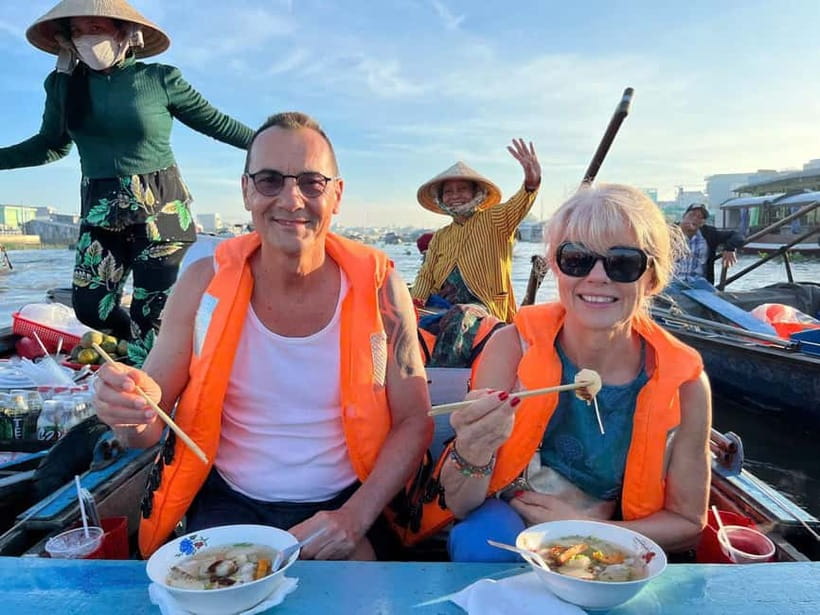
Breakfast here is simple, local, and genuinely useful. You’ll eat on the boat soon after heading out. Options include noodle soup, bánh mì, or bánh bao, and there’s a vegetarian option available. Fresh seasonal fruit also comes with the meal, plus tea and coffee served on board.
This matters more than it sounds. A sunrise floating market can make you hungry fast, and waiting until later often means missing the rhythm of the morning. Eating on the boat keeps you fed while you’re already watching the Delta wake up.
Also, you’re not eating in some isolated restaurant setting where the day stops. Food becomes part of the travel. The coffee part is especially nice on cooler mornings; it pairs well with sitting back and letting the boat glide.
If you’re picky about textures or spice, note that these are Vietnamese breakfast choices. You should be fine if you’ve handled street-food style meals before, but go in expecting flavor more than bland comfort.
Sampan cruise to canals: the calmer Mekong after the market
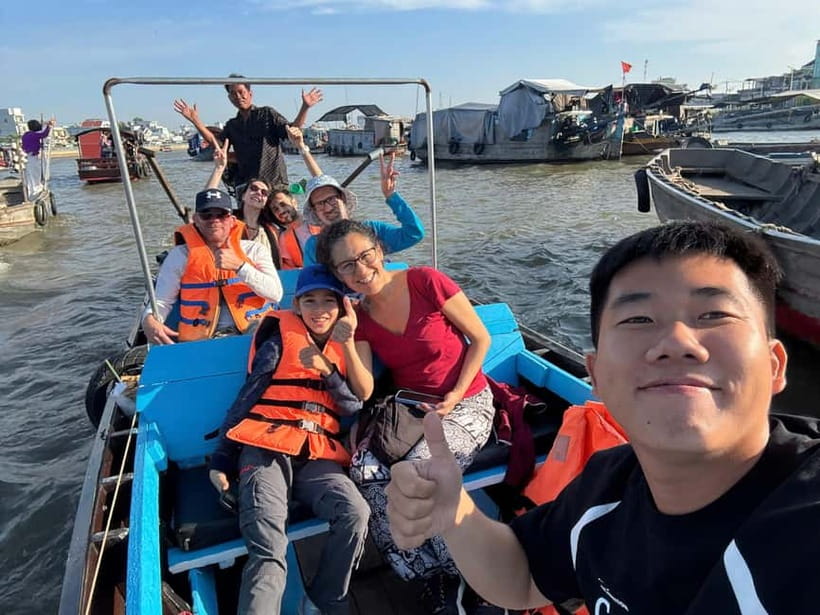
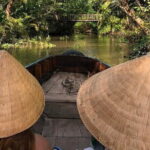
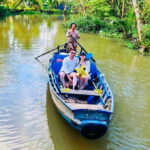
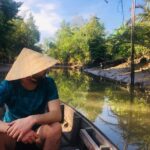
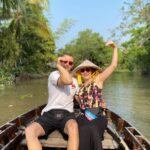
After Cái Răng, you switch from big-river motion to something slower and narrower. You’ll take a traditional boat and then move through peaceful canals, with scenery that often includes water coconut and mangrove areas. Even when you’re just sitting and looking, the canal portion gives you a sense of scale: how the Delta is made for boats, not roads.
There are also small sensory details that make this section feel authentic. You may spot fruit being handled right on the river—fresh pineapple is called out as part of the day—and the guide points out what’s practical versus what’s just pretty scenery.
If you’re the type who loves travel photos, this is where you’ll actually want fewer pictures. The canals are quieter, and you get a chance to observe boat life and river edges without the constant crowd pressure of a market.
The boat driver support matters too. You’ll be on a sampan with a local boat driver, and the day is designed to feel safe and comfortable enough that you can focus on the views and the explanations.
Rice noodle workshop: from rice to paper to noodles
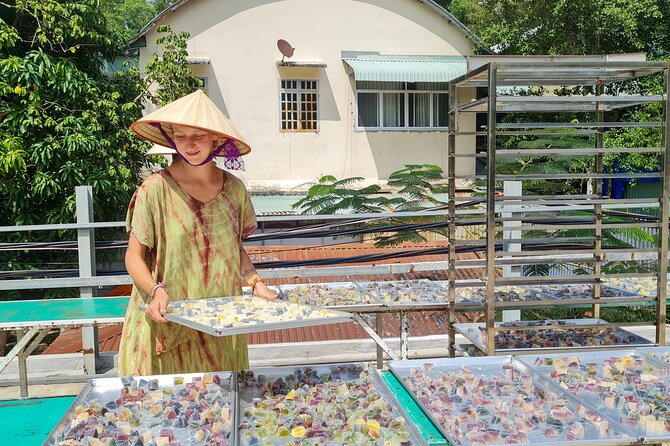
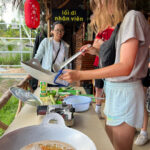
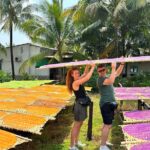
Next comes one of the best “value-per-minute” stops: the rice noodle workshop. The process is explained step by step—how locals turn rice into paper, and then into noodles—using methods passed down through generations.
This is the kind of activity that makes the Delta feel real, because it shifts from sightseeing into work and technique. You’re learning a skill rather than just looking at a product. That makes the experience stick in your head long after the boat ride ends.
Some days also include a hands-on moment where you can try making noodles yourself. Even if you only watch, you’ll still get a clear picture of the transformation process, which is useful if you later eat rice noodles and wonder how they’re made.
One small tip: this portion can involve hands-on steps and a learning environment that’s not designed like a museum. Wear clothes you’re comfortable getting a bit messy, even if you’re not doing heavy labor.
You’ll also likely pick up a better understanding of how a local staple supports daily life here—food production as a community skill, not a one-off demonstration.
You can also read our reviews of more shopping tours in Can Tho

Village walk in the countryside: why it feels different from a tour stop
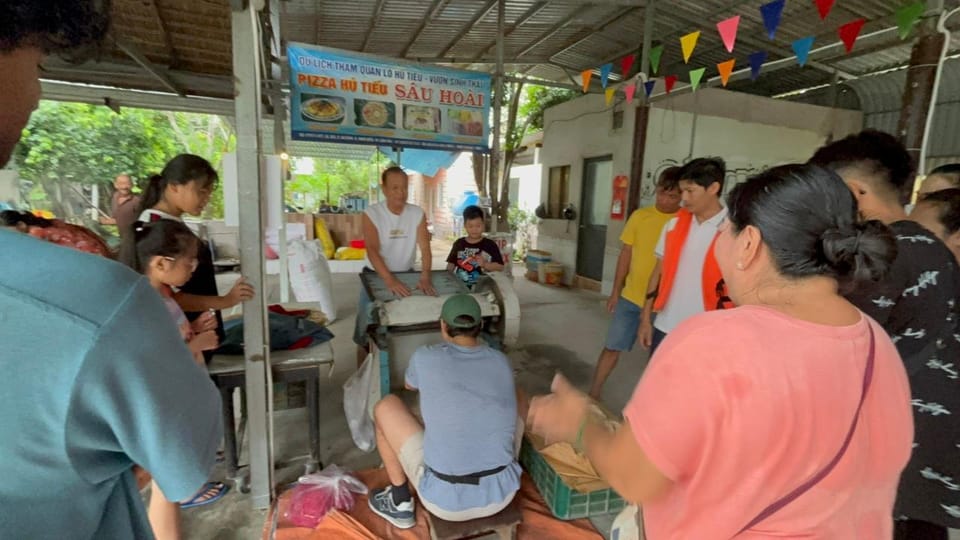
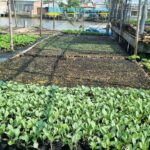
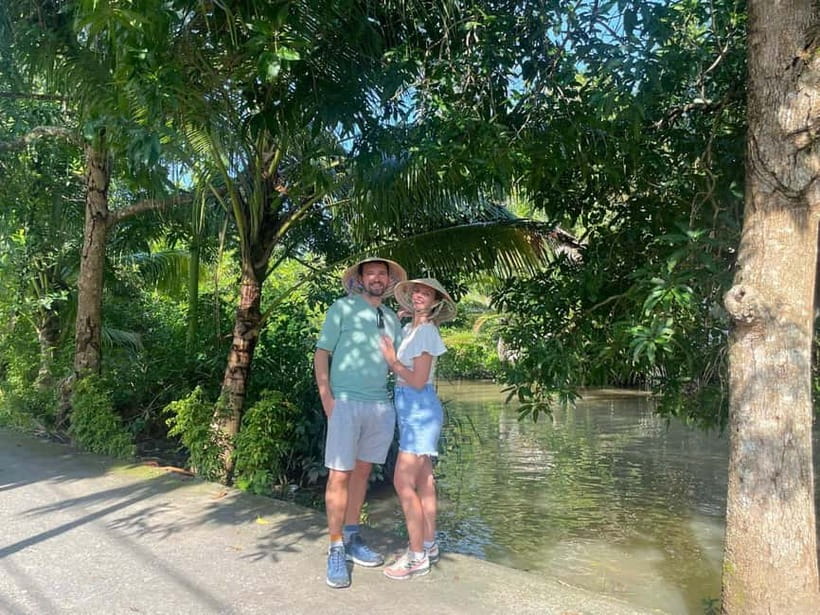
After the workshop, you step ashore for a walk through countryside villages. You’ll see traditional homes and stroll paths shaded by tropical trees. The goal isn’t to check off a list of photo spots. It’s to show you what daily life looks like when there isn’t a crowd watching.
This part works best if you keep your pace slow. Listen to the guide’s comments about what you see: the relationship between homes, water access, and agriculture. Rural Vietnam can look “simple” at first glance, but the structure is often smart and practical. The village walk is where you start noticing that.
There may also be fruit-related tastings during this segment, which fits the theme of the day: food and river culture. It’s a nice break from boat time and gives your legs a chance to stretch after sitting.
One drawback to consider: it is still a walk. You’re on uneven terrain at times, and the tour is not suitable for wheelchair users. If you have mobility issues, you’ll want to think carefully before committing.
Organic cacao farm: cacao milk and homemade cacao wine
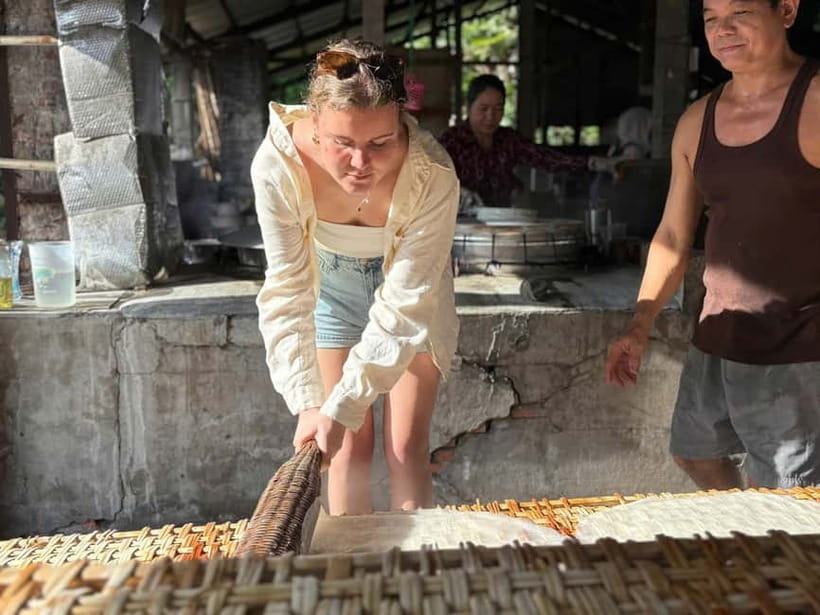
The final act is the organic cacao farm. You’ll meet the story behind Mr. Cacao, including how cacao fruit becomes products like chocolate, wine, and cosmetics. Then comes the best part: tasting.
You’re offered creamy cacao milk, and you’ll also taste homemade cacao wine. This is an enjoyable ending because it reframes cacao. Most people only know chocolate; here you get a sense of the full fruit-to-product chain.
I like that the tasting isn’t just a sales pitch. It’s tied into an explanation of how the fruit is used, so the flavors make more sense when you take a sip. Cacao milk is often the comfort drink moment of the tour, while cacao wine can surprise people who expect it to taste like regular grape wine.
This stop also balances the day well. You spent the morning on markets and river transport; now you get grounded in agriculture and a specific local business story.
Price and value: does $34 make sense for what you get?
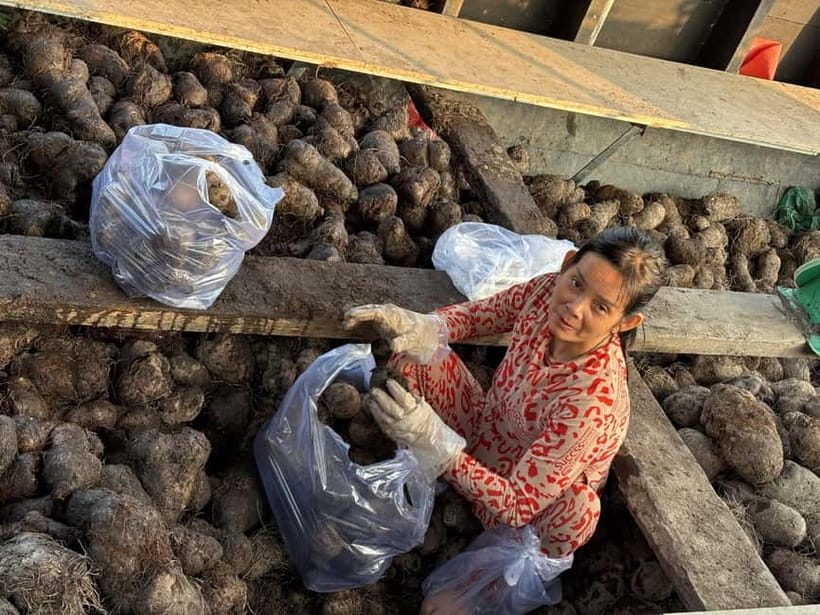
At about $34 per person, this tour can feel like a bargain—if you take advantage of what’s included. You’re getting hotel pickup and drop-off (from Kim Long Hotel), a French live guide, a sampan with a local boat driver, breakfast plus seasonal fruit, tea and coffee, and entrance fees.
What you’re not paying for is personal spending and any compulsory insurance (not included). So if you want souvenirs or extra drinks, you should budget for that.
The main “value” angle is not just the price. It’s that the day blends several different Mekong Delta experiences into one clean timeline: market, boat canals, food-making workshop, village walk, and cacao tastings. Doing all of those separately usually costs more time and often more money.
If you’re a French speaker, the value jumps again. Translation in a sunrise market and a workshop isn’t trivial, and language support can turn a nice outing into a meaningful day.
Who this tour is best for (and who should skip it)
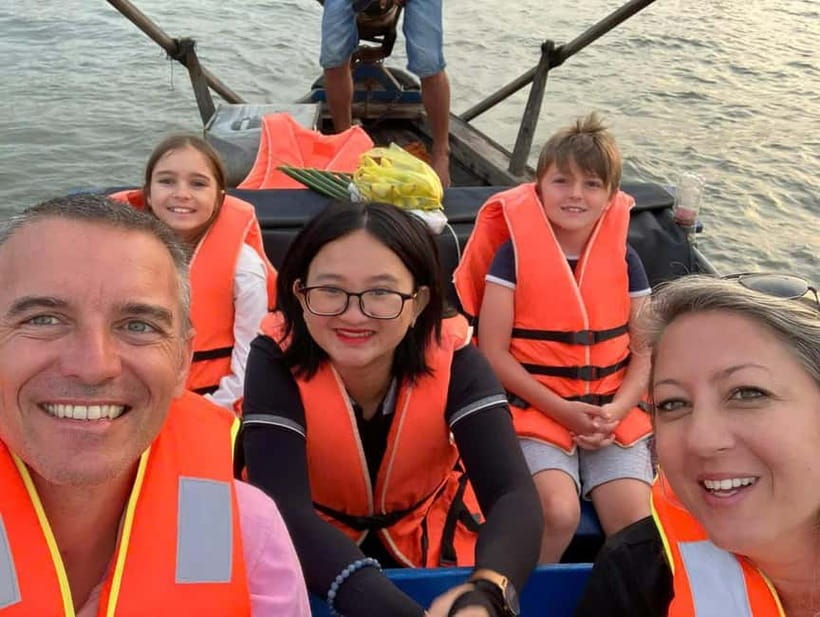
This fits you best if you want real Mekong life with context, not just pictures. It’s especially good if you enjoy food culture: rice noodles, fresh fruit, and cacao products. The French language guide is a big plus if you want explanations without the stress of a secondhand translation.
I’d also say it’s a strong choice if you like small-group travel. With a maximum group size of 6, it’s easier to ask questions and keep the day moving without long waits.
Skip it—or think twice—if you need wheelchair access. It’s not suitable for wheelchair users, and there are weight restrictions listed in the tour info. It’s also not meant for people over about 95 years of age.
Finally, if you struggle with early mornings, your body will feel it. The tour starts around 5:45 AM, so you’ll want to be ready for an active day before lunch.
Should you book this Mekong Delta floating market and cacao tour?
I’d book it if you want a morning that combines river sights with hands-on culture, and you appreciate a guide who can explain what you’re seeing in French. The sunrise timing at Cái Răng, the sequence of canals and villages, and the cacao tastings make it more than a single highlight.
I would not book it if early mornings feel like punishment, or if walking/boat time will be hard for you. Also, if you’re hoping for a slow, loungy day, this isn’t that. It’s paced, practical, and packed with meaningful stops.
If your goal is one solid day that gives you a real sense of the Mekong Delta’s food and water life, this is a very good match.
FAQ
What time does the tour start?
Pickup is around 5:45 AM in Can Tho. The tour typically ends around 11:30 AM, though timing can shift slightly due to river conditions.
Where do you meet and where do you get dropped off?
The meeting point and drop-off are listed at Kim Long Hotel in Can Tho. The itinerary also mentions possible drop-offs in Ninh Kiều, Kim Long Hotel, Phong Điền, and Cái Răng depending on the selected option.
What language is the guide?
The tour includes a live guide in French.
What is included in the price?
The price includes pickup and drop-off at Kim Long Hotel, a local guide (French), a sampan ride with a local driver, breakfast (vegetarian option available), fresh seasonal fruit, tea and coffee, and entrance fees.
Is breakfast included, and what type is it?
Yes. Breakfast is served on board and includes options such as noodle soup, bánh mì, or bánh bao, plus seasonal fruit.
Is the tour suitable for wheelchair users or older travelers?
The tour is listed as not suitable for wheelchair users. It also lists age and weight restrictions in the tour details (including not suitable for people over 95 years).