REVIEW · HOI AN
3 Hours Hoi An Countryside Bicycle Tour
Book on GetYourGuide →Operated by SUNRISE TOUR Hoi An · Bookable on GetYourGuide
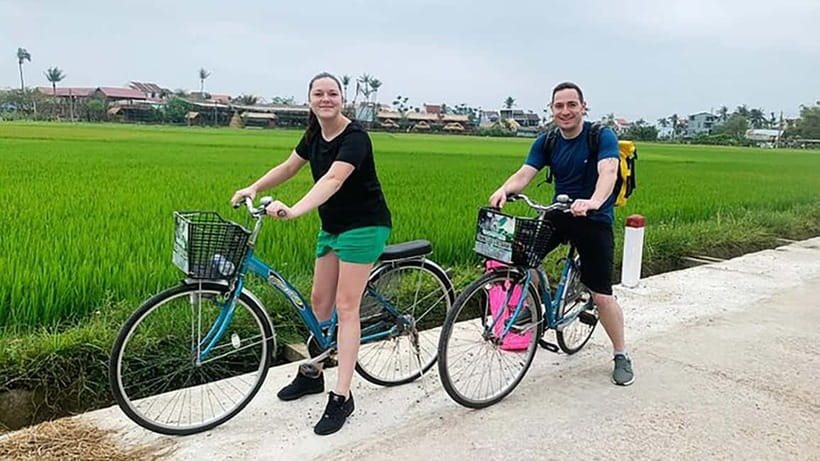
Hoi An looks different from a bicycle saddle. On this 3-hour countryside ride with Mr Quy, you get hands-on farm sights that start at Tra Que Herb Vegetable Village and end with a coffee stop that can include the salty style called coffee mui. The only real drawback: it can be hot, and you’ll be sharing rural roads with bikes, scooters, and the occasional busy stretch, so bring a hat and don’t expect an easy pedal the whole way.
I like that this tour mixes calm garden walking with real working life—rice fields, fishermen, shrimp and fish farms, and farm animals—so it feels like the Hoi An outside the tourist center. I also like the pace and the guide’s habit of slowing down for photos and explanations, which matters when you’re trying to make sense of what you’re seeing. If you can handle a basic bike ride and you’re comfortable outdoors, it’s a very fair value for the price.
In This Review
- Key things that make this ride worth your time
- Getting out of Hoi An fast (and in a useful way)
- Tra Que Herb Vegetable Village: where your camera actually earns its keep
- Rice fields, fishermen, and the animals that make rural Vietnam feel real
- Drift Wood village: seeing craft as a process, not just a souvenir
- War Memorial + a pagoda stop: context you might not get on pure beach days
- The coffee break: why it’s more than a sugary finish
- Price and value: why $35 can actually be fair in Hoi An
- What to bring (so the heat doesn’t ruin the day)
- Who this tour suits best
- Should you book this 3-hour Hoi An countryside bicycle tour?
- FAQ
- How long is the 3 Hours Hoi An Countryside Bicycle Tour?
- Is hotel pickup and drop-off included?
- What does the tour include for bike gear?
- Do I get an English-speaking guide?
- Are village tickets included?
- Is coffee included?
- What should I bring with me?
- Is the tour suitable for kids?
- Do I need to be able to ride a bike?
- Is smoking allowed during the tour?
- What if I need to cancel?
Key things that make this ride worth your time
- Tra Que Herb Vegetable Village walk through an organic herb garden with camera-ready greens
- Farm life on rural roads: rice fields, friendly farmers, and fishermen working the river
- Animals you actually see close up: buffalos, cows, ducks, chickens, and birds near the fields
- Drift Wood village craft stop to watch traditional wood carving and talk local trade
- Culture beyond the countryside: War Memorial story stop plus a photo walk at a pagoda
- Coffee break that feels local: Vietnamese coffee or other drinks, with coffee mui in some moments
Getting out of Hoi An fast (and in a useful way)
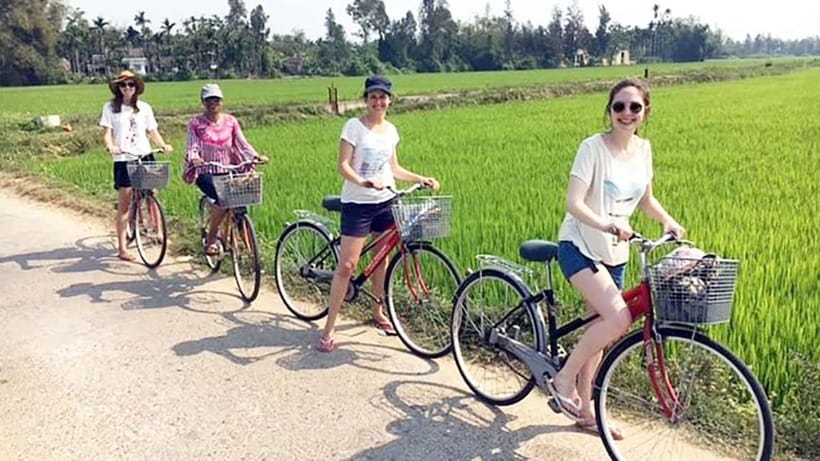
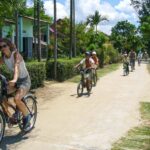
This tour is built for one simple goal: get you off the main streets and into the working areas around Hoi An, without the stress of figuring out transport. You’re picked up from your hotel in Hoi An, then you start cycling toward the countryside with a proper bike and a standard helmet already sorted.
You’ll feel the change almost immediately. City time is quick and loud. Countryside time is slower, with visual clues everywhere: irrigation channels, bamboo stands, farm paths, and the everyday movement of people tending plants or feeding animals. Even if you only have three hours, the ride gives you that broader sense of how the area functions.
One practical detail I’d watch: this isn’t a car-only sightseeing loop. You’re cycling, so your comfort matters. The included water and the fact they hand you a rain coat if needed helps, but heat is still heat. I’d plan around it—hat on, sunscreen ready, and comfortable shoes you don’t mind getting a little dusty.
A few more Hoi An tours and experiences worth a look
Tra Que Herb Vegetable Village: where your camera actually earns its keep
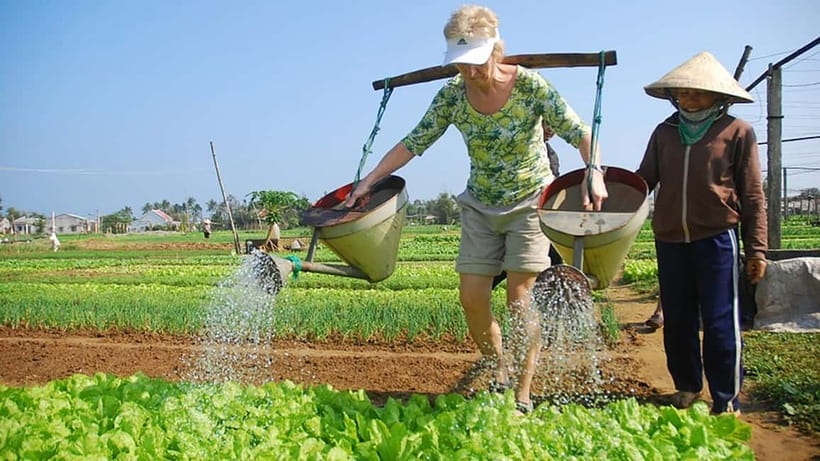
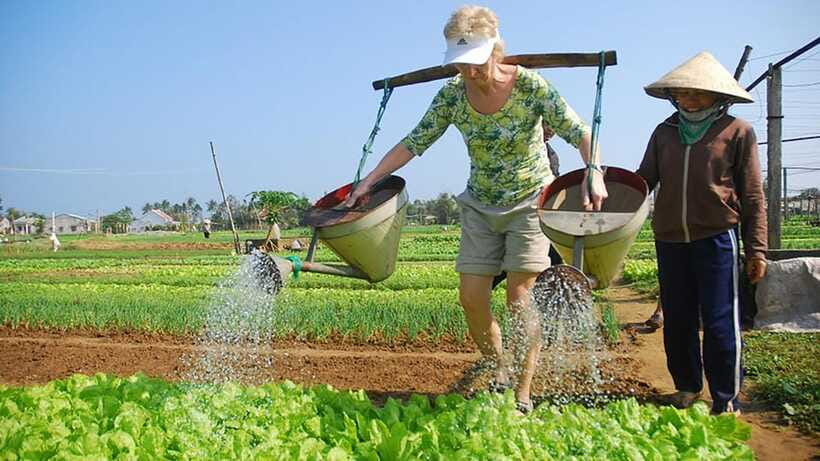
The first major stop is Tra Que Herb Vegetable Village, known for its organic green vegetables. Expect a walking-style visit right after you arrive, where you can stroll through the garden beds and take photos of different types of greens.
What makes this stop valuable isn’t just that it looks pretty. It helps you understand what you’re going to taste later in the day—because herbs are a key ingredient in Vietnamese cooking, and this place is about the farming side of that story. You’re not just buying vegetables; you’re seeing how the plants are grown in a way that aims for organic practices.
Also, this is the part of the tour that’s usually easiest on your legs. You’ll still be outdoors, but it’s more of a garden walk than a long grind uphill on the bike. If your riding stamina is just okay, this first stop is a good place to catch your breath and get your bearings.
Photo tip: you’ll be in bright sun. That means sunglasses and sunscreen aren’t optional. Also, look for angles that include the rows of plants and the small details around the beds, not just close-ups.
Rice fields, fishermen, and the animals that make rural Vietnam feel real
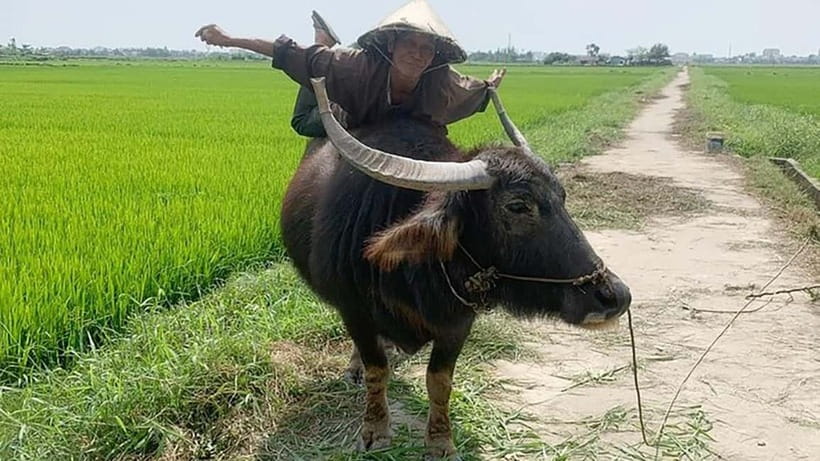
After Tra Que, the tour shifts from garden calm to working rural life. You cycle past rice fields where farmers are actively working, and you’ll also see fishermen on the river catching fish. This is the heart of what makes the ride feel authentic: you’re not only observing; you’re traveling through the same areas locals use every day.
On the route, you may pass shrimp and fish farms, bamboo areas, and more village roads lined with farm activity. The stops and views are built to answer one question: what does daily life look like here when tourism isn’t the main job?
And then there are the animals, which I love on this type of tour because they quickly make the countryside feel tangible: buffalos, cows, ducks, chickens, birds, and fish farm activity. You don’t need a lecture to get it. You can watch how everything fits together—water, feed, fields, and people.
If you’re sensitive to sights and sounds, give yourself a small buffer. Farms are working places. That’s part of the point. You’ll likely see a mix of calm routines and sudden moments of motion, especially around animals and water.
Drift Wood village: seeing craft as a process, not just a souvenir
Midway through the ride, you stop at Drift Wood Village, where local craftsmen carve wood in traditional ways. This is a great contrast to the farming parts of the day. Instead of looking at fields and water, you’re looking at tools, hands, and technique.
The benefit here is simple: craft isn’t explained as a cultural slogan. It’s shown as a working process. You can watch the steps and learn what goes into turning a block of wood into something shaped and finished.
One thing to know before you go: craft villages often include some level of sales. You don’t have to buy anything. If you’re there to learn, treat the sales part as background noise. Your job is to watch how the work gets done and ask questions when the guide offers them.
Also, in this tour style, the craft stop sometimes includes broader hands-on moments like pottery-style experiences and small gifts. The exact detail can vary by day, but the overall emphasis stays the same: you’re seeing tradition in action, not just looking at finished products.
War Memorial + a pagoda stop: context you might not get on pure beach days
After the cycling and craft time, the itinerary adds two cultural stops that change the mood. First is a War Memorial where you’ll hear the story about the Vietnamese war. This matters because it places the countryside you’ve been riding through into a larger national context.
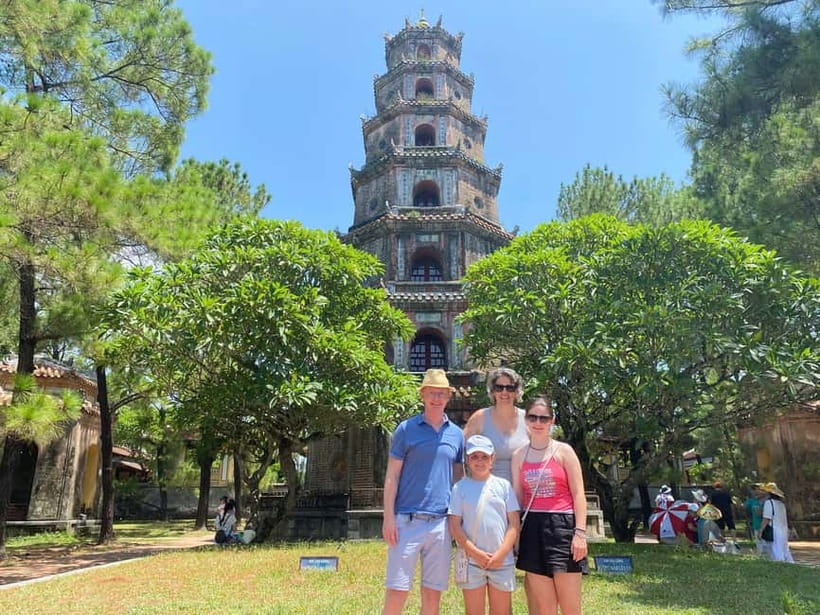
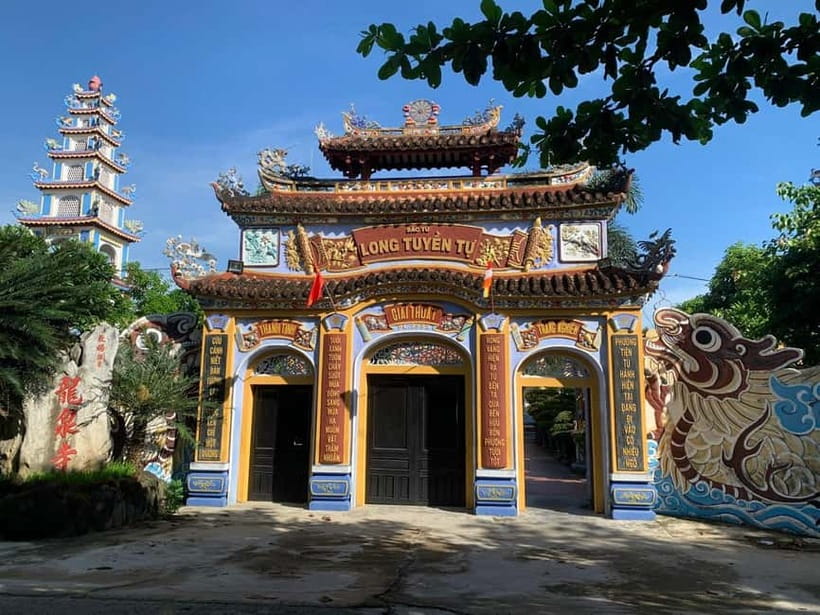
Then comes the pagoda stop. The description highlights a beautiful pagoda in Hoi An, and you’ll walk around to take in the details and get photos. This is the kind of stop that works best when you keep expectations flexible. You’re not on a museum timeline here. You’re on a walking segment where you can slow down, notice architecture, and switch from farm facts to spiritual and architectural details.
If you like photography, this pagoda stop is where you’ll probably use your camera most. The lighting can be good, and the temple details give you more texture than the countryside does.
Dress note: keep it practical. You’ll be outside most of the day. If you want better comfort at the pagoda, wear clothes that are easy to move in and not too stiff in the heat.




The coffee break: why it’s more than a sugary finish
Every good bike tour needs a reset, and this one includes a stop for Vietnamese coffee or other drinks. What makes it memorable is that the tour can include a local twist known as coffee mui, which is salty coffee.
That might sound strange if you’ve only had sweet iced coffee in your life. But it can be surprisingly drinkable, and it helps you see coffee as a local food culture, not just a café ritual.
You also get a chance to recharge before heading back. This is where the tour feels thoughtfully paced: you’re not ending with an immediate long ride when your energy is already gone.
If it’s sunny, the drink stop is also your cue to hydrate. You’ll get a bottle of water during the tour, but I’d still drink regularly rather than saving it all for the end.
Price and value: why $35 can actually be fair in Hoi An
At $35 per person for a 3-hour guided bicycle tour, this is usually good value because several things are bundled together:
- Hotel pickup and drop-off in Hoi An
- Experienced English-speaking guide
- Bike and standard helmet
- Rain coat if it rains
- A bottle of water
- Tickets to the village/craft stops
- Vietnamese coffee or other drinks
If you tried to DIY this, you’d likely pay for transport at both ends, handle bike logistics, and still miss the guide’s context at places like Tra Que and the War Memorial. A guide also changes the experience in a practical way: they can slow down at the right time so you’re not just cycling past things you don’t understand.
So the real question isn’t whether $35 is cheap. It’s whether you get enough structure to make your time feel worthwhile—and you do. This tour is short, so every stop counts.
What to bring (so the heat doesn’t ruin the day)
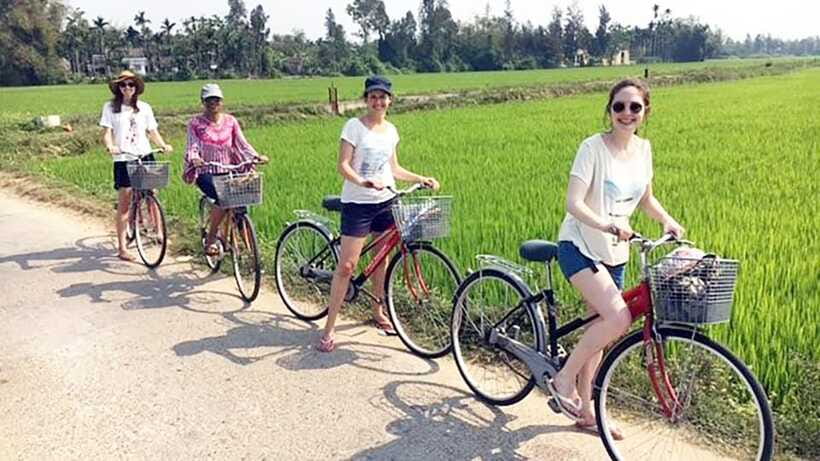
The tour gives you key items like a helmet and rain coat, but you still need to show up ready for the outdoors.
Bring:
- Comfortable shoes
- Hat
- Camera
- Sunscreen
- Comfortable clothes
Small advice that helps a lot: wear shoes you can bike in without slipping. Pack sunscreen even if the sky looks friendly. And if you’re the type to get sunburned fast, add a shirt that covers your shoulders but still feels breathable.
The tour also isn’t for you if you smoke. Smoking isn’t allowed, and you’ll be outside most of the time, so plan on skipping it.
Who this tour suits best
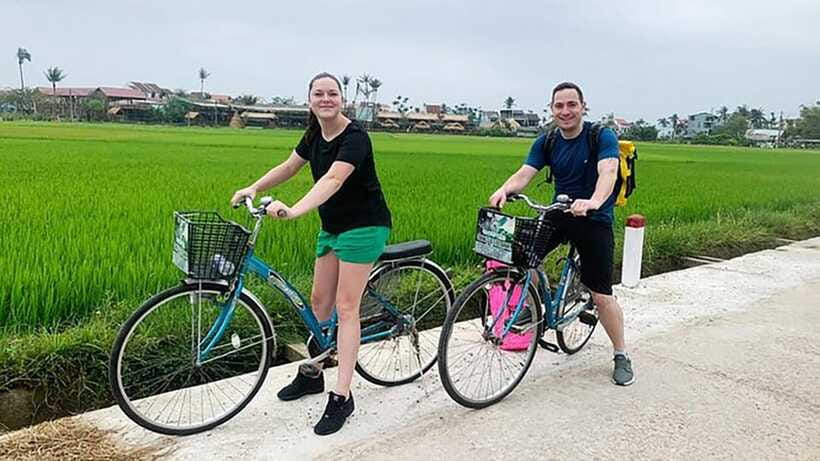
This is a good fit if you want a real-feeling countryside day without turning it into a full half-day of planning. It’s especially ideal when you like:
- photographing herbs, farms, and villages
- learning from a guide who stops to explain
- seeing animals and working life close up
- balancing culture (War Memorial and pagoda) with everyday Vietnam (rice fields and village roads)
It’s not a match if you:
- can’t ride a bike comfortably
- need a fully seated, low-movement option
- have very young kids, since it’s not suitable for children under 6
If you’re a regular bike rider, you’ll likely find it doable even in heat, as the tour pace is designed for sightseeing rather than racing.
Should you book this 3-hour Hoi An countryside bicycle tour?
Book it if you want a structured way to see the Hoi An area beyond the tourist center, and you’re excited by working landscapes: gardens, farms, craft, and local food culture. The $35 price feels fair because hotel pickup, tickets, bike gear, water, and a guide are all included—so you’re buying convenience plus context, not just a ride.
Skip it if you hate riding in warm weather or you’re not confident on a bicycle. In that case, the countryside views won’t matter if the effort feels stressful.
FAQ
How long is the 3 Hours Hoi An Countryside Bicycle Tour?
It lasts about 3 hours.
Is hotel pickup and drop-off included?
Yes. Pickup and drop-off are included at your hotel in Hoi An.
What does the tour include for bike gear?
You get a bicycle, a standard helmet, and a bottle of water. A rain coat is also provided if it rains.
Do I get an English-speaking guide?
Yes. The guide speaks English.
Are village tickets included?
Yes. Tickets for the visited villages are included.
Is coffee included?
Yes. You’ll enjoy Vietnamese coffee or other drinks during the tour.
What should I bring with me?
Bring comfortable shoes, a hat, a camera, sunscreen, and comfortable clothes.
Is the tour suitable for kids?
It’s not suitable for children under 6 years old.
Do I need to be able to ride a bike?
Yes. The tour is not suitable for people who can’t ride a bike.
Is smoking allowed during the tour?
No. Smoking is not allowed.
What if I need to cancel?
You can cancel up to 24 hours in advance for a full refund.