REVIEW · HOI AN
Unseen Hoi An Ancient Town – Food & Culture Walking Tour
Book on Viator →Operated by Hoi An Hungry Belly Tours & More · Bookable on Viator
Shoes on. Morning snacks, zero tourist fog. This small-group walk through Hoi An’s backstreets is built around how locals actually eat and shop, with Cao Lầu and ingredient makers in the mix. You’ll get a food-and-culture morning that stays close to real daily life, not just the famous front-of-town sights.
Two things I really like: first, the chance to see how Cao Lầu noodles are made at an older local factory, then to connect that to what ends up on your plate. Second, the food portion feels generous—breakfast plus brunch, along with Vietnamese coffee or tea, and classic local flavors like a Vietnamese baguette style breakfast bite.
One consideration: it starts early (7:15 am) and it’s a walking tour, so it’s not recommended if you have mobility issues. Also, the ancient town admission ticket for temples/old houses isn’t included if you want to add extra stops after the walk.
In This Review
- Key highlights worth your morning
- Why this morning walk feels like Hoi An, not a postcard
- Cao Lầu at the oldest noodle factory: the star ingredient story
- Bean sprouts and organic ingredient work you can taste later
- Local market walking: where produce and everyday choices meet
- Breakfast, brunch, coffee or tea, and that included bottled water
- The route, timing, and where you’ll end up
- Guide energy: Pinky and Hong make it feel personal
- Price and value: what $39 buys you in real terms
- Who should book this tour (and who might skip)
- Should you book Unseen Hoi An Ancient Town – Food & Culture?
- FAQ
- How long is the Unseen Hoi An Ancient Town food and culture walking tour?
- What time does the tour start?
- Where do I meet for the tour?
- Where does the tour end?
- Is ancient town admission included?
- What food and drinks are included?
- Is hotel pickup or drop-off included?
- How big is the group?
- Is the tour suitable for people with mobility problems?
- What is the cancellation policy?
Key highlights worth your morning
- Cao Lầu stop: Visit the oldest Cao Lầu noodle factory and learn how it’s made before you eat.
- Bean sprout makers: See how local people make/raise organic bean sprouts, then taste the difference in dishes.
- Local market time: Walk through a market and get a feel for everyday produce and ingredients.
- Breakfast + brunch included: You’re not just “snacking”—you’ll eat a full morning meal flow.
- Small group cap (8): Keeps the walk relaxed and helps the guide answer questions.
- Guides you’ll remember: Pinky and Hong are repeatedly praised for friendly, clear English and a fun, attentive vibe.
Why this morning walk feels like Hoi An, not a postcard
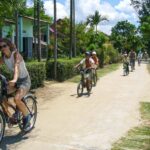
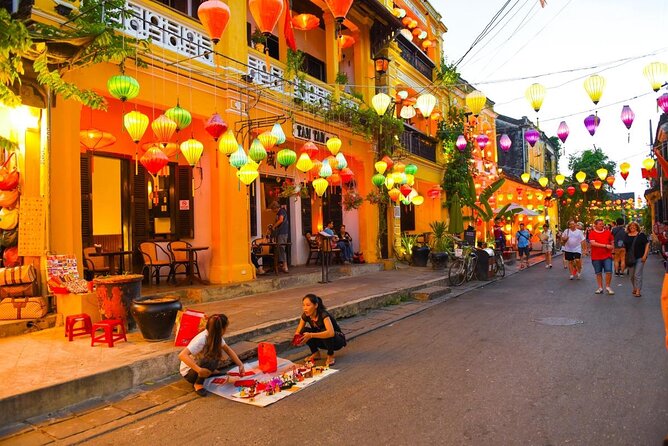
Hoi An is easy to visit in “tour mode.” You’ll see the lights, the riverside, the photo spots. This tour shifts the angle. You start in the morning and spend time in backstreets and small alleys locals use—places where you’ll notice daily routines instead of crowds.
The payoff is practical. By the time you reach the older production stops and the market, you’re already oriented to how central Vietnam keeps its food traditions alive. You also get a strong sense of local ingredient logic: what’s grown nearby, how it’s prepared, and why certain flavors show up again and again in Hoi An meals.
And yes, you’ll eat well. This isn’t a “one tiny bite and goodbye” style tour. Breakfast is included, coffee or tea is included, and then you’ll continue into a brunch-style meal flow as you walk.
You can also read our reviews of more walking tours in Hoi An

Cao Lầu at the oldest noodle factory: the star ingredient story
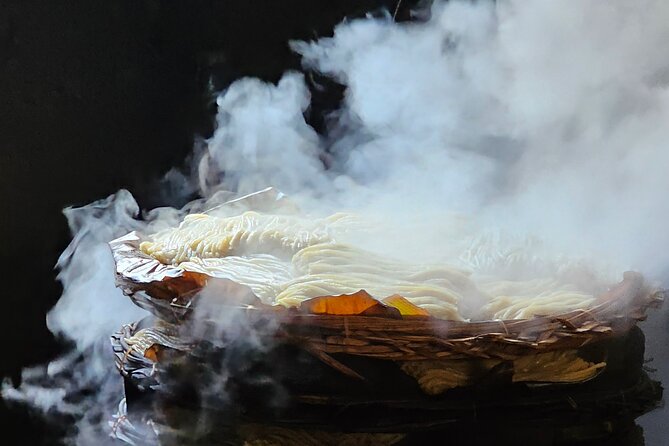
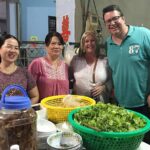
The tour begins with Cao Lầu, one of Hoi An’s signature noodle dishes. You visit the oldest Cao Lầu factory and learn how the noodles are made, then you connect that process to what you’ll later enjoy as part of the meal.
Why this matters for your trip: Cao Lầu is one of those foods people talk about, but it’s hard to understand without seeing the basics first. Even if you’re not a food-nerd, watching a local production routine helps you notice what makes the dish feel distinct—especially the noodles themselves and how they fit into the broader ingredient chain.
Also, this type of stop is usually low-key compared with “big attraction” visits. You get a calmer, more grounded experience that feels like you’re visiting a working part of town rather than a staged performance.
Possible drawback: because it’s an early morning walk, you’ll want to arrive on time and be ready to move. Comfortable shoes matter here—more than sightseeing sandals.
Bean sprouts and organic ingredient work you can taste later
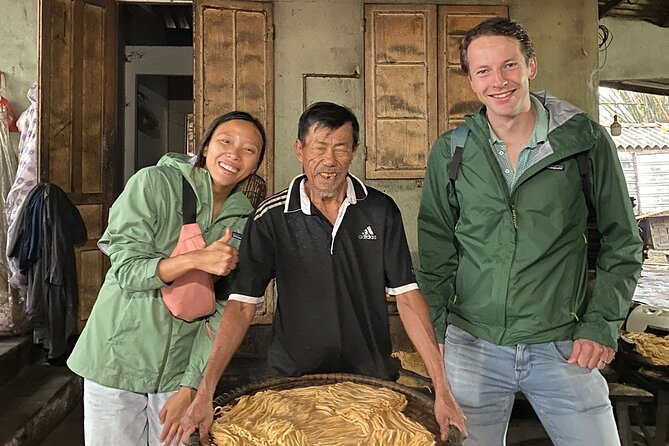
After the Cao Lầu focus, you’ll continue to local makers, including a stop for organic bean sprouts. You’ll see how local people make/prepare these sprouts and get a sense of why this ingredient shows up so often in Vietnamese meals.
Bean sprouts might sound simple, but in practice they’re a perfect example of how a place’s food culture is built. Local produce and prep methods shape texture and freshness, and that affects the final bite. On this tour, you’re not just learning names—you’re watching the work and then eating as you go.
If you care about the “why” behind street food, this is a strong segment. It explains how Hoi An meals aren’t just recipes—they’re systems built from routine, seasonality, and nearby growing.
Local market walking: where produce and everyday choices meet
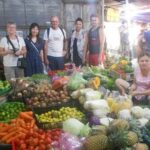
One of the most useful parts of the tour is the market time. You’ll explore the local market as part of the walk, and you’ll see how people introduce local produce and ingredients.
This is where the tour helps you travel smarter. After a market walk like this, you’ll be able to read menus and stalls with more confidence back in the old town area. You’ll understand which ingredients are “normal here,” what looks fresh, and what kinds of dishes make sense if you’re choosing based on local produce rather than just hype.
This segment also works as a sensory reset. Markets wake up faster than tourist streets. You’ll hear the daily chatter, see regular shoppers moving with purpose, and notice what’s being selected that morning.
Note: your exact pace depends on the guide and the flow of the market, but the tour’s overall design is a relaxed walking rhythm rather than a sprint.
Breakfast, brunch, coffee or tea, and that included bottled water
Food is the center of the experience, and the included items are clearly stated. You’ll get breakfast and brunch, plus coffee and/or tea, and bottled water.
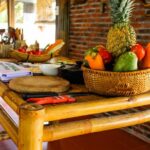
The breakfast piece matters because the tour aims to show what locals actually favor in the morning. You’ll also taste Vietnamese baguette as part of the breakfast-style experience. That’s a small detail, but it signals something important: you’re not only sampling classic dishes; you’re sampling how breakfast culture shows up in real daily life.
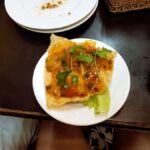
Then comes the brunch flow during the walk. The tour promises generous dishes and more than just a quick snack stop. That matches what you want from a morning tour in Hoi An: eat enough that you’re satisfied for a few hours, then you can keep exploring the town afterward without needing an immediate extra meal.
Practical tip for you: since you’ll be eating more than “a bite,” plan your next meal later. If you’re the kind of traveler who always needs to try one more thing, you’ll still have room—but you’ll feel less rushed.
You can also read our reviews of more food & drink experiences in Hoi An






The route, timing, and where you’ll end up
The tour runs about 3 to 4 hours. The start time is 7:15 am, which is great for two reasons: you beat the harsher heat later in the day, and you see market and daily life in a more relaxed rhythm.
Group size is small: maximum of 8 travelers. That changes how the walk feels. You’re less likely to get stuck behind a moving wall of people, and you can ask questions without shouting.
Meeting and ending points are close to the old town. You start at 01 Nguyễn Đình Chiểu, Cẩm Sơn, Hội An, Quảng Nam, Vietnam. The walk ends at 20 Đường Phan Bội Châu, Cẩm Châu, Hội An, Quảng Nam, Vietnam. The end point is near the old town—about a 5-minute walk—so you can keep going on foot or grab a taxi back to your hotel.
Important for planning: hotel pickup and drop-off aren’t included. You’ll be responsible for getting to the start on your own. The good news is the meeting spot is near the old town area, so taxis and short walking connections are simple.
Guide energy: Pinky and Hong make it feel personal
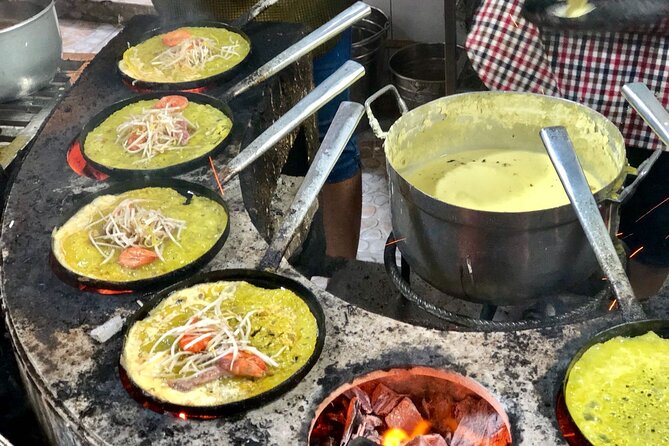
Two guide names come up again and again: Pinky and Hong. Both are praised for being friendly, fun, and attentive, with great English that makes the explanations easy to follow.
What I like about this style: good food tours aren’t just about what you eat. They’re about how the tour turns daily life into something you can understand. When a guide can explain local customs and the food-making process clearly, your dishes become more meaningful. You don’t just taste; you connect.
The tour design also supports questions. Small group size helps, and the stops are hands-on or observational. When you’re standing near noodle-making or seeing ingredient prep, you’ll have a natural chance to ask how and why.
If you like your travel experiences warm and human, this is the kind of tour where a guide can genuinely shape the morning.
Price and value: what $39 buys you in real terms
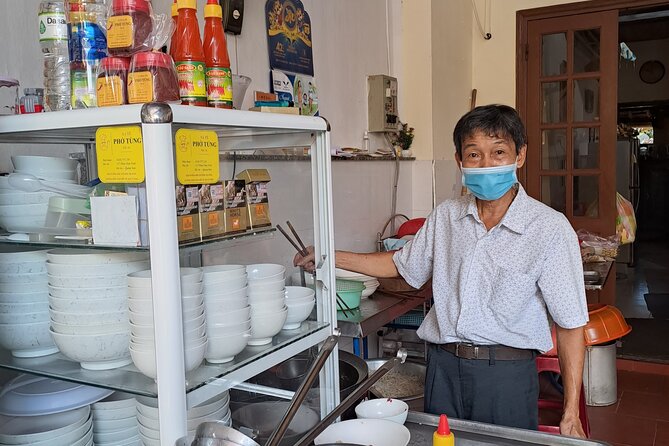
The price is $39 per person. For a 3–4 hour walking tour in a place like Hoi An, the value comes from what’s included and how much time you spend on food-focused learning.
Here’s what’s included:
- Breakfast
- Coffee and/or tea
- Bottled water
- Brunch
- Local family support
That inclusion list is the main reason I see this as good value. You’re paying for a structured morning that feeds you, provides drinks, and gives context to what you’re eating. If you were to recreate it on your own—market time, production visits you can’t easily find alone, and multiple meals—you’d likely spend more in time and money.
What’s not included is also clear: the ancient town admission ticket (if you want to visit temples and old houses), hotel pickup/drop-off, and personal expenses. If you plan to add old town temple visits afterward, budget for that extra ticket separately.
My bottom-line way to think about value: the tour price covers both learning and eating, and it saves you effort finding the right local ingredient stops on your own.
Who should book this tour (and who might skip)
This tour fits best if you:
- Want a morning plan that includes real food and local ingredient stories.
- Like walking tours that show everyday life more than top-sight checklists.
- Prefer small groups and clear explanations from a guide who’s friendly and attentive.
It might be a miss if you:
- Have mobility limitations, since it’s not recommended for travelers with mobility problems.
- Want to start very late in the day. With a 7:15 am start, you’ll need to be ready to go early.
- Expect the ancient town admission ticket to be included. If you want temples and old houses inside, bring extra budget.
If you’re doing Hoi An for the first time and you also want to understand the food culture behind the town, this tour is a smart foundation. You’ll walk into the old town afterward with better instincts.
Should you book Unseen Hoi An Ancient Town – Food & Culture?
I’d book it if you want your Hoi An morning to be practical and satisfying: food included, coffee included, market and production visits included, and a route close enough to continue exploring right after.
The biggest reasons to choose it are simple: you’ll see how key ingredients like Cao Lầu noodles and organic bean sprouts are handled locally, and you’ll actually eat breakfast and brunch instead of grazing. The tour also ends near the old town, so it’s easy to add more sightseeing on foot.
Just go in knowing two things: it’s early and it involves walking, and the ancient town admission ticket for temples/old houses isn’t part of the price. If those match your travel style, you’re set for a morning that feels like Hoi An beyond the obvious lanes.
FAQ
How long is the Unseen Hoi An Ancient Town food and culture walking tour?
The tour lasts about 3 to 4 hours.
What time does the tour start?
The start time is 7:15 am.
Where do I meet for the tour?
You meet at 01 Nguyễn Đình Chiểu, Cẩm Sơn, Hội An, Quảng Nam, Vietnam.
Where does the tour end?
The tour ends at 20 Đường Phan Bội Châu, Cẩm Châu, Hội An, Quảng Nam, Vietnam.
Is ancient town admission included?
No. Ancient town admission is not included if you want to visit temples and old houses in the old town.
What food and drinks are included?
You get breakfast and brunch, plus coffee and/or tea, and bottled water.
Is hotel pickup or drop-off included?
No. Hotel pickup and drop-off are not included.
How big is the group?
The tour has a maximum of 8 travelers.
Is the tour suitable for people with mobility problems?
It is not recommended for travelers with mobility problems.
What is the cancellation policy?
You can cancel for a full refund up to 24 hours before the experience starts. If it’s canceled due to poor weather, you’ll be offered a different date or a full refund.