REVIEW · HUE VIETNAM
Hue: Brew Egg, Salt & Coconut Coffee
Book on GetYourGuide →Operated by Phin Coffee Class Viet Nam · Bookable on GetYourGuide
Four Vietnamese coffees in one room.
In Hue, this hands-on class turns coffee into a small, social skill session. You’ll brew with a traditional phin filter and learn the flavor logic behind egg, salt, and coconut coffee, guided by a local host. I love how practical it feels, and I love the small-group setup that makes it easy to ask questions.
One thing to plan for: this is built on bold Robusta, so the tastes can be strong, and you’ll be sampling multiple coffees in 90 minutes.
In This Review
- Key Things to Know Before You Go
- Finding Hue Brew Egg, Salt, & Coconut Coffee (without getting lost)
- Your 90-Minute Workshop Rhythm: what happens from start to finish
- Meet the Local Host: English support and a personal pace
- Brew with a phin filter: the slow method that makes Vietnamese coffee work
- Egg coffee (and the Hue-style lesson behind it)
- Salt coffee: a salty-sweet swing you can actually learn
- Coconut coffee: learning why creamy notes fit robusta
- Tasting, conversation, and the take-home recipe handout
- Price and value: is $18 per person fair for four coffees in 90 minutes?
- Who should book this Hue coffee class
- Should You Book: my quick recommendation
- FAQ
- What coffee types will I make in the workshop?
- How long is the Hue Brew Egg, Salt & Coconut Coffee workshop?
- How much does it cost?
- Is it a small group?
- What languages is the workshop taught in?
- Where do I meet for the class?
- Is the workshop wheelchair accessible?
Key Things to Know Before You Go
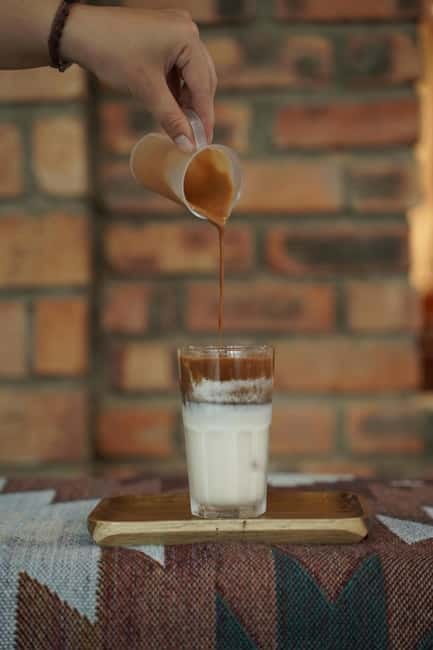
- You make four coffee styles: phin plus egg, salt, and coconut variations, not just watch
- Robusta is the lesson: you’ll start with the beans that power most Vietnamese coffee
- You use a traditional phin filter: slow drip brewing is the whole point of the class
- Small group, up to 8 people: more attention and a calmer pace than big tours
- You leave with a take-home recipe handout: helpful for recreating the drinks later
Finding Hue Brew Egg, Salt, & Coconut Coffee (without getting lost)
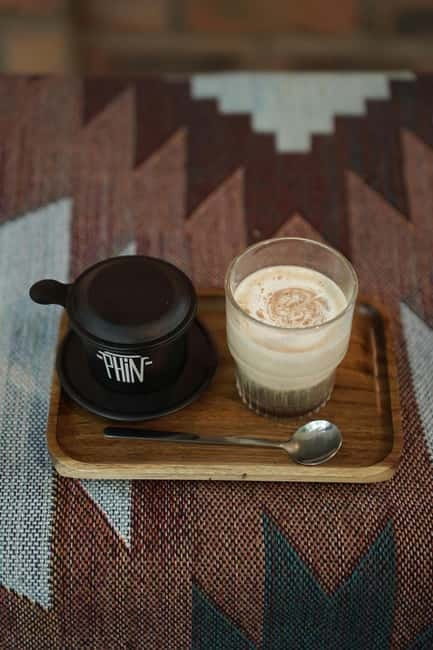
This class is easy to miss if you’re wandering without a plan. Your meeting point is on Hoàng Quốc Việt Street: enter alley number 1 and walk about 50 meters until you see the Huế Experience signboard.
In Hue, that kind of alley meeting point is common. So I’d treat it like a little scavenger hunt with a deadline. If you’re coming on a motorbike or taxi, tell the driver to drop you at Hoàng Quốc Việt Street and then follow the alley directions on foot.
A few more Hue Vietnam tours and experiences worth a look
Your 90-Minute Workshop Rhythm: what happens from start to finish
The session runs 90 minutes, which is a good length for two reasons. First, it gives you enough time to actually brew and taste four styles. Second, it’s short enough that it doesn’t hijack your whole day in Hue.
Here’s how the flow works once you’re inside:
- A quick intro to Vietnamese robusta coffee
You start with the beans. The workshop frames robusta as the soul of Vietnamese coffee, so you’re tasting with context rather than guessing.
- Brewing with the phin filter
The class centers on the traditional phin. You’ll learn the basics of how it works so your coffee doesn’t end up tasting like mystery water.
- Make-and-taste cycles for egg, salt, and coconut
You prepare each drink and taste it as you go. The “secret” part here is understanding why each version tastes the way it does, not just copying steps.
- Wrap-up with a recipe handout
You’ll get a handout to take home, which is where the value really lands if you want to keep the flavors going after your trip.
A solid tip: if coffee is your thing, plan to arrive with some room in your stomach. People in past sessions have noted you taste a lot, and that makes empty-stomach timing feel easier.
Meet the Local Host: English support and a personal pace
This is taught by an English-speaking local host (with Vietnamese also used as needed). The class is limited to 8 participants, so you’re not stuck shouting across the table. When the host is good, the whole workshop feels more like a conversation with guided practice.
From the vibe described by different hosts’ names, you might meet someone like Duck (sometimes jokingly referred to as quack quack), Uyen, Daisy, or Annie. The common thread is the same: passionate teaching, lots of explanation, and a friendly rhythm that makes hands-on coffee feel approachable.
This matters because egg coffee, salt coffee, and coconut coffee can sound intimidating if you’ve only had them as menu items. In this format, you’re guided step-by-step, and you can keep asking questions until it clicks.
Brew with a phin filter: the slow method that makes Vietnamese coffee work
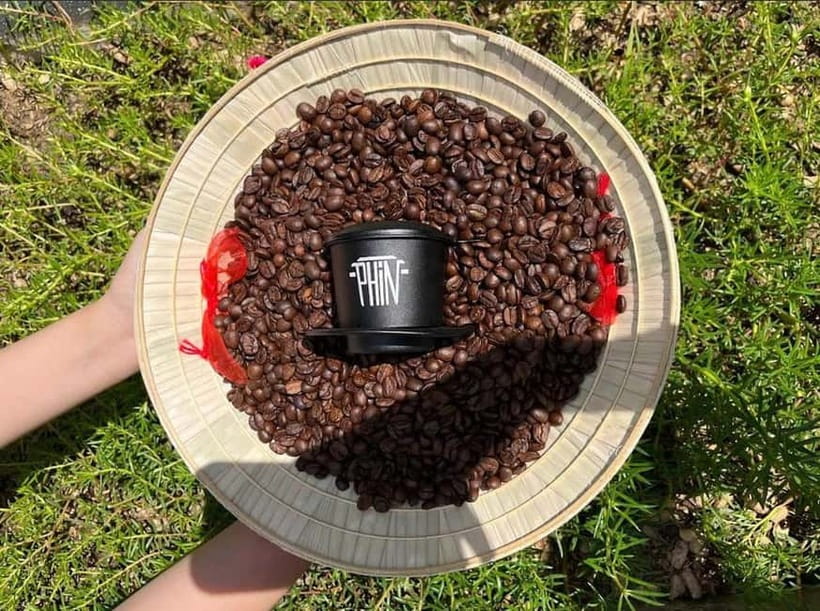
The star tool is the phin filter, and the workshop treats it like more than equipment. It’s the core ritual.
In plain terms, you’re doing a slow, filter-style brew that lets the coffee steep and drip. That changes the experience compared with espresso or instant coffee. Expect something with more weight and intensity, especially since the class starts by focusing on robusta beans.
Why this is worth your time:
- You’re not just drinking; you’re learning the brewing method behind the taste.
- The phin approach makes it easier to understand why Vietnamese coffee often lands bold and strong.
- You’ll be able to talk about the drinks in Hue with more confidence later, because you understand the process, not just the flavor names.
And yes, you’ll taste as you go, so you get quick feedback. If the drip is off, you’ll know. If your pour timing is off, you’ll know. That’s how you actually learn.
Egg coffee (and the Hue-style lesson behind it)
Egg coffee is one of Vietnam’s most famous creations, and here you get the chance to make your own rather than rely on a café version. In this class, the egg coffee segment is about more than flavor. It’s about how Vietnamese coffee uses strong beans and transforms them into a drink that feels rich and smooth.
As you brew and taste, pay attention to:
- How robusta’s bold flavor gets balanced by the drink style
- The way the egg version tastes compared to the cleaner classic phin brew
- What feels sweeter, thicker, or more rounded as you move through the menu
The practical win: once you’ve experienced it as a brewed drink you made, you’ll be able to recognize what makes a good egg coffee version on a random street café menu.





Salt coffee: a salty-sweet swing you can actually learn
Salt coffee is the surprise for many people. It sounds odd until you taste it, and in this workshop you’ll do both: you’ll learn the recipe approach and then experience how the salty note changes the finish.
In the class, this isn’t presented as a gimmick. It’s one of the four iconic styles you’ll make and taste, with an explanation of the flavor story behind it. You’ll leave knowing how salt changes the balance of strong coffee rather than just thinking it’s a one-time novelty.
If you’re the type who likes contrast, this is where you’ll probably grin. If you’re cautious about salty flavors, go slow and taste intentionally. The salt coffee section is also a good reminder that Vietnamese coffee is often about balance, not just sweetness.
Coconut coffee: learning why creamy notes fit robusta
Coconut coffee rounds out the four. It’s the version that tends to feel most comforting, especially if you’re used to creamy, dessert-like coffee drinks.
In this workshop, coconut coffee is part of the same structured lesson: robusta beans at the base, then a distinct flavor direction. When you compare coconut coffee against egg coffee and salt coffee, you start seeing a pattern. Each variation uses robusta as the backbone, then shifts texture and finish.
This is a great segment for:
- Coffee drinkers who want something different from the standard milk-and-sugar routine
- People who like cold drinks as well as hot ones (this class covers both styles through the recipes it teaches)
- Anyone who wants to understand Vietnamese coffee as a system, not a single recipe
Tasting, conversation, and the take-home recipe handout
The included experience isn’t just coffee-making. It’s coffee tasting of all drinks you prepare, plus complimentary drinking water to keep things comfortable.
The recipe handout is the part I’d actually trust for repeating the drinks at home. Without it, learning can turn fuzzy fast. With it, you have a written memory of what you made during the class, so your next attempt isn’t guesswork.
Also, the small-group setting matters for the human side. Many hosts keep the mood light and invite questions. If you’re curious about why Vietnamese coffee leans on robusta, this is the place to get a real explanation while you’re still holding a phin and smelling the coffee.
If it’s raining in Hue, this is a great indoor plan. One of the joys of coffee classes is that weather can’t mess with your brewing time.
Price and value: is $18 per person fair for four coffees in 90 minutes?
At $18 per person, this workshop sits in the “worth it if you want a real skill” category. Here’s why the value feels solid based on what’s included:
- You make four iconic drinks (phin, egg, salt, coconut), not just one
- Tools and ingredients are provided for those recipes
- You taste everything you prepare
- You get a recipe handout to take home
- It’s small group (limited to 8 participants) with an English-speaking host
- Duration is 90 minutes, long enough to learn but not so long you feel dragged around
If you were to buy multiple café versions in Hue, you’d likely spend more than one $18 ticket quickly. And even if you don’t drink a ton of coffee back home, the brewing knowledge is what you’re really paying for.
Who should book this Hue coffee class
This class is ideal if:
- You want a hands-on cultural food experience in Hue, not a passive show
- You’re into coffee and want to understand Vietnamese robusta and phin brewing
- You like small-group formats where the host can adjust pace
- You’re curious about egg, salt, and coconut coffee beyond the menu description
It may be less ideal if:
- You strongly dislike coffee or caffeine, since robusta is central and you’ll be tasting multiple drinks
- You’re looking for a super-short, low-sampling workshop (this one is designed for tasting and making)
Should You Book: my quick recommendation
Yes, I’d book it if you want a practical Hue activity that’s genuinely about the drinks. The mix of phin brewing practice, robusta-focused context, and four made-and-tasted recipes makes it feel like more than a souvenir. The small group size also helps a lot.
I’d skip it only if coffee (especially robusta) isn’t your thing, or if you’d rather spend your time on museums, temples, or long meals. For a rainy day, a short break, or a foodie detour in central Hue, this is a strong choice.
FAQ
What coffee types will I make in the workshop?
You’ll brew and learn four iconic Vietnamese coffees: phin, plus egg, salt, and coconut coffee.
How long is the Hue Brew Egg, Salt & Coconut Coffee workshop?
The class lasts 90 minutes.
How much does it cost?
The price is $18 per person.
Is it a small group?
Yes. It’s a small group limited to 8 participants.
What languages is the workshop taught in?
The instructor speaks English and Vietnamese.
Where do I meet for the class?
Enter alley number 1 on Hoàng Quốc Việt Street and walk about 50 meters. Look for the Huế Experience signboard.
Is the workshop wheelchair accessible?
Yes, it is wheelchair accessible.