REVIEW · DA NANG
5 Dishes Cooking Class with Market Trip in Da Nang
Book on Viator →Operated by DaNang Apron Up Cooking Class · Bookable on Viator
Market first, food fast in Da Nang. I love that this cooking class starts at Chợ Bắc Mỹ An, so you’re not guessing what ingredients are or why Vietnamese cooks choose them. In about 4 hours, you shop, learn, cook, and sit down to eat what you made, including a rice vodka moment with your meal.
I also like the clear goal: you’ll learn to make five specific dishes rather than just watching a demonstration. That list includes Bánh Xèo, Bún Bò Huế, fresh rolls, young jackfruit salad, and avocado ice-cream—so you come away with both savory skills and a dessert win. One consideration: classes can run behind schedule if a previous session is delayed, and English support can vary depending on the instructor.
In This Review
- Key Points to Know Before You Go
- Chợ Bắc Mỹ An Market Trip: Where You Learn What Makes the Food Work
- Cooking 5 Da Nang Favorites in One Afternoon
- Bánh Xèo and Bún Bò Huế: Two Classics That Teach Different Techniques
- Fresh Rolls and Young Jackfruit Salad: Crunch, Herb, and Sour-Sweet Balance
- Avocado Ice-Cream: A Dessert That Makes the Whole Class Feel Complete
- The Meal, Homemade Rice Vodka, Cookbook, and Certificate
- Price and Value: What $39 Buys You (and Why It’s Not Just Cheap)
- Logistics That Actually Affect Your Day
- Who This Class Fits Best (and Who Might Want Another Option)
- Should You Book This Cooking Class?
- FAQ
- Where does the class meet?
- How long is the experience?
- Is there a market trip before cooking?
- What dishes do you cook?
- What’s included with the meal?
- Can the class accommodate dietary needs?
- What’s the cancellation policy?
Key Points to Know Before You Go
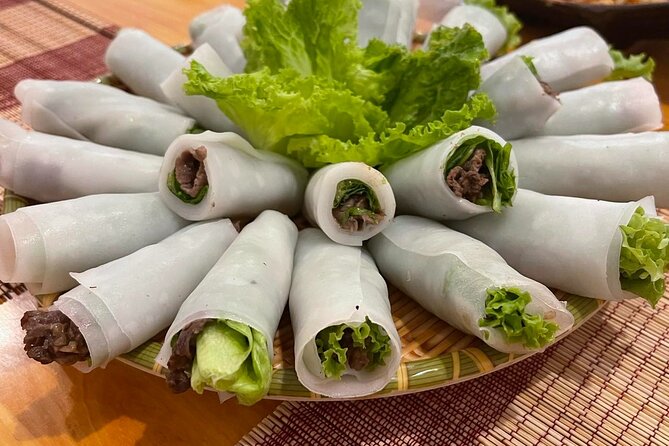
- Chợ Bắc Mỹ An market stop so you learn ingredients and swaps you can use later at home
- Five dishes in one class: from crispy Bánh Xèo to spicy Bún Bò Huế and avocado ice-cream
- Hands-on teaching with step-by-step guidance at the stove, not just a passive demo
- Meal together with homemade rice vodka included after cooking
- You get a cookbook and a certificate to help you recreate what you learned later
Chợ Bắc Mỹ An Market Trip: Where You Learn What Makes the Food Work
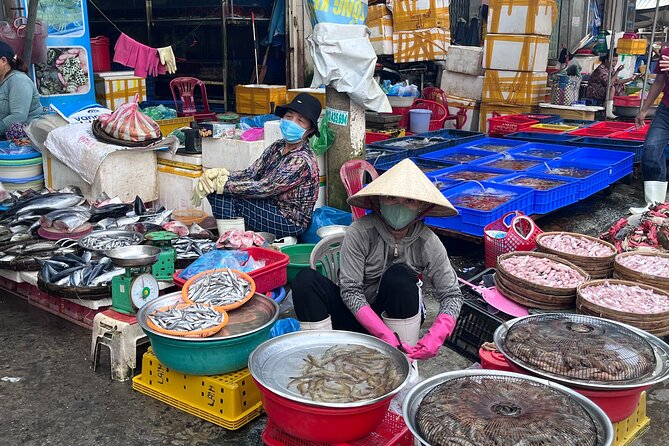
The class starts with a meet-up at 07 Nguyễn Bá Lân in Bắc Mỹ An. Plan to arrive about 15 minutes early; it sets you up to get oriented and keep the class rhythm. From there, you head to the nearby Chợ Bắc Mỹ An, which is the real engine of the experience.
This market stop is more than shopping. It’s where you learn how Vietnamese cooks think about flavor and texture: what ingredients are standard, what’s seasonal, and what can be replaced back home. That matters because Vietnam versions of sauces, herbs, and produce aren’t always identical to what you’ll find abroad. The class approach helps you connect dishes to ingredients, instead of treating recipes like sealed boxes.
I also like that the market visit supports questions. If you’ve ever stared at a Vietnamese ingredient list and wondered what something is or what it tastes like, this is your chance to ask in context. Even if your questions are basic—how to choose, how to store, what to substitute—you’ll get answers that make the cooking part easier.
A small practical note: the class runs in a group (max 30), so market time can feel like controlled speed rather than a slow wander. If you’re the type who loves lingering, you’ll still enjoy it—but you may want extra market time on your own later, after the class.
You can also read our reviews of more shopping tours in Da Nang

Cooking 5 Da Nang Favorites in One Afternoon
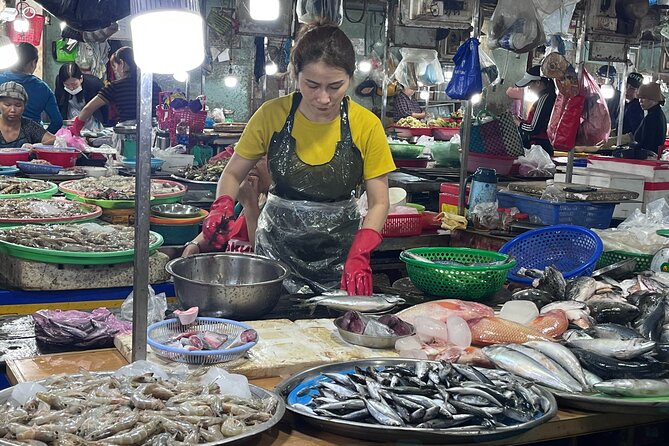
The cooking portion is designed to keep you moving. You come back from the market and then learn to cook five dishes: Bánh Xèo, Bún Bò Huế, Hoi An fresh roll, young jackfruit salad, and avocado ice-cream. The variety is smart. You’re not stuck repeating one technique for hours.
What I think you’ll enjoy most is the range of skills. You’ll practice different flavor profiles—crispy, soupy/spicy, fresh and herb-forward, sour-sweet crunchy salad, and cool creamy dessert. That makes the class feel like a mini tasting lesson plus a real cooking workshop.
At the end, you eat together. Sharing your own food right after cooking is a huge motivator. It also helps you spot what’s working: color, crispness, seasoning balance, and texture. If you’re someone who learns by doing (and not by reading), this format is a solid match.
One more thing: you’ll receive a cookbook and a certificate. Those aren’t just souvenirs. The cookbook gives you a way to repeat the dishes without trying to remember every step, and the certificate gives the day a clear “finished” feel when the 4 hours ends back at the meeting point.
Bánh Xèo and Bún Bò Huế: Two Classics That Teach Different Techniques
Bánh Xèo is the kind of Vietnamese dish that teaches you something fast. It’s a savory pancake—thin, crisp, and built for watching heat and batter consistency. In a class like this, you’re learning not only what to mix, but what the dish should look like as it cooks. That visual feedback is key because Bánh Xèo isn’t forgiving if the pan temperature is off.
Then you move to Bún Bò Huế, a different style of challenge. Instead of crisp, it’s about balancing a flavorful bowl—spicy, aromatic, and deeply satisfying. The skills here are less about “making something crunchy” and more about getting seasoning right and building a soup that tastes cohesive. Even if you don’t master every detail immediately, cooking it yourself makes the logic of the flavors stick.
I like that the two dishes cover two different modes of cooking: pan work for Bánh Xèo, then a soup-bowl mindset for Bún Bò Huế. If you’ve only cooked one style of food in your life, this pairing broadens your abilities quickly.
If there’s a drawback for some people, it’s this: both dishes require attention. If you like to multitask or take long breaks mid-cook, you might feel a little rushed. The class is short by design, so you’ll need to stay engaged at the stove.
Fresh Rolls and Young Jackfruit Salad: Crunch, Herb, and Sour-Sweet Balance
Next up are the lighter, fresher dishes—Hoi An fresh roll and young jackfruit salad. Fresh rolls can look simple, but they teach real discipline: portioning, rolling technique, and getting the right mix of herbs and filling. What makes fresh rolls worth learning is that the structure matters. A roll that’s too loose falls apart, and one that’s too tight feels off.
The young jackfruit salad adds a different skill: sour-sweet balance with a crunchy base. Young jackfruit brings a texture that’s unique—more crisp than most fruits—and it typically anchors the whole salad. Learning this dish is useful because it shows how Vietnamese flavors can be bright without being sugary. You’re looking for tang, a hint of sweetness, and something savory to tie it all together.
Together, these two dishes shift your cooking day. After crispy and spicy, you move into herb, crunch, and bright acidity. That variety is one reason the class doesn’t feel repetitive.
One practical tip for you: when you’re making salad-type dishes, taste in small steps. If your seasoning feels heavy, don’t wait until the end to correct it. Adjust while you’re still in “active cooking” mode, when changes are easiest.
Avocado Ice-Cream: A Dessert That Makes the Whole Class Feel Complete
Most cooking classes end with dessert that’s either too basic or too vague. Here, you’ll make avocado ice-cream, which gives you a clear finish and something different from typical Vietnamese sweet options. Avocado is the star, and you’ll get hands-on practice turning it into a creamy cold texture.
What makes this useful isn’t just the flavor. It’s the technique side: you see how a familiar ingredient becomes something you can serve like a true dessert. If you only ever think of avocados as savory, this dish pushes that mental category in a good way.
Also, ending with ice-cream helps the meal feel balanced. You go from savory to fresh salad to cool dessert, and your taste buds reset for the final shared meal.
A few more Da Nang tours and experiences worth a look


The Meal, Homemade Rice Vodka, Cookbook, and Certificate
After you cook, you sit down to eat the dishes together. This is where the experience clicks. You’re not only learning how to make food—you’re tasting what you produced in real time, while the day is still fresh.
Homemade rice vodka is included with the meal. I’d treat it as a bonus, not a requirement. If you don’t drink alcohol, you can still enjoy the meal, and you can decide how much you want to take part in that portion.
Then you receive a cookbook and a certificate. For me, that’s one of the strongest value signals. You’ll have both a reference to recreate the dishes and something tangible that marks the day. If you’ve ever traveled and then tried to recreate a cooking class from memory two weeks later, you know why written guidance is such a lifesaver.
One more note from how classes like this are run: you’ll likely have time for questions during the teaching. If you’re the kind of person who asks why something is done a certain way, this class rewards that habit. It’s not just execution; it’s understanding.
Price and Value: What $39 Buys You (and Why It’s Not Just Cheap)
At $39 per person for around 4 hours, you’re paying for more than recipes. You’re paying for market guidance, ingredient context, hands-on instruction, and a meal with alcohol plus take-home materials.
Here’s the simple math that matters: five dishes would normally require either multiple restaurant meals or multiple cooking sessions. This bundles the experience into one afternoon and adds the market trip, which is where many of the “how do I buy this?” questions get answered.
Also, the class is capped at 30 travelers. That doesn’t guarantee personalized coaching, but it usually keeps things from turning into chaos. It’s a big plus for a hands-on format where you need time at the station.
And the flexibility is real: vegetarian, vegan, and allergy requests are supported if you mention them in special requests. That can make a big difference when you’re traveling with dietary limits.
Logistics That Actually Affect Your Day
Meet-up is at 07 Nguyễn Bá Lân (Bắc Mỹ An, Ngũ Hành Sơn, Đà Nẵng). The activity ends back at the same meeting point, so you don’t have to plan an extra transfer afterward. The tour notes also say it’s near public transportation, which helps if you’re building the rest of your afternoon around it.
You’ll use a mobile ticket. That’s convenient when you’re already juggling maps, weather, and food cravings.
Group size is capped at 30, which means you’ll be part of a larger team but not a packed crowd. In practice, that usually feels like a small class rather than a show.
Timing is the only thing I’d treat with a little caution. One report described a wait close to an hour when the previous session ran late. That doesn’t mean it’s guaranteed, but it’s enough to justify building a buffer into your schedule—especially if you have another plan right after.
Language is another small variable. If your Vietnamese is limited, the teaching is still doable because it’s hands-on and practical, but English skill can vary between instructors. When in doubt, point at the ingredient you’re working with and ask what you should watch for.
Who This Class Fits Best (and Who Might Want Another Option)
This is a great fit if you:
- want a food-focused activity without spending all day on planning
- like learning from real ingredients at a local market
- enjoy hands-on cooking and tasting what you make right away
- want a deal that includes multiple dishes, a meal, and take-home materials
It’s also a good choice if you’re traveling solo or as a couple. The format is structured, and the group size stays reasonable. If you’re traveling with dietary needs, ask about vegetarian/vegan/allergy support before you go.
You might think twice if you:
- hate waiting for any reason, since schedules can slip
- need very high English support at all times (it can vary)
- prefer a slow, free-form market wander over a timed class format
Should You Book This Cooking Class?
If you want a solid Da Nang food experience with real teaching—not just eating—this is an easy yes. The mix of market trip plus five dishes plus a shared meal makes the price feel fair, and the cookbook and certificate give you something useful afterward.
Book it if you’re hungry for practical cooking skills: understanding ingredients, learning how different Vietnamese dishes work, and bringing at least a few of them home with confidence. Skip it only if your schedule is tight and you can’t tolerate the chance of a delay, or if you need unusually consistent language support.
FAQ
Where does the class meet?
You meet at 07 Nguyễn Bá Lân, Bắc Mỹ An, Ngũ Hành Sơn, Đà Nẵng, about 15 minutes before the start time.
How long is the experience?
It lasts about 4 hours.
Is there a market trip before cooking?
Yes. You visit a market nearby in the beginning of the class to shop and learn about local ingredients.
What dishes do you cook?
You cook five dishes: Bánh Xèo, Bún Bò Huế, Hoi An fresh roll, young jackfruit salad, and avocado ice-cream.
What’s included with the meal?
After cooking, you eat the dishes together, and the meal includes some homemade rice vodka.
Can the class accommodate dietary needs?
Yes. Vegetarian, vegan, and allergy requests can be accommodated if you mention them in a special request when booking.
What’s the cancellation policy?
You can cancel for free up to 24 hours in advance for a full refund. Canceling less than 24 hours before the start time won’t be refunded.