REVIEW · HOI AN
Hoi An : Vietnamese Cooking Class with Hotel Pickup
Book on GetYourGuide →Operated by Vietnam Orange Tours · Bookable on GetYourGuide
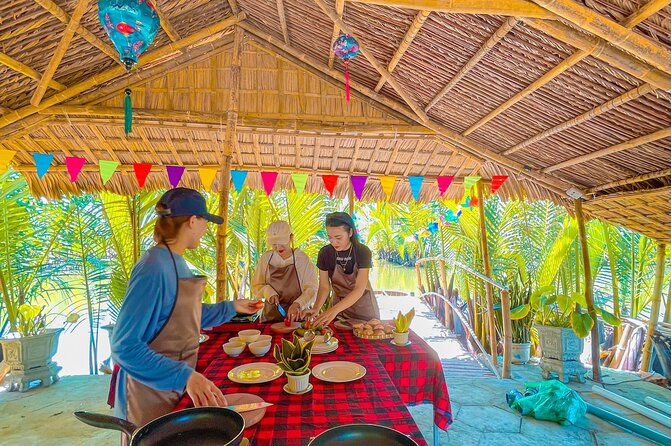
Coconut-village cooking is a flavor shortcut. This Hoi An Vietnamese cooking class pairs hotel pickup with an English-speaking chef in Cam Thanh, where you make four dishes and then eat your results together. The setting alone adds personality—you’re not just cooking in a back room, you’re part of the rhythm of the coconut village.
I love the hands-on structure: step-by-step guidance, high-quality ingredients, and a clear finish line with a sit-down meal. I also like that you get a welcome drink and a breather at the restaurant before you start, which keeps things from feeling frantic. One thing to consider: depending on your time slot, the pace can feel a bit quick, so double-check that you’ll have enough time to actually cook—not just watch.
This is also a practical choice if you want Vietnamese food that’s specific to Hoi An, not generic “Vietnamese cooking.” You’ll learn dishes you’ll recognize locally, then you’ll understand what makes them taste the way they do. And if you have dietary restrictions, make sure you flag them in advance so the vegetarian option can be handled smoothly.
In This Review
- Key Points You’ll Care About
- From Hotel Pickup to Cam Thanh: The Day Starts Easy
- Welcome Drink and Restaurant Reset: Start With Your Energy
- The Hands-On Lesson: Four Hoi An Favorites
- 1) Hoi An Rice Pancake: Thin, Savory, and Very Local
- 2) Hoi An Spring Rolls: Rolling Skills You Can Reuse
- 3) Papaya Salad: A Flavor Lesson, Not Just a Recipe
- 4) Cao Lầu or Fish in Clay Pot: The Final Choice With Big Comfort
- Your Chef and the Pace: Great Instruction, But Watch the Time Slot
- Eating What You Cook: The Meal Part Actually Matters
- Transportation and Transfers: Why It Feels Low-Stress
- Optional Basket Boat Trip: Worth It Only If You Want It
- Vegan and Allergy-Friendly Planning
- What to Bring and Wear (So You Don’t Regret It Later)
- Is It Good Value for $24?
- Who This Class Suits Best
- Should You Book This Hoi An Cooking Class?
- FAQ
- What dishes will I learn to cook?
- How long does the cooking class last?
- Does the tour include hotel pickup and drop-off?
- Is the guide or chef English-speaking?
- What’s included besides the cooking class?
- Is there an option for a basket boat trip?
- Is there a vegan or vegetarian option?
- What should I bring or wear?
Key Points You’ll Care About
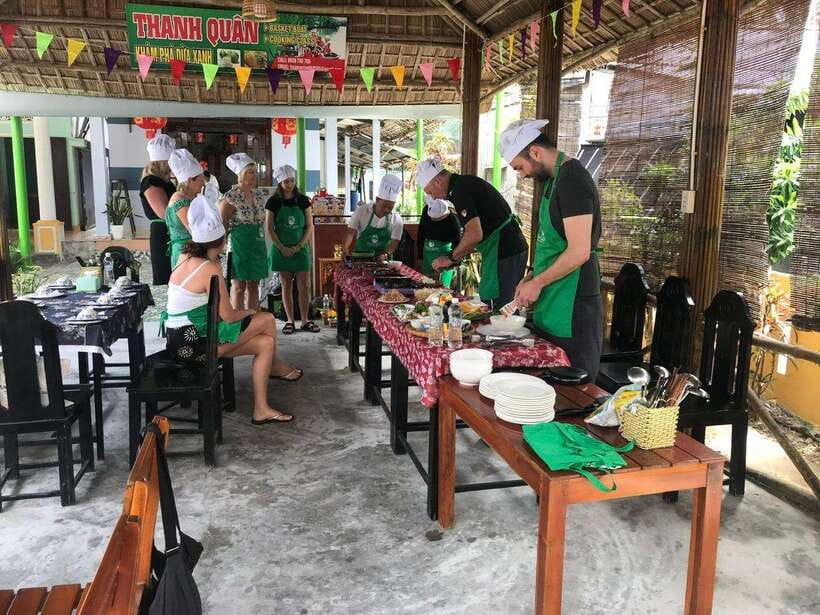
- Cam Thanh coconut village setting: the cooking happens in the area known for coconuts and river life, not in a distant studio.
- Four dish payoff: Hoi An rice pancake, Hoi An spring rolls, papaya salad, plus Cao Lầu or fish in clay pot.
- English-speaking chef: clear instruction that works even if you’ve never cooked Vietnamese food before.
- Welcome drink and break first: you refuel before you start chopping, rolling, and frying.
- Optional basket boat trip: if you add it, you’ll extend the day beyond cooking.
- Hands-on level can vary: some schedules may feel more rushed, so choose a time when you can slow down and learn.
From Hotel Pickup to Cam Thanh: The Day Starts Easy
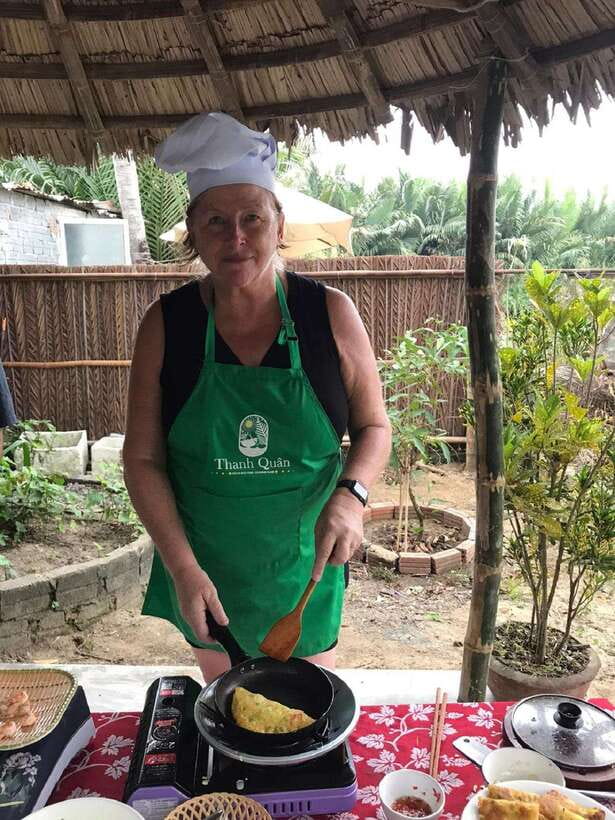
The biggest “value” win here is the hotel pickup and drop-off in Hoi An city center. You don’t need to figure out transport, buses, or the awkward taxi negotiation after a half-day of cooking. Once you’re collected, you’re transferred toward the Cam Thanh Coconut Village area, which sets the tone immediately.
Cam Thanh is the sort of place that makes Vietnamese food feel more grounded. Instead of treating cuisine like a museum exhibit, it connects to what people grow, cook with, and sell nearby. Coconuts and river culture aren’t just decoration—they’re part of the daily logic of the region.
A practical note: your total time on the experience is listed as 150 to 270 minutes. That’s a wide window, which usually means different start times and varying pace. If you’re the kind of person who hates being rushed, aim for a slot that gives you comfortable breathing room between stops.
You can also read our reviews of more cooking classes in Hoi An
Welcome Drink and Restaurant Reset: Start With Your Energy
Before you step into the class, you’ll get a welcome drink and a chance to rest at the restaurant. That matters more than it sounds. Vietnamese cooking can be intense in the moment—hot pans, fast assembly, and tasting as you go—so arriving hungry or tired can turn a fun class into a survival test.
This break also gives the group a moment to settle in. You’ll get oriented, meet your English-speaking chef and classmates, and then the “learning” phase becomes manageable. It’s an easy way to keep the experience friendly rather than chaotic.
If you’re traveling with anyone who gets hangry quickly, this part is a big deal. It keeps the mood up before you start making dishes that take a bit of coordination.
The Hands-On Lesson: Four Hoi An Favorites
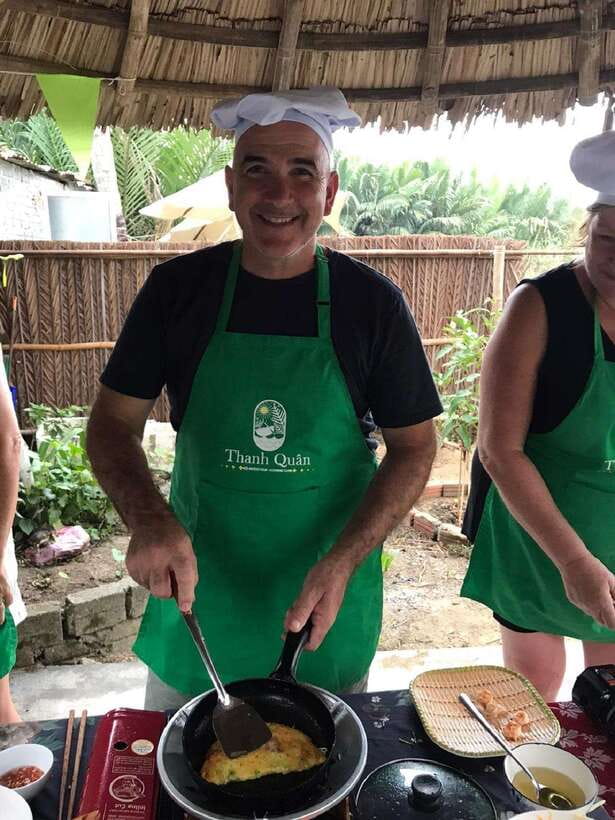
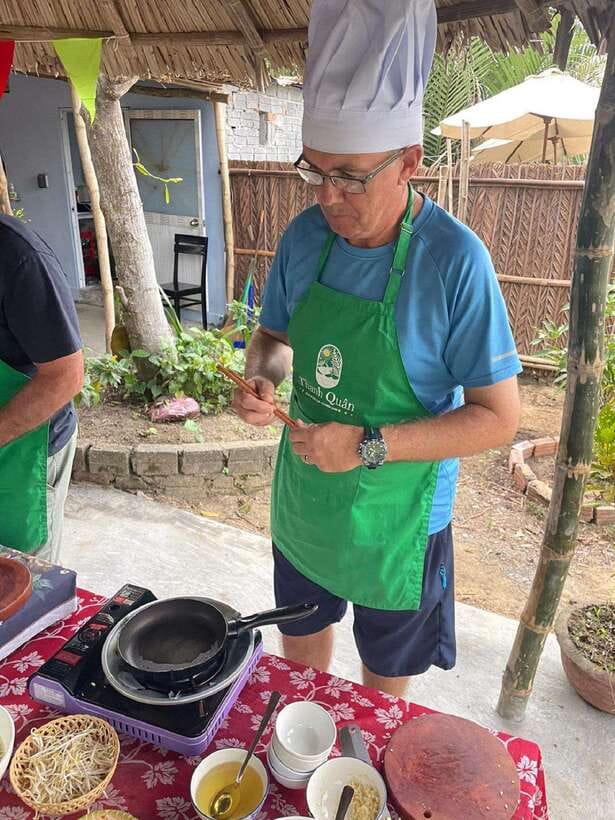
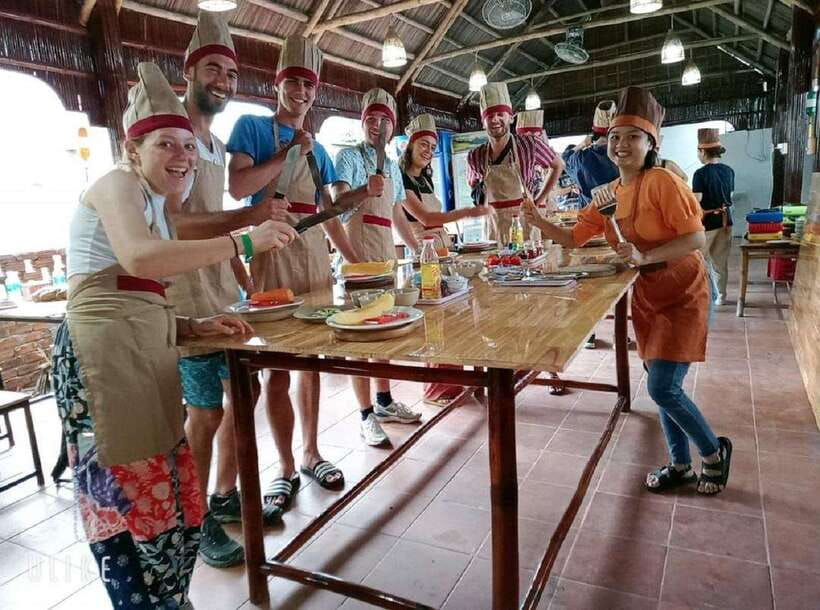
The class is built around cooking four local dishes. That’s a sweet spot. Too few dishes and you feel like you paid for watching. Too many and it becomes rushed and repetitive. Here, the menu gives you variety across texture, flavor, and technique.
1) Hoi An Rice Pancake: Thin, Savory, and Very Local
The Hoi An rice pancake (you’ll learn this as part of the first set of dishes) is a great example of why Vietnamese cooking is so satisfying. You’re not just mixing ingredients—you’re learning how the dough behaves and how to get it to cook correctly.
What I like about this dish as a beginner-friendly start: it teaches technique without being overly complicated. You’ll see how ingredients come together, and the chef’s step-by-step approach keeps you from guessing.
This also helps you understand one key Vietnamese idea: texture matters. Rice-based dishes reward patience, and when you get the heat and timing right, the result tastes like something you’d actually buy in Hoi An, not something improvised.
2) Hoi An Spring Rolls: Rolling Skills You Can Reuse
Next up are Hoi An spring rolls, and this is where you’ll feel your progress fastest. Spring rolls are hands-on by nature—rolling, filling, shaping, and then cooking. Even if your first try isn’t restaurant-perfect, you’ll learn what makes a roll hold together and taste balanced.
One useful takeaway: spring rolls aren’t only about frying. The filling choices and seasoning timing matter. When you taste what you made, you can connect the steps you followed to the flavor you experience.
A heads-up: based on what you might experience at different times, the level of hands-on rolling can vary. If you want the maximum “I made this myself” feeling, pick a time slot that suits your energy level and be clear with your chef when you need extra help.
A few more Hoi An tours and experiences worth a look

3) Papaya Salad: A Flavor Lesson, Not Just a Recipe
Papaya salad is where the class gets sharp in a good way. It’s bright, tangy, and a little spicy—meaning you can actually learn by tasting. You’ll understand how sweetness, saltiness, sourness, and crunch interact.
This dish is also ideal for practicing what Vietnamese cooks do constantly: balance. Instead of waiting until the end to find out if it tastes right, you adjust as you go. That approach makes the learning feel real, not theoretical.
If you like food that wakes up your palate, this one is usually the moment you start thinking, Okay, this is why Vietnamese cuisine keeps showing up on menus for a reason.
4) Cao Lầu or Fish in Clay Pot: The Final Choice With Big Comfort
For the fourth dish, you’ll cook either Cao Lầu or fish in clay pot. Both options bring you into the heart of Hoi An comfort food—deep, savory, and made for eating slowly.
- If you get Cao Lầu, you’ll be working with a dish that feels uniquely Hoi An—no copy-paste vibe.
- If you get fish in clay pot, you’ll learn how this cooking style creates flavor through gentle cooking and trapped aromas.
What I like about ending with one of these is that it rounds out your menu. You go from lighter, tangy flavors (papaya salad) to richer, heavier comfort (Cao Lầu or clay pot). You’ll taste the range, not just one “theme.”
Your Chef and the Pace: Great Instruction, But Watch the Time Slot
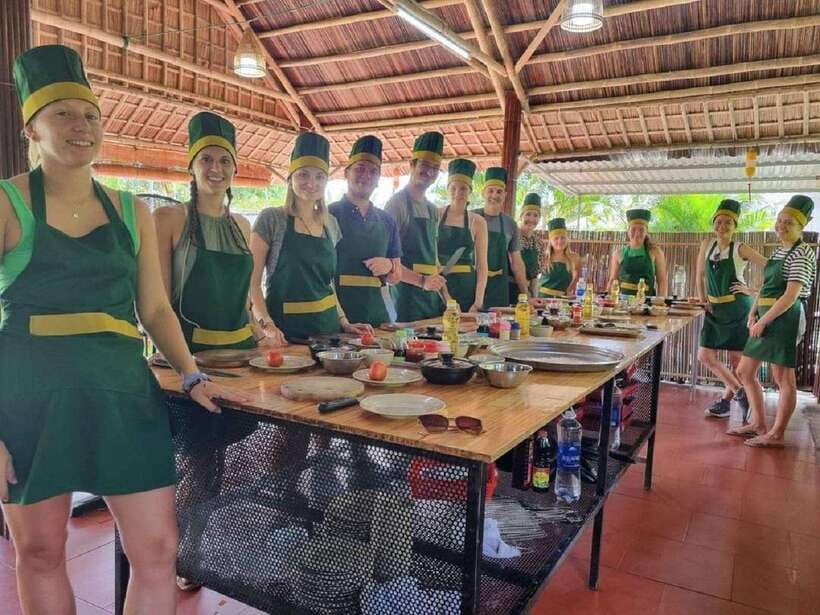
This class is led by an English-speaking chef, and the instruction style is designed to be clear even if you’re nervous. One chef name that comes up in the experience is Chef Hon, who’s described as attentive and good at keeping everyone on track.
The good news: if you want a confidence boost, the format is set up for you. There’s step-by-step guidance, and the class flow is structured so you’re not left flailing at a cutting board.
The caution: the timing can shift how hands-on it feels. Some schedules may feel tighter, and then the class can drift toward more watching and less repeating steps yourself. Also, one point to keep in mind is that some add-ons (like the basket boats) can be promoted during the day—so decide what you want before the pitch starts, not after you’re emotionally invested in the moment.
If you’re someone who loves to cook and wants time to practice, plan to arrive rested and pay attention to how much the chef is inviting you to do versus demonstrate.
Eating What You Cook: The Meal Part Actually Matters
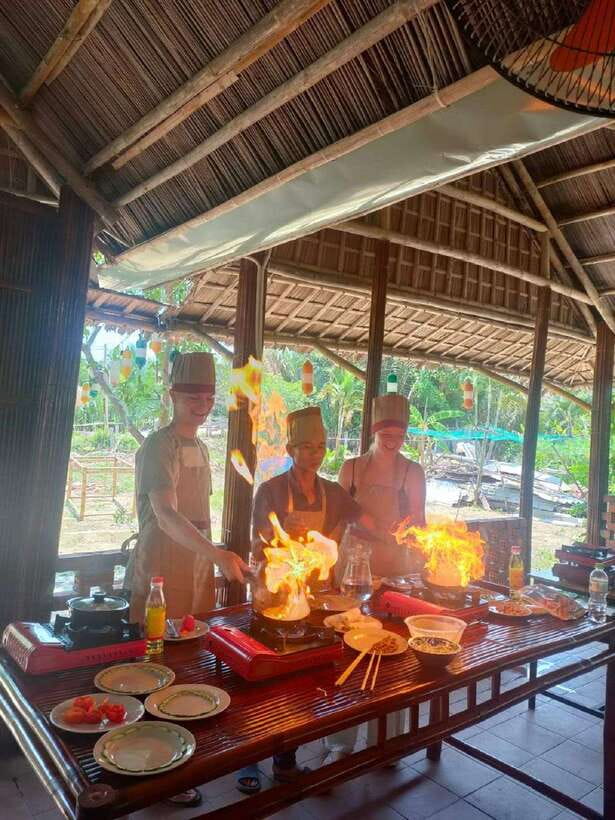
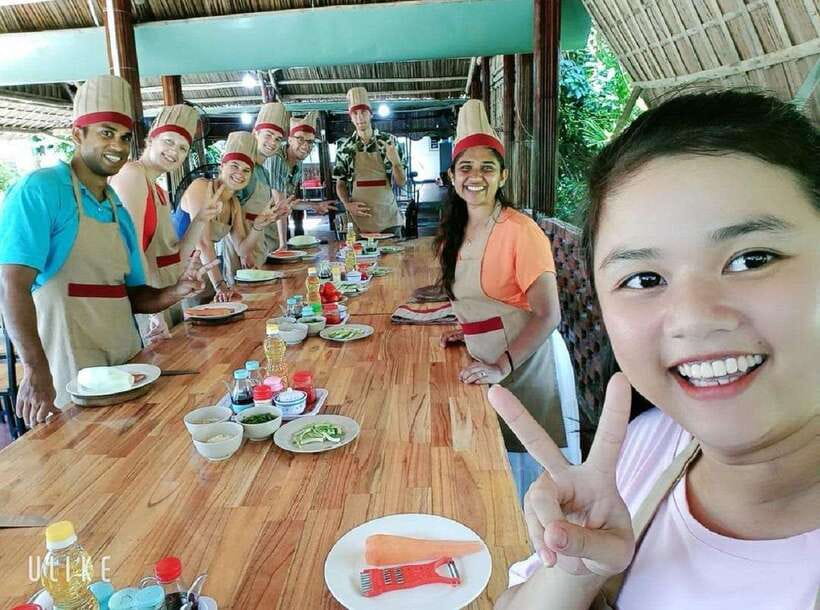
After the lesson, you’ll savor what you prepared. This is not just “here’s your food, thanks for coming.” The experience includes time to eat your dishes and chat with classmates, sharing what worked and what tasted different than expected.
That meal piece is where learning becomes memorable. You’ll connect flavor to technique. You’ll notice things like crunch level, seasoning balance, and how the cooking timing affected texture. And when you compare notes with other people, you often pick up small tips you can reuse later.
One underrated benefit: Vietnamese cooking classes can be pricey if they’re mostly sitting and watching. Here, the class is structured so you’re contributing to a shared table of your own work. That’s what makes it feel like a real experience rather than a food show.
Transportation and Transfers: Why It Feels Low-Stress
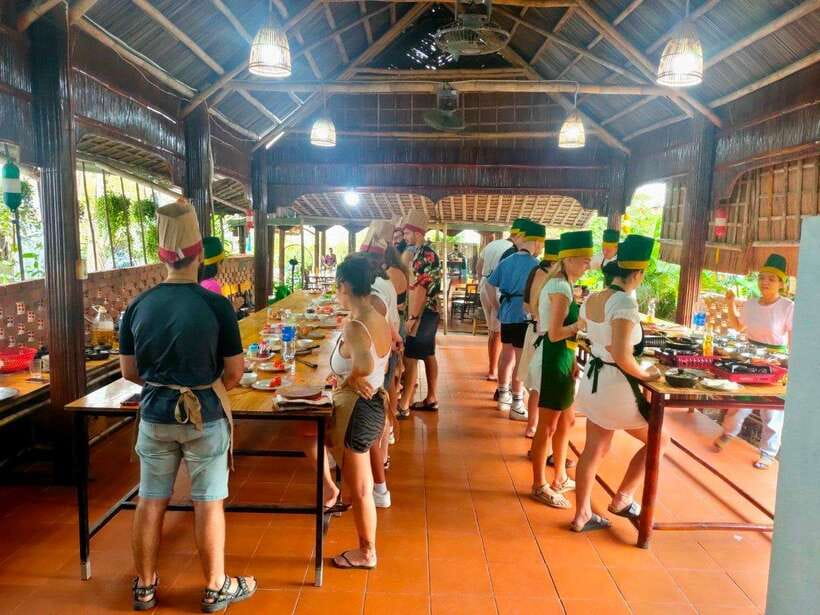
The transport is described as highly rated, and you can feel why. When pickup and drop-off are handled, you don’t waste energy negotiating routes or worrying about being late. A cooking class is the type of activity where timing matters, and good logistics help keep the learning part smooth.
Also, because the experience is in the Hoi An city center for pickup, it’s convenient for most hotel locations inside that main area. You get the benefit of the village atmosphere without losing time to complicated travel.
Optional Basket Boat Trip: Worth It Only If You Want It
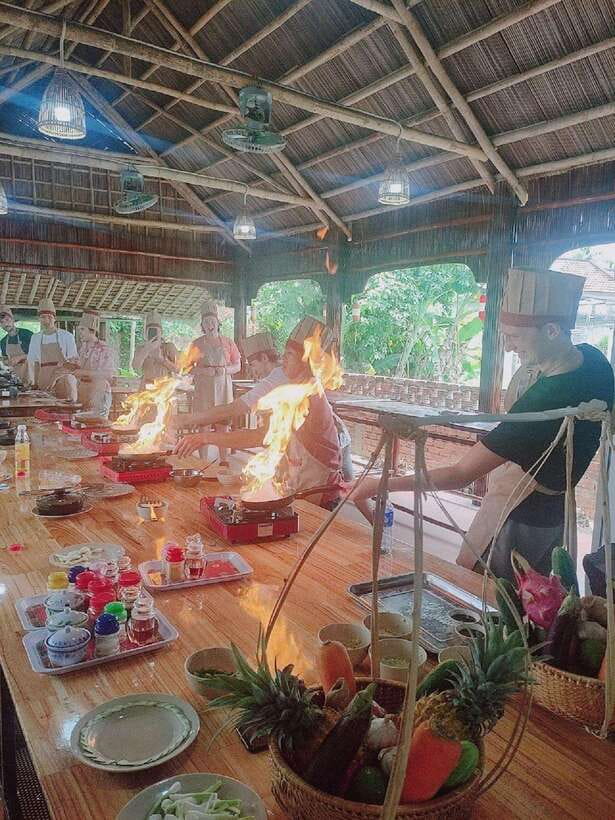
The activity includes a basket boat trip (if option selected). This can add a fun layer to your day because it brings you closer to the river-and-coconut village vibe, beyond just cooking.
The only practical caution: if you’re not truly interested in the boats, don’t let momentum push you into it. One review note (which matches the pattern of how these add-ons can happen) suggests there can be a bit of pressure. So if you like photo ops and river scenery, go for it. If not, it’s fine to decline and keep your day focused on the cooking.
Vegan and Allergy-Friendly Planning
You’ll want to plan this part carefully. The experience states that a vegan/vegetarian option is available, and you should inform the operator in advance about any food allergies or dietary restrictions.
This is important because Vietnamese cuisine uses ingredients that can be easy to miss if you’re not paying attention—things like fish sauce and shrimp-based flavoring. If you tell them upfront, you’ll give the chef a chance to adjust ingredients and still teach you the right techniques.
If dietary needs are part of your travel planning, I’d treat this as a must-do step, not a minor detail.
What to Bring and Wear (So You Don’t Regret It Later)
The recommended items are simple, but they’re not optional if you want comfort:
- Comfortable shoes
- Hat
- Camera
- Sunscreen
- Comfortable clothes
Cooking in a tropical environment means you’ll likely be outdoors or near it before the cooking starts. A hat and sunscreen help a lot. Comfortable clothes keep you from feeling stuck when you’re bending, rolling, or leaning over a workspace. Shoes matter more than you’d think—spills and heat zones don’t care about your fashion choices.
Is It Good Value for $24?
At $24 per person, this class looks like a bargain on paper, and in practice it can be. Here’s the value logic:
- You get hotel pickup and drop-off, which saves time and money.
- You learn four dishes tied to Hoi An.
- You eat the meal you made.
- You get an English-speaking chef plus all ingredients.
- You may add a basket boat trip if you choose that option.
For many travelers, the biggest value is the combination: not just cooking, but cooking + transport + ingredients + meal. If you’ve ever tried to book “a local cooking market thing” that turns into a half-show and a short cooking sprint, you’ll appreciate a format that aims for real participation.
The one value question to ask yourself is pacing. If your start time feels rushed, you may do less hands-on work than you hoped. That doesn’t automatically make it bad, but it can change the perceived value. For $24, you want your money to buy both instruction and participation.
Who This Class Suits Best
This experience fits well if you:
- Want a structured way to learn Vietnamese cooking with clear step-by-step guidance
- Like Hoi An specialties, especially rice-based dishes and spring rolls
- Prefer guided instructions in English so you’re not lost at the stove
- Enjoy eating a shared meal right after learning
It’s also a good fit for travelers who want an authentic-feeling activity without long travel. You’re in Cam Thanh for the experience, but the day still runs cleanly thanks to pickup and drop-off.
If you’re very sensitive to time pressure, plan carefully around the start time and be ready to request help so you can get your share of hands-on cooking.
Should You Book This Hoi An Cooking Class?
If you want a friendly, practical way to learn four Hoi An dishes with an English-speaking chef, I think this is a smart booking. The best case is exactly what the format promises: you cook, you taste, you chat, and you leave with skills you can actually repeat later.
Book it if:
- You care about learning Hoi An specifics like rice pancake and spring rolls
- You’d rather have ingredients and logistics handled
- You want a class that includes a proper meal of what you make
Skip it (or choose your timing carefully) if:
- You’re paying for heavy hands-on time but your schedule tends to feel rushed
- You’re strongly against any push for optional add-ons like the basket boats
If you go in with comfortable clothes, a little patience, and a plan for your diet needs, this is the kind of experience that turns “Hoi An food” from a label into something you can cook and explain.
FAQ
What dishes will I learn to cook?
You’ll cook four local dishes: Hoi An rice pancake, Hoi An spring rolls, papaya salad, and either Cao Lầu or fish in clay pot.
How long does the cooking class last?
The duration is listed as 150 to 270 minutes, depending on the start time you choose.
Does the tour include hotel pickup and drop-off?
Yes. The experience includes hotel pickup and drop-off in Hoi An city center.
Is the guide or chef English-speaking?
Yes. The tour includes a live guide and/or chef who speaks English.
What’s included besides the cooking class?
Included are the welcome drink, the cooking class with an English-speaking chef, all cooking ingredients, and a meal of the dishes you prepare.
Is there an option for a basket boat trip?
Yes, a basket boat trip is included if you select that option.
Is there a vegan or vegetarian option?
Yes. Vegan/vegetarian options are available. You should also inform the operator about any allergies or dietary restrictions in advance.
What should I bring or wear?
Wear comfortable shoes and clothes, and bring a hat, sunscreen, and a camera.