REVIEW · HOI AN
Hoi An Old Town Walking Tour – Small Group with Local Guide
Book on GetYourGuide →Operated by CÔNG TY TNHH THANH HAI TRAVEL · Bookable on GetYourGuide
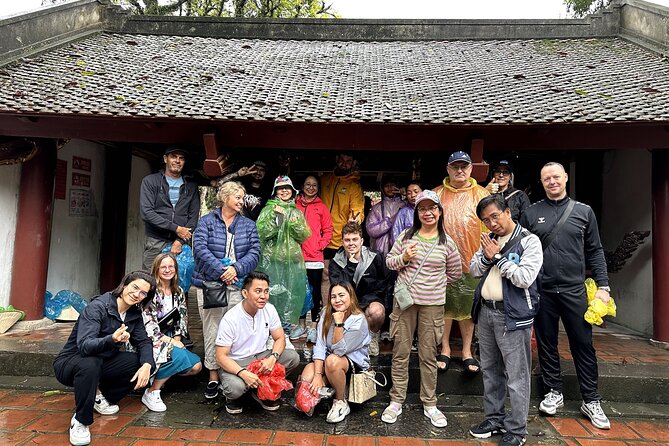
Hoi An’s lanes tell stories fast. This small group tour is a cozy, 2.5-hour walking loop through Hoi An Ancient Town’s main landmarks, with a trained local guide who shares culture and real-life context as you go. You also get many indoor break stops, which makes the whole thing feel comfortable instead of nonstop heat and crowds.
I love how this tour is built for understanding, not just photos. You’ll get tea and a local dessert during the walk, and you’ll also walk away with helpful, on-the-ground restaurant and tailor-shop suggestions you can actually use after the tour.
One consideration: you’ll need to plan for the UNESCO entrance ticket cost (120,000 VND per person, cash only) and remember this is a tip-based tour where the guide depends on your contributions.
In This Review
- Key Things You’ll Notice on This Hoi An Walking Tour
- Why This 2.5-Hour Old Town Walk Is the Best First Move
- Meeting Point and the Simple Layout That Keeps You From Stressing Out
- Price, UNESCO Ticket, and Tips: What You’re Actually Paying For
- The Itinerary: What Each Stop Adds to the Bigger Picture
- 1) Ba Mu Temple Gate: Starting With a Sense of Place
- 2) Fujian/Cantonese Assembly Hall: Community Architecture in Action
- 3) Japanese-Covered Bridge: One Landmark, Many Stories
- 4) Kazik Park: A Quick Reset Between Heritage Stops
- 5) Tấn Kí Heritage House: Reading Daily Life Through Architecture
- 6) Hoi An Traditional Art Performance House: Tradition You Can Watch
- 7) Museum of Folk Culture: Putting Meaning Behind What You’ve Seen
- 8) Hoi An Market: Ending With Local Everyday Life
- Small Group Size and the Guide Quality That Makes It Feel Personal
- Tea, Local Dessert, and Indoor Break Stops: Why This Tour Feels Comfortable
- The Real Value: Recommendations You Can Use the Same Day
- Who Should Book This Hoi An Tour (and Who Might Want Something Else)
- Should You Book This Tour?
- FAQ
- What is the duration of the Hoi An Old Town walking tour?
- How big is the group?
- Is the UNESCO entrance ticket included in the tour price?
- Are there any included food or drinks?
- Do I need to pay tips during the tour?
- Where do I meet the tour guide?
- Where does the tour end?
- Does the tour include an entrance ticket skip?
- What should I bring for the tour?
- Is the tour suitable for babies and strollers?
Key Things You’ll Notice on This Hoi An Walking Tour

- Small group (up to 10) so you can ask questions without shouting over a crowd
- Indoor break stops so the 2.5 hours stays pleasant, not exhausting
- Tea and a local dessert give you a natural pause and a taste of the place
- Skip-the-line style access using a separate entrance for the UNESCO-area sights
- Practical local recommendations for food, coffee, and even tailoring
Why This 2.5-Hour Old Town Walk Is the Best First Move
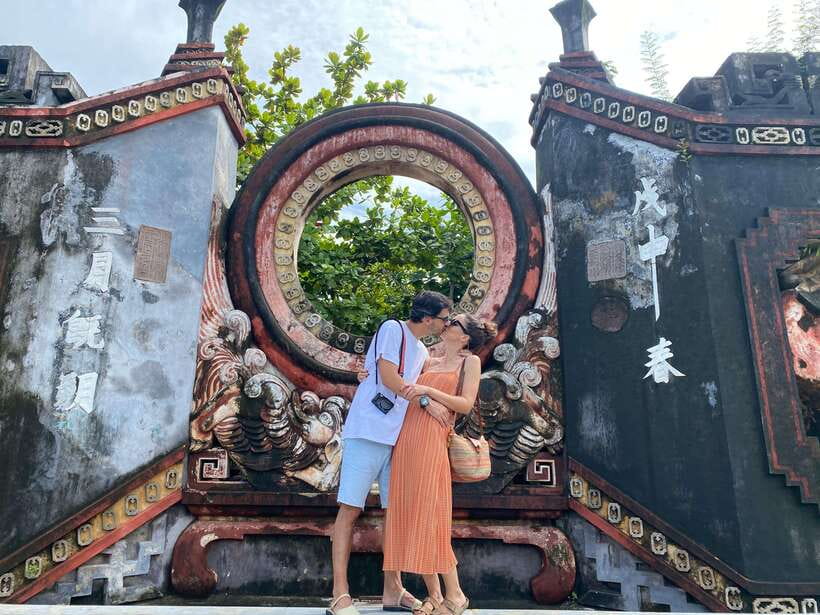
If you’re arriving in Hoi An and you want to get your bearings fast, this format makes a lot of sense. You’re not trying to “see everything” across an entire day. Instead, you get a focused loop through the parts of Hoi An that first-time visitors usually want, guided in a way that helps the streets and buildings click into place.
The 2.5-hour timing is also smart. Hoi An Ancient Town is compact, but the day can still wear you out, especially if you hit it in the middle of the day. The tour’s pacing includes many indoor stops, which is a big deal. It means you can keep moving through the story of the Old Town without feeling like you’re stuck outside the whole time.
And since the tour is tip-based, the guide’s goal is usually simple: make the experience worth your time. That tends to bring out a friendly, human energy. In particular, guides such as Duy and Trung (Tom) are known for being cheerful, answering questions patiently, and sharing culture, food, and history in a way that’s easy to follow.
You can also read our reviews of more walking tours in Hoi An



Meeting Point and the Simple Layout That Keeps You From Stressing Out
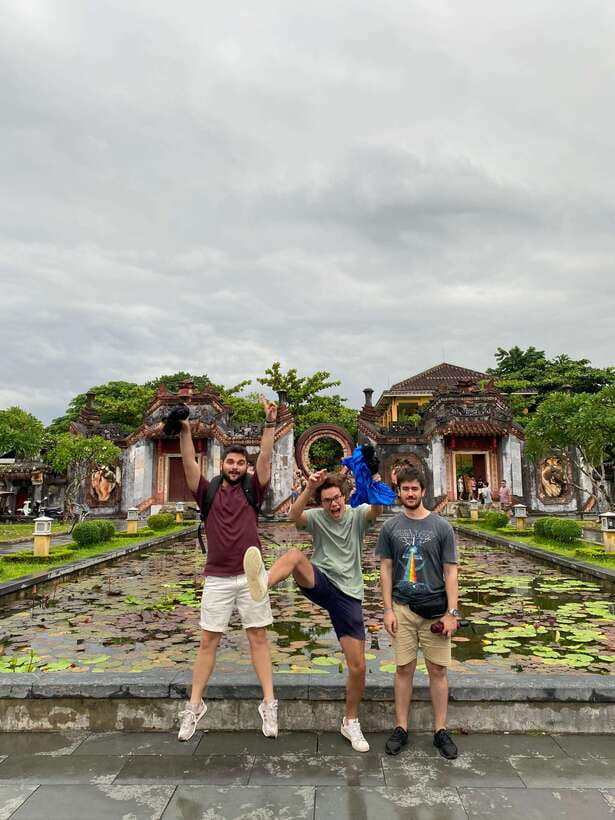
This tour starts at 95 Phan Chau Trinh Street, waiting in front of a tailor shop at the corner of the intersection. That’s useful because it’s specific. When you’re in a walkable heritage town, vague meeting points can waste time. Here, you’ve got a clear landmark to aim for.
The walk ends back at the meeting point too. That matters more than it sounds. You don’t have to negotiate getting back across Old Town streets afterward. You can plan your next move right away—dinner reservations, a coffee stop, or popping into a shop you noticed during the tour.
The route includes several UNESCO-related sights, so you’ll also want to be ready for the tour’s one key logistics item: the 120,000 VND per person entrance ticket, cash only.
Price, UNESCO Ticket, and Tips: What You’re Actually Paying For

The listed price is extremely low on a per-person basis, but here’s the honest way to think about it. You’re not paying for a closed, all-inclusive bundle. You’re paying for a guided walking experience with a local English-speaking guide, a small group, and included breaks (tea plus a local dessert). The UNESCO entrance ticket is not included, and this tour is tip-based.
So the value equation looks like this:
- You pay the tour cost for the guide time, the small group format, and the guided route through key sights.
- You bring extra cash for the UNESCO ticket (120,000 VND per person).
- You factor in a tip, because the guide’s livelihood depends on contributions.
When it all adds up, this kind of tour usually works best for people who want structure and local storytelling without spending a lot of money on transport or a big “attraction day.” If you like walking, you’re comfortable with indoor pauses, and you want local restaurant and shop recommendations, the pricing structure fits the experience well.
The Itinerary: What Each Stop Adds to the Bigger Picture
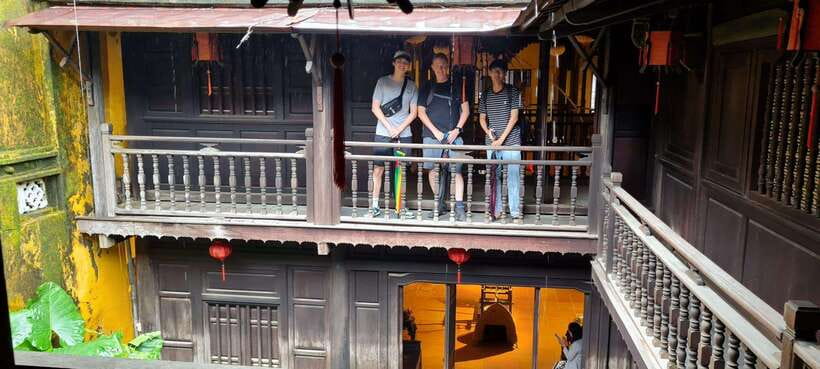
This tour moves through a tight set of stops that cover a lot of what makes Hoi An feel unique. It’s not only about ticking off landmarks; it’s about learning what they represent—community, architecture, tradition, and everyday life in the town.
Here’s how the walk comes together.
1) Ba Mu Temple Gate: Starting With a Sense of Place
The tour begins at the Ba Mu Temple gate. Starting here is helpful because it sets the tone early: you’re in Hoi An’s cultural space, not just strolling through streets. This is the kind of stop that helps you read the town better as you walk—what you’re looking at isn’t random, and the guide’s stories make the gate feel like a starting point rather than just a photo spot.
You can also read our reviews of more guided tours in Hoi An






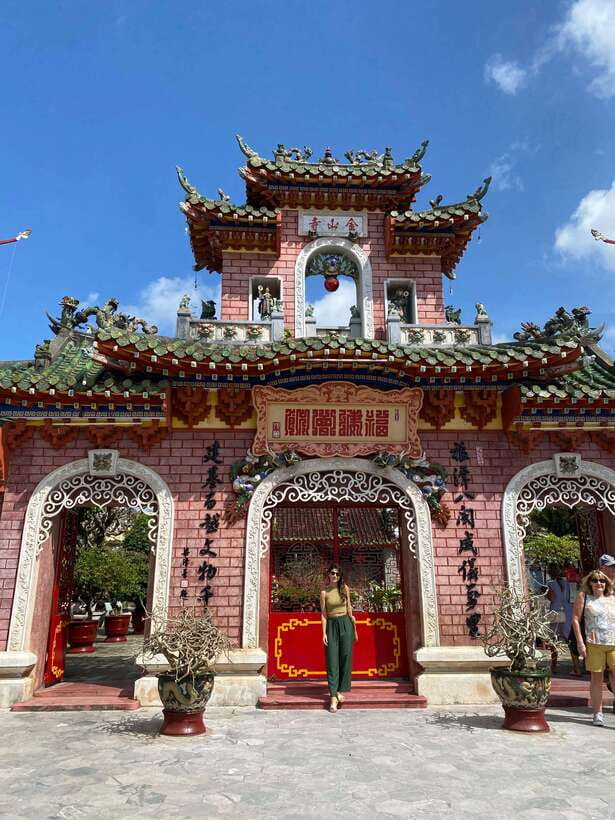
2) Fujian/Cantonese Assembly Hall: Community Architecture in Action
Next up is the Fujian/Cantonese Assembly Hall. Even if you know zero Vietnamese history, this kind of stop gives you a clear theme: Hoi An was shaped by different communities coming together. The guide’s role here is big. Instead of you trying to interpret everything on your own, they connect the building to the people and traditions behind it.
A potential downside at this stop: assembly halls can involve quieter indoor areas where you might be tempted to rush for photos. Don’t. Let the guide explain what you’re seeing so you actually get value from the stop.
3) Japanese-Covered Bridge: One Landmark, Many Stories
Then you reach the Japanese-covered bridge. This is a classic “everyone photographs it” stop, but the tour’s advantage is that you’re not just looking at the bridge. You’re learning how it fits into the overall town feel—how Hoi An blends influences, architecture, and local life into one visible place.
If you want the best experience here, give yourself a moment. Stand where you can see the structure clearly, then listen. It’s easy to move on too fast in heritage towns, especially when the route feels efficient.
4) Kazik Park: A Quick Reset Between Heritage Stops
The tour includes Kazik Park as a break point. Park stops are often overlooked on tours because they don’t sound like “top sights.” But in a walking tour, they’re practical. They give your legs a moment and give your brain a chance to process what you just saw before you head into more indoor cultural stops.
If the weather is warm, this is also where you can cool down in a calmer area before continuing.
5) Tấn Kí Heritage House: Reading Daily Life Through Architecture
After that, you visit Tấn Kí Heritage House. Heritage houses are where you start feeling the town more personally. It shifts the focus from street-level icons to the way people once lived and how buildings were designed to suit that life.
The benefit here is perspective. Without a guide, you might treat it like another pretty building. With the guide, it becomes a window into how Hoi An’s past shaped its architecture.
6) Hoi An Traditional Art Performance House: Tradition You Can Watch
The walk continues to the Hoi An Traditional Art Performance House. This stop turns your sightseeing into something closer to living culture, at least in spirit. You’re not just reading about traditions; you’re in a space connected to the performing side of local culture.
If you’re the type who likes “culture with context” rather than long museum hours, this is a good mid-route change of pace.
7) Museum of Folk Culture: Putting Meaning Behind What You’ve Seen
Then comes the Museum of Folk Culture. Museums can either feel like time sinks or like the moment things click. In this tour’s format, it’s placed after a series of architecture and cultural stops, so it can help connect the pieces you’ve already been looking at.
A heads-up: museum space can be slower than street walking. If you tend to get restless, focus on one or two themes the guide emphasizes, then let those themes guide your attention.
8) Hoi An Market: Ending With Local Everyday Life
Finally, you end at Hoi An Market. This is where the tour lands back in everyday reality. After seeing temples, halls, bridges, and heritage spaces, the market gives you a sense of what daily life looks like now.
Even if you don’t plan to buy much, the market is a great place to ask your guide for follow-up recommendations. This is one reason tours like this feel useful: they help you transition from “sightseeing” to actually moving through Hoi An on your own.
Small Group Size and the Guide Quality That Makes It Feel Personal
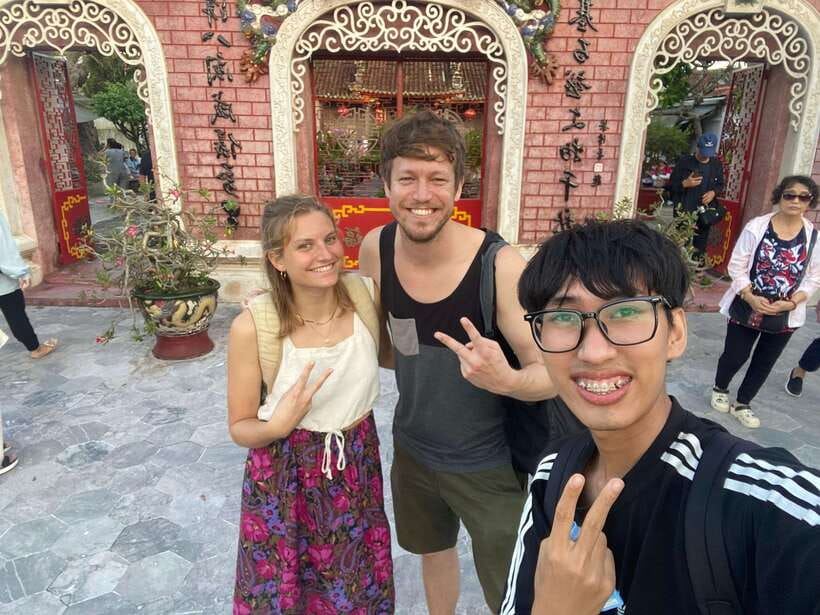
A small group limit of up to 10 participants is one of the best parts of this tour, especially in Old Town areas where everyone wants to stop and look. In a bigger group, you lose time to bottlenecks and you can’t always ask questions. Here, you can actually hear the guide and still move at a walking pace.
The guide quality is the other big factor. The experiences described with guides like Duy and Trung (Tom) focus on two things that really matter on a cultural walk:
- They keep the tone upbeat and easy to follow
- They answer questions patiently, including questions that go beyond the script
That’s how you end up with a tour that feels like it teaches you something, not just escorts you through a checklist.
Tea, Local Dessert, and Indoor Break Stops: Why This Tour Feels Comfortable
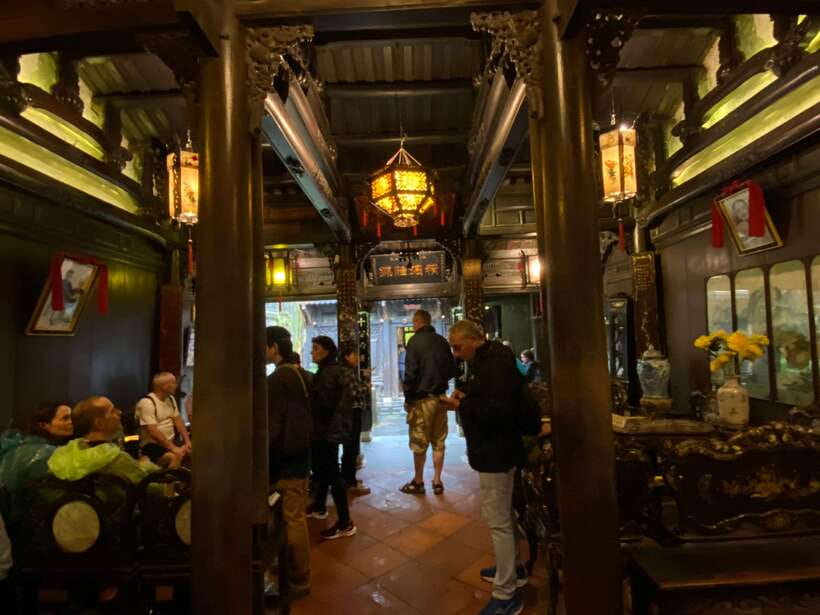
A lot of “walking tours” forget that people are on vacation. This one builds in pauses. You’ll enjoy local tea and a traditional dessert, which gives you a natural rhythm: walk, stop, learn, and then reset.
Those indoor break stops are more than convenience. They help you keep your attention on the stories instead of losing your energy to the elements. When you’re walking in heritage towns, the weather can be the difference between enjoying the details and feeling annoyed by the pace.
So if you’re traveling in warmer months or you just want a calmer way to experience Hoi An, this is a strong match.
The Real Value: Recommendations You Can Use the Same Day
One of the most practical parts of this tour is what happens after you finish walking. The guide shares recommendations for places to eat local dishes, find coffee shops, and even visit tailor shops.
That’s value you can feel immediately. It saves you from the guesswork of searching for places that fit your tastes when you’re tired after sightseeing. It also helps you avoid one of the most common travel annoyances: ending up somewhere that looked good on the outside but doesn’t feel like Hoi An on the inside.
If you like planning lightly and following local judgment, you’ll appreciate this extra layer.
Who Should Book This Hoi An Tour (and Who Might Want Something Else)

This tour is a strong fit if:
- You’re a first-time visitor and want a guided orientation through major Old Town sights
- You like walking but still want frequent stops
- You enjoy cultural context—architecture, community, and everyday life—more than speed
- You want local restaurant and shopping ideas you can act on right away
You might consider a different style of tour if:
- You dislike walking for 2.5 hours, even with breaks
- You prefer self-guided visits where you can move at your own pace with no structured route
- You’re looking for a full-day museum deep dive, not a curated Old Town loop
Should You Book This Tour?

Yes, if your goal is simple: see the major Old Town highlights, understand what you’re looking at, and leave with practical next steps. The small group size, the indoor break stops, and the fact that you get tea plus dessert make it feel comfortable rather than rushed.
Just book with your eyes open:
- Bring cash for the 120,000 VND UNESCO entrance ticket per person
- Accept that it’s tip-based, so have a contribution ready
- Wear comfortable clothes and plan to enjoy a guided walk instead of treating it like a quick sprint
If that sounds like your travel style, this is a very good value way to experience Hoi An the first time through.
FAQ
What is the duration of the Hoi An Old Town walking tour?
The tour lasts about 2.5 hours.
How big is the group?
The group is limited to a small size, with up to 10 participants.
Is the UNESCO entrance ticket included in the tour price?
No. You’ll need an entrance ticket for 120,000 VND per person, and it is cash only.
Are there any included food or drinks?
Yes. The tour includes traditional dessert and local tea.
Do I need to pay tips during the tour?
Yes. This is a tip-based tour, and the guide depends on your contributions.
Where do I meet the tour guide?
Meet at 95 Phan Chau Trinh Street, Hoi An, in front of a tailor shop at the corner of the intersection.
Where does the tour end?
It ends back at the meeting point.
Does the tour include an entrance ticket skip?
Yes. The tour notes skip-the-line through a separate entrance.
What should I bring for the tour?
Wear comfortable clothes.
Is the tour suitable for babies and strollers?
It is not suitable for babies under 1 year, and baby strollers are not allowed.