REVIEW · HOI AN
Hoi An Eco & Cooking Class
Book on Viator →Operated by Hoi An Eco Cooking Tour · Bookable on Viator
Rain can’t fully ruin this plan. This Hoi An eco & cooking class turns a simple day out into two hands-on adventures: a market ingredient hunt and a bamboo basket boat ride through Bay Mau nipa palms.
What I really liked most was the market-first approach and the fact that the cooking class uses what you actually choose and learn about. You also get a real sense of how locals fish and live along the river instead of just watching from the bank.
The main thing to consider is that you’ll be on and around water and boats, so if the weather is rough, expect to get a bit wet and be ready for a slightly messy, hands-on day—just bring practical clothes.
In This Review
- Key highlights (why this one works)
- Start With a Hoi An Market Lesson, Not a Shopping Walk
- The Cua Dai River Transfer: Rice Paddies to Nipa Palms
- Bamboo Basket Boat Ride: How Fishermen Read the Water
- Catching Fish and Purple Crabs With Local Nets
- Palm Leaf Souvenirs and the Human Side of War Stories
- Cooking Class: You Learn Technique, Then You Eat What You Made
- Meals, Recipe Book, and Bringing Hoi An Home
- Price and Logistics: The $25 Value Check
- Who This Tour Fits Best (and Who Might Want Something Else)
- Should You Book Hoi An Eco & Cooking Class?
- FAQ
- How long is the Hoi An Eco & Cooking Class?
- Where does the tour start?
- Does the tour include pickup?
- What meals are included?
- What does the cooking class include?
- Is alcohol included?
- How many people are in the group?
- Does the tour include a market visit?
- What is the cancellation policy?
Key highlights (why this one works)
- Small group size: capped at 10 travelers, so questions and help at the cooking station don’t get lost.
- Market visit that teaches shopping choices: you learn how local people buy products and pick ingredients you’ll use later.
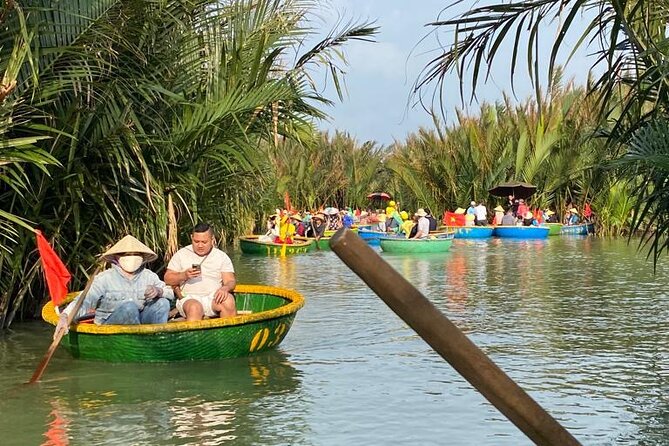
- Bamboo basket boat in the Bay Mau nipa palm grove: a fisherman-led ride into the water coconut palm forest.
- Fishing experience, not a photo stop: you can catch fish and purple crabs using local nets.
- Palm leaf souvenir making: a simple craft that actually feels tied to where you are.
- Cooking lesson with a recipe book: you leave with ingredients knowledge and instructions you can follow later.
Start With a Hoi An Market Lesson, Not a Shopping Walk
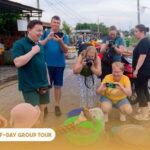
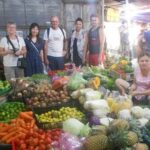
Your morning begins with hotel pickup in the Hoi An ancient town area, then you head to a local market where you learn how people buy their ingredients day to day. This matters because cooking in Vietnam isn’t only about recipes—it’s about understanding what fresh looks like, what flavors locals reach for, and why certain ingredients are chosen over others.
I like that this visit is more than a quick look-and-go. You’ll hear how local buyers think, and you’ll pick out items that later become part of your cooking class. When you cook from ingredients you’ve already seen and discussed, everything feels more logical, and you’re less likely to guess wrong when recreating dishes at home.
You’ll also get a more grounded feel for Hoi An itself. Markets are where the city’s real rhythms show up—vendors know what’s needed that day, and you can sense the practical side of food culture right away.
You can also read our reviews of more cooking classes in Hoi An
The Cua Dai River Transfer: Rice Paddies to Nipa Palms
After the market, the group heads by car toward the fishing village area, passing rice paddy fields along the way. This “moving day” piece sounds simple, but it helps you understand the setting: Hoi An food and fishing don’t float in a vacuum, and the landscapes explain why certain ingredients and methods make sense.
You’ll travel up to the Cua Dai river and then move toward Bay Mau nipa palms (the water coconut palm forest). Expect the day to slow down as you get closer to the grove. That change in pace is the point. Once you’re in the palm ecosystem, you start thinking less like a visitor and more like a participant in how the area works.
If you’re sensitive to long hot stretches, plan to hydrate. The tour is about 5 hours total, so you’ll want to pace yourself from the start—especially once you’re outdoors and near water.
Bamboo Basket Boat Ride: How Fishermen Read the Water
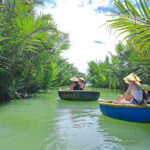
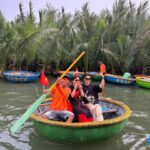
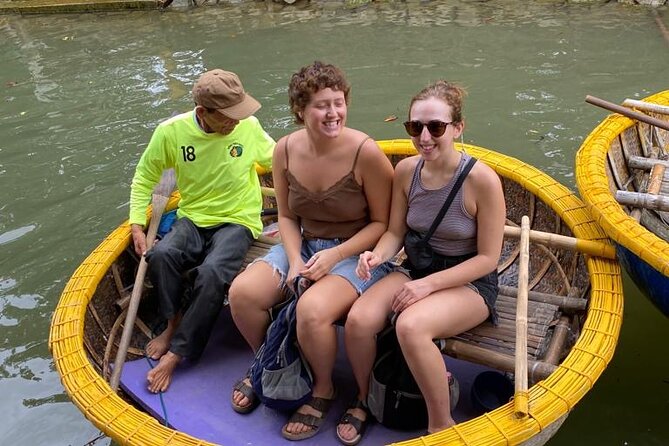
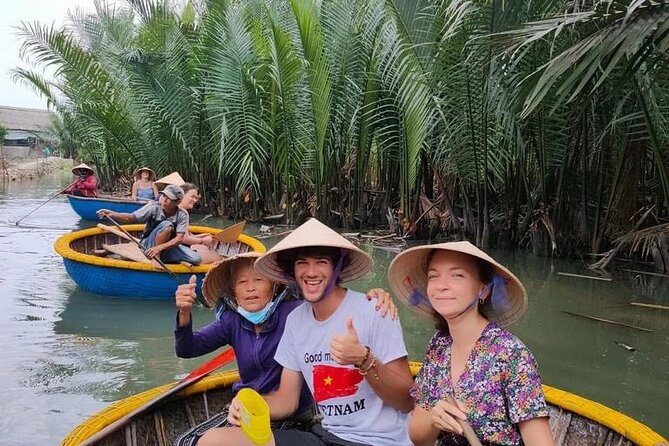
This is the part most people come for, and it’s not just the scenery. You’ll join local fishermen on a bamboo basket boat ride into the nipa palm forest. The tour style is very hands-on and learning-focused, so you’re not stuck watching while everyone else does the fun bits.
The bamboo basket boats are designed for this kind of water and vegetation. You feel the working relationship between craft and environment. Narrow passages, low canopy, and still-ish water create a quiet, focused kind of ride—more like moving through a living room than cruising on a river.
One small practical note: these rides are physical. You may need to shift your stance to balance as the boat moves. It’s not dangerous, just active. I’d wear shoes you don’t mind getting damp, since you’re in a tropical, watery environment.
Catching Fish and Purple Crabs With Local Nets
Here’s where the tour becomes more than entertainment. You learn and share fishing experience with local fishermen, including catching fish and purple crabs using unique fishing nets. It’s the kind of activity that makes you appreciate the skill behind what looks simple at a glance.
The way you learn matters. Instead of being handed instructions and left to struggle, you’re guided through how the nets work and how fishermen approach the water. That builds understanding fast. You start noticing patterns—where movement happens, how the water holds life, and why timing matters.
And yes, it’s a little sweaty and chaotic in the best way. You’ll be handling gear, participating in the effort, and getting up close to the results. If you’re the type who only wants “look but don’t touch,” this may test your comfort zone.
But if you’re curious, this is the most memorable part of the day. You come away with a story you can tell that’s more honest than a generic sightseeing recap—because you actually helped, even briefly.
Palm Leaf Souvenirs and the Human Side of War Stories
Between fishing moments, you’ll make souvenirs using palm leaves. This is one of those activities that keeps the day from turning into nonstop labor. It also gives you something tangible that feels connected to the place instead of a generic trinket.
This is also where the tour adds a human, emotional layer. You’ll learn more about the Vietnamese–American war, including interesting and true stories that happened during that time. This isn’t presented like a textbook. You’re hearing it through local context tied to everyday life, which is often what makes history feel real.
I appreciated that combination: hands-on ecology and fishing life, followed by a reminder that the region’s people have lived through serious change. Food and water are immediate. War stories are heavier. Together, they give the day more weight and meaning.
A few more Hoi An tours and experiences worth a look
Cooking Class: You Learn Technique, Then You Eat What You Made
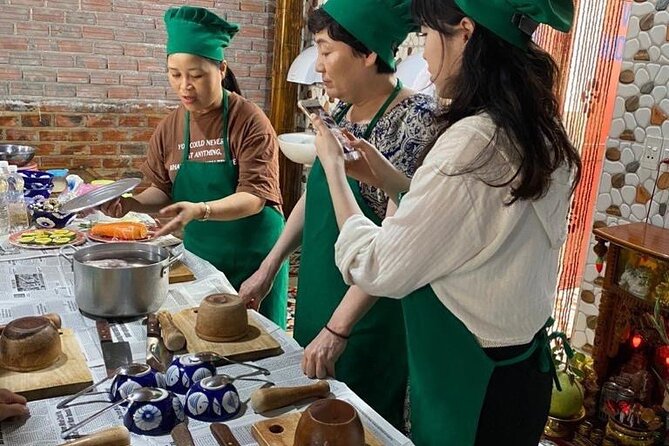
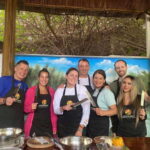
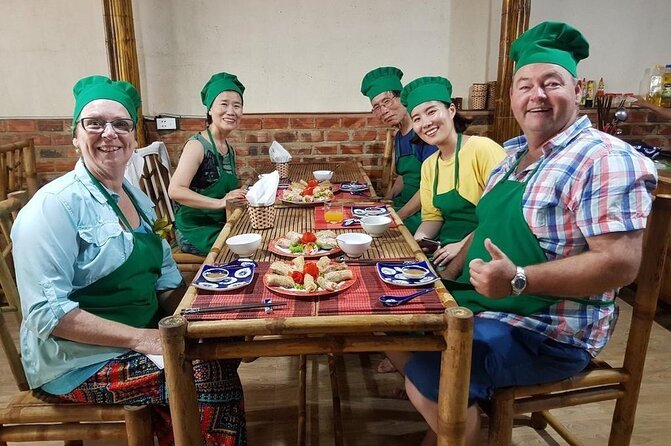
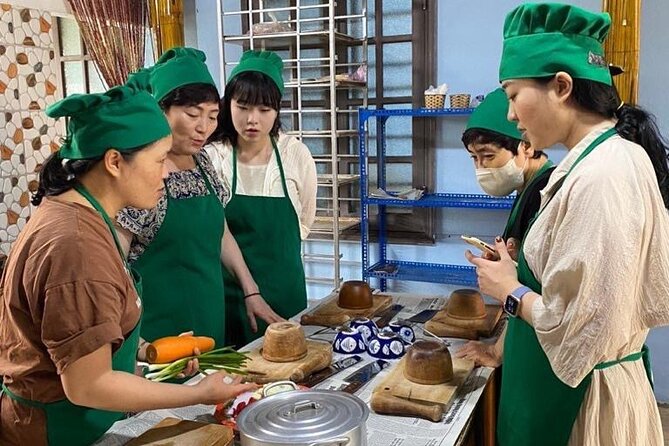
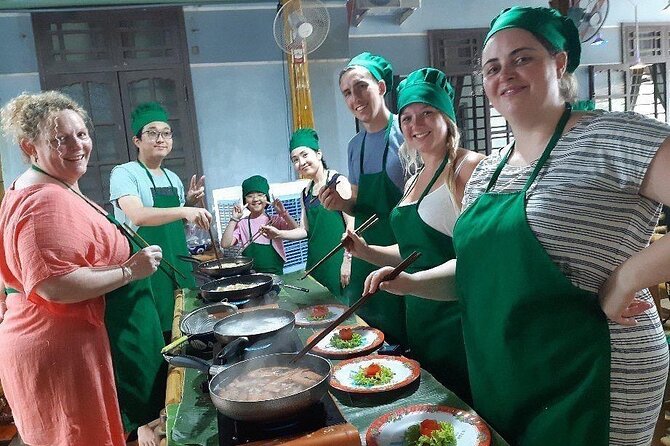
Now for the reason this is an eco cooking class and not just an activity package. The cooking lesson uses ingredients from the market visit, so you can connect the dots between what you saw earlier and what you’re chopping and cooking now.
Expect a structured teaching style, with enough interaction that you can ask questions and follow along step by step. In the reviews, people highlight that the guide’s English skills are strong and teaching is clear, and that matches the vibe you want for a cooking class—confidence, not guesswork.
As you cook, focus on what each ingredient is doing. You’ll likely be surprised by how much flavor comes from simple choices: fresh herbs, careful preparation, and how dishes are balanced. That’s the stuff you can actually reuse at home, even if you can’t find the exact same crab or palm-leaf ingredient.
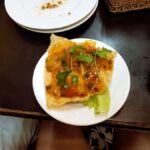
And then comes the best part: eating. You’ll enjoy a delicious meal afterward—lunch and dinner are included. This isn’t just a snack to keep you going. It’s a proper payoff for the work you did.
Meals, Recipe Book, and Bringing Hoi An Home
One of my favorite practical touches is the recipe book. You’re not leaving with only a full stomach; you also get instructions that can help you replicate dishes later. This is especially useful because cooking classes can otherwise blur into a pleasant haze of good smells and quick bites.
The “all ingredients” part also matters for value. It reduces the hassle of figuring out where to buy what you need. It also means you can focus on learning technique rather than running around after the tour trying to source hard-to-find items.
If you’re already a confident cook, you’ll still benefit because the market lesson helps you understand ingredient roles. If you’re a beginner, the meal you eat on the day of the class gives you a clear reference point for what success should taste like.
Just keep in mind that alcohol is not included. If you like pairing meals with a drink, plan to buy it separately.
Price and Logistics: The $25 Value Check
At $25 per person for roughly 5 hours, this tour prices in a very reasonable zone for what you get. You’re paying for three big components: market learning, a fisherman-led basket boat/fishing experience in the nipa palms, and a hands-on cooking class with included meals.
I’d think of it like paying for access and instruction, not just for a meal. Many tours give you one highlight and sell the rest as filler. Here, the highlights connect: market → fishing environment → cooking payoff.
Group size is a quiet advantage too. With a maximum of 10 travelers, you’re more likely to get real attention during cooking and not spend the whole class watching someone else work.
Pickup is offered, which makes the day simpler if you don’t want to piece together transport in the middle of your trip. The day ends back at the starting area.
Who This Tour Fits Best (and Who Might Want Something Else)
This is a great match if you want an active, learning-based day in Hoi An. You’ll like it if you’re curious about how locals buy food, fish in the nipa palm ecosystem, and turn raw ingredients into meals you can actually understand.
It’s also a good choice for rainy-day planning. The experience is still outdoors in parts, but it’s structured around guided activities, and that keeps it from feeling like you’re stuck.
You might want to rethink it if you dislike water-based activities or hands-on fishing tasks. If you prefer purely seated experiences with minimal mess, you’ll probably feel overstimulated by the boat, nets, and palm-leaf crafting. This day rewards people who are okay getting involved.
Should You Book Hoi An Eco & Cooking Class?
Yes, I think you should book it if you want real variety that still feels cohesive. The best reason to choose this one is the way the market visit feeds directly into the cooking lesson, while the palm-forest fishing makes the whole day feel grounded in local life.
I’d book it especially if you value small-group attention and you like learning from people who actually do these activities. At this price, with lunch and dinner included and a recipe book in hand, it’s hard to beat the practical value.
If you can handle getting a bit wet and you’re ready to participate rather than just observe, this becomes the kind of Hoi An day you’ll remember long after the photos fade.
FAQ
How long is the Hoi An Eco & Cooking Class?
The tour lasts about 5 hours.
Where does the tour start?
The tour starts at Villa Hoa Vừng (Bartonia Villa), in Cẩm Thanh, Hội An, Quảng Nam, Vietnam.
Does the tour include pickup?
Yes, pickup is offered from the hotel lobby in Hoi An ancient town area.
What meals are included?
Lunch and dinner are included.
What does the cooking class include?
You get the recipe book, and all ingredients for the cooking lesson are included.
Is alcohol included?
No. Alcoholic beverages are not included.
How many people are in the group?
The maximum group size is 10 travelers.
Does the tour include a market visit?
Yes. You visit a local market where you learn how local people purchase their products and buy ingredients for the cooking lesson.
What is the cancellation policy?
You can cancel for free up to 24 hours in advance of the experience’s start time for a full refund. If you cancel less than 24 hours before, the amount paid isn’t refunded.