REVIEW · HANOI
Private Tour Hanoi Highlights – Bat Trang Village – Pottery Class
Book on Viator →Operated by Paradise Indochina Travel · Bookable on Viator
A full day in Hanoi, minus the guesswork. This private tour stitches together major landmarks—Ho Chi Minh Mausoleum, One-Pillar Pagoda, Temple of Literature, and the Vietnam Museum of Ethnology—then finishes with hands-on craft time at Bat Trang.
I especially like the smart pacing: you get a guided route with entrance tickets handled and an English-speaking guide keeping the day clear. The other big win is Bat Trang, where the pottery class isn’t just watching from a distance—you form and make your own pieces.
One thing to consider: the Ho Chi Minh Mausoleum area has strict rules and security checks, so you’ll want to plan your outfit and bring a scarf for shoulder coverage.
In This Review
- Key highlights in plain terms
- A Long, Smart Route Through Hanoi’s Most-Loved Sights
- Tran Quoc Pagoda on West Lake: Where the Story Starts
- Ho Chi Minh Mausoleum: The Rules You Need Before You Go
- Presidential Palace and Ho’s Stilt House: Power in Gardens
- One-Pillar Pagoda and Temple of Literature: Faith Meets Education
- One-Pillar Pagoda: a legend you can see
- Temple of Literature: where learning has a physical place
- Vietnam Museum of Ethnology: Culture in Objects, Not Just Words
- Bat Trang Ceramics Village and the Pottery Class: Make Something Real
- Long Bien Bridge and Hanoi Opera House: History You Can Still Walk Into
- Long Bien Bridge: Eiffel’s design still carrying daily life
- Hanoi Opera House: French-era architecture from the outside
- Price and Value: Why $89 Feels Fair Here
- Who Should Book This Private Tour (and Who Might Not Love It)
- Should You Book Private Tour Hanoi Highlights – Bat Trang Village – Pottery Class?
- FAQ
- What time does the tour start?
- Is hotel pickup included?
- What’s included in the lunch?
- Is the pottery class included, and how long is it?
- Which sites have admission tickets included?
- What are the dress rules for the Ho Chi Minh Mausoleum?
- Is the Ho Chi Minh Mausoleum open every day?
Key highlights in plain terms
- Tran Quoc Pagoda’s long timeline (dating to the 6th century) and its move in 1615 to its current lakeside setting
- Ho Chi Minh Mausoleum security + dress rules that can slow you down if you show up unprepared
- Presidential Palace grounds where you can see the landscaped gardens and Ho’s stilt house setting
- Temple of Literature details like the Well of Heavenly Clarity and turtle steles in a preserved university complex
- Vietnam Museum of Ethnology’s artifact-focused rooms covering tools, clothing, and ritual life across ethnic cultures
- Bat Trang pottery class with real hands-on making plus time to browse ceramics right by the craft work
A Long, Smart Route Through Hanoi’s Most-Loved Sights
This is the kind of tour that helps you get your bearings fast in Hanoi. Instead of picking a couple stops and spending the rest of the day commuting, you’re guided through a stack of major sites in one organized run—pagodas, learning history, museums, and then a craft village.
Because it’s private, you’re not stuck with the chaos that sometimes comes with large shared groups. You also get a clear arc to your day: start with a classic lakeside pagoda, move into modern political history around Ho Chi Minh, then slide into older spiritual and educational traditions, and finally end with something tactile and creative at Bat Trang.
That balance is the real value here. You’ll see the big names, but you’ll also get an experience that your hands remember—not just photos.
You can also read our reviews of more private tours in Hanoi
- Doris Cruise 5 star cruise 2 days visiting Halong Bay Lan Ha Bay private balcony
★ 5.0 · 2,338 reviews



Tran Quoc Pagoda on West Lake: Where the Story Starts
Your morning begins at Tran Quoc Pagoda, the oldest pagoda of its type you’ll see on this route. The site traces back to the 6th century during the reign of Emperor Ly Nam De (544–548). Even better, it has a layered identity: it was later renamed from An Quoc to Tran Quoc—Protecting the Country—under Emperor Le Huy Tong in the 17th century.
What makes this stop more than a quick photo stop is the setting and the timeline. Today Tran Quoc sits on an islet in West Lake. But you also learn it didn’t always look that way—it was originally on the Red River banks and was relocated in 1615 because the river shifted and encroached.
Expect about 40 minutes here with the admission ticket included. Practical tip: it’s a great warm-up stop if you like slow pacing. You can take a moment to absorb the greenery and water views before the day turns more structured and formal at the Mausoleum.
Ho Chi Minh Mausoleum: The Rules You Need Before You Go
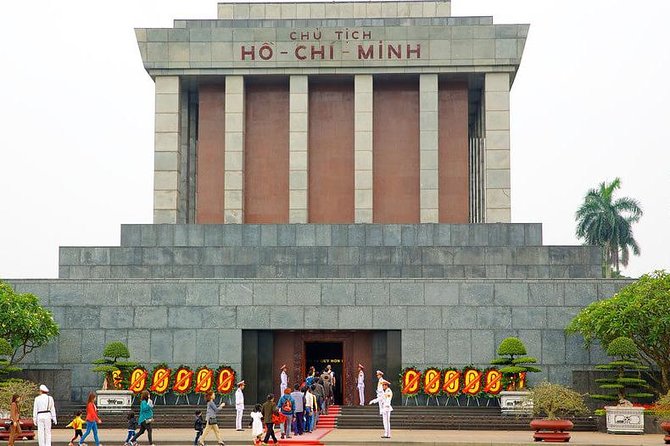
If Hanoi has a must-hit landmark, this is it. The tour takes you to the Ho Chi Minh Mausoleum complex for about 40 minutes. His final resting place is preserved in a glass case, and the guide shares the architectural and historical context—construction began in 1973, modeled on Lenin’s mausoleum style, and it opened to the public in 1975 (and the preserved display is noted as being against Ho Chi Minh’s wishes).
This stop also requires preparation. Security is tight, and you have to deposit bags and cameras before entering. The dress rules matter a lot:
- No shorts
- Sleeveless shirts and miniskirts aren’t allowed
- Shorts can be worn only if they reach knee length
- Shoulders must be covered with a scarf when visiting
So if you’re traveling with a light scarf, great. If not, plan to bring one or pick one up before your tour. It’s the kind of small detail that saves time and stress.
One more practical note: the Mausoleum complex opens only in the morning and is closed weekly on Monday and Friday. Since this tour is built around a morning schedule, it’s smart to confirm that operating window lines up with your travel dates.
Presidential Palace and Ho’s Stilt House: Power in Gardens
After the Mausoleum area, you shift into a calmer zone: the Presidential Palace grounds and Ho Chi Minh’s stilt house setting.
The palace was constructed in 1900 by French architect Auguste Henri Vildieu. It was planned as an official residence, but Ho Chi Minh preferred a traditional Vietnamese stilt house instead. Today, the palace is a mustard-yellow colonial-style building with three floors and 30 rooms, plus an orchard and a carp pond.
Here’s what makes this portion feel grounded: you’re not just looking at a building façade. You’re guided through access that’s focused on gardens and Ho’s stilt house. The gardens are where the atmosphere changes—lush grounds, quiet corners, and a break from Hanoi’s street energy. You’ll have about 15 minutes for the palace grounds.
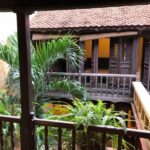
Right next to those gardens is Ho Chi Minh’s stilt house, preserved exactly as he left it. You can see why this matters: the layout and open doorways give you clearer views than you’d get from a lot of museum displays. The house is used for official receptions and isn’t open to the public, but you can wander the grounds along the paths. Plan about 15 minutes for this part as well.
One practical advantage of visiting these together: the architecture and landscaping feel like a single story, not two unrelated stops.
One-Pillar Pagoda and Temple of Literature: Faith Meets Education
Next up, two stops that reflect very different sides of Vietnamese tradition.
A few more Hanoi tours and experiences worth a look





One-Pillar Pagoda: a legend you can see
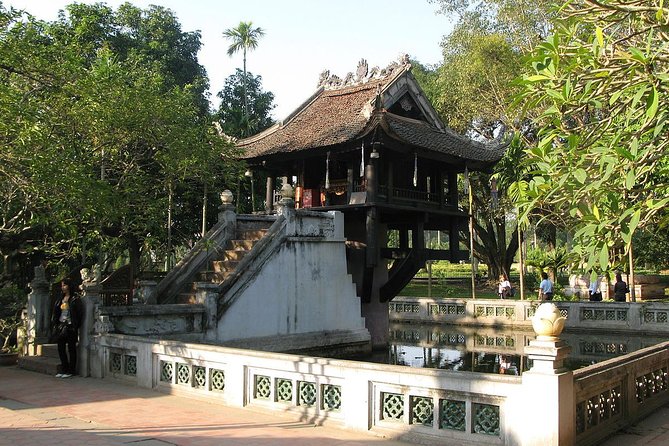
The One-Pillar Pagoda is famous for its legend. The story goes that a fatherless emperor dreamed an enlightened being, Avalokiteshvara, gave him a baby resting on a lotus flower. Emperor Ly Thai Tong commissioned the pagoda as a lotus-shaped symbol of enlightenment. Inside, the richly gilded statue of Quan Am (Goddess of Mercy) is the central focus.
This stop lasts about 30 minutes with admission included. If you like cultural symbolism, this is a good time to slow down—listen for the meanings behind lotus imagery and the legend’s connection to gratitude and prayers for sovereignty.
Temple of Literature: where learning has a physical place
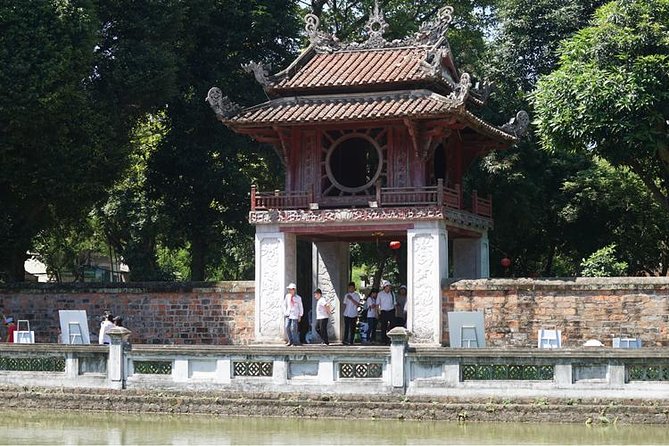
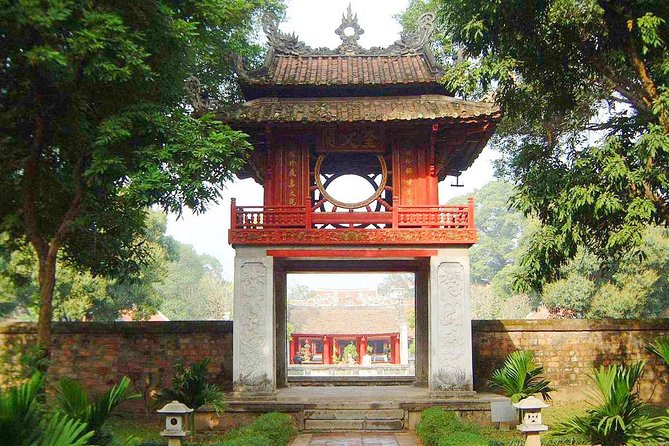
Then you move to the Temple of Literature & National University, about 1 hour. This is one of Hanoi’s most visually rewarding sites because it’s a well-preserved complex tied to education.
Built in 1070 and originally dedicated to Confucius, it started as a university. Over time, it became a memorial to education and literature, especially tied to scholars who graduated—thousands of doctors, in the story shared during your visit. You’ll see:
- the Well of Heavenly Clarity
- turtle steles
- courtyards and pavilions
- passageways once used by the elite and royalty
It’s also a great “walkable pause.” You get a lot of architectural variety without feeling like you’re rushing from one line to another.
Vietnam Museum of Ethnology: Culture in Objects, Not Just Words
If you want something beyond the classic landmark circuit, this stop delivers. The Vietnam Museum of Ethnology is about 1 hour, and it’s included with admission.
The focus here is straightforward: you’re shown artifacts and displays representing everyday life and ritual practices across ethnic cultures. Expect to see clothes, tools, and models illustrating rituals, funerals, weddings, and other social traditions. The key is that the museum presents them as lived-in scenes—small corners of culture—so it’s easier to connect what you’re seeing to human habits, not just labels.
This is also a practical choice for a long day. Compared with some outdoor sites, indoor museums help you reset your energy while still staying culturally engaged.
Bat Trang Ceramics Village and the Pottery Class: Make Something Real
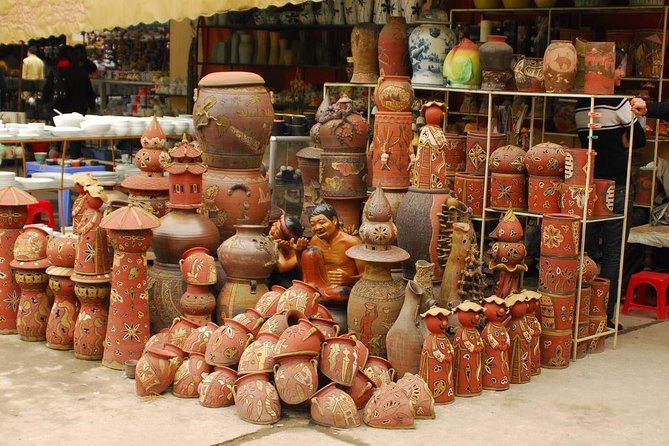
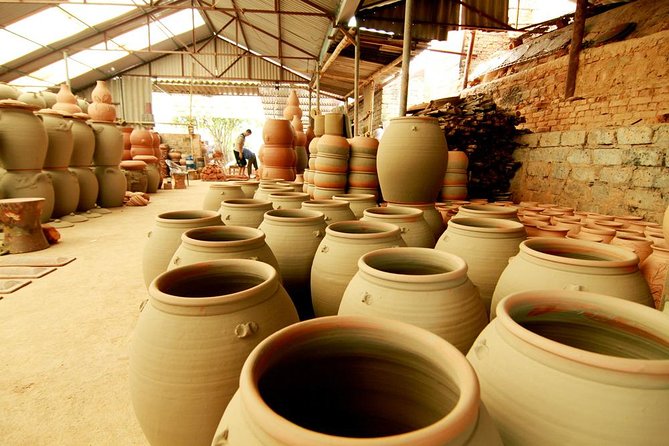
By the time you reach Bat Trang Ceramics Village, the day turns tactile. After lunch, you head to this 14th-century porcelain and pottery area near Hanoi.
Bat Trang is in the Gia Lam District, close to the Red River. It’s known for artisans who combine traditional methods with modern approaches to ceramic work. On arrival, you can browse a large trading area—there are plenty of handmade ceramics to see and buy.
The highlight is the pottery class, included in your tour time (about 2 hours for this segment). Instead of only watching, you learn how to form and make pottery by hand. You leave with a sense of how the craft works, not just a souvenir photo.
A couple reasons this stop is a high-value experience:
- You get a guided class tied to local skill, not a generic demo
- You can ask questions and get explanations in the flow of the work
- It’s memorable because your hands did the learning
Also, note the lunch included here: you’ll have a bowl of noodle soup with beef or chicken during the day. That’s a simple, filling reset before the hands-on work.
Long Bien Bridge and Hanoi Opera House: History You Can Still Walk Into
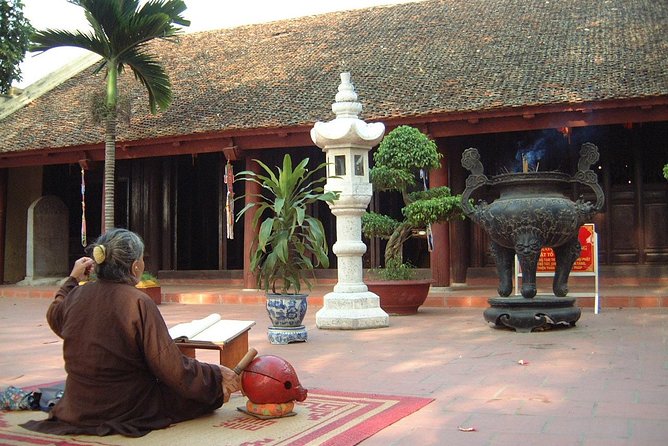
After Bat Trang, the tour brings you back toward central Hanoi with two lighter stops.
Long Bien Bridge: Eiffel’s design still carrying daily life
You’ll take a walk to Long Bien Bridge for about 30 minutes. Also known as Paul Doumer Bridge, it was constructed between 1899 and 1902 and designed by Gustave Eiffel.
This bridge has a strategic backstory. Because it connected Hanoi to coastal Hai Phong, it was heavily bombed during the American war. Today it’s still very much in use—trains, mopeds, and pedestrians all share the crossing.
Even if you don’t ride anything, you’ll get what makes it special: you’re looking at infrastructure that shaped the city and kept moving through wars and rebuilding.
Hanoi Opera House: French-era architecture from the outside
Finally, you get a quick outside look at the Hanoi Opera House (about 10 minutes). Built by the French colonial administration between 1901 and 1911, it was modeled on the Paris Palais Garnier and is known for its Neoclassical style.
After the French left, the building became a site for political events and street fighting. In this tour, you’re allowed to visit only the outside, which keeps the day on track.
Then your car returns you to the same pickup area, ending the service.
Price and Value: Why $89 Feels Fair Here
At $89 per person, this tour can feel like a good deal because so much is bundled.
You’re paying for:
- Private air-conditioned round-trip transfers
- an English-speaking guide
- entrance fees for multiple major sites
- lunch (noodle soup with beef or chicken)
- the Bat Trang pottery class
- a bottled water
If you tried to piece this together yourself—guiding, admissions, and the pottery class—costs add up fast. This is especially true because several of the listed attractions have real ticket and operational constraints (the Mausoleum rules and schedule are a big example). Here, the route is built to work.
Also, the booking pattern matters: this is reportedly booked about 87 days in advance, which usually means it’s not just a random add-on. People choose it because the day feels structured and low-stress.
The only “value tax” is time. This is an 8 to 9 hour day, so if you hate long sight days, you’ll need to pace yourself mentally and physically.
Who Should Book This Private Tour (and Who Might Not Love It)
This tour is a strong fit for you if:
- you want a guided overview of Hanoi’s top historical and cultural sites in one day
- you like a mix of monuments plus something active (the pottery class)
- you prefer private comfort and an English guide that can explain the details
It may not be the best choice if:
- you’re short on time in Hanoi and prefer to stay only in one neighborhood
- you dislike early or structured schedules, especially given the Mausoleum’s morning-only access
- you don’t want to handle dress and security requirements
Families can also like it, since the pottery class is hands-on and the itinerary stays varied (temples, learning history, museum culture, then craft time). Just plan for the long day.
Should You Book Private Tour Hanoi Highlights – Bat Trang Village – Pottery Class?
Yes, if your goal is a well-organized full day that combines major Hanoi landmarks with a memorable craft experience. The standout strength is the guide-led clarity—the kind of English-fluent explanation that turns sites into stories instead of just background for photos. I’ve seen one guide named Hung specifically praised for professional, fluent guidance, and the pottery class often gets called out as hands-on and genuinely fun.
Book it especially if you want both sides of Hanoi: formal history around Ho Chi Minh and the older spiritual/educational atmosphere at places like Tran Quoc and Temple of Literature—then you finish by making something yourself at Bat Trang.
If you’re going, do two things that pay off immediately: pack modest clothing for the Mausoleum, and bring (or plan to get) a light scarf for shoulder coverage.
FAQ
What time does the tour start?
The tour start time is 8:30 am, with meeting at the Hanoi Opera House area.
Is hotel pickup included?
Yes. Private transfer and pickup are offered via an air-conditioned round trip.
What’s included in the lunch?
Lunch is included as a bowl of noodle soup with beef or chicken.
Is the pottery class included, and how long is it?
Yes, a pottery class in Bat Trang is included. The Bat Trang segment runs about 2 hours.
Which sites have admission tickets included?
Admission tickets are included for stops such as Tran Quoc Pagoda, Ho Chi Minh Mausoleum, Presidential Palace and stilt house grounds, One Pillar Pagoda, Temple of Literature, and the Vietnam Museum of Ethnology.
What are the dress rules for the Ho Chi Minh Mausoleum?
You must dress modestly: no shorts, and shoulders must be covered by a scarf. Shorts must be knee length if worn. Sleeveless shirts and miniskirts aren’t allowed.
Is the Ho Chi Minh Mausoleum open every day?
No. It opens only in the morning and is closed weekly on Monday and Friday.



More Private Tours in Hanoi
- Doris Cruise 5 star cruise 2 days visiting Halong Bay Lan Ha Bay private balcony
★ 5.0 · 2,338 reviews