REVIEW · HANOI
2 Days Pu Luong Offbeat Trekking Best for Mountain Lovers
Book on Viator →Operated by Pu Luong Excursions - Simply for mountain lovers · Bookable on Viator
Pu Luong hits different once you’re out of the city. This 2-day, small-group trek takes you through village paths, caves, and stream crossings, then slows down with a night in a traditional stilt house. I especially like that the English-speaking guides are often locals, including Quốc and Lee, so you get practical, on-the-ground context about the Thai and Muong communities.
What I like most is the mix of work-and-play walking. One day has a longer trail into remote villages and the big cave area; the next day includes a suspension bridge stroll, water wheels, and a bamboo rafting section with locals. A small group (max 10) also means you’re not stuck behind strangers when trails get narrow or wet.
One thing to consider: this is a trekking tour, and the physical effort is real, especially if weather turns. If you’re hoping for flat, easy scenery 100% of the time, you may find the off-road sections and cave/village routes a bit demanding—your guide can help, but you’ll still be walking.
In This Review
- Key highlights I’d plan around
- Getting out of Hanoi fast, without rushing your day
- Don village and Gateway Inn: your stilt-house base
- Day 1 trekking: Kho Muong, the big cave, and terrace-field villages
- Kho Muong (remote village walking)
- Bat Cave (largest cave experience)
- Terrace homes and Bang village fields
- Day 2 starts in mountain air: suspension bridge, water wheels, rafting
- Suspension bridge and riverside villages
- Bamboo rafting on Chieu Lau dam
- Rice-field loop, herb stories, and finishing with a return to Hanoi
- How demanding is it, and what to pack
- Price and value: what $148.39 gets you in the real world
- Who this Pu Luong trek is best for
- Should you book Pu Luong offbeat trekking?
- FAQ
- What is the duration of the Pu Luong trekking tour?
- Where do I meet for this experience in Hanoi?
- What time does the tour start?
- How big is the group?
- Is pickup included, or do I need to get to Pu Luong on my own?
- Do meals and accommodation cost extra?
- Is an English-speaking guide provided?
- What happens on the return trip to Hanoi?
Key highlights I’d plan around
- Small group (max 10) for a calmer pace and easier guidance on narrow paths
- Local English-speaking guides like Quốc and Lee who explain everyday life, not just sights
- Traditional stilt-house overnight at Gateway Inn with WiFi and proper downtime
- Caves, streams, and terraces in one compact 2-day route
- Bamboo rafting plus water wheels for a change of tempo from hiking
- Storm-aware flexibility when weather gets rough
Getting out of Hanoi fast, without rushing your day

Your tour starts in Hanoi and aims to get you into Pu Luong early enough to enjoy real countryside time. Pickups happen in the Old Quarter area around Hoan Kiếm Lake, and the ride is in a limousine bus with water provided. Expect roughly a 4-hour drive without heavy traffic, plus a stop about halfway.
Why this matters: that long travel day can either drain you or set you up. Here, the plan includes a stop and then a direct push into Don village, so you’re not spending your whole first day stuck in transit. It also helps you settle in before the trekking really ramps up.
If you’re sensitive to car time, bring a simple travel kit: water, a light layer (mountain air can feel cooler than Hanoi), and something to keep motion comfort decent. The schedule is clear, so you can plan sleep on the way and not guess.
You can also read our reviews of more hiking tours in Hanoi



Don village and Gateway Inn: your stilt-house base
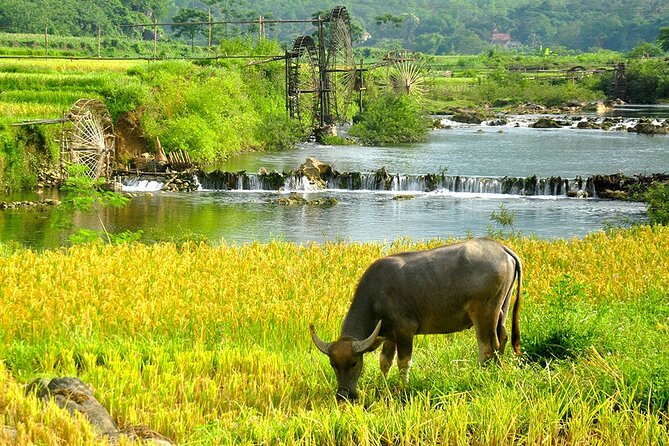
Before noon, you arrive around Don village, often described as the epicenter of Pu Luong. Lunch is served there, and if your reserved room is ready, you can check in after lunch (standard check-in time shown as 14:00). Then you have open time to wander and relax before dinner.
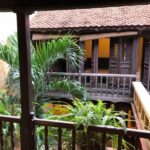
The overnight base is Gateway Inn Pu Luong, set up for this kind of trekking itinerary: a traditional stilt house stay, with WiFi and a comfortable dinner rhythm. That blend is useful. You’re not “roughing it” with no comfort—yet you’re still sleeping in the style of the region.
Here’s the real value of this break: you’ll likely return from a day of walking with tired legs, and the schedule gives you time to reset. You also get a chance to enjoy the surrounding village atmosphere at a slower pace rather than sprinting from one viewpoint to the next.
Tip for timing: don’t overplan your free time. If you try to squeeze in extra walking before the second day, the later trail can feel longer than it needs to.
Day 1 trekking: Kho Muong, the big cave, and terrace-field villages
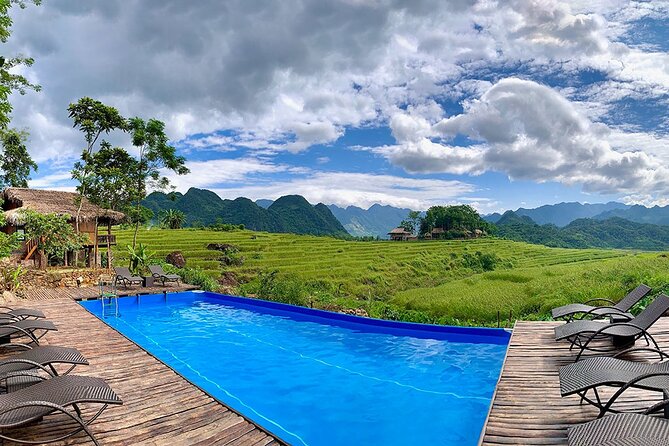
Day 1 is where the tour starts stacking together the “offbeat” feel: remote paths, village life, and cave exploration.
After lunch and check-in window, you transfer to a meeting point and begin a 10 km trek around 13:30. The route heads through off-road trails via streams and mountain paths toward Kho Muong, a remote village area. It also includes a stop connected with the largest cave in Pu Luong (Bat Cave).
Why you’ll likely enjoy this day: it’s not sightseeing-by-bus. You walk into places that are harder to reach on your own, and you pass through natural connectors—streams, trails, and mountain segments—that shape how locals move through the valley.
Stop-by-stop, here’s how it tends to feel:
Kho Muong (remote village walking)
Expect the kind of walking that makes you pay attention to your footing. The route follows off-road paths and stream-adjacent terrain, so it’s scenic but also practical—your guide keeps you moving safely.
Bat Cave (largest cave experience)
This is shorter time-wise, but caves can be a mental shift: cooler air, different footing, and more focus on where you step. The itinerary notes the cave exploration is reached via off-road trails through streams and mountains, which means you don’t just “arrive at a cave”—you travel into it as part of the day.
A few more Hanoi tours and experiences worth a look
- Doris Cruise 5 star cruise 2 days visiting Halong Bay Lan Ha Bay private balcony
★ 5.0 · 2,338 reviews





Terrace homes and Bang village fields
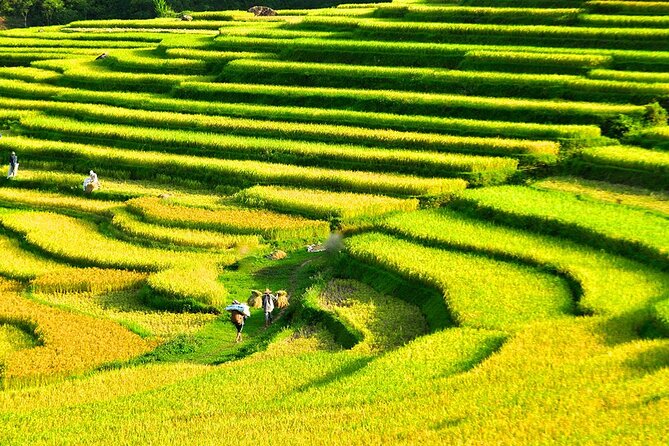
Toward the end of the day, the walk transitions to scenic Bang village terrain, with remote houses and terrace rice fields. This is the softer side of the trek: the views and village rhythm become more visible as you near the next rest point.
Back around 16:30, you transfer back to Gateway Inn for dinner, then free time. Overnight stays are at your reserved room.
Possible drawback to plan for: Day 1 has multiple walking segments and one cave stop. If you don’t like uneven ground, slow down your pace on purpose—saving energy early makes you enjoy the later parts more.
Day 2 starts in mountain air: suspension bridge, water wheels, rafting
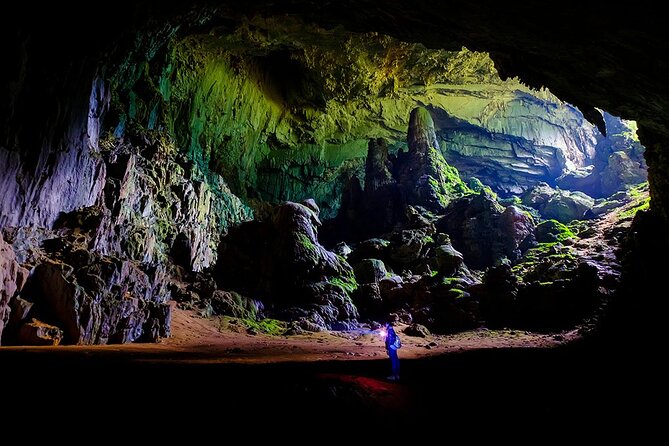
After breakfast at Gateway Inn (served from 7:00), you get moving by 8:30. Day 2 is designed to keep the trekking interesting while changing the rhythm with bridges and water activities.
Suspension bridge and riverside villages
You transfer to the meeting point and begin a 4.5 km trek that includes a suspension bridge and scenic villages along the largest stream. Along the way, you’ll see water wheels.
This part is a great “breather” compared with a heavier mountain push. It still feels adventurous, but you get more flowing scenery and frequent village moments. Suspension bridges also mean you’ll feel the action—watch your steps and enjoy the wide river look as you cross.
Bamboo rafting on Chieu Lau dam
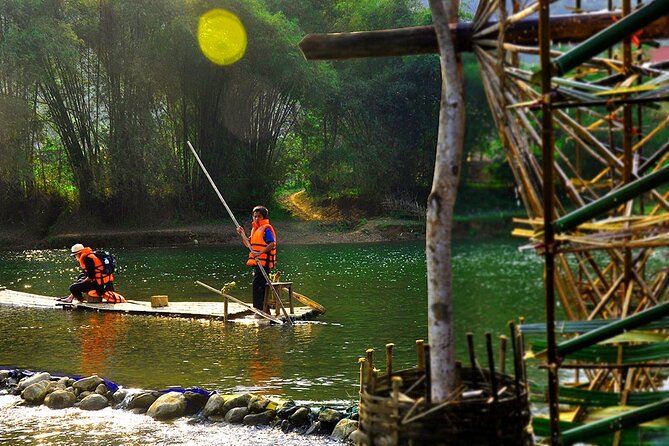
Next comes bamboo rafting at Bè Tre Suối Chàm, arriving by way of Chieu Lau dam. The plan includes paddling upstream with locals, and you’ll be on the raft long enough to actually slow down and watch the water corridor.
I like this kind of activity inside a trekking tour because it balances effort. After hours of walking, your body gets a different kind of work—hands and balance—while your mind can rest. It also feels more local because the raft work is part of everyday movement in the area.
One practical note: you’ll likely want to keep essentials secure and ready for splashes, even if the day is calm. The itinerary treats this as a real paddling experience, not a brief photo stop.
Rice-field loop, herb stories, and finishing with a return to Hanoi
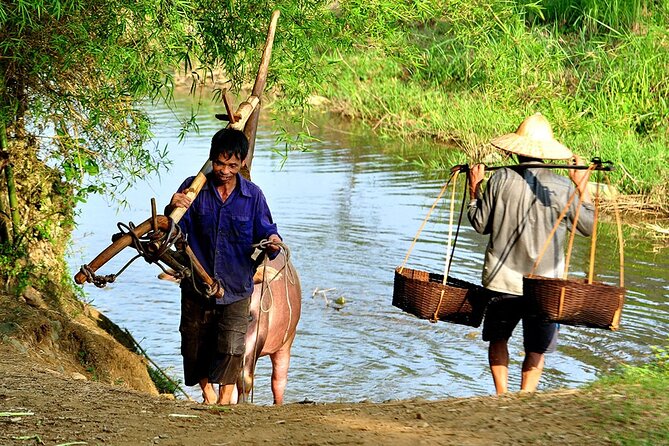
After rafting, you cross the river and start another 2 km walk through rice fields and villages to complete a loop trail. The itinerary highlights a chance during the morning stroll to learn about native herbs—something that fits well with the guide-led style of this tour.
If your guide is Quốc or Lee, don’t be surprised if they share more than just plant facts. Based on how guides have been described, they often connect the trail to daily life and local knowledge. Sometimes that includes small culture moments like trying local crafts, depending on timing and conditions.
Then comes the wind-down: around 13:30 you head back by bus to Hanoi with a break along the way. The expected arrival is around 18:30, dropping you near the Hanoi Opera House area and then into Old Quarter hotels.
This return timing is important. It means you’re not arriving at midnight, and you can still plan a dinner or a simple evening plan once you get back.
How demanding is it, and what to pack
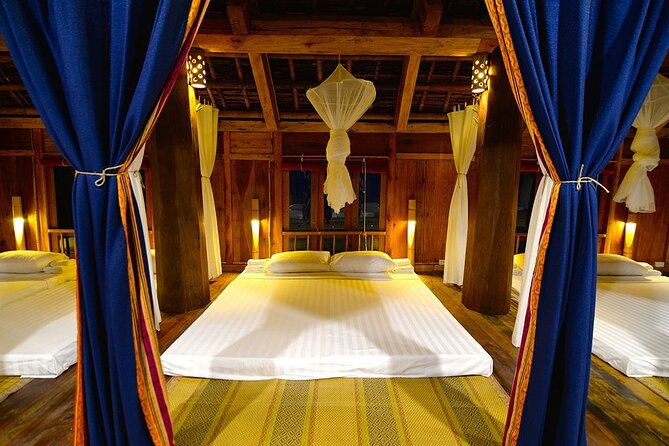
The tour specifies moderate physical fitness. With that in mind, think of this as “active countryside hiking,” not a stroll.
Day 1 includes a longer 10 km trek and a cave route. Day 2 includes a 4.5 km trek plus the loop walk after rafting. Add uneven off-road trails, stream areas, and cave terrain, and you’ll want good shoes and a steady pace.
What I’d pack (practical, not fancy):
- Hiking shoes with grip for wet stone/stream-adjacent paths
- A light rain layer or poncho (weather can shift fast in mountain regions)
- Basic sunscreen and a hat, especially for the terrace and rice-field sections
- A small dry bag or zip pouch for phone and documents
Weather can be a factor. One past experience specifically referenced a storm situation and how the guide handled it. That’s reassuring, but it doesn’t erase the fact that wet ground changes footing and comfort.
If you’re visiting outside heavy rice season, you might still see rice fields and terraces—Pu Luong’s village shapes remain the show even when crops aren’t at peak height.
Price and value: what $148.39 gets you in the real world
At $148.39 per person, you’re paying for more than walking. This is one of those trips where value comes from included logistics and human guidance.
Here’s what’s included:
- English-speaking guide
- Deluxe stilt house stay with WiFi
- Round-trip limousine transfers from Hanoi plus water
- Meals: breakfast, lunch (two), dinner
- Sightseeing tickets associated with the included stops
- Transportation between stops as part of the day plan
What you’re not paying for (not included):
- Drinks and beverages
- Certain fees like issuance and VAT (listed as not included)
So the question is: would you spend time and money arranging the same mix of transport, guide language help, village access, overnight stilt-house logistics, and multi-stop trail routing on your own? For many visitors, the answer is no. The included meals alone reduce one daily planning burden, and the guide’s role matters on narrow paths and cave areas.
Also, the max 10 travelers limit affects value. It can mean a smoother experience when you’re crossing streams, dealing with uneven terrain, or stopping to learn what you’d miss if you were alone.
Who this Pu Luong trek is best for
This tour fits best if you:
- Love mountain walking and want villages, caves, and terraces rather than just viewpoint photos
- Prefer a small group with an English-speaking guide who explains daily life
- Like a mix of active time and real rest (stilt-house overnight, meals, and free evening time)
- Want an offbeat base that feels less like a high-volume tourist circuit
It’s also a good choice if you’re deciding between bigger-name northern Vietnam treks and want something that still has an adventurous edge, but with a calmer pace.
If you’re the type who wants zero rugged terrain, or you dislike caves, then this may feel like more than you want. But if you’re comfortable with moderate trekking and taking the day as it comes, it’s a strong match.
Should you book Pu Luong offbeat trekking?
If your dream trip includes remote village paths, cave time, rice-field walking, and a genuine local-style bamboo raft moment, I think this is an easy yes. The combination of a traditional stilt-house overnight, included meals, and a small-group guide like Quốc or Lee makes it feel both practical and grounded.
Book it if you’re ready for moderate trekking and you can enjoy the countryside even when weather shifts. Skip it if you want a strictly flat, low-effort tour or you’re uncomfortable with cave and uneven trail segments.
Either way, you’ll come back with more than photos: you’ll have a sense of how people live in Pu Luong, learned while you’re actually walking through it.
FAQ
What is the duration of the Pu Luong trekking tour?
The tour is listed as 2 days (approx.).
Where do I meet for this experience in Hanoi?
The meeting point is Pu Luong Excursions, 4th floor, No. 13 P. Hàng Muối, Lý Thái Tổ, Hoàn Kiếm, Hà Nội 100000, Vietnam.
What time does the tour start?
The start time is shown as 6:30 am.
How big is the group?
The tour has a maximum of 10 travelers.
Is pickup included, or do I need to get to Pu Luong on my own?
Pickup is offered. It includes pickup at a few hotels in the Old Quarter area around Hoan Kiếm Lake, followed by the drive to Pu Luong.
Do meals and accommodation cost extra?
Meals are included: breakfast, lunch (2), and dinner. Accommodation is included as a deluxe stilt house with WiFi.
Is an English-speaking guide provided?
Yes, the tour includes an English speaking guide.
What happens on the return trip to Hanoi?
You leave Pu Luong around 13:30 and return to Hanoi with a break along the way. The expected arrival time is around 18:30, with drop-off around the Old Quarter area and hotels.


More 2-Day Experiences in Hanoi
- Doris Cruise 5 star cruise 2 days visiting Halong Bay Lan Ha Bay private balcony
★ 5.0 · 2,338 reviews