REVIEW · HOI AN
Hoi An Ancient Town – Walking Tour with Local Guide
Book on GetYourGuide →Operated by CÔNG TY TNHH THANH HAI TRAVEL · Bookable on GetYourGuide
Hoi An makes sense fast with a guide. This small-group walk (max 10) covers the core old-town landmarks in about 150 minutes, with indoor break stops that help when the weather turns or the streets get crowded. I really like the local guide storytelling; guides such as Trung and Duy explain what you’re looking at in a way that’s clear, funny, and easy to remember.
One thing to plan for: you pay the Unesco entrance ticket separately (120,000 VND per person, only in cash), so I recommend budgeting that in before you go.
In This Review
- Key things I’d bet on before you book
- Entering Hoi An’s Old Town With a Real Local Mindset
- Small-Group Walking Comfort and the 150-Minute Flow
- Meeting at 95 Phan Chu Trinh and Staying Together
- Ba Mu Temple Gate: Your First Anchor Point
- Fujian/Cantonese Assembly Hall: Stories Behind the Architecture
- Japanese-Covered Bridge and Kazik Park: Photo Stops With Breathers
- Tấn Kí Heritage House: Slowing Down to See Craft and Detail
- Traditional Art Performance House: Culture You Can Recognize Later
- Museum of Folk Culture: Indoors, Air-Conditioned Thinking
- Hoi An Market: Everyday Life, Not Just Sights
- Tea or Dessert Break: The Included Finish That Actually Helps
- Price, Value, and the Unesco Ticket Reality
- What to Wear, Who This Fits, and Who Might Skip It
- Should You Book This Hoi An Ancient Town Walking Tour?
- FAQ
- How long is the Hoi An Ancient Town walking tour?
- How many people are in the group?
- Is the tour guided in English?
- Where does the tour meet?
- Is the Unesco entrance ticket included in the price?
- What is included during the tour?
- What is not included?
- Does the tour offer a skip-the-line entry?
- Can I bring a stroller?
- What should I wear or bring?
Key things I’d bet on before you book
- Max 10 people keeps the group together even when the Old Town feels full
- Indoor stops help you stay comfortable while you see more
- Skip-the-line via a separate entrance once you have your heritage ticket
- A smart route from Ba Mu Temple gate through assembly halls, bridges, and heritage houses
- Tea or local dessert included (often a refreshing finish at Mót)
- Useful local recs for restaurants, coffee shops, and even tailor shops
Entering Hoi An’s Old Town With a Real Local Mindset
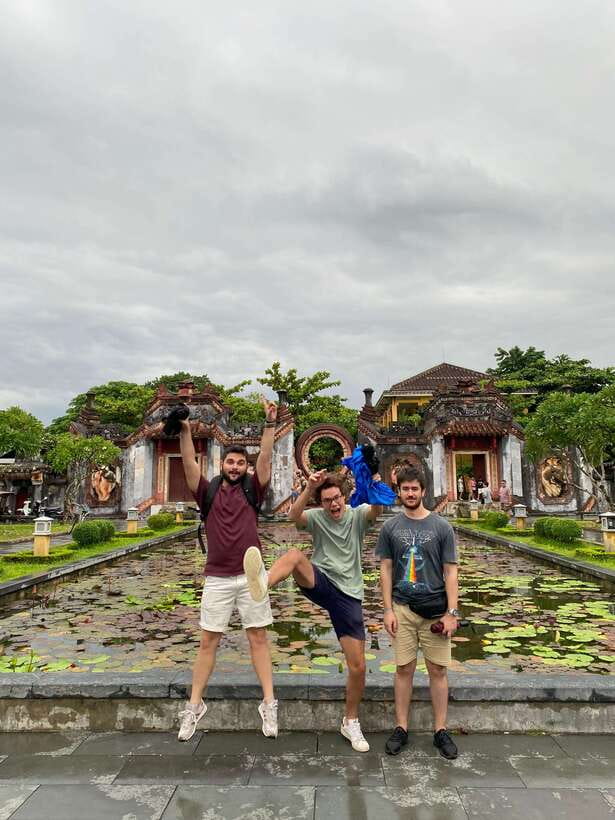
Hoi An Ancient Town can feel like a postcard that never stops moving. A big part of the value here is how the guide helps you read the place instead of just passing it. In a short walking window, you’ll hit the landmarks that most people photograph first—then you’ll learn the “why” behind them, which makes the rest of your self-guided exploring easier.
The tone matters. From guides like Trung and Duy (and others you may meet), the walk stays light but not shallow. I like that the group gets time to ask questions and that your guide will point out things you’d normally miss if you wandered on your own. You’re also not stuck sprinting from one stop to another; the pace is relaxed and designed to keep everyone together.
And because the tour is built around heritage sites and photo spots, it’s a good first-day activity. You get your bearings, then you can return later for shopping, cafés, or slower wandering without feeling lost.
You can also read our reviews of more walking tours in Hoi An



Small-Group Walking Comfort and the 150-Minute Flow

This is a small-group experience capped at 10 participants. That might sound minor, but it changes everything in Hoi An’s Old Town. Narrow streets, ticket lines, and crowds can stretch a casual walk into a hassle. With a small team and a guide managing the route, you spend less time waiting and more time seeing.
The tour also includes many indoor break stops, which is a big deal in Vietnam. Even if you love walking, you don’t want your “vacation stroll” to turn into a sun-and-rain survival test. Those indoor moments make it possible to keep moving with energy instead of stopping permanently to rest.
Duration-wise, 150 minutes is long enough to feel like you’ve covered the essentials, but short enough to still enjoy your afternoon or evening after. The walk structure makes it easy to switch into “explore mode” right after.
Tip I’d follow: wear comfortable shoes. You’ll be walking on uneven or busy footpaths, and you’ll want your legs to stay fresh for the rest of your Old Town visit.
Meeting at 95 Phan Chu Trinh and Staying Together
You meet at 95 Đ. Phan Chu Trinh Street, in front of a tailor shop on the corner of the intersection. It’s a practical meeting point because it’s specific and easy to find—useful when the Old Town is loud and confusing.
Once the tour starts, the guide keeps the group close. I like that this isn’t a loose “good luck” situation. During very busy periods (including holiday crowds), guides have handled getting everyone through smoothly, keeping pace and preventing people from drifting off.
Because you’re starting in a central area, you don’t waste time getting to the sights. You’ll simply walk into the thick of the heritage zone, then gradually work through key stops. That efficiency is part of why the price feels reasonable even before you add the included refreshment.
Ba Mu Temple Gate: Your First Anchor Point

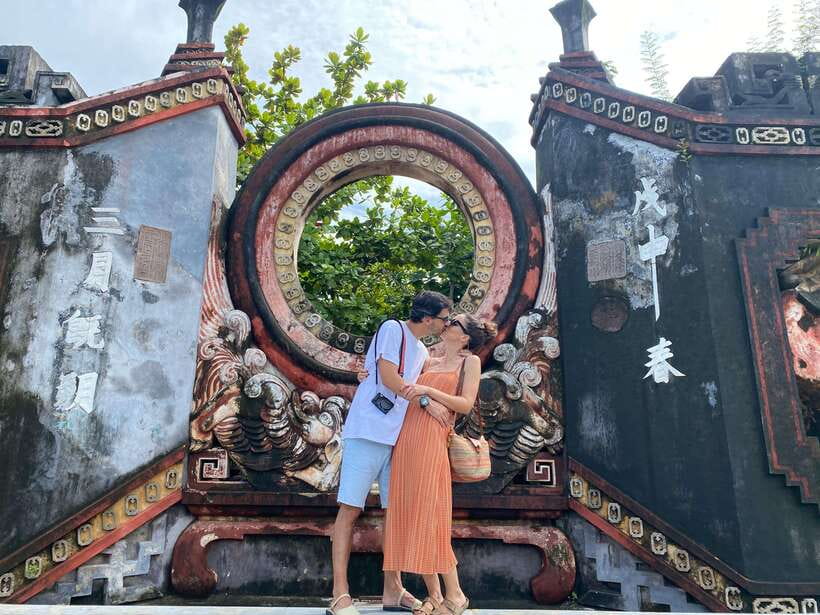
The first major stop is Ba Mu Temple gate. Think of this as an opening chapter. A gate and temple entrance give you a clear visual marker—something your guide uses to start explaining the town’s layout, traditions, and how certain landmarks connect to daily life.
What I like about starting here is how it sets your eyes for the next buildings. After you’ve seen the temple gate, you notice details more quickly: how streets funnel toward important areas, how heritage sites sit within the urban fabric, and how the Old Town’s design supports foot traffic.
A small drawback to consider: temple areas can be busy with visitors. That’s where having a guide who can guide you into a good viewing angle helps. You’re also likely to spend time inside or near sheltered spaces early, which supports the tour’s “keep it comfortable” rhythm.
Fujian/Cantonese Assembly Hall: Stories Behind the Architecture
Next up is the Fujian/Cantonese Assembly Hall in Hoi An. This is one of the key heritage stops on the route, and it’s a natural place for your guide to connect Hoi An’s history to real people and communities.
Even if you don’t consider yourself a “history museum” person, an assembly hall works well on a walking tour. It’s a single building with strong identity, so you can focus your attention. The guide will help you spot what makes the hall important and explain what to look for without turning it into a lecture.
Potential downside: like many heritage structures, parts of the site may have rules about where you can stand or how you can photograph. Your guide will keep the group moving and help you manage expectations so you don’t feel stuck waiting while others take forever.
You can also read our reviews of more guided tours in Hoi An






Japanese-Covered Bridge and Kazik Park: Photo Stops With Breathers
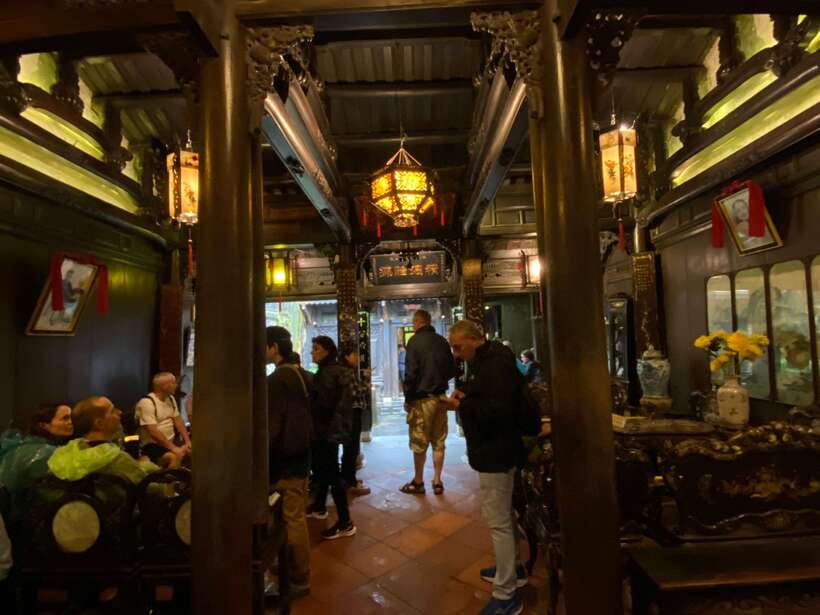
The walk includes the Japanese-covered bridge, which is one of those places where everyone ends up taking pictures. The value of a guided stop is that you’re not just snapping photos—you’re learning what the bridge represents and why it’s iconic in Hoi An.
After that, you’ll head to Kazik Park. This is the kind of stop that balances the route. When the Old Town gets tight and crowded, a park offers a reset. It’s also a good chance to shake out your legs, check your bearings, and get more relaxed photos without the constant pressure of moving crowds.
If you’re traveling during a peak season, expect the bridge area to be busy. In those moments, a guide’s job is to keep everyone together and route you through the most efficient viewing path.
Tấn Kí Heritage House: Slowing Down to See Craft and Detail
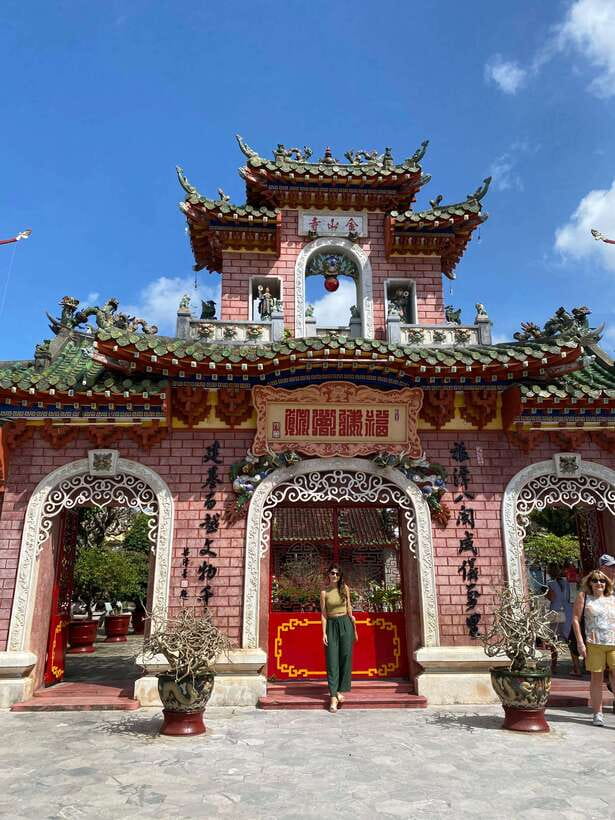
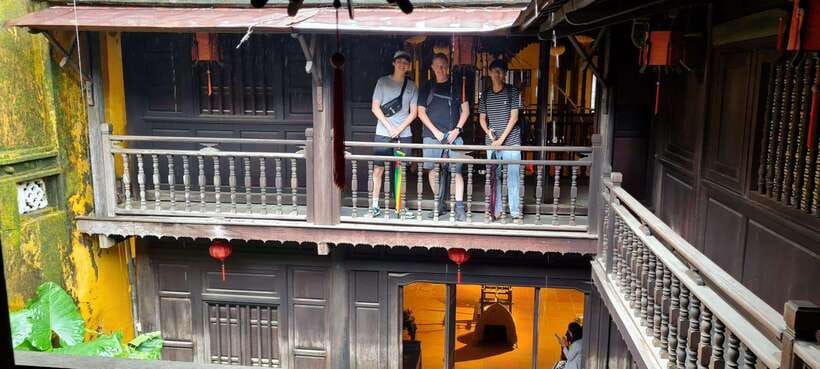
One of the highlights is Tấn Kí Heritage House. Heritage houses on a walk are valuable because you can’t help but slow down. The guide’s job is to help you read the space: how a house relates to the street, what details matter, and how daily life has historically shaped architecture.
I like that this stop fits the tour’s overall theme: “almost the whole old town experience” without you needing to plan every turn. You’re getting context as you go. That’s what makes the rest of Hoi An click later when you wander independently.
Practical note: you’ll likely be on foot and in and around heritage spaces, so bring comfortable clothes. Even when there’s shelter, these areas can still feel warm in the daytime.
Traditional Art Performance House: Culture You Can Recognize Later
The tour also includes Hoi An Traditional Art Performance House. This stop matters because it connects your sightseeing to what you’ll see and hear later during cultural shows or performances in town.
Your guide can help you understand what this kind of venue represents and what to watch for if you decide to attend a performance during your trip. That’s the kind of “future usefulness” that I love in short tours. You don’t just get information for right now; you get cues that make later experiences easier.
Also, performance venues tend to be more structured than street markets. That helps the walk stay organized, especially for a small group.
Museum of Folk Culture: Indoors, Air-Conditioned Thinking

Included on the route is the Museum of Folk Culture. Even without knowing what’s inside before you arrive, the museum stop does two useful things for you:
- It adds depth to the cultural angle of the day
- It gives you a reliable indoor break
On a walking tour, an indoor museum stop can be a lifesaver when the weather shifts or crowds keep building. You get a chance to cool down and take in heritage in a more relaxed setting than outside.
Your guide helps connect what you’re seeing to the broader story of Hoi An’s traditions. This is where the small-group format also pays off—you can ask questions without feeling rushed.
Hoi An Market: Everyday Life, Not Just Sights
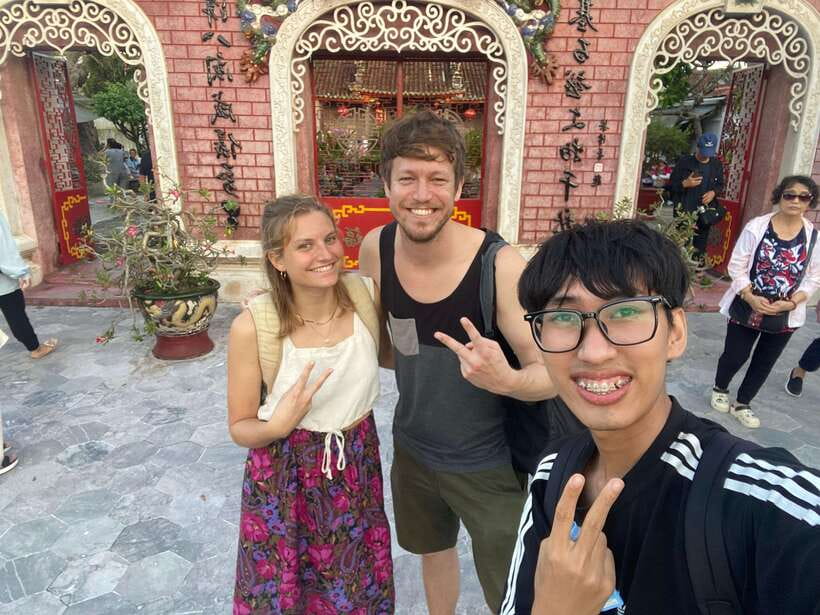
The final heritage area on the route is Hoi An Market. A market stop changes the mood. Up to this point, you’ve mostly been seeing heritage buildings and cultural venues. A market adds the everyday texture that makes Old Town feel lived-in rather than staged.
Expect a visual mix of stalls and active foot traffic. Your guide can help you understand what’s around you and guide you toward areas that are worth a look. It’s also a great place to pick up ideas for snacks or ingredients you may want later.
A consideration: markets can be crowded and noisy. Stay aware of your footing and keep close to the group if you’re unsure where you’re going.
Tea or Dessert Break: The Included Finish That Actually Helps
This tour includes traditional dessert or local tea. What that means for you on the ground is simple: you get a planned break instead of hunting one down while everyone’s tired.
Reviews also point to a refreshing drink stop at Mót as a common ending. If you’re choosing when to do this tour in your day, I’d aim for earlier or mid-afternoon so you’re not too tired to enjoy the drink and the calmer pace near the end.
Beyond the calories, the break is useful because your guide often uses the moment to share practical recommendations—where to eat, which coffee shops to try, and how to approach tailor shops if you’re interested.
Price, Value, and the Unesco Ticket Reality
The tour price is $14 per person for about 150 minutes, and it’s sold as a small-group walk with an English local guide. On value, you’re not just paying for walking; you’re paying for someone to:
- choose an efficient route
- keep the group moving
- translate and explain what you’re looking at
- point you toward hidden alleys and photo spots
- include tea or dessert
The one extra cost you must plan for is the Unesco heritage entrance ticket (120,000 VND per person), paid separately in cash. The tour also states there’s a skip-the-line benefit via a separate entrance once you have that ticket.
So the real value calculation is this: you’re getting guide time plus multiple key sites and a structured walkthrough, while the Unesco ticket is a separate line item. If you were to do the same plan without a guide, you’d likely spend more time figuring out what matters and where to go next.
What to Wear, Who This Fits, and Who Might Skip It
This tour is best when you want an organized orientation to Hoi An Ancient Town. It suits:
- first-time visitors who want the big landmarks without planning every detail
- people who like heritage and street-level culture
- anyone who wants restaurant and tailor recommendations after seeing the main sights
It’s not a great fit if you need stroller access. Baby strollers aren’t allowed, and it’s not suitable for babies under 1 year. It’s also a walking experience, so comfortable shoes and clothing matter.
If you tend to dislike crowds, the small group helps. Even in busy times, guides have a habit of keeping everyone together, which reduces the stress of navigating packed areas.
Also, if you’re someone who enjoys humor and interaction, this tour tends to deliver. Many guide styles here involve conversation and fun moments, not just facts.
Should You Book This Hoi An Ancient Town Walking Tour?
I’d book it if you want an efficient, high-signal first pass through Old Town. For the money, you get structured access to major heritage stops, a guide who can explain what you’re seeing, and an included tea or dessert break. The max 10 group size is especially valuable if you’re worried about getting separated in a crowded UNESCO area.
I’d pause if you don’t want to handle extra cash for the Unesco entrance ticket. The ticket is required, and it’s not included in the tour price.
If you’re flexible and you want your Old Town time to feel guided rather than aimless, this is a smart way to start.
FAQ
How long is the Hoi An Ancient Town walking tour?
The tour duration is 150 minutes.
How many people are in the group?
The group is small, limited to a maximum of 10 participants.
Is the tour guided in English?
Yes, the live tour guide speaks English.
Where does the tour meet?
You meet at 95 Đ. Phan Chu Trinh Street, Hoi An, in front of a tailor shop at the corner of the intersection.
Is the Unesco entrance ticket included in the price?
No. The entrance ticket is 120,000 VND per person and is only accepted in cash.
What is included during the tour?
It includes a local English-speaking guide, a walking tour with a small group, visits to key heritage sites, hidden alleys and photo spots, traditional dessert or local tea, and recommendations for where to eat or shop.
What is not included?
The Unesco entrance ticket is not included, and pick-up/drop-off is not included.
Does the tour offer a skip-the-line entry?
Yes. It includes skip-the-line access through a separate entrance.
Can I bring a stroller?
No baby strollers are allowed.
What should I wear or bring?
Wear comfortable clothes for walking.