REVIEW · HANOI
Hanoi Coffee Class learning 5 famous coffee in Hanoi
Book on Viator →Operated by Hanoi Coffee Class · Bookable on Viator
Coffee smells good before you even taste it. At Hanoi Coffee Class, you learn how Vietnamese coffee culture works through hands-on brewing and a guided walk through the beans, tools, and history behind them.
What I really like is the real making part—you won’t just watch. You start with Vietnamese tea and snacks, then move into touching and smelling coffee beans and building your own set of coffee drinks to enjoy step by step.
One consideration: it’s only about 2 hours, so it moves at a lively pace. If you want slow, deep single-drink practice, you may need a follow-up coffee stop in the evening.
In This Review
- Key highlights worth your time
- Coffee Class in Hanoi: Meeting at 8 P. Gia Ngư and Settling In
- Welcome Tea, Snacks, and the Smell-and-Touch Part People Remember
- Vietnamese Coffee Basics: Beans, Roaster Tools, Grinding, Brewing
- The Five Hanoi Coffee Drinks You’ll Make (and How to Expect Variations)
- Condensed Milk Filter Coffee and Pour-Over: Start Simple, Then Get Accurate
- White Coffee and Vietnamese Style Sweetness: What You’re Really Learning
- Egg Coffee and Hanoi Stories: The Flavor With a Backstory
- Coconut, Matcha, and Salted Coffee: Vietnam’s “Yes, We Can” Side
- Snacking Through the Class: Small Bites, Better Flow
- Value Check: Is $18 for a Hanoi Coffee Class Worth It?
- Who Should Book This Hanoi Coffee Workshop?
- Should You Book Hanoi Coffee Class?
- FAQ
- FAQ
- What’s the price and length of the Hanoi Coffee Class?
- Where does the tour start?
- Does it end back at the meeting point?
- What will I do during the class?
- Will I taste coffee as part of the experience?
- Are roasting and brewing included?
- What coffee drink types might I make?
- How many people are in the class?
- Is confirmation provided after booking?
- What’s the cancellation policy?
- Is a mobile ticket used?
Key highlights worth your time
- A short, focused 2-hour class that still includes roasting, grinding, brewing, and tasting
- Five Hanoi favorites built from a menu that can include condensed milk filter, pour-over, white coffee, egg coffee, coconut, matcha, and salted styles
- Smell-and-touch bean education before you make anything
- Guides who teach in friendly, clear English (names like Vy, Bella, and Ruby come up in recent experiences)
- Small group size (max 15 people), so it feels more like a workshop than a show
Coffee Class in Hanoi: Meeting at 8 P. Gia Ngư and Settling In
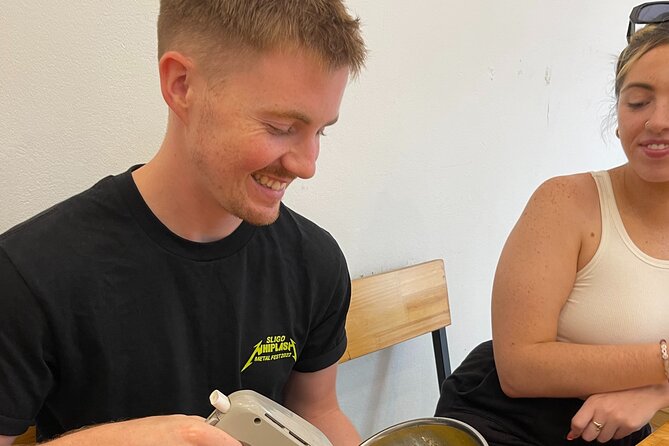
Most good Hanoi food experiences start with a simple truth: when you arrive, you want to feel like you’re already part of the neighborhood routine. This one begins at 8 P. Gia Ngư, Hàng Bạc, Hoàn Kiếm, and it ends back there, which keeps the whole plan easy. You’re not guessing where to go next—you’re staying in the same part of town.
The class itself is designed to feel practical. You’ll get Vietnamese tea and snacks right away, so you’re not walking in hungry or thrown into caffeine chaos. It’s also a nice way to soften jet lag if you’re visiting Hanoi from somewhere far away.
Time-wise, plan on about 2 hours. That’s short enough to fit between Old Quarter wandering and dinner, but long enough to actually learn the workflow: roast (if your option includes it), grind, brew, and taste multiple drinks.
A few more Hanoi tours and experiences worth a look
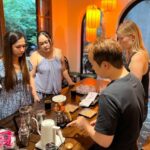

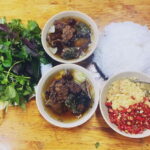
Welcome Tea, Snacks, and the Smell-and-Touch Part People Remember
This class starts in the most sensory-friendly way possible: you see the coffee in different forms, then you’re guided to touch and smell coffee beans. That matters more than it sounds. When you can identify different aromas and textures before brewing, the drinks you make afterward feel less like a mystery and more like a repeatable skill.
After the initial welcome, you’ll also get small snacks during the session—not just at the start. It keeps energy steady while you’re switching between recipes and styles.
And here’s the cultural angle that makes this more than a caffeine craft lesson: you’re not only learning how coffee is made. You’re learning why Vietnamese coffee culture developed the way it did, with history and fun facts explained in plain, human terms.
If you’re the type who likes food lessons with context (not just instructions), this format tends to land well.
Vietnamese Coffee Basics: Beans, Roaster Tools, Grinding, Brewing
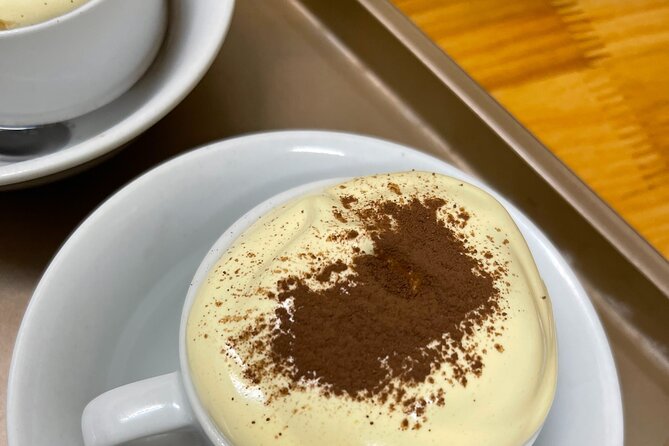
Once you’re comfortable with the beans, the class moves into the main show: hands-on coffee production. Depending on the option you choose, you may get the chance to roast a batch of coffee yourself, which is a big deal for understanding what you’re tasting later.
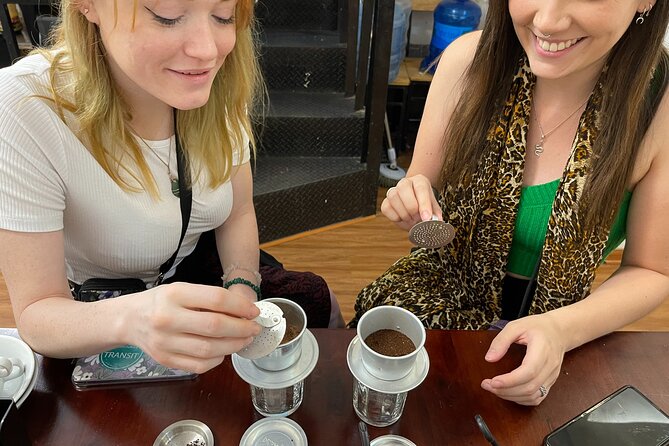
You’ll also work with equipment used for Vietnamese coffee making, including a coffee filter, coffee roaster, and tools. Even if you’ve brewed coffee at home, this step helps you compare methods. Vietnamese coffee styles often rely on specific techniques and preferences that differ from what you might know from drip machines or cafés back home.
You’ll get instruction to grind and brew coffee, and from there the class becomes a guided recipe workshop. This isn’t a one-drink demonstration where you watch someone else work. You follow along, then you make the drinks yourself and enjoy them one by one with snacks.
The Five Hanoi Coffee Drinks You’ll Make (and How to Expect Variations)
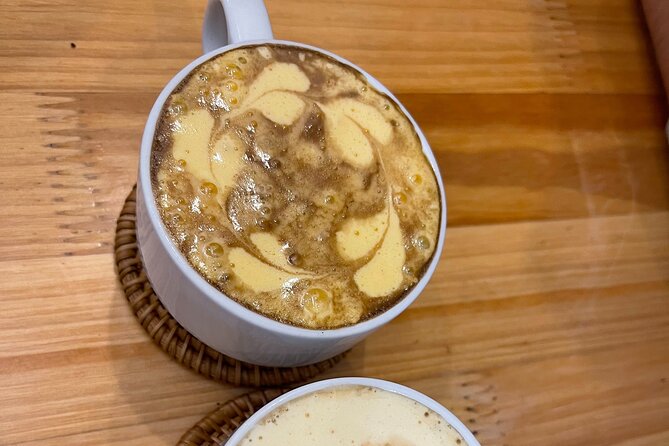
The big promise here is 5 coffee drinks made by you. The exact set can vary, but the menu of types mentioned includes some classic Hanoi names and newer variations. Expect styles like:
- Condensed milk filter coffee
- Pour over
- White coffee
- Egg coffee
- Coconut coffee
- Matcha coffee
- Salted coffee
That list is a hint at the class’s personality: it treats Vietnamese coffee like something you can play with, not just something to copy perfectly. Some options may focus more on classic styles (like condensed milk filter or egg coffee). Others may add more modern or comfort-food flavors (like matcha, coconut, or salted).
Either way, you’ll learn what changes when you adjust the base method and toppings. For example, when condensed milk enters the picture, sweetness and body shift fast. When egg coffee is introduced, you’re tasting a signature texture rather than just a different flavor.
So if your goal is to come home with a few solid, repeatable recipes, this class gives you multiple targets to practice—not one.
Condensed Milk Filter Coffee and Pour-Over: Start Simple, Then Get Accurate

If you’re learning coffee for real, you need at least one style that’s forgiving and one that’s precise. The lineup here hits that balance.
Condensed milk filter coffee is often the clearest window into Vietnamese coffee style. It’s a drink where sweetness and richness matter, and the filter method helps create a recognizable texture. The value for you isn’t only the taste. It’s learning how the brewing step interacts with the way the drink is assembled.
Pour over gives you the opposite lesson: timing and flow matter. Even without getting stuck in technical terms, you’ll understand how water movement affects extraction and flavor. It’s the kind of step that helps you later when you’re trying to get a similar cup at home.
You’ll also likely make white coffee, a style that many people associate with Hanoi cafés. It’s a strong candidate if you’re the type who loves smooth, slightly roasted profiles rather than sharp, light acidity.
A few more Hanoi tours and experiences worth a look




White Coffee and Vietnamese Style Sweetness: What You’re Really Learning
People often think coffee lessons are about tasting differences. This one is also about learning the logic behind the differences.
With Vietnamese styles, sweetness is sometimes part of the design, not an add-on. That means the same base coffee can taste very different depending on what’s mixed in and how the brewing step sets up the cup.
As you go drink to drink, you’re building a mental map:
- What changes after roasting?
- What changes after grinding?
- What changes after brewing?
- What changes after the drink is assembled?
By the time you finish the set, you’ll have a clearer sense of why your favorite Vietnamese coffee doesn’t just taste good—it tastes consistent, even when you order it somewhere new.
Egg Coffee and Hanoi Stories: The Flavor With a Backstory
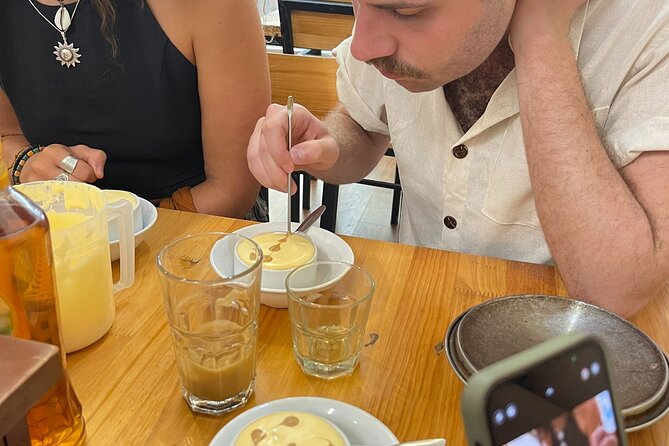
Egg coffee is one of the most talked-about Hanoi drinks, and this class treats it like more than a novelty. You’ll learn about the history of Hanoi and how egg coffee came to be, then you’ll make it and taste it as part of your session.
That historical explanation matters because egg coffee is a recipe tied to local culture and inventive food habits. When you know the story, the texture and flavor start making sense in a way that feels less random.
This is also where a strong guide really shines. Recent experiences highlight teachers like Bella and Vy being especially good at explaining the meaning behind the drink while still keeping it hands-on. You end up with a story you can share later, not just a recipe you might forget.
If you’re visiting Hanoi for food reasons, this is the moment you’ll be glad you didn’t skip.
Coconut, Matcha, and Salted Coffee: Vietnam’s “Yes, We Can” Side
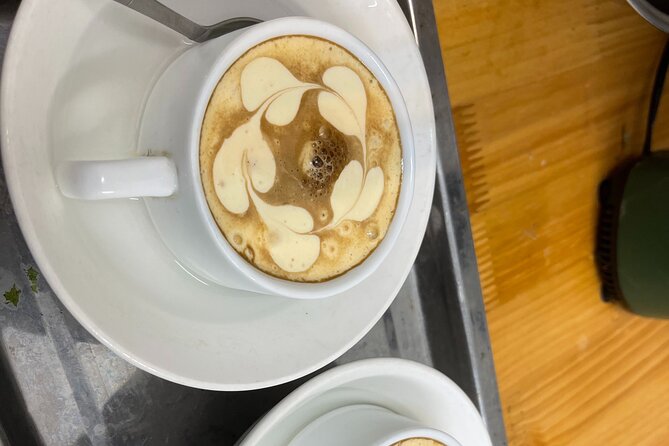
Not every coffee class includes modern twists alongside classics. This one does. You may make drinks like coconut coffee, matcha coffee, and salted coffee, depending on your exact five-drink selection.
The practical value here is learning how Vietnamese coffee culture adapts to different tastes. These drinks show you that the “coffee” part can stay central while the flavor direction changes—sometimes creamy, sometimes aromatic, sometimes sweet-salty.
And for you as a home brewer, this is useful because it teaches a mindset: start with a stable coffee base, then adjust toppings and assembly to match your preferences. That’s much more useful than memorizing one “perfect” recipe.
Snacking Through the Class: Small Bites, Better Flow
You’ll get snacks during the session and enjoy your drinks one by one. That pacing matters. Coffee-tasting lessons can turn into a caffeine rush with no reset. Here, snacks help you keep your taste buds in better shape while you move through several different styles.
Think of it as a tasting workflow, not just a meal before or after.
If you’re someone who usually struggles with sweets, the variety helps too—you’re not stuck eating the same flavor profile over and over.
Value Check: Is $18 for a Hanoi Coffee Class Worth It?
At $18 for about 2 hours, the value is strongest if your priority is learning by doing, not simply buying a couple coffees.
Here’s what you’re paying for, in practical terms:
- The hands-on process (tools, instruction, and you making the drinks)
- The tasting payoff of multiple coffee types in one sitting
- Coffee and/or tea plus snacks, so you’re not doubling your food budget elsewhere
- A small group format, with a cap of 15 people, which usually improves the learning vibe
Could you drink five coffees in Hanoi for less? Maybe, depending on where you go. But that’s not the same experience. The class gives you the method and the reasoning behind how each style is built, plus the stories around coffee in Vietnam.
For many people, the “worth it” moment comes right after the class—when you realize you can repeat the process at home instead of just remembering flavors.
Who Should Book This Hanoi Coffee Workshop?
This tour fits best if you want:
- A short, structured activity in the Old Quarter area
- A mix of coffee education and hands-on practice
- A chance to learn not only recipes, but also the history and culture around Vietnamese coffee
- Multiple styles in one session—classic and creative options
It’s also a good choice if you’re traveling with a small group, since the class size stays limited to max 15 people.
If you’re the sort of coffee traveler who likes craft, you’ll appreciate the workflow. If you’re more of a casual coffee fan, the stories and taste variety still make it fun.
Service animals are allowed, and the meeting point is near public transportation, which helps if you’re juggling Hanoi traffic and walking distances.
Should You Book Hanoi Coffee Class?
Yes, if you want a fast, friendly way to learn Vietnamese coffee and come away with skills you can use. The strongest reasons to book are the hands-on roasting/grinding/brewing format and the chance to make five different Hanoi coffee styles rather than sampling one drink and leaving.
If you’re mainly looking for a long, slow, “coffee nerd” session focused on one brewing method for hours, you might feel the pace is quick. For most people, though, this is a clean, solid use of time in Hanoi—especially when you want something more personal than a café visit.
FAQ
FAQ
What’s the price and length of the Hanoi Coffee Class?
The class costs $18 and lasts about 2 hours.
Where does the tour start?
It starts at 8 P. Gia Ngư, Hàng Bạc, Hoàn Kiếm, Hà Nội, Vietnam.
Does it end back at the meeting point?
Yes, the activity ends back at the meeting point.
What will I do during the class?
You’ll be welcomed with Vietnamese tea and snacks, learn about Vietnamese coffee (including history and fun facts), then you’ll make five coffee drinks and enjoy them one by one.
Will I taste coffee as part of the experience?
Yes. You’ll have coffee and/or tea included, and you’ll enjoy the coffee drinks you make during the session.
Are roasting and brewing included?
The experience includes coffee tools and instruction, and depending on the option you chose, you may roast a batch yourself, then learn to grind, brew, and make different coffee types.
What coffee drink types might I make?
The class includes coffee types such as condensed milk filter coffee, pour over, white coffee, egg coffee, coconut coffee, matcha coffee, and salted coffee, with your five-drink selection based on the class option.
How many people are in the class?
The experience has a maximum group size of 15 travelers/people.
Is confirmation provided after booking?
Yes. You’ll receive confirmation at the time of booking.
What’s the cancellation policy?
You can cancel for a full refund up to 24 hours in advance. If you cancel less than 24 hours before the start time, the amount paid is not refunded.
Is a mobile ticket used?
Yes, the experience provides a mobile ticket.