REVIEW · HOI AN
From Hoi An: Market Tour, Basket Boat Ride and Cooking Class
Book on GetYourGuide →Operated by Hoian Eco Coconut Tour · Bookable on GetYourGuide
Four scents, one canoe, and dinner you made. This half-day eco-style tour from Hoi An strings together two things I really like: time to shop and bargain in a real local market, and a hands-on cooking class where you learn classic dishes like Bánh cuốn and Bánh Xèo. You also get a bamboo basket boat ride through coconut palms, plus a rural-feeling pace that beats the usual souvenir-only tours.
One thing to plan around: the market walk is busy, so the guide may be harder to hear in crowded sections, and the boat portion is fairly short for how tempting the scenery looks.
In This Review
- Key highlights worth your time
- Starting at the Ivegan shop: a smooth way to begin
- Hoi An market walk: fruits, herbs, and real bargaining energy
- A realistic heads-up: it can be noisy
- Coconut palm basket boat: 40 minutes that feel both serene and playful
- Fishing-net moment and music on the water
- Handmade coconut-leaf souvenirs: small, local, and actually tied to the setting
- The cooking class kitchen: where you learn by doing
- Who teaches you matters, and the guides here are patient
- How much food you really get: plan your day around it
- Expect a couple dishes to be faster-paced
- Price and value: why $17 can feel like a steal
- Eco-friendly in real life: what you’re likely supporting
- Best for: who should book and what to expect from your day
- Should you book this Hoi An market, basket boat, and cooking combo?
- FAQ
- What’s included in the tour price?
- Is hotel pickup and drop-off included?
- How long is the bamboo basket boat ride?
- Does the tour include food for the meal?
- Can the cooking class ingredients be adapted for dietary needs?
- What should I bring with me?
- Are pets allowed on this tour?
- What languages do guides speak?
- Is the tour suitable for wheelchair users?
- Where does the tour start and end?
Key highlights worth your time
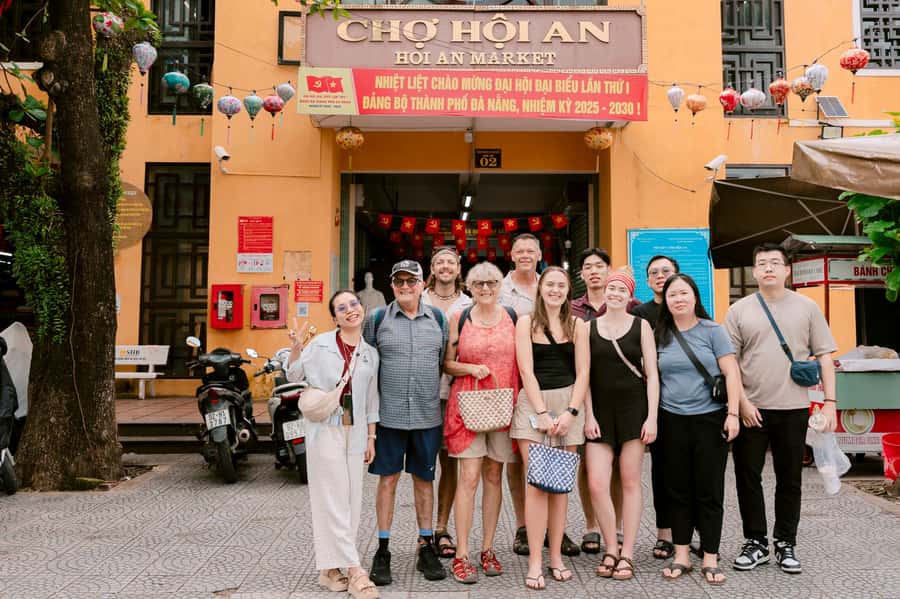
- Market practice with bargaining tips so you can spot good produce and ask smarter questions
- Basket boat ride through coconut palms with a mix of calm paddling and playful moments
- Fishing-net and folk-song touches that make the countryside feel more than a photo stop
- Cooking class led step-by-step with plenty of hands-on time for your own lunch or dinner
- Big portions, so eat lightly before you go and save your appetite for what you’ll make
Starting at the Ivegan shop: a smooth way to begin
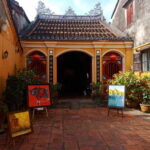
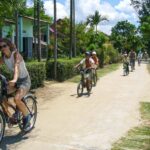
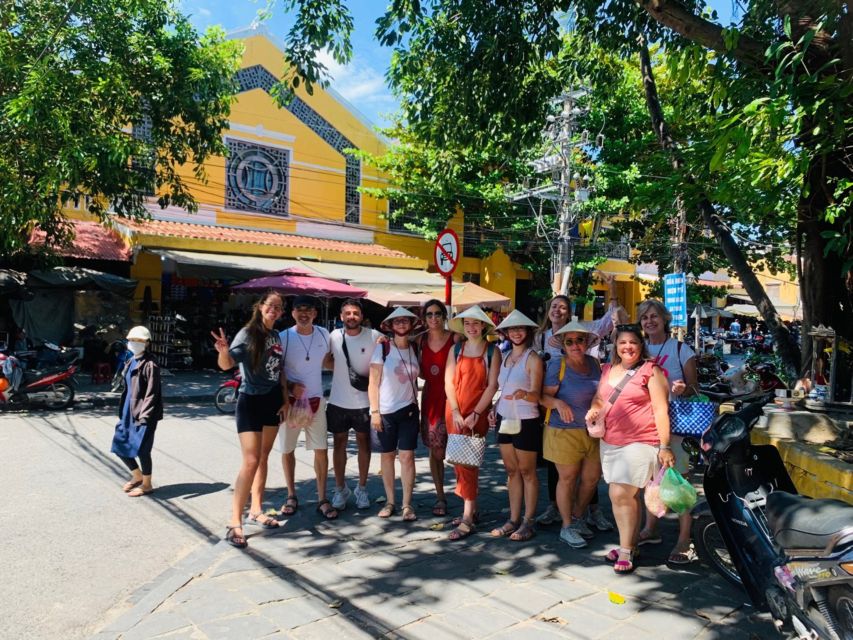
I like that this tour starts in town and keeps things simple. You meet your guide at the Ivegan shop, then head out for either a morning or afternoon slot. From there, the route is paced like a local day: market first, then countryside water time, then the cooking kitchen.
The good part for you is that there’s no complicated “find 6 different places” chaos. You’ll return back to the meeting point at the end. The tradeoff is you’re on your own for getting to the start—hotel pickup and drop-off are not included—so build in a little extra time for transit.
You can also read our reviews of more boat tours in Hoi An
Hoi An market walk: fruits, herbs, and real bargaining energy

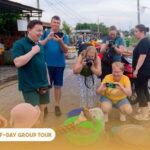
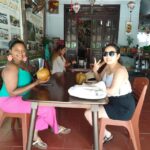
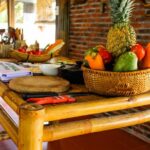
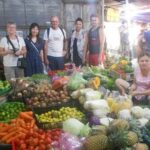
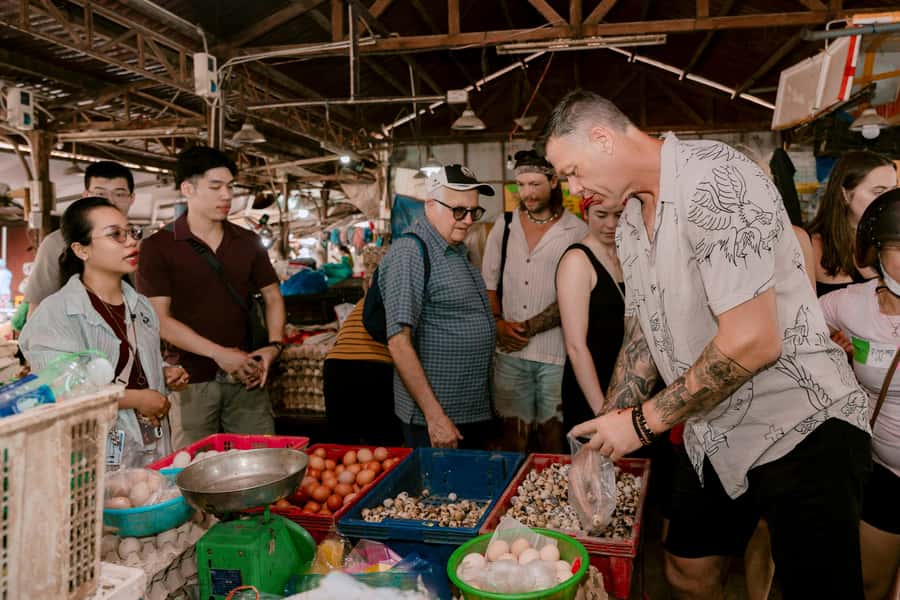
The market portion is where the tour feels most everyday. You’ll browse seasonal fruits, noodles, herbs, vegetables, meats, and fish—so you get a full picture of what Vietnamese cooking actually pulls from the pantry. I love this part because you’re not just looking. You’re learning what ingredients are called, how they’re used, and why some items are cut or arranged a certain way.
Even better, you’re encouraged to interact with vendors and get tips on how to bargain without turning it into a bad-tempered game. You’ll likely see how pricing works for tourists versus regular customers, and you’ll come away with practical phrases and confidence for your next market visit in Hoi An.
A realistic heads-up: it can be noisy
Markets aren’t quiet classrooms. One note to keep you from getting disappointed: in dense, crowded aisles, it can be hard to hear what the guide is saying. If you’re someone who needs clear audio, bring sunglasses (to keep you focused) and try to position yourself where you can see the guide and the stall items.
Also, you may notice how markets display fresh items in the open, and that can raise questions about heat and refrigeration. If food safety is a major concern for you, it’s smart to lean on your guide’s judgment about what’s freshest and to keep the experience about learning rather than worrying.
Coconut palm basket boat: 40 minutes that feel both serene and playful
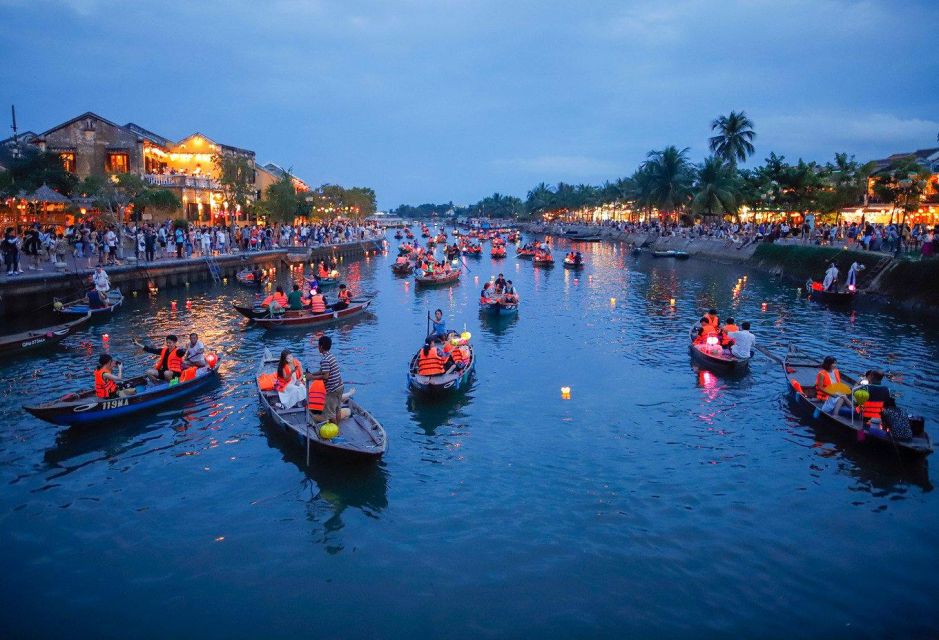
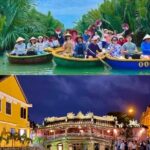
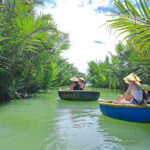
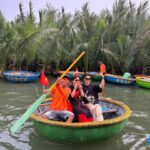
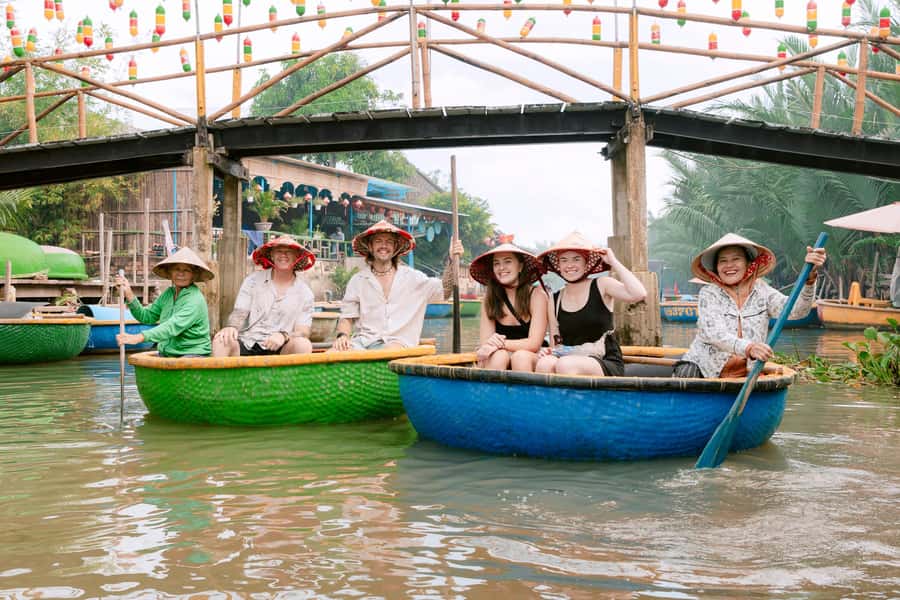
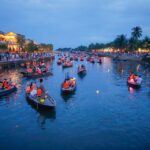
Then comes the water portion. You’ll board a traditional bamboo basket boat and paddle through a dense coconut palm area for about 40 minutes. This is the part that works for everyone: the view is genuinely pretty, and the ride is built around real movement—paddling, steering, and balancing in a way that makes it feel hands-on.
What makes it more fun than a standard scenic cruise is the rhythm. Many captains turn the ride into a mix of calm paddling and lively moments. You might hear folk songs while you glide past coconut palms, and if your boat crew adds it, the ride can include playful spinning or party-style music.
Fishing-net moment and music on the water
The tour also teaches you about fishing with a net, plus there are folk-song elements along the way. These touches matter because they explain how people use this water and why coconut palms are so central to local life—not just how the area looks on a phone screen.
Some boats also feature the rower singing, and you may even get photos done on the spot. One small practical thing: if it’s hot, you may want shade. In at least some runs, umbrellas are available, which can make a noticeable difference on a sunny day.
You can also read our reviews of more shopping tours in Hoi An

Handmade coconut-leaf souvenirs: small, local, and actually tied to the setting
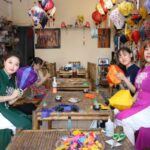
A fun detail in this experience is the handmade souvenirs made from coconut leaves. These aren’t just generic crafts bought at the end of the day. You get them in the context of the coconut palm world you just rode through, which helps the souvenirs feel earned rather than random.
If you’re traveling light, keep expectations realistic: these are small, but they can still add weight. Still, I think they’re a nice way to take something home that feels connected to the ride and rural setting.
The cooking class kitchen: where you learn by doing
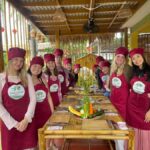
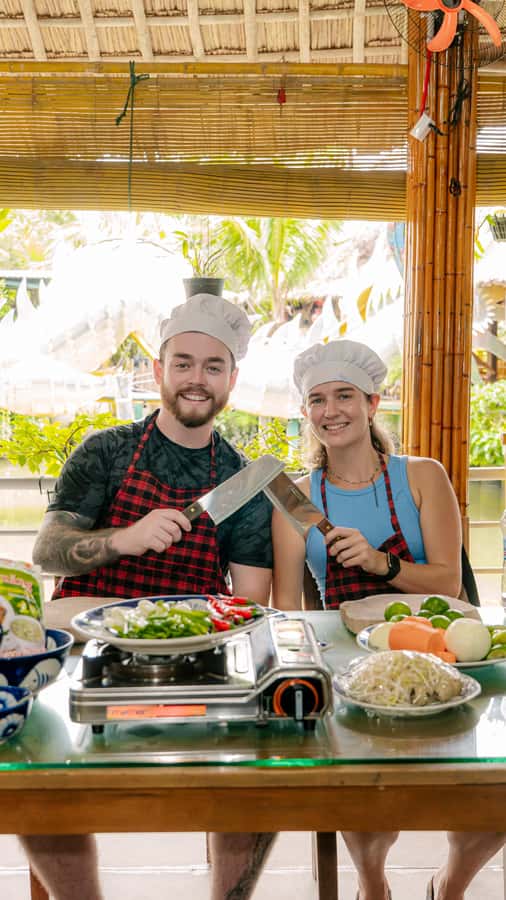
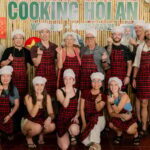
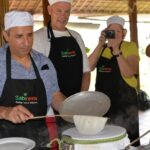
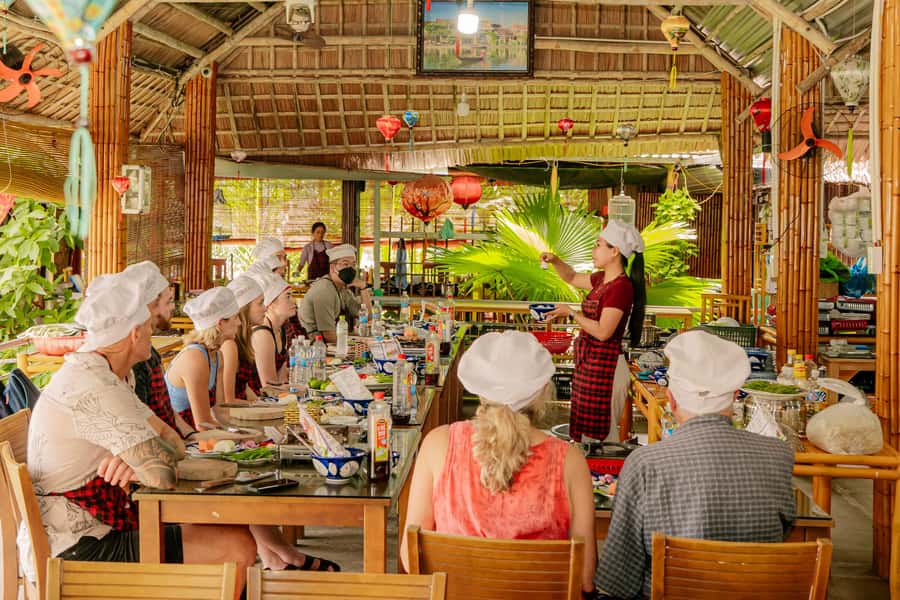
The cooking class is the main reason most people sign up, and for good reason. You’ll learn Vietnamese dishes such as Bánh cuốn (steamed rice rolls), Bánh Xèo (rice pancakes), Phở (beef noodles), and Chè (sweet bean soup). Depending on the slot and the instructor, you might cook a wider set like spring rolls and other pancake-style dishes, but the overall goal stays the same: you learn the method, not just the final flavor.
What you can expect, practically:
- You’ll be guided through ingredients and steps before you start cooking.
- You’ll do hands-on tasks, not just watch.
- You’ll eat what you make as lunch or dinner.
Who teaches you matters, and the guides here are patient
Across different classes, names like Thao, Anna, Ling, Thuy, Thuy’s role as assistant, and Linh come up again and again. The recurring theme is clear: patient instruction and a sense of humor. One of the best signs for you as a reader is that the teaching approach is set up so mistakes don’t ruin the meal. If a sauce splits or a pancake doesn’t look perfect, the kitchen rhythm still keeps you fed.
Small groups also show up in the experience. When the group is small, you’re more likely to get personal help at the exact step you’re struggling with, rather than waiting for the instructor’s attention to cycle around.
How much food you really get: plan your day around it
This tour includes lunch or dinner, and you’ll be surprised by how much food that turns into. Many people say they cook multiple dishes and end up eating enough to skip a separate meal afterward.
A smart move: if you choose the morning session, have a light breakfast. If you choose the afternoon slot, don’t plan to eat a big lunch beforehand. You’ll still get plenty, so going hungry is a better strategy than trying to “save space.”
Expect a couple dishes to be faster-paced
A balanced note from real experiences: the class may move in two phases. The first part tends to be hands-on with more guidance. Later, some portions can be done faster or with more assistance. That doesn’t mean you won’t learn—it just means you should treat the class like a structured cooking workflow, not a slow demonstration marathon.
Price and value: why $17 can feel like a steal
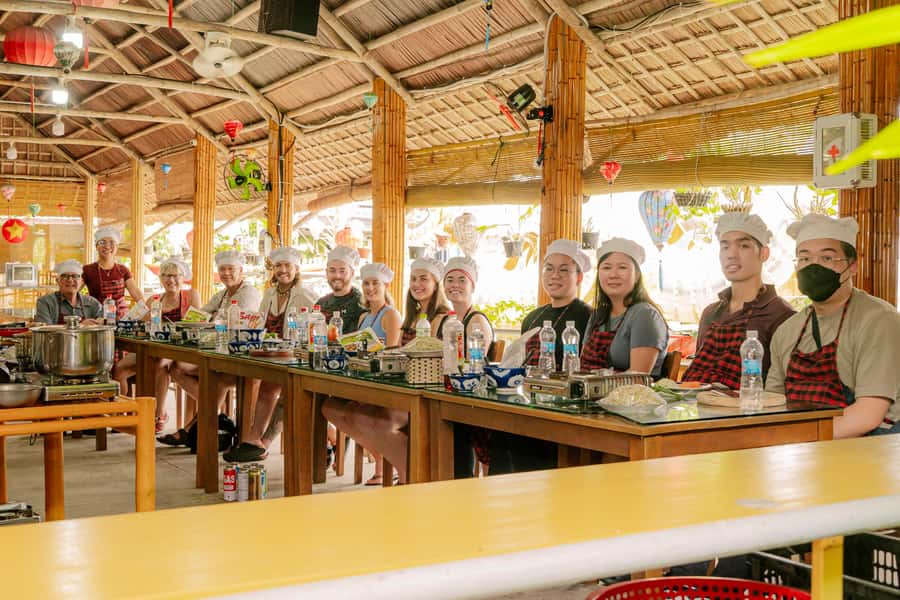
At about $17 per person, this is strong value for what’s included: guide, cooking class, insurance, a bottle of water, plus lunch or dinner. Most cooking classes alone in tourist-heavy areas cost much more, and they often don’t include a market walk and a countryside boat ride.
Here’s why it feels fair to many people:
- You get multiple experiences in one half-day: market + boat + cooking.
- You leave with food and a skill set you can try again at home.
- You’re not paying extra for the meal since it’s part of the class flow.
The only cost that might creep in for you is optional add-ons on the boat ride (some captains offer extra spinning-style fun). If you care about that, ask or watch for it rather than assuming everything is included in the base price.
Eco-friendly in real life: what you’re likely supporting
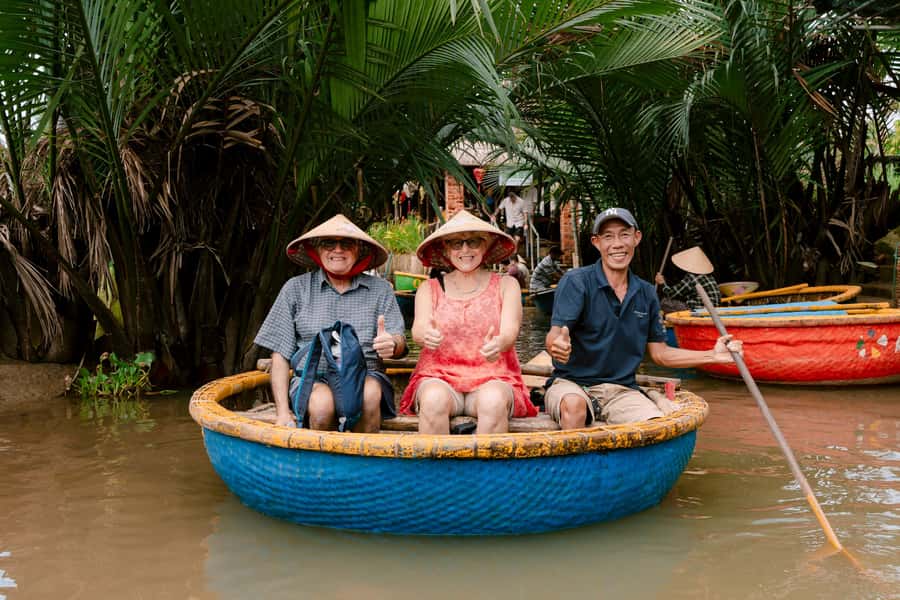
This is marketed as an eco-friendly style of experience, but the practical question for you is: what does that mean on the ground? Here’s what you can infer from how it’s run:
- You’re on low-impact watercraft (bamboo basket boats) rather than a big engine cruise.
- The experience is tied to local materials, including coconut leaves for souvenirs.
- The tour uses a rural setting and local routines instead of just transporting you from one view point to another.
That doesn’t automatically make every aspect perfect, but it does explain why the experience can feel more human-scale. It’s the kind of tour where you’re interacting with people, learning ingredients and methods, and spending real time in the local setting.
Best for: who should book and what to expect from your day
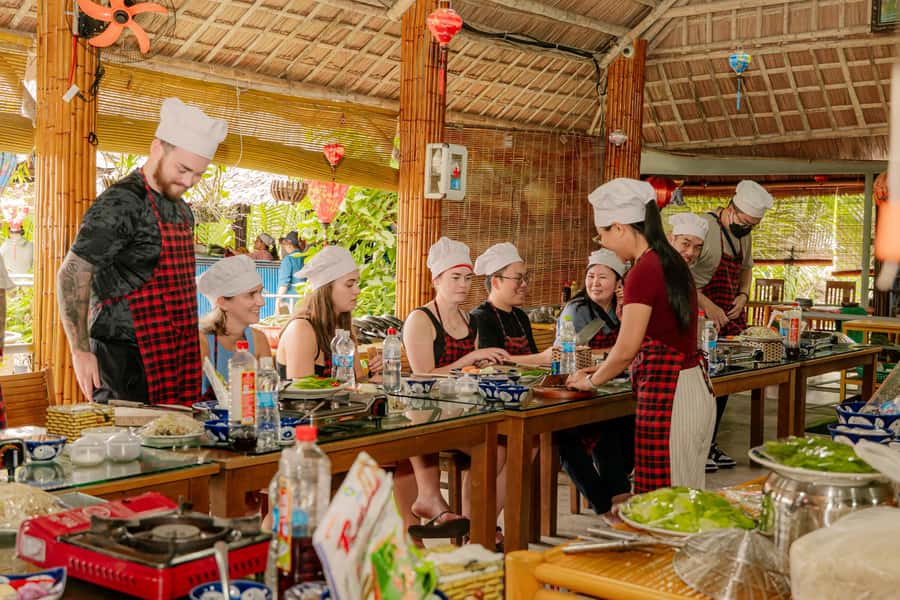
This tour is a great fit if you want:
- A half-day activity that feels more like local routine than a box-check itinerary
- A cooking class that isn’t just watching someone cook
- A market experience that gives you shopping confidence in Vietnam
It’s also family-friendly in many cases, since it’s not built around complex physical tasks. Still, it isn’t suitable for wheelchair users, and you’ll want comfortable shoes for walking in market areas and moving around the kitchen.
If you have dietary needs, this is one of the better options. Food ingredients can be adapted for vegan, vegetarian, gluten-free preferences, and allergies. That matters because Vietnamese cooking does rely on ingredients that can be tricky to swap. If you tell your guide clearly in advance, you’ll have a better chance of enjoying the meal instead of just picking around it.
Should you book this Hoi An market, basket boat, and cooking combo?
If you want a morning or afternoon in Hoi An that covers food, countryside water life, and real cooking skills, I’d say yes. The market walk gives you context for what you’ll later cook. The basket boat ride breaks up the day with coconut palms, folk-song moments, and that distinctive bamboo-basket feel. And the cooking class is often the highlight because it’s hands-on, structured, and built around eating what you make.
Book it if:
- You’re hungry to learn how Vietnamese dishes are assembled
- You like markets, even if they’re noisy and a little chaotic
- You’re happy with a half-day plan rather than a long remote outing
Consider skipping or switching timing if:
- You hate crowded, loud spaces (you might struggle to hear during the market portion)
- You want an extended boat ride (the ride is about 40 minutes, not hours)
- You’re very sensitive about how food is displayed in open-air markets
If that sounds like you, this tour is a strong use of $17—and one that leaves you with more than photos: you’ll bring home flavors, recipes, and a better sense of how Vietnam eats day to day.
FAQ
What’s included in the tour price?
The tour includes a guide, the cooking class, a bottle of water, insurance, and lunch or dinner.
Is hotel pickup and drop-off included?
No. Hotel pickup and drop-off are not included.
How long is the bamboo basket boat ride?
You’ll paddle through the coconut palm forest for about 40 minutes.
Does the tour include food for the meal?
Yes. You’ll make and eat a lunch or dinner as part of the cooking class.
Can the cooking class ingredients be adapted for dietary needs?
Yes. Ingredients can be adapted for vegan, vegetarian, gluten-free preferences, or allergies.
What should I bring with me?
Bring comfortable shoes, sunglasses, and a sun hat.
Are pets allowed on this tour?
No, pets are not allowed.
What languages do guides speak?
The tour is available in English and Vietnamese.
Is the tour suitable for wheelchair users?
No. It is not suitable for wheelchair users.
Where does the tour start and end?
It starts at a meeting point that may vary depending on the option booked, and it ends back at the meeting point.